Fashion designers rarely influence the world simply by creating beautiful clothes.
The most memorable ones change proportions, challenge conventions, introduce new techniques or give an era a visual language of its own.
Some become synonymous with a fashion house. Others build independent identities that influence generations of designers after them. Their approaches can be completely different, but each leaves behind ideas that continue to appear in contemporary wardrobes.
Here are 15 fashion designers whose work offers a window into how modern style has evolved.
1. Coco Chanel
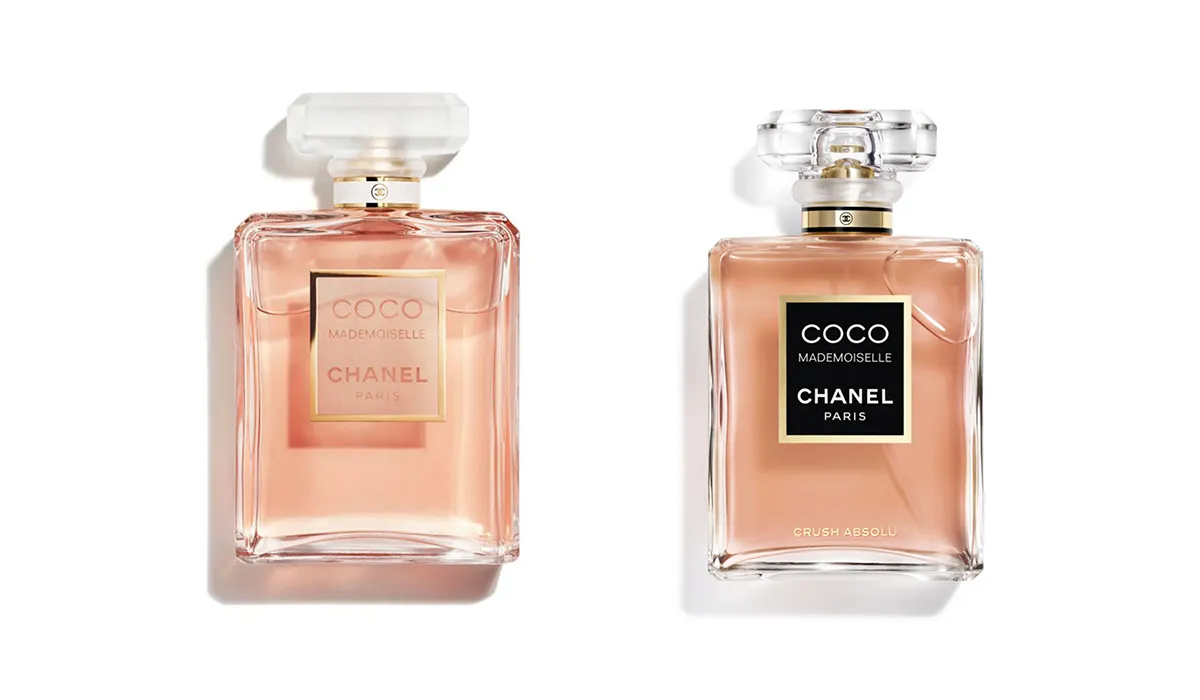
Chanel’s influence reaches far beyond individual garments.
She helped popularize a more relaxed approach to women’s clothing and developed a vocabulary built around practicality, elegance and distinctive details.
Her influence can still be seen in tweed, quilted accessories, costume jewelry and the enduring appeal of the little black dress.
2. Christian Dior
Christian Dior transformed postwar fashion with silhouettes that emphasized structure and femininity.
His work helped re-establish Paris as a major center of haute couture and created design codes that the house bearing his name continues to reinterpret.
His legacy demonstrates how a silhouette can become part of fashion history.
3. Yves Saint Laurent
Saint Laurent challenged conventional ideas about how women could dress.
Tailoring, tuxedo-inspired dressing, ready-to-wear and references drawn from art and culture became important parts of his work.
His influence can still be felt in the modern relationship between masculine tailoring and women’s fashion.
4. Giorgio Armani
Armani approached tailoring differently.
By softening traditional construction and introducing more fluid proportions, he helped redefine what sophisticated dressing could look like.
His influence extends particularly strongly through modern menswear and relaxed formal clothing.
5. Alexander McQueen
McQueen treated fashion as something capable of communicating ideas, emotions and narratives.
Precise tailoring existed alongside dramatic silhouettes and highly theatrical presentations.
His work demonstrated that craftsmanship and conceptual fashion could coexist at an extraordinary level.
6. Rei Kawakubo
Rei Kawakubo has consistently questioned conventional ideas about beauty and clothing.
Through Comme des Garçons, she explored asymmetry, unusual proportions, deconstruction and abstraction.
Her importance isn’t simply about a particular aesthetic.
It lies in her willingness to ask what clothing can become when traditional rules are removed.
7. Martin Margiela
Martin Margiela became known for challenging the conventional hierarchy of fashion.
Anonymity, deconstruction, exposed construction and unconventional materials became central to his work.
His approach encouraged audiences to look at the making of clothing rather than only its finished appearance.
8. Ralph Lauren
Ralph Lauren built an unusually complete fashion world.
His work drew from American sportswear, tailoring, country life and traditional menswear, eventually extending into interiors and lifestyle.
Rather than focusing on one silhouette, he created an entire cultural image around the clothes.
9. Miuccia Prada
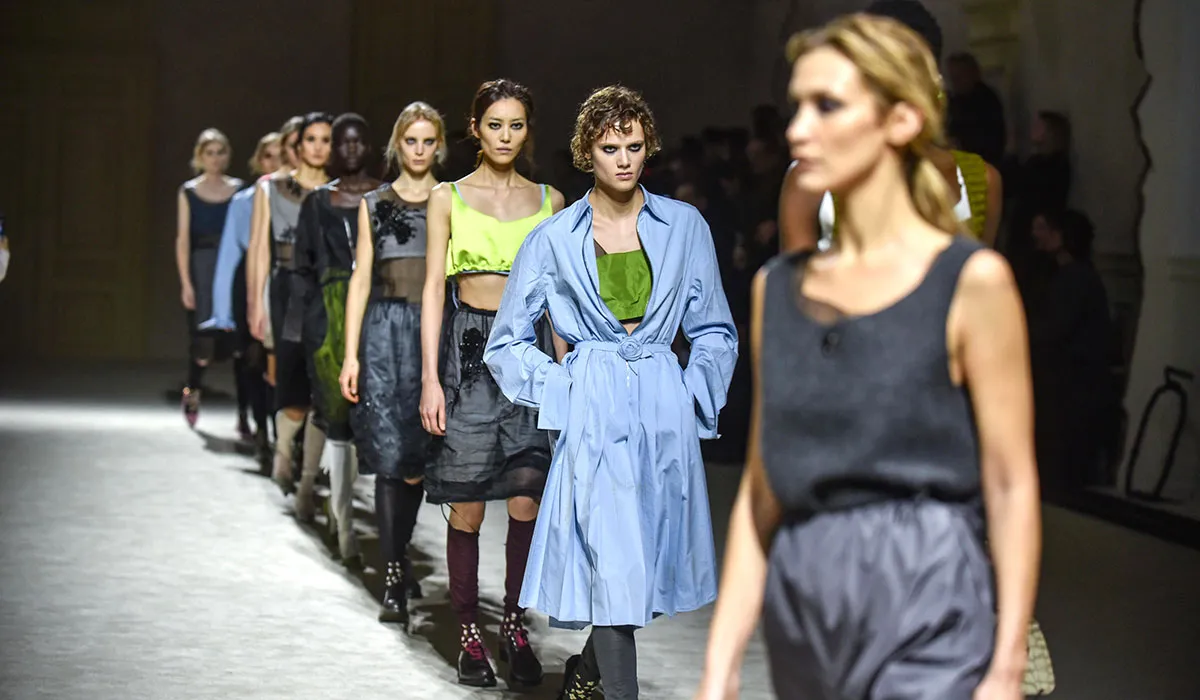
Miuccia Prada has repeatedly demonstrated that intellectual curiosity can be a powerful design tool.
Her collections often challenge assumptions about what is beautiful, practical or conventionally luxurious.
Prada’s ability to turn ordinary references into sophisticated fashion has made her particularly influential.
10. Vivienne Westwood
Westwood brought punk’s rebellious energy into the fashion establishment.
Her work challenged traditional tailoring, historical references and established ideas about presentation.
She demonstrated that political and cultural attitudes could become part of a fashion identity without being separated from design.
11. Tom Ford
Tom Ford developed a highly recognizable interpretation of modern glamour.
Sharp tailoring, sensual eveningwear and strong visual presentation became central to his work.
His influence can be seen in the continuing relationship between fashion, celebrity culture and contemporary luxury.
12. Phoebe Philo
Phoebe Philo became particularly influential for her interpretation of modern women’s wardrobes.
Her work emphasized sophisticated proportions, practical elegance and a strong understanding of how clothing fits into everyday life.
Her influence can be seen in the continued interest in understated, intelligent luxury.
13. Alexander Wang
Alexander Wang helped bring a distinctly urban perspective into contemporary fashion.
His work frequently explored the relationship between sportswear, street culture and more polished clothing.
That crossover has become increasingly common throughout modern fashion.
14. Dries Van Noten
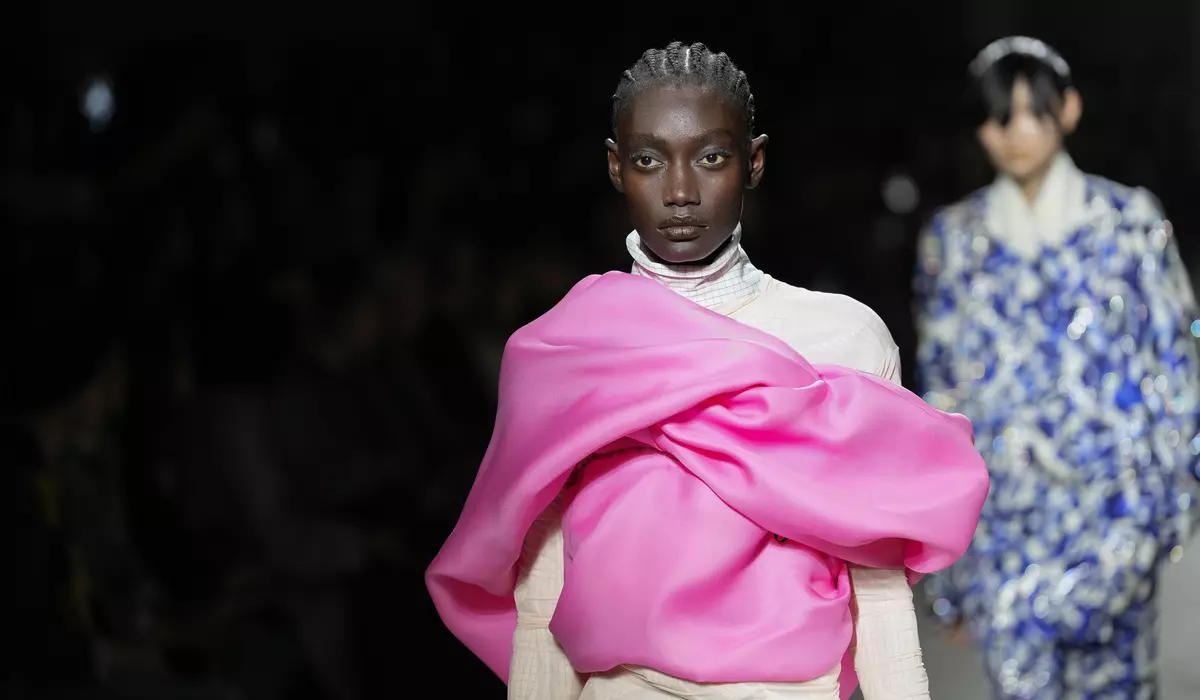
Dries Van Noten has built a reputation around sophisticated combinations of color, print, texture and cultural references.
His work demonstrates that complexity doesn’t necessarily have to feel excessive.
The pieces often become interesting through the relationship between seemingly different influences.
15. Yohji Yamamoto
Yohji Yamamoto challenged conventional ideas about proportion, tailoring and the relationship between clothing and the body.
Black, oversized silhouettes and asymmetric construction became recurring elements of his design language.
His work has had a particularly strong influence on avant-garde fashion and contemporary tailoring.
What Makes a Fashion Designer Influential?
Influence can take many forms.
A designer might introduce a new silhouette, change how people understand tailoring, develop an innovative construction technique or create a visual language that other designers begin exploring.
Commercial success is only one measure.
Cultural and creative influence can extend much further.
Why Do Some Designers Become More Influential After Their Careers End?
Fashion often revisits its own history.
Designers who introduced unusual ideas may become more relevant when later generations encounter similar cultural questions.
Archives also allow contemporary designers to reinterpret earlier work.
An idea that once seemed unconventional can eventually become part of mainstream fashion vocabulary.
Do Fashion Designers Need Their Own Brand?
No.
Many influential designers have shaped major fashion houses while working as creative directors or members of design teams.
A designer’s influence can exist independently from ownership of a fashion label.
Why Are Fashion Designers Important to Luxury?
Luxury depends heavily on creative identity.
Craftsmanship and materials matter, but designers provide the vision that determines how those elements become clothing, accessories and collections.
That creative direction is one reason fashion houses can develop such distinctive identities.
Can a Designer Influence Fashion Without Being Commercially Successful?
Yes.
Some designers have had enormous creative influence despite operating at relatively small commercial scales.
Fashion history is filled with examples of ideas spreading through the industry long before they become commercially mainstream.
The Ideas Outlive the Collections
The most important work of the best fashion designers isn’t necessarily a particular dress, jacket or collection.
It is the idea behind it.
A new proportion.
A different way of tailoring.
A challenge to convention.
A new relationship between clothing and culture.
That is why fashion history keeps returning to its designers.
The clothes eventually leave the runway. The ideas often remain.