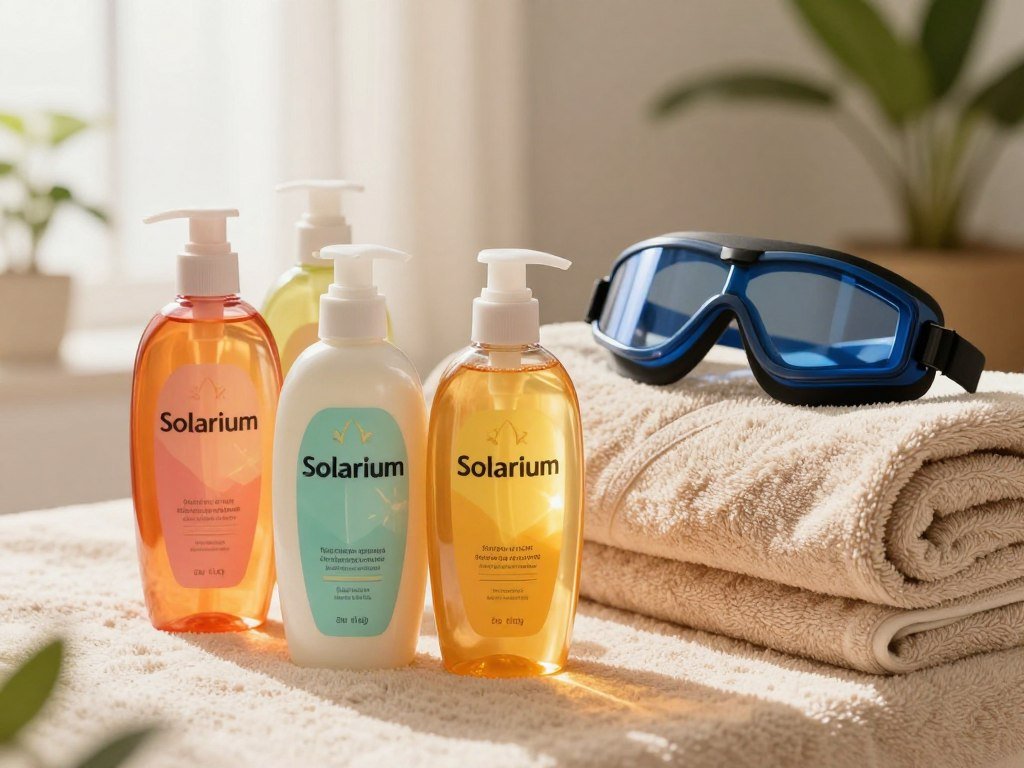
A solarium lotion can change how a tanning session feels and how color develops, but it cannot remove UV exposure from the equation. You may want a softer feel, a deeper-looking color, or a formula suited to your skin types. Those goals point to different products, and they do not change the risks of tanning beds.
This roundup separates indoor UV lotions from UV-free color products. A lotion may affect comfort or appearance, but it cannot make UV exposure safe. If you want color without a tanning-bed session, a sunless product is a different option from indoor tanning lotion.
An accelerator is a lotion category designed to support gradual color development during UV exposure, rather than adding an immediate cosmetic tint. A bronzer, by contrast, adds cosmetic color. Knowing which effect you want can help you avoid buying a formula for the wrong routine.
The right starting point is the formula that fits your goal and your tolerance for its ingredients.
Key Takeaways
- Accelerators support gradual color during UV exposure.
- Bronzers add cosmetic color, with different formulas creating different effects.
- Face and leg lotions can suit separate routines, but do not block UV.
- Fair skin that burns easily and does not tan should avoid tanning beds.
- Sunless DHA products create color without a tanning-bed session.
- Check product labels, skin comfort, and salon rules before use.
How to Choose the Best Solarium Lotion for Your Goal
A simple accelerator is the most approachable starting point for a beginner, while bronzers suit people who want added cosmetic color. The best fit depends on your routine, your skin, and the finish you want.
An accelerator is a lotion category designed to support gradual color development during UV exposure, rather than adding an immediate cosmetic tint. For readers comparing top tanning bed lotions in 2026, these are goal-based options, not a year-specific ranking.
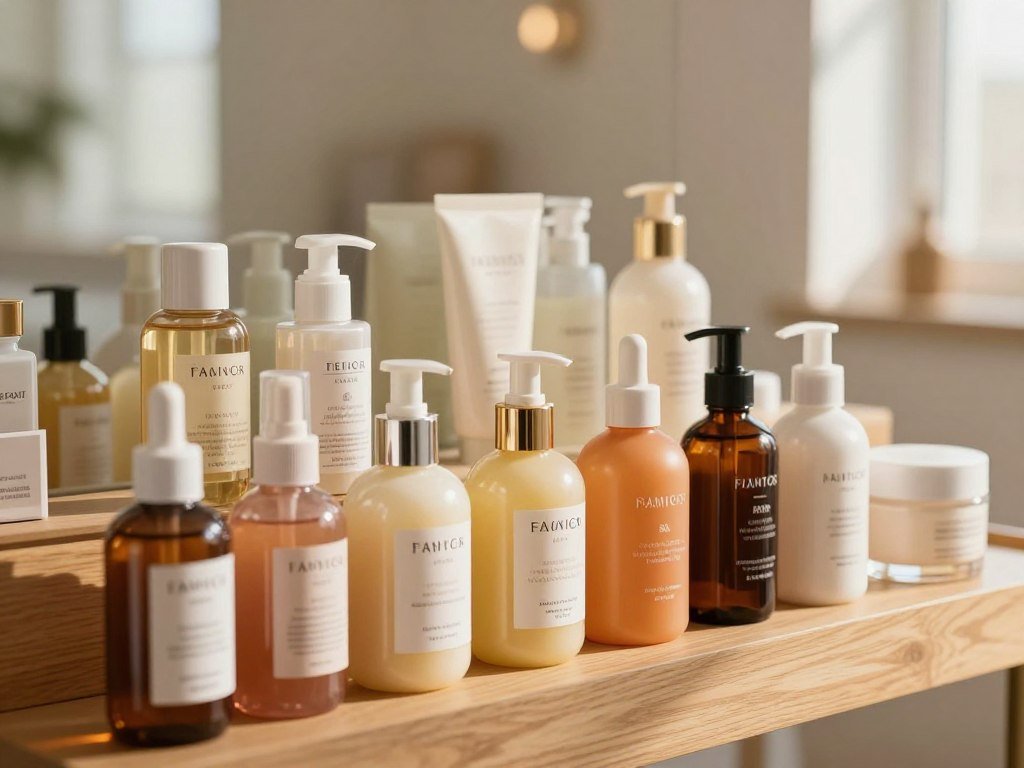
Onyx Dark Tanning Accelerator for a simple starting formula
Onyx Dark Tanning Accelerator is a white accelerator-style lotion with tyrosine in its tanning-accelerator blend. It offers a straightforward formula for someone starting with an indoor lotion. Its white accelerator formula does not add a bronzer tint.
Separate Onyx lotions for face and legs
Onyx Anti-Aging Face Tanning Lotion is a lightweight white lotion intended for a separate face routine. Onyx Sexy Legs targets legs that look lighter than the rest of the body, though it cannot correct uneven UV exposure.
Bronzer choices for added cosmetic color
Onyx Mega Bronzer is an option for people comfortable applying lotion evenly. Australian Gold Cheeky Brown Accelerator Plus Bronzer pairs an accelerator with a bronzer for both formula effects.
Australian Gold and other moisture-focused options
Australian Gold Dark Tanning Accelerator contains native Australian oils and vitamins A and E, and is intended for indoor and outdoor tanning. Australian Gold DermaDark Bronzer is DHA-free, with color that lasts up to 8 days. The maker is phasing out its “Black” name for “Bronze”; both labels refer to the same product.
Supre Tan Cherry Bomb for experienced tingle users
Choose a tingle formula only if you already know you tolerate that warming effect. Match the pick to the goal, and treat a bronzer’s color effect as separate from UV protection.
A 2026 label does not make one formula the winner for every tanning goal.
How Do Indoor Tanning Lotion Formulas Work?
The key difference is whether the lotion supports UV-driven color, adds a temporary tint, develops DHA color later, or creates a warming sensation. Color timing helps you tell these formula types apart.
An accelerator depends on UV exposure, while a bronzer adds color through its ingredients. Neither effect means your skin is protected from UV.
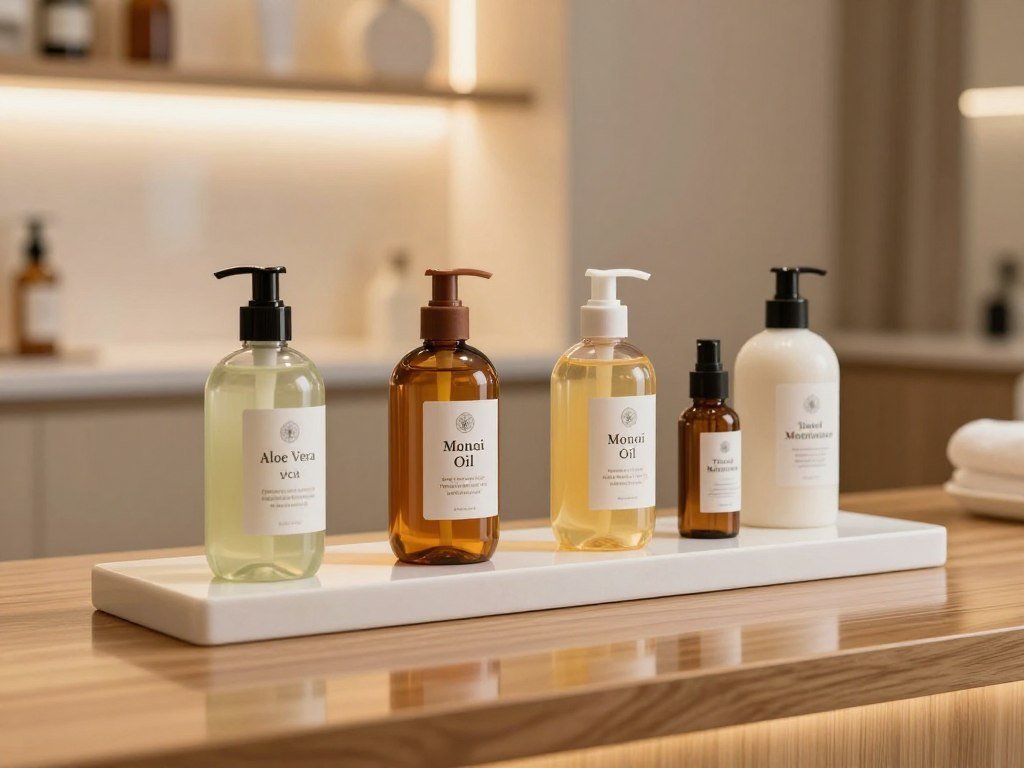
Accelerators support gradual UV color
Accelerators, also called intensifiers, contain no bronzing agents. They support gradual color as your skin responds to UV exposure. The lotion does not supply the color on its own, so a change in tone depends on your skin’s response.
This makes an accelerator distinct from a product that leaves an immediate tint. It is also different from a sunless color formula, which does not need UV exposure to create its effect.
Bronzers add immediate or delayed tint
An immediate bronzer adds a tint that washes off with water. It can make your skin look darker right away, but the color is temporary and does not show a lasting tan.
DHA bronzers work on a different timeline. Dihydroxyacetone, or DHA, reacts with amino acids in the skin, and the resulting color develops over several hours.
A DHA bronzer can make the skin look darker after you leave the session, but that color is not proof of UV protection. Check the label to see whether the bronzer uses DHA or another color ingredient.
Tingle lotions create a warming sensation
Tingle lotions can contain benzyl nicotinate, which creates a warming or tingling feeling. The sensation is a product effect, not a sign that your skin is tanning more safely.
These lotions are not recommended for beginners or sensitive skin. After applying one, wash your hands and keep the product away from your face and sensitive areas.
| Formula | How color appears | Typical fit | Main caution |
|---|---|---|---|
| Accelerator | Gradual, with UV exposure | People seeking gradual UV color | Color depends on UV exposure |
| Immediate bronzer | Temporary tint; washes off with water | People wanting quick cosmetic color | Tint is not lasting protection |
| DHA bronzer | Develops over several hours | People wanting delayed color | Color does not block UV |
| Tingle | Warming sensation, not a color method | Experienced users who tolerate tingles | Not for beginners or sensitive skin |
A tingle sensation is a product effect, not evidence that a session is safer or more effective.
Which Formula Suits Beginners and Fair Skin?
A beginner who is determined to choose a UV lotion should start with a simple accelerator, not a tingle product or the darkest bronzer. Simple formulas make it easier to notice how your skin reacts.
Fair skin alone does not tell you whether you can tan, but skin that burns easily and does not tan should avoid tanning beds. The FDA warns that this group has higher skin cancer risk and probably will not tan under a sunlamp.
Start with a simple formula, not a darker claim
A simple accelerator avoids the added cosmetic tint of a bronzer and the warming effect of a tingle lotion. That makes it a more straightforward choice for a beginner who tans. A darker label does not mean a safer or better match.
Skin types vary, and fair skin is not a complete measure of tanning ability. Your history matters: repeated burning without tanning is a clear reason not to use a sunlamp. A mild lotion cannot change that risk.
Treat burn-prone skin as a reason to avoid UV tanning
If your skin tends to react, check the formula before you apply it. A fragrance or warming ingredient may feel unpleasant even when a lotion is marketed for tanning.
Use these three starter checks before choosing a product:
- Identify whether the formula is an accelerator, bronzer, or tingle lotion.
- Check the label for fragrance and tingle ingredients.
- Follow the salon and equipment instructions for your skin type.
For reactive skin, a fragrance-free body wash may also feel gentler during your regular routine. If your skin burns easily and does not tan, skip the sunlamp rather than trying to solve the problem with a different lotion.
What Should Dry Skin Prioritize in a Tanning Lotion?
If your skin often feels tight or rough, prioritize a comfortable texture and moisturizing feel over a “darkest tan” claim. Texture matters because it affects how a lotion spreads and feels on your body.
A lotion, gel, and body butter differ in feel, not in UV protection. A richer finish may feel more comfortable, but it does not mean the product will give you more color.
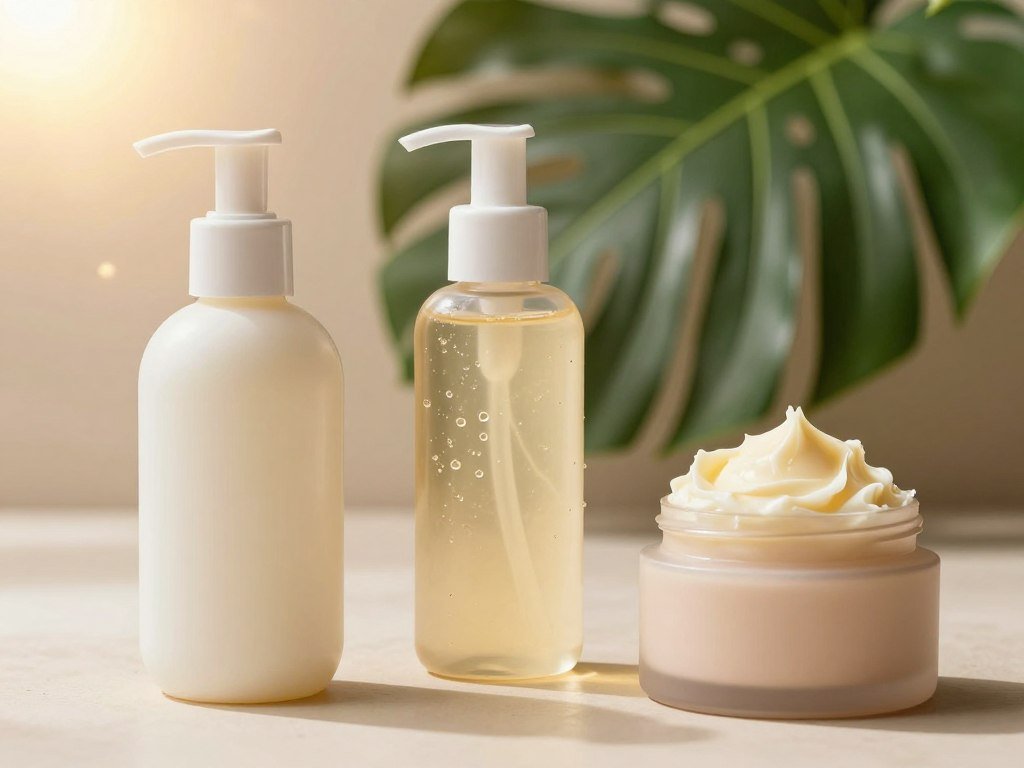
A light lotion usually spreads easily and leaves a thinner finish. Gel textures can feel lighter or less creamy, which may suit you if rich products feel heavy. Body butters tend to feel thicker and richer, and may take more time to spread across a large area.
Australian Gold Dark Tanning Accelerator lists native Australian oils and vitamins A and E. Those ingredients give you a concrete example of an oil-rich formula, but they do not prove that a lotion prevents dryness or UV damage.
Look at ingredients as well as texture. Coconut oil, shea butter, and mango seed butter may appeal if you prefer richer products, but botanical ingredients can still bother some users. Scent can also irritate skin, so a pleasant fragrance is not always a good match.
For broader help with choosing body lotions, oils, and exfoliants, see this body-care product guide. If dryness is a regular concern, this dry-skin product guide compares lighter and richer textures.
A rich texture can improve comfort, but it cannot make UV exposure gentler on skin.
How Should You Approach Face Tanning?
A separate face formula can make application easier, but the word “face” on a label does not mean the product shields skin from UV. Separate care may help you choose a texture that feels right for your face.
Facial skin receives the same UVA and UVB radiation that can damage skin-cell DNA. A face-labeled lotion is a product choice, not UV protection.
Onyx Anti-Aging Face Tanning Lotion is a lightweight white lotion intended for a separate face routine. A face formula may feel less heavy than a product made for the body, but the label does not change the effect of UV exposure.
Read the directions before using any tanning product on your face. Keep it away from your eyes and lips, and patch test a new formula on a small area first. A product designed for the body may not suit facial skin.
Fragrance and other ingredients can cause discomfort for some people, especially when skin is sensitive. A face-and-body cleanser is not the same as a body wash meant only for the body, so check labels for routine products too.
Keep any product out of the eyes and stop using it if facial skin develops a strong or persistent reaction.
Why Can Legs Tan More Slowly?
Legs can look less tanned than the torso because they may produce less melanin and receive a different share of a sunbed’s tanning energy. Both factors can contribute to uneven color.
Legs produce less melanin than the rest of the body, and conventional sunbeds can focus up to 20% of tanning energy on the middle and top of the body.
Melanin is the pigment that helps give skin its color. Natural differences in melanin production help explain why legs may tan less than the torso, even during the same routine.
The bed’s energy pattern can add to that difference. Some conventional sunbeds concentrate up to 20% of their tanning energy on the middle and top of the body, rather than distributing it evenly from head to toe.
Onyx Sexy Legs is a targeted product option for legs that look lighter than the rest of the body. It cannot change melanin production or correct how a bed distributes energy, so keep expectations modest.
Do not extend a session to chase leg color, since more UV exposure increases risk rather than fixing the cause.
Can Tanning Lotion Get You Dark Fast?
A tanning lotion cannot safely shortcut the skin’s response to UV, though a bronzer can change how dark skin looks. Quick color may be cosmetic rather than a change from UV exposure.
No lotion makes UV tanning happen safely or faster. A bronzer can give a darker-looking result without changing how your skin responds to UV.
An immediate bronzer can make your skin look darker with a tint that washes off with water. A DHA bronzer develops color over several hours, so the change appears later.
An accelerator works differently. It relies on UV exposure and gradual color development as your skin responds. A product claim about fast color does not remove the risks of a tanning session.
The wording “best tanning bed lotion to get dark fast in 2026” does not point to a special year-specific formula. These are realistic routes to a darker-looking result:
- Use a cosmetic bronzer for a temporary tint.
- Choose gradual UV color, while recognizing the exposure risk.
- Use sunless DHA color for a UV-free look.
Sunless color gives you a way to change your appearance without intentional tanning-bed exposure. It is a cosmetic choice, not sunscreen, so exposed skin still needs outdoor protection.
Never raise exposure time or session frequency to match a “dark fast” promise.
How Should You Apply Lotion Before a Session?
Even application matters most when a formula adds cosmetic color, since missed patches show more clearly. Work in sections instead of spreading lotion in a rush.
Clean, dry skin and an even layer help reduce missed spots and uneven-looking color. Rushing over joints can leave darker patches where product gathers.
Use this simple order before applying an indoor tanning lotion:
- Gently exfoliate the day before, rather than scrubbing right before your session.
- Start with clean, dry skin so the lotion spreads evenly.
- Apply in sections, checking each area before moving on.
- Use less product on dry joints, especially elbows and knees.
- Allow time before dressing if you use a bronzer or butter.
Elbows and knees can hold more product than flatter areas. Going quickly around those joints may leave a stronger-looking patch, especially with a formula that adds cosmetic color.
Gentle, occasional exfoliation can help smooth the surface, but vigorous scrubbing can irritate skin. You can compare body exfoliants and moisturizers in this body-care product guide.
Do not aggressively exfoliate immediately before a session, because irritated skin is a poor surface for any product.
What Risks Can Tanning Lotion Not Prevent?
No solarium lotion can turn a UV tan into a safe tan. Color is not protection: increased melanin that darkens skin is a sign of skin damage.
The FDA says there is no such thing as a safe tan. A tan does not prevent sunburn or other skin damage, and tanned skin provides an SPF of about 2 to 4.
That SPF is below the FDA’s stated minimum recommended SPF of 15. A darker tone does not make your skin ready for more sun exposure, and a tanning lotion is not a safety measure.
UVA and UVB rays can damage the DNA in skin cells and weaken the immune system. That damage can contribute to skin cancer. Tanning lamps usually emit both UVA and UVB, though some emit only UVA.
UV exposure also breaks down collagen and elastin, which help keep skin firm. Over time, this damage can contribute to wrinkles, loosened folds, dark spots, and leathery skin.
Keep these points in mind when judging what a tan means:
- A tan is a sign of skin damage, not a health benefit.
- Tanned skin does not prevent sunburn or other damage.
- Indoor UV tanning still carries skin cancer risk.
- Lotion can change feel or color, but it cannot make UV safe.
Indoor tanning equipment can be as dangerous as outdoor tanning, and users remain at risk even when they follow safety instructions. Choose a UV-free color product if the goal is appearance without intentional tanning-bed exposure.
How Often Can You Tan, and What Safety Checks Matter?
The FDA advises no more than one session per week after a tan is developed, with one session every 2-3 weeks potentially maintaining it depending on skin type. That is a limit, not a safety guarantee.
People under 18 should not use indoor tanning equipment. People with a personal or family history of skin cancer should also avoid tanning beds or lamps.
If you still use a tanning bed, start with short exposure times and follow the maker’s schedule for your skin type. Do not use the maximum exposure time during your first session. The FDA says indoor tanning equipment can remain risky even when users follow safety steps.
Check these three personal risk factors before using a bed or lamp:
- You are under 18.
- You have a personal or family history of skin cancer.
- You take medicine that may increase UV sensitivity.
A doctor or pharmacist can help check whether a medicine raises your sensitivity to UV. Do not guess from the medicine’s name alone.
| Equipment feature | What to check | Why it matters |
|---|---|---|
| Warning label | Label is present and readable | Shows the equipment warning |
| Timer | Timer works accurately | Controls the session length |
| Emergency stop | Control is present and works | Lets you end a session early |
| Exposure schedule | Schedule is available and clear | Matches use to skin type |
| Goggles | Snug fit, no cracks | Protects eyes during use |
Never begin at maximum exposure time, and leave the session if the timer or emergency stop is not working.
What Should You Do When Skin Feels Burned or Irritated?
Keep freshly burned skin cool and clean, and remember that symptoms may take 6-48 hours to appear. Careful cooling can ease discomfort while your skin heals.
After-sun products can support comfort and hydration, but they do not undo UV injury. A severe or worsening burn needs medical advice.
Cool and keep freshly burned skin clean
Use cool water to soothe skin, then keep the area clean. Avoid rubbing or scrubbing. Since redness and soreness can take up to 48 hours to appear, a session may feel fine at first and still leave a burn.
While heat remains in the skin, avoid heavy ointments that can trap warmth. Choose simple care and watch for a reaction that gets worse instead of easing.
Moisturize when dryness and peeling begin
When the hot feeling settles and dryness or peeling begins, a light, fragrance-free moisturizer may feel comfortable. Look for ingredients such as aloe, niacinamide, hyaluronic acid, or colloidal oatmeal to support hydration.
A richer emollient may feel better when peeling skin becomes dry, but avoid picking at loose skin. Skip retinoids, alpha hydroxy acids, and salicylic acid while the skin heals.
Sun Bum Cool Down Hydrating After Sun Lotion contains vitamin E. Coola Radical Recovery After-Sun Lotion contains aloe and botanical oils. Both are after-sun examples, not treatments that reverse damage or replace care for a serious burn.
A fragrance-free body wash can also be a gentler choice when irritated skin needs cleansing. Avoid picking peeling skin, and seek medical advice for a severe or worsening reaction.
Is Sunless Tanning a UV-Free Color Option?
A sunless DHA product creates color without requiring a UV tanning session. It changes appearance by darkening dead surface cells in the epidermis.
Sunless tanning color usually lasts for several days, but it does not protect skin from UV. You still need sunscreen on exposed skin outdoors.
Sunless lotions and sprays use dihydroxyacetone, or DHA, to create color on the outer layer of skin. The color fades as those surface cells shed. This differs from a UV tan, which follows exposure to tanning lamps or sunlight.
A lotion is applied directly by hand, while a spray sends product through a mist. Spray use needs extra care: do not inhale or swallow DHA, and keep it away from mucous membranes, including the lips, nose, and areas in and around the eyes.
For guidance on self-tanner and other body products, this body-care guide covers cosmetic color and skin care choices.
Keep spray mist away from the nose, mouth and eyes, and follow the product label closely.
Does a Tanning Lotion Replace Sunscreen Outdoors?
Neither an indoor tanning lotion nor most sunless tanning lotions should be assumed to protect you outdoors. Color is cosmetic unless the label clearly identifies sunscreen protection.
Apply sunscreen to exposed skin before going outdoors, even if a sunless product has added color. Indoor tanning lotions are not sunscreen.
| Product | Creates color or protects? | Outdoor check |
|---|---|---|
| Indoor tanning lotion | Supports UV color or adds cosmetic color | Do not treat it as sunscreen |
| Most sunless lotions or sprays | Adds color, usually without sunscreen | Apply sunscreen to exposed skin |
| Sunscreen | Protects when labeled for sun protection | Follow its label directions |
Most sunless sprays and lotions do not contain sunscreen. Added color can make skin look darker, but it does not show that the product blocks the sun.
For children, choose a broad-spectrum, water-resistant sunscreen with SPF 30 or higher. Follow the label for reapplying outdoors, including after swimming, sweating, or towel drying.
For more detail on choosing sunscreen for children, see this kids’ sunscreen guide. Check the product label for sunscreen protection instead of judging by how dark the skin looks.
What Affects the Price of Tanning Lotion?
Tanning-lotion price generally reflects factors such as formula type, container size and brand positioning. Compare like with like before deciding whether one bottle offers better value.
A higher price does not show that a lotion is safer or provides sunscreen protection. Price reflects retail factors, not a product’s ability to reduce UV risk.
Formula type can affect the ingredients and texture in a bottle. An accelerator and a bronzer serve different goals, so comparing their price alone may not tell you which one suits your routine.
Bottle size also matters: a larger container may last longer, depending on how much product you use. Brand positioning and ingredient choices can affect retail price too, including formulas that feature oils or moisturizers.
Use this checklist when comparing products:
- Compare the formula category, such as accelerator or bronzer.
- Check the amount of lotion in the container.
- Compare ingredient preferences and how the texture feels on your skin.
Price is not a measure of UV protection, and a darker color claim does not change that.
Onyx and Australian Gold offer different formula categories, including accelerators and bronzers. Compare like formulas and check the amount in the bottle before deciding which option offers better value.
Conclusion
Choose by formula and skin comfort, not by the darkest promise on the bottle. An accelerator is a straightforward choice for a beginner who tans, while bronzers add cosmetic color.
Sunless color offers a way to change your appearance without intentional UV tanning. Your next step is to check the product label and salon rules, then choose a UV-free option if avoiding UV exposure is your priority.
Before buying, check the label for color ingredients and sunscreen claims, then decide whether a UV-free option better fits your goal.
FAQ
What gives you the best tan on a sunbed?
How often should you use a tanning bed?
How does tanning lotion work?
What is the best tanning lotion for using a sunbed?
What is the golden rule of tanning?
What is the hardest body part to tan?
What is the best tanning bed lotion for 2026?
Do you age faster if you tan?