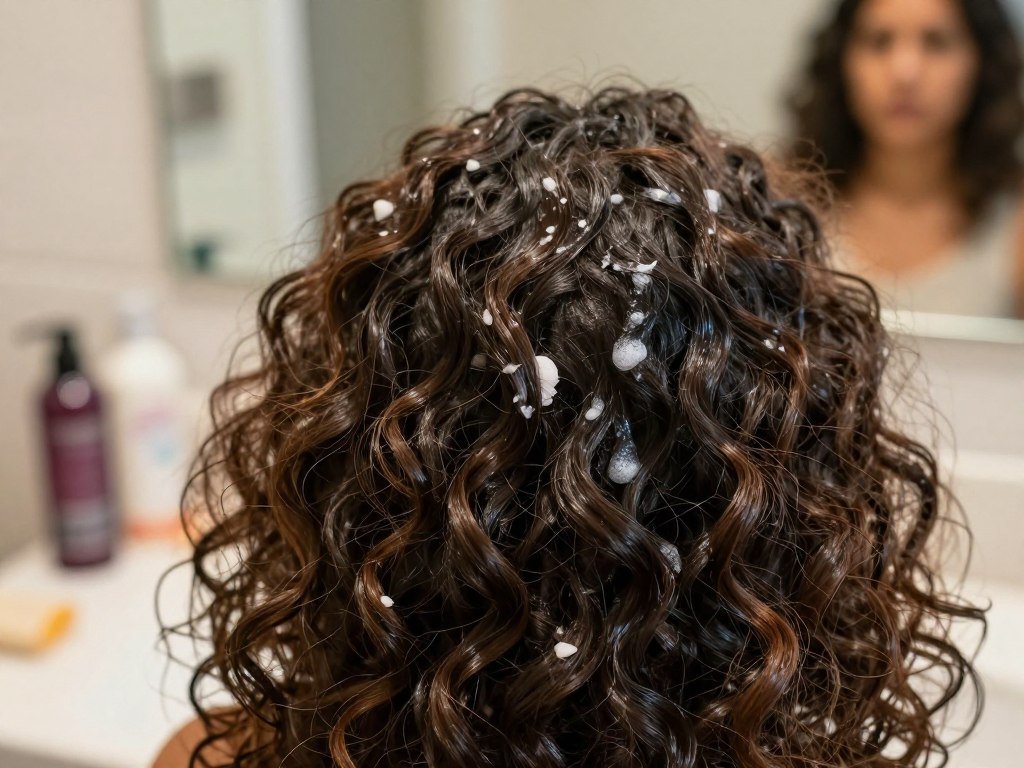
Curls that feel coated or have lost their bounce may need a reset, not another layer of styling product. The right clarifying shampoo can lift buildup, but the wrong formula may leave curls feeling dry or rough. Your scalp matters, too, since a cleanser should leave it feeling comfortable rather than tight.
This buying guide helps you compare formulas by curl pattern and concern, from fine waves to dense coils. You’ll also find practical tips for keeping moisture in your routine and avoiding a cleanse that feels too strong. A reset should solve a real problem, not become another routine step without a reason.
The right pick depends first on what is weighing your curls down.
Key Takeaways
- Choose a cleanser based on the kind of buildup you have.
- Match the formula to your curl pattern and scalp needs.
- Hard-water minerals may need a chelating shampoo.
- Follow a clarifying wash with conditioner suited to your hair.
- Use a lighter reset when fine strands lose volume easily.
Best Clarifying Shampoo for Curly Hair in 2026
For most curl patterns, Ouidad Water Works is the clearest starting pick, while texture-specific needs point to other options. Its citrus-derived AHAs help make it a broad choice for curls that feel weighed down by residue. A hydrating conditioner after the wash supports softness, and Ouidad recommends using it once per week.
Each alternative serves a more specific need. Rizos Curls offers a rinse for Type 2 waves, Pattern suits Type 3 curls, and Oribe provides a non-foaming cleanser for Type 4 coils. Curlsmith adds an exfoliating option for readers who want a scalp-focused scrub.
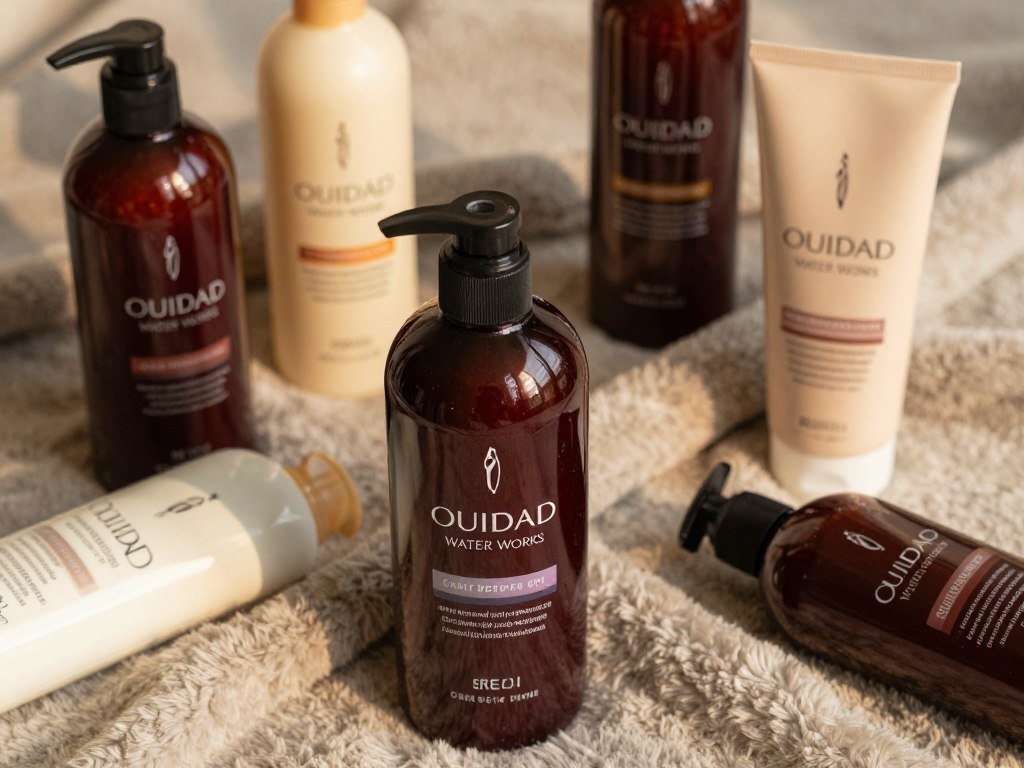
| Product | Best fit | Distinguishing feature | Listed price |
|---|---|---|---|
| Ouidad Water Works Clarifying Shampoo | Overall pick | Citrus-derived AHAs | $24 |
| Rizos Curls Apple Cider Vinegar Scalp & Hair Rinse | Type 2 | Apple cider vinegar rinse | $22 |
| Pattern Cleansing Shampoo | Type 3 | Type 3 curl pick | $22 Amazon; $21 Nordstrom |
| Oribe Cleansing Crème for Moisture & Control | Type 4 | Non-foaming cleanser | $49 |
| Curlsmith Wash & Scrub Clarifying Detox Shampoo | Exfoliating | Scalp-scrub format | $28 |
Prices and product roles give you a quick way to narrow the field, but the concern matters more than the category label. Pattern’s listed price differs by retailer, so compare the exact product and seller. The Type 2, Type 3, and Type 4 picks are not interchangeable just because each is made for curls.
Choose the cleanser that fits the residue or scalp concern, then support your curls with a suitable conditioner.
If you want one product to consider first, Ouidad Water Works is the overall pick for most readers. A distinct curl pattern or a need for exfoliation can point to another formula instead. Treat the table as a shortlist, then match the formula to the residue or scalp concern you actually have.
What Does Clarifying Shampoo Do for Curls?
A clarifying wash removes residue that can leave curls heavy, dull, or difficult to style. Product buildup, oils, silicones, waxes, and environmental pollutants can collect on hair and weigh down its shape. A clarifying shampoo can reset how curls feel and respond to styling, though its formula determines what it removes.
When Type 3 curls lose definition, residue may be part of the problem. Styling products can sit on the hair instead of spreading or shaping curls as expected. A clean-feeling base can make products easier to apply, but a wash does not promise a scalp or hair-growth benefit.
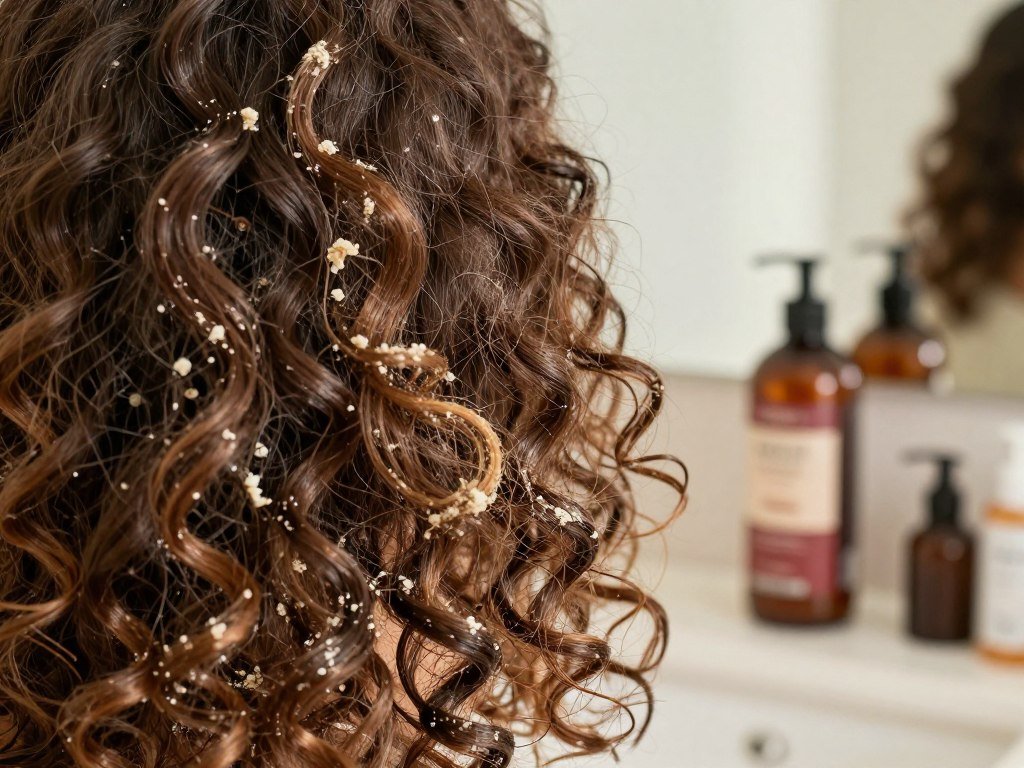
Look for signs that a normal wash may not be clearing the residue:
- Strands feel coated or waxy after rinsing.
- Curls fall flatter than they usually do.
- Styling products sit on the surface rather than spreading.
- Scalp discomfort persists despite regular washing.
One sign alone does not prove buildup, but a few together can make a reset worth considering. If the hair feels coated after a normal wash, consider residue before adding more oil or cream.
Clarifying vs. Chelating: What Is the Difference?
Choose a chelating formula when hard water, well water, or pool minerals are the concern, because a standard clarifier may not remove them. A chelating agent is an ingredient that binds minerals from sources such as hard water, well water, or pools so they can be rinsed away. A clarifying label alone does not guarantee mineral removal.
Product residue and mineral deposits are different kinds of buildup. Waxes and silicones can come from styling products, while mineral deposits can collect from water or swimming. A clarifying shampoo may help with product residue without removing much mineral buildup.
Some clarifying shampoos use mild sulfates or chelating agents to help lift residue. The ingredient mix and product claims matter more than the word “clarifying” on the front. That label can describe a cleansing goal, but it does not show how well a formula binds minerals.
For curls exposed to pools or mineral-rich water, check the product’s stated use and ingredient list. Check the ingredient and product claims for mineral removal when hard water is part of your routine.
How Do You Match a Shampoo to Your Curl Type?
Type 2 waves often do well with a lighter-feeling cleanse, while denser patterns may need a more substantial reset. Curl pattern is only one part of the choice; dryness, density, and the amount of styling product also affect what feels right. Consider how your hair feels after washing, not just its category.
Type 2, Type 3, and Type 4 describe curl patterns, but people within each group can have different needs. Fine strands may feel coated quickly, while dry lengths may need a gentler wash. The product format can help you decide what fits your routine.
| Curl type | Common cleansing consideration | Product format | Use note |
|---|---|---|---|
| Type 2 | Waves can feel weighed down | Rizos Curls rinse | Contains apple cider vinegar, black tea kombucha, and niacinamide |
| Type 3 | Residue can reduce definition | Pattern Cleansing Shampoo | Use once every two weeks, then apply hydrating conditioner |
| Type 4 | Coils may need a moisture-first cleanse | Oribe non-foaming cleanser | Let it sit for 1 to 2 minutes before rinsing |
Type 2 Waves Need a Lighter Reset
Rizos Curls Apple Cider Vinegar Scalp & Hair Rinse is the Type 2 option. It contains apple cider vinegar, black tea kombucha, and niacinamide. A rinse format may suit waves that feel weighed down by heavier cleansers, though scalp oil and styling residue still matter.
Type 3 Curls Need Balanced Cleansing
Pattern Cleansing Shampoo is recommended for Type 3 curls once every two weeks. Follow it with a hydrating conditioner, especially if your lengths tend to feel dry after cleansing. The schedule gives you a starting point, not a rule for every wash routine.
Type 4 Coils Benefit From Moisture-First Cleansing
Oribe Cleansing Crème uses a non-foaming format. It can sit on the hair for 1 to 2 minutes before rinsing, giving you time to work the cleanser through carefully. Let how your curls feel after washing, rather than the curl label alone, guide the next wash.
Which Shampoos Fit Fine Hair and Scalp Concerns?
Fine strands can lose volume under residue, while flakes may call for a scalp-focused product rather than a stronger full-length wash. Aveda Rosemary Mint Purifying Shampoo is the pick for fine hair. Briogeo Scalp Revival Charcoal + Coconut Oil Micro-Exfoliating Shampoo is the flakes pick, while Curlsmith offers another exfoliating option.
Scalp exfoliation differs from ordinary clarifying: it uses a scrub or granules to loosen material near the scalp. Briogeo’s dissolvable charcoal-based granules and coconut oil make it a scalp-focused formula. Its listed price is $42, while Curlsmith Wash & Scrub Clarifying Detox Shampoo is an exfoliating pick at $28.
Fine or Oily Roots Need a Low-Weight Cleanse
Fine hair can look flat when oil or styling product builds up near the roots. Aveda Rosemary Mint Purifying Shampoo is listed as the fine-hair pick. Use your scalp’s oil level and your hair’s response as guides, since fine strands can be weighed down by residue.
Flakes Call for Careful Scalp Exfoliation
Massage granules gently with your fingertips; do not scrub hard or scratch. A product with exfoliating particles is not the same as a treatment for a scalp condition. If flakes or irritation keep returning, a dermatologist can assess what is causing them. The American Academy of Dermatology explains how dermatologists diagnose and treat seborrheic dermatitis.
Try an exfoliating product only when a scalp-focused cleanse fits your concern. Stop using an exfoliating formula if granules leave the scalp uncomfortable.
Which Formulas Handle Hard Water and Heavy Buildup?
Hard-water minerals call for chelation, while layers of styling product call for a thorough residue-removing cleanser. OUAI Detox Shampoo is a curly-hair pick, and its formula includes apple cider vinegar and chelating agents. Odele Clarifying Shampoo is the overall clarifying-shampoo pick, but neither label guarantees a perfect fit for every curl.
OUAI Detox Shampoo is silicone-free and listed at $34 on Amazon and $32 at Revolve. Those are separate retailer prices, not one shared price. Its chelating agents make it relevant when mineral deposits are the concern, while apple cider vinegar is another listed formula detail.
Mineral Residue Calls for a Chelating Formula
OUAI’s curly-hair pick status may help narrow your search, but it does not mean every curl needs it. Mineral deposits call for chelation, so look for that claim when your water source or swimming is the concern. A product that targets minerals may still need to suit your scalp and hair lengths.
Styling Residue Calls for a Product-Focused Wash
Odele Clarifying Shampoo comes in a 13-ounce bottle and is sulfate-free. It uses sodium C14-16 olefin sulfonate and cocamidopropyl hydroxysultaine as surfactants. Its formula also features rice protein, amaranth, and chelation technology.
Odele’s overall clarifying-shampoo pick label and OUAI’s curly-hair pick label describe editorial roles, not a guarantee for every person. Product buildup is a separate concern from mineral deposits, so decide which claim fits the residue you notice. Match the claim on the bottle to the kind of buildup you are trying to remove.
Best Drugstore Clarifying Shampoo for Curly Hair
Drugstore options can work for a curl reset, but check the exact product name and label before comparing formulas. Suave Essentials Daily Clarifying Shampoo and Suave Daily Clarifying Fresh Cleansing Shampoo have similar names, yet they are distinct products. Use the full name to avoid mixing up their details.
Suave Essentials Daily Clarifying Shampoo is described as pH-balanced and hypoallergenic. It is designed to remove product buildup and residue while retaining natural moisture. The separate Suave Daily Clarifying Fresh Cleansing Shampoo is listed in a 22.5-fluid-ounce size.
| Product | Product or formula detail | Potential fit |
|---|---|---|
| Suave Essentials Daily Clarifying Shampoo | pH-balanced and hypoallergenic | Removing product buildup and residue |
| Suave Daily Clarifying Fresh Cleansing Shampoo | 22.5-fluid-ounce size | Shoppers comparing bottle size |
| Dove Scalp + Hair Therapy Density Boost Clarifying Shampoo | 9.25-ounce bottle; two listed surfactants | Scalp and hair cleansing |
Suave Clarifying Options
Suave clarifying shampoo can refer to more than one bottle, so confirm whether the label says Essentials Daily or Daily Clarifying Fresh Cleansing. The Essentials product’s claims focus on residue and natural moisture. The Fresh Cleansing product is listed as a 22.5-fluid-ounce bottle.
The drugstore pick is Dove Scalp + Hair Therapy Density Boost Clarifying Shampoo, sold in a 9.25-ounce bottle. It uses sodium C14-16 olefin sulfonate and cocamidopropyl betaine as surfactants. Those details help identify the formula, but they do not tell you how your curls will respond.
Other Budget-Aisle Choices
L’Oréal clarifying shampoo should be assessed by its current ingredient label and stated use. Do not assume that every product with “clarifying” in its name has the same strength or purpose. Compare the cleanser and the product directions on the bottle, not just the word clarifying on the front.
Which Ingredients Should You Check Before Buying?
Read the cleanser and chelating ingredients together, because either can matter depending on what has accumulated. Sodium lauryl sulfate is a cleansing surfactant, while EDTA and citric acid can bind minerals. “Sulfate-free” alone does not prove that a formula is gentle or effective.
Ingredients give you clues, not a full prediction of how your hair will feel. A stronger cleanser may suit a heavy layer of styling product, while dry lengths may need more support after washing. Match the label to your scalp and hair, rather than judging one ingredient by itself.
| Label clue | What it helps do | What to consider for curls |
|---|---|---|
| Sodium lauryl sulfate | Strong cleansing | May feel too strong on dry lengths |
| EDTA | Binds minerals | Useful when mineral deposits are a concern |
| Citric acid | Can bind minerals | Check the product’s stated purpose |
| Moisturizing ingredients | Support dry lengths | May help curls that feel rough after washing |
Choose Cleansing Ingredients for Your Curl Needs
Look at the cleanser and the rest of the formula together. A surfactant helps remove soil and residue, while mineral-binding ingredients serve a different role. Moisturizing ingredients can matter when your lengths tend to feel dry or rough after a cleanse.
Color-Treated Curls Need a Label Check
Suave states that its shampoos, conditioners, treatments, and stylers are safe to use on color-treated hair. That claim applies to those Suave products, not every clarifying formula. For more on choosing a cleanser for your scalp and conditioner for your lengths, see this shampoo and conditioner buying guide. If color retention matters, confirm that the exact product label addresses color-treated hair.
How Often Should You Clarify Curly Hair?
For dry curls or fine and highly textured curls, a monthly reset or less often is a cautious starting point. Dry or curly hair should be clarified once monthly or less, followed by conditioning. There is no single schedule for every curl routine.
Ouidad recommends a monthly wash or less for fine or highly textured curls. For medium-to-thick hair with a highly active lifestyle, it recommends clarifying once a month or more often. Those conditions matter: a more active routine can change how soon residue returns.
Use these three considerations to choose a starting point:
- Fine or highly textured curls: once a month or less often.
- Medium-to-thick hair with a highly active lifestyle: once a month or more often.
- Dry or curly hair: once monthly or less, followed by conditioning.
Heavy product use can make residue return sooner, while hard water can add mineral deposits. If your routine stays light and your curls remain comfortable, you may not need a fixed monthly wash. Adjust based on how your hair feels between cleanses, not a calendar alone.
Clarifying too often can leave curls dry or rough, so watch the feel of your lengths afterward. For more routine guidance, see this overview of clarifying shampoo in a haircare routine. Wait longer between washes if curls feel rough or unusually dry after clarifying.
How Do You Clarify Curly Hair Without Losing Definition?
Start with thoroughly wet curls so the cleanser can spread without rough handling. Focus the shampoo mainly on the scalp, where oil and residue often collect. Gentle fingertip massage and a thorough rinse help limit rough handling.
Use lukewarm water to wet the hair fully before applying a small amount of cleanser. Work at the scalp, then let the rinse water carry the product through the lengths. Avoid piling curls together or dragging them against each other.
Follow this four-step method for a gentle wash:
- Fully wet your curls with lukewarm water.
- Apply a small amount of shampoo mainly to the scalp.
- Massage gently with your fingertips and let rinse water carry cleanser through the lengths.
- Rinse thoroughly until the product is gone.
Apply the Cleanser to the Scalp First
Use your fingertips to move the cleanser over the scalp without scratching. The scalp-focused method can clean the roots while avoiding extra friction on the lengths. A small amount is a practical place to start, especially if the formula cleans strongly.
Rinse Thoroughly and Keep the Technique Gentle
Let water flow through the lengths instead of rubbing them together. Ouidad recommends wetting curls with lukewarm water, using a small amount mainly on the scalp, rinsing well, and following with rich conditioner. Suave’s Essentials Daily directions say to wet hair, massage shampoo into the hair and scalp, then rinse.
Those directions differ in where the cleanser is worked, so follow the instructions on your exact bottle. If you want more detail on choosing shampoo for the scalp and conditioner for the lengths, read this guide to shampoo and conditioner choices. Rinse until the water runs clear of visible suds and residue.
What Conditioner Should You Use After Clarifying?
Condition the mid-lengths and ends after clarifying, where dry lengths often need the most support. Choose a richer conditioner when your hair feels dry, and a lighter one if fine curls lose shape under weight. Leave regular conditioner on for 2-5 minutes before rinsing.
A rich formula can help dry lengths feel softer after a strong cleanse. Fine curls that flatten easily may do better with a lighter option. Match the product to the hair from the ears down, rather than adding heavy conditioner at the roots.
Choose a Rich Conditioner for Routine Dryness
Apply conditioner mainly from the mid-lengths to the ends, then rinse after 2-5 minutes. This gives the drier parts of your hair support without coating the scalp. A lighter conditioner can be a better fit when your fine curls feel weighed down easily.
Use a Deep Mask for Dry or Damaged Lengths
A deep-conditioning treatment can replace regular conditioner after a clarifying wash, particularly when the lengths are dry or damaged. Choose a deep conditioner with a richer feel when ordinary conditioner leaves the ends rough. You do not need to use both products in the same wash.
Living Proof Clarifying Detox Shampoo and Living Proof Curl Conditioner are named products. If you use them together, follow each label and judge the conditioner by how your curls feel. Pairing products from one brand is not a requirement; a conditioner that suits your hair’s dryness is the useful measure. Use a mask in place of regular conditioner when the lengths are dry or damaged.
What Are the Downsides, and When Should You Skip a Clarifying Wash?
The main downside is dryness when a powerful cleanser is used too often or when a fragile curl pattern is left without enough conditioning. Occasional cleansing is different from repeated washing that strips natural oils. Dry, damaged, or already irritated hair and scalp may need a gentler routine.
Type 4 coils can be especially vulnerable to moisture loss when cleansing and conditioning do not match. A rough feel after washing may signal that the formula or routine is too strong for your hair. A clarifier is not a treatment for persistent flakes or scalp irritation.
Skip a Reset When There Is No Buildup
If your curls feel clean and your products still work as expected, a clarifying wash may not add value. A regular cleanser can handle routine soil when heavy residue is not present. Avoid adding a stronger wash just because it has a “clarifying” label.
Use Extra Caution With Fragile or Irritated Hair
Hair that is already dry, damaged, or fragile may need a gentler routine and careful conditioning. If you are also limiting heat, this guide to choosing a hair straightener for your hair type covers ways to reduce stress from hot tools. Persistent flakes or irritation need professional assessment, not repeated clarifying washes.
Pause clarifying and seek a dermatologist’s advice if scalp irritation persists.
One wash should not become a repeated response to ongoing scalp symptoms. Pause clarifying and seek a dermatologist’s advice if scalp irritation persists.
What Can You Use Instead of Clarifying Shampoo?
If curls do not feel coated, a gentle regular shampoo may be enough for the wash. Choose a targeted option only when your concern calls for it: ordinary soil, buildup at the roots, or mineral deposits. Dawn dish soap is not a suitable substitute for routine scalp cleansing.
Regular shampoo can handle ordinary cleansing when heavy residue is not present. A scalp rinse may suit buildup near the roots, while a chelating shampoo is the relevant choice when minerals are the specific problem. Each option addresses a different need, so avoid using a stronger cleanser by default.
- Gentle regular shampoo: wash away ordinary soil.
- Targeted scalp rinse: address buildup near the roots.
- Chelating shampoo: target hard-water or pool minerals.
Choose a Gentle Regular Shampoo for Routine Cleansing
A regular shampoo is a sensible choice for a routine wash when your hair does not feel coated. It can clean everyday soil without adding a special reset to every wash. Let the condition of your scalp and lengths guide your choice.
Avoid Dish Soap and Other Household Cleaners
Dawn is made for dishes, not scalp care, and can strip natural oils. It is not a clarifying shampoo for curls, even if its strong cleaning action sounds tempting. Keep household dish soap out of the hair routine, even when a stronger cleanse seems tempting.
Conclusion
A good curl reset starts with the buildup you need to remove, not the strongest cleanser on the shelf. Match the formula to styling residue or mineral deposits, then condition your curls after clarifying. That pairing can help you clean without overlooking moisture.
Choose your next wash based on how your scalp and lengths feel, not just your curl category. Check the label, then plan the conditioner you will use on the same wash day.
FAQ
What is a good clarifying shampoo for fine, wavy hair?
What deep conditioner to use after clarifying shampoo?
Is clarifying shampoo needed for curly hair?
Can kids use clarifying shampoo?
Is Dawn dish soap considered a clarifying shampoo?
When should you not use a clarifying shampoo?
What are the downsides of using clarifying shampoo?
How often should I clarify my curly hair?