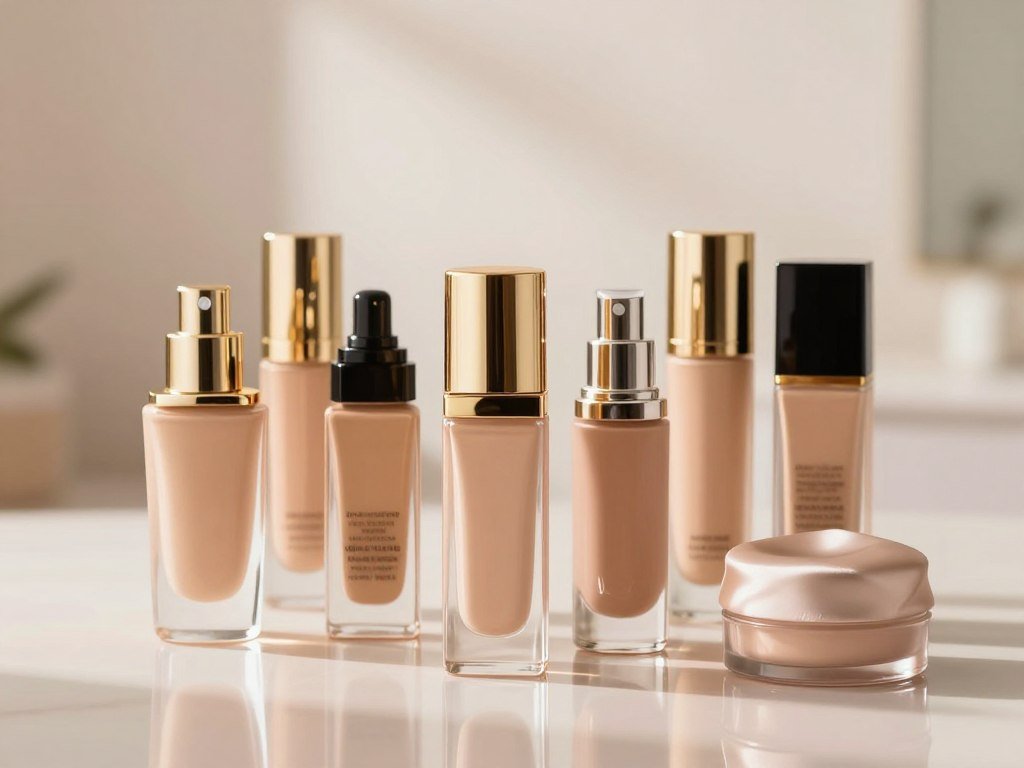
A full-coverage base can conceal visible redness and blemishes without requiring the same finish or feel for every face. Your best makeup foundation full coverage choice depends on the skin type you have, the look you like, and the comfort you need from a product. Full coverage can come in matte, satin, or radiant finishes, with textures that range from fluid liquids to creams and powders.
This roundup compares options for everyday makeup, oily skin, dry or combination skin, mature skin, and drugstore budgets. You can use it to narrow your choices by finish, coverage, shade range, and price before you buy. A formula that works well for one concern may not suit another, so consider how you want your base to look and feel through the day.
Key Takeaways
- Makeup by Mario SurrealSkin is a flexible everyday option with buildable coverage and a satin finish.
- Estée Lauder Double Wear Stay-in-Place suits oily skin and offers a matte finish.
- Dior Forever Skin Glow and Gucci Éternité de Beauté offer radiant or glowy looks.
- Makeup by Mario SurrealSkin is a useful starting point for mature skin.
- L’Oréal Paris Infallible Fresh Wear is a drugstore option for oily skin.
- Shade count matters, but undertones and daylight also affect a close match.
Start by choosing the finish and skin concern that matter most to you, then compare formulas that meet those needs.
What Does Full Coverage Mean in a Foundation?
Full coverage means a formula can conceal much of the skin’s visible redness, blemishes or discoloration in a thin, even application. It describes how much color the foundation can hide, not how thick or heavy it must feel. How much you apply also affects how much skin shows through.
Full coverage describes concealment, not necessarily a thick feel. A formula can have strong pigments yet feel light when you apply a small amount. The same product may look more opaque when spread in a heavier, even layer.
How pigment creates coverage
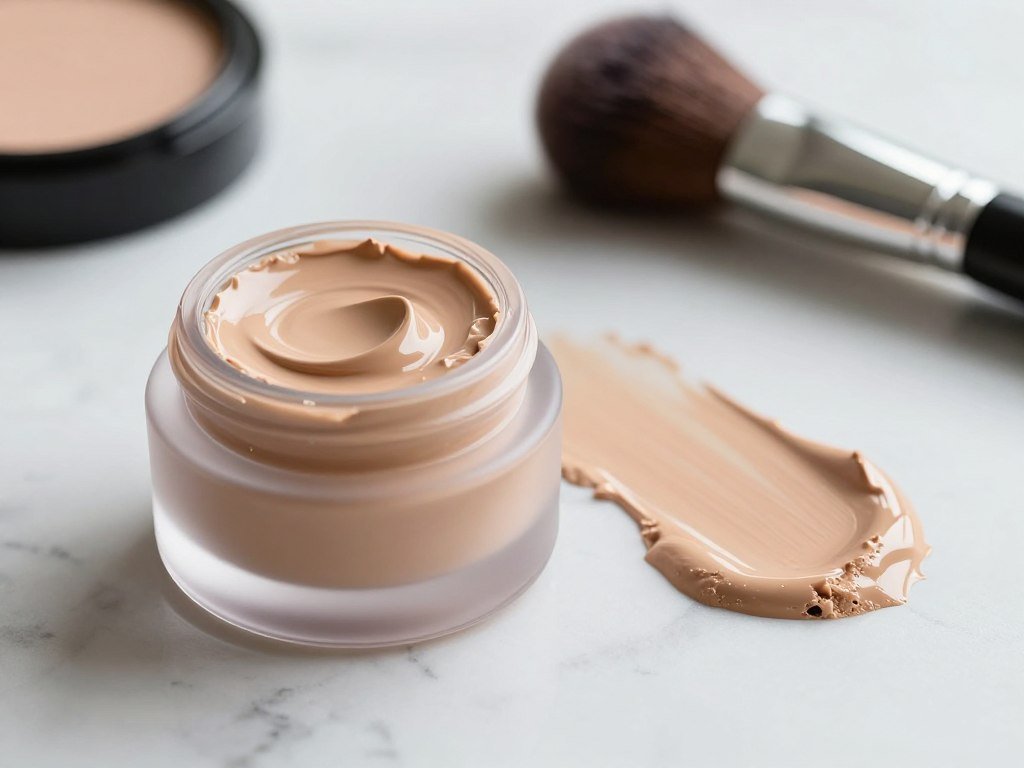
Foundation formulas use pigments to add color and cover areas that differ from the surrounding skin. Typical foundation pigment load is about 8%, while full-coverage formulas can reach 25%. That higher amount can make a formula more opaque, though the exact result depends on the pigments and the amount applied.
Titanium dioxide is one highly opaque pigment used to help create coverage. It can help a formula conceal visible marks and uneven color. Ingredients alone do not tell you how a product will feel, since texture and the rest of the formula matter too.
Full-coverage formulas are made to conceal blemishes, redness, and discoloration. A thin, even layer can cover more of those areas than a lighter base. For a less complete look, using less product can let more natural skin show through.
Full coverage versus buildable coverage
Buildable coverage means coverage you increase gradually by applying another thin layer only where you want more concealment. This differs from placing one opaque layer across the whole face. The two approaches can use the same formula, but they create different levels of coverage in different areas.
A full-coverage formula is designed to conceal a lot in a single even application. Buildable coverage lets you keep some areas sheer while adding more product to a blemish or patch of redness. Makeup artists describe how using less foundation or a damp sponge can create a sheerer result in their guide to foundation coverage.
Full coverage is about the amount of discoloration a formula can hide, not a rule that you must coat the whole face.
This distinction can help you choose a foundation based on the result you want, rather than the label alone. A full-coverage product can still show natural skin when you use less of it.
A formula can be full coverage by design and still look lighter when you use less product.
How Should You Choose a Formula for Your Skin?
The best starting point is the finish you want to see on your skin, followed by how the formula feels over the areas that concern you. Matte, satin, and radiant are common finish categories, and each changes the look of your base. Comfort matters as much as coverage if you plan to wear makeup for hours.
Use four checks before you choose a formula: your desired finish, skin type, coverage level, and any ingredients you already know irritate your skin. These checks can narrow a crowded beauty shelf without assuming that one product suits everyone.
Match the finish to the look you want
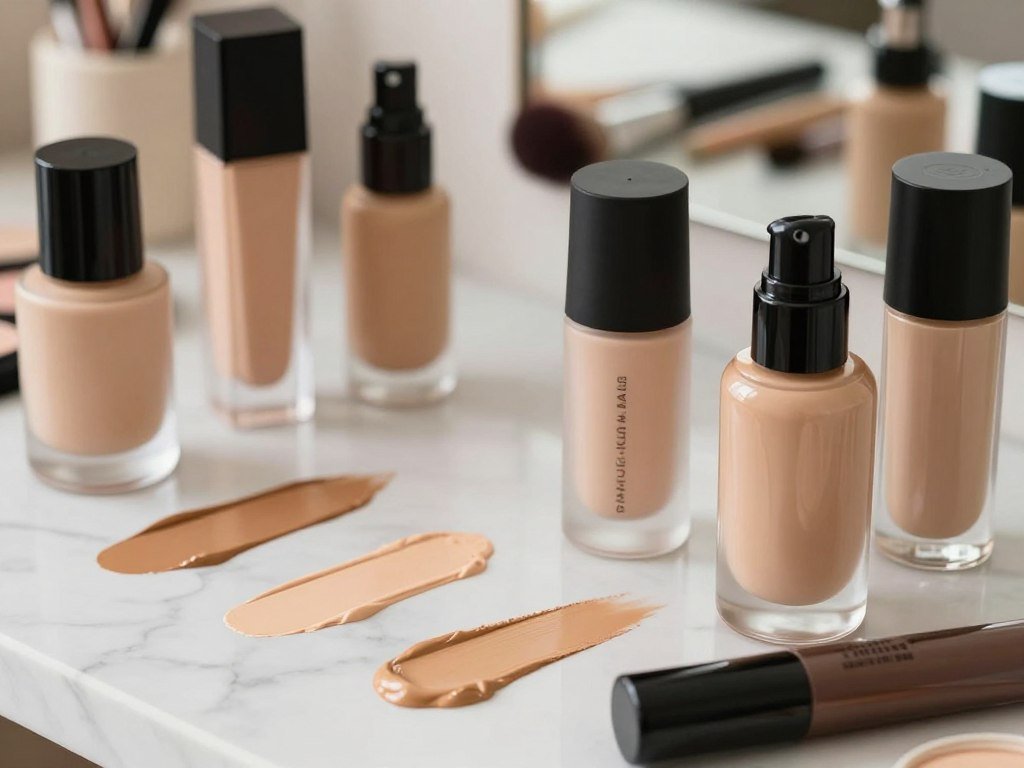
Matte finishes can suit you if you prefer less visible shine. Satin finishes sit between matte and radiant, while radiant formulas give the skin a more luminous look. Think about how much glow you want across your face, not just how a swatch looks on your hand.
Dry skin may feel more comfortable with a radiant finish, while oily skin may prefer a matte look. Those are starting points, not rules. A satin formula can be a useful middle ground if you want some natural-looking sheen without a very dewy result.
If you are comparing other complexion makeup, this makeup product guide also covers primers, concealers, skin tints, and foundations. For more on caring for dry skin, read these dry-skin skincare options.
Consider texture and known sensitivities
Texture affects whether a product feels comfortable on the areas where you wear it. Some formulas include hyaluronic acid or glycerin, ingredients used in makeup to support a more hydrated feel. Their presence does not guarantee that a formula will suit your skin or give you a particular result.
Skin type can shift across the face. You might have oilier areas around your nose and forehead, with drier patches elsewhere. A formula that feels fine on one area may feel less comfortable on another, so consider the full face when comparing options.
Keep your known sensitivities in mind as you read product labels. A familiar ingredient name is not a promise that the whole formula will agree with your skin. Your past experience is a more useful guide than a general claim about an ingredient.
- Choose the finish you want to see on your skin.
- Consider how your skin type feels across the face.
- Decide how much coverage you prefer for daily wear.
- Check for ingredients you already know irritate you.
If you already know an ingredient does not agree with your skin, check the full product label before buying.
Best Makeup Foundation Full Coverage for Everyday Wear
Makeup by Mario SurrealSkin Foundation is the most flexible everyday pick when you want buildable full coverage with a satin finish. It costs $48 and comes in 39 shades. The adjustable coverage makes it a practical starting point when you want a polished base without choosing the most opaque option.
For everyday wear, Makeup by Mario offers the strongest balance of a satin look and coverage you can build. M·A·C Full Coverage Foundation is the more opaque choice, while Lancôme Teint Idole Ultra Wear offers a matte finish and resistance to transfer, sweat, and humidity.
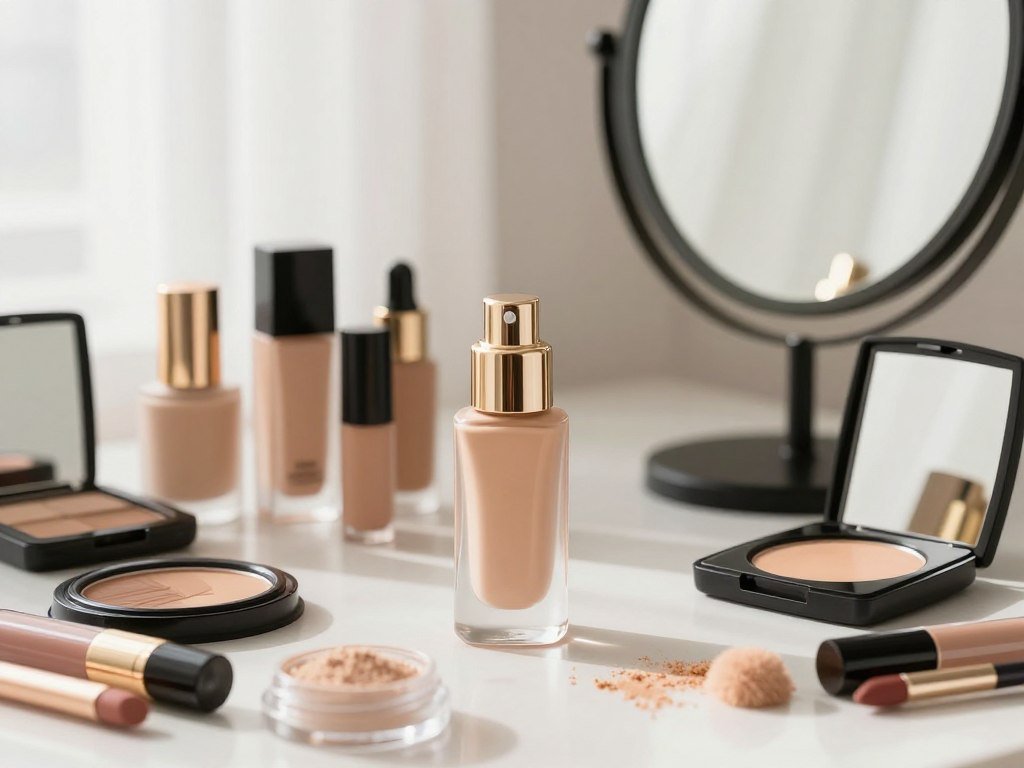
The M·A·C product name is M·A·C Full Coverage Foundation, not “Pro.” It is a water-resistant, long-wearing cream foundation with opaque full coverage and up to 24-hour wear. The 1-ounce product costs $42.00, which may suit you if you want a cream texture and strong concealment.
Lancôme Teint Idole Ultra Wear Foundation costs $53 and comes in 55 shades. Its matte finish is designed to resist transfer, sweat, and humidity. It may suit you if you value a steady matte look through changing conditions.
These options address different needs rather than forming a worldwide sales ranking. The list below is organized by fit, so you can use it to make a short review buy list based on your priorities.
- Everyday buildable coverage: Makeup by Mario SurrealSkin Foundation.
- Opaque cream coverage: M·A·C Full Coverage Foundation.
- Long-wear matte choice: Estée Lauder Double Wear Stay-in-Place Foundation.
- Waterproof natural-matte option: Fenty Beauty Pro Filt’r Fluid Flex Foundation.
- Matte finish and a wide shade range: Lancôme Teint Idole Ultra Wear Foundation.
- Glowy matte finish: Gucci Éternité de Beauté Foundation.
- Radiant finish: Dior Forever Skin Glow Foundation.
- Blurring matte full coverage: Charlotte Tilbury Airbrush Flawless Foundation.
- Soft-matte full coverage: NARS Soft Matte Complete Foundation.
- Drugstore base: L’Oréal Paris Infallible Fresh Wear Foundation.
This shortlist includes choices for oily skin, dry skin, mature skin, and different budgets. It also includes a shade range that may appeal to you if having more color options is a priority. The right pick depends on which of those needs matters most to you.
Choose the M·A·C cream when opaque coverage and water resistance matter more than a lighter, more adjustable result.
Which Full-Coverage Foundations Suit Oily Skin?
Estée Lauder Double Wear Stay-in-Place is the clearest long-wear choice here, with a matte finish and a claim of up to 36 hours. It comes in 70 shades and costs $52. Its newer texture is lighter and more fluid than its predecessor, with medium, buildable coverage.
Double Wear is the strongest long-wear pick for oily skin in this comparison. A makeup artist, Alexandra McCormick, recommends long-wearing, oil-free or oil-controlling formulas with buildable coverage instead of overly heavy products.
| Product | Coverage | Finish | Wear or oil-control feature |
|---|---|---|---|
| Estée Lauder Double Wear Stay-in-Place | Medium, buildable | Matte | Up to 36 hours |
| Fenty Beauty Pro Filt’r Fluid Flex | Medium, buildable | Natural matte | Waterproof; resists sweat, humidity, transfer, and oxidation |
| NARS Soft Matte Complete | Full | Soft matte | Oxidation-resistant; sebum-absorbing |
Fenty Beauty Pro Filt’r Fluid Flex Foundation has a waterproof formula. Its medium, buildable coverage and natural-matte finish may appeal if you want a softer matte look. The formula is made to resist sweat, humidity, transfer, and oxidation.
NARS Soft Matte Complete Foundation costs $45 and comes in 30 shades. Its soft-matte finish and sebum-absorbing properties make it another option for oily skin. It is described as oxidation-resistant, a feature that may help keep its color more consistent as you wear it.
Double Wear’s wear claim is longer than the typical day of makeup, but a product claim does not mean every face will look fresh for that length of time. Skin oil, heat, and your own routine can affect the visible result. A thinner application may feel more comfortable than a heavy coat.
For oily skin, the best long-lasting full-coverage foundation in this group is Double Wear, with Fenty as a waterproof alternative. Choose the finish and coverage you can wear comfortably, rather than adding extra product in hopes of controlling shine.
Favor a thin, buildable layer over an overly heavy coating if your skin tends to get shiny.
What Works for Dry and Combination Skin?
Dry skin often looks more comfortable in a radiant or dewy finish, while combination skin benefits from adjusting coverage by area. Dior Forever Skin Glow Foundation costs $57 and comes in 42 shades. A flexible approach can help you choose a finish you enjoy without applying the same amount everywhere.
For a glow-focused look, start with a radiant or dewy finish. Combination skin can use a flexible formula selectively, placing more coverage where you want it and less on areas that feel comfortable as they are.
| Product | Price | Finish | Shade range |
|---|---|---|---|
| Dior Forever Skin Glow | $57 | Radiant | 42 shades |
| Gucci Éternité de Beauté | $69 | Glowy matte | 53 shades |
| Clean Beauty by Joy Flawless Finish Liquid Foundation | $46 | Natural dewy | 10 shades across cool, warm, and neutral undertones |
Dry skin benefits from a comfortable finish
Dior Forever Skin Glow offers a radiant look that may suit you if dry skin feels tight under matte formulas. The finish is designed to look luminous rather than flat. The formula comes in 42 shades, giving you options across its range.
Gucci Éternité de Beauté Foundation costs $69 and comes in 53 shades. It has a glowy matte finish and includes hyaluronic acid, black rose oil, and bamboo powder. The finish combines visible glow with a matte base, so it may suit you if you want something between dewy and flat.
Clean Beauty by Joy’s Flawless Finish Liquid Foundation costs $46 and comes in 10 shades across cool, warm, and neutral undertones. Its natural, dewy finish may appeal if you like a fresh-looking base. Make Up For Ever HD Skin Hydra Glow Foundation is another radiant choice, with 36 shades and hyaluronic acid and jojoba oil.
Combination skin needs flexible placement
Combination skin can have different needs across the face. A flexible formula lets you keep the product light over areas that do not need concealment, then add coverage where redness or discoloration stands out. That can help the overall base look more even without feeling as if every area has the same layer.
Consider how the finish looks on both the drier and oilier areas of your face. A radiant product may feel comfortable on dry patches, while a glowy matte formula may suit you if you want less shine across other areas. The label is only a starting point; your own preferred look matters too.
For a glow-focused look, choose a radiant or dewy finish and keep coverage light where you do not need concealment.
Which Full-Coverage Foundations Suit Mature Skin?
Makeup by Mario SurrealSkin Foundation is the strongest starting point for mature skin when you want full coverage that feels lightweight and buildable. It is described as non-cakey, with a satin look. That softer feel can be a useful choice if you want coverage without a thick-looking finish.
Makeup by Mario is the mature-skin pick for a lightweight, buildable result. Charlotte Tilbury Airbrush Flawless Foundation has a different look, with full coverage and a blurring matte finish.
Charlotte Tilbury Airbrush Flawless Foundation comes in 44 shades. Its full coverage and matte finish may suit you if you want a more blurred look. The finish differs from the satin appearance of SurrealSkin, so consider which result feels more like your style.
Westman Atelier Vital Skin Foundation Stick is another format to consider. It costs $68 and comes in 21 shades. The stick has a velvety finish and includes squalane and berry flux vita, but no one texture suits every skin type or skin texture.
Mature skin does not call for one fixed level of coverage. You can choose a formula by the result you want, then keep the overall look natural by using less product across areas that do not need concealment. A matte finish can look different on each person, just as a satin finish can.
Add coverage only where you want it, since a thin layer can look more natural than coating the whole face.
How Should You Compare Shade Ranges and Undertones?
A large shade count is useful, but the undertone options and the way a shade looks in daylight matter just as much. Fenty Beauty Soft’Lit Naturally Luminous Longwear Foundation costs $44 and comes in 50 shades. Shade range alone cannot tell you whether a color will look harmonious on your skin.
Compare the shade along your jawline, then check it in natural light. Dior Forever Skin Glow Foundation is designed around six undertones, showing why undertone choices matter alongside a product’s total shade count.
| Product | Price | Shade count | Finish |
|---|---|---|---|
| Fenty Beauty Soft’Lit Naturally Luminous Longwear | $44 | 50 shades | Luminous |
| Armani Beauty Power Fabric+ | $70 | 15 shades | Matte |
| Maybelline New York Super Stay 24H Hybrid Powder-Foundation | $16 | 16 shades | Natural |
Fenty’s shade range has 50 options, while Armani Beauty Power Fabric+ has 15. Maybelline New York Super Stay 24H Hybrid Powder-Foundation comes in 16 shades. Those counts help you see how many options a product offers, but do not show how well any one shade fits you.
Undertone describes the subtle color cast beneath your skin’s surface. A shade can appear close in depth yet look too warm, cool, or muted beside your neck. Dior’s six undertone groups offer a concrete example of a brand giving undertone choice its own attention.
- Compare the foundation along your jawline.
- Assess the shade in natural light.
- Check that its undertone looks harmonious with your neck.
If two colors look close in the store, a daylight check can make the difference easier to see. Your jawline gives you a useful view of how the face color meets the neck.
Recheck the jawline match in natural light before choosing between two close shades.
Which Drugstore Full-Coverage Foundations Are Worth Considering?
L’Oréal Paris Infallible Fresh Wear is the clearest budget pick here for oily skin, at $19. It is Allure’s drugstore pick for oily skin. The lower price makes it a practical option if you want to compare a drugstore base before paying more.
For a drugstore full-coverage foundation aimed at oily skin, start with Fresh Wear. Other lower-cost options suit different preferences, including powder, buildable natural-looking coverage, or a dewy finish.
Maybelline New York Super Stay 24H Hybrid Powder-Foundation costs $16 and claims up to 24-hour heat- and sweat-resistant wear. It may suit you if you prefer powder over liquid. Its coverage experience differs from a liquid base, so consider the format as well as the wear claim.
L’Oréal True Match Foundation offers buildable coverage and a natural finish. Wet n Wild Photo Focus Dewy Foundation costs around $5 and may appeal if you want a dewy finish at a low price. These products do not all deliver full coverage in the same way.
Use this short list to match the product to what you want from your makeup:
- L’Oréal Paris Infallible Fresh Wear: a $19 option for oily skin.
- Maybelline New York Super Stay 24H Hybrid Powder-Foundation: a powder pick with a long-wear claim.
- L’Oréal True Match: buildable coverage with a natural finish.
- Wet n Wild Photo Focus Dewy Foundation: an around-$5 choice for a dewy look.
A low price can make trying a different formula easier, but it does not guarantee a close shade match or a finish you enjoy. The best option is the one that fits your budget and feels right on your skin.
Compare the finish and shade match alongside the price, because the least expensive option is not automatically the best fit.
Is Full-Coverage Foundation Bad for Your Skin?
Full coverage by itself does not make a foundation bad for your skin. Cosmetic chemist Kelly Dobos says that a higher-coverage formula is not inherently harmful. Your own response to the ingredients matters more than the coverage label alone.
Check for ingredients you already know trigger a reaction, and follow any ingredient guidance from your dermatologist. Oily or sensitive skin may react differently to certain oils or emollients.
Makeup artist Mai Quynh advises sensitive or oily skin to watch for oils and emollients that may increase shine or worsen oiliness. That does not mean every oil or emollient will cause a problem. Your past experience and your skin’s response are more helpful than a broad rule about an ingredient group.
Read the ingredient list for known triggers before you try a new product. A formula that feels fine for one person may not feel the same on another. Do not assume a product will work for everyone just because it has a certain claim or finish.
If a dermatologist has given you guidance about specific ingredients, use that advice when comparing products. A product label can help you spot listed ingredients, but it cannot predict every person’s response. If you have a skin concern, a dermatologist can give advice suited to your needs.
If a specific ingredient has caused a reaction before, check the label or ask your dermatologist before trying a new formula.
How Can You Apply Full Coverage Without a Cakey Finish?
Begin with a small amount where you want the most concealment, rather than spreading a heavy layer across the whole face. Makeup by Mario recommends starting with one pump of SurrealSkin Foundation, then applying it where you need the most coverage. Start small so you can add only what is missing.
Apply targeted coverage first, then add another thin layer only where needed. A damp sponge can create a softer-looking application than a brush or your fingers.
Start with targeted coverage
Focus the first layer on areas where you want more concealment. M·A·C Full Coverage Foundation can look sheerer when applied with a moist sponge. Stippling it on with a dry sponge creates fuller coverage.
Clean Beauty by Joy’s Flawless Finish Liquid Foundation gives another guide to amount: one pump builds from sheer coverage, two pumps reach medium coverage, and three pumps give full coverage. Use those amounts as directions for that product, not as a rule for every formula.
Apply your first layer, then give it 30 seconds to set before adding more Clean Beauty by Joy foundation. Place the second thin layer only over areas that still need coverage. That pause can help you see what the first layer has already concealed.
Layer and set only where needed
A small amount can be easier to blend than a heavy coating. If you still see redness or a blemish after the first layer, add product there rather than covering the full face again. A damp sponge can soften the edges between the covered area and the rest of your skin.
Clean Beauty by Joy recommends lightly setting the T-zone with powder. Powder the rest of the face only if it feels oily or you need makeup to last past eight hours. This keeps powder focused on areas that need it rather than adding it everywhere by default.
- Apply a small first layer where you want concealment.
- Wait 30 seconds before adding a second thin layer of Clean Beauty by Joy foundation.
- Set the T-zone lightly, then powder other areas only when needed.
Let the coverage level guide how much you use, rather than treating a full-coverage formula as a cue to apply more. If you prefer a softer look, a moist sponge offers a sheerer way to apply M·A·C cream foundation.
Use powder beyond the T-zone only when oiliness or a wear-time need makes it useful.
Can Foundation With SPF Replace Sunscreen?
Foundation with SPF should not replace a separate sunscreen, because most people do not apply enough foundation to reach its labeled protection. SPF 30 is the recommended minimum for complete protection. Treat SPF makeup as an extra layer, not your only source of sun protection.
Most people apply too little foundation to get the protection printed on its label. Dior Forever Skin Glow Foundation, for example, has SPF 15, below the recommended SPF 30 minimum.
The SPF number on a makeup product reflects protection when enough product is applied. Most people use less foundation than that amount, so the labeled protection may not match what they receive during the day. SPF makeup can still add a layer, but it should not stand in for sunscreen.
Use a dedicated sunscreen under your makeup when you need daily sun protection. If you are comparing skin care and sun care products, this skin care product guide includes sunscreen options for daily routines.
Dior’s SPF 15 is a useful example of why makeup protection is not a complete substitute. A foundation’s SPF can support your routine, but the amount most people apply remains too low to count on it alone.
Apply a dedicated sunscreen beneath makeup when you need daily sun protection.
What Affects Foundation Wear Through the Day?
A useful everyday expectation is about 8-12 hours before visible wear or a touch-up, though skin oil, heat and preparation can change that. The formula also affects how long the base stays visually even. Wear time is personal, so a product’s maximum claim is not a promise of the same result on every face.
Foundation typically wears for about 8-12 hours before visible breakdown or a touch-up is needed. Skin oil, preparation, formula, and heat can all affect that period.
Some formulas state a maximum wear time, but that claim does not mean the makeup will look fresh for that long on everyone. Your skin may get oilier through the day, or heat may change how the base looks. The foundation may still be in place while its finish looks less even.
Liquid foundation also has a separate use period after opening. It typically lasts 6-12 months, though the package symbol gives the product’s specific guidance. That period is different from how long makeup looks even on your face during one day.
A study measuring discoloration across 32 liquid foundation shades from four brands found color changes over eight hours. Results varied by brand, and the study does not establish that oxidation caused those shifts. The researchers also found that darker shades generally had smaller lightness changes than lighter shades.
Check your foundation’s appearance through the day rather than relying on a maximum wear claim alone. The product’s open-jar symbol gives the period to follow after opening. For details on measured shade changes, see the study of liquid foundation shade discoloration.
A wear-time claim is a product limit, not a guarantee that every face will look fresh for the full stated period.
Check the open-jar symbol on the package and replace the formula within its stated period after opening.
Conclusion
Choose the formula that balances the coverage you want with a finish you will feel comfortable wearing. Buildable coverage gives you room to keep some areas light, while a more opaque formula can conceal more in an even layer. Your skin type and preferred finish can help narrow the field.
Before you buy, compare the price and the shade options with the result you want. A close shade match can make the whole base look more natural, especially when the finish already suits your taste. Test your closest shade in natural light before you commit.
FAQ
What is the MAC Pro Full Coverage foundation?
How long should foundation last?
What foundation is best for full coverage?
How do I know if a foundation shade oxidizes?
Should I change foundation shades with the seasons?
Can foundation with SPF replace sunscreen?