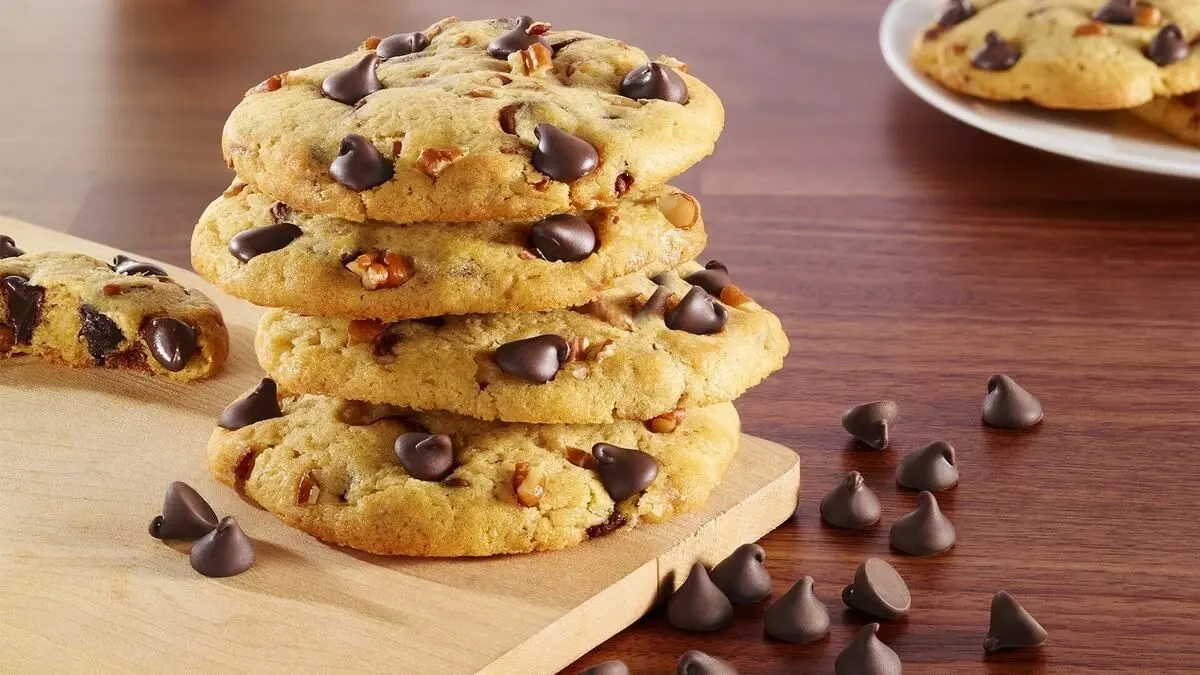
There is a moment when chocolate chip cookies come out of the oven and the whole kitchen seems to change. The edges turn golden, chocolate begins to melt into glossy little pools, and the sweet, buttery smell makes it almost impossible to wait for them to cool.
But a truly satisfying cookie is about more than chocolate. It should have lightly crisp edges, a soft and chewy center, and just enough sweetness to let the chocolate shine. Too much flour can make cookies dry. Too much baking time can leave them hard. And skipping a little resting time can affect their texture and flavor.
The good news? You do not need a professional bakery or complicated equipment to make excellent cookies at home.
This best chocolate chip cookie recipe uses familiar ingredients and a straightforward method to create cookies that are golden around the edges, tender in the middle, and packed with chocolate in every bite.
Ingredients for the Best Chocolate Chip Cookie Recipe
The ingredients are simple, but each one plays a role in creating the right texture.
- 1 cup (226 g) unsalted butter, softened but not melted
- ¾ cup (150 g) packed brown sugar
- ½ cup (100 g) granulated white sugar
- 2 large eggs, at room temperature if possible
- 2 teaspoons vanilla extract
- 2¼ cups (280 g) all-purpose flour
- 1 teaspoon baking soda
- ½ teaspoon salt
- 2 cups (about 340 g) chocolate chips or chopped chocolate
Brown sugar helps create a moist, chewy texture, while white sugar contributes to browning and crisp edges. Butter gives the cookies their rich flavor, and vanilla rounds everything out.
Semi-sweet chocolate chips are a reliable choice because their slight bitterness balances the sweetness of the dough. Chopped chocolate also works beautifully, creating irregular pieces and melted chocolate pockets throughout the cookies.
How to Make Chocolate Chip Cookies
Step 1: Prepare the Oven
Preheat your oven to 350°F (175°C). Line a baking sheet with parchment paper.
Preparing the tray before mixing the dough makes the process easier once the cookies are ready to bake. If your oven tends to run hot, check its temperature with an oven thermometer when possible.
Step 2: Cream the Butter and Sugars
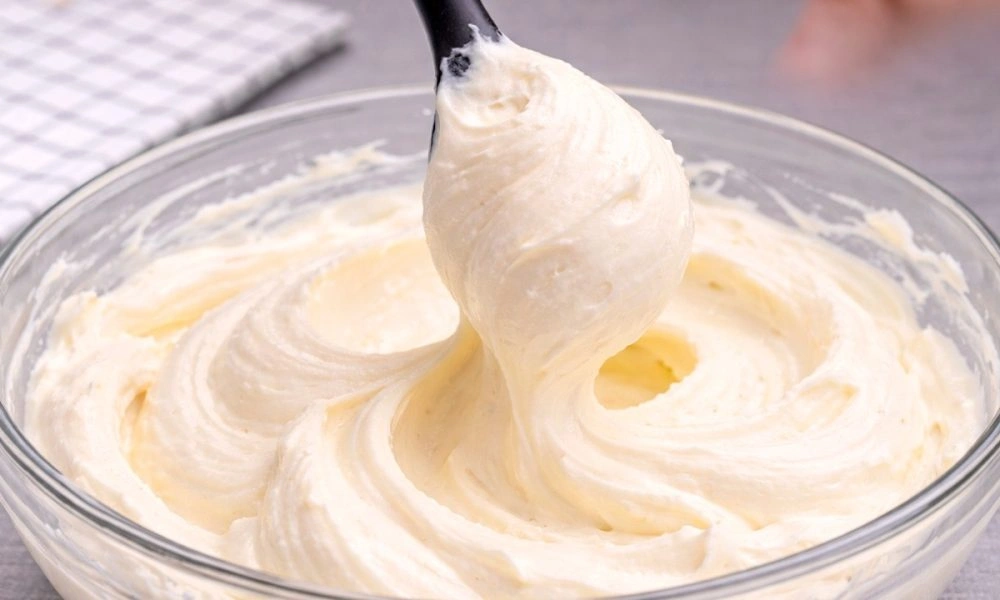
Place the softened butter, brown sugar, and white sugar in a large mixing bowl.
Beat them together until the mixture looks creamy and evenly combined, usually around two to three minutes with an electric mixer. Scrape down the sides of the bowl as needed.
The butter should be soft enough to mix easily but should not be oily or melted. Butter that is too warm can cause the cookies to spread excessively in the oven.
Step 3: Add the Eggs and Vanilla
Add the eggs one at a time, mixing after each addition. Stir in the vanilla extract.
The mixture should look smooth and cohesive. If it appears slightly separated, do not worry too much; adding the dry ingredients will bring the dough together.
Step 4: Mix the Dry Ingredients
In a separate bowl, whisk together the flour, baking soda, and salt.
Gradually add the dry ingredients to the butter mixture, mixing on low speed or stirring by hand until just combined.
This is the moment to resist overmixing. Once the flour disappears, stop. Working the dough too much can develop gluten and make the finished cookies tougher than intended.
Step 5: Fold in the Chocolate Chips
Add the chocolate chips or chopped chocolate and fold them through the dough until evenly distributed.
Make sure every portion gets a generous amount of chocolate. Reserve a small handful to press onto the tops of the dough balls before baking if you want cookies that look especially inviting.
Step 6: Chill the Dough
Cover the bowl and refrigerate the dough for at least 30 minutes.
Chilling helps firm up the butter, making the dough easier to handle and helping control how much the cookies spread. It can also give the flour more time to absorb moisture.
When the dough is chilled, the cookies are more likely to retain a thicker center rather than spreading into thin, flat rounds.
Step 7: Shape the Cookies
Scoop the dough into roughly 2-tablespoon portions and arrange them on the prepared baking sheet, leaving about 2 inches (5 cm) between each portion.
Gently press a few reserved chocolate chips onto the tops if desired.
Avoid crowding the tray. Cookies need room to spread, and a little space helps them bake more evenly.
Step 8: Bake Until the Edges Turn Golden
Bake for approximately 9–12 minutes, depending on the size of the cookies and your oven.
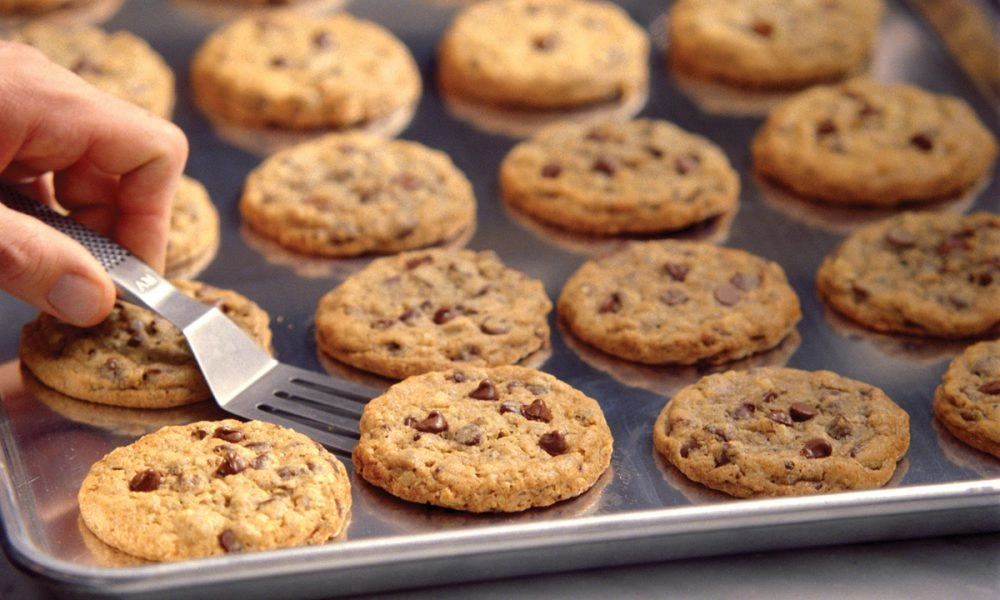
Look for edges that are lightly golden and centers that still appear slightly soft. The cookies may not look completely done in the middle, but they will continue setting as they cool.
That small detail makes a difference. Waiting until the entire cookie looks firm in the oven can leave you with a drier result. Pulling food off the heat just before it looks finished is a technique that applies well beyond baking. We cover the same idea in our guide to knowing when food is perfectly done.
Step 9: Let Them Rest Before Serving

Leave the cookies on the baking sheet for about five minutes before transferring them to a cooling rack.
Their centers will finish setting while the edges retain a delicate crispness. You can enjoy them warm once they are sturdy enough to handle, when the chocolate is still soft and wonderfully melty.
A glass of cold milk, a cup of coffee, or a mug of tea makes a lovely companion. Prefer to enjoy something sweet out of the house? Here are the best brunch spots near you.
The Secret to Soft, Chewy Chocolate Chip Cookies
A great cookie does not depend on one magical ingredient. It comes from several small decisions working together.
Use Brown Sugar Generously
Brown sugar contributes moisture and a deeper, almost caramel-like flavor. This recipe uses more brown sugar than white sugar to encourage a chewy center.
Measure the Flour Carefully
Too much flour is one of the common reasons homemade cookies turn out dry or cakey.
For the most reliable results, weigh the flour with a kitchen scale. If you use measuring cups, spoon the flour into the cup and level the top rather than packing it down.
Do Not Melt the Butter
Softened butter helps create a creamy mixture with the sugars. Melted butter changes the dough’s structure and can lead to a different spread and texture.
If your butter has become very soft or oily, chill it briefly before continuing.
Take the Cookies Out Before They Look Completely Done
The centers should look slightly underbaked when the tray leaves the oven, but the edges should have begun to turn golden.
This does not mean serving raw dough. The cookies continue cooking on the hot tray, so allow them to rest before deciding whether they need more time.
Give the Dough Time to Chill
The recipe includes a short chilling period to make the dough easier to shape and help reduce excessive spreading. If your kitchen is warm or your butter was particularly soft, a little extra chilling may help.
Common Chocolate Chip Cookie Problems and How to Fix Them
Even a straightforward recipe can produce different results depending on your ingredients, oven, and technique.
| The problem | What may have caused it | What to do next time |
| Cookies spread too much | Warm butter, warm dough, or too little flour | Chill the dough and measure ingredients carefully |
| Cookies turn out dry | Too much flour or overbaking | Weigh the flour and remove cookies when centers remain soft |
| Cookies are too cakey | Excess flour or an altered ingredient ratio | Follow the measurements and avoid adding extra flour |
| Cookies are hard | Overbaking or overmixing | Bake just until the edges are golden and mix only until combined |
| Cookies are pale | Insufficient baking or an oven that runs cool | Check the oven temperature and allow the edges to develop light color |
| Chocolate is unevenly distributed | Chips were not folded through thoroughly | Fold the chocolate in evenly and reserve some for the tops |
Easy Ways to Customize This Recipe
Once you have mastered the classic version, small changes can make the cookies feel different without requiring a completely new recipe.
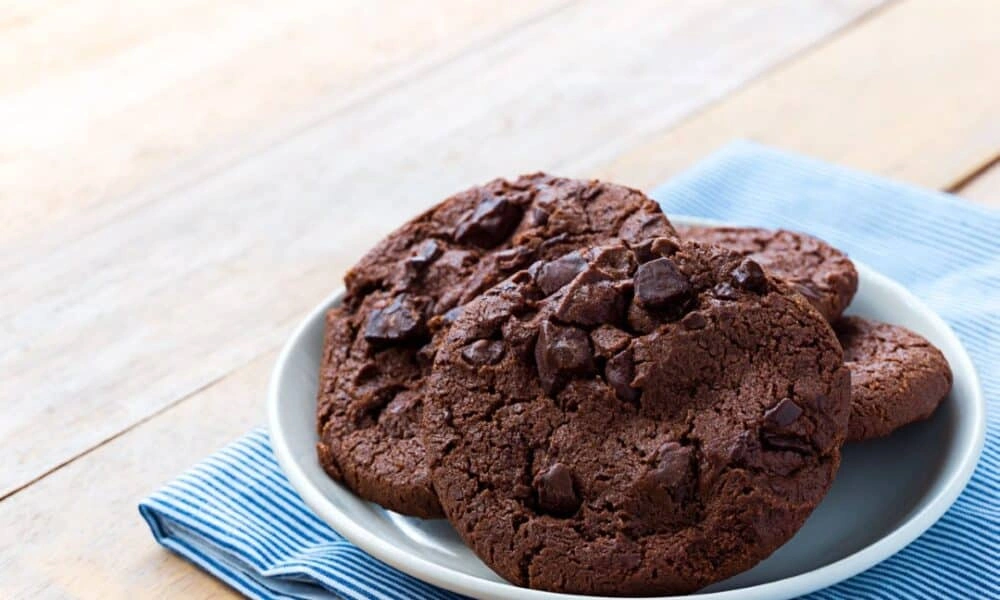
For extra chocolate: Replace some of the chocolate chips with chopped dark chocolate. The uneven pieces melt into larger pockets throughout the dough.
For a little crunch: Add chopped toasted walnuts or pecans, provided there are no nut allergies to consider.
For a sweet-and-salty finish: Sprinkle a small pinch of flaky salt over the cookies just before baking.
For thicker cookies: Chill the dough longer and avoid flattening the portions before baking.
For a deeper flavor: Refrigerate the dough for several hours or overnight, then bake it once chilled. Keep the dough covered during storage.
These variations are optional. The classic recipe is already designed to deliver a balanced cookie with a soft center and golden edges.
How to Store Homemade Chocolate Chip Cookies
Allow the cookies to cool completely before storing them in an airtight container at room temperature. They are generally best enjoyed within several days, while their texture is still pleasantly soft.
If you prefer warm cookies, reheat one briefly in the microwave. Use short intervals to avoid making it tough or overheated.
You can also freeze portions of uncooked dough. Arrange the dough balls on a tray until firm, then transfer them to a freezer-safe container or bag. Bake from frozen, adding a little extra baking time as needed and checking that the centers bake properly.
Freezing dough makes it easy to enjoy freshly baked cookies without preparing a new batch every time.
Frequently Asked Questions
What makes chocolate chip cookies soft and chewy?
Brown sugar, properly measured flour, chilled dough, and careful baking all help. Removing the cookies when the edges are golden but the centers are still soft allows them to finish setting as they cool.
Should I chill chocolate chip cookie dough?
Chilling is recommended for this recipe. It firms the butter, helps control spreading, and can improve the dough’s consistency. At least 30 minutes is a useful starting point.
Can I use salted butter instead of unsalted butter?
Yes. Use the same amount of butter and reduce or omit the added salt according to your taste and the saltiness of the butter.
Why did my chocolate chip cookies turn flat?
Common causes include butter that is too warm, dough that has not been chilled, inaccurate flour measurements, and a baking sheet that is still hot from the previous batch.
Can I make the dough ahead of time?
Yes. Cover and refrigerate the dough for several hours or overnight. If it becomes too firm to scoop, let it sit briefly at room temperature until manageable.
Can I use a different type of chocolate?
Absolutely. Semi-sweet, dark, milk, or a mixture of chocolates can work. Keep the total quantity similar so the dough maintains a good balance of structure and chocolate.
How do I know when chocolate chip cookies are done?
Look for lightly golden edges and centers that are soft but no longer look like wet batter. They will continue to set on the hot baking sheet after you remove them from the oven.
Final Thoughts: A Little Chocolate Goes a Long Way
The best chocolate chip cookies are not necessarily the biggest, fanciest, or most elaborate. They are the ones with golden edges, soft centers, and enough chocolate to make every bite feel special.
Start with good ingredients, measure carefully, give the dough time to chill, and resist leaving the cookies in the oven until they look completely firm. Those small details can turn an ordinary batch into something worth making again.
And if a few cookies disappear before they reach the cooling rack, well, that is part of the charm of baking at home. If this recipe has you in a food mood, explore the best food cities or find food places near you.
Disclaimer: This article is intended for informational purposes only.