Introduction
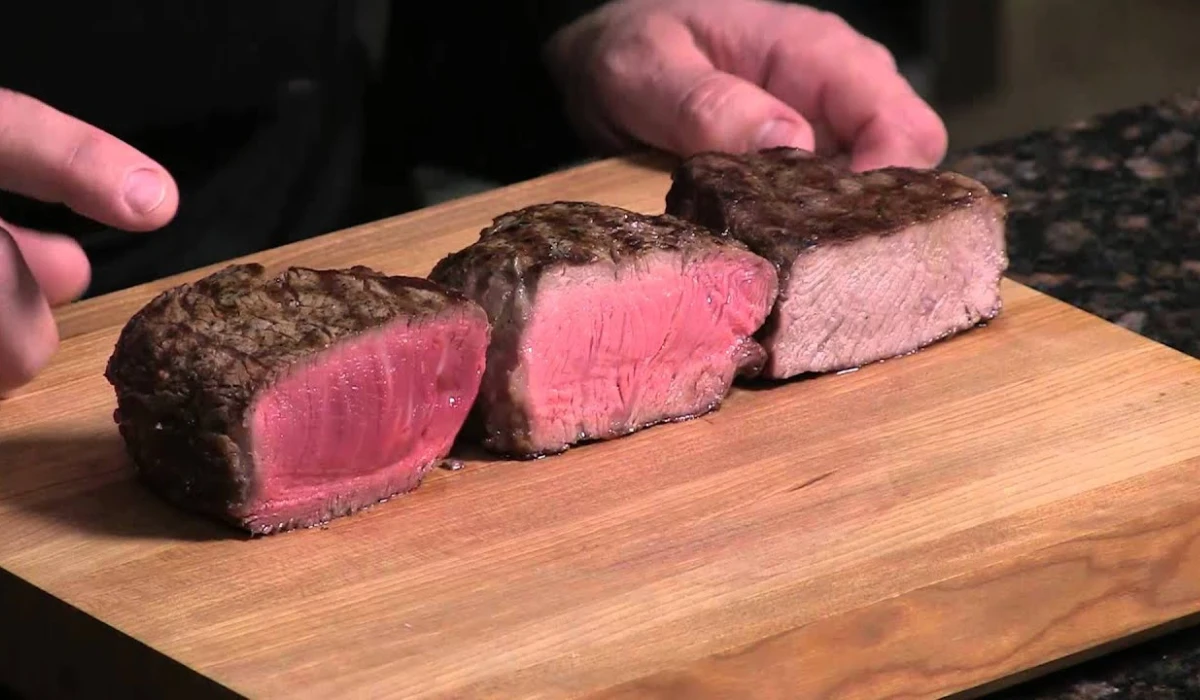
Ask any chef or steak lover about the best way to enjoy a quality cut of beef, and you’ll hear the same answer again and again: medium-rare steak. It’s the gold standard of doneness: a steak with a warm, ruby-red center, a beautifully browned crust, and a texture that’s tender, juicy, and full of flavor.
But cooking a perfect medium-rare steak at home can feel intimidating. Pull it off the heat too early, and it’s underdone; leave it a minute too long, and you’ve crossed into medium or beyond. The good news? Once you understand the exact temperature, the right technique, and a few professional tricks, getting it right becomes surprisingly simple.
This complete guide covers everything you need to know about medium-rare steak: what it actually is, the precise internal temperature to aim for, step-by-step cooking methods, a full doneness chart, food-safety facts, the most common mistakes, and answers to the questions people ask most. By the end, you’ll be able to cook a restaurant-quality steak in your own kitchen with total confidence.
What is a medium-rare Steak?
A medium-rare steak is a steak cooked to a level of doneness where the center remains warm and red-to-pink, while the outside develops a rich, caramelized brown crust. It strikes the ideal balance, cooked enough to be warm and tender all the way through, but not so much that it loses its juices and natural flavor.
When you slice into a properly cooked medium-rare steak, you should see a warm red center that fades to pink near the edges, framed by a thin band of browned, seared meat. The texture is soft and yielding, but still has a pleasant firmness it shouldn’t feel mushy or rubbery.
Medium-rare Steak Temperature
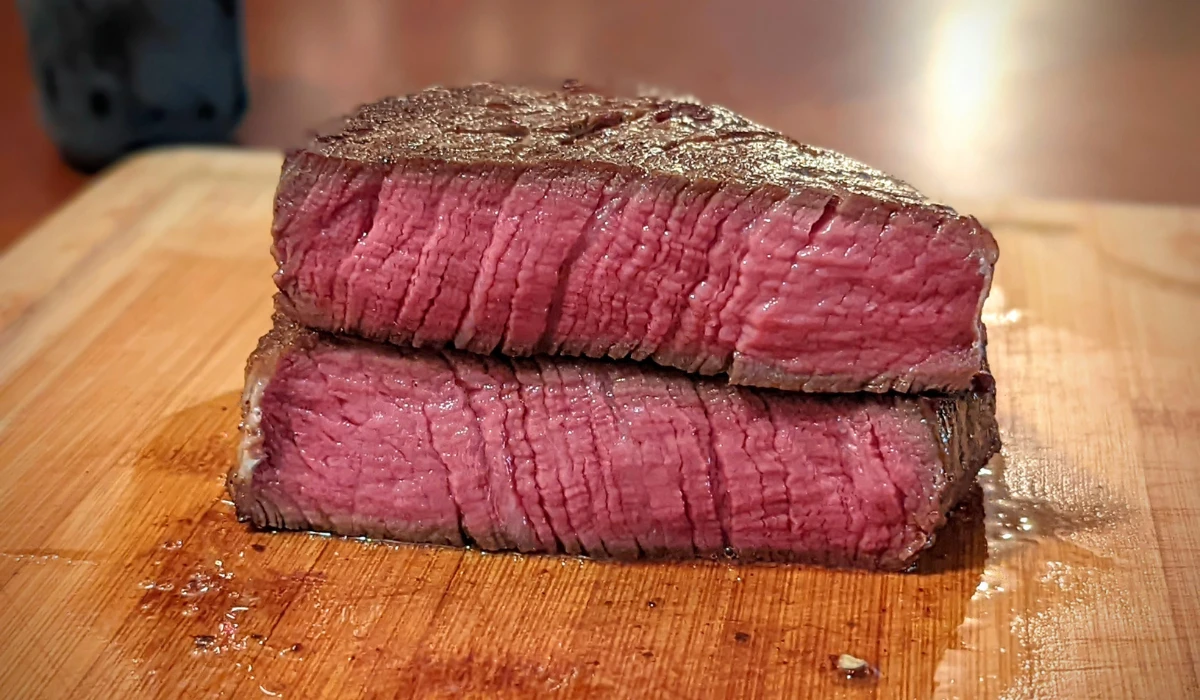
The single most important number to remember is the internal temperature. A medium-rare steak should reach an internal temperature of 130–135°F (54–57°C).
Here’s the professional secret most home cooks miss: carryover cooking. After you remove a steak from the heat, its internal temperature continues to rise by roughly 3–5°F as the residual heat moves toward the center. This means you should pull your steak off the heat at around 125–130°F and let it rest. By the time it’s ready to serve, it will settle perfectly into the medium-rare range.
If you wait until the thermometer reads 135°F before removing the steak, carryover cooking will push it into the medium range while it rests.
What Does medium-rare Look Like?
If you don’t have a thermometer handy, you can still recognize medium-rare by sight and feel:
– Color: A warm, vivid red center transitioning to pink toward the edges.
– Crust: A deep golden-brown to dark-brown sear on the outside.
– Texture: Firm with a slight springy give when pressed, similar to the fleshy pad at the base of your thumb when you touch your thumb and middle finger together.
– Juiciness: Visibly juicy, with the meat glistening when sliced.
That said, sight and feel are estimates. For consistent, reliable results, a meat thermometer is your best friend.
Why medium-rare is the Most Popular Doneness
There’s a reason steakhouses and chefs overwhelmingly recommend medium-rare. It comes down to three things: flavor, texture, and juiciness.
Flavor. At medium-rare, the steak retains its natural beefy richness. The exterior gets a flavorful crust through the Maillard reaction, the chemical browning process that creates hundreds of savory flavor compounds, while the interior stays moist and tender.
Texture. Heat causes muscle fibers to contract and toughen. The longer a steak cooks, the firmer and chewier it becomes. medium-rare keeps the fibers relaxed enough to stay tender, giving that signature melt-in-your-mouth bite.
Juiciness. As the steak cooks, it loses moisture. A well-done steak has squeezed out much of its juice, while a medium-rare steak holds onto it. That juiciness carries flavor and makes every bite more satisfying.
This is especially true for premium cuts like ribeye, New York strip, filet mignon, and sirloin tender cuts that genuinely shine when cooked to medium-rare. Tougher, collagen-heavy cuts like brisket or chuck are a different story and benefit from slow cooking, but for a classic steak, medium-rare is the sweet spot.
How to Cook the Perfect Medium-Rare Steak
Cooking a great medium-rare steak isn’t about luck; it’s about following a reliable process. Here are three proven methods, with practical examples.
Method 1: The Classic Pan-Sear
This is the most accessible method and produces a fantastic crust.
- Prep the steak. Take it out of the fridge 30–45 minutes before cooking so it comes closer to room temperature this helps it cook evenly. Pat it completely dry with paper towels (moisture is the enemy of a good crust).
- Season generously. Coat both sides with salt and freshly ground black pepper.
- Heat the pan. Use a cast-iron skillet over high heat until it’s very hot. Add a high-smoke-point oil like avocado or grapeseed oil.
- Sear. Lay the steak away from you. For a 1-inch-thick steak, sear about 3–4 minutes per side, undisturbed, to build a crust.
- Baste. In the last minute, add butter, garlic, and fresh thyme. Tilt the pan and spoon the foaming butter over the steak.
- Check the temperature. Pull the steak when it hits 125–130°F in the center.
- Rest. Let it rest 5–10 minutes before slicing.
Practical example: A 1-inch ribeye on a properly preheated cast-iron pan typically needs about 3.5 minutes per side, then a 7-minute rest, to land at a perfect 132°F.
Method 2: Grilling
- Preheat the grill to high heat (around 450–500°F).
- Oil the grates and place the seasoned steak over direct heat.
- Sear for 2–3 minutes per side to get grill marks and a crust.
- Move the steak to a cooler part of the grill to finish if it needs more time.
- Pull at 125–130°F and rest.
Practical example: A 1.25-inch New York strip on a hot grill might get 3 minutes per side over direct heat, then 2 minutes over indirect heat, before reaching the target temperature.
Method 3: The Reverse Sear
Ideal for thicker steaks (1.5 inches or more), this method gives the most even doneness.
- Heat your oven to a low temperature (around 250°F).
- Place the seasoned steak on a rack and cook slowly until the center reaches about 115°F.
- Then sear it in a screaming-hot pan for about 1 minute per side to build the crust.
- The result: edge-to-edge medium-rare with a perfect crust and almost no overcooked gray band.
Steak Doneness Chart: medium-rare and Beyond
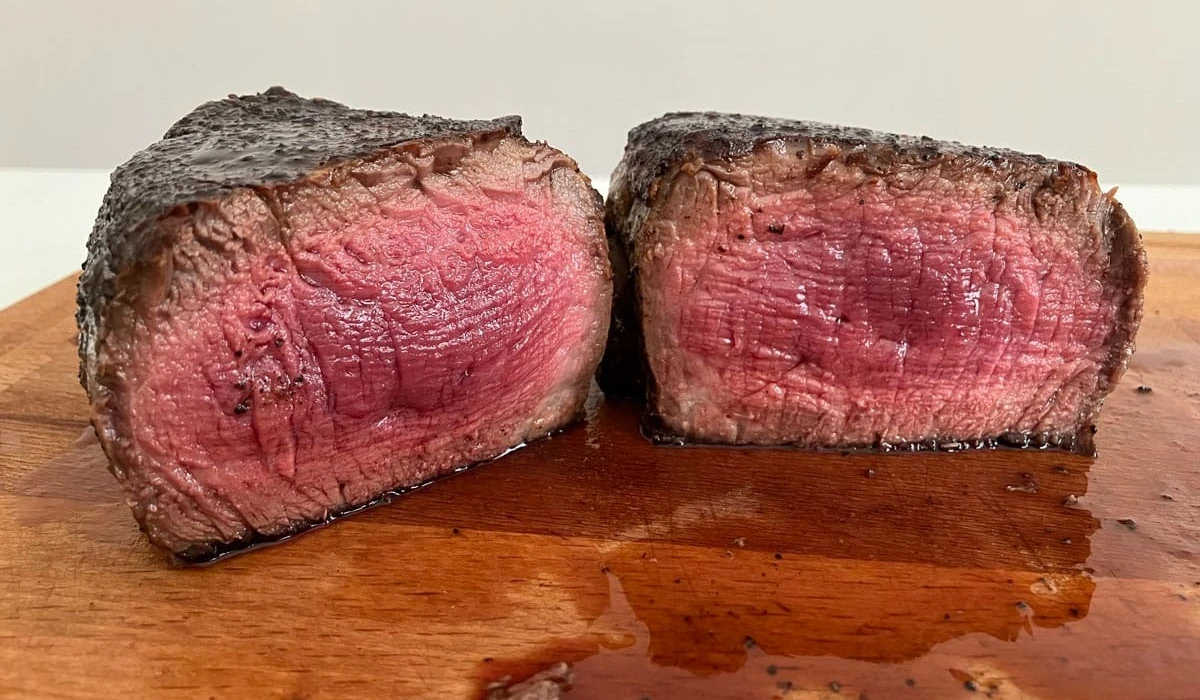
Understanding where medium-rare sits among the other doneness levels helps you cook with intention. Here’s a quick reference chart:
| Doneness | Internal Temp | Center Appearance |
| Rare | 120–125°F | Cool to warm, bright red |
| Medium-Rare | 130–135°F | Warm, red center |
| Medium | 135–145°F | Warm, pink center |
| Medium Well | 145–155°F | Slightly pink, mostly gray-brown |
| Well Done | 155°F and up | Little to no pink, fully brown |
Remember to account for carryover cooking by removing the steak about 5°F below your target. For medium-rare, that means pulling it at roughly 125–130°F.
Is medium-rare Steak Safe to eat?
This is one of the most common concerns and the answer, for whole cuts of beef, is reassuring.
For a whole-muscle steak (like a ribeye, strip, or sirloin), bacteria live almost entirely on the outer surface, not inside the meat. When you sear the exterior at high heat, you kill those surface bacteria. That’s why a steak with a warm red center can be perfectly safe to eat, even though the inside hasn’t reached a high temperature.
The U.S. Department of Agriculture officially recommends cooking whole cuts of beef to an internal temperature of 145°F, followed by a three-minute rest. Many chefs and home cooks, however, enjoy steak at the lower medium-rare range, considering it safe for quality whole-muscle cuts that have been properly seared.
A few important exceptions and tips:
– Ground beef is different. Burgers and ground meat must be cooked to 160°F, because grinding mixes any surface bacteria throughout the meat.
– Buy quality meat. Source steaks from a reputable butcher or store, and keep them refrigerated.
– Sear the edges too. Use tongs to briefly sear the sides of the steak, not just the flat faces.
– At-risk groups, including pregnant people, young children, older adults, and those with weakened immune systems, may want to follow the higher USDA-recommended temperature.
Common Mistakes to Avoid (Expert Tips)
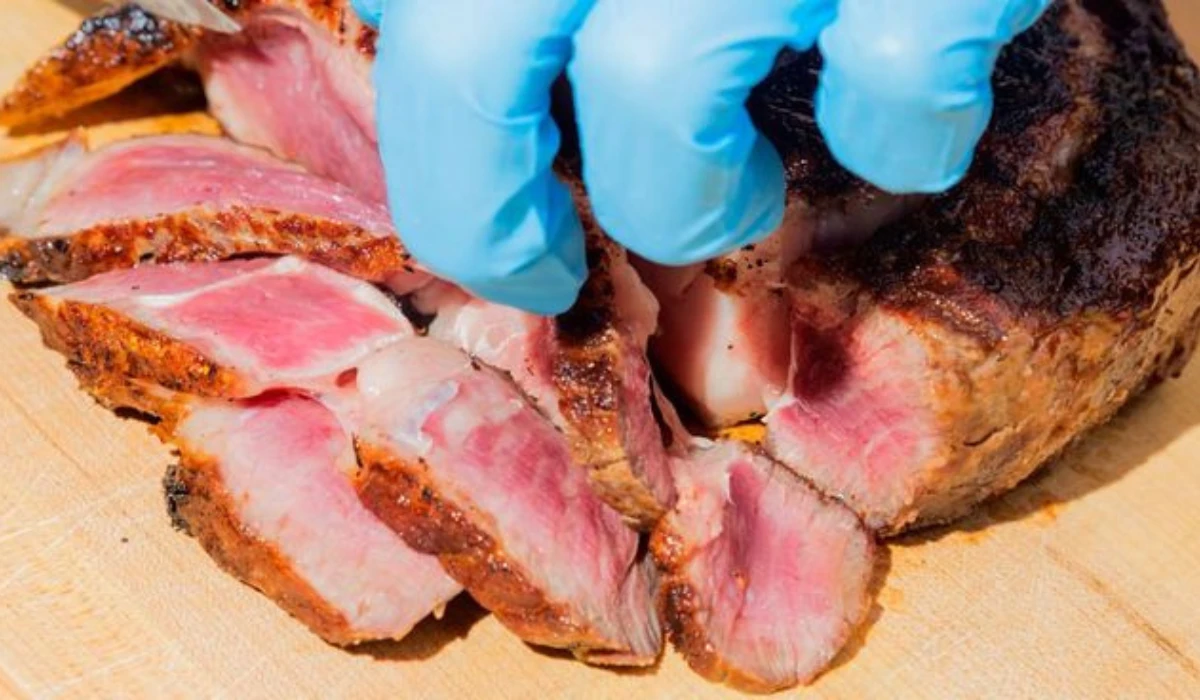
Even experienced cooks slip up. Avoid these pitfalls for a flawless medium-rare steak every time.
Skipping the thermometer. Guessing is the number-one cause of overcooked steak. An instant-read thermometer removes all doubt insert it into the thickest part of the steak.
Cooking a cold steak. A steak straight from the fridge cooks unevenly, leaving a cold center or an overcooked exterior. Let it sit out for 30–45 minutes first.
Not drying the surface. A wet steak steams instead of searing. Pat it bone-dry before it touches the pan.
Using a pan that isn’t hot enough. A weak crust means a pale, flavorless exterior. Preheat your skillet until it’s genuinely hot.
Flipping too often. Constant flipping prevents a good crust from forming. Let each side sear undisturbed.
Skipping the rest. This is the most overlooked step. If you cut into a steak immediately, the juices spill onto the plate. Resting for 5–10 minutes allows the juices to redistribute, keeping the steak moist.
Under-seasoning. Salt enhances flavor and helps build the crust. Season more generously than you think you need to.
How to Tell When Your Steak Is Medium-Rare
You have three reliable tools:
- The thermometer (most accurate). Aim for 125–130°F before resting. This is foolproof and the method professionals trust.
- The touch test. Press the steak with your finger and compare the firmness to the pad below your thumb when you lightly touch your thumb to your middle finger. That springy-but-firm feel corresponds to medium-rare.
- The visual cue. A small cut into the center should reveal a warm red color though this lets juices escape, so use it only as a last resort.
For consistency, the thermometer wins every time. It’s an inexpensive tool that transforms steak cooking from guesswork into a sure thing.
Frequently Asked Questions
What temperature is a medium-rare steak?
A medium-rare steak reaches an internal temperature of 130–135°F (54–57°C). Pull it off the heat at around 125–130°F to account for carryover cooking during resting.
Is medium-rare steak safe to eat?
For whole cuts of beef, yes, bacteria live on the surface, and a proper sear kills them. The USDA recommends 145°F for whole cuts, but many cooks consider properly seared medium-rare steak safe. Ground beef, however, must reach 160°F.
How long do you cook a medium-rare steak?
For a 1-inch steak in a hot pan or on a grill, about 3–4 minutes per side, followed by a 5–10 minute rest. Timing varies with thickness and heat, so always confirm with a thermometer.
What’s the difference between rare and medium-rare?
Rare steak (120–125°F) has a cool-to-warm, bright red center. medium-rare (130–135°F) has a warm red center and is slightly firmer, with a bit more crust development.
Why do you need to rest a steak?
Resting lets the juices redistribute throughout the meat instead of running out when you cut it, resulting in a juicier, more flavorful steak.
What’s the best cut for a medium-rare steak?
Tender cuts like ribeye, New York strip, filet mignon, and sirloin are ideal, as they’re naturally tender and shine at medium-rare.
Conclusion
Cooking the perfect medium-rare steak comes down to a few simple principles: aim for an internal temperature of 130–135°F, account for carryover cooking by pulling it early, build a great crust with high heat and a dry surface, and always let it rest. Master those steps, and you’ll never need to overpay at a steakhouse for a steak you can cook just as well at home.
The single best investment you can make is a reliable instant-read thermometer. It turns steak cooking from a nervous guessing game into a guaranteed success.
Ready to cook your best steak yet? Grab a quality cut, fire up your skillet, and put these tips to the test tonight. If this guide helped you, share it with a fellow steak lover, and explore our other cooking guides for more tips on creating restaurant-quality meals at home.
——————————————————————————————————————————————————————
This article is for informational purposes. Follow safe food-handling practices and consult official food-safety guidelines, especially when cooking for children, older adults, pregnant individuals, or anyone with a weakened immune system.