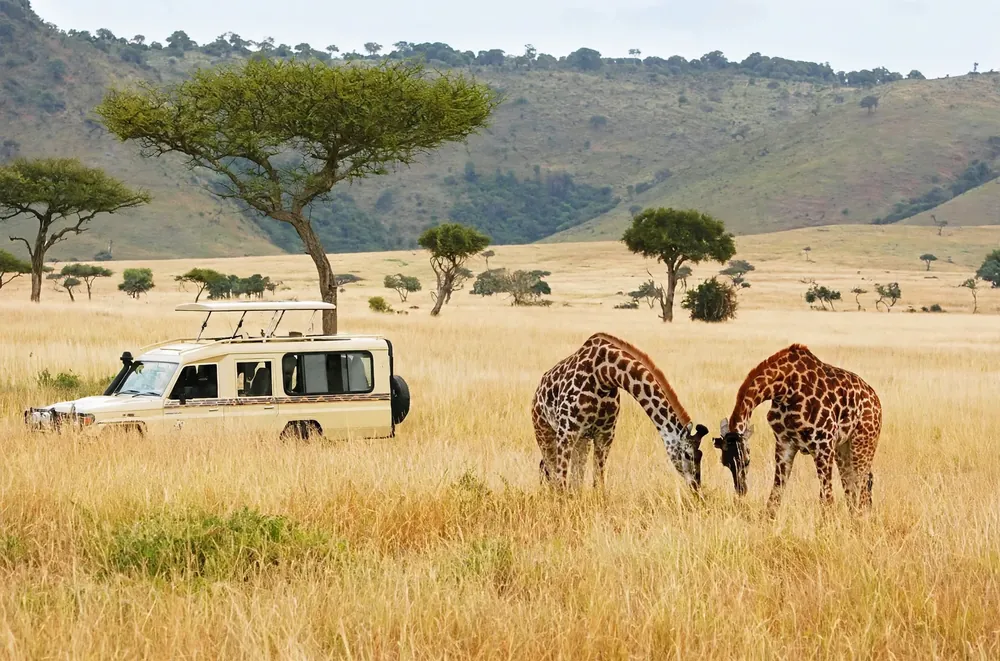
The best luxury safaris Africa 2027 has to offer are no longer defined by thread counts and champagne alone, though both remain plentiful. They are defined by access: a private concession where your vehicle is the only one at a leopard sighting, a camp that moves with the herds, and guides whose knowledge of one valley runs deeper than any guidebook.
In 2027, the finest safaris combine that exclusivity with genuine conservation and logistics so smooth that the journey itself feels like part of the holiday. This guide covers the lodges, regions, seasons, and prices that matter, from the Okavango Delta to the dunes of Namibia.
Whether you are planning a first safari or returning to a favourite region, the choices below reflect what is actually bookable, at what price, and in which season.
What Makes a Safari Truly Luxurious in 2027
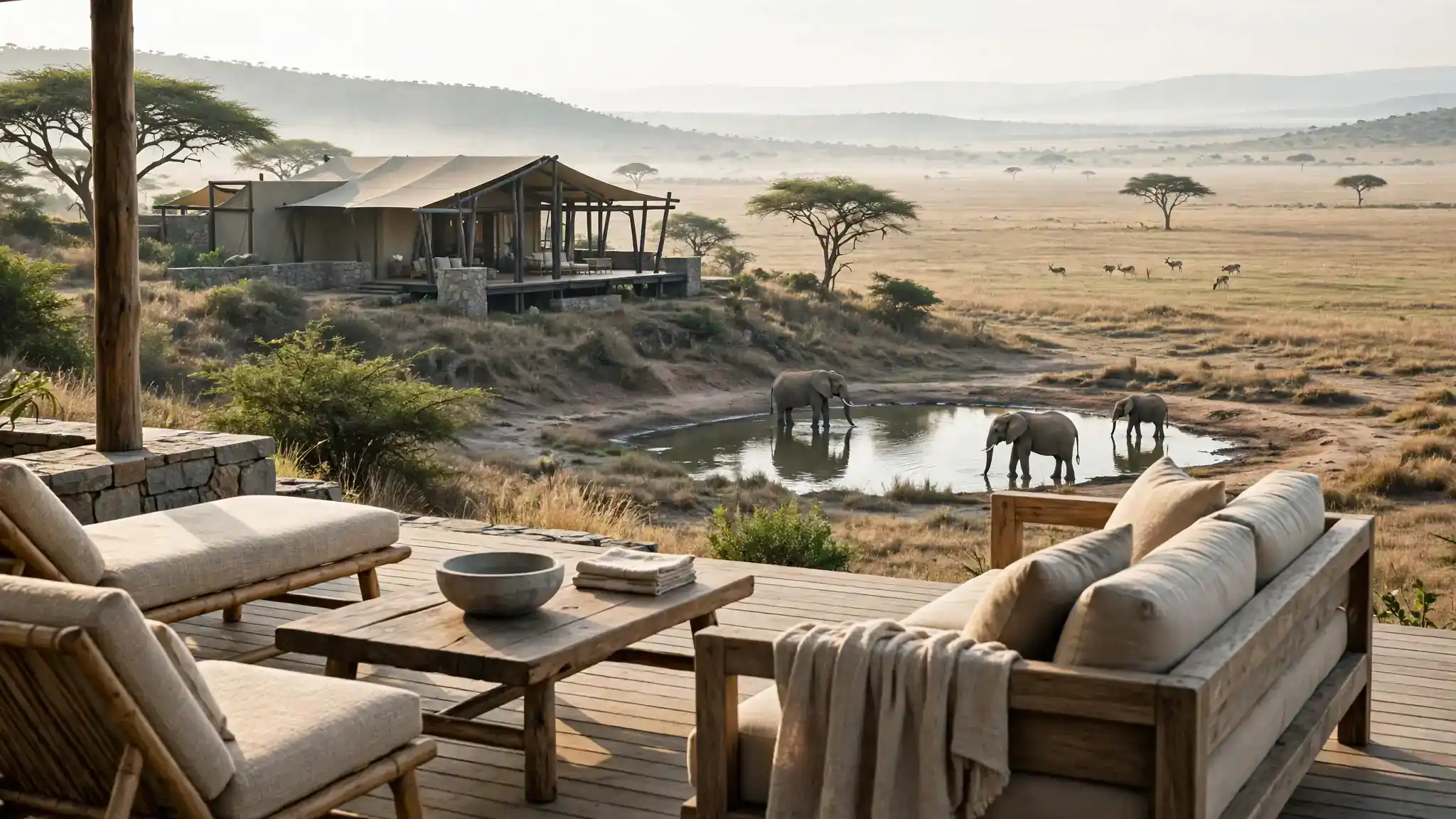
Luxury on safari has shifted. A decade ago, the measure was the size of the suite and the vintage of the wine. Today, discerning travellers judge a safari by what cannot be bought in bulk: space, silence, and time with wildlife undisturbed by other vehicles.
The best camps limit guests to twelve or sixteen, employ one guide per vehicle, and hold traversing rights over hundreds of thousands of acres of private land. That matters more than any infinity pool, because it decides whether you watch a lioness hunt alone or share her with six other vehicles.
Design has matured, too: leading lodges build with local stone, canvas, and timber, employ artisans from nearby communities, and still deliver reliable hot water, proper mattresses, and good coffee. Book early, as the most sought-after camps in Botswana and Rwanda sell out six to twelve months ahead for peak season.
Botswana: The Okavango Delta
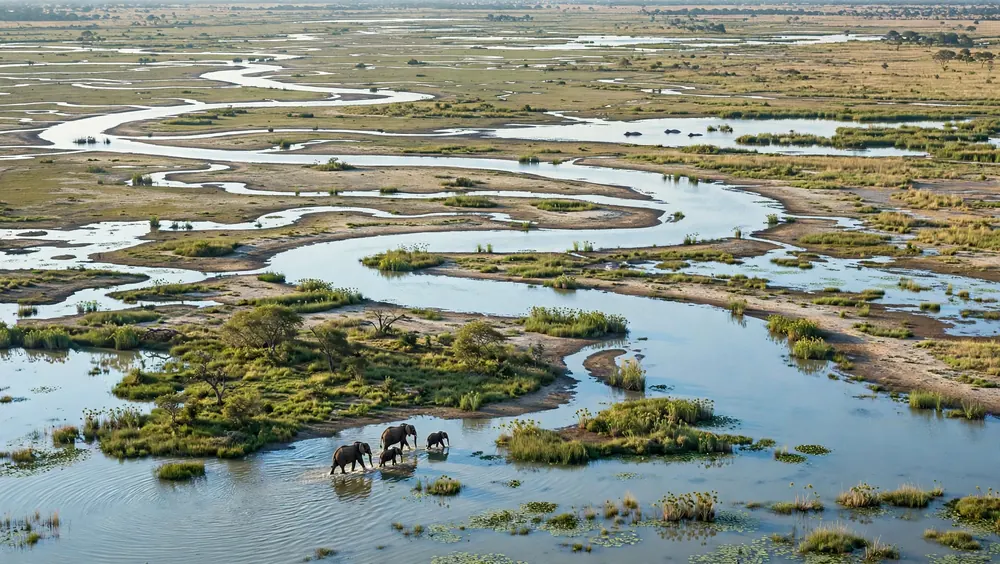
Botswana remains the benchmark for the luxury safari, and the Okavango Delta is its crown. Each year, floodwaters from Angola arrive in the dry winter months, turning a vast inland delta into a maze of channels, lagoons, and islands. Botswana has long pursued a low-volume, high-value tourism policy, so camps are small, concessions are large, and visitor numbers stay low by design.
Mombo Camp, on Chief’s Island in the Moremi Game Reserve, is the most famous name in the Delta. Its reputation rests on extraordinary predator viewing, particularly leopard and lion, where the floodplains concentrate game. Rates typically start from around $2,500 to $3,500 per person per night in peak season, including meals, drinks, and activities.
Jao Camp, in the western Delta, offers a camp built over the water, with mokoro canoe trips through lily-covered channels and boating beside wading elephants, from around $1,800 per person per night.
Duba Plains, famed for lion-buffalo encounters in the open floodplains, sits at a similar top-end level. The best time is June to October, when the flood peaks; May and November are fine shoulder months, and the green season from December to March brings lush landscapes and superb birding.
Kenya: The Maasai Mara
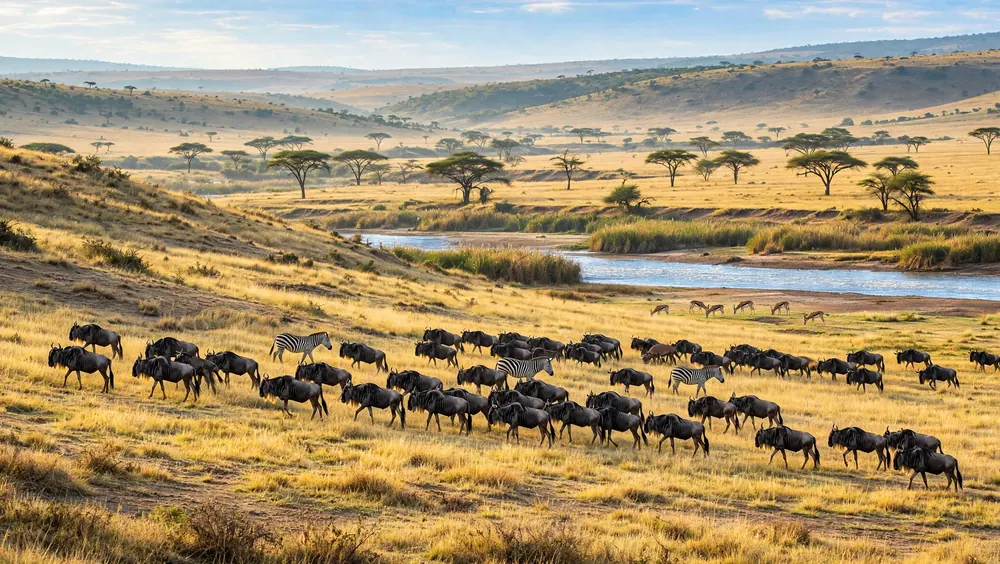
The Maasai Mara is the most famous safari landscape in the world, and in 2027 it rewards travellers who look beyond the main reserve to its private conservancies.
The reserve itself, particularly around the Mara River during the Great Migration, can be busy in peak season. The conservancies bordering it Mara North, Olare Motorogi, Naboisho, and Ol Kinyei offer the same wildlife with strict limits on vehicle numbers, plus night drives, walking safaris, and off-road access the reserve does not allow.
Angama Mara, on the Oloololo Escarpment above the Mara Triangle, is one of Kenya’s most striking lodges, with fifteen tented suites facing west across the plains. Rates generally start from around $1,400 to $1,900 per person per night in peak season.
Mara Plains Camp in Olare Motorogi offers just seven tents and exceptional guiding, from around $1,600 per person per night.
In the Laikipia Plateau, Loisaba Tented Camp offers open rangelands, Grevy’s zebra, and both black and white rhino, from around $700 to $1,000 per person per night. The migration crossings usually peak between July and October, while January and February bring warm weather, short grass, and excellent predator sightings.
Tanzania: The Serengeti

Tanzania’s Serengeti is the Mara’s vast southern neighbour, and its scale is its defining quality. The ecosystem covers some 30,000 square kilometres, and the migration moves through it in a great annual circuit. A luxury safari here works best as a journey: two or three camps in different regions, following the herds, rather than a single long stay in one place.
Singita Grumeti, on a private 350,000-acre concession in the western Serengeti, sets the standard for the region. Its lodges Sasakwa, Faru Faru, and Sabora offer a polish few safari properties anywhere can match, with rates at Sasakwa typically from $2,000 to $3,000 per person per night in peak season.
The Grumeti River crossings, usually in June and July, are among the most dramatic wildlife events in Africa. In the south, the calving season from January to March sees hundreds of thousands of wildebeest give birth within weeks, drawing lions, cheetahs, and hyenas.
Namiri Plains, in the eastern Serengeti, offers a remote, predator-rich stay from around $1,100 to $1,500 per person per night. The Ngorongoro Crater deserves a night or two as well, for its dense wildlife and resident black rhino, best seen on an early-morning descent before the crowds arrive.
South Africa: Sabi Sand and the Private Reserves
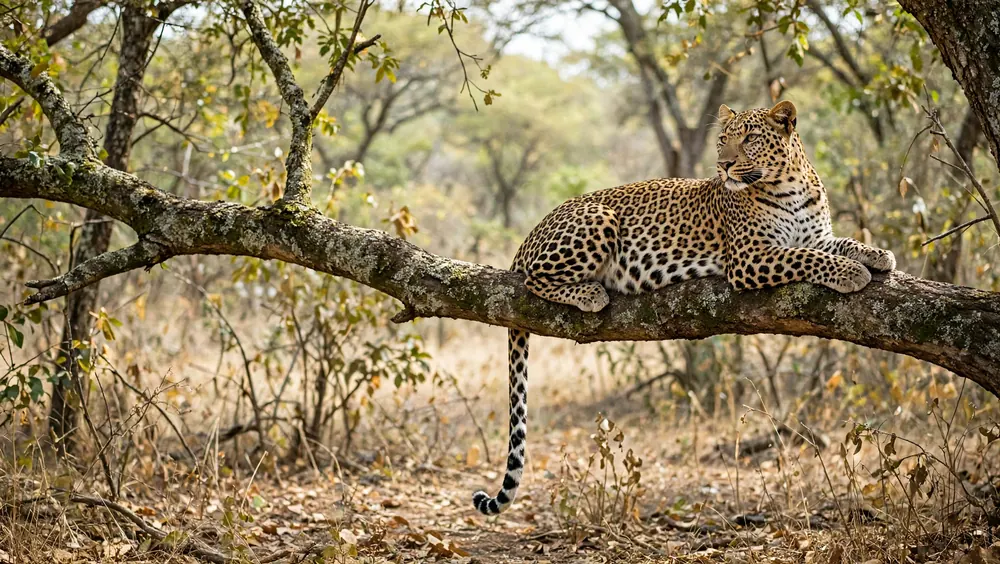
For the most reliable big-five viewing with the least logistical friction, South Africa’s Sabi Sand Game Reserve remains hard to beat. Bordering the Kruger National Park with no fences between them, Sabi Sand’s private reserves allow off-road driving, night drives, and walking safaris, and its leopard viewing is the most consistent in Africa.
It is also the most accessible luxury safari destination on the continent: a short flight from Johannesburg to an airstrip in the reserve, and you are at your lodge within the hour.
Londolozi, one of the founding lodges of Sabi Sand, operates five camps across its reserve, with rates generally from around $900 to $1,600 per person per night. Singita Sabi Sand offers a more contemporary, design-led alternative, from around $1,800 per person per night at the top end.
Further south, the malaria-free reserves of the Eastern Cape Shamwari, Kwandwe, and Lalibela suit families and travellers who prefer to avoid anti-malarial medication. Kwandwe, a 54,000-acre reserve with a strong rhino programme, runs from around $800 to $1,200 per person per night.
The dry winter months from May to September offer the best game viewing; the summer months bring lush landscapes, birding, and newborn animals.
Rwanda: Gorilla Trekking in Volcanoes National Park
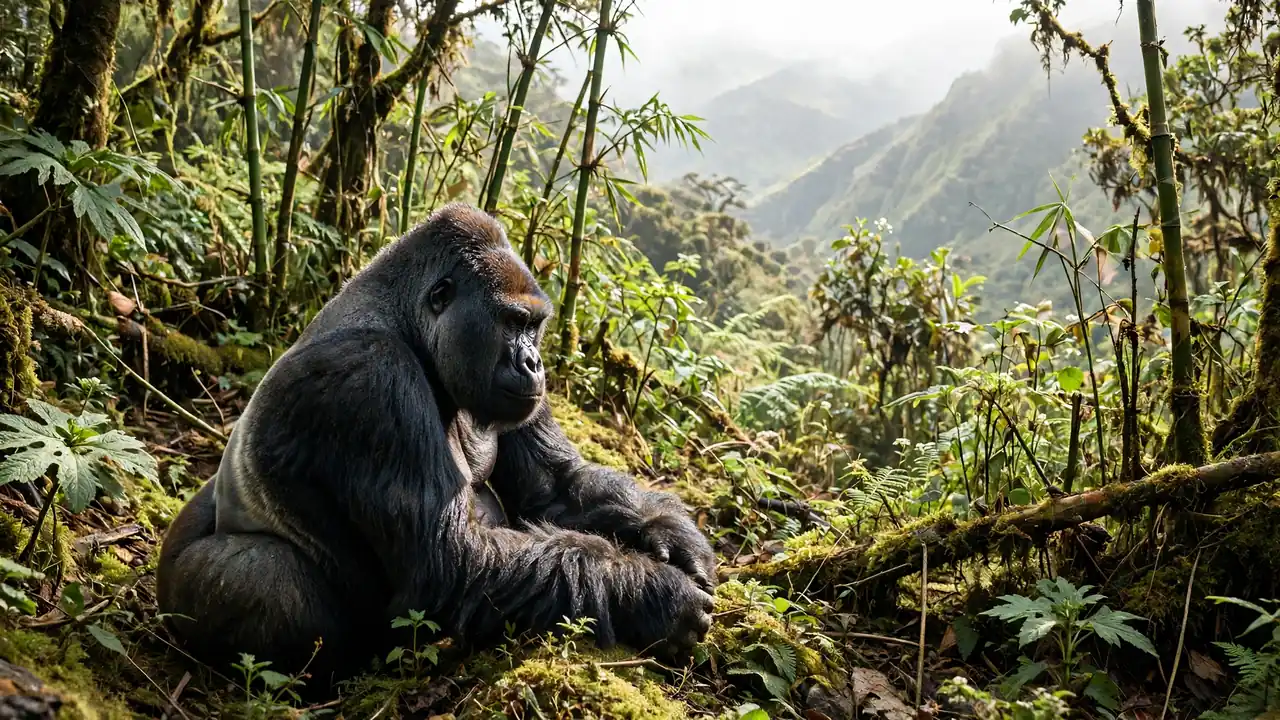
No luxury safari list for 2027 is complete without Rwanda. Gorilla trekking in Volcanoes National Park is one of the most moving wildlife experiences in the world, and Rwanda has built a tourism model around it that is deliberately small in scale and high in quality.
Permits cost $1,500 per person, and the revenue funds conservation and community projects around the park. Only eight visitors may visit each habituated gorilla family per day, and the trek itself through bamboo forest and mountain slopes is a genuine adventure.
Singita Kwitonda Lodge, at the foot of the volcanoes, offers nine suites from around $1,500 to $2,000 per person per night, excluding the permit. Bisate Lodge, from Wilderness, sits in an eroded volcanic cone.
It is known for a reforestation programme that has planted tens of thousands of indigenous trees. Its six forest villas start at around $1,700 per person per night.
Treks can last from one to six hours. The terrain is steep and muddy, so porters at the trailhead are worth hiring. The dry seasons, June to September and December to February, offer the easiest walking.
Rwanda pairs naturally with Kenya or Tanzania. The country also offers Akagera National Park, restored over the past decade and now home to lions, rhinos, and elephants.
Those who love reaching places few travellers ever see will find a similar spirit in the world’s most remote luxury escapes, where distance itself is part of the luxury.
Namibia: Desert Lodges and Empty Horizons
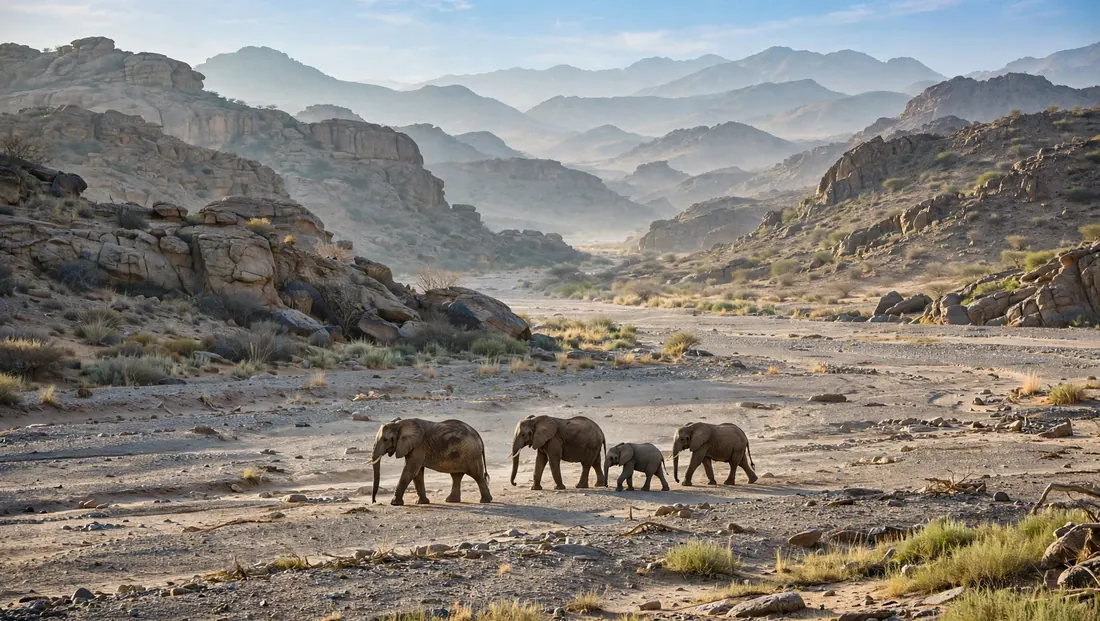
Namibia offers the most visually distinct luxury safari in Africa. Its landscapes the red dunes of Sossusvlei, the foggy Skeleton Coast, the rocky Damaraland look like nowhere else on the continent, and its wildlife has adapted to one of the driest environments on earth.
Desert-adapted elephants, black rhino, and the desert lions of the Kunene region are the draw, but the real luxury here is space: long, empty roads, huge skies, and lodges that feel like small outposts in a vast wilderness.
Hoanib Valley Camp, in remote Kaokoland, is one of the finest desert lodges in Africa. Its six tents sit in a valley where desert elephants and giraffe move along the dry riverbed, with rates from around $1,200 to $1,600 per person per night. Sossusvlei Desert Lodge, from &Beyond, offers a contemporary desert retreat in the NamibRand Nature Reserve, one of the best places in the world for stargazing, from around $1,000 per person per night.
The Skeleton Coast offers shipwrecks and seal colonies, though multi-day fly-in itineraries there typically cost $8,000 to $15,000 per person. The best time is the dry season from May to October, when skies are clear and wildlife gathers at waterholes. The sense of remoteness here echoes the lodges among the best luxury lodges in Patagonia, where isolation and landscape do much of the work service alone cannot.
What a Top Safari Costs in 2027
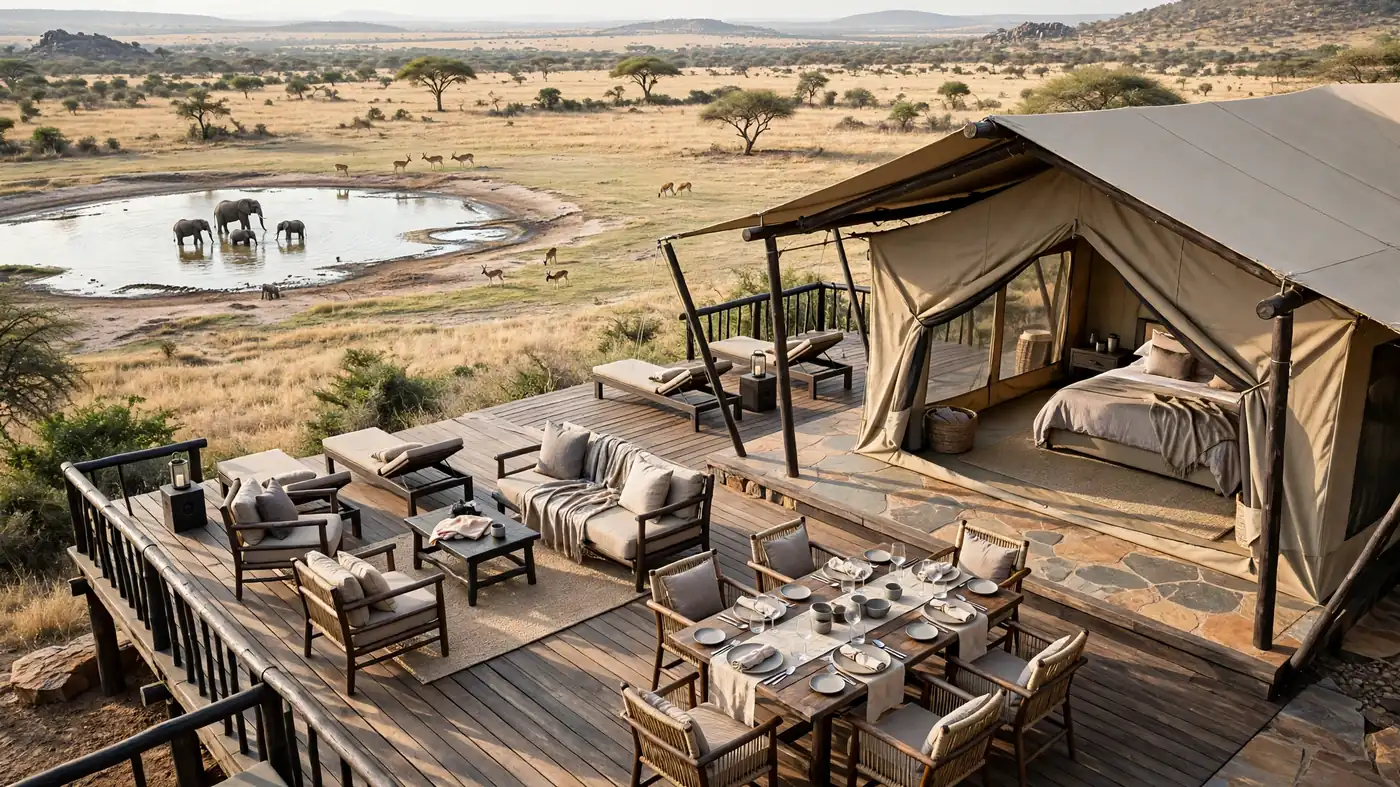
Honest pricing is essential, because the headline rate is rarely the whole story. A top-tier safari in Botswana or Rwanda typically costs $1,500 to $3,000 per person per night, including accommodation, meals, drinks, activities, and park fees.
A ten-night itinerary for two at that level, including internal flights and transfers, commonly totals $35,000 to $60,000. Mid-range luxury in Kenya, Tanzania, and South Africa generally runs $800 to $1,500 per person per night, putting a ten-night trip for two in the $20,000 to $35,000 range including flights.
Several costs sit outside the nightly rate. Gorilla permits in Rwanda are $1,500 per person, and in Uganda $800. Internal light-aircraft flights can add $500 to $1,500 per person across an itinerary.
Travel insurance covering medical evacuation is essential, and a gratuity budget of $20 to $30 per person per day is customary. Value is not the same as cheapness: a $1,200 camp with a private vehicle, a superb guide, and a concession with almost no other visitors will deliver a better experience than a $700 camp in a busy area where sightings are shared.
When to Go: A Season-by-Season Guide
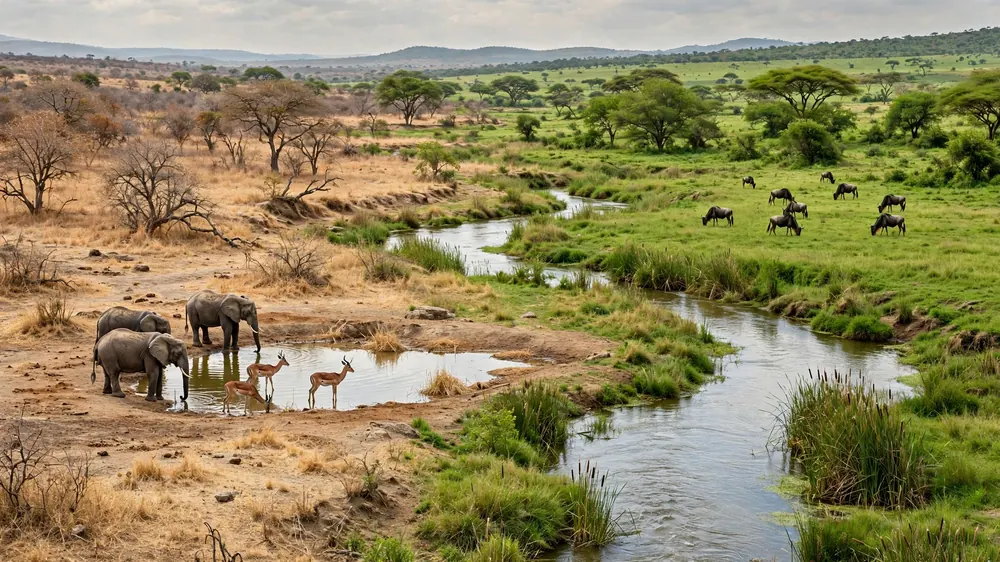
There is no single best month for an African safari, because regions peak at different times. The dry season, roughly June to October across southern and East Africa, is the most reliable window for general game viewing.
Vegetation thins, water sources shrink, and animals gather in predictable places. The Okavango flood peaks, the Mara river crossings happen, and the Serengeti herds are in the north. For a first safari, July to September is the safest choice almost everywhere.
The green season, roughly November to March, has a different appeal. The bush turns green, the light softens, migratory birds arrive, and many animals give birth. Rates drop by 20 to 40 percent at many lodges, and the parks are quieter.
The trade-off is thicker vegetation and afternoon rain. Two spectacles deserve special planning: the migration river crossings, best from July to September, and the southern Serengeti calving season, from January to March. If either is the centrepiece of your trip, build the itinerary around it and book at least nine months ahead.
Private Conservancies vs National Parks
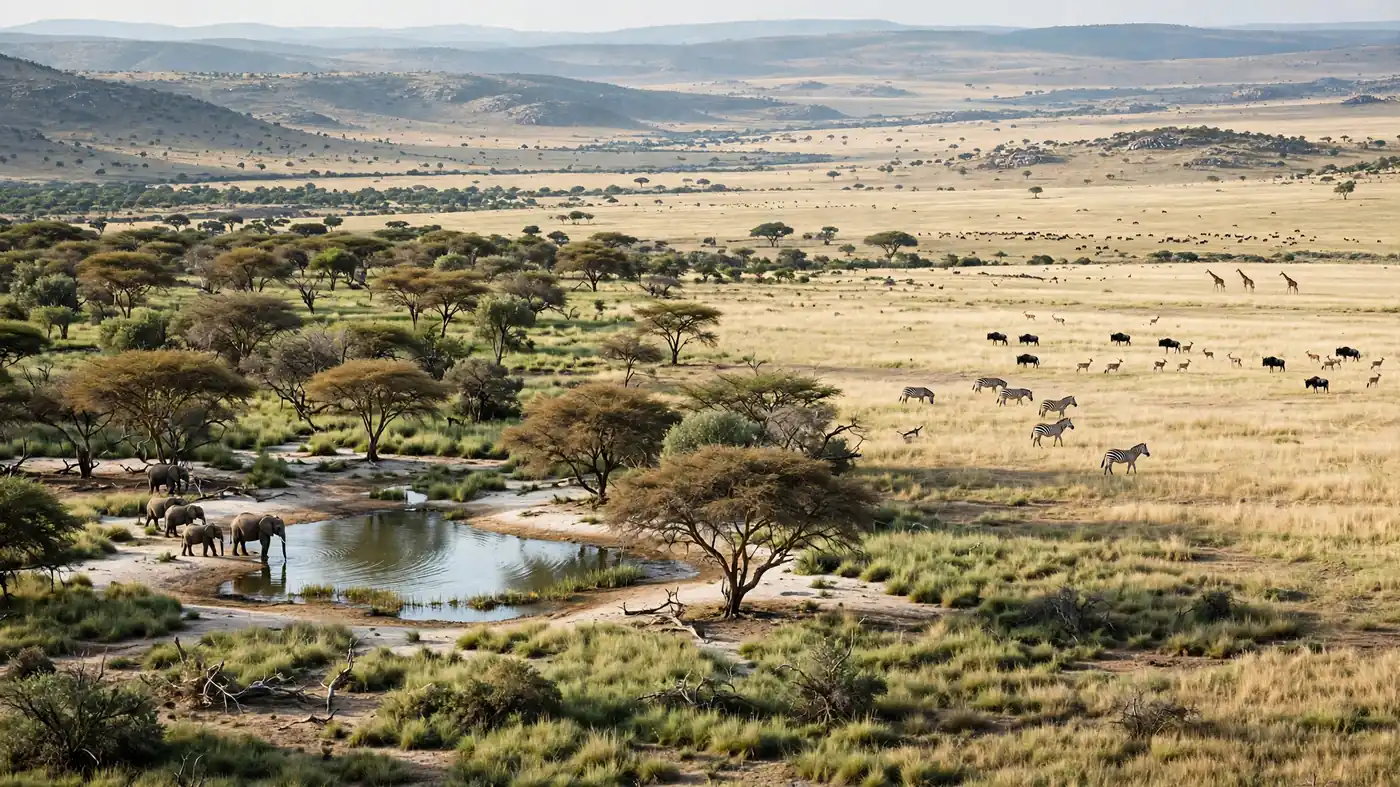
Understanding the difference between a private conservancy and a national park is one of the most useful things a safari traveller can learn. National parks the Serengeti, the Maasai Mara reserve, Kruger, and the Okavango’s Moremi are public, and any licensed operator can drive in them.
That openness is part of their appeal, but popular sightings can attract many vehicles, and activities are restricted: no night drives, no walking safaris, and no off-road driving in most cases.
Private conservancies are leased from local communities or private landowners and managed by a single operator or a small group of lodges. They limit vehicle numbers and allow night drives, guided walks, and off-road access, giving a quieter, more flexible safari.
In Kenya, the Mara conservancies are the clearest example: the same lions and elephants as the reserve, with a fraction of the vehicles. The trade-off is cost, as conservancy lodges are usually more expensive. The best itineraries combine both: a few nights in a conservancy for exclusivity, and a few nights in a national park for sheer wildlife density.
Fly-In Logistics: Getting There in Style
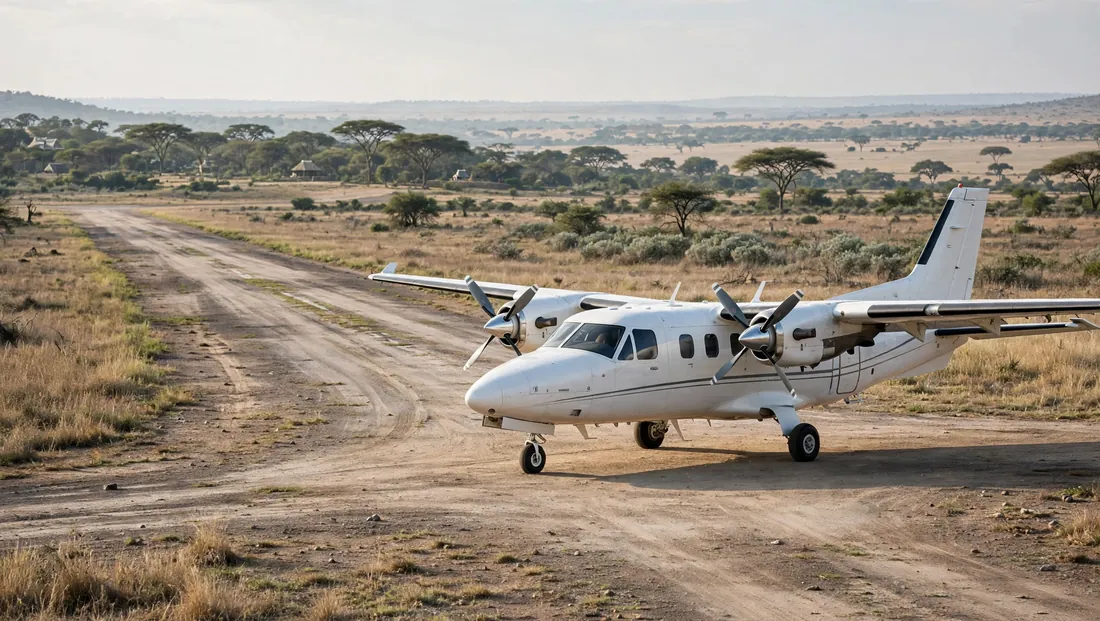
Most high-end itineraries are built around light-aircraft flights between camps, turning journeys that would take a full day by road into a scenic forty-minute hop. In Botswana, flights from Maun to the Delta camps operate daily, with luggage limited to 20 kilograms in soft bags.
In Tanzania, flights from Arusha reach the Serengeti airstrips, and in Kenya, flights from Nairobi’s Wilson Airport reach the Mara in under an hour.
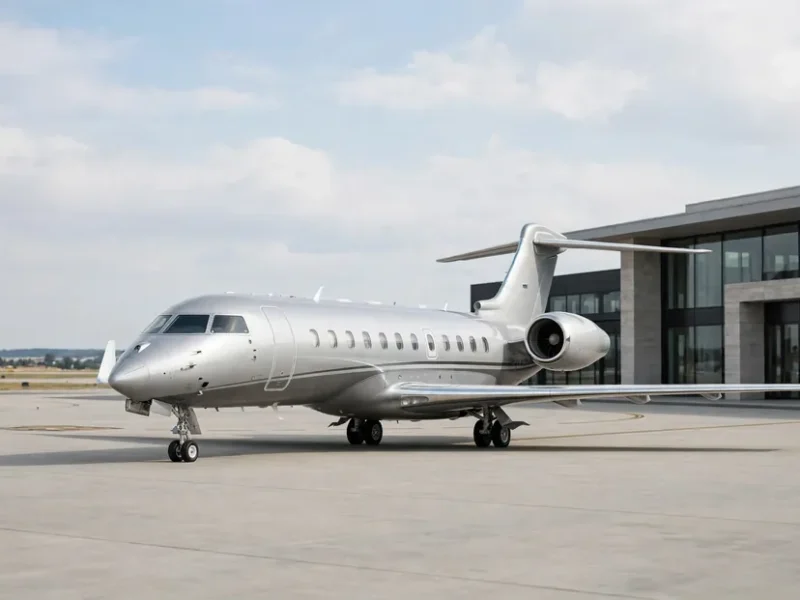
For travellers who want to remove every friction from the journey, private jet tours offer a different scale of travel, with the aircraft waiting on your schedule rather than the other way around.
Within Africa, chartering privately between camps is possible but expensive, and scheduled light-aircraft flights are perfectly comfortable and far more economical. Leave generous connections: allow at least three hours between an international arrival and a bush flight, and a night in Johannesburg, Nairobi, or Arusha at either end is a wise investment.
Pack soft bags, neutral colours, layers for cold mornings, binoculars, and sun protection; most camps offer daily laundry, so a week of clothing is ample.
Conservation-Led Lodges: Where Your Stay Makes a Difference
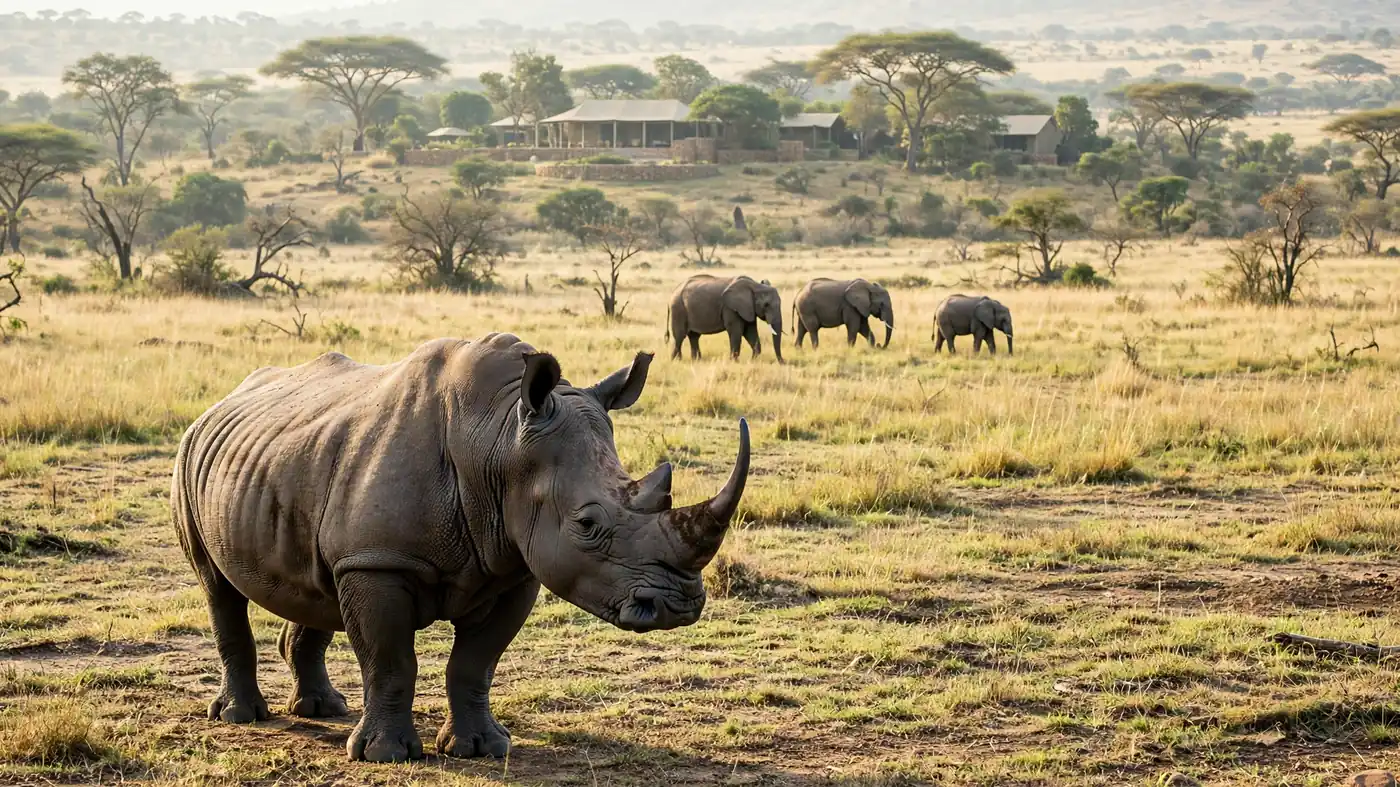
The finest lodges in 2027 are conservation projects that happen to host guests, not hotels that happen to be in the bush. A lodge leases land from a community, employs local people, funds anti-poaching and habitat restoration, and shares revenue with the community.
When it works, wildlife numbers rise, local incomes rise with them, and the lodge becomes a reason to protect the land.
The evidence is visible across this guide: Singita’s anti-poaching unit in the Grumeti, gorilla permit revenue in Rwanda, community conservancies in Namibia, and lease fees paid to Maasai landowners in the Mara.
Choose lodges with transparent conservation records, and visit their community projects when offered. A lodge that can show you its anti-poaching unit, its school, or its reforestation programme is one that takes conservation seriously, and such visits are often among the most memorable parts of a trip.
How to Choose Your 2027 Safari
Start with the experience you want, not the destination. For a first safari with the highest chance of seeing the big five, Sabi Sand or the Mara conservancies are excellent choices. The Okavango Delta is unmatched for water, wilderness, and exclusivity.
Travellers hoping to witness the Great Migration should visit the Serengeti and the Mara between July and September. Rwanda, meanwhile, is the ideal choice for gorilla trekking and pairs beautifully with a savannah safari.
Then decide how you like to travel: one camp for a week, or a move every three nights. Finally, book with a specialist operator who knows the camps, guides, and seasons intimately and will tell you honestly when a cheaper alternative will deliver a better experience. That advice is worth more than any discount.
The savannah at dawn has a way of resetting what matters, and a good safari leaves you carrying that stillness home with you. May your 2027 journey be unhurried, well guided, and full of the quiet sightings that stay with you longest.