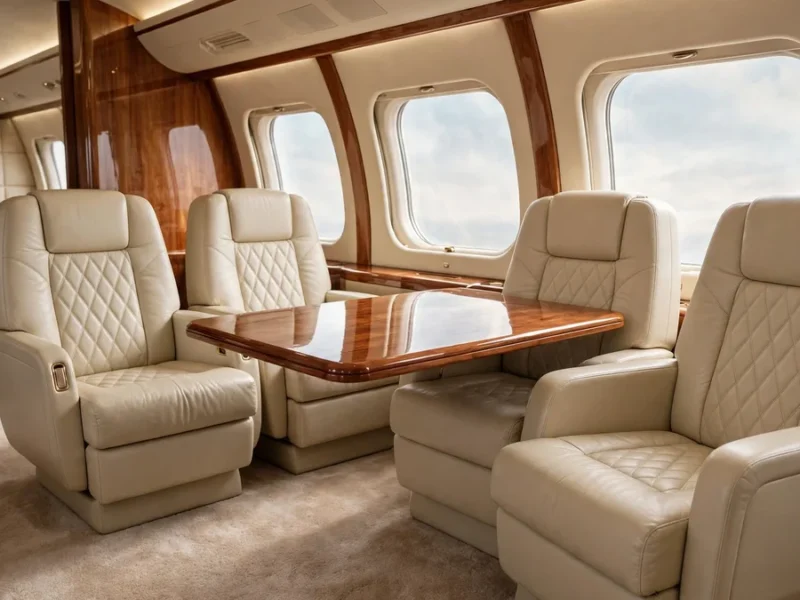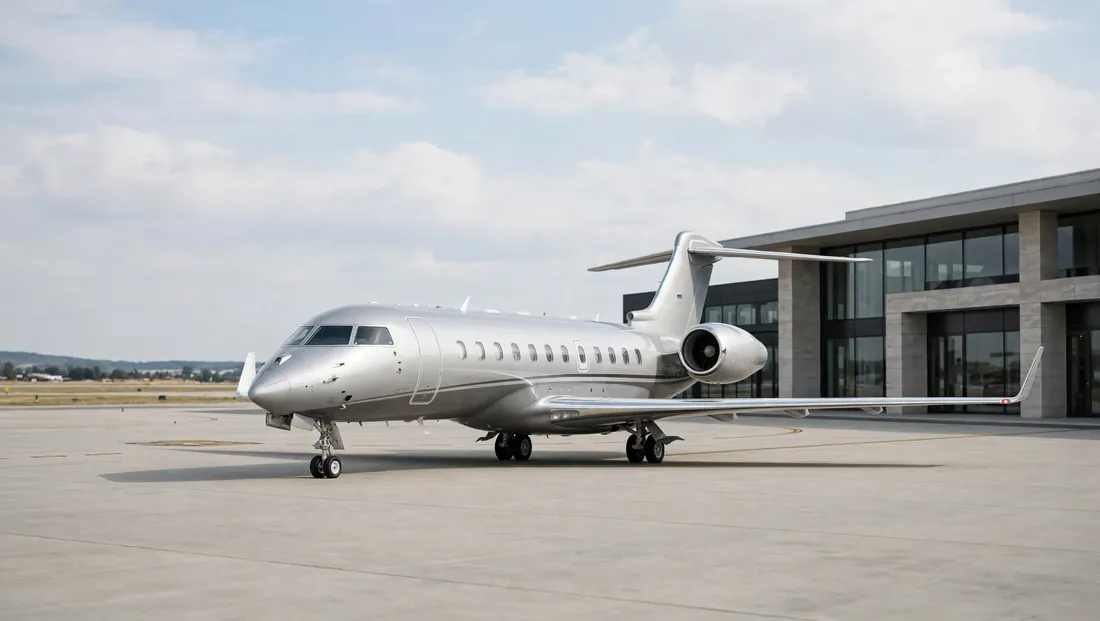
The best private jet membership programmes are not the ones with the lowest hourly rate. They are the ones whose structure matches the way you actually fly. A traveller making twelve short domestic hops a year needs something entirely different from a family crossing the Atlantic four times a year, or an executive whose schedule changes at four hours’ notice.
The market has matured into three models fractional ownership, jet cards and membership or on-demand charter and each leading provider executes one of them with a different balance of cost, guaranteed availability and flexibility.
This comparison sets out the six names that matter NetJets, VistaJet, Wheels Up, Flexjet, Air Partner and Sentient Jet with their real costs, aircraft and peak-day rules.
The three models, explained plainly

Fractional ownership means buying a share typically one-sixteenth, or fifty flight hours a year in a specific aircraft type for several years, paying an acquisition cost, a monthly management fee and an occupied hourly rate, in return for guaranteed availability, a consistent aircraft, and the right to sell the share back at the end of the term, subject to market value.
Jet cards are simpler. You pre-purchase a block of hours, usually twenty-five, on a category of aircraft at a fixed or capped hourly rate. The money is held as a deposit and drawn down as you fly. There is no asset to buy or sell and no monthly fee. The commitment is usually twelve to twenty-four months.
Membership and on-demand charter is the lightest model. You pay a modest annual fee, or nothing at all, and book aircraft flight by flight at market rates. Members often get a guaranteed hourly cap. The trade-off is that availability is not guaranteed in the same way, and prices move with demand.
None of the three is universally better. The right choice depends on how many hours you fly, how far ahead you can plan, and how much you value flying the same aircraft type every time.
NetJets: the benchmark for guaranteed availability
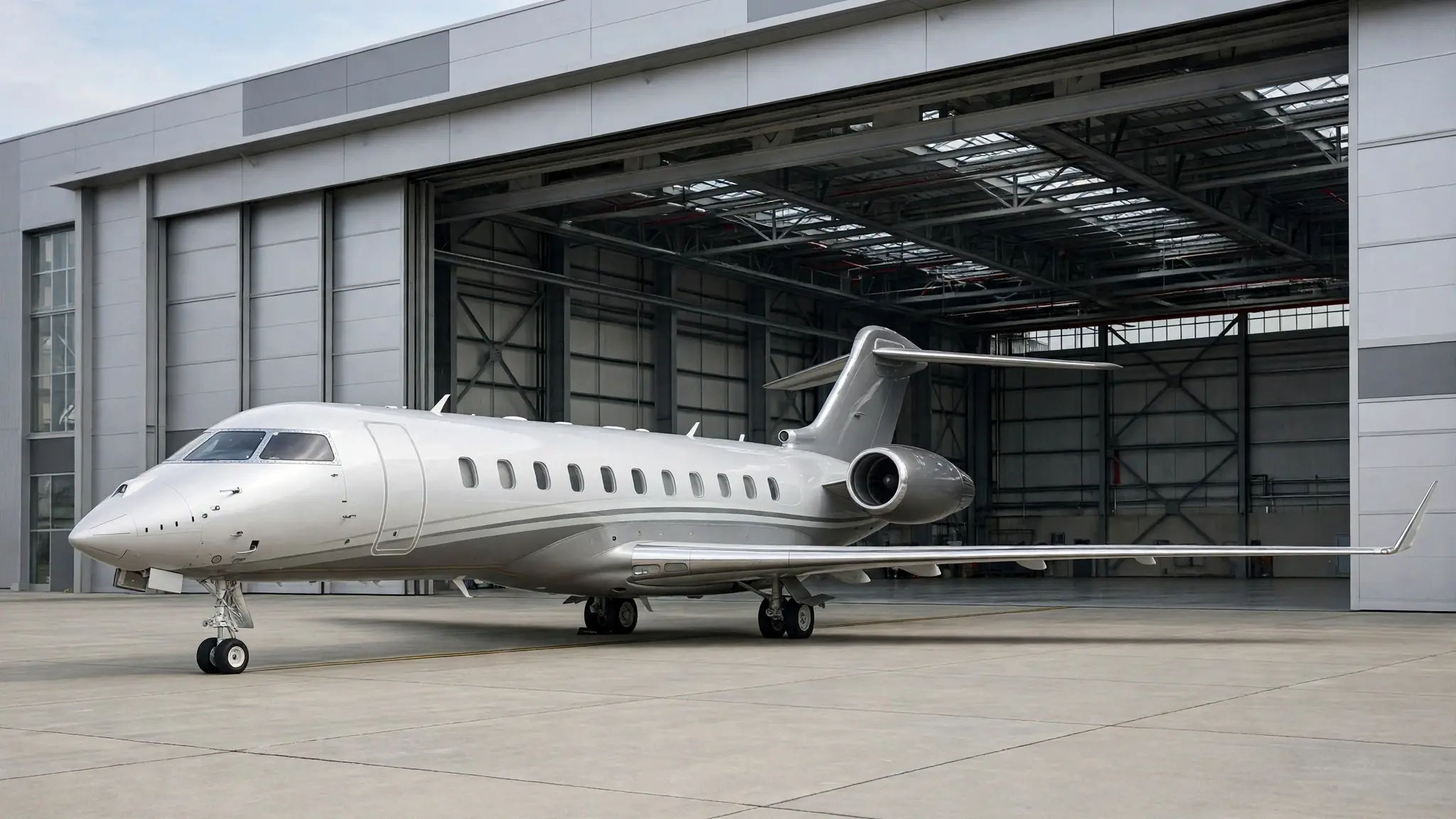
NetJets is the company against which every other programme is measured. Founded in 1964 as Executive Jet Aviation and owned by Berkshire Hathaway since 1998, it operates the largest private fleet in the world, with more than 800 aircraft. That scale is the product. A share or Marquis Jet Card holder can expect an aircraft of their category with as little as four to ten hours’ notice, although lead times are longer on peak days.
The fractional programme starts at a one-sixteenth share, roughly fifty hours a year. Aircraft range from the Embraer Phenom 300 in the light category through the Citation Latitude and Challenger 350 in the midsize and super-midsize categories. At the top are the Bombardier Global 7500 and Gulfstream G650.
Acquisition costs run from roughly $600,000 for the smallest share to several million for a large-cabin share. Monthly management fees range from roughly $10,000 to $40,000, depending on aircraft type. Occupied hourly rates are roughly $2,500 to $8,000.
The Marquis Jet Card removes the acquisition cost. It offers twenty-five hours on a defined aircraft category, with all-in hourly rates typically in the region of $7,000 to $13,000, depending on category. Applicable taxes and surcharges are additional. Peak days typically thirty to forty a year around major holidays carry longer lead times and possible surcharges.
NetJets suits the traveller who flies at least fifty hours a year and values absolute reliability above all else. It is the most expensive route into private aviation by most measures, and also the most predictable for a business that cannot afford a missed departure, that predictability is the point.
VistaJet: a global programme without ownership
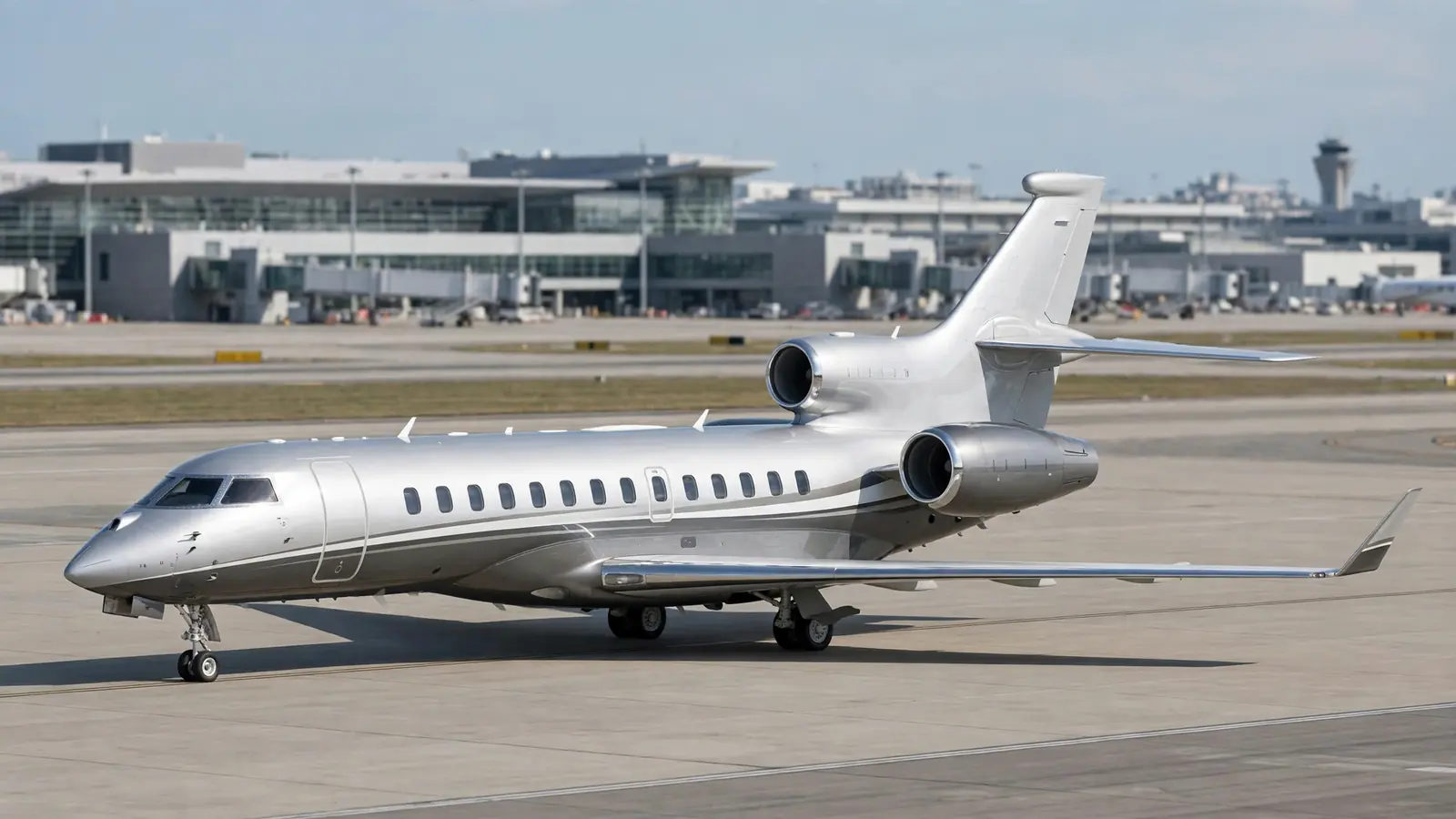
VistaJet, founded in 2004 by Thomas Flohr and headquartered in Malta, takes a deliberately different approach. It owns and operates its own fleet of around 360 aircraft, predominantly Bombardier Global and Challenger jets. It sells access through its VistaJet Program rather than through fractional shares.
Members commit to a minimum annual spend, typically starting at around $500,000. In return, they receive guaranteed availability with as little as twenty-four hours’ notice. They also get fixed hourly rates with no positioning or ferry fees. A single all-inclusive rate covers the aircraft, crew, catering and landing fees.
The fleet is the story. VistaJet’s aircraft are configured identically across the fleet, with a consistent cabin design in silver and red. The long-range Bombardier Global 7500 is its flagship. It can fly non-stop from London to Los Angeles or New York to Hong Kong.
There are no peak days in the conventional sense. Members pay the same contracted hourly rate all year.
VistaJet suits the frequent long-haul traveller flying fifty hours or more a year internationally, who wants one global programme with no ownership paperwork and no surprise fees. Anyone deciding between a long-range jet card and a first-class seat should weigh the same trade-offs covered in our comparison of private jet vs first class, where the real question is how much your time and schedule are worth.
Wheels Up: membership built for the American domestic flyer
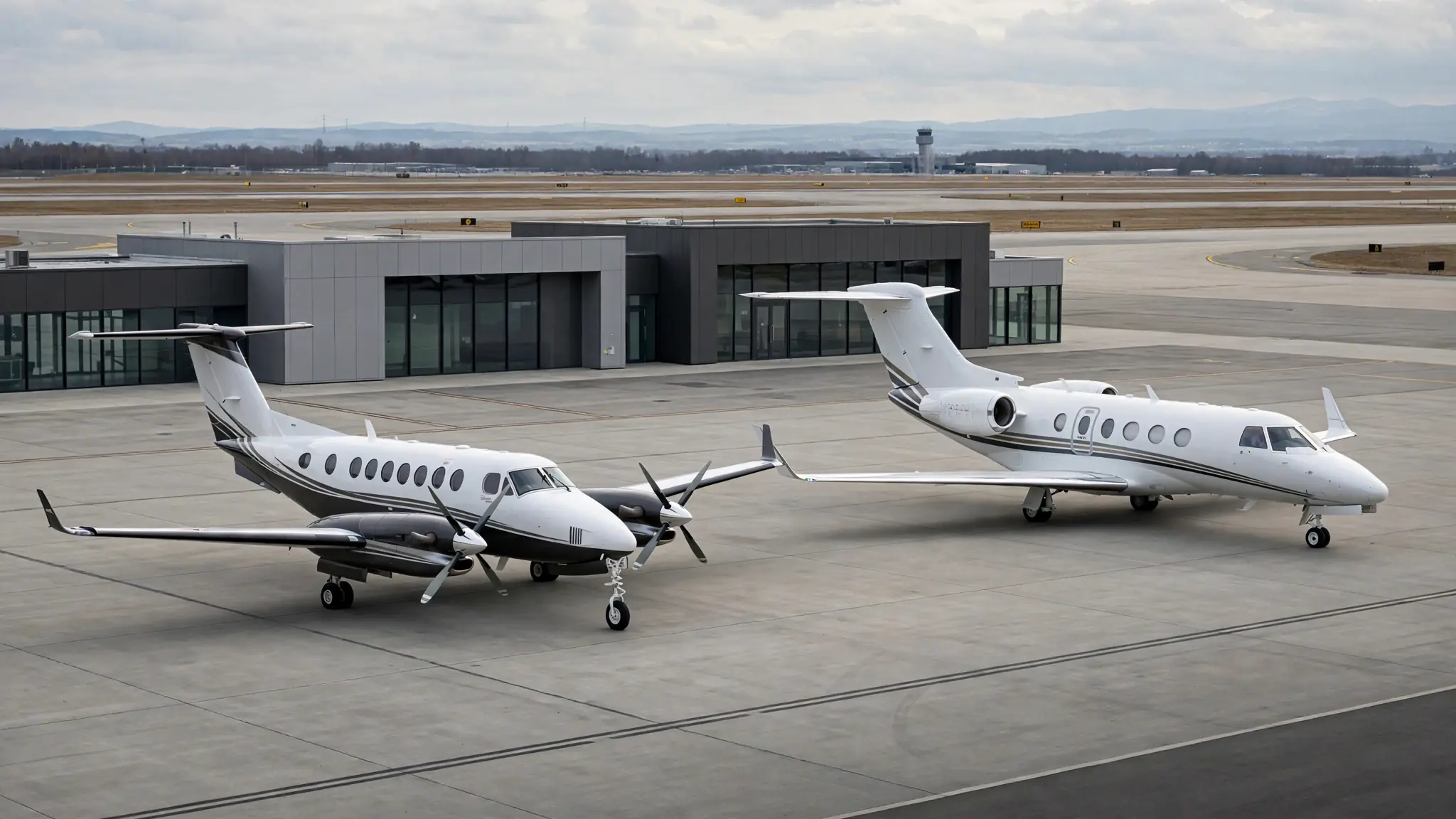
Wheels Up, founded in 2013 and based in the United States, built its reputation on a membership model aimed squarely at domestic American travel. Members pay an initiation fee. Historically, this was around $2,995 for its entry-level Connect membership and $29,500 for its Core membership. However, pricing has been revised several times since a major recapitalisation in 2023 involving Delta Air Lines and other investors.
Members also pay annual dues. In return, they receive access to a fleet of King Air 350i turboprops, Citation Excel and XLS light-to-midsize jets, and Challenger 300 super-midsize jets. These aircraft are available at capped hourly rates.
The capped rate is the heart of the proposition. Where charter prices spike on busy weekends, a member’s rate is capped by contract. Core members also get guaranteed availability with as little as twenty-four hours’ notice. Typical capped hourly rates run from roughly $4,500 for a King Air 350i to around $8,500 for a Challenger 300, before taxes and fuel surcharges.
Wheels Up suits the domestic traveller who flies twenty-five to seventy-five hours a year within the United States. It is particularly useful for those who often travel to smaller airports and want the price protection of a capped rate without buying a fractional share.
The King Air 350i deserves a mention of its own. This turboprop seats eight and cruises at around 300 knots. It can also reach short runways that jets cannot use, making it ideal for the short hops between regional airports that dominate American business travel. It is less suited to regular transatlantic flying. Members should also read the peak-day provisions carefully, since the busiest days carry longer lead-time requirements.
Flexjet: fractional ownership with a designer’s eye
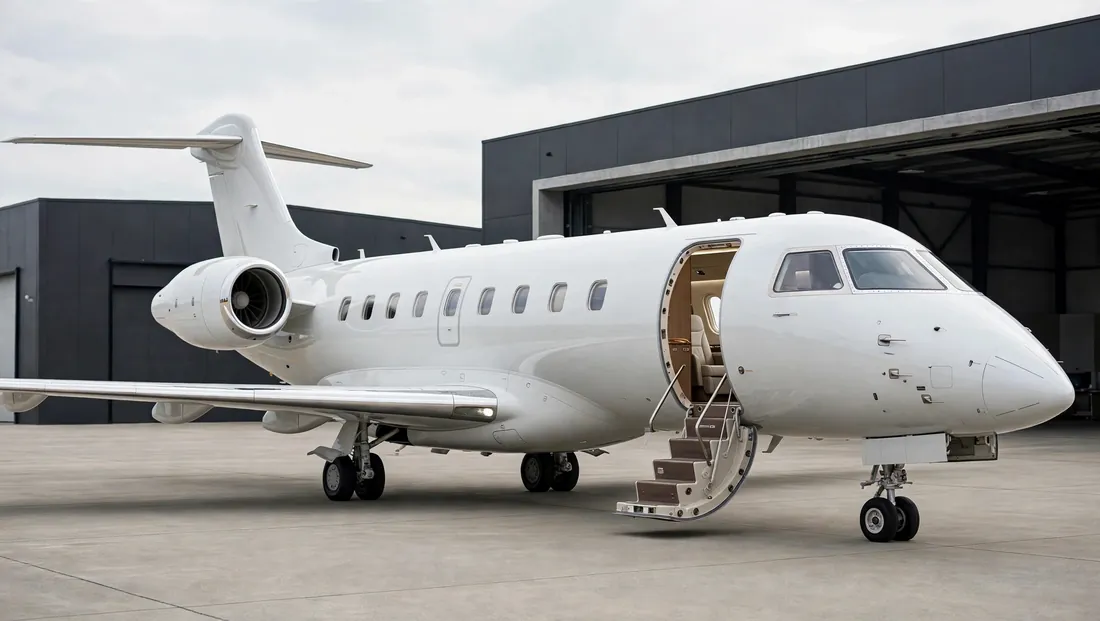
Flexjet, founded in 1995 and owned by the Cleveland-based Directional Aviation group, is NetJets’ principal rival in fractional ownership. It differentiates itself through its aircraft and the flying experience rather than scale.
Its fleet of more than 300 aircraft includes the Embraer Phenom 300 and Praetor 500 and 600, the Bombardier Challenger 350 and Global 6500, and the Gulfstream G450 and G650. Since 2015, it has also invested heavily in bespoke cabin interiors through its Red Label programme.
Fractional terms mirror NetJets. Shares start at one-sixteenth, which provides roughly fifty hours a year. Costs fall within a similar range. The smallest share costs roughly $600,000 and up, with monthly management fees of around $9,000 to $35,000. Occupied hourly rates range from roughly $2,500 to $7,500, depending on the aircraft.
Its jet card is sold in twenty-five-hour blocks, with all-in hourly rates typically starting at around $7,500 for a light jet and reaching $13,000 or more for a large-cabin aircraft.
Flexjet suits the traveller who wants fractional ownership but places a premium on cabin design, crew continuity and a more boutique service culture. Its Red Label programme assigns dedicated crews to specific aircraft. This means regular flyers see the same crew and cabin every time. Its peak-day policy resembles NetJets’.
For most owners, the differences between Flexjet and NetJets come down to personal taste and the specific aircraft on offer rather than price.
Air Partner: the broker’s JetCard for flexible flyers

Air Partner, founded in 1961 and listed on the London Stock Exchange, is the oldest company on this list. It is also the only one that operates primarily as a charter broker rather than a fleet operator.
Its JetCard is a deposit-based card. Clients place funds on account, typically from £100,000 or its equivalent, and draw them down against fixed hourly rates on aircraft sourced from its network of approved operators. The rate is guaranteed for the card’s duration, regardless of market movements.
Air Partner JetCard: Flexible Aircraft Choice Without Ownership
Because Air Partner does not own the aircraft, it can offer any aircraft type. Options range from a light jet for a short European hop to a wide-body airliner for a group movement. The fixed hourly rate removes the price volatility of on-demand charter. Its safety vetting of operators also adds assurance that a direct charter booking may lack.
Air Partner suits the traveller who flies irregularly sometimes twenty hours a year, sometimes sixty. It appeals to those who value aircraft choice and a fixed rate over flying the same aircraft every time. It can also suit travellers who occasionally need something unusual, from a turboprop into a grass strip to a large aircraft for a group.
There is no membership fee in the conventional sense. The commitment is the deposit, and unused funds are typically refundable or transferable at the end of the card’s term. Peak days exist, but the broad operator network generally offers better availability on busy dates. The trade-off is that the aircraft and crew vary from flight to flight.
Sentient Jet: the original jet card, refined
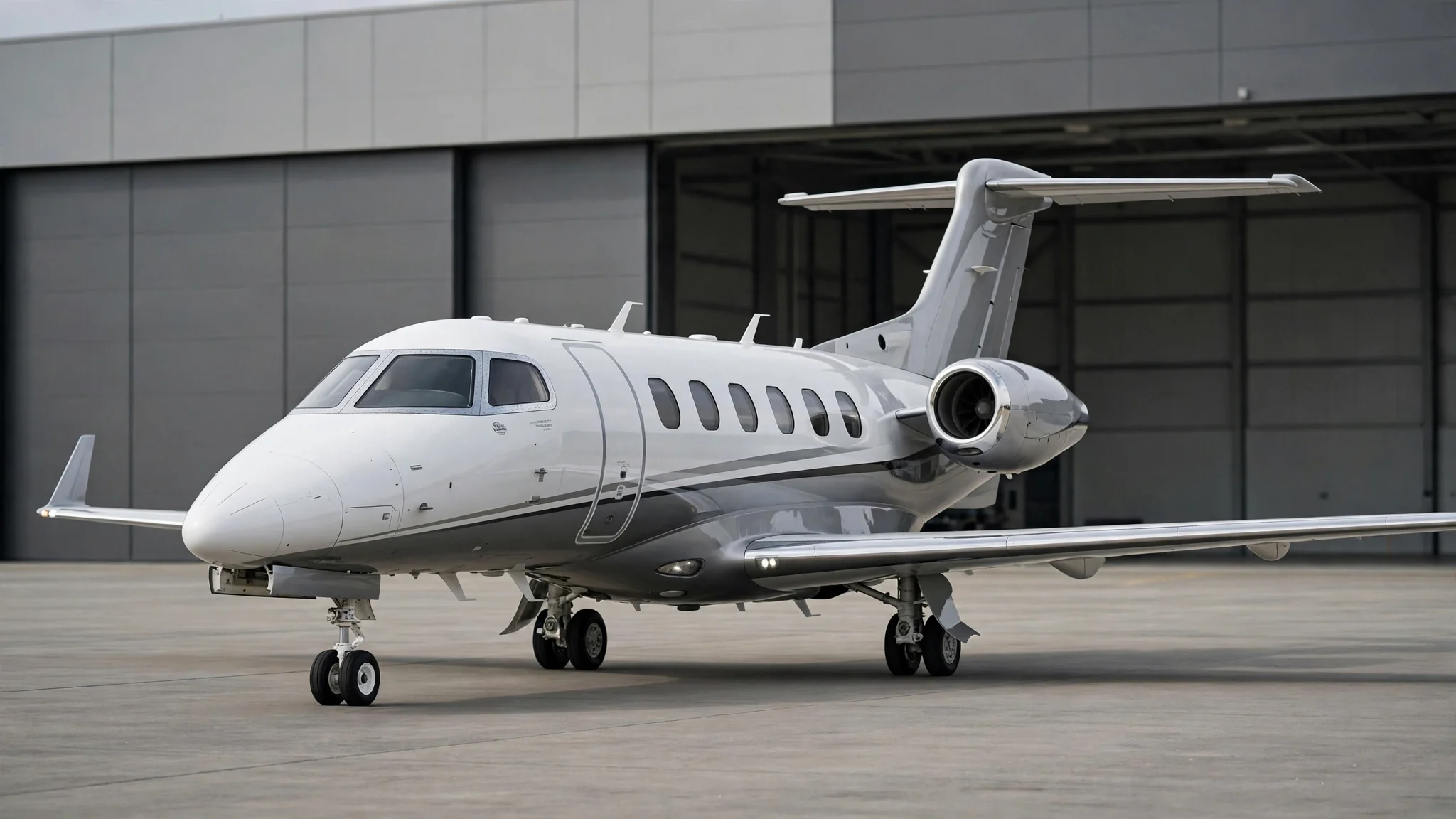
Sentient Jet, founded in 1999, invented the jet card as a product. Its twenty-five-hour card remains the purest expression of the idea. Clients buy twenty-five hours on a defined aircraft category light, midsize, super-midsize or heavy — at a fixed all-inclusive hourly rate. The funds are held as a deposit, and the card is typically valid for twelve to twenty-four months.
Owned by Directional Aviation alongside Flexjet, it draws on a network of certified operators rather than owning a fleet. This gives it access to a large pool of aircraft across North America and beyond. Hourly rates typically start at around $5,500 to $6,500 for a light jet.
They rise to roughly $8,000 to $10,000 for a super-midsize jet and $12,000 or more for a heavy jet. Rates depend on the card variant the standard SJ25 or the SJ25+, which adds a higher service standard and wider aircraft selection.
Sentient Jet suits the traveller who flies twenty-five to fifty hours a year and wants the certainty of a fixed hourly rate without the commitment of fractional ownership.
It also suits those who are happy to fly a category of aircraft rather than a specific type. Peak days are limited to around ten to fifteen a year on the standard card. The company guarantees availability with as little as ten hours’ notice for most categories.
The card’s appeal is its simplicity: one rate, one category, no monthly fees, no acquisition cost, and a clear expiry date.
Side by side: the six programmes at a glance

NetJets and Flexjet are the fractional leaders. They offer the largest fleets, the strongest availability guarantees, and the highest total costs. They are best suited to travellers flying fifty hours a year or more.
VistaJet is the global programme. It requires no ownership and offers a single all-inclusive rate. Its long-range fleet makes it the natural choice for international flyers.
Wheels Up is the domestic membership option. It has the lowest cost of entry, capped hourly rates, and a fleet built for American regional travel.
Air Partner and Sentient Jet are the card specialists. Both offer deposit-based programmes, fixed hourly rates, no ownership, and the flexibility of a broad operator network. They are suited to travellers flying twenty-five to fifty hours a year.
The world’s largest private jets the Boeing Business Jet, the Airbus ACJ and converted airliners are available through brokers like Air Partner and the large-cabin offerings of NetJets and VistaJet. However, they sit outside most standard card programmes.
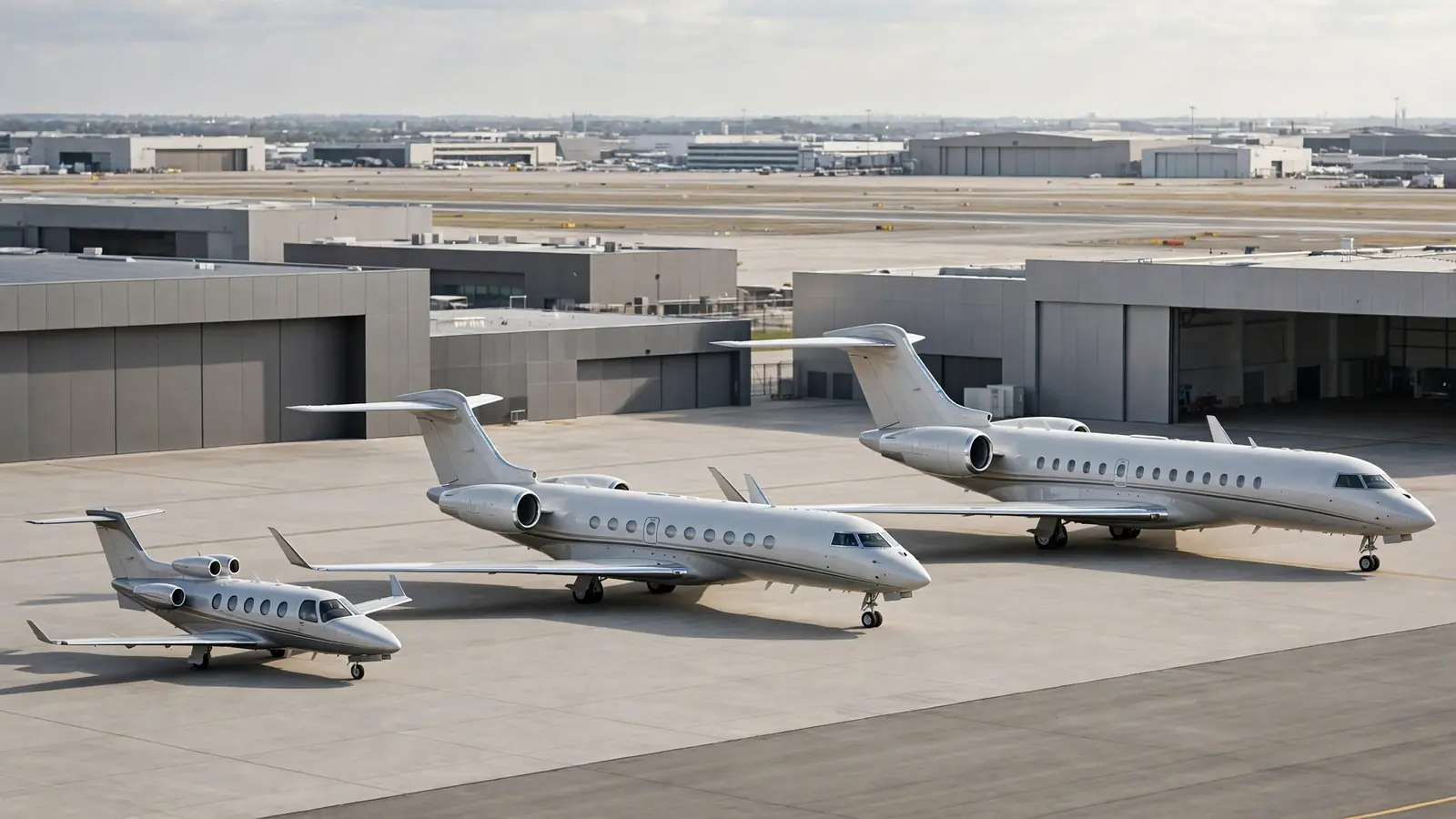
For the usual categories, the light jet is the card market’s workhorse. The Phenom 300 and Citation CJ3+ carry six to eight passengers for two to three hours. The super-midsize Challenger 350 and Citation Longitude carry nine or ten passengers for five to six hours. The large-cabin Global 7500 and Gulfstream G650 can carry up to nineteen passengers for twelve to fourteen hours.
What a programme really costs

The hourly rate is only the beginning of the bill. Comparing programmes on that number alone is the most common mistake a first-time buyer makes.
A fractional share carries three charges. The first is the acquisition cost, which is capital that can be recovered in part on resale. The second is the monthly management fee, which is payable whether you fly or not. The third is the occupied hourly rate, charged only for the time you are on board.
Over a five-year term, the management fee alone on a midsize share can exceed $1 million. This is why fractional ownership only makes sense above roughly fifty hours a year.
A jet card carries one charge the hourly rate. However, the money is paid in advance, and the card expires. Unused hours can be lost or extended for a fee.
A membership carries an initiation fee and annual dues, plus the hourly rate. The dues are payable whether you fly or not.
Beyond the headline rate, fuel surcharges can add hundreds of dollars an hour when oil prices rise. US federal excise tax, currently 7.5 percent on domestic flights, applies to most card and charter flights. However, it does not apply to fractional flights under the owner’s own programme. This distinction can be worth tens of thousands a year.
The only reliable comparison is a total cost from each provider for the same flying pattern. Use the same routes, hours, and notice periods. Then read the figures alongside the peak-day and cancellation terms.
Peak days, blackout rules and the fine print that matters
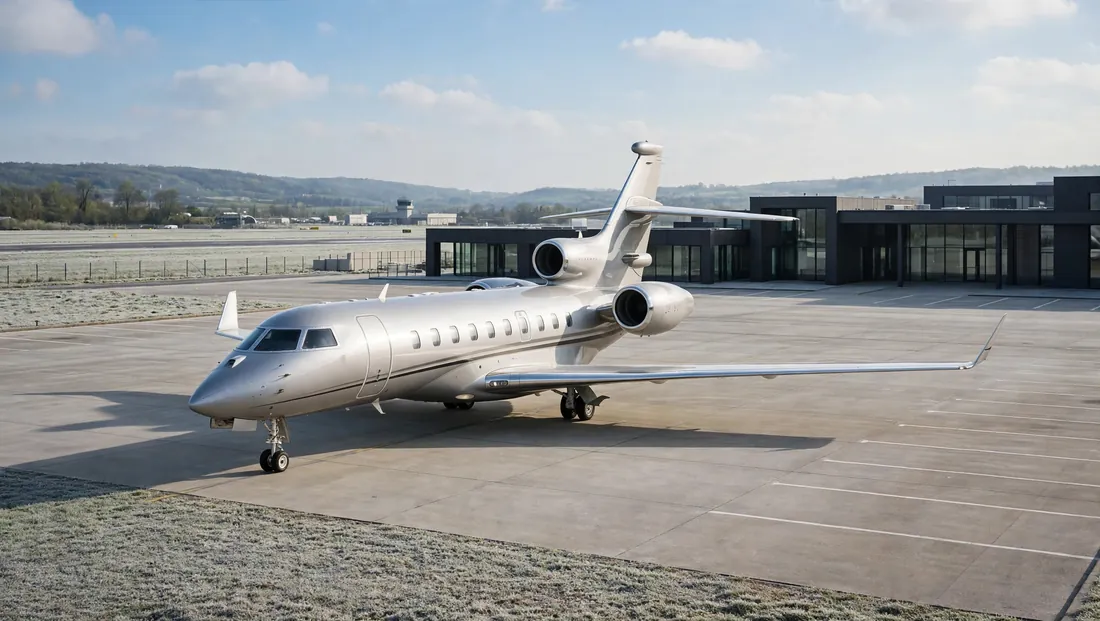
Peak days are the provision that catches most new members by surprise. Every programme publishes a list of peak days. These typically include the days around Christmas, New Year, Thanksgiving and major holiday weekends. During these periods, the normal rules change.
The notice required to guarantee an aircraft can rise from ten hours to forty-eight or seventy-two hours. Surcharges of ten to twenty percent may also apply.
The number of peak days varies widely. Sentient Jet’s standard card has around ten to fifteen. NetJets and Flexjet typically designate thirty to forty. VistaJet’s programme has none in the conventional sense, charging the same contracted rate year-round.
Most programmes allow free cancellation up to forty-eight or seventy-two hours before departure. Inside that window, cancellation charges follow a sliding scale. Within a few hours of departure, the full charge usually applies.
Interchange the right to fly a larger or smaller aircraft than your category, with hours adjusted accordingly is offered by most programmes and is worth understanding.
Finally, check whether hours are refundable, transferable or extendable at expiry. Also check whether the provider guarantees an aircraft type or only a category. The difference between a guaranteed Challenger 350 and a guaranteed super-midsize jet is the difference between knowing your cabin and hoping for it.
Who each programme suits best
The right programme follows from an honest account of how you fly. Fly fewer than twenty-five hours a year, mostly at short notice and on varied routes, and on-demand charter through a broker is usually the best value. A card or membership may cost more than the flights it covers.
For twenty-five to fifty hours a year, with some ability to plan ahead, a jet card from Sentient Jet or Air Partner is the natural choice, offering a fixed rate, no monthly fee, and a commitment that lasts a year or two.
Once annual flying reaches fifty to a hundred hours on a regular pattern, fractional ownership with NetJets or Flexjet starts to make sense because the management fee is spread across enough hours and the availability guarantee becomes valuable.
Travellers flying a hundred hours or more, mostly on long-haul and international routes, may find VistaJet’s programme or a larger fractional share the better answer.Before committing, weigh whether you fly domestically or internationally, need small airports or major hubs, and how much the service around the flight matters. The answers will point to one programme more clearly than any price comparison can.
How to choose, and what to ask before you sign
Start by writing down your last twelve months of flying every trip, route, notice period and passenger count and project the next twelve. Then ask each shortlisted provider for a written proposal against that exact pattern, including the total cost, the peak-day list, the cancellation terms, the interchange rules, and the aircraft that would actually be assigned.
Ask for the operator certificates and safety audit status of any broker-based programme, and how the provider handles a mechanical failure or crew shortage on the day: the answer tells you more than the brochure does.
Above these programmes sit the most expensive private jets in the world bespoke Boeing and Airbus conversions costing hundreds of millions of dollars a different universe from the card market. For almost everyone, though, the decision is not about the aircraft at all.
It is about how much certainty you need, how often you fly, and how much you are willing to pay for the guarantee that the aircraft will be there when you need it. The programme that matches your flying pattern is, by definition, the best one and the numbers, honestly compared, will show you which that is.
When the right programme is in place, the journey starts long before the aircraft does, in the quiet confidence that the next departure is already taken care of. Choose the structure that fits the way you travel, ask the hard questions before you sign, and let the flying itself be the easy part.