Remoteness is the rarest luxury of all. Any hotel can be expensive; very few can be genuinely far away. The escapes below are separated from the everyday by long flights, small aircraft, sea crossings, or days of open road, and that distance is the point.
When the journey itself takes effort, the arrival feels earned, the days slow down, and the usual noise of travel the queues, the crowds, the next reservation simply falls away.
What follows is not a ranking of the most expensive stays on earth, but ten places where isolation is part of the design: ice fields, atolls, deserts, and coastlines where a good bed, a careful kitchen, and a view nobody else is sharing are enough.
Each one asks something of the traveller before it gives anything back, and each one repays the effort many times over.
Ice and the Far South
1. White Desert, Antarctica
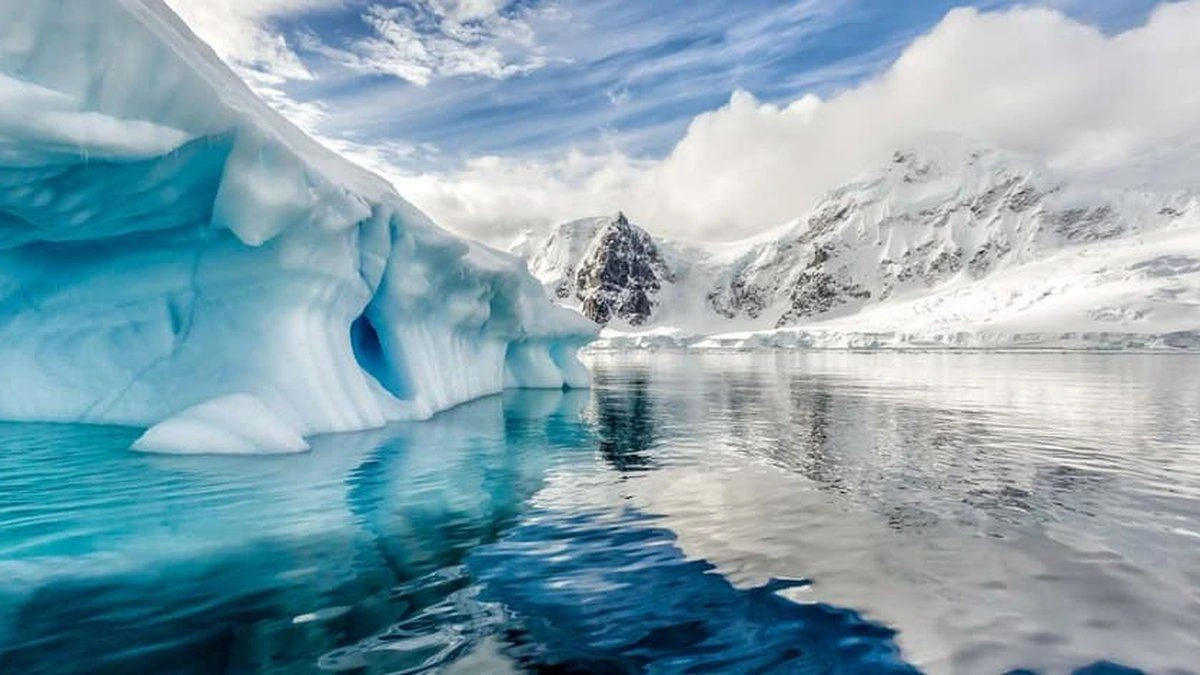
There is no address further from ordinary life than the interior of Antarctica, and White Desert is the gentlest way to reach it. Guests fly by private jet from Cape Town to a blue-ice runway in Queen Maud Land, then on to Whichaway Camp, a cluster of heated pods set beside a frozen lake in the Schirmacher Oasis, one of the continent’s rare ice-free pockets.
The season is short, running through the Antarctic summer, and the camp hosts only a small group at a time, so the silence is never broken by a crowd.
Days are shaped by the landscape rather than a schedule: walks across pressure ridges, descents into blue ice tunnels, and visits to an emperor penguin colony, followed by evenings in the dining pod with food flown in fresh each week.
The luxury here is not decoration but competence warm beds, good cooking, and expert guides in a place where all three are hard-won. Nothing about the journey is casual, and that is precisely its appeal: to stand on the ice, a five-hour flight from the nearest city, is to feel the scale of the world in a way no photograph can prepare you for.
2. Tierra Patagonia, Torres del Paine, Chile
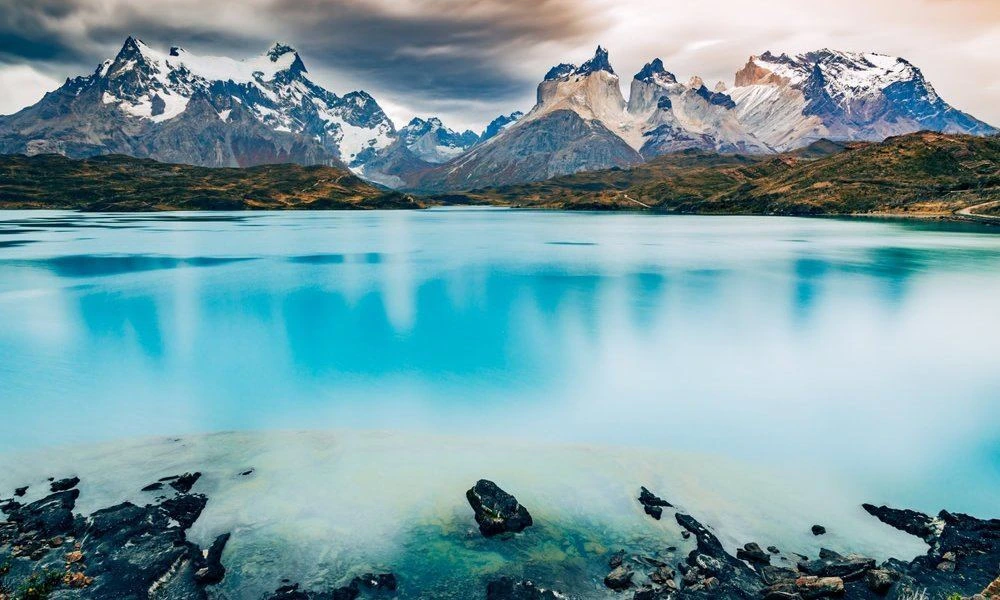
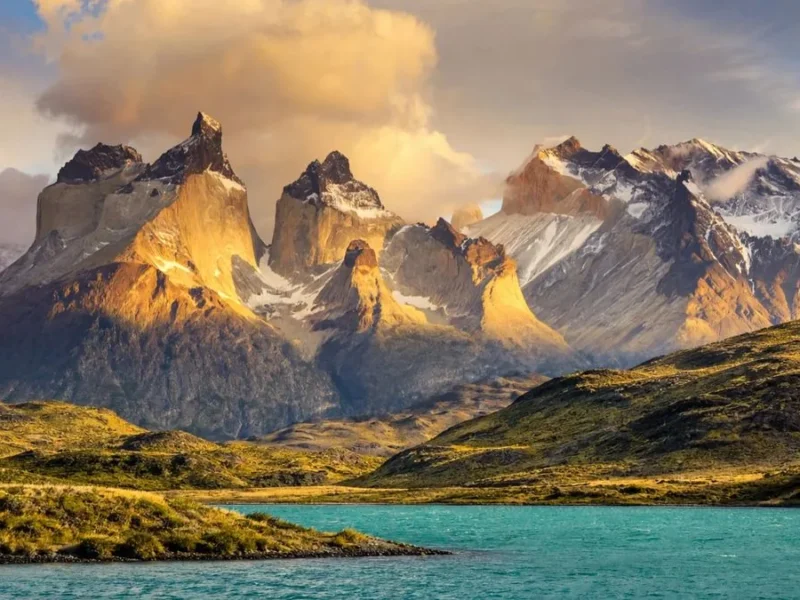
At the far southern end of Chile, where the Andes fall towards the steppe, Tierra Patagonia sits on the shore of Lake Sarmiento with the granite towers of the national park in full view. Getting there takes a flight to the south of the country and a long drive across open pampas, and the emptiness of that drive is the first part of the stay.
The lodge itself is low and timber-clad, built to face the water and the mountains rather than to impress from the road, and its rooms look straight out across the lake to the peaks. Days are spent on foot or on horseback with guides who know the park’s trails, its guanaco herds, and its weather, which can turn four times before lunch.
The reward is a landscape that feels almost uninhabited: wide skies, wind-combed grass, and mountains that change colour with the light. Evenings are quiet affairs a long dinner, a glass of something local, and the towers fading to violet outside the window. It is the kind of place that makes a traveller understand why Patagonia has held its pull for so long.
Islands Reached Only by Water or Air
3. The Brando, Tetiaroa, French Polynesia
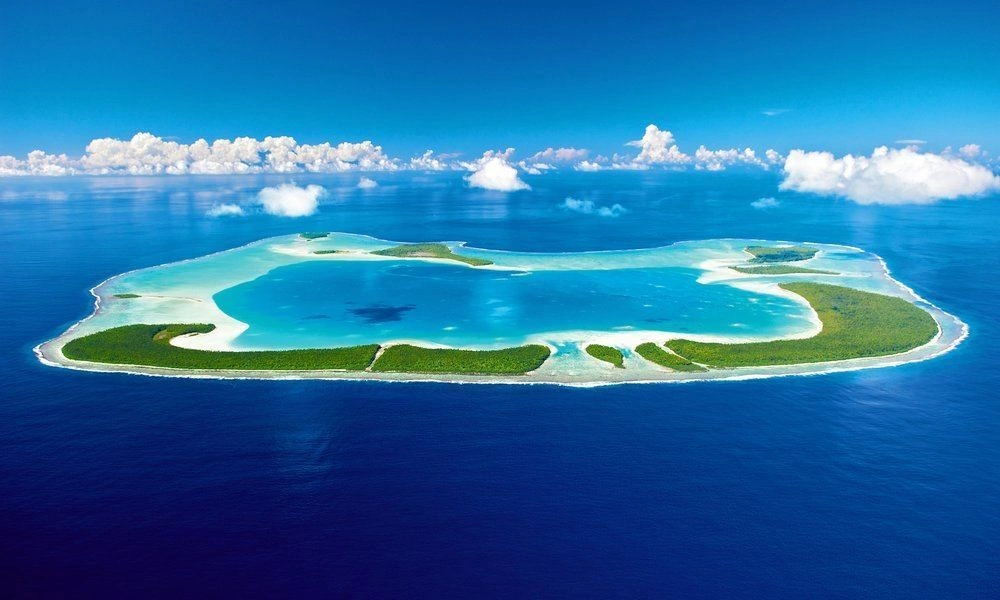
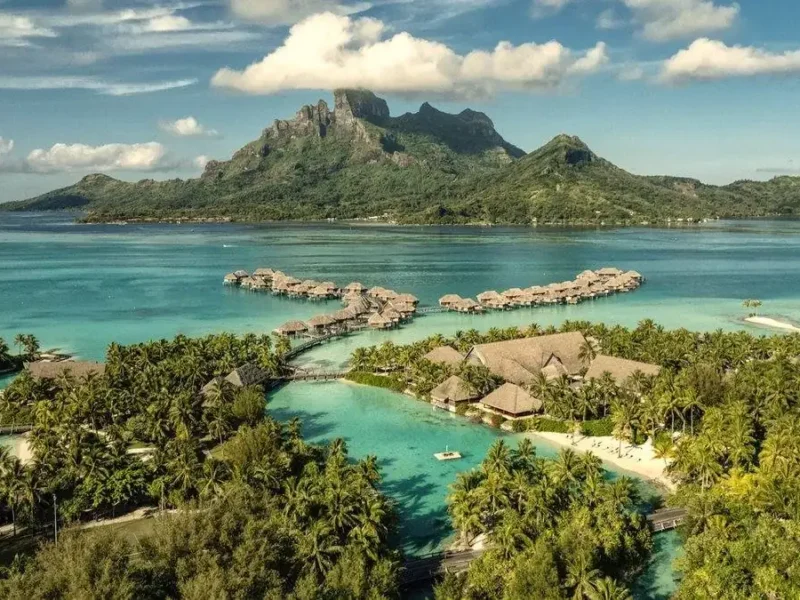
Tetiaroa is a private atoll in French Polynesia, a ring of low green islets around a lagoon so clear it seems lit from below, and it is reached only by a short flight from Tahiti in a small aircraft.
The island was once a retreat for Tahitian royalty, and later the private island of Marlon Brando, who bought it after filming in the islands and spent years imagining a resort that would leave the atoll as untouched as possible.
The Brando, the resort that finally opened there, follows that idea closely: villas set back among the palms, powered largely by renewable energy, with a research station on the island studying the lagoon and its wildlife.
Days pass slowly and without ceremony snorkelling over coral, kayaking across the lagoon, walking the empty beaches where seabirds nest in the scrub. There is no town, no road, and no reason to leave the atoll once you have arrived.
The remoteness here is gentle rather than severe, but it is complete: the nearest neighbouring island is a stretch of open Pacific away, and the horizon in every direction is water.
4. North Island, Seychelles
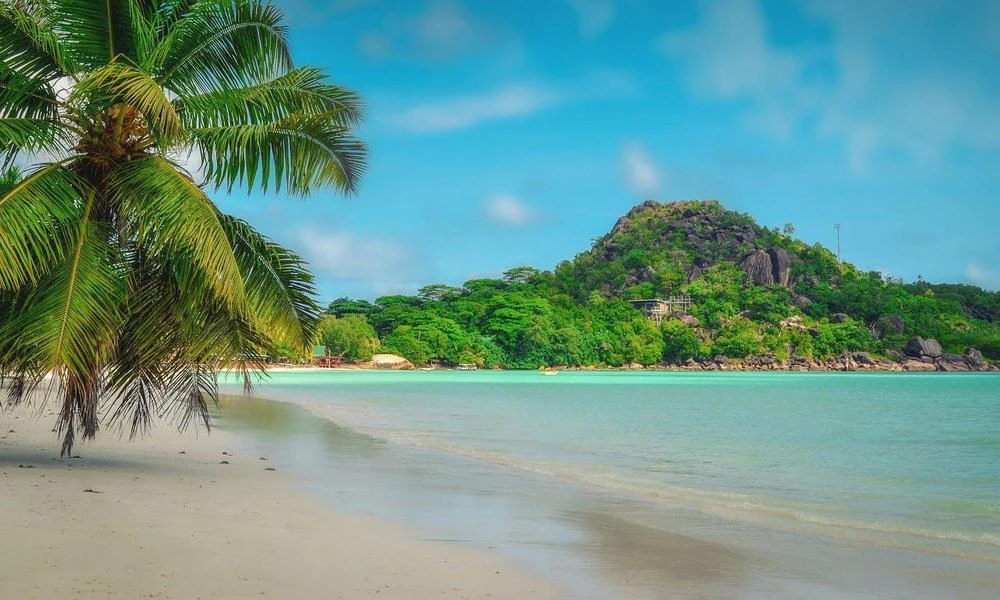
North Island is a private granite island in the Seychelles, reached by helicopter from the main island of Mahé, and it is one of the most secluded stays in the Indian Ocean.
The island was once a plantation, then a long-running conservation project that removed introduced species and replanted native forest, so the hills behind the beaches are now thick with takamaka trees and alive with birds found nowhere else.
The villas sit scattered along the shoreline, each with its own stretch of sand, and the beaches themselves broad, white, and often entirely empty are among the finest in the best beaches in the world.
There is little to do here in the conventional sense, and that is the offer: swim, walk the trails, dive the house reef, and eat food grown largely on the island.
The staff-to-guest balance is generous, yet the island never feels attended so much as quietly looked after. For travellers who measure a holiday by how far it takes them from everything else, a private island in the middle of the Indian Ocean is hard to improve on.
5. Soneva Jani, Maldives
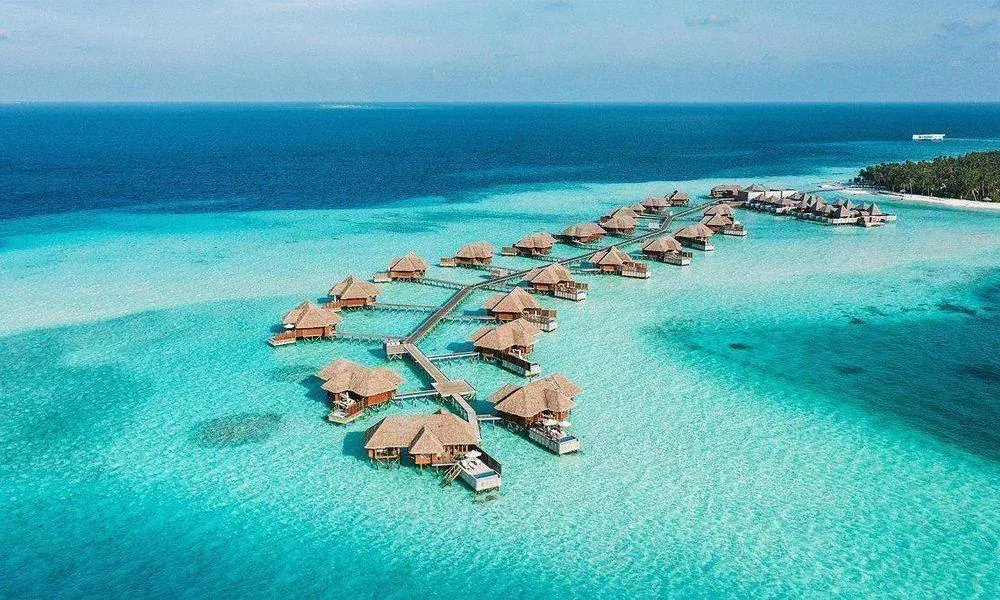
The Maldives are scattered across the Indian Ocean in a way that makes remoteness easy to find and hard to leave, and Soneva Jani, in the Noonu Atoll, is one of the furthest-flung of the country’s luxury resorts.
It is reached by seaplane from the capital’s island airport, a flight that crosses reef after reef before setting down in a lagoon the colour of pale glass. The resort is built over the water and along a quiet beach, with villas that open directly onto the sea and roofs that slide back so guests can sleep under the stars.
The lagoon is shallow and warm, made for long swims and unhurried snorkelling, and the house reef sits close enough to reach from the jetty.
Days here have almost no structure beyond meals and the tide, and the resort’s unhurried style barefoot, open-air, and deliberately low-key suits the setting perfectly. It is the gentlest escape on this list, and perhaps the most complete: an island where the only way in or out is by air or by sea, and where the horizon is water in every direction.
Deserts and High Places
6. Amangiri, Utah, United States
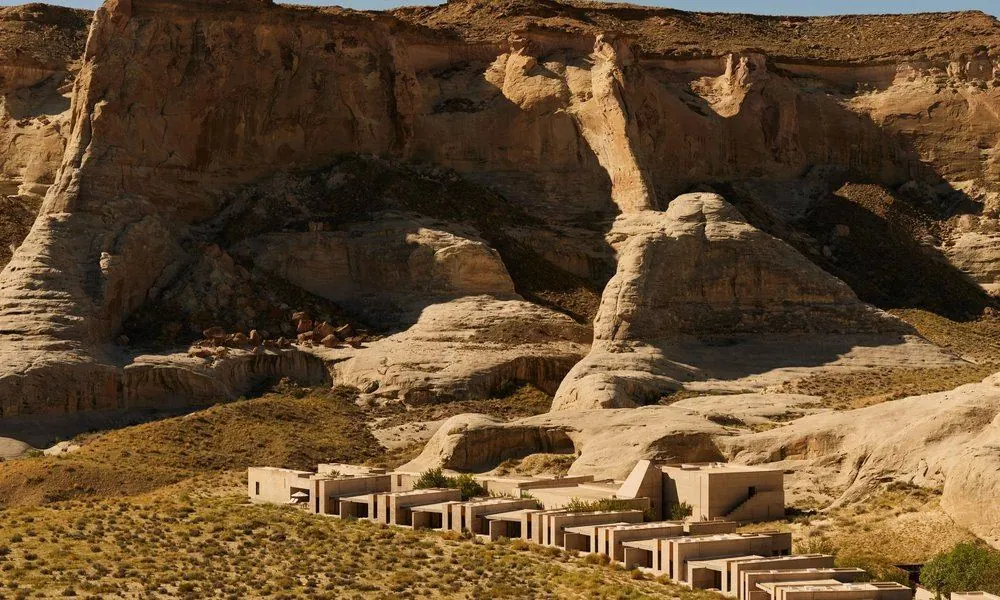
In the desert country of southern Utah, where the Colorado Plateau breaks into canyons and mesas, Amangiri sits low against the rock, almost hidden until you are upon it. The nearest town of any size is a long drive away, and the resort is reached across open desert roads that pass some of the most photographed landscapes in the American West.
The buildings are concrete and stone, set into the canyon floor so that the architecture seems to grow out of the ground rather than sit on it, and the suites look out over dunes and sandstone walls.
Days are spent outdoors: hiking slot canyons, riding across the desert, or visiting the nearby national parks and tribal lands with guides who know them well. The pool, built around a single great rock, is the centre of the resort in the heat of the day, and the spa is cut into the stone itself.
For a study in how quiet a luxury stay can be, why Aman resorts are the quietest luxury on earth explains the restraint that shapes places like this one.
Amangiri is remote in the American sense not days from help, but far enough from everything that the desert sets the pace, and the silence at night is total.
7. Longitude 131°, Uluru, Australia
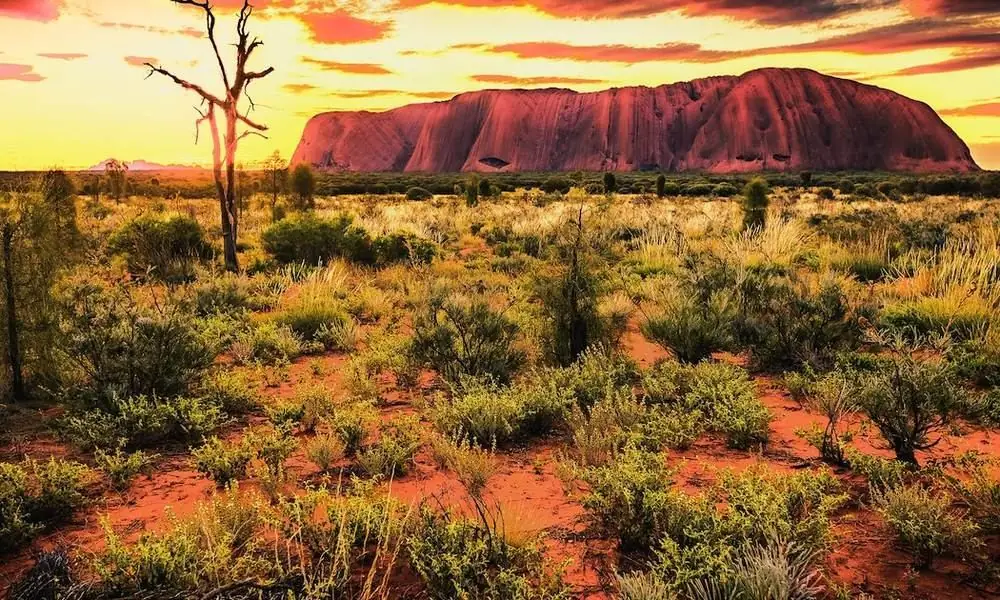
Uluru rises out of the red centre of Australia, hundreds of kilometres from the nearest city, and Longitude 131° is the small tented camp that faces it directly across the dunes.
The camp is reached by flying into the desert airport and driving a short way through spinifex and red sand, and from the moment of arrival the great rock dominates every view.
The tents are spacious and canvas-walled, with the rock framed in the window and the desert stretching away on every side, and the camp is small enough that dinner feels like a gathering rather than a service.
Days follow the rhythm of the desert: a walk around the base of Uluru with an Aboriginal guide, a visit to the domes of Kata Tjuta, and long afternoons resting through the heat.
The finest hours are at the edges of the day dawn, when the rock turns from dark red to burning orange, and dusk, when dinner is served under a sky full of stars.
There are few places on earth where a single natural landmark so completely defines a stay, and fewer still where the journey to reach it feels like part of the experience.
8. Three Camel Lodge, Gobi Desert, Mongolia
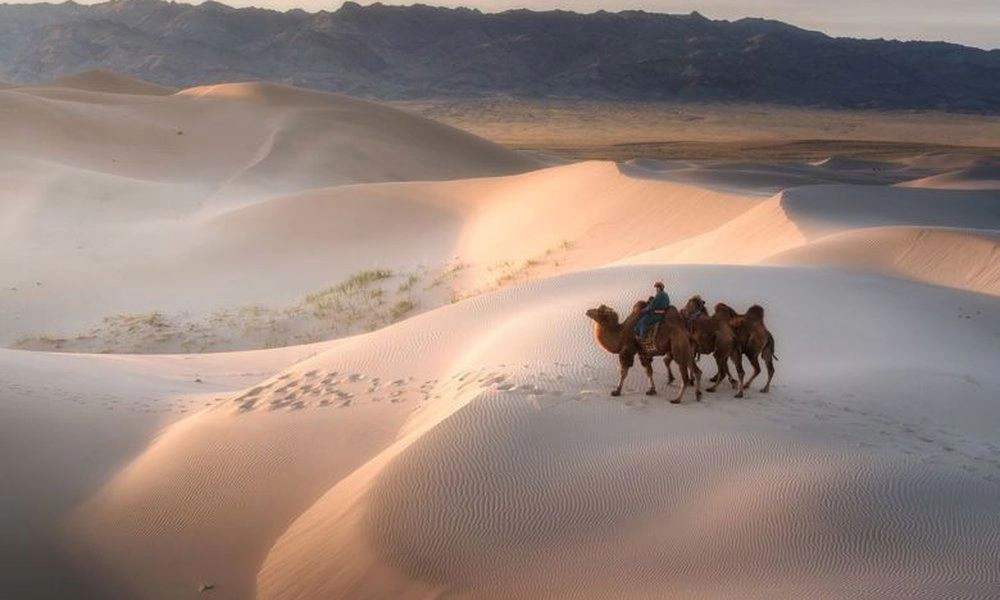
The Gobi is one of the least visited deserts on earth, a vast expanse of gravel plain, dunes, and rocky ranges in southern Mongolia, and Three Camel Lodge sits at its heart, at the foot of the Bulagtai Mountain.
The lodge is a camp of handcrafted felt gers, the round tents Mongolian herders have used for centuries, arranged around a main lodge built in the style of a Buddhist temple. There is no telephone signal and no internet by design, and the nearest paved road is a long drive back across the plain.
Days are spent as the desert dictates: camel treks across the dunes, hikes through the ice-filled canyons of Yol Valley, and visits to the Flaming Cliffs, where some of the first dinosaur eggs known to science were found. Evenings bring a clear sky crowded with stars and a silence that takes a day to register.
The lodge is staffed entirely by Mongolians and built by local artisans, and it remains a founding member of the National Geographic Unique Lodges collection. For travellers who want to feel genuinely far away, the Gobi delivers a kind of distance that no island can match: distance in every direction, under a sky that seems larger than anywhere else.
9. Amankora, Bhutan
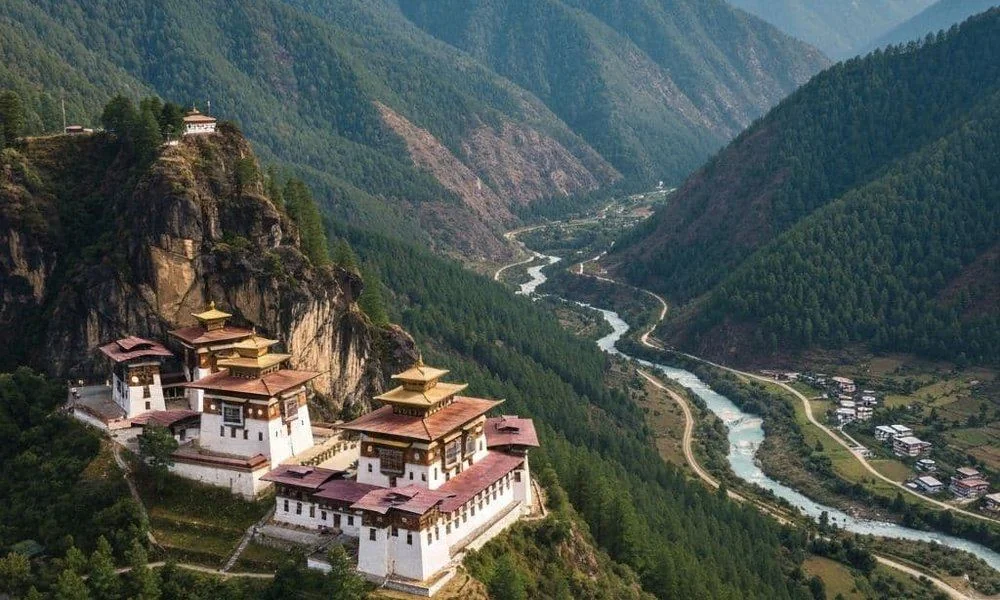
Bhutan is remote by policy as much as by geography. The Himalayan kingdom limits visitor numbers, has no traffic lights, and measures its progress in happiness as well as wealth, and reaching it means flying into one of the world’s most demanding airports, in a valley ringed by peaks.
Amankora is a circuit of small lodges spread across the kingdom’s valleys, and a journey between them is a slow drive through pine forest, past whitewashed farmhouses and prayer flags, with monasteries appearing on the ridgelines.
The lodges themselves are quiet and spare, built in the style of traditional Bhutanese farmhouses with timber, stone, and rammed earth, and each one sits in a different valley with its own walks, temples, and views.
The most famous sight is the Tiger’s Nest monastery, clinging to a cliff high above the Paro valley, reached by a steep hike through pine forest. The remoteness of Bhutan is not about a single hotel but about the whole country: a place where the modern world arrives slowly, on purpose, and where a week among the valleys feels longer and fuller than a month anywhere else.
The Edge of the Map
10. Fogo Island Inn, Newfoundland, Canada
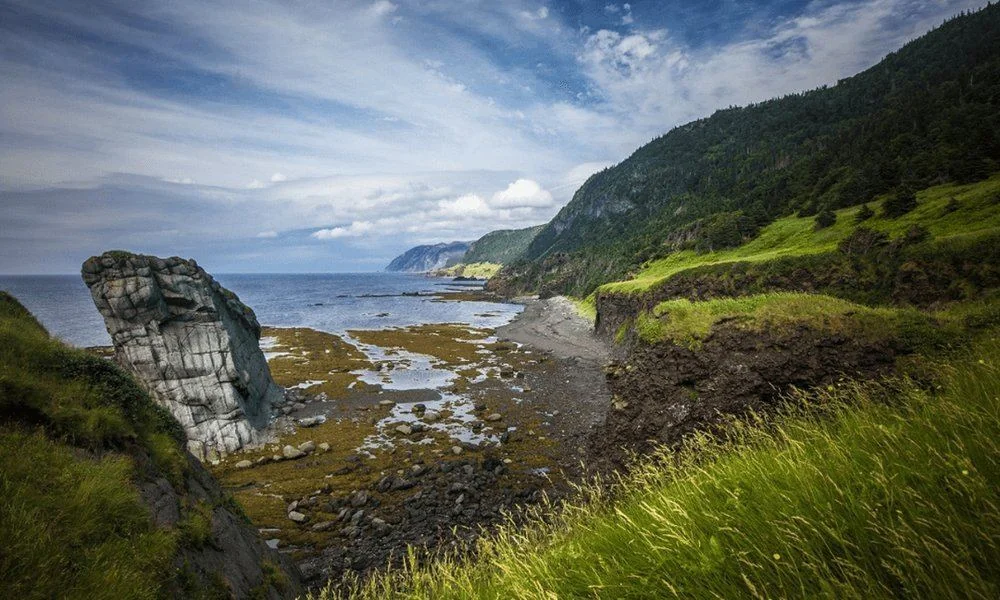
Fogo Island sits off the northeast coast of Newfoundland, at the edge of the North Atlantic, and reaching it takes a flight to Gander, a drive, and a ferry across open water. The island is home to a small fishing community of a few thousand people, and the inn that stands on its rocky northern shore is one of the most striking buildings in Canadian hospitality: a modernist structure on stilts, clad in white-painted spruce, with 29 guest rooms facing the sea.
The inn was built by the Shorefast charity, founded by a Fogo-born islander, and its surpluses are reinvested in the island’s community and culture. Days here are shaped by the weather and the sea: walks along the barrens, boat trips to see icebergs and whales in season, and long meals built around cod, berries, and root vegetables from the island.
The inn has a three-night minimum, and it needs it the first day is for arriving, the second for slowing down, and the third for understanding why people come so far for so little fuss. In September 2024 the Michelin Guide awarded the inn its highest hotel distinction, three keys, a rare honour for a place so far from anywhere.
Before You Go
Remote escapes reward a different kind of preparation from an ordinary holiday. Flights are infrequent, seasons are short, and the best rooms are often booked far ahead, so the planning itself becomes part of the pleasure.
Think carefully about the journey as well as the destination: the long drive, the small aircraft, and the sea crossing are not inconveniences to be endured but the threshold that makes the arrival feel complete.
Pack for the place rather than the photograph good walking shoes, layers for changeable weather, and a willingness to be unreachable for a few days.
And when weighing one far-flung stay against another, how to choose a luxury hotel worth it is a useful check on what actually matters once the novelty of distance wears off: the bed, the food, the guides, and the feeling of being looked after without being fussed over. The most remote escapes are rarely the most polished, and that is often their charm.
When the journey home begins, the quiet tends to come with you, settling into ordinary days long after the bags are unpacked. We hope one of these far corners stays with you too, and that the thought of it is enough, for a while, to make the world feel a little wider and a little calmer.