A mix of aerobic activity and strength training can support overall fat loss, while core exercises build the muscles underneath. Visceral fat is fat stored deep in the abdomen around internal organs. Fat around your middle can affect health, yet appearance alone cannot show how much visceral fat you have.
These 10 moves can support overall fat loss and build strength, but they cannot promise fat loss from one chosen area. You will find options for different fitness levels, from brisk walking to simple bodyweight exercises at home. Your best exercise is one you can do safely and repeat, not the hardest workout you can manage once. Choose movements you can repeat consistently, since regular activity matters more than a punishing one-off workout.
Key Takeaways
- Aerobic activity and strength training can support overall fat loss.
- Core exercises strengthen muscles but do not target nearby fat.
- Walking, cycling, swimming, and home moves offer flexible choices.
- Start at a pace you can manage and build up over time.
- Regular activity works better as a lasting habit than a one-time push.
What Counts as Belly Fat, and Why Does It Matter?
The soft layer under the skin is not the same as the deeper fat stored around abdominal organs. Abdominal fat includes subcutaneous fat, intramuscular fat, and visceral fat, and each sits in a different place.
Subcutaneous fat lies just beneath the skin, where you can pinch some of it. Intramuscular fat sits between muscle fibers. Visceral fat sits deep in the abdomen around the organs, and excess amounts are linked with higher health risks.
Excess visceral fat is associated with high blood pressure, high cholesterol, type 2 diabetes, breathing problems, and heart disease. The Cleveland Clinic’s overview of visceral fat explains its location and health risks.
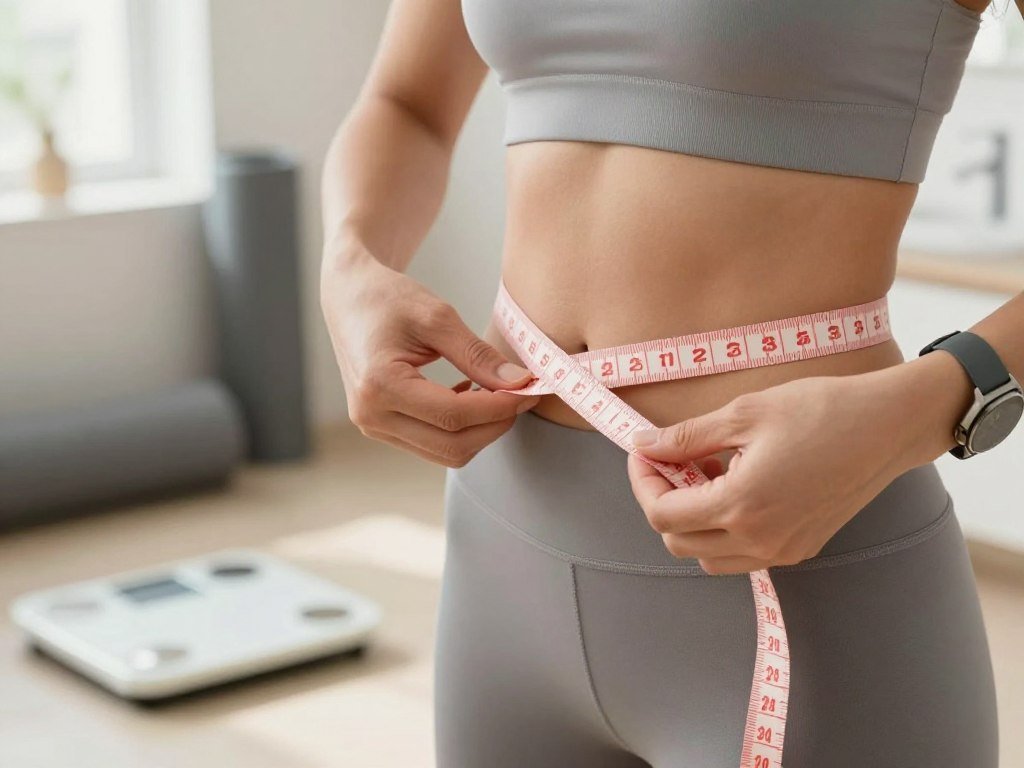
Waist size can offer a useful health clue, but a body shape cannot diagnose visceral fat or illness.
People carry fat differently, and a waist can change for many reasons. A healthcare provider can help assess health concerns and discuss measurements in context. Treat waist changes as one health signal, not as a diagnosis made from appearance alone.
Can Ab Exercises Target Belly Fat?
Crunches can strengthen your abdominal muscles, but a small 2023 trial offers a limited exception worth interpreting carefully. Abdominal exercises build strength and control, yet they do not reliably direct fat loss to one region.
The trial involved only 16 overweight men, aged 43 years on average with a nine-year standard deviation, and lasted 10 weeks. The abdominal-exercise group trained four days per week. Each session paired 27 minutes of treadmill running at 70% of maximum heart rate with four sets of four-minute torso rotations and crunches.
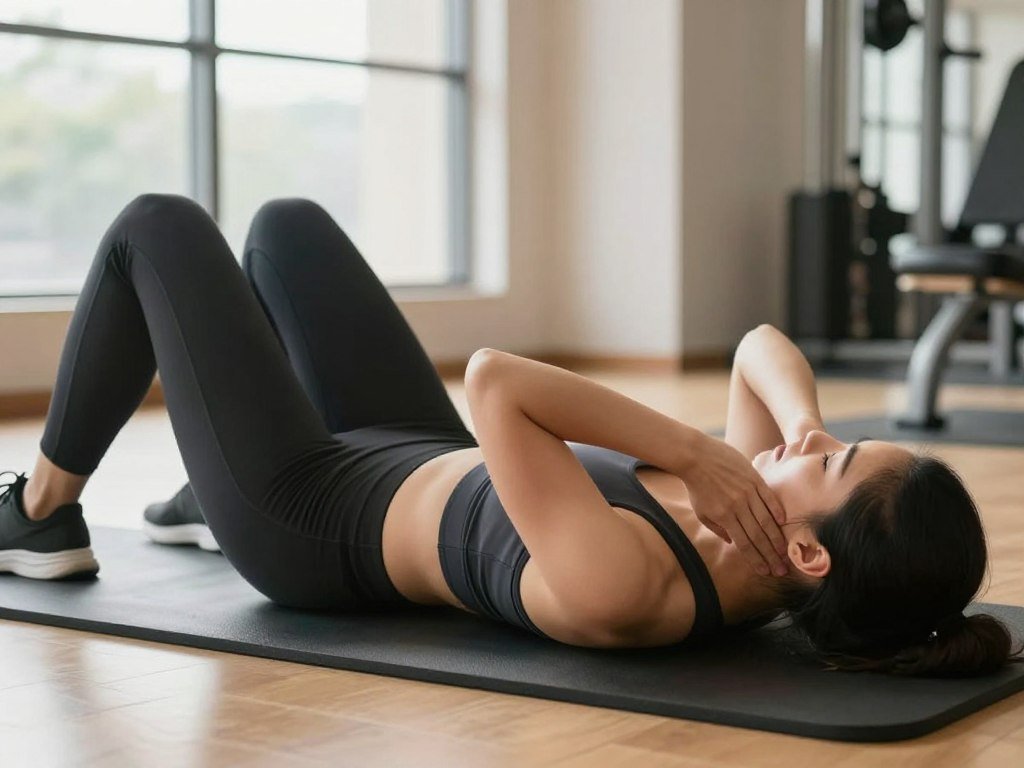
Trunk fat mass fell 7%, or 1,170 ± 1,093 grams, in that group. The treadmill-only group had no change in trunk fat mass. Total fat mass fell 6%, or 1,705 ± 1,179 grams, with abdominal work, and 5%, or 1,134 ± 731 grams, with treadmill training alone.
The abdominal-exercise group lost 697 grams more trunk fat than the treadmill-only group, a statistically significant difference. That result came from a small, specific group and does not show that spot reduction works broadly for everyone. It also does not mean crunches alone caused the change, since participants ran during each session.
Abdominal exercises still have a useful role in fitness. Strong abdominal muscles help you brace and move your trunk during daily tasks and other workouts. Use abdominal work for strength and function, not as a promise that fat will leave only your waist.
What Exercise Helps Reduce Visceral Fat?
The exercise that burns the most belly fat is not a special abdominal move, but activity that helps create overall fat loss. Aerobic exercise raises your body’s demand for energy while you move.
A calorie deficit means using more energy than your body takes in over time. With a manageable deficit, your body draws on energy stores across the body, not only from the muscles you exercise. Pairing activity with food choices that support a modest deficit can help with weight loss.

No exercise is uniquely best for women. A useful general plan combines aerobic activity with strength training, then adjusts the effort to your ability and preferences. The same basic approach can work for people with different bodies and fitness levels.
Four parts can help make an exercise plan easier to maintain:
- Enjoyable aerobic activity, such as walking or cycling.
- Strength training that works several muscle groups.
- Food choices that support a modest energy deficit.
- Consistency, with activity repeated across the week.
A manageable plan beats a harsh one that leaves you sore, hungry, or ready to quit. Pick an activity that fits your current fitness and that you can realistically keep doing.
Best Exercises to Lose Belly Fat: Which Training Types Help Most?
HIIT had the largest estimated effect on visceral fat in a 2026 analysis of adults with overweight or obesity. Combined training offers both aerobic and resistance work, which may suit people seeking a varied routine.
The analysis included 61 randomized trials and 4,136 participants with overweight or obesity. Its estimated effects compared each training type with a control group:
| Training type | Estimated effect versus control | 95% confidence interval | Evidence rating |
|---|---|---|---|
| HIIT | SMD = -0.84 | [-1.08, -0.61] | Moderate |
| Combined aerobic and resistance | SMD = -0.54 | [-0.75, -0.32] | Moderate |
| Aerobic exercise | SMD = -0.53 | [-0.68, -0.38] | Low |
| Resistance training | SMD = -0.41 | [-0.63, -0.20] | Moderate |
The estimated minimum effective total exercise dose was 730 METs minutes per week. Estimates were 400 METs minutes weekly for HIIT, and 1,100 for aerobic or combined aerobic-plus-resistance training.
These dose estimates describe study populations, not personal prescriptions. Your health, starting fitness, and ability to recover can change what is appropriate. Resistance-training research reviews also describe gains in strength and muscle size among healthy adults.
The analysis gives a comparison, not a promise that one training type will work best for every person. Treat the estimated dose as a research benchmark, then choose a sustainable plan with a clinician’s input when needed.
Cardio Moves That Fit Everyday Life
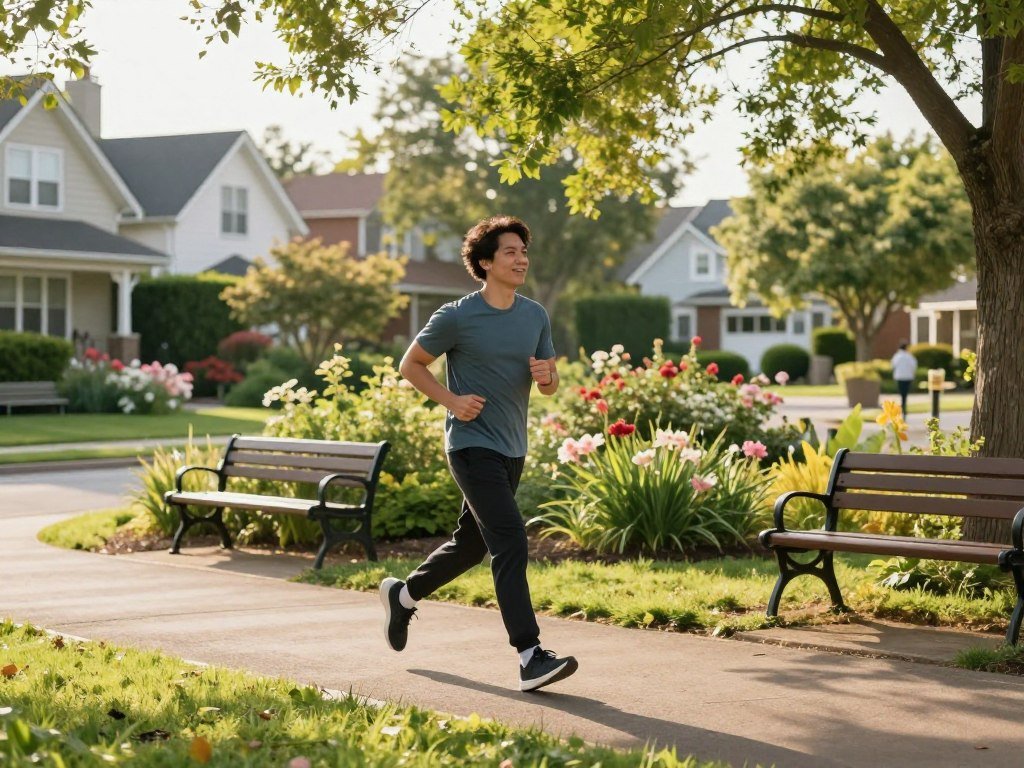
A brisk walk is a low-barrier way to raise your breathing and build more movement into the day. Walking, cycling, running, and swimming are forms of aerobic exercise that can support overall fitness and fat loss.
At-home cardio can include walking, indoor cycling, or low-impact follow-along movement. You need little or no equipment for many options, and you can adjust the pace to match your current fitness.
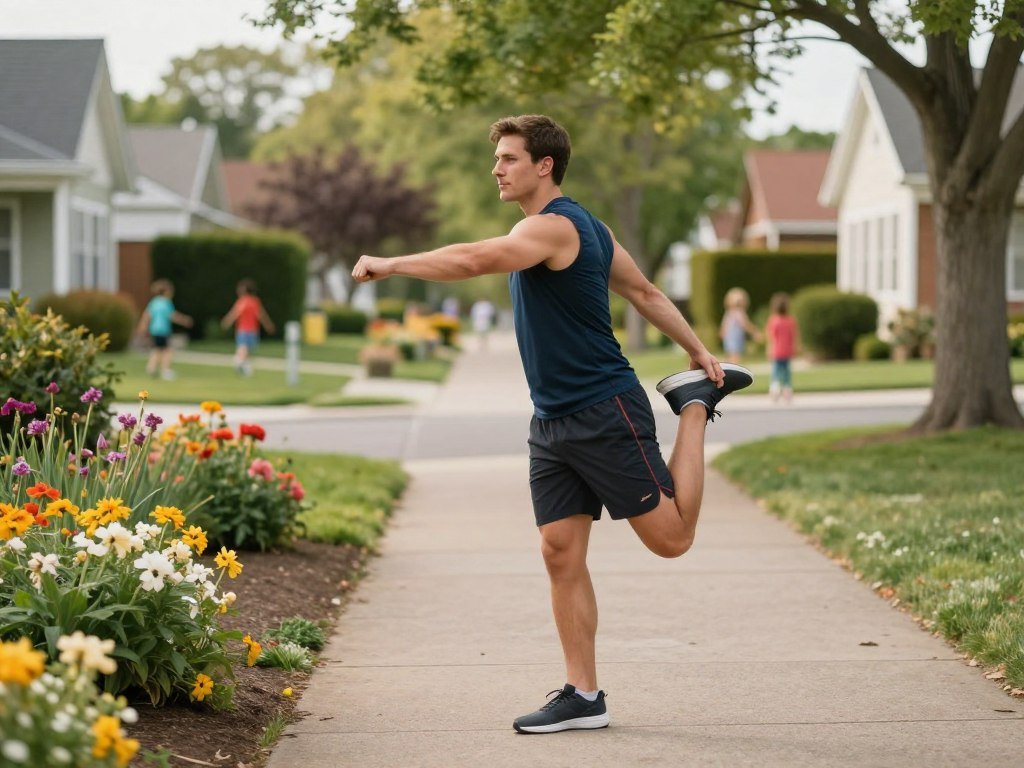
Brisk Walking
Start with a comfortable walk on a familiar route or indoors in a hallway. Walk at a pace that makes your breathing quicker while still letting you speak in short sentences. A relaxed pace is useful for building a habit; a brisk pace raises effort without requiring a run.
To make the walk harder, extend the route or include a gentle hill. If your joints feel tender, shorten your steps and choose a flat surface. Walking can suit beginners, people returning to exercise, and anyone who wants a simple way to add movement near home.
Interval Walking
Interval walking alternates easier periods with faster periods. Begin with a few minutes at your usual pace, then walk faster for a short stretch before returning to an easy pace. Keep the faster parts controlled rather than sprinting.
You can raise the challenge by extending the brisk stretches or shortening the easy ones. A track, sidewalk, or indoor corridor works; no special gear is needed. This approach may suit someone who enjoys changing pace, while a steady walk may feel better if frequent speed changes are uncomfortable.
Cycling
Start indoor or outdoor cycling at a light resistance that lets you pedal smoothly. Keep your shoulders relaxed and choose a seat height that allows a soft bend in the knee at the bottom of each pedal stroke. If you are new to cycling, begin with an easy pace and short ride.
For more effort, add a little resistance or ride longer, but change one thing at a time. Indoor cycling can be done at home with a stationary bike, while an outdoor ride adds route and weather choices. Cycling may suit you if walking bothers your feet or knees.
Running or Jogging
If running feels comfortable, begin with short jogging periods between walking stretches. Choose a level route and a pace that lets you stay in control. You do not need to run fast for the activity to count as aerobic exercise.
Build by adding a little jogging time while keeping the walk breaks. If your legs or joints do not feel ready, stick with walking or another low-impact option. Running may suit people who enjoy a stronger challenge and have no pain that limits their movement.
Swimming
Swimming raises your breathing while water supports much of your body weight. Start with easy laps or short periods of water movement, and rest when needed. A pool lets you choose a steady pace without the repeated foot strikes of running.
As your comfort grows, add another lap or swim for a little longer. Water walking can be an option if full laps feel too demanding. Swimming may suit people who want low-impact cardio, though access to a safe pool is needed.
These options can all help you become more active, but none specifically burns abdominal fat. Start with the option that feels manageable today, then increase duration or effort gradually.
Strength Moves That Work for Men and Women
Squats, lunges and deadlifts train more than the abdominal area, making them useful full-body strength choices for men and women. Men do not need a unique set of moves to reduce abdominal fat.
Strength training builds muscle, but it does not directly burn fat from the belly. Your strength, mobility, and injury history should guide which version you choose.
Squats
Stand with your feet about hip-width apart, then bend your knees and hips as if sitting toward a chair. Keep your chest lifted and your feet flat. Begin with a chair squat: lower until you touch the seat, then stand again.
Use your bodyweight until the motion feels steady. To make it easier, sit down fully and stand with help from a stable surface. To progress, lower a little farther or hold a light dumbbell close to your chest. Stop the range where your knees and hips stay comfortable.
Lunges
Stand tall, step one foot forward, and bend both knees only as far as feels controlled. Keep your front knee pointing in the same direction as your toes. Push through the front foot to return to standing, then switch sides.
Beginners can hold a wall or chair for balance and use a shorter step. You can also practice a split stance without lowering much. As strength improves, increase the depth or add light dumbbells, but keep each repetition smooth rather than dropping quickly.
Deadlifts
A deadlift trains your hips, legs, back, and grip. Start with a light object or no weight. Stand with feet about hip-width apart, soften your knees, and push your hips back while keeping the weight close to your legs.
Stand by pressing through your feet and bringing your hips forward, without leaning backward at the top. A beginner can practice the hip movement with hands sliding down the thighs. Add dumbbells only after the pattern feels steady; a barbell is another option for people with experience.
Compound movements can help you train several muscle groups in one session. Choose a load that lets you keep control and good form through every repetition.
Core Exercises for Strength, Not Spot Reduction
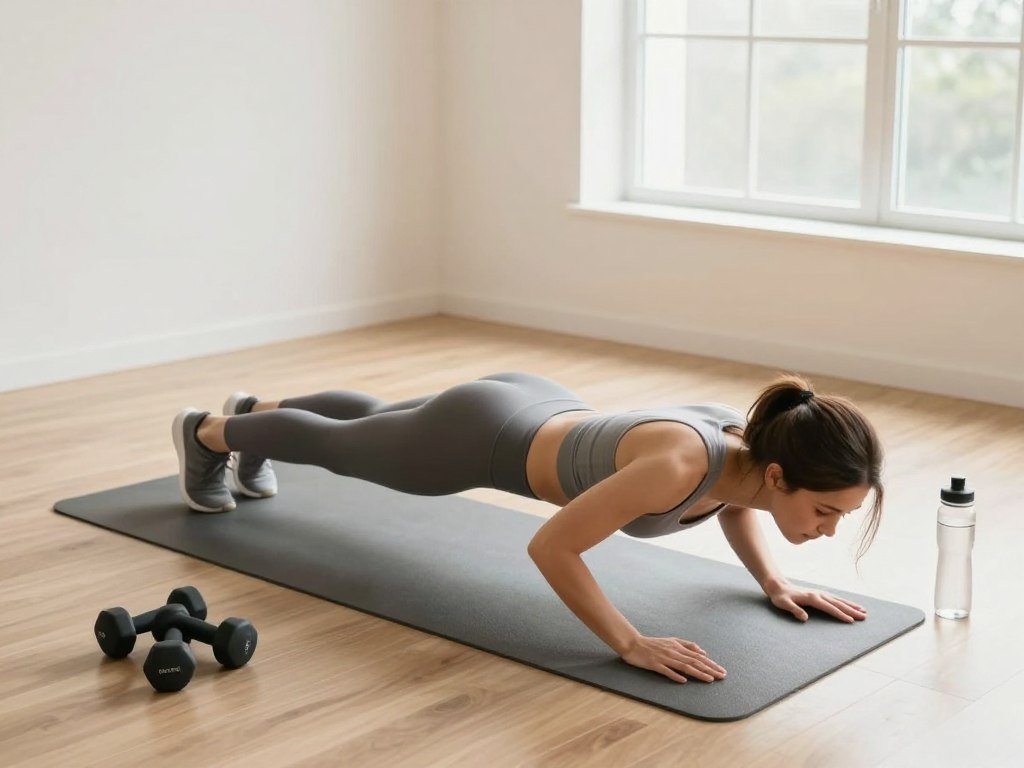
A plank is a simple way to train the core at home without equipment. These moves build strength in your abdominal muscles, but they do not selectively remove fat above them.
Use a version that lets you keep your back and shoulders steady. Bodyweight options can be adjusted by changing the hold time, pace, or hand position.
Plank
Place your forearms on the floor with elbows under your shoulders, then extend your legs behind you. Keep your body in a straight line from head to heels, and gently brace your stomach. Avoid letting your hips sag or lift high.
Hold for a few breaths rather than forcing a long hold. For an easier version, rest your knees on the floor or place your hands on a sturdy counter. A raised surface reduces the load while letting you practice alignment. Stop if you cannot keep your shoulders and back controlled.
Mountain Climbers
Begin in a high plank with hands under your shoulders and feet behind you. Slowly bring one knee toward your chest, return it, then switch legs. Keep your hands planted and your trunk steady as the knees alternate.
For a beginner option, place your hands on a sturdy bench or counter and move slowly. Once that feels controlled, increase the pace while keeping your shoulders above your hands. You can also pause between knee drives to reset your form.
Neither exercise can choose where your body loses fat. Keep the movement controlled, and stop if pain is sharp or persistent.
Is HIIT Better Than Steady Cardio?
HIIT is not automatically better than steady cardio for every body-composition outcome. A 2026 meta-analysis of 19 randomized trials found that HIIT cycling and moderate-intensity continuous cycling had comparable effects on body-fat percentage, fat mass, and lean body mass in adults.
Among obese populations, HIIT reduced BMI more than moderate-intensity continuous training, with an SMD of -0.59 kg/m2 and a 95% confidence interval of -0.84 to -0.34. This result does not mean every person needs vigorous intervals.
HIIT alternates harder work with rest or easier movement. A typical example uses 30 seconds of intense activity followed by 30 seconds of rest. You can adjust the work period to a pace that feels challenging but controlled.
Try one of these practical options:
- Ride a bike at a brisk, steady pace.
- Use short work-rest intervals at an adjustable effort.
- Alternate steady rides and interval sessions across the week.
Steady cardio may suit you if you prefer a predictable pace or need easier recovery. Intervals may appeal if you like brief changes in effort, but vigorous training is not required for progress. Choose the style you can recover from and repeat, rather than forcing all-out intervals.
Can Interval Walking Work in One Weekly Session?
In a 16-week trial, both interval-walking schedules improved several body-composition measures compared with the control group. One weekly session was tested alongside a schedule that split the same weekly training time.
Both exercise groups completed 75 minutes of interval walking per week. The trial assigned 315 Chinese adults with overweight and central obesity to one weekly session, three weekly sessions, or a control group.
| Group | Assigned schedule | Weekly interval time | 16-week outcomes |
|---|---|---|---|
| Once-weekly interval walking | 75 minutes in one session | 75 minutes | Lower total fat, body-fat percentage, and waist circumference; better fitness |
| Three-times-weekly interval walking | Three divided sessions | 75 minutes | Lower total fat, body-fat percentage, and waist circumference; better fitness |
| Control | No interval walking | 0 minutes | No comparable exercise-group changes reported |
Both exercise groups also improved cardiorespiratory fitness compared with the control group. The results apply to the people and schedule studied, not to every person who walks.
A once-weekly session may be easier to schedule for some people, while shorter sessions may fit better for others. This trial does not prove that one weekly session is best for everyone. Treat the once-weekly format as one studied option, not a guarantee of the same result for every person.
Does Walking Speed Change Fat Loss?
In this study, walking faster did not produce greater estimated visceral-fat loss than walking at the slower pace. Both paces matched in distance, weekly frequency, and energy use per session.
The 2022 study involved postmenopausal women who walked 4.8 kilometers four days per week for 30 weeks. Researchers estimated visceral-fat change using waist circumference.
| Walking speed | Distance | Weekly frequency | Energy per session | Estimated visceral-fat outcome |
|---|---|---|---|---|
| 6.6 km/h | 4.8 km | 4 days | 300 kcal | Equal loss, estimated by waist circumference |
| 5.5 km/h | 4.8 km | 4 days | 300 kcal | Equal loss, estimated by waist circumference |
The finding applies to the postmenopausal participants in that study. Waist circumference served as an estimate, rather than a direct measure of visceral fat inside the abdomen.
A faster pace can still feel more demanding and may suit someone who enjoys a brisk walk. The result only shows that, under those study conditions, faster walking did not lead to more estimated visceral-fat loss. Pick a pace that feels sustainable while keeping the study’s population and measurement in mind.
How Should You Schedule Cardio and Strength?
For healthy adults aged 18-65, the standard target is regular aerobic activity plus strength work on at least two days each week. These targets offer a framework for planning, not a demand to start at full volume.
ACSM and CDC guidance calls for 30 minutes of moderate aerobic activity on five days weekly, or 20 minutes of vigorous activity on three days. Adults should also do activities that maintain or increase muscular strength and endurance at least two days per week.
The Physical Activity Guidelines for Americans give a broader weekly range of 150-300 minutes of moderate activity, or an equivalent amount of vigorous activity, plus strength work.
Build a schedule with three simple steps:
- Choose the cardio days that fit your routine.
- Place strength sessions on two days of the week.
- Increase activity gradually if you are below the target.
You can split activity into shorter sessions if one long block does not fit your day. Leave room for recovery, especially when you add a new activity or raise the effort. If the full target feels out of reach, begin below it and build up steadily.
Which Exercises Suit Women After Menopause?
Exercise can improve several body-composition measures in postmenopausal women, with different training types offering different strengths. Aerobic and strength work can support different goals within the same routine.
A 2026 review of 101 studies and 5,697 postmenopausal women found that exercise reduced fat mass, body-fat percentage, waist circumference, and visceral fat. A 2023 review compared the effects of different training types.
| Training type | Fat-mass outcomes | Muscle-mass outcomes |
|---|---|---|
| Aerobic training | Greater beneficial effect in 2023 review | No greater effect identified |
| Resistance training | No greater effect identified | Greater beneficial effect in 2023 review |
| Combined training | Greater beneficial effect in 2023 review | Greater beneficial effect in 2023 review |
The 2026 review reported overall exercise benefits across several measures. The 2023 review found that aerobic and combined training had greater beneficial effects on fat-mass outcomes, while resistance and combined training had greater beneficial effects on muscle-mass outcomes.
At home, walking and bodyweight resistance moves can be adjusted to your ability. Pain, joint changes, other health conditions, or menopause-related symptoms may affect a safe starting point. Ask a clinician for guidance when menopause-related symptoms or other health conditions affect exercise choices.
How Can Beginners and Adults Over 50 or 60 Start?
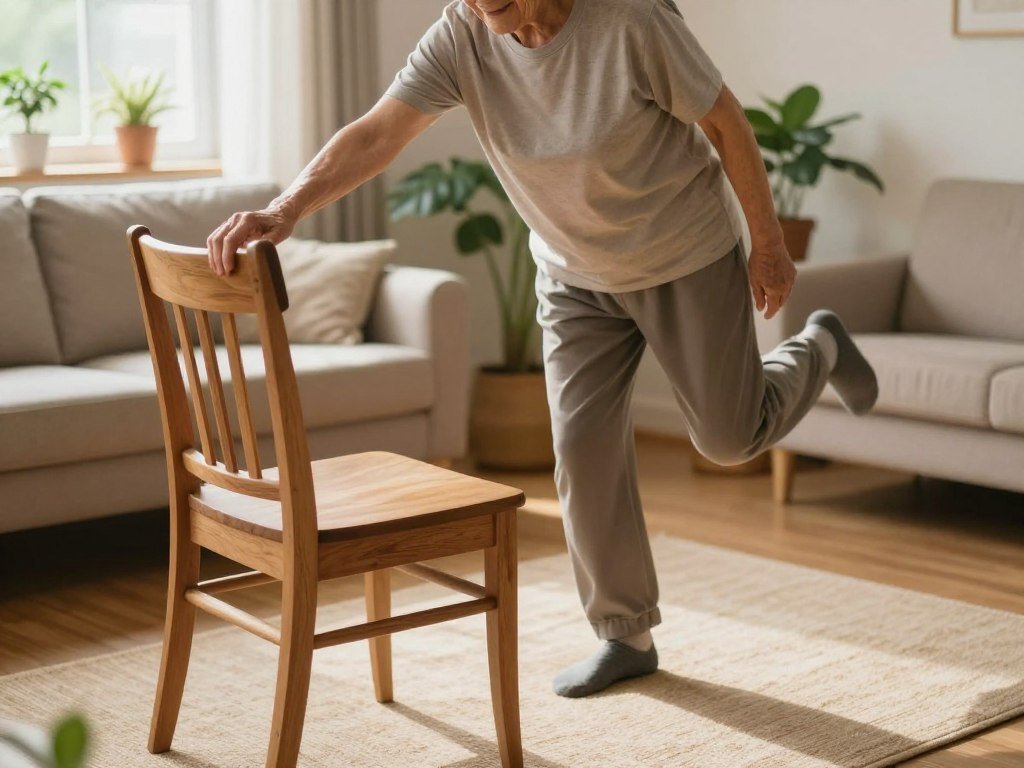
A beginner can start with a walk, a chair squat and a wall pushup before trying faster or heavier exercises. Simple moves can build confidence while giving you room to adjust effort.
Walking, chair squats, and wall pushups are scalable starting choices. Adults over 50 or 60 can use lower-impact versions and adjust range of motion to comfort and ability.
Use a short, easy walk at first, then add time as it feels manageable. For chair squats, use a stable seat and lower only as far as your joints allow. For wall pushups, stand close to the wall to make the movement easier; step farther back as you gain strength.
Three practical ways to adjust these moves are:
- Use a wall, chair, or rail for support with balance.
- Reduce the range of motion if knees or hips feel sore.
- Add a little time or a few repetitions as you improve.
The same basic moves can suit adults over 50 and 60 when adapted to balance, joint comfort, and medical needs. No exercise is uniquely required for beginners or men. A hanging belly may include fat and loose skin, and exercise cannot selectively remove either from one spot.
Get individual advice before starting if a health condition, balance concern or persistent pain affects movement.
What Lifestyle Habits Support Fat Loss?
Exercise works best as part of everyday habits that support a sustainable energy balance. A modest calorie deficit can support overall weight loss without relying on harsh rules.
Stress can affect appetite and daily habits, but belly shape cannot diagnose cortisol levels or a medical condition. Cortisol is a hormone involved in the body’s stress response, not a label for a distinct body type.
Four habits can support a routine that feels steady over time:
- Build balanced meals with a mix of filling foods.
- Keep a sleep routine that gives you enough time to rest.
- Use stress-management practices that fit your life.
- Break up long periods of sitting with brief movement.
Sleep and stress can influence how easy it feels to keep up with exercise and food choices. A rounded look around the waist does not reveal a person’s cortisol level. Ask a health professional about sudden or unexplained changes instead of trying to diagnose them from body shape.
How Can You Exercise Safely and Stay Consistent?
A five-minute warm-up gives your body a gradual transition into cardio. Start with easy movement, then raise your pace as your breathing and muscles adjust.
Stop if you feel sharp or prolonged pain, and seek advice from a health professional. Walking and low-impact cycling are options to consider when jumping feels uncomfortable.
Use this four-part safety check when you exercise:
- Warm up before activity with five minutes of easy movement.
- Cool down afterward by easing your pace.
- Increase intensity gradually instead of making a sudden jump.
- Stop for sharp or prolonged pain and seek advice.
Sharp, prolonged, or worsening pain is a reason to stop, not a signal to push harder.
A clinician or physical therapist can help adapt movement around an injury or chronic condition. If one activity causes discomfort, choose a version that keeps the movement controlled and manageable. Stop and get professional advice if pain is sharp, prolonged or worsening.
Conclusion
The best starting routine is a repeatable mix of movement that fits your body and schedule. Combining aerobic activity and strength work can support overall fat loss, while abdominal exercises strengthen the muscles underneath.
Those core moves cannot guarantee targeted fat loss from your waist. Choose a walk and two simple strength moves for the coming week, then make them easy to repeat. Choose your first walk and two strength moves, then put them on your calendar.
FAQ
What exercise burns the most belly fat quickly?
Can walking for 30 minutes reduce belly fat?
How to flat tummy in 7 days without exercise?
How can I flatten my stomach in 2 weeks?
What drink burns the most belly fat?
Can a flabby belly be toned?
What are the 5 superfoods to burn belly fat?