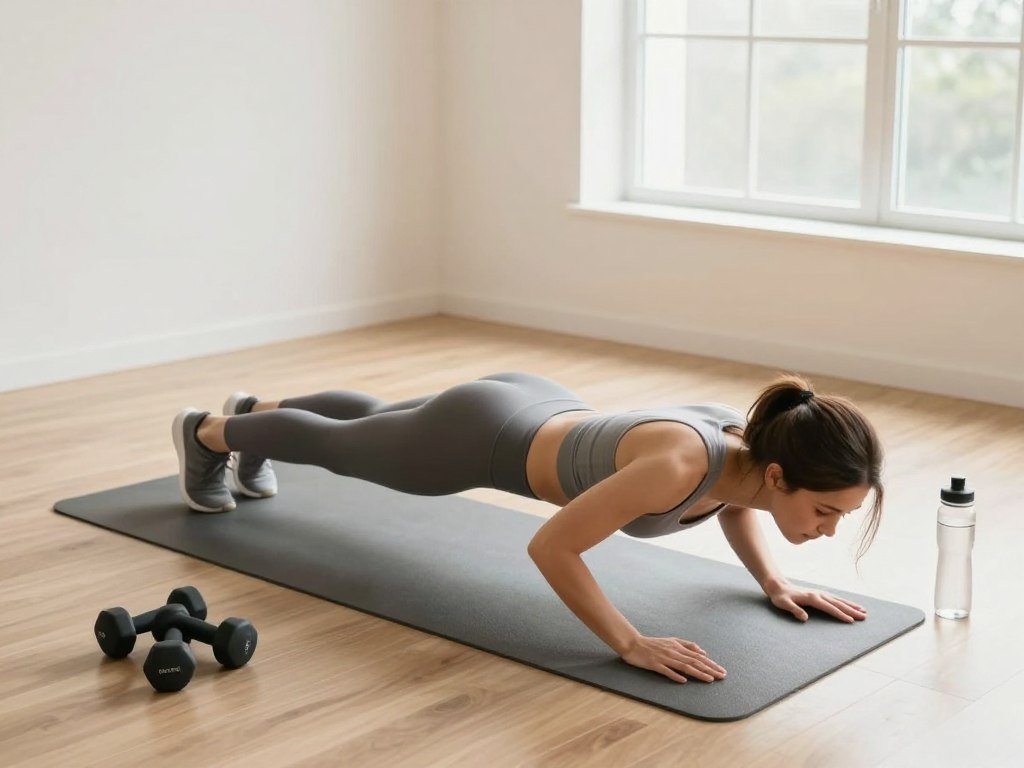
A stronger midsection can help you brace, balance, and control everyday movements, not just perform more crunches. It supports tasks like carrying groceries, climbing stairs, and lifting a box from the floor. Training your core can also help you move with better control during sports and fitness activities.
This plan focuses on strength and stability, not a quick cosmetic fix. You will find bodyweight exercises, stability drills, lower-abdominal moves, rotation work, and options that use gym equipment. Choose movements that suit your space and current ability, then build up at a pace you can manage.
Key Takeaways
- Train your midsection for bracing, balance, and controlled movement.
- Use a mix of stability, flexion, and rotation exercises.
- Bodyweight moves can make a useful home workout.
- Add resistance when controlled repetitions become easy.
- Rest between hard sessions and progress gradually.
You do not need a long list of moves or an expensive setup to begin. The best ab workouts give you options for home and gym training, and this menu of 15 scalable moves can fit your space and experience.
What Does Your Core Actually Do?
Your core is a team of muscles that helps control your trunk while your arms and legs move. It does more than shape the front of your body. These muscles help you brace, stay balanced, and keep your posture steady during daily movement.
The five abdominal muscles are the rectus abdominis, external obliques, internal obliques, transverse abdominis, and pyramidalis. The rectus abdominis bends your spine forward, while the obliques support rotation and side bending.
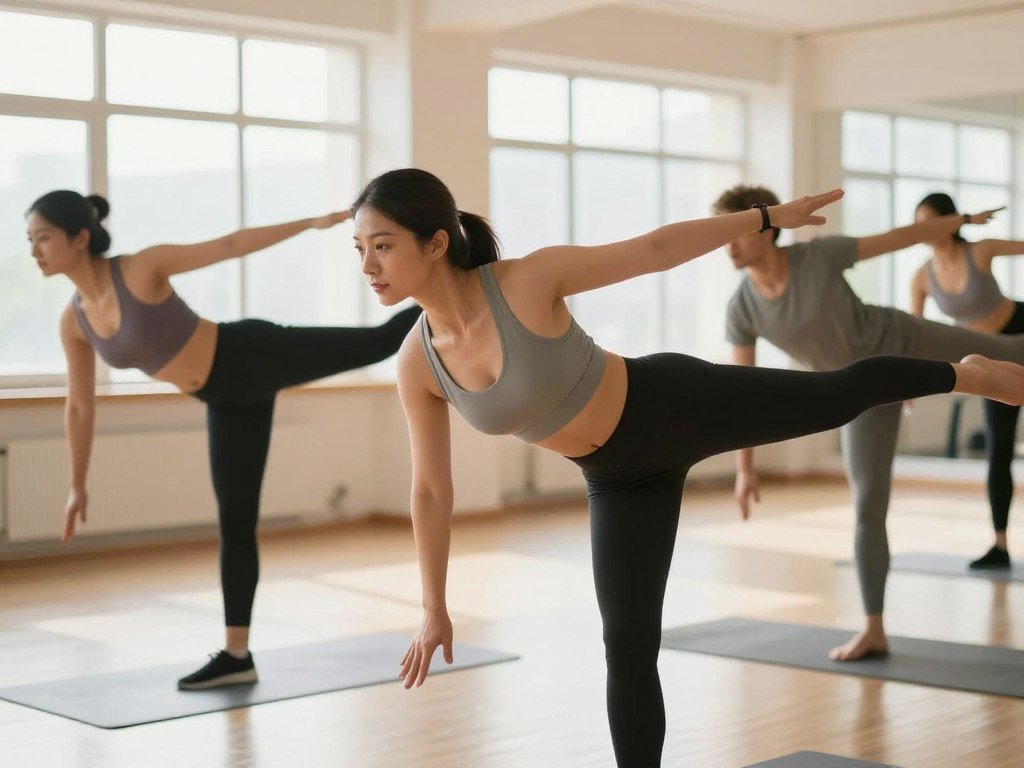
The transverse abdominis helps stabilize your trunk. Your abdominal muscles also work with muscles around your hips, pelvis, and back, so the core is not just the muscles you see in a mirror.
Your core must control the spine while your arms and legs create movement.
That control matters when you lift, turn, reach, or carry a load. Core muscles also help support breathing, since the trunk must stay active while your ribs and belly move.
Exercises that train only repeated forward bending miss other jobs your muscles perform. A well-rounded routine trains more than repeated forward bending.
Do Ab Exercises Burn Belly Fat?
Ab exercises strengthen abdominal muscles, but they are not a reliable way to choose where body fat comes off. Spot reduction, or losing fat from one chosen area through nearby exercise, is not a dependable fat-loss strategy.
Overall fat loss depends on broader habits, including nutrition and total activity. Abdominal exercise can still build muscle strength and improve how well you control your trunk.
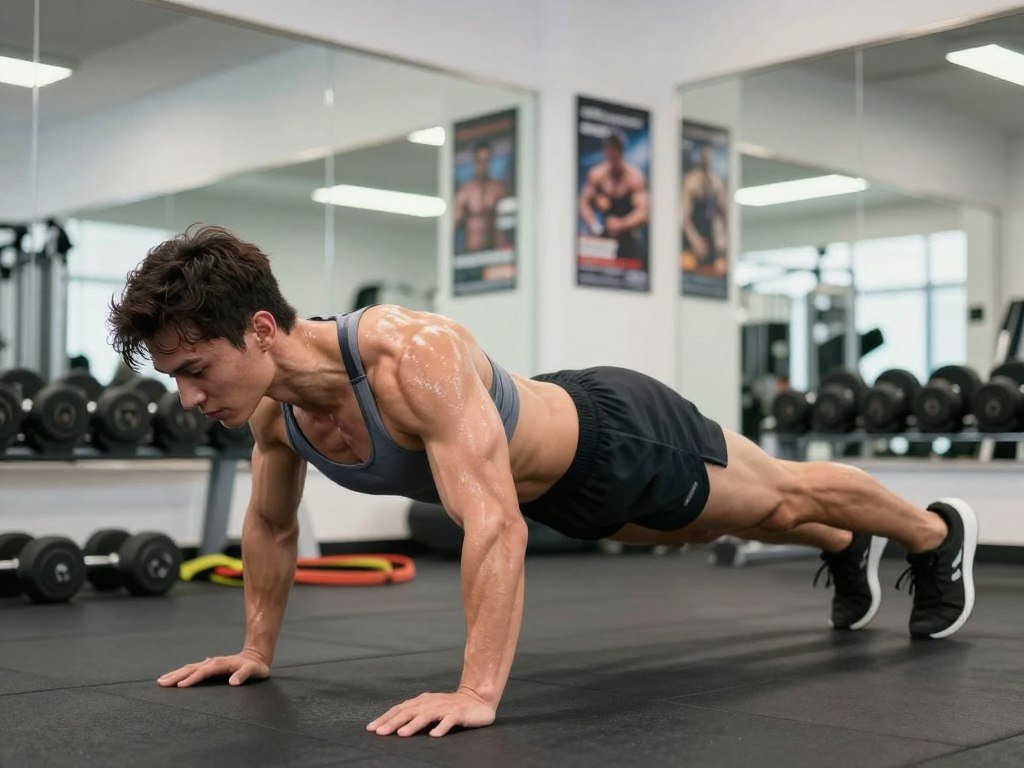
A randomized trial studied 16 overweight men, aged 43 years on average, who trained four days each week for 10 weeks. The abdominal endurance group reduced trunk fat mass by 7%, while the treadmill-only group had no change in trunk fat mass.
Total fat mass fell by 6% in the abdominal endurance group and 5% in the treadmill-only group. Body weight fell by 1% and 3%, respectively. Abdominal crunch strength rose by 36% in the endurance group and 17% in the treadmill group.
The trial found a change in trunk fat, but its small group does not overturn broader evidence. A randomized abdominal-training trial also found gains in crunch strength, which shows that stronger abs can be a clear training result.
A 2022 meta-analysis of more than 1,000 participants found that training a local muscle did not reduce nearby fat. That result supports the broader view: exercises can strengthen the muscles you train, but they cannot direct where fat loss happens.
Changes in visible definition also depend on nutrition, activity, and your starting body composition. A stronger midsection and visible definition are related goals, but they are not the same result.
How to Choose the Best Ab Workouts for Your Goals
For most beginners, a balanced routine combines one bracing exercise, one controlled trunk-flexion move, and one side-to-side stability challenge. Start simply, with movements you can perform without losing control.
Build control before adding difficulty, then adjust the plan to your goal. The American College of Sports Medicine recommends resistance training with strong effort at least twice a week, working all major muscle groups.
Start with stability if you are new
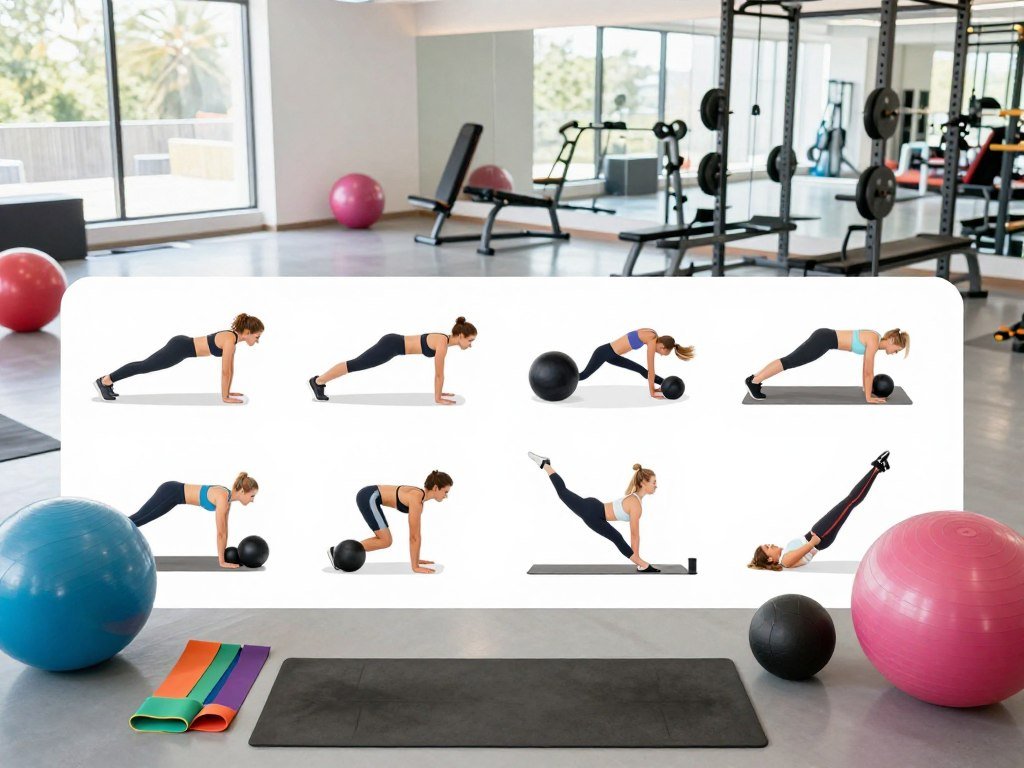
Try a knee plank, dead bug, or bird dog before harder versions. Keep the movement slow enough to feel your trunk working, rather than rushing through each repetition.
You can scale a move by shortening its range, using a shorter hold, or lifting one limb at a time. Once you keep steady form for the planned work, increase one challenge at a time.
Add resistance for strength and muscle
If you want more strength or muscle, add resistance in small steps. Harvard Health’s summary of ACSM guidance suggests 2-3 sets of 8-10 repetitions per exercise, with no more than four sets.
Increase resistance when you can easily complete three sets of 10 or more repetitions with sound form. Both the best ab workouts for women and the best ab workouts for men can use the same moves; ability, comfort, and goals should guide your choice.
A workout routine matched to your goals can help you fit core work alongside your other training. Change one feature at a time, such as resistance, range of motion, or repetitions, so you can tell what made the exercise harder.
What Can You Do at Home Without Equipment?
A mat or clear patch of floor is enough to start a useful home session. Bodyweight exercises can challenge your abs through bracing, rotation, and controlled movement.
A short selection is enough; the best abs workout at home without equipment does not need to be a long list of crunches. Choose moves that train different actions and fit your current control.
| Move | Equipment | Starting dose | Main challenge |
|---|---|---|---|
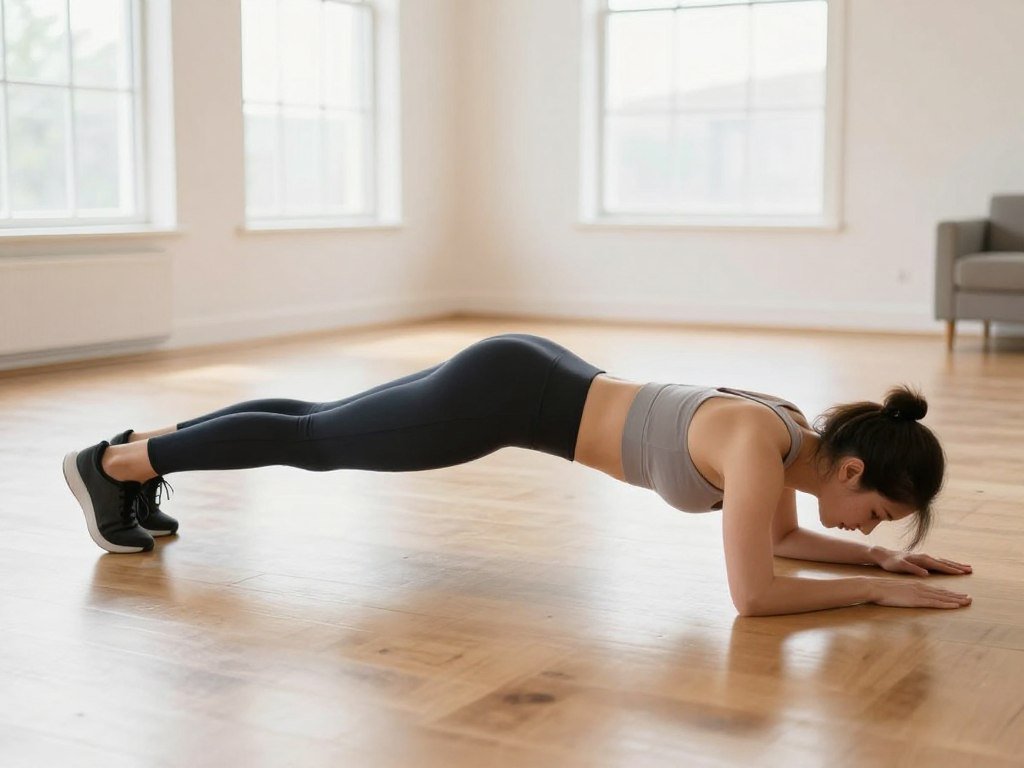
| Front plank | None | 3-4 sets of 30-90 seconds | Whole-trunk bracing |
| Bicycle crunch | None | 3 sets of 20-30 reps | Controlled rotation |
| Dead bug | None | 3 sets of 10-15 reps | Moving limbs while keeping the lower back down |
| Bird dog | None | 1-3 sets of 8-12 reps per side; rest 60-90 seconds | Balance and trunk control |
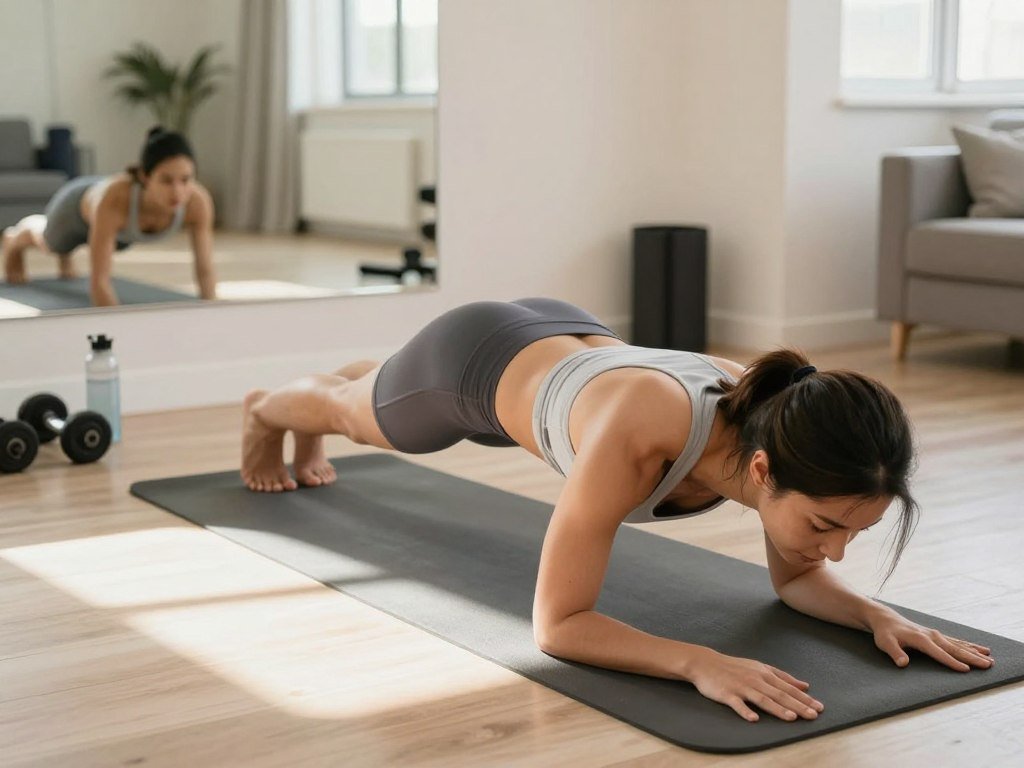
For a front plank, keep your elbows below your shoulders and your body in a straight line. Stop before your hips sag or rise sharply.
During bicycle crunches, turn your torso with control instead of pulling your head toward your knee. Move at a pace that lets you keep the motion smooth.
In a dead bug, lie on your back and move opposite limbs while your lower back stays in contact with the floor. Reduce the reach if your back begins to lift.
For bird dogs, reach the opposite arm and leg, hold for 2-3 seconds, and return with control. Start with the listed dose and rest between sets as needed.
On bird dogs, stop the reaching leg around hip height and avoid arching the lower back.
Which Exercises Build Core Stability?
Stability training teaches your trunk to stay controlled while your limbs move or an outside force tries to turn you. Anti-movement training means exercises that teach your core to resist unwanted bending, twisting, or arching while you hold a position or move your limbs.
Planks, dead bugs, and bird dogs are practical ways to begin. NASM’s stabilization options also include side planks, glute bridges, and Pallof presses.
Begin with a quadruped reach
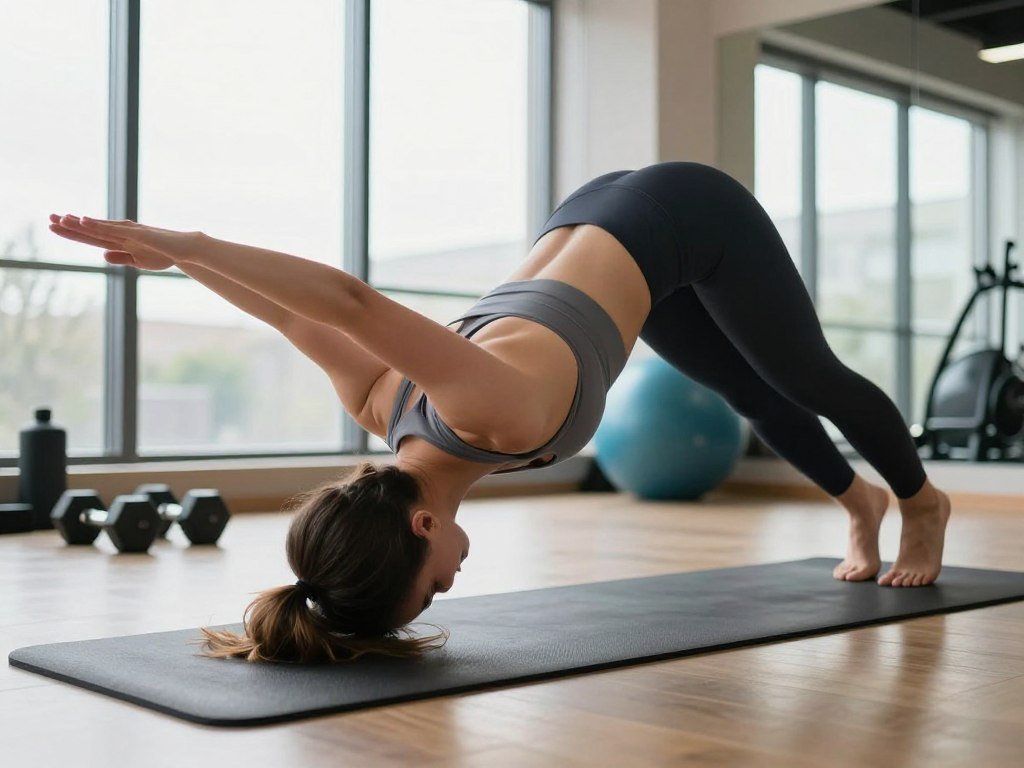
Set up on your hands and knees, with hands under shoulders and knees under hips. Reach one arm and the opposite leg while keeping your lower back from arching.
Hold the reach for 2-3 seconds, then return with control. Keep your hips level and your shoulders steady as your arm and leg move.
If the full bird dog feels difficult, lift one arm or one leg at a time. NASM also notes that reaching from a full plank can make the exercise harder.
Make anti-rotation harder without speeding up
A side plank trains you to resist side bending, while a Pallof press challenges you to resist rotation. Begin with a lighter band or a shorter hold, then progress when you can keep your trunk steady.
Glute bridges are another option in NASM’s stabilization list. They ask your hips and trunk to work together as you lift your pelvis.
If a full opposite-arm-and-leg reach is unsteady, lift one limb at a time before increasing the challenge.
Which Moves Target the Lower Abs?
Leg-lifting and pelvic-curling moves challenge the abdominal wall, but they do not isolate a separate lower-ab muscle. “Lower abs” is a handy training label for work that emphasizes the lower part of the rectus abdominis.
Choose the version you can control, since the hip flexors also help lift your legs. A lying leg raise, reverse crunch, and hanging knee raise offer different levels and setups.
| Exercise | Equipment | Movement | Easier adjustment |
|---|---|---|---|
| Lying leg raise | Floor | Lower legs with control while keeping lower back in contact with floor | Shorten the lowering range |
| Reverse crunch | Floor | Curl pelvis toward ribs with knees bent | Keep the knees bent |
| Hanging knee raise | Pull-up bar | Draw bent knees toward chest without swinging | Use a supported knee-raise station, if available |
A lying leg raise asks you to lower your legs while keeping your back grounded. If your back arches, reduce how far your legs travel.
For a reverse crunch, curl your pelvis toward your ribs instead of swinging your knees. Start with knees bent and use a small, controlled lift.
Hanging knee raises can be done for three sets of 10-15 reps. Bent knees make the movement more manageable than keeping your legs straight.
End each lowering phase before your back arches or your body starts swinging.
How Can You Train Your Obliques and Rotation?
The obliques help you rotate your torso and resist forces that try to pull it sideways or twist it. Controlled movement matters more than speed when you train these muscles.
Use both rotation and anti-rotation work for a more complete challenge. A Russian twist trains controlled trunk rotation, while carries ask you to resist movement.
- Russian twist: Rotate from side to side, with a 1-2 second hold on each side.
- Cable or band chop: Pull diagonally, using a high-to-low or low-to-high path.
- Suitcase carry: Hold a weight on one side and walk without leaning toward it.
NASM’s core strength exercise list includes cable and band chops and lifts, farmer’s carries, and suitcase carries. A cable chop can target a diagonal path from high to low or low to high.
Keep your torso steady as you turn, rather than turning each repetition into a fast swing. Cable woodchoppers can be performed for 10-12 reps per side.
A suitcase carry adds a different challenge: the weight pulls your body to one side, and your trunk resists that pull as you walk. Pick a short path where you can maintain an even pace.
Use a load that lets you finish each side without leaning or rushing the return.
Which Gym Exercises Add Resistance?
A cable machine is the most straightforward gym option when you want to adjust abdominal resistance without changing the movement. Small load changes let you find a weight that suits your control.
Try cable crunches, stability-ball crunches, or ab rollouts, depending on your experience. The same equipment and exercise-selection principles apply to women and men; each person should choose a load and range they can manage.
For kneeling cable crunches, use a rope attachment and adjustable resistance. A common starting dose is 3-4 sets of 8-12 reps, with the trunk moving in a controlled curl.
A stability-ball crunch increases the range of motion compared with a crunch on the floor. Set the ball beneath your mid-back and avoid using momentum to lift your chest.
An ab rollout challenges your core as your arms travel forward. Start with a short range, then extend farther only when you can return without losing trunk control.
A rollout may be done for 2-4 sets of 5-10 reps. It is a more demanding choice, so beginners can start with a cable or ball movement first.
For gym workouts for women and men, the equipment does not need to change by sex. Choose a load or rollout range that keeps the torso controlled rather than letting the lower back arch.
What Does a Balanced Core Workout Include?
A balanced session trains your trunk to brace, bend, and resist unwanted movement rather than relying on one exercise pattern. Different challenges help the core work across a wider range of tasks.
The McGill Big Three are the modified curl-up, side plank, and bird dog. They emphasize controlled trunk stability, but a broader routine can train more than those three patterns.
- Anti-extension: resist arching, as in a plank.
- Anti-side-bending: stay upright during a side plank or carry.
- Anti-rotation: resist turning during a Pallof press or suitcase carry.
- Controlled flexion: bend the trunk with a measured curl-up.
These movement patterns give your arms, legs, and torso different jobs. They also help you avoid stacking several exercises that challenge your body in almost the same way.
A ball slam is a dynamic, full-body movement that challenges power. It belongs in a power-focused session, not as a slow stability drill.
The most exhausting mix is not always the most useful one. Keep the work purposeful by choosing a few complementary movement patterns instead of stacking several versions of the same crunch.
How to Build a 20-Minute Ab Workout
A useful 20-minute session needs only three well-chosen exercises and enough rest to keep every repetition controlled. Focused work can fit into a busy day without adding a long list of movements.
Three exercises for three sets each can fit the time, with controlled rests between sets. Pick a home plan or a gym plan based on your space and equipment.
| Goal | 20-minute selection | Format |
|---|---|---|
| Home beginner | Plank plus dead bug plus bicycle crunch | Three rounds with controlled rests |
| Gym strength | Cable crunch plus hanging knee raise plus suitcase carry | Three sets per move |
| Rotation and stability | Bird dog plus side plank plus cable or band chop | Controlled sets on both sides |
For the home beginner routine, use a manageable hold for the plank, then move to controlled dead bug repetitions. Finish with bicycle crunches at a pace that keeps your torso steady.
The gym strength routine combines a loaded curl, a leg lift, and a carry. That mix challenges the trunk in more than one way without needing extra exercises.
For rotation and stability, work both sides evenly. Keep the cable or band movement controlled, and rest long enough to repeat the same quality on the next set.
Twenty minutes can be enough when the work is focused, but daily sessions are not required to make progress. Stop a set when technique slips, even if that means completing fewer repetitions than planned.
How Many Sets and Reps Should You Do?
Start with the number of clean repetitions you can control, then increase resistance or difficulty only when that work feels manageable. Good form sets the limit, not the number you hope to reach.
NASM progresses core work from stabilization to strength and then power, with each level earned before moving on. Most new clients spend at least four weeks on stabilization.
Use controlled sets for strength
Stability work often uses short holds or deliberate limb movements. Strength-level training instead uses controlled repetitions, with NASM’s framework listing 2-4 weekly training blocks of 8-15 reps.
Increase resistance once your current work feels easy and your form stays sound. Change one part of the exercise at a time, so you can judge whether the new level suits you.
Earn faster power work
Power training uses low repetitions and crisp speed, not fatigue-driven effort. NASM’s framework calls for 3-5 low-repetition sets, with speed as the quality standard.
Check these three points before advancing:
- Maintain control through the full movement.
- Complete the planned range without forcing it.
- Recover before you raise the challenge.
If speed or alignment falls apart, return to the previous level instead of pushing through poor-quality repetitions.
How Often Should You Train Your Abs?
Most people can make progress by training their core on two or three days each week rather than working it hard every day. Two to three sessions is a practical general routine.
Plan recovery around your full training week, not just your core sessions. The Cleveland Clinic recommends at least 24-48 hours of rest for every five days of exercise.
Resistance training should work all major muscle groups at least twice a week. You can place core exercises within those sessions or give them their own focused workout.
Other days can include different training or easier movement. A walk or light activity may fit better than another hard session when your trunk feels tired.
Consider how sore you feel and how much your other workouts challenge your trunk. Compound lifts can already ask your core to brace, so the total week matters more than one exercise alone.
A weekly workout schedule that fits your goals can help you balance training and rest. Leave enough recovery for your next session to feel controlled, not like an attempt to train through lingering fatigue.
How Can You Keep Your Lower Back Comfortable?
A smaller, controlled range is a better choice than letting your lower back arch to finish a repetition. Work within control, especially during leg lifts and rollouts.
Stop or scale a movement when your trunk position changes. This is a form check, not a promise that an exercise will prevent or treat back pain.
Keep the spine controlled
During leg lifts, lower your legs only as far as you can while keeping your back steady. For rollouts, shorten the reach if your lower back begins to arch.
A dead bug lets you move the opposite arm and leg while keeping your lower back in contact with the floor. Move one limb at a time if the full version is too hard.
Scale the move before adding reps
A knee plank can make a straight-leg plank more manageable. A side plank with bent knees shortens the lever, so you do not need to hold your whole body as far from the floor.
Use this quick checklist during a set:
- Keep breathing steady.
- Avoid uncontrolled arching.
- Use a range you can control.
If an exercise causes persistent or sharp pain, stop and seek qualified clinical advice.
Do You Need Ab Workout Equipment?
You can build a useful routine without buying anything, while equipment can make some progressions easier to load or scale. Bodyweight work is enough for many home sessions.
A machine-based workout can make resistance easier to adjust, while an ab wheel adds a more demanding rollout. The best ab workouts on a machine can also suit people who prefer a fixed setup.
| Equipment | Format or use | Concrete specification |
|---|---|---|
| REP Fitness Ab Roller | Ab wheel for rollouts | $14.99; 300-pound capacity; 9.5 x 7.25 x 7.25 inches |
| TRX Home Suspension Trainer | Nylon webbing straps in a mesh carry bag | $229; 2 pounds |
| GoFit Super Ab Wheel | Ab wheel for core exercise | Budget equipment pick |
The REP Fitness Ab Roller is compact, measuring 9.5 inches long, 7.25 inches wide, and 7.25 inches high. Its listed weight capacity is 300 pounds.
The TRX Home Suspension Trainer uses nylon webbing straps and fits in a mesh carry bag. It weighs 2 pounds, which makes it easy to store or carry.
The GoFit Super Ab Wheel is another budget core-exercise-equipment pick. You can still train on a clear floor without any of these tools.
Choose equipment for the movement you will actually do, not just because a workout looks more advanced with it.
When Will You Notice Stronger Abs?
Strength and control can improve before you see a clear change in your midsection. Movement may feel easier first, as your body learns to coordinate the work.
Strength gains may be noticeable in 3-4 weeks, while visible muscle changes may take 4-12 weeks. Substantial visible gains can take six months or more.
The first three weeks of muscle-building training are a period of neuromuscular reeducation. During this time, your body gets better at coordinating the muscles used in an exercise.
Genetics, consistent training, nutrition, and starting body composition affect what becomes visible. Two people can follow similar workouts and see different changes in their abs.
Trying to get visible abs in only a few days is not a realistic goal. A short deadline is too brief for a clear change in muscle size or definition.
You can still track a useful sign of progress, such as a steadier plank or more controlled repetitions. Record a repeatable strength or control measure over several weeks rather than judging progress from a single workout.
Conclusion
The best routine is one you can perform with steady form and repeat consistently. Choose a few complementary moves, then make them harder only as your control improves.
Pick a home or gym workout that matches your current ability. Choose three movements, schedule your first session, and record how many controlled repetitions or seconds you complete.
FAQ
What are the big 3 core exercises?
Will 100 crunches a day give you abs?
Can I get abs in 7 days?
Is 20 minutes of abs a day enough?
Can I get a 6 pack in 4 days?
What is the no. 1 exercise for abs?
How rare is 4 pack abs?