Getting into a fitness routine is often easier than staying consistent with one. Some days, you know exactly what you want to train. On others, you walk into the gym, open your phone, and spend ten minutes deciding what to do.
That is where a good workout app can help.
The right app can give you a structured training plan, demonstrate unfamiliar exercises, track your progress, or guide you through a workout at home when getting to the gym is not practical. Some apps specialize in lifting weights, while others offer instructor-led classes, running plans, yoga sessions, or personalized coaching.
But you do not need to pay for every feature to make progress. The best workout app is the one that matches your goals, fits your schedule, and helps you build a routine you can maintain.
Here are 11 workout apps worth considering, with options for different fitness levels, training styles, and budgets.
The Best Workout Apps at a Glance
| Workout app | Best for | Free option |
| Nike Training Club | Free guided workouts | Yes |
| FitOn | Home workouts and fitness classes | Yes |
| Hevy | Tracking gym workouts | Yes |
| Strong | Simple strength-training logs | Yes |
| Fitbod | Personalized gym workouts | Limited free access may vary |
| Caliber | Strength training and coaching | Yes |
| Peloton | Instructor-led fitness classes | Access varies by plan |
| Apple Fitness+ | Guided workouts for Apple users | Subscription; offers may vary |
| Strava | Running, cycling, and activity tracking | Yes |
| Down Dog | Yoga and flexibility | Access varies |
| Sweat | Structured fitness programs | Subscription-based |
Availability, features, and subscription terms can vary by country and device. Check the current app listing before signing up.
1. Nike Training Club: Best Free Workout App
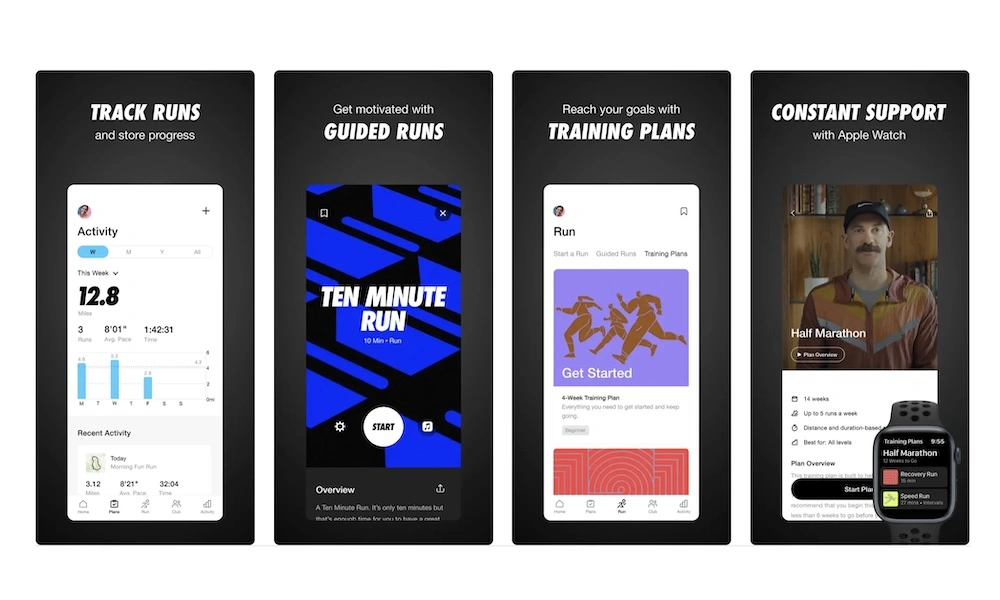
Nike Training Club is an excellent starting point for people who want guided workouts without committing to a paid subscription.
The app offers sessions across strength training, conditioning, mobility, yoga, and other fitness categories. Depending on the workout, you can train using body weight alone or incorporate equipment such as dumbbells.
This flexibility makes it useful for beginners who are still discovering what they enjoy, as well as experienced exercisers who want additional training ideas.
What makes it worth considering:
- Guided workouts across multiple fitness categories
- Options for home training and gym sessions
- Sessions with different durations and difficulty levels
- No paid subscription required for its core workout library
Potential drawback: It is primarily a guided-workout platform rather than a dedicated progressive strength-training log. People who want detailed tracking of every set, repetition, and weight may prefer another app.
Best for: Anyone who wants to start exercising without adding another monthly bill. Staying fit does not need a big budget, as our guide to a luxury lifestyle on a budget shows.
2. FitOn: Best for Home Workouts
FitOn makes home fitness more approachable by offering a variety of guided workout classes.
You can explore strength sessions, cardio, HIIT, Pilates, stretching, and yoga, depending on the available library. The format is especially useful when you prefer following an instructor instead of planning every exercise yourself.
It can also make it easier to fit movement into a busy day. A shorter session may be more realistic than skipping exercise entirely because you cannot make time for a full gym visit.
What makes it worth considering:
- A broad selection of workout styles
- Guided classes for different fitness levels
- Home-friendly options that may require little or no equipment
- A free tier with access to workouts
Potential drawback: Some additional features may require a paid plan, and a large class library does not automatically provide a personalized, progressive training program.
Best for: People who enjoy variety and want to exercise at home.
3. Hevy: Best Workout App for Gym Tracking
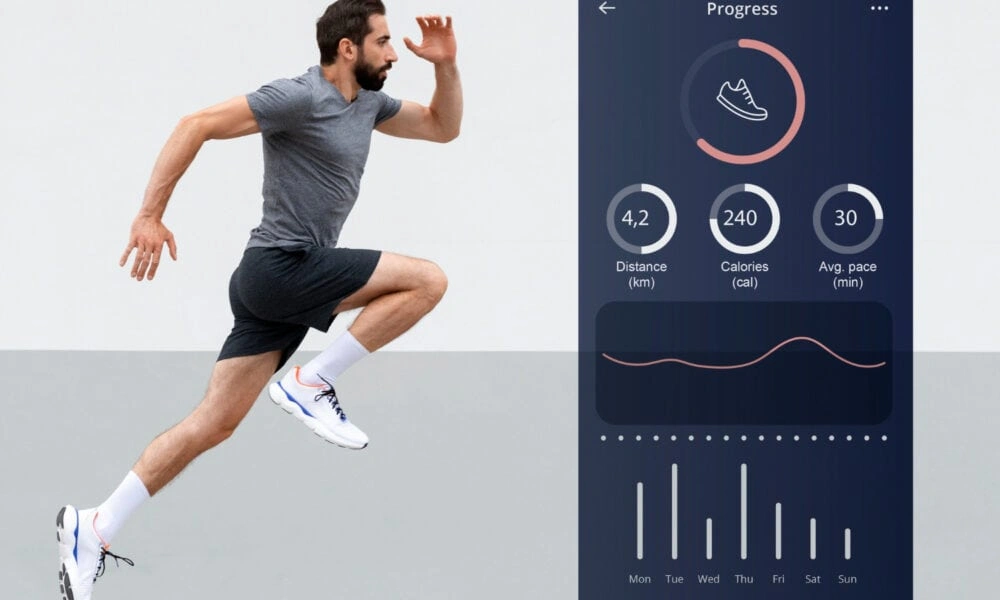
If you already have a gym routine and want a better way to record your progress, Hevy is worth a look.
Instead of relying on memory to remember how much weight you lifted last week, you can record exercises, sets, repetitions, and loads. Over time, those records make it easier to see whether your training is progressing.
For someone working toward stronger lifts or greater muscle development, this information can be more useful than a collection of random workout videos.
What makes it worth considering:
- Workout logging for strength training
- Custom routines and exercise records
- Progress charts and training history
- A free tier, with additional features available through paid options
Potential drawback: A workout tracker does not replace sound programming or good exercise technique. You still need to choose an appropriate routine and train consistently.
Best for: Gym-goers who want to track their lifting without unnecessary complexity.
4. Strong: Best Simple Weightlifting Tracker
Strong is another option for people who prefer a straightforward record of their gym sessions.
You can build routines, log sets and repetitions, record weights, and review previous workouts. That makes it useful for following a consistent strength program instead of changing exercises every time you train.
For example, if you perform a particular squat variation every week, your training history can help you compare the weight and repetitions you completed previously.
What makes it worth considering:
- A clean approach to workout logging
- Custom exercise routines
- Records of weights, repetitions, and sets
- Tools for reviewing strength-training history
Potential drawback: Its main appeal is tracking rather than delivering a comprehensive library of instructor-led classes or personalized coaching.
Best for: People who already know what they want to do at the gym and need an uncomplicated way to record it.
5. Fitbod: Best for Personalized Gym Workouts
Fitbod is designed to help users generate strength-training sessions based on their goals, available equipment, and recorded workouts.
This can be helpful when you want more direction than a basic exercise log provides. Rather than planning every session yourself, you can use the app’s recommendations as a starting point.
It may also be useful for people who train in different environments, such as switching between a fully equipped gym and a smaller home setup.
What makes it worth considering:
- Workout recommendations based on user inputs
- Support for different equipment setups
- Strength-training exercise guidance
- Workout history that informs future sessions
Potential drawback: Personalized recommendations are not the same as direct supervision from a qualified coach. Review the exercises, make sure they suit your abilities, and do not treat automated suggestions as medical or rehabilitation advice.
Best for: People who want help organizing their gym workouts.
6. Caliber: Best for Structured Strength Training
Caliber combines strength-training tools with coaching options, making it relevant for people who want more structure in their fitness routine.
Its app supports exercise tracking, workout planning, and progress monitoring. Depending on the service selected, users may also have access to more personalized coaching.
This distinction matters. Some people simply need a reliable way to record their workouts, while others benefit from feedback, accountability, and guidance when deciding how to train.
What makes it worth considering:
- Strength-training plans and exercise tracking
- Tools for monitoring progress
- Options for different training goals
- Free features alongside paid coaching services
Potential drawback: The coaching experience and cost depend on the plan. Review exactly what is included before paying for a more personalized service.
Best for: People who want a structured approach to building strength.
7. Peloton: Best for Instructor-Led Workouts
Peloton is known for energetic instructors and an extensive collection of guided fitness classes.
Although the brand is closely associated with connected exercise equipment, its app also offers workouts that can be completed without owning a Peloton machine. Depending on the plan, the library can include strength training, running, yoga, stretching, cycling-related content, and meditation.
The instructor-led format can make exercise feel less solitary, particularly if you find it easier to stay motivated when someone guides you through a session.
What makes it worth considering:
- Guided classes across several fitness categories
- Instructor-led sessions with different durations
- Options for home training and some equipment-free workouts
- A broad class library for people who enjoy variety
Potential drawback: Full access requires a paid plan, and the available features depend on the subscription. It may be unnecessary if you prefer a simple workout log or an independent training program.
Best for: People who enjoy energetic coaching and a class-based fitness experience.
8. Apple Fitness+: Best for Apple Users
Apple Fitness+ offers guided workout and wellness sessions that integrate with Apple’s fitness ecosystem.
Its library includes categories such as strength, HIIT, yoga, Pilates, dance, cycling, and meditation. Workout lengths vary, which can be helpful when you need a shorter session during a busy day.
The service is particularly appealing if you already use compatible Apple devices and appreciate having workout guidance and activity information in one ecosystem.
What makes it worth considering:
- Guided workouts across multiple categories
- Sessions with different durations
- Integration with compatible Apple devices
- Options for home exercise without requiring a traditional gym
Potential drawback: It is a subscription service, and its full experience is most relevant to people using compatible Apple devices. Device availability and regional support should be checked before subscribing.
Best for: Apple users who want polished, guided workouts at home. For more gadgets that support your routine, see these luxury tech accessories.
9. Strava: Best for Running and Cycling
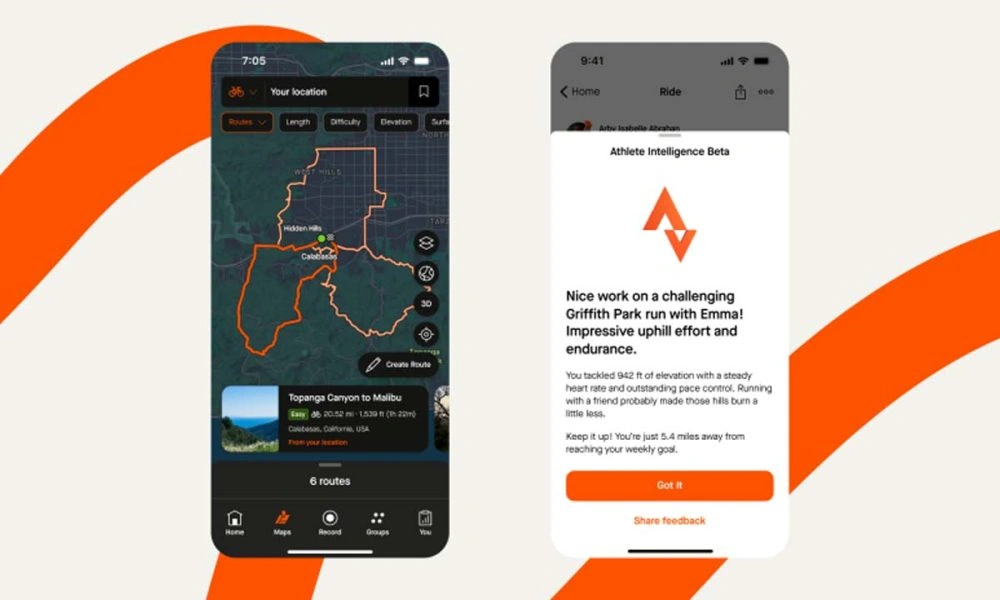
Strava is particularly useful if your idea of fitness involves getting outside rather than following indoor workout videos.
The app records activities such as running and cycling, with features for reviewing routes, distances, pace, and training history. Social features also allow users to share activities and connect with other athletes.
For someone preparing for a running event or trying to become more consistent with outdoor exercise, having a record of previous sessions can help make progress easier to understand.
What makes it worth considering:
- Activity tracking for running, cycling, and other supported sports
- Route and performance records
- Training history and progress information
- Social features for motivation and accountability
Potential drawback: Some analysis, route, and planning features require a subscription. The app is also less suited to someone who mainly wants detailed instructions for lifting weights.
Best for: Runners, cyclists, and people who enjoy tracking outdoor activities. Comfortable footwear helps every run and walk, so see our guide to the best walking shoes for women.
10. Down Dog: Best for Yoga and Flexibility
Down Dog is a strong option for people who want a yoga practice that can fit around their schedule.
Rather than relying only on a fixed collection of classes, the app offers customizable sessions with options that can help users adjust the experience to their preferences and abilities.
Yoga can support flexibility, balance, mobility, and relaxation. The appropriate practice depends on your experience, physical limitations, and the type of movement you find comfortable.
What makes it worth considering:
- Customizable yoga sessions
- Options for different practice styles and durations
- Home-friendly workouts requiring little equipment
- A useful complement to strength training or cardio
Potential drawback: Access to features depends on the current plan and subscription terms. Yoga also may not meet every strength or cardiovascular training goal on its own.
Best for: People who want a flexible yoga routine without needing to attend a studio. Yoga pairs well with rest and recovery, so explore these luxury wellness retreats and luxury self-care ideas at home.
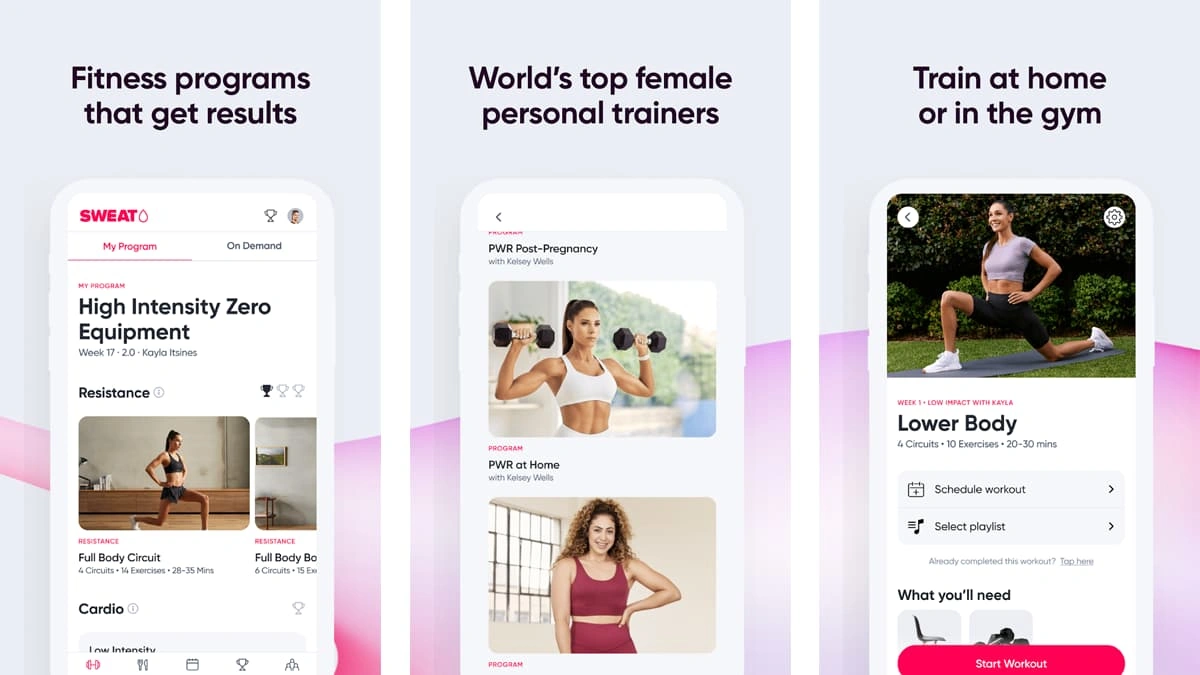
11. Sweat: Best for Structured Fitness Programs
Sweat focuses on structured fitness programs, with options designed around different training styles and goals.
Its programming can appeal to people who prefer following a plan over choosing individual workouts every day. Depending on the program, training may involve gym equipment, dumbbells, or body-weight exercises.
The structured format can be especially helpful when you want a clearer idea of what to do throughout the week.
What makes it worth considering:
- Program-based training
- Options for different fitness preferences
- Guided workouts and exercise demonstrations
- A focus on following a consistent routine
Potential drawback: It is primarily a paid service, and not every program will suit every person’s experience, schedule, or equipment access.
Best for: People who want a guided fitness program rather than a simple workout tracker.
How to Choose the Best Workout App for Your Goals
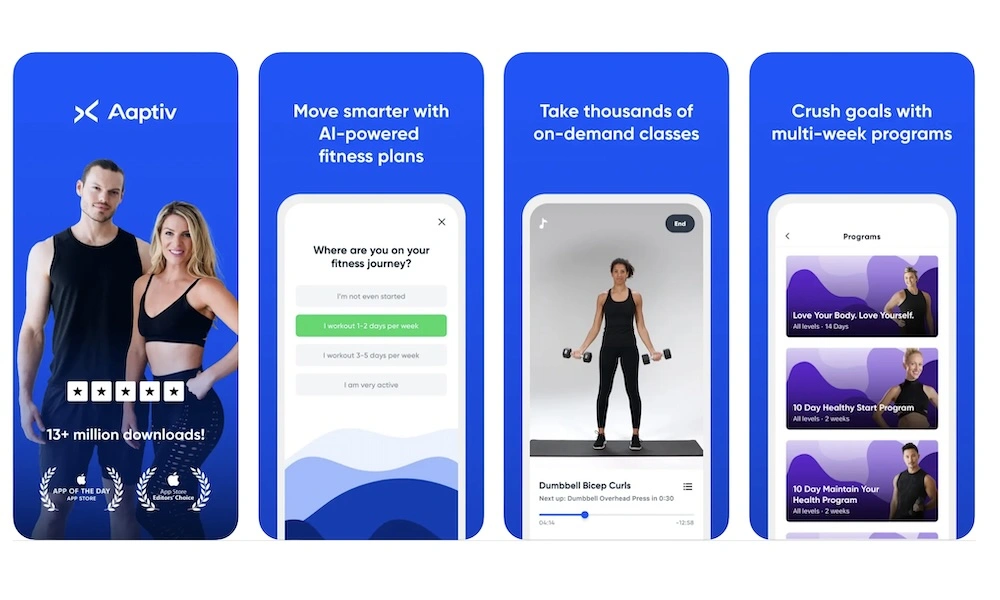
Before downloading several apps and paying for subscriptions, identify what you actually need help with.
If You Want to Build Muscle
Start with a strength-training app such as Hevy, Strong, Fitbod, or Caliber. Look for features that help you follow a consistent routine, record your workouts, and monitor progress.
Building muscle requires more than recording exercises. Your training should provide an appropriate challenge, allow recovery, and progress over time.
If You Want to Exercise at Home
Nike Training Club and FitOn are sensible starting points because they offer guided sessions across different training styles.
Choose an app that matches your available space, equipment, and schedule. A simple routine you can repeat consistently is often more useful than an elaborate program you rarely complete.
If You Are a Complete Beginner
Look for clear exercise demonstrations, beginner-friendly modifications, and manageable sessions.
Nike Training Club or FitOn may help you get started without an immediate subscription. Begin at a comfortable level and increase the difficulty gradually.
If You Love Running
Strava is useful for recording outdoor activities and tracking your progress. If you want a more guided approach to running, look for a program designed around your current ability and target distance.
New runners should build distance gradually rather than increasing mileage too quickly.
If You Want Yoga or Mobility Work
Down Dog is a good option to explore for yoga, while Nike Training Club also offers mobility and flexibility sessions.
Choose sessions that feel appropriate for your experience. Stop movements that cause sharp pain, and seek professional guidance if you have an injury or a persistent mobility concern.
If You Need More Accountability
Instructor-led platforms such as Peloton or structured programs such as Sweat may help you establish a regular schedule.
If you need individual feedback on technique, exercise selection, or training limitations, a qualified personal trainer may provide more useful support than an app alone.
Are Paid Workout Apps Worth It?
Sometimes, but not always.
A paid app may be worthwhile if you use its personalized programs, specialized classes, coaching, or detailed analysis regularly. It is less useful if you pay for features you rarely open.
Before subscribing, consider:
- Whether the free version already meets your needs
- Whether the subscription renews automatically
- Whether the features you want are available in your country
- Whether the app works with your phone or wearable
- Whether you can cancel easily if your routine changes
Try a free option first if you are unsure what kind of training you enjoy. Once you understand your preferences, paying for a specific feature becomes a more informed decision.
Tips for Getting Better Results From a Workout App
Choose one primary app. You do not need separate subscriptions for every kind of exercise. Start with one that covers your main goal.
Follow a plan long enough to evaluate it. Constantly switching programs can make it difficult to establish a routine or understand whether it is working.
Track useful information. Depending on your goals, this may include weights, repetitions, workout duration, running distance, or how consistently you train.
Make room for recovery. More exercise is not automatically better. Rest, sleep, nutrition, and gradual progression all contribute to a sustainable routine. Consistency is also a theme in the luxury lifestyle habits of successful people.
Prioritize good technique. Exercise demonstrations can be helpful, but an app cannot always identify poor form or account for your individual physical limitations.
Build consistency before chasing perfection. A manageable routine performed regularly is a better starting point than an ambitious schedule that leaves you exhausted or discouraged.
Frequently Asked Questions
What is the best workout app overall?
There is no single best app for everyone. Nike Training Club is a strong free option for guided workouts, Hevy is useful for logging strength sessions, and Peloton is worth considering if you prefer instructor-led classes.
What is the best free workout app?
Nike Training Club is a strong starting point for free guided workouts. FitOn is another option for people who want a broad selection of home fitness classes. Check current regional availability before downloading.
Which workout app is best for building muscle?
Hevy, Strong, Fitbod, and Caliber are worth considering for strength training. The best choice depends on whether you need workout logging, personalized suggestions, structured programming, or coaching.
Can workout apps replace a personal trainer?
Apps can provide exercise demonstrations, workout plans, and progress tracking. However, they cannot always assess your technique or account for your individual needs as effectively as an in-person qualified trainer.
Are workout apps suitable for beginners?
Yes. Many offer introductory workouts, exercise demonstrations, and shorter sessions. Choose a beginner-friendly program, start at an appropriate intensity, and increase difficulty gradually.
Do I need equipment to use a workout app?
No. Some apps offer body-weight workouts that require little more than enough room to move. Other programs use dumbbells, resistance bands, gym machines, or cardio equipment.
Final Thoughts
The best workout app is not necessarily the one with the most features, the biggest library, or the most expensive subscription. It is the one that makes it easier to show up, follow a sensible plan, and keep moving toward your goals.
If you want a free place to start, explore Nike Training Club. If you train with weights, compare Hevy and Strong. If you prefer guided classes, consider FitOn or Peloton. For outdoor running and cycling, Strava is a useful option, while Down Dog is worth exploring for yoga.
Start with your goal, choose one app that supports it, and give yourself time to build a routine. Your phone can help you organize your training, but your consistency is what turns that plan into progress. Fuel your training with the right snacks, starting with our guide to the best protein bars.
Disclaimer: This article is intended for informational purposes only. Consult a qualified healthcare professional before beginning a new exercise program if you have a medical condition, an injury, or concerns about your ability to exercise safely.