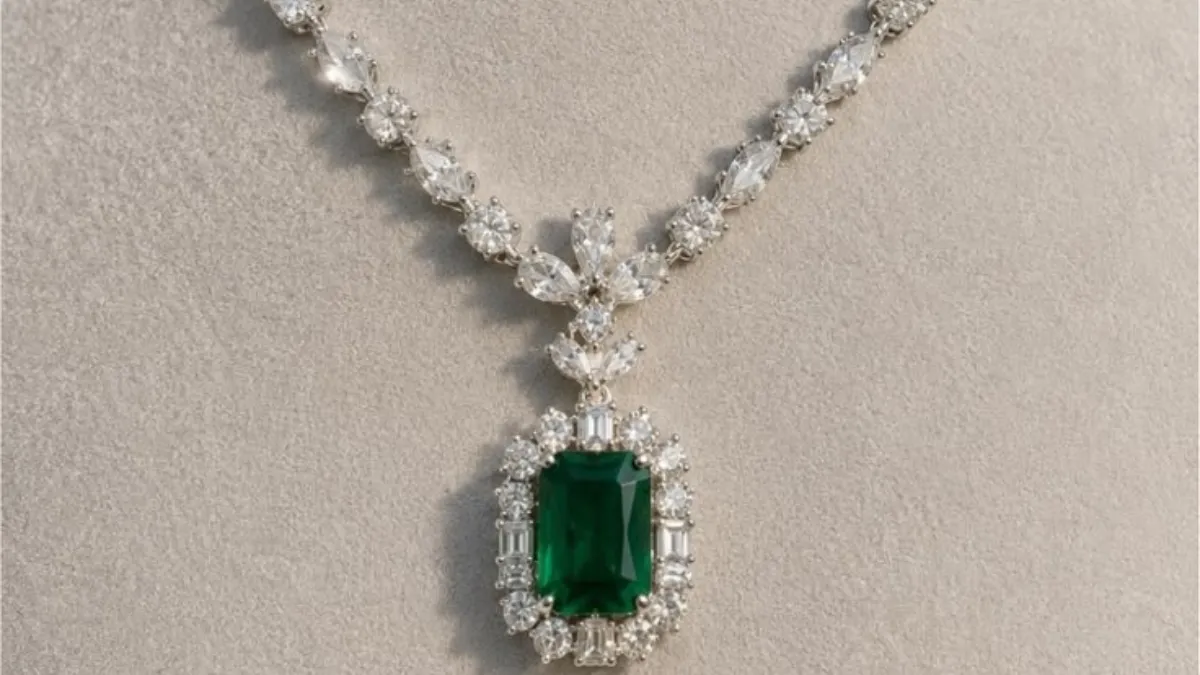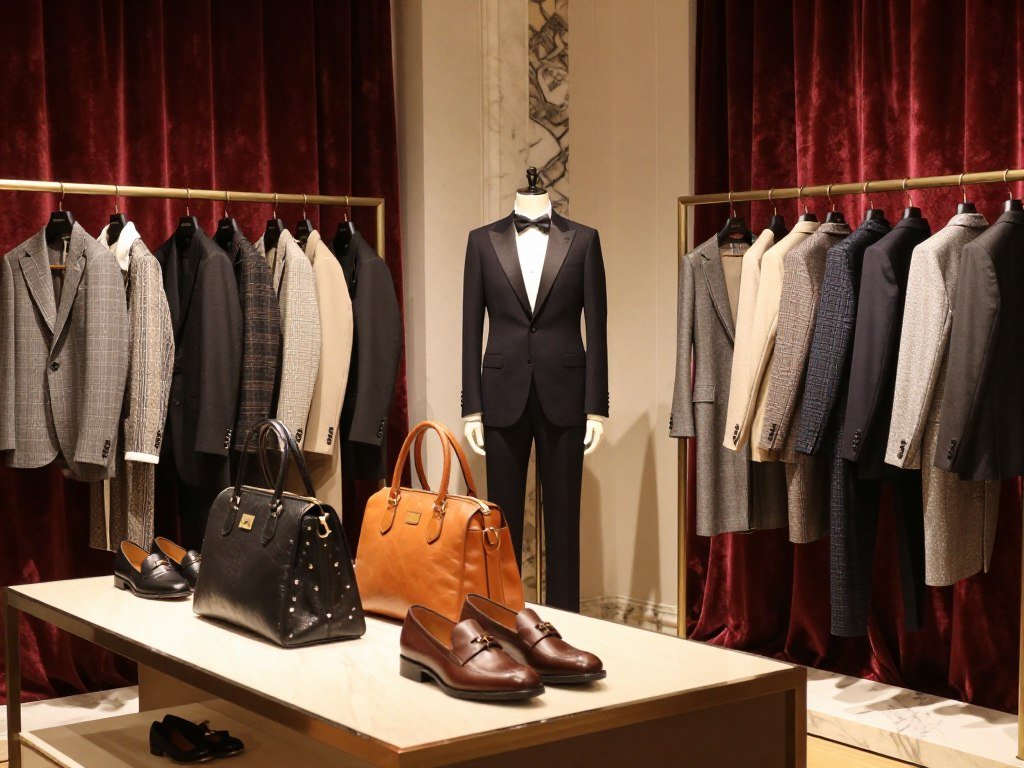
Italian luxury has room for both statement-making design and quietly considered essentials. The best Italian luxury fashion houses reflect that range, from bold runway looks to pieces made for daily use. Their style draws on heritage, design, and a strong focus on quality.
This selection covers tailoring, leather goods, jewelry, gowns, and understated cashmere. It is an editorial mix, not a ranking by sales or fame. “Best” depends on what you want to wear or carry, how often you expect to use it, and which details feel right for you. A familiar name may catch your eye, but fit, materials, and care needs matter too.
Use these profiles to connect a house’s signature with your own taste. A structured bag, a relaxed jacket, and a fine knit serve different needs, even when they share a luxury label. Start by deciding which category you want to wear most often, then use the house’s signature design as your filter.
Key Takeaways
- The ten featured houses represent different styles and product categories.
- Italian fashion draws on deep skills in leatherwork, textiles, tailoring, and footwear.
- Visible logos are only one way a house can express its identity.
- Choose by intended use, fit, material, and care needs, not name alone.
- Tax-free shopping has eligibility rules and does not guarantee a full VAT refund.
What Makes Italian Fashion Houses Distinctive?
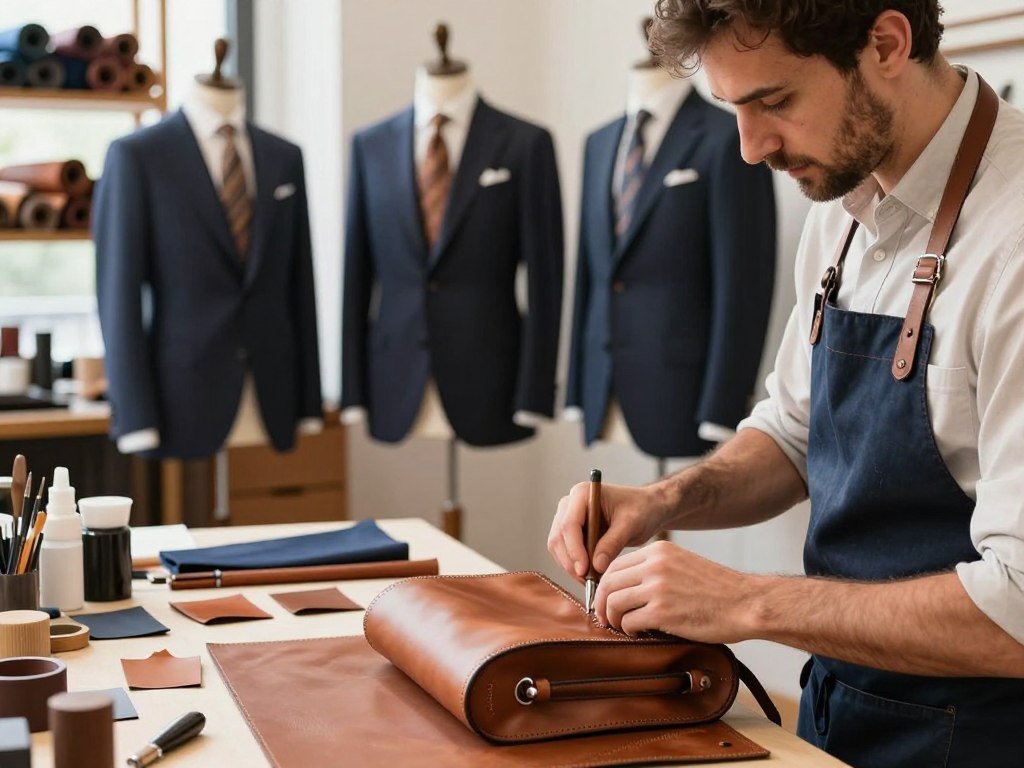
Italy’s fashion identity grew from city-based craft traditions and a long relationship with textiles and leather. Local skill shaped how Italian fashion houses approach materials, clothing, and design. Milan is widely recognized as Italy’s fashion capital, while other cities have their own craft histories.
Italian fashion is known for joining skilled making with a clear design point of view. The Renaissance roots include silk making, embroidery, tailoring, and textile work. Florence fashion shows in the 1950s brought international attention to Italian design, while Florence and Tuscany became known for leatherwork.
How craft, materials and style became signatures
Craft knowledge still helps explain why a small detail can carry a house’s identity. Intrecciato is Bottega Veneta’s handwoven leather technique, in which leather strips are woven together to create a distinctive surface. Florence’s leather tradition and Bottega Veneta’s technique show how making methods can become design signatures.
Four areas offer a useful way to understand these traditions:
- Leatherwork: Florence and Tuscany have long links to leather goods.
- Tailoring: skilled cutting and construction shape a garment’s fit.
- Textile craft: silk, embroidery, and woven fabrics bring texture and pattern.
- Footwear innovation: Salvatore Ferragamo became known for wedge, cage, and invisible sandal designs.
Ferragamo began in 1920s Florence and is also known for its Vara bow and Gancini buckle. Bottega Veneta began in Vicenza in 1966 and developed Intrecciato. Versace was founded in 1978 by Gianni Versace; Jennifer Lopez wore a green jungle-print dress from the house at the 2000 Grammys.
Twenty Italian names to know
A useful roster includes Gucci, Prada, Fendi, Bulgari, Valentino, Max Mara, Loro Piana, Brunello Cucinelli, Dolce & Gabbana, Giorgio Armani, Bottega Veneta, Versace, Salvatore Ferragamo, Moschino, Miu Miu, Brioni, Canali, Etro, Tod’s, and Missoni. This wider group answers searches for famous Italian designer brands and top 20 Italian fashion brands without claiming a fixed ranking. The ten houses in this article are a smaller editorial selection.
There is no single clothing item universally frowned upon in Italy. Religious sites may set modest-dress requirements, so check the rules at a church or other sacred place before you go.
A house’s place of origin adds context, but the materials and construction still deserve a close look.
For a broader look at clothing labels from Italy and elsewhere, compare global clothing brands by style and price range. If you are exploring Milan’s past as well as its shops, Milan vintage stores connect fashion history with pieces you can see and handle.
What Defines Gucci’s Italian Style?
Gucci’s Florence origins and equestrian references give its expressive style a recognizable point of departure. Founded in Florence in 1921, Gucci draws on travel and riding gear while embracing more theatrical design. That contrast lets the house feel both rooted and bold.
Gucci’s identity comes through in several distinct signatures, not just a logo. Five recognizable examples include:
- The horsebit, an equestrian-inspired hardware detail.
- The web stripe, a band of color used across pieces.
- The GG monogram, a repeating house motif.
- The Jackie, a recognizable Gucci bag design.
- The Bamboo, another distinct bag design.
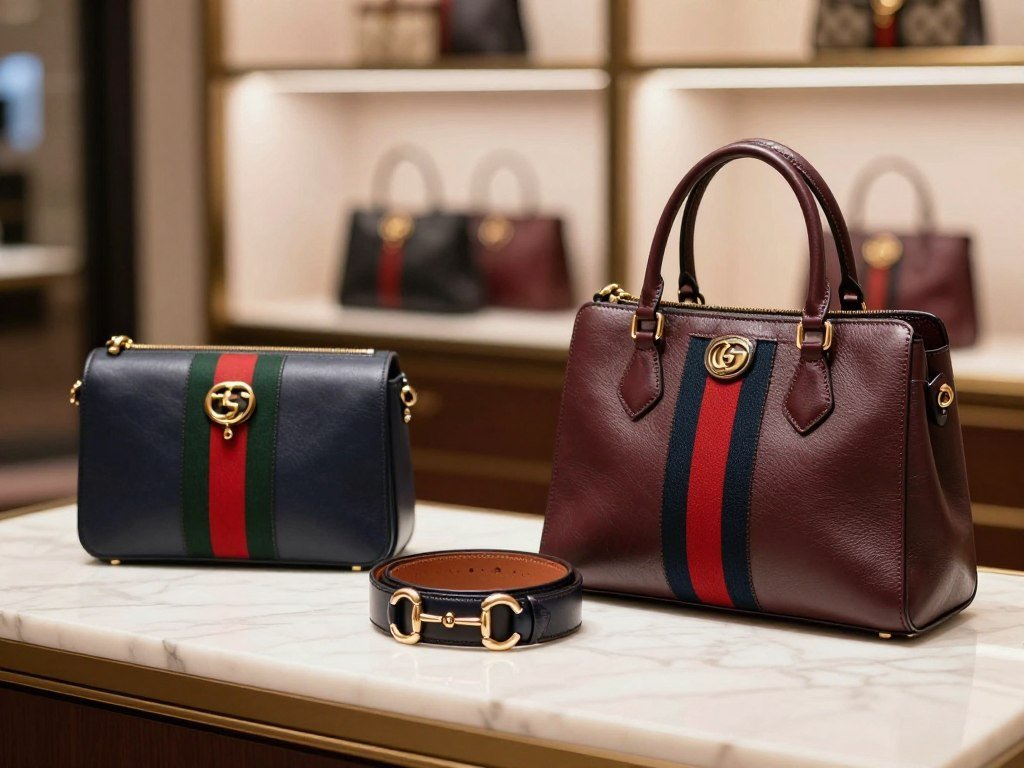
The horsebit links the house to its equestrian references, while bold colors and prints can push an outfit toward statement dressing. A Jackie or Bamboo bag may carry a strong identity through shape and hardware, even when the rest of an outfit stays simple. That mix can suit you if you want heritage cues without dressing head to toe in one look.
One practical mistake is assuming every Gucci piece depends on a prominent logo. Some designs use a small detail, a familiar shape, or a subtle color cue instead. Consider how much of the design you want others to notice, and whether it works with the clothes you already own.
A bag’s size also changes how visible its signature feels. A small piece of hardware can stand out on a compact bag, while the same detail may feel quieter on a larger item. Try to picture the piece with the outfits you wear most often, rather than judging it alone on a display.
Look closely at the finish and how the hardware meets the leather goods. If you prefer an understated look, a recognizable design can still work when its logo stays small. Compare the scale and visibility of a design detail with what you actually like to wear.
How Does Prada Balance Restraint and Innovation?
Prada’s Milan identity pairs spare-looking design with materials and shapes chosen for practical use. Founded in Milan in 1913, the house has a long history, but its style can feel distinctly modern. Less decoration does not mean less thought.
Saffiano leather has a crosshatch texture and a structured finish. Prada uses the material in pieces made to hold their shape, including bags. The Prada Galleria is a structured handbag, with a neat outline that gives it a more formal feel than a soft, slouching tote.
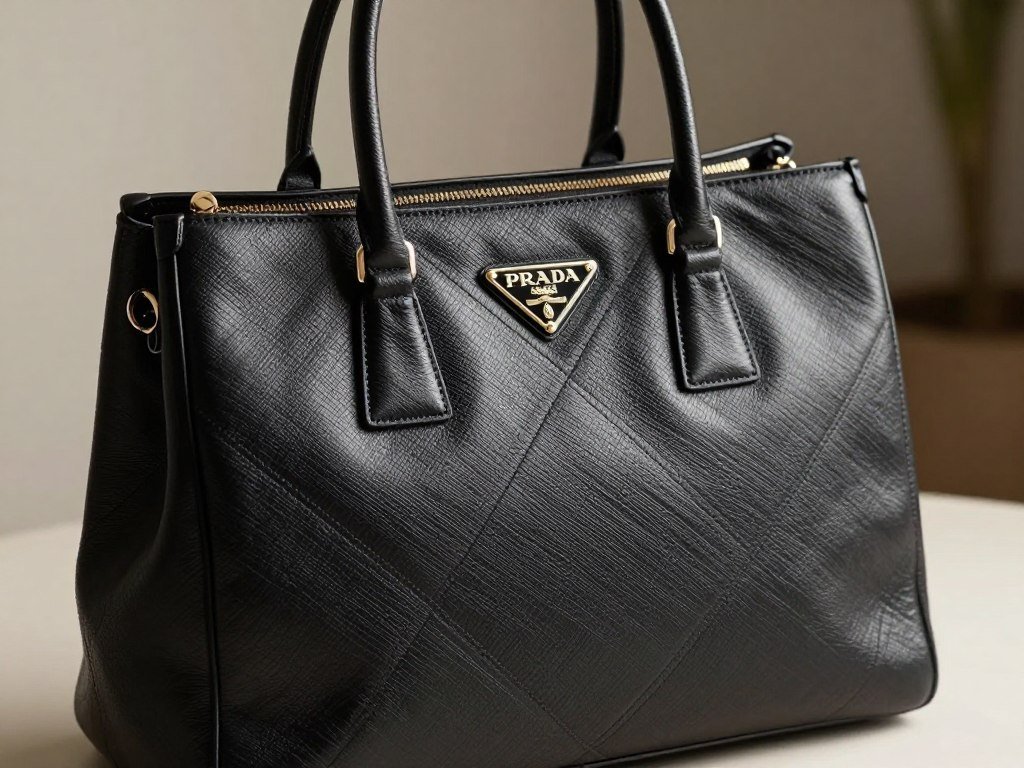
Miuccia Prada’s leadership helped shape the house’s intellectual minimalism in the 1990s and early 2000s. That approach can make a garment or bag feel thoughtful without relying on large logos or elaborate trim. A restrained collection may also bring unusual proportions, fabric choices, or small construction details into focus.
A common mistake is treating minimal detailing as a lack of design intent. A clean surface can put more attention on a seam, a handle, or the way a piece sits on the body. Look at the edge finish and shape, not only at the amount of decoration.
Practical design still has to suit your routine. A structured bag may keep its form on a commute, but its shape can also limit how much it holds. Consider what you carry on an ordinary day before choosing a size or style.
Prada’s mix of leather, careful structure, and measured design can suit someone who values subtle details. The name may be familiar, but the texture and construction help explain the piece itself. Look at a bag’s texture and construction as closely as its logo.
What Should You Know About Fendi’s Leather Goods?
Fendi’s Roman leather-and-fur beginnings still help explain its interest in texture and structured accessories. Adele and Edoardo Fendi founded the house in Rome in 1925. Its visual identity has shifted over time, but bags remain a strong part of its appeal.
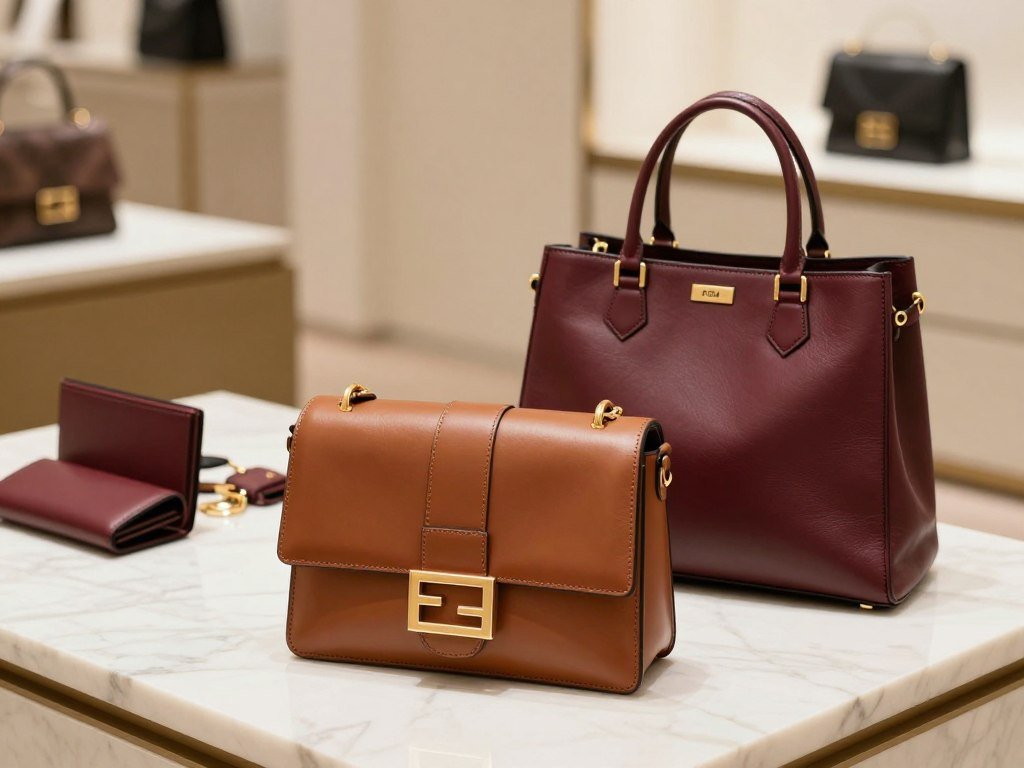
Fendi’s signature bags differ in shape and the way you carry them. The Zucca monogram, introduced by Karl Lagerfeld in the 1960s, made branding part of the house’s visual identity. The Baguette arrived in the late 1990s and became a compact style carried under the arm.
| Bag | Silhouette or carrying style | Distinguishing construction detail |
|---|---|---|
| Baguette | Compact, carried under the arm | Short shape designed for close carrying |
| Peekaboo | Structured bag | Concealed compartments |
| Fendi Way | Soft hobo shape | Open, wide top |
The three shapes offer different ways to use a bag. The Baguette sits close to the body, while the Peekaboo’s structure and concealed compartments create a more organized feel. The Fendi Way has a softer line, with a wide opening that gives it a more relaxed look.
A common mistake is judging all Fendi leather goods by how much monogram they show. The Zucca pattern is one recognizable part of the brand, but the bags have different forms and finishes. The house has also worked with specialist textile makers; the Fondazione Lisio account of Fendi fabrics describes hand-woven materials created for Baguette models.
Think about access as well as appearance. A wide top may make it easier to reach inside, while a structured bag can keep smaller items in place. The right carrying style depends on what you bring and how you move through the day. Choose a silhouette for how you carry a bag before choosing the print.
Why Does Bulgari Belong on a Fashion-House List?
Bulgari is the Roman luxury house founded in 1884 by Sotirios Voulgaris. The house reaches beyond jewelry into watches, accessories, fragrances, cosmetics, and hotels. Its wider range makes it a fashion-house name as well as a jewelry name.
Bulgari reported revenue of €2.3 billion in 2025. That company figure does not tell you which design suits your taste or how a piece will fit your daily life. LVMH acquired Bulgari in 2011, adding the Roman house to its group of luxury brands.
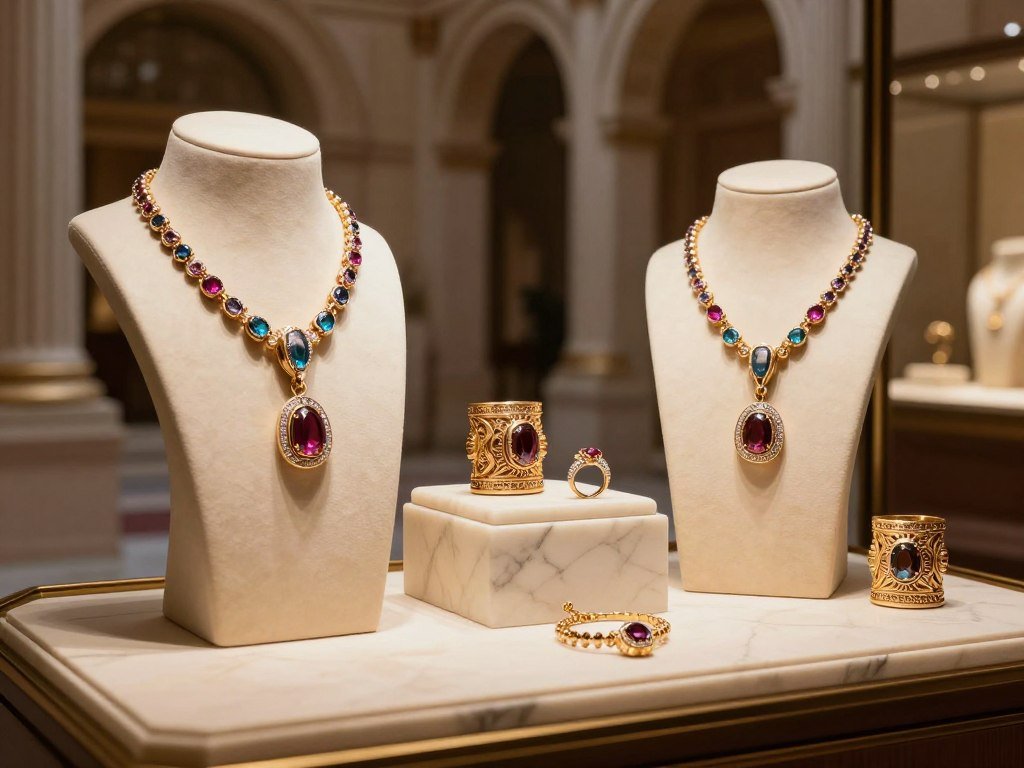
Jewelry gives Bulgari a strong public identity, but its assortment also includes timepieces and personal accessories. Fragrance and cosmetics offer other ways to engage with the name. Hotels extend the label into travel and hospitality, a different kind of luxury from a ring or a watch.
The range matters if you want to compare categories, not just brand names. A piece of jewelry may be chosen for an occasion, while an accessory or fragrance can have a different role in your routine. Each category also asks you to weigh different details, such as wear, care, and personal taste.
The answer to which Italian luxury brand was founded in 1884 is Bulgari. Its Roman roots remain part of its identity, while its product range makes it broader than a single jewelry line. For a reader deciding what to explore, the category matters more than a company revenue figure.
Think about whether you want a jewel, a timepiece, or something from a wider luxury assortment. Comparing pieces within one category can make the design differences easier to see. Decide whether you are interested in jewelry, timepieces or a wider luxury assortment before comparing its collections.
What Sets Valentino Apart in Italian Fashion?
Valentino began in Rome in 1960, founded by Valentino Garavani and Giancarlo Giammetti. The house is associated with polished clothing and gowns that bring a formal touch to Italian fashion. Romantic styling is part of its appeal.
Valentino is a strong choice if you are drawn to elegant pieces with a dressed-up feel. Gowns can create a dramatic runway image, while tailored clothes offer a more restrained way to wear the house. Both can carry the same sense of finish without serving the same occasion.
Runway styling often shows clothes in a heightened setting. A gown may look different when paired with everyday shoes, a coat, or less formal accessories. A tailored piece can also move between settings when its cut and color suit your wardrobe.
Do not use a formal runway image as the only test of whether a piece fits everyday wear. Ask where you would wear it, what you would pair it with, and whether you can picture using it more than once. A strong design can be beautiful and still be wrong for your calendar.
That question is useful for gowns and separates alike. The occasion should guide the level of formality, while fit helps you decide whether the garment feels comfortable and polished. Judge a gown or tailored piece by how it fits the occasions you actually attend.
What Does Max Mara Bring to Italian Tailoring?
Max Mara’s appeal rests on polished clothing that can work beyond a single formal occasion. The Max Mara Fashion Group describes itself as family-owned since 1951. Practical polish helps explain the house’s reputation for women’s clothing, coats, and tailoring.
A good coat needs to fit your shoulders and layer over your usual clothes. A label alone cannot tell you whether the shoulder seam sits well or the sleeves reach the right point. Try the coat with the kind of sweater or jacket you expect to wear underneath.
Coats often become the most visible part of an outfit in cold weather. A clean cut can make them feel polished without making them too formal for daily wear. Tailored clothing offers the same balance through shape, fabric, and ease of movement.
One mistake is choosing a coat by its label alone instead of checking shoulder fit, sleeve length, and layering room. A coat that fits over a thin top may feel tight over a sweater. Check whether the sleeves cover the right amount of your wrist when your arms rest naturally.
Consider how often you will wear the coat and what it must work with. A piece that fits your real routine may serve you better than one that looks perfect only in a store mirror. Check the coat over a typical outfit, not just over a thin try-on layer.
Why Do Loro Piana and Quiet Luxury Go Together?
Quiet luxury puts the emphasis on material, cut, and finish rather than an obvious logo. Loro Piana is an Italian house often linked with this restrained approach. Subtle design can let the quality of a garment’s fabric and construction take the lead.
A discreet appearance alone does not prove a garment’s quality. Loro Piana and Brunello Cucinelli are both named among Italian houses associated with quiet luxury. Their understated look can appeal to people who prefer clothing that does not announce its label across the room.
Quiet luxury describes a look, not a guarantee of value or long wear. A plain sweater can still have weak seams, an awkward fit, or a fabric that needs more care than you want to give. Check the feel of the cloth and the way it hangs, rather than relying on a subtle label.
In an article about quiet luxury, the Berkeley Technology Law Journal discusses how hard it can be to protect subtle product features as trademarks. Its account of Loro Piana’s white Open Walk shoe sole and a 2023 Turin court ruling shows how design details can matter beyond a logo.
For more examples of restrained labels, see this guide to quiet luxury brands. A low-key appearance may suit your taste, but it should not replace a close look at the item itself. Inspect the fabric and construction instead of using low logo visibility as a shortcut for quality.
What Makes Brunello Cucinelli a Cashmere Name?
Brunello Cucinelli is a natural name to consider when cashmere knitwear is the priority. The house is known for understated clothing and refined materials. Soft knitwear gives its luxury style a relaxed feel without relying on bold branding.
Check the care label before choosing delicate knitwear for frequent wear. Cashmere can suit a wardrobe built around warmth and comfort, but its care needs must fit your routine. A garment that needs special handling may not work well if you want to wear it several times each week.
Material and craftsmanship shape the house’s appeal. A fine knit can look simple at first, yet the yarn, gauge, and finish affect how it feels and hangs. Small details such as the neckline and cuff can change whether a sweater works alone or under a jacket.
Understated styling also makes these clothes easier to pair with other pieces. A neutral knit may sit well with denim, tailored pants, or a coat, but its care label still matters. Read the care instructions before buying, especially if hand washing or special storage would be hard to maintain.
The care routine is part of the choice, not an afterthought. Think about how you wash and store your clothes now, then decide whether a delicate knit can fit that pattern. A related overview of luxury athleisure brands also considers understated pieces designed for practical use. Choose a care routine you can maintain before committing to a delicate knit.
How Does Dolce & Gabbana Use Sicilian Influence?
Dolce & Gabbana brings a more theatrical, Sicilian-inflected mood to Italian luxury. Domenico Dolce and Stefano Gabbana founded the house in 1985. Bold styling draws on Sicilian references through color, print, corsetry, and tailored suits.
The house’s signature can feel highly decorative, which may limit its use in a minimalist wardrobe. Its clothing can lean into glamour, with strong patterns and a clear sense of occasion. Tailored suits add another side, balancing the visual impact with a more defined shape.
The Sicily bag has a structured silhouette and a top handle. The Devotion bag is recognized by a heart-shaped, gold-tooled DG emblem. Their details make the two bags distinct, even before you consider the clothes or prints that might accompany them.
A decorative signature can be memorable, but it may not blend into every outfit. If you dress mostly in plain colors, a bold print or ornate emblem can become the main focus. That can be exactly what you want for a special piece, or more attention than you want each day.
Think about how often the design will work with your clothes and the occasions on your calendar. A vivid piece may earn its place if you enjoy building outfits around it. Match the level of print and ornament to how often you expect to use the piece.
What Is Giorgio Armani Known For?
Giorgio Armani’s Milan identity is closely associated with a softer, less rigid approach to tailoring. The house was founded in 1975 and became known for polished clothing with a relaxed line. Soft construction gives a jacket ease without removing its sense of form.
An unstructured jacket still needs a well-fitting shoulder and sleeve. Less padding can make a jacket feel lighter and more relaxed than a stiff suit coat. The cut still matters, since a poor shoulder line can make the whole piece look off.
Relaxed tailoring can work for formal clothing as well as less formal settings. A jacket may pair with matching trousers for a polished outfit, or with simpler pieces for a softer look. Fabric and color affect how formal the same shape appears.
Try moving your arms and sitting down when you assess a jacket. A comfortable fit should not pull across the back or bunch at the sleeves. The ease of an unstructured design does not mean you should accept a shoulder that hangs too low.
Look at the shoulder line first, then check sleeve length while your arms rest naturally. Those points help you judge the jacket’s fit before you focus on its softer construction. Check the jacket’s shoulder line and sleeve length before judging its ease of movement.
How to Choose the Best Italian Luxury Fashion Houses
The best Italian luxury brand for you is the one whose signature fits your wardrobe and intended use. The ten featured houses include Gucci, Prada, Fendi, Bulgari, Valentino, Max Mara, Loro Piana, Brunello Cucinelli, Dolce & Gabbana, and Giorgio Armani. Your daily needs matter more than a universal ranking.
Choosing by logo alone is a common mistake. Bottega Veneta offers a quieter visual approach, while other brands use more visible motifs or hardware. A house’s signature can help you narrow your options, but material, fit, and care decide whether a piece works in real life.
Match a house to the way you dress
Start with the category you need, then think about where you expect to use the item. A bag for commuting has different demands from a gown for formal events. Jewelry and watches also require a different kind of comparison from knitwear or outerwear.
- Choose the category you want most: clothing, bags, formalwear, jewelry, or watches.
- Decide how often and where you expect to wear or carry it.
- Set your preference for visible logos, hardware, and pattern.
- Check the care needs and whether they suit your routine.
Compare a design signature with your priorities
The table connects common priorities to categories and one useful check. It can help you decide what to try first, rather than steering you toward one name by default.
| Priority | Categories to explore | Practical check |
|---|---|---|
| Everyday clothing | Tailored separates, coats | Check movement and layering fit |
| Bags and leather goods | Handbags, small leather goods | Test access and carrying comfort |
| Formalwear | Gowns, suits, tailored pieces | Match the cut to real occasions |
| Jewelry and watches | Fine jewelry, timepieces | Check size and daily wear needs |
| Understated knitwear | Cashmere, fine knits | Read the care label first |
For a wider look at handbags, scarves, jewelry, and watches, browse this guide to luxury accessories brands. You can also compare quality and price with advice on designer brands under $500. Those comparisons can help set expectations before you decide what a luxury item is worth to you.
Try to compare similar items, such as two everyday bags or two tailored jackets. That keeps the decision focused on shape, materials, and use instead of the size of a label. Narrow the field to one category and one design feature you genuinely want to live with.
Which Italian Watch Houses Are Worth Knowing?
Bulgari and Panerai offer two different routes into Italian watch design. Bulgari’s Octo Finissimo is a slim technical watch, while Panerai draws on a naval-watch heritage. Design and wear can help you decide which direction suits you.
The Octo Finissimo Ref. 102713 is 5.15mm thick and has a 60-hour power reserve. It has a 40mm titanium case and bracelet, an automatic movement, and a thin profile. Those details make it a clear example of a watch built around slim proportions and technical construction.
Bulgari’s Octo Finissimo
The Octo Finissimo’s titanium case and bracelet keep the watch’s design tied to its material. Its automatic movement runs without a battery, while the 60-hour power reserve describes how long it can run when not worn. The 40mm case gives you a concrete size to compare with your wrist.
A slim watch can sit more easily under a shirt cuff than a thicker case. Case diameter still affects how the watch looks and feels, so compare both dimensions in person when you can. Titanium also has a different feel from other common case materials.
Panerai’s naval-watch heritage
Panerai began as a watch shop and watchmaking school in Florence. It supplied watches to the Royal Italian Navy during and after World War II. The Luminor and Radiomir are among its popular collections, each linked to the house’s tool-watch identity.
Panerai’s history gives its watches a different character from Bulgari’s slim Octo Finissimo. Its naval connection and collection names may appeal if you like a more substantial, instrument-like look. Consider how that shape will feel with your usual clothes, especially under a fitted cuff.
Use three checks when comparing a watch:
- Case material and dimensions, including how the case sits on your wrist.
- Movement and power reserve, especially if you do not wear it daily.
- Design fit with your usual clothes and daily activities.
For broader context on accessories, a watch belongs in the same practical comparison as bags and jewelry: consider comfort, use, and the details you notice most. Case size is a useful starting point, but the bracelet and thickness change how a watch wears. Compare actual case dimensions with your wrist and usual sleeve before settling on a watch style.
What Trends Are Reshaping Italy’s Luxury Fashion Market?
Italy’s luxury-fashion outlook combines moderate projected growth with a rising role for digital sales. The market report projects compound annual growth of 3.5%-5.2% for 2026. Online buying is also expected to account for a larger share of luxury sales.
Digital sales are projected to represent 25%-30% of total revenue in Italy’s luxury fashion market by the end of 2026. Gen Z and Millennials are expected to make up over 60% of the luxury market by 2026. These are market projections, not guarantees about any single brand or buyer.
Growth, digital sales and younger buyers
Digital shopping is changing how customers find and compare fashion brands. A shopper can view a collection online before visiting a store, while social media and online shops make runway looks easier to see. The projected growth also points to continued demand across the market.
Gucci is identified as the largest Italian luxury brand by revenue. Revenue measures a company’s sales, while exports track goods shipped across borders. Neither number tells you which design, fit, or material will match your needs.
How export figures differ from brand revenue
The listed export values below cover 2025-2026. They are not the same measure as total brand revenue.
| Company | Export value | Period |
|---|---|---|
| Dolce & Gabbana SRL | $192.2 million | 2025-2026 |
| Giorgio Armani SpA | $149.8 million | 2025-2026 |
| Guccio Gucci SpA | $80.2 million | 2025-2026 |
| Prada SpA | $52.3 million | 2025-2026 |
| Valentino SpA | $40.5 million | 2025-2026 |
Salvatore Ferragamo SpA had an export value of $35.6 million for 2025-2026. These figures describe exports for named companies, not the full value of every product sold under each brand. Company structure and the measure being counted affect how numbers compare.
For a broader comparison, this overview of richest fashion brands separates brand value, revenue, and other measures. That distinction matters when a large market figure seems to suggest a design must be better or more desirable. Treat market indicators as context for the industry, not as a prediction of what any one house will sell next.
How Does Tax-Free Shopping Work in Italy?
Eligible permanent residents of non-EU countries may claim a VAT refund on qualifying Italian purchases, but the process starts at the store. Italy’s standard VAT rate for fashion, textiles, and jewelry is 22%. The refund is not automatic, and the standard rate is not the amount every shopper is guaranteed to receive.
Eligibility, qualifying spending, store paperwork, and customs validation all matter. U.S. visitors who permanently reside outside the European Union may qualify. You must present a passport or scanned copy in the store when you buy, then have customs validate the Tax Free Form before leaving Europe.
Check eligibility before you shop
Qualifying purchases must reach at least EUR 70.01. You can add same-store receipts from the same day, but every receipt in the total must meet the EUR 70.01 minimum. That receipt rule is easy to miss when you are combining several purchases.
Ask the store to prepare the Tax Free Form when you pay. The store needs your passport or a scanned copy at that time, so bring one before you shop. A receipt alone does not complete the refund process.
Keep the paperwork and goods ready for departure
Before leaving Europe, customs must validate the form. The goods must leave in your personal luggage, so keep them available for the departure process. The steps and timing are summarized here:
| Step | Requirement | Timing |
|---|---|---|
| Qualifying spend | EUR 70.01 minimum; same-day, same-store receipts may combine if each reaches EUR 70.01 | At purchase |
| Purchase | Show a passport or scanned copy in store | When paying |
| Departure | Customs validates the Tax Free Form | Before leaving Europe |
| Export | Carry the goods in personal luggage | When leaving Europe |
Are Italian luxury brands cheaper in Italy? Tax-free shopping can reduce the cost for eligible visitors, but the 22% VAT rate is not the refund amount. The final refund depends on the refund process and its terms, so do not treat the full tax rate as guaranteed savings.
Before leaving Europe, confirm that customs has validated the form and that the goods are traveling in your personal luggage.
Keep your purchase paperwork and the items together during your trip. That makes it easier to present the goods when needed for customs validation. Check that each combined receipt meets the minimum, even when the total spend is higher.
Conclusion
A strong choice starts with the kind of piece you will reach for, not the name you recognize first. A house’s signature can point you toward a style you enjoy, whether you prefer a bold detail or a quiet finish. Recognition is useful, but it cannot tell you how a garment fits or how a material feels.
Material, fit, and care matter as much as the designer label. A beautiful item works best when it suits your routine and remains comfortable to wear. Pick one category, note the design detail you like, and compare that detail across the houses that caught your eye.
FAQ
What are the major Italian fashion houses?
Which Italian city is known as the fashion capital of the world?
What clothing is frowned upon in Italy?
Do Italian fashion houses focus only on leather goods?
Is Italian luxury style always logo-heavy?