Rich people went quiet. You can see it on Mount Street any weekday. Bergdorf’s too. The wardrobes worth a small flat in Chelsea have no logos on them. Not one.
Quiet luxury brands built the whole category around this. Their buyer wants the wool to talk. Not a printed name. You feel the cloth, you see the fit, done.
Below are the ten houses doing it best in 2026. What they make. Why it matters. Why the logo years feel a bit embarrassing in hindsight.
What Stealth Wealth Even Means Now
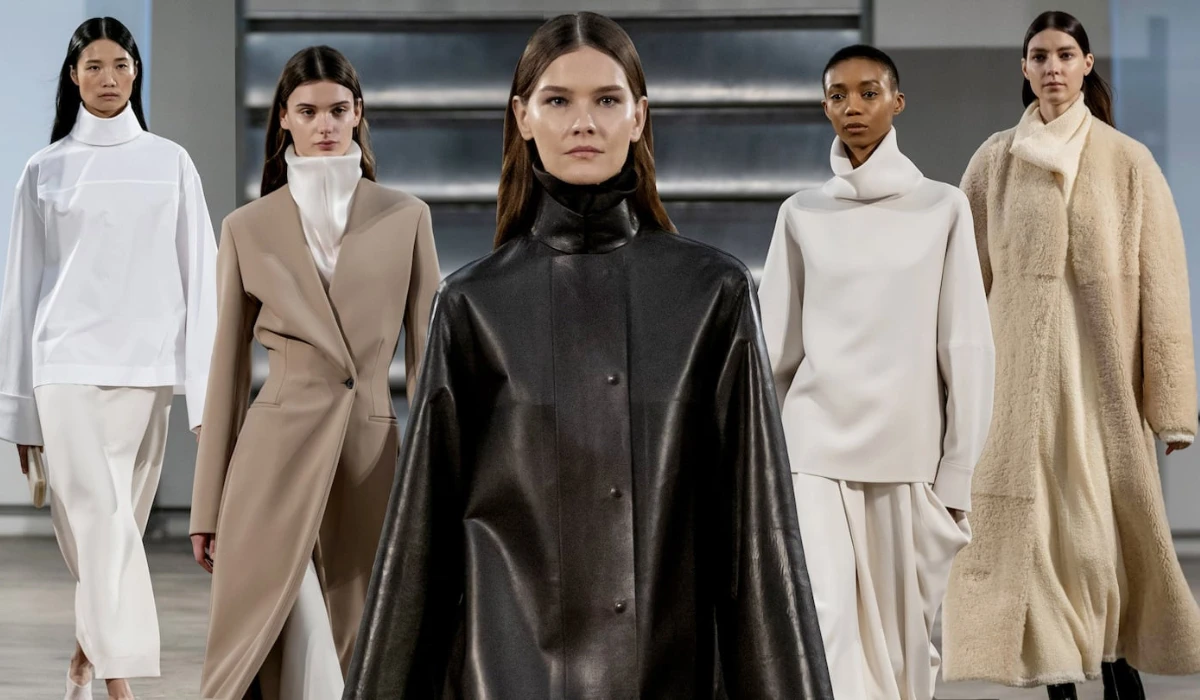
You get dressed expensively. Nobody can tell. That’s the trick.
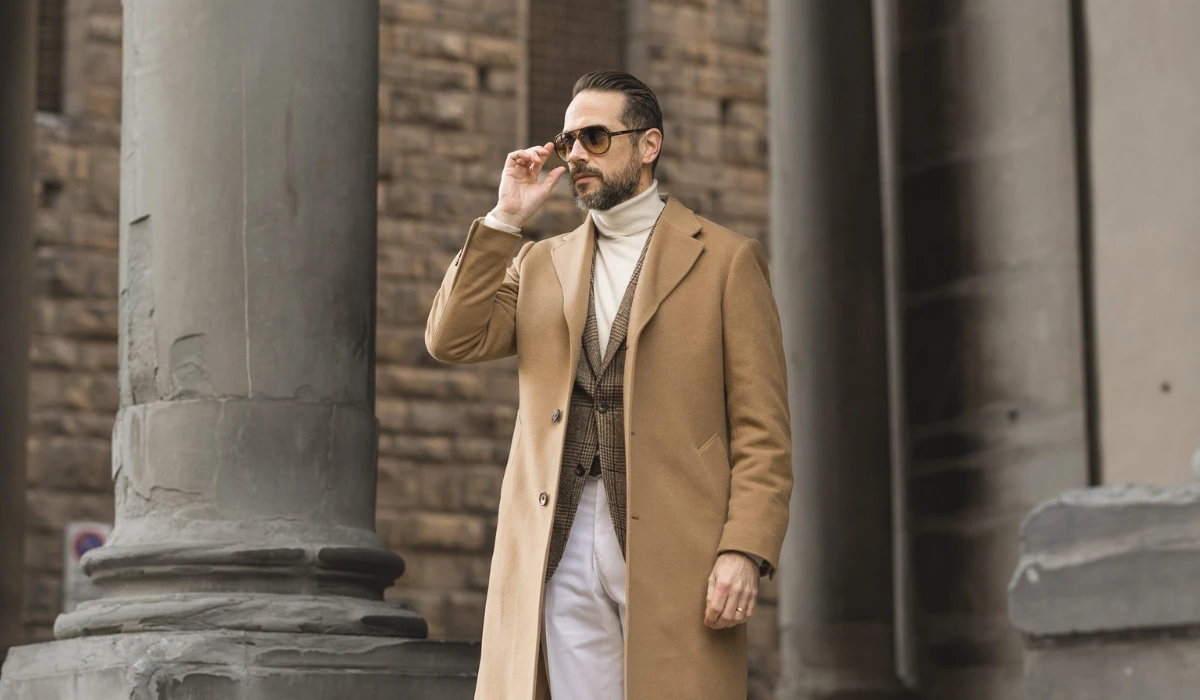
No buckles shouting. No printed names. Just cloth that costs a fortune and tailoring that sits where it should. Another rich person will spot it. Everyone else just thinks you look nice.
In 2026 the quiet luxury brands sit on top because they won’t fight on being seen. They fight on yarn count. On which mountain the goat came off. On how many generations have been sewing in the same village outside Biella. You pay for the work. Full stop.
1. Loro Piana
The benchmark, still. Loro Piana goes straight to the source for vicuña, baby cashmere, lotus fibre. A lot of the time they own the whole chain. Animal to jumper.
- Baby cashmere crewneck, around £2,400
- The Open Walk shoe became a sort of uniform for hedge fund people
- A vicuña jacket can clear £15,000 with zero logo on it anywhere
Old money loves it because the price is invisible. The cashmere does the work. It just sits on the shoulders correctly and that’s the whole point.
2. Brunello Cucinelli
Brunello rebuilt an Umbrian village called Solomeo around his workshop. That fact tells you everything you need to know. He pays his makers above local rates. Bans overtime. Then sells the result to billionaires in Aspen and Geneva and Dubai.
Colours stay soft. Cream. Taupe. Dove grey. A milky sort of brown. Shapes are loose but not sloppy, which is what tech founders and old European families want from a daytime sweater.
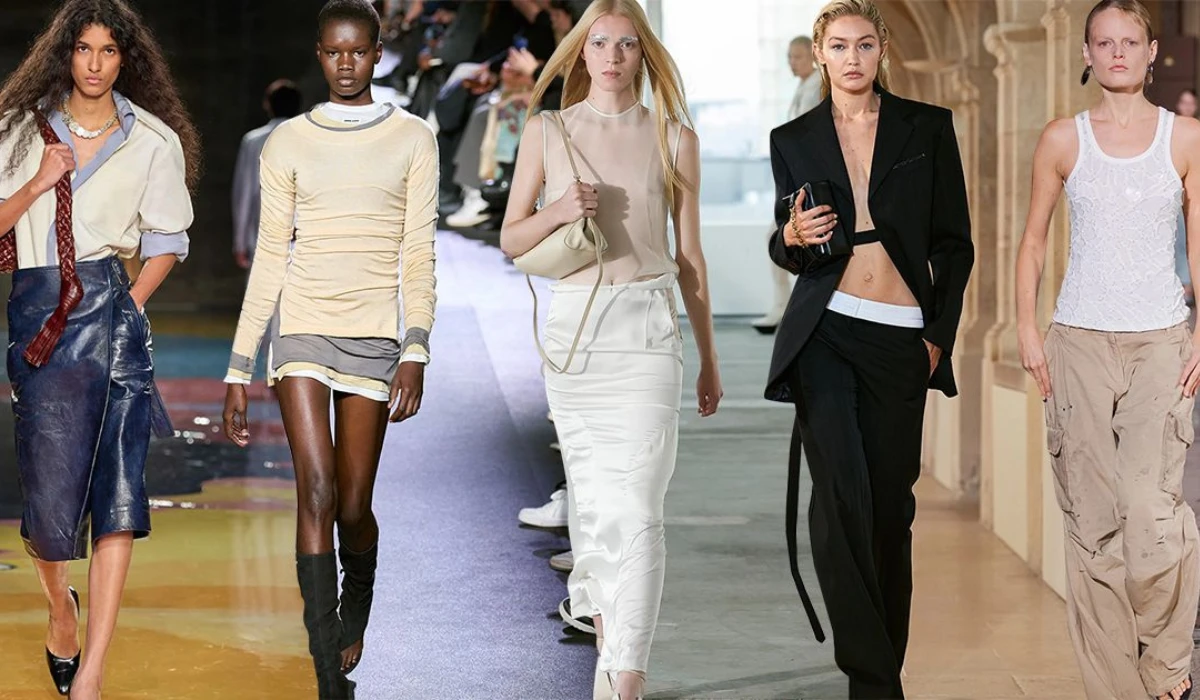
3. The Row
The Olsens started The Row in 2006. They turned restraint into a kind of belief system. Phones got banned from the 2024 show, which only made the brand feel further removed from everyone else.
A plain black wool coat starts near $3,500. The Margaux bag, soft pebbled leather, nothing printed on it, sells out within hours of any drop. Resale runs almost double.
4. Hermès
Can’t skip Hermès on a list like this. Everyone knows the Birkin. But the branding lives inside, near the stitching, where strangers can’t see it. Knowing is the whole game.
Beyond the bags, the cashmere and knits and ready-to-wear all carry the same restraint. The house won’t chase trends. That refusal is exactly why old money buys it generation after generation.
5. Khaite
Catherine Holstein’s New York label has the editor-and-finance-woman market locked. American sportswear bones, European polish on top. The whole thing reads as money without raising its voice.
Clean shapes. Roomy fits. Rich fabrics. A Khaite trench or one of their thick knits tells you everything about taste, and you’ll never need to explain who made it.
6. Bottega Veneta
Bottega built itself on one sentence. When your own initials are enough. The woven intrecciato leather is the tell. People who know spot it just from running a thumb across the surface.
The current team keeps making bags and shoes and clothing that rich buyers pick because there’s nothing written on the outside. Just the work. That’s the message.
7. Max Mara
This house has been wrapping European women in camel coats for over seventy years. The 101801, named after the design code, is one of the most copied silhouettes in fashion. Still the anchor of the brand in 2026.
What keeps it essential here is how comfortable Max Mara is repeating itself. Virgin wool. Cashmere blends. Generous fit. Never dated. A woman in 1985 wearing one looks nearly the same as a woman wearing one this season. That’s the whole appeal.
8. Lemaire
Christophe Lemaire and Sarah-Linh Tran are making some of the most thought-through clothing in fashion right now. Loose tailoring. Dropped shoulders. Quiet neutrals. The customer is an architect or a gallerist or a creative director who buys slowly.
The Croissant bag turned into a quiet hit with no branding on it at all. People come for the proportions, which feel considered rather than commercial.
9. Toteme
Stockholm-based Toteme brought the Scandinavian read on quiet luxury brands to the global crowd. Structured coats. Denim. Silk scarves. Founders Elin Kling and Karl Lindman put fit and cloth first and let trend cycles pass them by.
A Toteme wool coat or one of their monogram scarves reads as careful, never loud. Prices sit below Loro Piana and The Row, which makes it a fair starting point for anyone moving into the category.
10. Zegna
Zegna has been dressing CEOs and diplomats and Hollywood leads for more than a century. The house owns its own wool mills in Trivero. That’s the reason the cloth quality in their menswear is untouchable.
Suits, polos, outerwear, all of it skips loud detail. The cut sits clean. Cloth drapes how it should. The final look ends up expensive without making any kind of scene. For a man stepping into real money for the first time, Zegna is the safest opening move.
Why This Keeps Growing
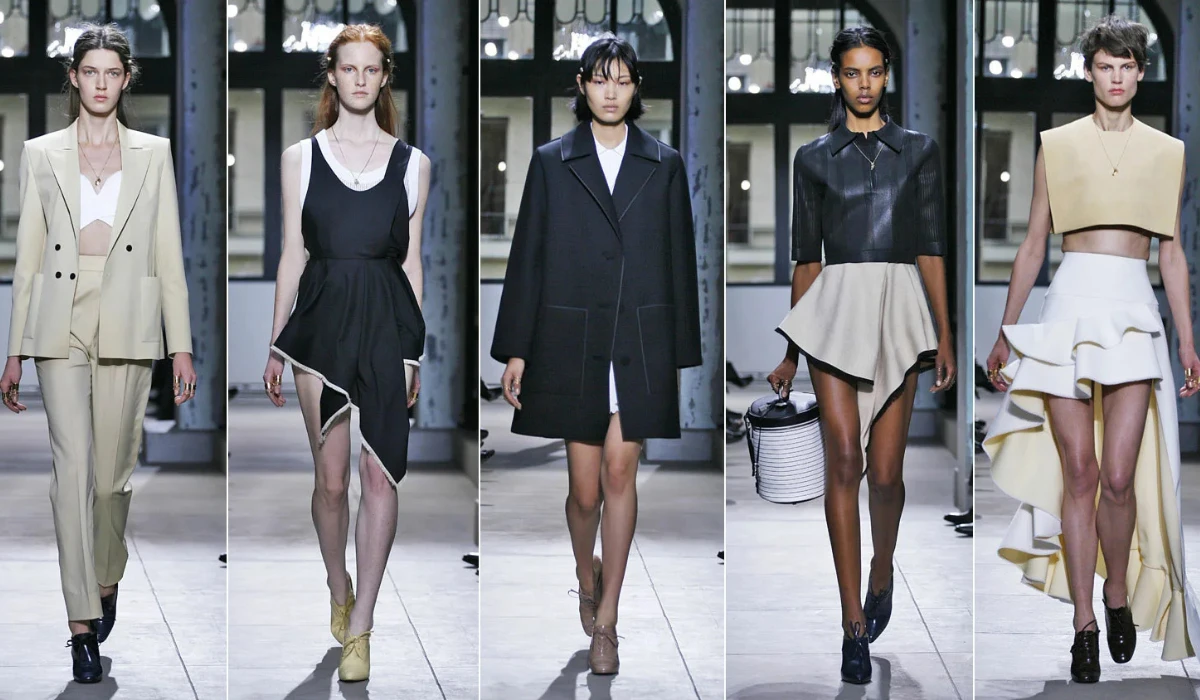
A few things pushed quiet luxury brands into the spot they hold now. Economic anxiety made visible spending feel rude. Social media burnout dragged taste back toward subtlety. A whole generation of new wealth in tech and finance never bought into the logo years of the 2010s anyway.
The numbers back it up. Resale value on quiet luxury holds steady. Logo-heavy stuff drops harder. Quarter after quarter, craftsmanship and provenance and discretion are outselling flash.
Quiet luxury brands in 2026 define stealth wealth through fine fabrics, careful construction, and almost no visible branding. The leaders are Loro Piana, Brunello Cucinelli, The Row, Hermès, Khaite, Bottega Veneta, Max Mara, Lemaire, Toteme, and Zegna. They serve old money and discreet new wealth who want quality only insiders can read.
Frequently Asked Questions
What makes a brand quiet luxury?
The price sits in the cloth and the build. Not in the logo. Timeless shapes, premium fibres, restrained colour, that’s the formula.
Which brand is leading in 2026?
Loro Piana, still. Especially with finance buyers and old money. The Row leads on the women’s side. Brunello Cucinelli owns the relaxed knit space.
Are these brands worth the money?
If you keep clothes for years, yes. The materials last. Cost per wear across a decade often comes in lower than buying cheaper things twice a year.
How do you tell a real piece from a fake?
Hand and weight. The cashmere feels different. So does the leather. Logos are easy to copy. Fabric quality is not.
Do quiet luxury pieces hold resale value?
Most do. Hermès leads by a wide margin. Loro Piana, The Row, and Bottega Veneta all keep strong secondary prices, well ahead of logo-driven labels.