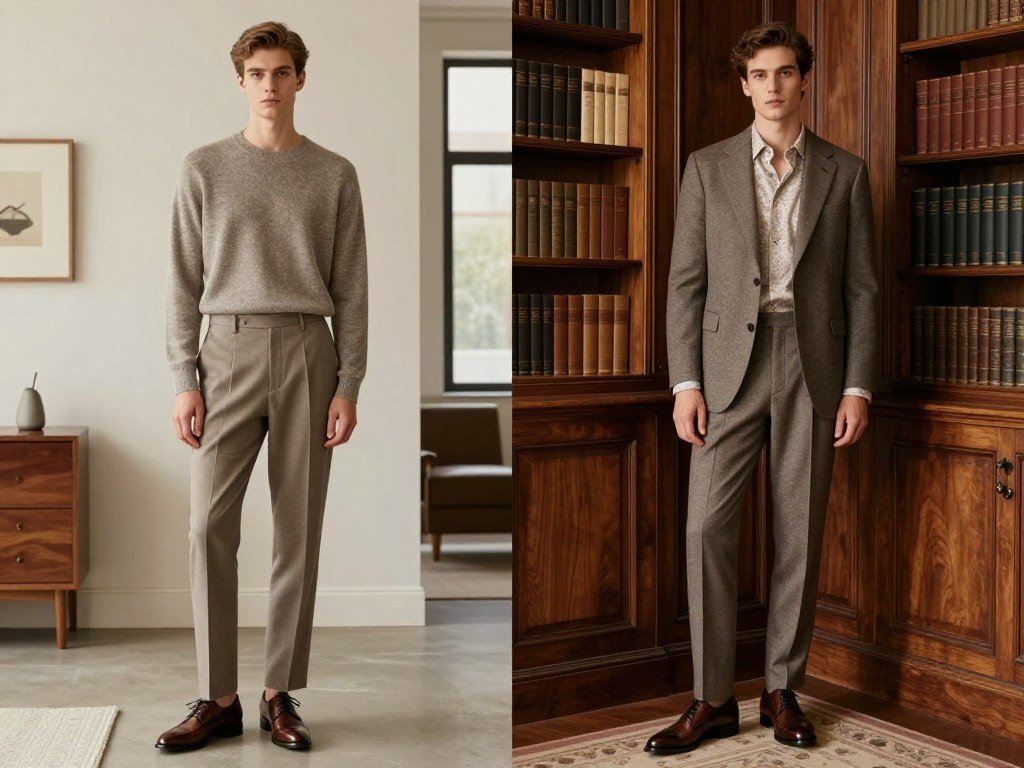
A neutral knit and tailored trousers can suggest either aesthetic, but the reason they belong in an outfit changes the read. You might want clothes that feel polished at work, comfortable on weekends, and useful for years. Quiet luxury and old money style can share restrained colors and low-key branding, yet they express different ideas. One favors modern simplicity; the other draws on dress traditions that signal continuity. Price alone does not settle the difference, and time spent choosing well matters more than a label. You do not need one fixed name for every outfit. You can borrow details from both, depending on your plans and what already feels like you. The promise here is practical: learn to spot the cues, then choose them with care. The useful choice is the set of details that feels natural in your daily life.
Key Takeaways
- Quiet luxury favors modern restraint; old money style draws on heritage cues.
- Colors may overlap, but patterns, tailoring, and styling change the message.
- You can combine both directions without dressing to fit one label.
- Fit, comfort, and condition matter more than a luxury price tag.
- Start with clothes you already wear, then add details that suit your routine.
Quiet luxury vs. old money style: key differences at a glance
The shortest distinction is that quiet luxury edits toward modern simplicity, while old money style keeps recognizable heritage codes. One looks forward through clean, adaptable pieces; the other borrows familiar references from established dress traditions. A heritage cue is a garment, pattern, or accessory associated with a long-standing dress tradition.
Quiet luxury aims for considered pieces that work across settings, while old money style draws on continuity and institutional references. The core difference is modern refinement versus heritage and continuity. The Row and Loro Piana are often associated with quiet luxury; Ivy League and British country dressing inform old money references.
| Attribute | Quiet luxury | Old money style |
|---|---|---|
| Inspiration | Modern refinement | Heritage and continuity |
| Typical visual cues | Plain, tonal basics | Traditional tailoring and heritage details |
| Fit | Relaxed or fluid proportions | Neat, tailored proportions |
| Impression | Understated and contemporary | Established and traditional |
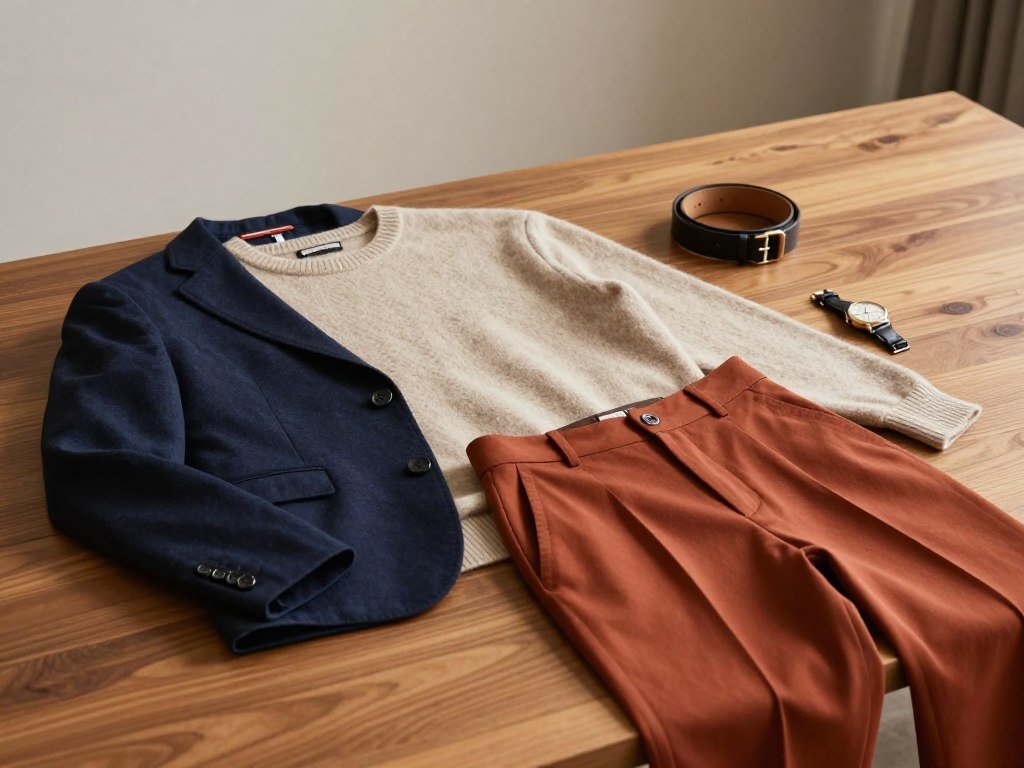
Judge the style by its clothing cues, not by a guess about the wearer’s wealth or family history.
Neither column is a strict dress code. A plain blazer can fit either direction, while a small detail may shift its effect. The same outfit also changes with shoes, accessories, and the way you wear each piece.
Think of the table as a guide to emphasis, not a test with a single right answer. A relaxed shape and quiet color can feel current, even when the item itself is classic. A traditional cut or pattern brings a stronger link to a known dress custom.
A single familiar garment can cross the line between the two depending on its styling.
What old money style looks like in practice
A navy blazer or Oxford shirt gives an outfit a stronger heritage reference than a plain neutral knit does. These pieces connect old money style to prep, country, and equestrian dress. The reference is the point, not a claim about anyone’s background.
One or two heritage cues are usually enough to make the look clear. Ivy League dressing, British country dressing, and equestrian references offer established sources for those details. Their familiar shapes make an outfit feel rooted in tradition.
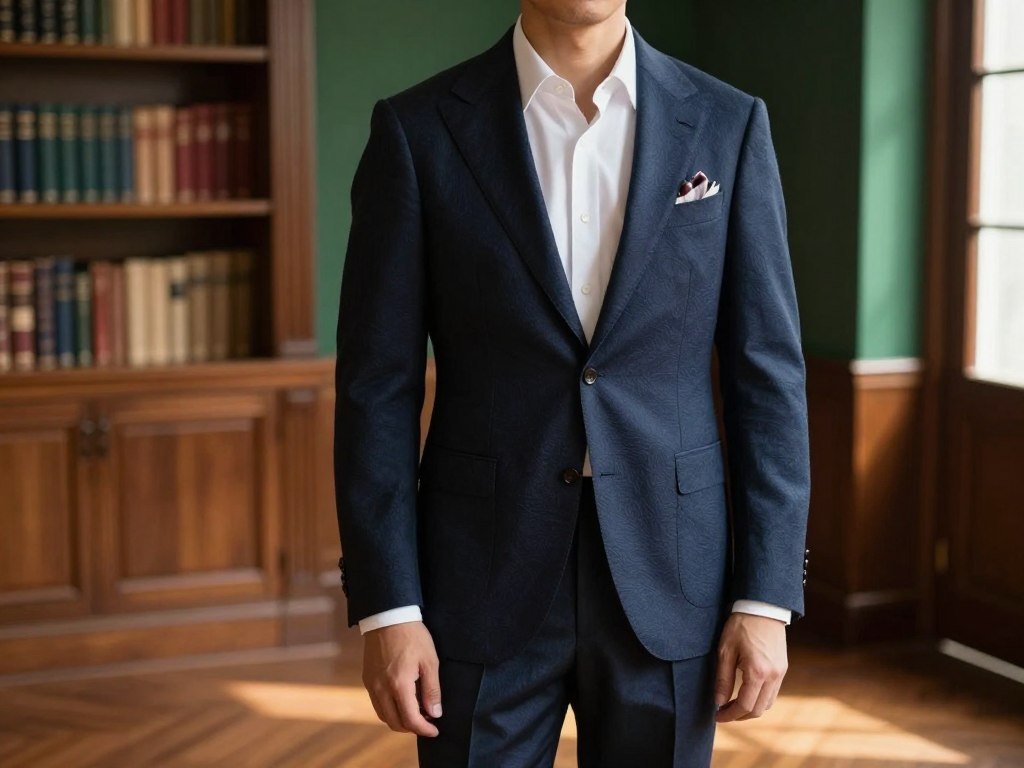
Heritage details that give the look its character
An Oxford shirt has a neat collar and sturdy, woven cotton that suits classic prep. A navy blazer adds structure, while tweed brings a textured link to country dressing. Loafers can complete the look without making the outfit feel formal.
A restrained stripe also carries a clear reference. Breton stripes suggest a long-standing casual style, while a narrow stripe can keep a shirt or knit from looking plain. Pearls offer a familiar accessory choice, especially when the rest of the outfit stays simple.
These cues work because people can recognize their roots without knowing a label. They also let you shape the level of formality. For example, a blazer with casual trousers feels less formal than the same jacket with a pressed shirt and dress shoes.
How to wear traditional pieces without looking like a costume
Pair one traditional piece with clothes you already know how to wear. A tweed jacket can sit over a plain knit and dark jeans, while loafers can give a simple shirt and trousers a preppy edge. Keep the rest familiar.
Piling on tweed, pearls, stripes, and other signals at once can make the outfit look planned around a theme. Choose details that fit your comfort and the place you are going. A small reference can feel more personal than a full set of matching cues.
A good test is whether you would reach for the item without thinking about its history. You can wear a traditional shape in a relaxed way, rather than copying a formal look from head to toe. Choose the heritage details you would wear even when no one recognizes their reference.
What quiet luxury looks like in practice
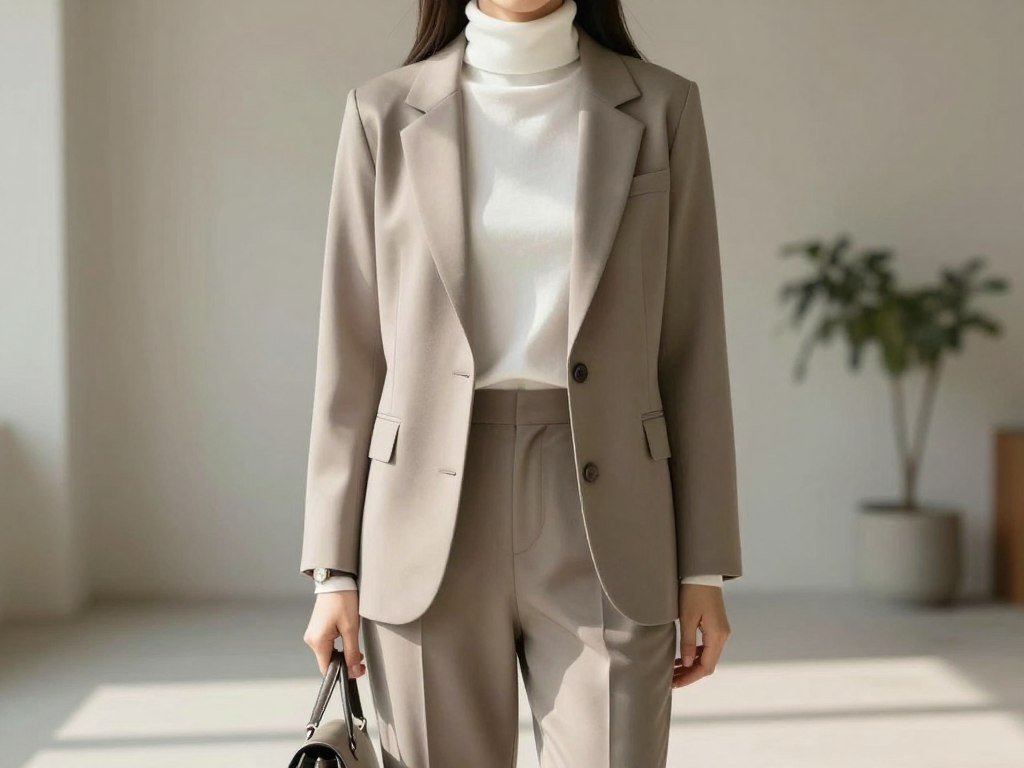
A plain cashmere crewneck and well-cut trousers can read as quiet luxury when the fit and materials carry the outfit. The surface stays calm, so the shape and finish become easier to notice. A luxury label is not needed to make that idea work.
Good fabric, sound construction, and a useful fit matter more than decoration. The Row, Brunello Cucinelli, and Jil Sander are examples associated with quiet luxury. Their different designs share an interest in restraint rather than a single uniform look.
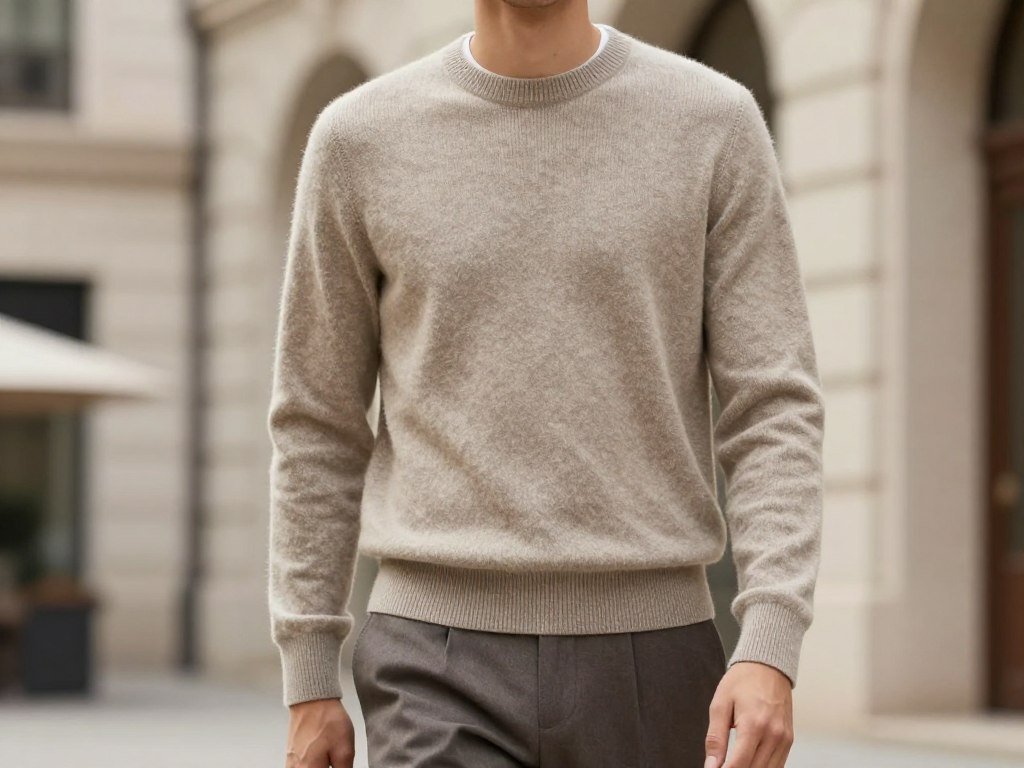
Clean lines, muted colors and modern proportions
Tonal outfits use nearby shades to create a quiet, connected look. Beige and ivory are common, but navy, black, and brown work just as well. The aim is a clear whole, not a closet limited to pale colors.
Clean shapes and soft tailoring can make simple clothes feel considered. A fluid jacket over straight trousers gives room to move without losing shape. A knit with a close fit can balance wider pants, while a loose top may suit a slim skirt.
Modern proportions keep the outfit from feeling like a copy of an older dress code. You can wear a long coat with simple shoes, or pair wide trousers with a neat top. Small changes in shape often have more effect than adding another accessory.
Fabric and construction matter more than decoration
Cashmere and merino wool can make a knit feel soft and light, while linen and silk offer different drape and surface. The fiber alone does not tell you how a garment will wear. Weave, knit, cut, and care all affect how fabric feels and lasts.
Research on knitted fabrics found that fiber type and knit structure can affect strength, abrasion, pilling, and moisture movement. The study of fiber types and knit structures compares cotton, viscose, and polyester fabrics. It shows why composition is only one part of performance.
Look at how seams lie, whether the garment hangs smoothly, and whether the fit works when you move. A high price or luxury label alone does not prove good construction. You can find more ways to assess quiet luxury fashion through its understated shapes and materials.
Check the garment’s composition and seams, not just its label or color.
How the same outfit changes between the two styles
Keep the occasion fixed and change the styling cues, and the difference becomes easier to spot. The base can stay familiar, while shoes, patterns, or tailoring shift the message. A camel knit, straight-leg trousers, and leather loafers can serve both directions.
Use the occasion as your anchor, then choose details that suit your mood. The same clothes can feel modern and pared back, or more connected to traditional dress. Comfort still matters, especially when you wear the outfit for a full day.
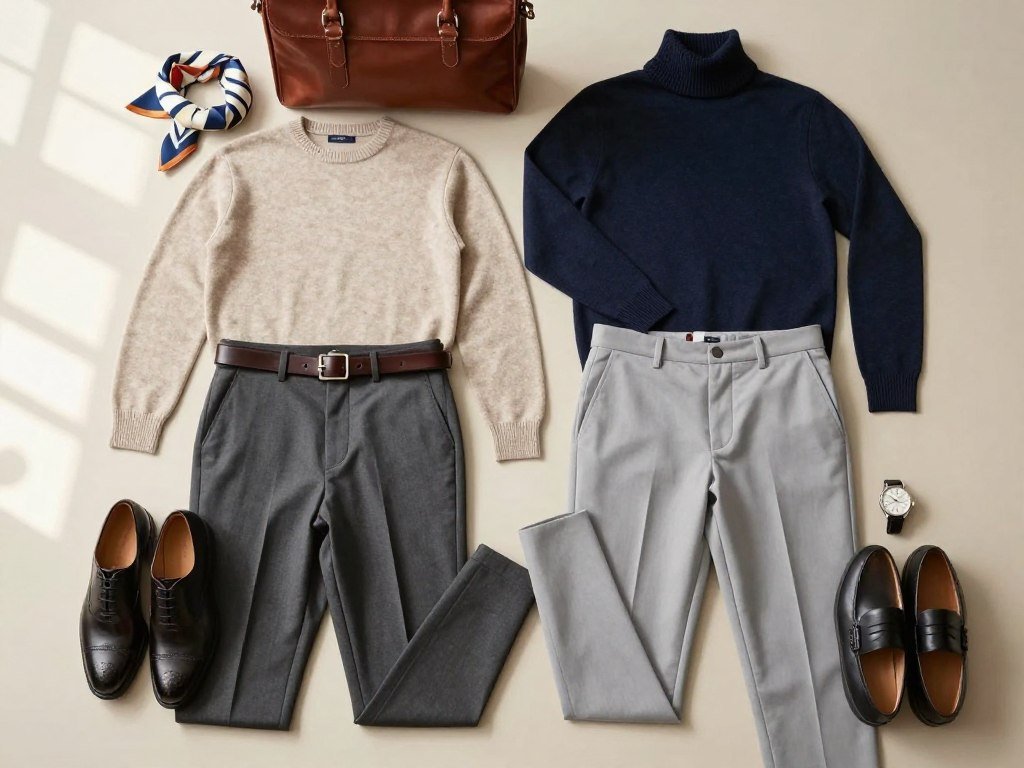
Work and travel
For quiet luxury at the office, try a tonal knit with tailored trousers and simple shoes. The clean palette works in many workplaces without feeling stiff. For travel, the same formula is easy to adjust with a soft jacket or a roomy bag.
Old money style leans toward a more familiar uniform: an Oxford shirt, navy blazer, chinos, and loafers. The sharper collar and jacket make the reference clear. You can wear the blazer open for a long trip or add a light sweater when the office is cool.
Weekend
A simple neutral outfit gives quiet luxury a relaxed weekend feel. Wear a soft knit with straight trousers and low-key shoes, or switch to a skirt if that suits your plans. The colors stay close, so the shape does the work.
For old money style, a Breton top, straight-leg trousers, and a structured tote bring a stronger heritage cue. The stripe adds interest without needing several accessories. A plain jacket can make the outfit work for lunch or a casual visit.
Evening
A satin or silk skirt with a fine knit creates a quiet luxury evening outfit. The contrast between the soft knit and the skirt’s sheen adds depth. Keep the shoes and bag simple if you want the fabric to stand out.
For old money style, choose a blouse, tailored trousers, and one restrained piece of jewelry. The look feels more traditional when the blouse has a clear collar or a classic shape. A small pearl earring can add detail without taking over.
| Occasion | Quiet luxury outfit | Old money style outfit |
|---|---|---|
| Office | Fine navy knit, gray tailored trousers, simple flats | Oxford shirt, navy blazer, chinos, leather loafers |
| Weekend | Ivory crewneck, dark straight trousers, plain sneakers | Breton top, straight-leg trousers, structured tote |
| Evening | Fine knit, satin skirt, low-heel shoes | Collared blouse, tailored trousers, pearl earrings |
| Travel | Camel knit, relaxed tailored pants, soft coat | Oxford shirt, navy blazer, chinos, comfortable loafers |
Use the table as a starting point, not a shopping list. You may already own a shirt, trousers, or shoes that can shift direction with one change. For a mixed look, keep the base simple and let one heritage detail set the direction.
Where quiet luxury, old money, minimalism and stealth wealth diverge
A plain, logo-free outfit does not tell you whether its wearer is minimalist, pursuing quiet luxury or signaling stealth wealth. Appearance alone is limited: similar clothes can come from different goals and budgets. Each term describes a different idea, even when the outfits overlap.
Quiet luxury describes an aesthetic, while stealth wealth describes a high-spend, low-visibility buying philosophy. Quiet luxury can be recreated at different budgets. Stealth wealth points to costly purchases without conspicuous branding, not a set outfit formula.
Minimalism is about reduction
Minimalism centers on removing visual or wardrobe excess. That might mean fewer colors, fewer decorations, or fewer items overall. Quiet luxury instead focuses on what feels worth keeping and how those pieces work together.
The two can overlap, but they do not have to. A minimalist may choose plain, low-cost clothes for ease, while a quiet luxury outfit may include several carefully chosen pieces. The goal behind the choices helps explain the difference.
A 2024 dissertation on quiet luxury and sustainability found that people rated quiet, sustainable luxury products more positively overall than loud, sustainable products. The study of quiet and loud luxury also found that views varied with a person’s interest in conspicuous consumption. It did not compare quiet luxury with old money style.
Stealth wealth is about spending, not just appearance
Old money style points to heritage and social context through familiar dress references. It does not prove that someone inherited wealth or belongs to a particular group. Clothes can borrow those references without claiming a personal history.
Quiet luxury is also not proof of high spending. A simple, well-fitting outfit can follow the same visual idea at a modest price. For a wider view of how luxury can mean ease and time, consider other signs of a luxury lifestyle beyond possessions.
An outfit alone cannot prove the wearer’s background or the price paid. Judge the clothing cues you can see, not an assumed family history or bank balance.
Which aesthetic fits your routine and preferences?
Your first choice of color and pattern often reveals which direction feels more natural. Quiet luxury leans toward tonal combinations, while old money style makes more room for heritage patterns and traditional tailoring. Your daily habits matter as much as your taste.
Choose the details you reach for often, then adapt them to your dress code. A work wardrobe may need easy layers, while a social setting may make a traditional jacket feel right. Either aesthetic can shift to suit your schedule.
Choose by the details you naturally reach for
Use these five prompts to notice your habits. Your answers can point one way or suggest that a mixed wardrobe will feel best.
- Colors: Do you reach for close, tonal shades or sharper color contrasts?
- Prints: Do you prefer plain surfaces or familiar stripes and checks?
- Fit: Do relaxed shapes feel right, or do you favor neat, tailored lines?
- Accessories: Do you choose simple pieces or traditional accents?
- References: Do you prefer modern simplicity or traditional dress cues?
You do not need a perfect score on either side. A closet can hold relaxed trousers and a classic blazer without losing a clear point of view. The best choices are the ones you can wear in more than one setting.
Match the look to where you get dressed
A workplace with a relaxed dress code may suit a clean knit and tailored trousers. A formal office can call for a sharper jacket, regardless of the aesthetic. Check the way you need to move and what your workday asks of your clothes.
Traditional or social settings can make a blazer or heritage detail feel especially fitting. That does not mean you need to dress formally every time you meet friends. A single familiar cue can bring the reference without changing your whole wardrobe.
Your day can point to different choices at different times. A polished outfit for work and an easy weekend look can still share the same core pieces. If you want more room in your routine, a timeless wardrobe plan can help you focus on useful clothes.
If your answers split evenly, begin with shared pieces and add only the details you genuinely enjoy.
How to build a flexible wardrobe on a budget
A flexible wardrobe starts with shared basics, not a full head-to-toe set of either aesthetic. Start small with pieces that can move between modern and traditional styling. A budget starter capsule can come in under $300 when you use budget retail and secondhand pieces.
What you spend depends on fabric, condition, and what you already own. A cotton shirt may cost less than a wool knit, while a good secondhand find can change the total. Begin with gaps in your closet, not a fixed shopping list.
Start with pieces that serve both aesthetics
These six starter choices can work across both directions:
- A neutral knit in cotton, wool, or another comfortable fabric
- Dark tailored trousers with a shape you can sit and walk in
- A cream button-down that works alone or under a jacket
- A simple loafer with a comfortable sole
- A structured, no-logo bag for daily use
- A tan belt that works with the trousers you own
Navy trousers or a navy blazer make a useful seventh shared option. You do not need both at once. Choose the one that fills a real gap and works with several clothes already in your closet.
Budget retail and secondhand shops can help you build a starter capsule under $300. Your total depends on the fabric, each item’s condition, and what you already own. A coat or bag may take more of the budget than a cotton shirt.
Add heritage or tonal details selectively
A Breton top or navy blazer can shift a shared base toward old money style. Tonal layering keeps the same basics closer to quiet luxury. You can change the direction with one new item rather than replacing a whole outfit.
Try one aesthetic-specific purchase at a time. Wear it with several pieces you already own before you add another. This gives you a better sense of whether the detail fits your routine and feels like you.
Shop secondhand and inspect what you buy
Secondhand clothes can suit a lived-in heritage look, especially when the shape and details feel familiar. Check fit, fabric composition, seams, and condition before buying. Look for stains, loose threads, stretched collars, and thin spots in the fabric.
Natural fibers such as cotton and wool can feel different from one garment to another, so check the label and touch the fabric. A low price cannot make a poor fit useful. If you need alterations, include that work in your cost.
Secondhand shops can also turn up a useful blazer or knit that would cost more new. Give yourself time to inspect each item rather than buying because a label looks familiar. Buy the item only if you can name at least three pieces you already own that it will work with.
What makes each aesthetic look convincing, not costume-like
An outfit feels convincing when it looks like something you would wear, not a collection of recognizable signals. Ease is a good clue: the clothes should suit your body and the way you move. One clear detail often says more than several competing ones.
Fit and condition can make or break a restrained outfit. Even simple clothes lose their polish when they pull, sag, or show worn-out fabric. Shiny, conspicuous hardware can also draw attention away from the rest of the look.
Let fit and condition carry the outfit
Check how the clothes feel when you sit, reach, and walk. A sleeve that twists or trousers that pinch can distract you all day. A small adjustment may help more than adding a new piece.
Fabric condition matters even when the color and shape are right. Pilling, stretched seams, or a tired collar can make an outfit look less cared for. Keep the pieces you wear often in good shape through regular washing and simple repairs.
Visible hardware deserves a quick look, too. A belt buckle or bag clasp can stand out when it is too bright or large for the rest of the outfit. Choose accessories that feel in scale with the clothes.
Use recognizable details with restraint
Breton stripes, houndstooth, and tweed are clear heritage cues. One can set a direction without turning the outfit into a costume. A tweed jacket over plain clothes gives a stronger reference than a full look built from several traditional signals.
A cashmere crewneck with straight-leg trousers is a shared combination, not an exclusive marker of either aesthetic. Its final feel depends on what you add and how the clothes fit. You can make a familiar outfit personal through a detail you genuinely like.
Before you leave, use this four-point check:
- Can you move comfortably in the outfit?
- Does one piece dominate the rest?
- Do the visible details feel intentional?
- Would you wear it without the aesthetic label?
Keep the details that feel natural to wear, and remove the ones that seem present only to prove a point.
Thoughtful styling often comes down to one choice you can explain to yourself, not a set of rules you must follow. Let the outfit suit the day as well as the mirror. Remove the detail you feel you have to explain, and the outfit is usually more personal.
Conclusion
You can borrow from both aesthetics without turning your closet into a uniform. Quiet luxury is a modern approach to understated refinement, while old money style draws on heritage cues. Their shared foundation gives you room to choose by comfort, context, and personal taste.
You do not need to spend more to make an outfit feel considered. Notice which clothes you wear most, then build from what already works. One small styling change can tell you more than adopting a label for your whole wardrobe.
Choose one shared piece already in your closet, style it in the direction you prefer, and notice whether you feel comfortable wearing it through an ordinary day.
FAQ
Is old money style only for people who inherited wealth?
Does quiet luxury always mean wearing beige?
Can I combine old money style and quiet luxury in one outfit?
Is stealth wealth the same as quiet luxury?
Can secondhand clothes work for old money style?
How do I keep old money style from looking like a costume?