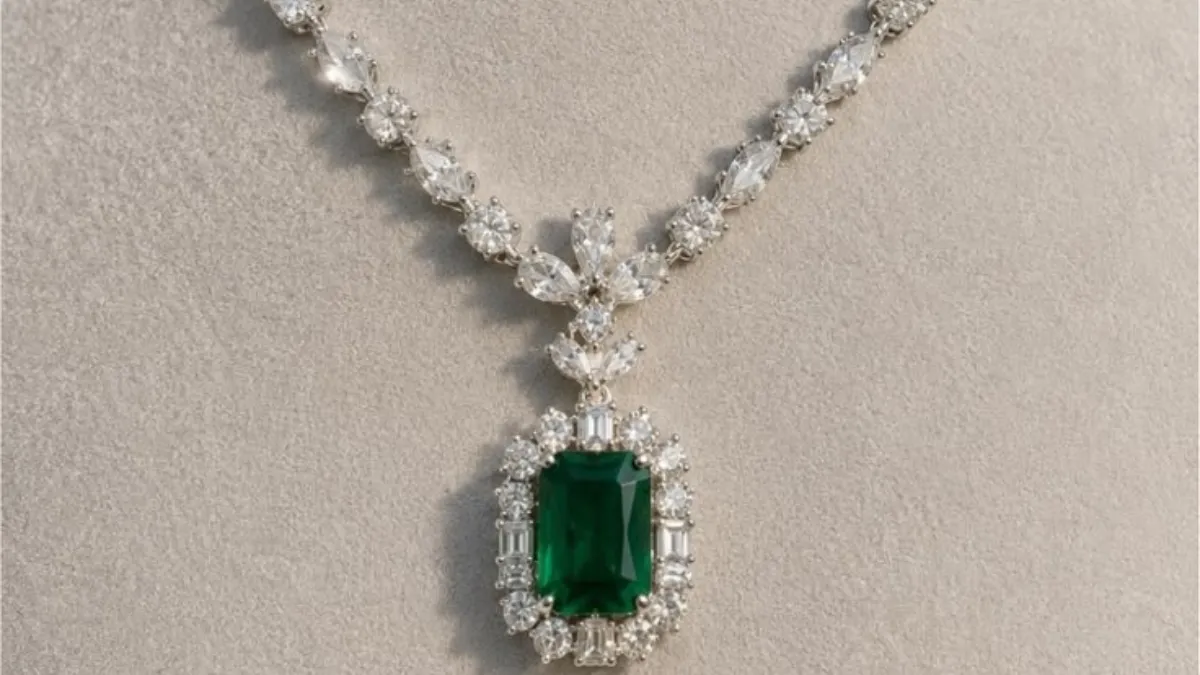
A beautiful piece of jewelry can hold far more than monetary value. A diamond ring might mark a special promise, a gold bracelet might be a family heirloom, and a pair of earrings might remind you of a milestone worth celebrating.
These pieces deserve thoughtful care. Whether your collection includes fine watches, diamond jewelry, precious gemstones, or a few treasured designer accessories, knowing how to keep luxury jewelry safe helps protect both its beauty and the memories attached to it.
The good news is that protecting valuable jewelry does not require a complicated routine. A secure storage system, suitable insurance, careful travel habits, and regular inspections can make a meaningful difference.
Here is how to protect your jewelry at home, while traveling, and throughout everyday life.
What Does It Mean to Keep Luxury Jewelry Safe?
Keeping luxury jewelry safe involves more than locking it away. Effective protection addresses several different risks, including theft, accidental loss, physical damage, and inadequate insurance.
A secure home safe may help reduce theft risk, but it will not prevent a loose gemstone from falling out of its setting. A jewelry insurance policy may offer financial protection, but it cannot replace the sentimental value of an inherited piece.
A complete approach combines practical security with careful handling and accurate records.
The right strategy depends on your collection. An everyday gold necklace has different storage needs from a diamond engagement ring, an antique brooch, or a luxury watch collection.
1. Choose a Secure Home Safe for Valuable Jewelry
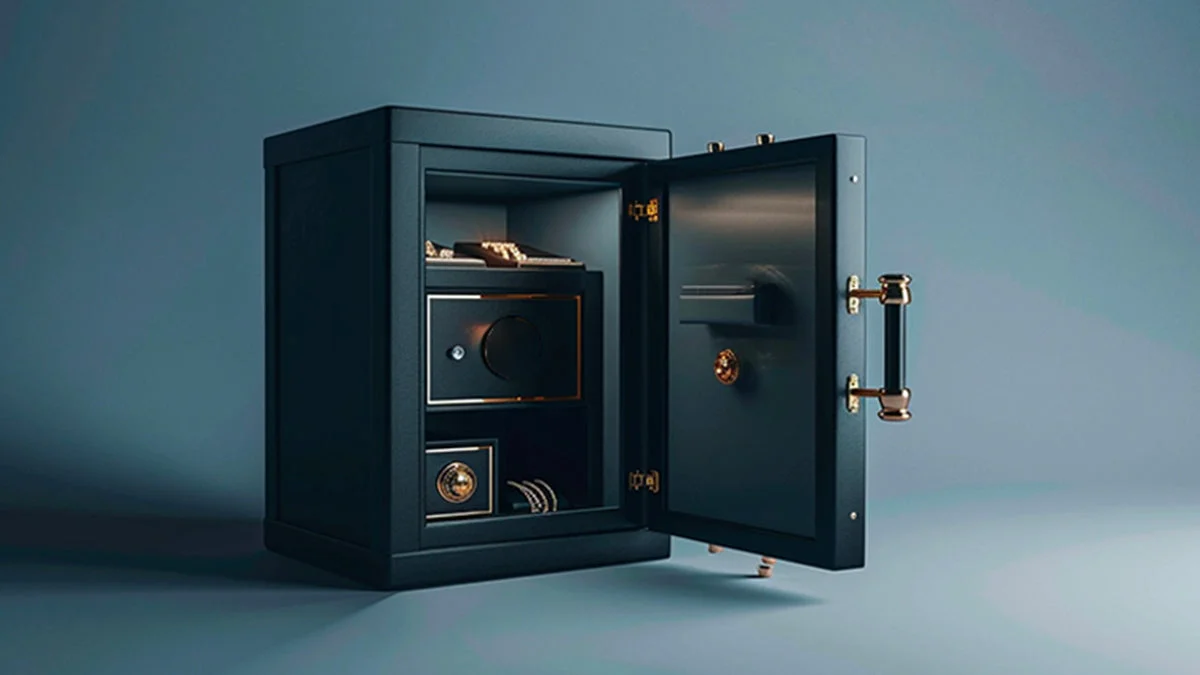
A suitable home safe can provide an additional layer of protection for jewelry you do not wear every day. However, not every safe offers the same level of security.
When comparing options, consider the following features.
- Burglary resistance: Look for independently tested security ratings appropriate to the value of your collection.
- Secure installation: A safe that can be bolted to a suitable structural surface may be harder to remove.
- Fire resistance: If you also store receipts, appraisals, and important documents, consider the safe’s fire-resistance rating.
- Appropriate size: Choose enough space for jewelry boxes, individual pouches, and documentation without forcing pieces together.
- Reliable locking: Compare reputable electronic, mechanical, and biometric options while considering backup access and maintenance.
For a substantial collection, consult a qualified security professional about the appropriate safe and installation. A bank safe-deposit box may also be worth considering for valuable pieces you rarely use.
Remember that a safe is one part of a broader security plan, not a guarantee against every possible loss.
2. Store Jewelry Properly to Prevent Damage
Security matters, but storage conditions matter too. Fine jewelry can become scratched, tangled, tarnished, or damaged when different pieces are stored together without protection.
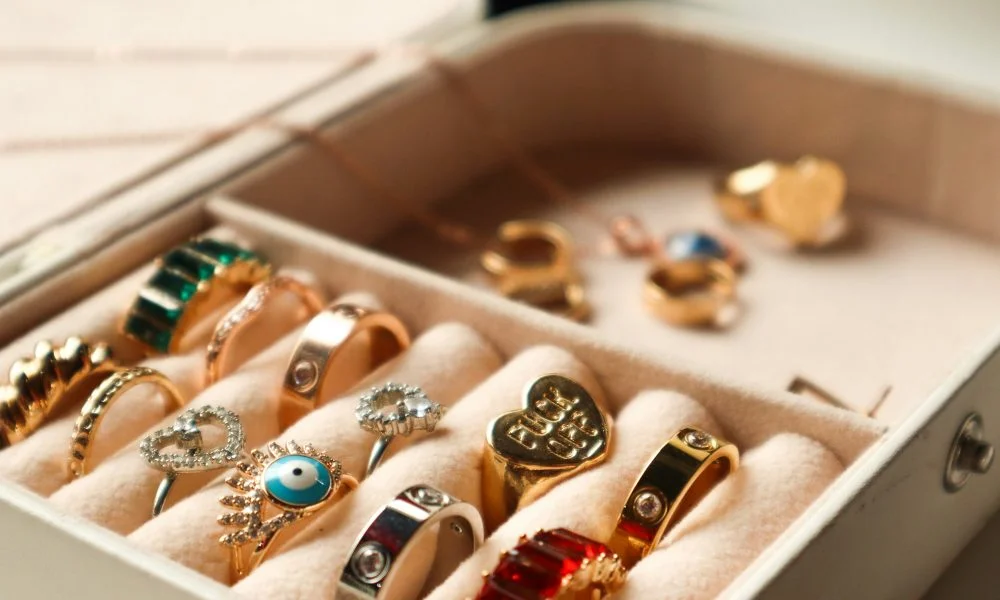
A well-organized jewelry box makes it easier to find what you need while reducing unnecessary handling.
Keep Pieces Separate
Diamonds and some other hard gemstones can scratch softer materials. Store rings, chains, bracelets, and earrings in separate compartments or individual soft pouches whenever possible.
Necklaces benefit from storage that prevents tangling, while delicate chains should not be pulled apart forcefully if knots develop.
Protect Jewelry From Moisture
Choose a cool, dry storage area away from direct sunlight and unnecessary humidity. Silver can tarnish, while moisture and certain chemicals can affect other metals, coatings, and jewelry components.
Avoid leaving valuable pieces on bathroom counters or near sinks where water exposure and accidental loss are more likely.
Follow Material-Specific Care Instructions
Pearls, opals, emeralds, and other gemstones can have different care requirements. Some are more sensitive to heat, chemicals, abrasion, or sudden temperature changes than others.
Use a suitable soft cloth and follow the jeweler’s instructions. Avoid applying one cleaning method to every piece, particularly antiques, treated gemstones, and delicate settings.
3. Protect Your Jewelry From Everyday Loss
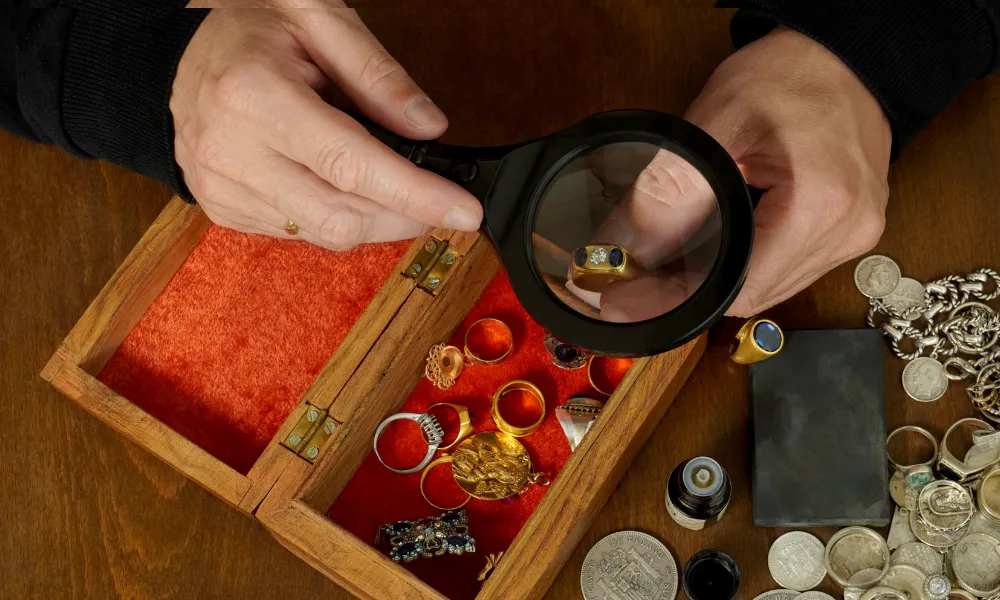
Some jewelry losses happen during ordinary routines rather than dramatic thefts. Rings may slip off while washing hands, earrings may come loose, and bracelets can catch on clothing.
Small habits can help prevent these situations.
Remove rings before handling soaps or cleaning products if the activity could cause them to slip or become damaged. Avoid placing jewelry beside public sinks, gym lockers, or changing-room counters.
Before leaving a restaurant, hotel room, changing room, or guest bathroom, take a moment to check the surfaces where you may have placed your accessories.
For earrings, check that the backs are secure. For necklaces and bracelets, inspect clasps periodically. If a ring feels loose or a gemstone moves in its setting, stop wearing it until a jeweler can assess the problem.
These simple checks are particularly useful for pieces you wear frequently.
4. Consider Jewelry Insurance
Even careful owners cannot eliminate every risk. Jewelry insurance may help provide financial protection against specified losses, depending on the policy.
Do not assume that a standard home or renters insurance policy automatically covers your entire collection. Jewelry may be subject to coverage limits, exclusions, deductibles, or restrictions on accidental loss.
Before choosing coverage, ask the insurer:
- Is theft covered, and are accidental loss or damage included?
- Does the policy cover a ring or earring that disappears without a clear explanation?
- Are items protected when traveling internationally?
- Is reimbursement based on replacement cost or another valuation method?
- Are appraisals or purchase receipts required?
- Are there limits for individual items or the whole collection?
Coverage varies by insurer and location, so read the actual policy wording carefully.
For particularly valuable or frequently worn pieces, ask whether scheduled jewelry coverage or a dedicated valuables policy would provide more appropriate protection.
5. Keep Jewelry Receipts, Photographs, and Appraisals
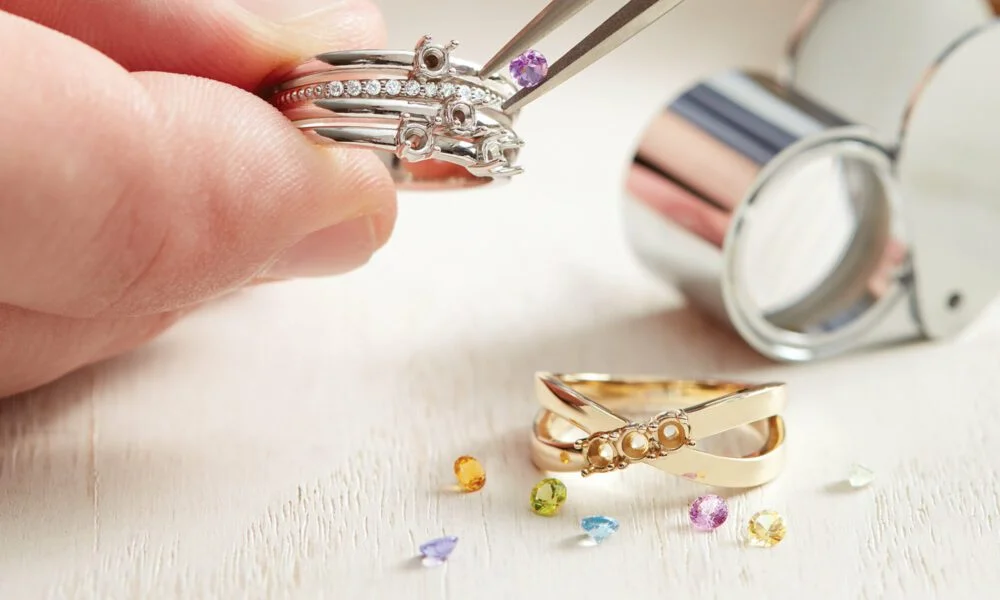
Documentation can be extremely useful if a piece is lost, stolen, damaged, or submitted for an insurance claim.
Create a private inventory of your valuable jewelry. For each item, include:
- Clear photographs from multiple angles.
- A description of the metal, gemstones, and identifying features.
- Purchase receipts and available certificates.
- A professional appraisal, when appropriate.
- Any available model numbers, inscriptions, or identifying marks.
- Relevant insurance information.
Store digital copies securely and keep them separate from the jewelry itself. Avoid sharing detailed photographs, values, or storage information publicly.
An appraisal is not necessarily the same as a selling price or the amount an insurer will pay. Ask your insurer what valuation documentation it requires and when it should be updated.
6. Keep Luxury Jewelry Safe While Traveling
Travel can introduce new risks, particularly when you move between airports, hotels, restaurants, beaches, and unfamiliar destinations.
Before leaving, decide which pieces you genuinely want to take. For many trips, a small selection of versatile jewelry is easier to manage than an entire collection.
Pack Jewelry in Your Carry-On
Keep valuable jewelry with you rather than placing it in checked baggage. Use a padded travel case or individual pouches to prevent scratches and tangling.
Avoid packing jewelry in conspicuous boxes that reveal what is inside. Keep your bag under your control throughout the journey.
Ask About Secure Hotel Storage
For valuable pieces you do not need during the day, ask the hotel about its main vault or other secure storage arrangements.
Do not assume that every in-room safe offers the same level of protection. Understand the hotel’s procedures and check your insurance policy for any relevant requirements.
Be Thoughtful About Where You Wear It
Consider the setting before wearing expensive jewelry in public. A crowded market, busy transport hub, beach, or pool area may not be the ideal place for a piece that would be difficult to replace.
Avoid leaving jewelry unattended on bedside tables, bathroom counters, or restaurant tables. Before checking out, inspect the room carefully for items left behind.
Review Insurance Before Departure
Check whether your policy covers travel to your destination and whether it includes theft, accidental loss, and damage away from home.
If coverage is limited, consider leaving especially valuable or sentimental pieces securely stored at home.
7. Protect Jewelry From Water, Chemicals, and Physical Damage
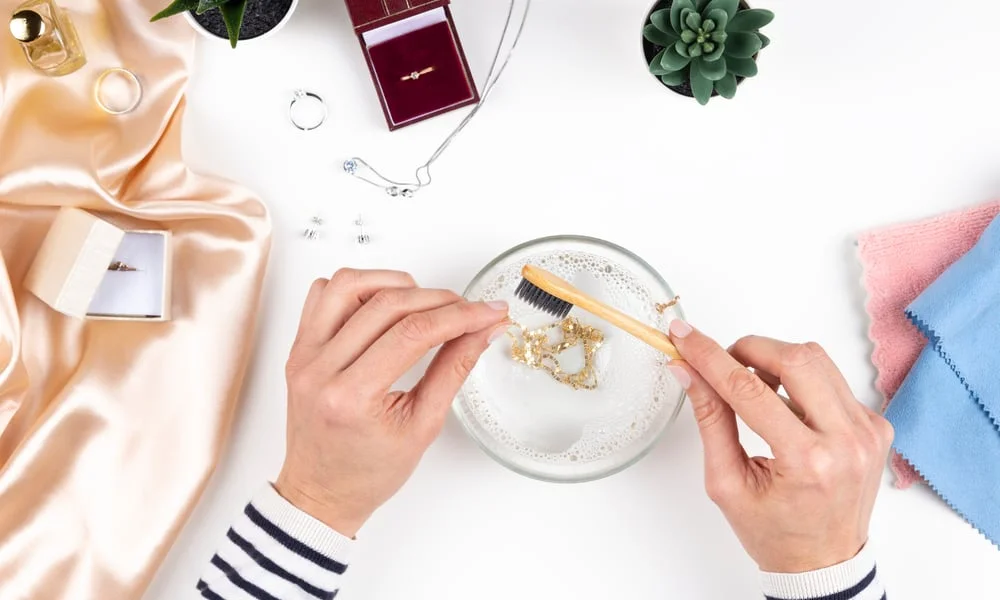
Luxury jewelry can be damaged even when nobody else touches it. Everyday exposure to cleaning products, cosmetics, heat, and physical impact can affect its condition.
Take jewelry off before swimming, using household chemicals, exercising vigorously, or performing tasks that may catch or strike it. Chlorinated water and other chemicals can affect certain metals and settings, while vigorous activity can increase the risk of losing a ring or damaging a clasp.
Apply perfume, hairspray, and skincare products before putting on jewelry. Allow products to dry, then wear your pieces.
Care needs vary by material. Pearls are particularly sensitive to some cosmetics and chemicals, while gemstone hardness alone does not guarantee resistance to chipping or breakage.
When in doubt, ask a qualified jeweler how to care for a specific piece.
8. Have Fine Jewelry Inspected Regularly
A gemstone may appear secure while its setting gradually wears down. Clasps can weaken, prongs can bend, and chains can develop fragile links.
Occasional professional inspections can help identify problems before a piece is lost or damaged.
Ask a qualified jeweler to examine high-value pieces, particularly those worn frequently. The appropriate inspection schedule depends on the jewelry’s construction, condition, and use.
After an inspection, keep any service records with your jewelry documentation. If a piece requires repair, avoid wearing it until the problem has been addressed.
Professional cleaning may also help restore the appearance of suitable pieces, but the method should match the materials and construction.
9. Protect Your Jewelry Collection Without Making It Difficult to Enjoy
Keeping jewelry safe should not mean hiding every beautiful piece away forever. The goal is to create a routine that allows you to enjoy your collection while protecting what matters.
Separate your everyday jewelry from special-occasion pieces. Keep frequently worn items in a secure, organized place and return them there after use.
Reserve more secure storage for pieces you wear rarely or that would be difficult to replace. Before special events or trips, select the jewelry you need and check that each piece is in good condition. You can also explore these luxury styling tips for ideas on enjoying your collection while making thoughtful choices about how you wear your accessories.
For inspiration on putting together different looks, see this guide on how to style luxury accessories.
For heirlooms and highly sentimental items, consider whether wearing them regularly is worth the additional exposure to loss or damage. A carefully chosen alternative can sometimes let you enjoy a similar look while keeping the original secure.
A little organization makes it easier to appreciate your jewelry without worrying constantly about where it is.
Frequently Asked Questions About Luxury Jewelry Safety
What is the safest way to store luxury jewelry at home?
For valuable pieces, consider a suitable burglary-resistant home safe that is securely installed. Store individual items in soft pouches or separate compartments to prevent damage. A bank safe-deposit box may be appropriate for jewelry you rarely wear.
Should I buy a safe specifically for jewelry?
A safe can be worthwhile if your collection includes valuable jewelry, watches, or important documentation. Compare security ratings, installation requirements, capacity, and fire resistance. Choose according to the value of your belongings and the risks you need to address.
Does home insurance cover luxury jewelry?
It depends on your policy. Standard home insurance may have special limits for jewelry and may exclude certain types of loss or damage. Review your coverage and ask whether additional or scheduled jewelry insurance is appropriate.
Is it safe to wear expensive jewelry while traveling?
It can be, but consider the destination, activities, and security risks. Take only the pieces you need, keep them under your control during transit, and avoid wearing valuable jewelry in situations where it could be easily lost or attract unwanted attention.
How often should luxury jewelry be checked by a jeweler?
There is no universal schedule for every piece. Frequently worn rings, gemstone settings, and delicate clasps deserve particular attention. Ask a qualified jeweler to recommend inspections based on the item’s design, condition, and use.
How can I protect luxury jewelry from theft?
Use suitable secure storage, maintain home security, keep valuables out of public view, and avoid sharing details of your collection or storage arrangements. Insurance and accurate documentation can provide additional protection if a loss occurs.
Should I keep luxury jewelry in its original box?
Original boxes can be useful for presentation and identification, but they do not necessarily provide the best long-term protection. Prioritize secure storage and separate compartments that prevent pieces from scratching or tangling.
Final Thoughts
Luxury jewelry deserves protection that reflects both its craftsmanship and its meaning. Whether you own one treasured ring or a growing collection of precious pieces, thoughtful storage, careful handling, accurate documentation, and suitable insurance can help you enjoy it with greater confidence.
Start with a few practical habits: store pieces securely, check clasps and settings, keep records up to date, and plan ahead when traveling.
The most beautiful jewelry is meant to be enjoyed. With the right precautions, you can preserve its sparkle, protect its value, and continue wearing the pieces that make your most meaningful moments feel even more special.
Disclaimer: This content is for informational and entertainment purposes only and reflects our personal opinions and experiences. We just love to write and share what we observe along the way.