A long-wearing mascara should not require a rough scrub to come off at night. Everyday makeup and waterproof formulas need different levels of cleansing, and the right match can help protect the delicate eye area.
The best eye makeup remover depends on what you wear, your skin types, and how your eyes respond to products. Micelles are tiny cleansing structures in micellar water that trap and lift makeup, oil and dirt from the skin. A bi-phase remover combines oil and water to help break down long-wear makeup.
You will find practical choices for sensitive skin, drugstore budgets, waterproof mascara, and higher-spend routines. The goal is a clean lid without rubbing until it feels sore. The right formula and a patient removal technique make the biggest difference to comfort.
Key Takeaways
- Match the remover to your hardest-to-remove eye makeup.
- Garnier All-in-1 Micellar Cleansing Water suits many everyday routines.
- Choose a bi-phase formula for waterproof mascara and long-wear makeup.
- Hold a saturated pad against closed eyes before wiping gently.
- Use a wipe for convenience, not as a reason to scrub.
- Rinse cleanser residue from your eyelids before bed.
What Should You Match to Your Makeup and Skin?
Start with the hardest product you wear, because waterproof mascara sets the toughest removal requirement. Your eye makeup, skin types, and preferred texture help narrow down which eye makeup removers may work for you. Waterproof makeup usually needs a formula made to loosen long-wear pigments.
A first cleanse can use micellar water or an oil-based remover, followed by a gentle water-based face cleanser. That second cleanser can remove remaining residue, especially after sunscreen or a full face of makeup. A product that removes foundation comfortably may still take longer on waterproof mascara.
Choose for your eye makeup first, then check whether the same formula suits the rest of your face.
Use this short checklist to set your priorities before buying:
- Makeup type: everyday formulas often lift with micellar water; stubborn makeup may need an oil-based or bi-phase remover.
- Eye comfort: consider sensitive skin or contact lens use when choosing ingredients and product claims.
- Texture: decide whether you prefer a rinse-off liquid or a pad-on formula.
- Face use: check whether the same product should remove foundation and other face makeup.
Products such as mascara, false lashes, eyeliner, and shadow can call for different removal strength. A look with several layers may need more time than a light coat of mascara. Mascara and false-lash options can also shape what you need to remove at night.
Keep your eye makeup as the main test. If a formula works on your face but leaves mascara behind, pick a dedicated eye product for that step.
How to Choose the Best Eye Makeup Remover for Your Routine
For everyday eye makeup, start with Garnier Micellar Cleansing Water All-in-1; for waterproof mascara, choose the waterproof bi-phase version. The everyday option is the broadest fit for most daily users, while the waterproof liquid is made for long-wear makeup. Choose the product that matches your mascara, not just the one with the most uses.
These four picks cover common needs without making you sort through every remover on the shelf. Clinique Take The Day Off Makeup Remover For Lids, Lashes & Lips and Neutrogena Oil-Free Eye Makeup Remover are dedicated eye-removal options. Ulta listed both at 4.6 out of 5 in its 2026 selection, based on different review totals.
| Use case | Product | Why it fits |
|---|---|---|
| Everyday sensitive-skin removal | Garnier Micellar Cleansing Water All-in-1 | Single-phase micellar water for daily makeup |
| Waterproof mascara and long-wear makeup | Garnier Micellar Cleansing Water All-in-1 Waterproof Makeup Remover | Bi-phase formula for long-wear makeup |
| Dedicated eye makeup removal | Clinique Take The Day Off Makeup Remover For Lids, Lashes & Lips | Eye-area liquid made for lids, lashes, and lips |
| Quick wipe removal | Aveeno Calm + Restore Makeup Removing Wipes | Pre-moistened cloths for portable cleanup |
In Ulta’s 2026 selection, Clinique’s liquid had a 4.6-star rating from 44,668 reviews. Neutrogena Oil-Free Eye Makeup Remover also scored 4.6, from 5,975 reviews. Ratings offer a useful snapshot, but they cannot show how a formula feels on your skin.
Garnier’s everyday micellar water is a sensible first choice if you wear regular mascara and want a flexible remover. Choose its waterproof version if your makeup often lasts through sweat, tears, or a long day. Treat the ratings as one comparison point, not a substitute for checking how a formula feels around your own eyes.
Which Formula Type Fits Your Makeup?
A formula’s texture usually tells you how it is meant to loosen makeup. Micellar water suits everyday makeup, while a bi-phase liquid is a better match for many waterproof formulas. Pick the texture for the makeup you wear most often.
Micellar water uses tiny micelles to trap makeup, oil, and dirt, then lift them from the skin. It can be useful when you want a light first cleanse without a balm’s richer feel. Bioderma Sensibio H2O is one micellar-water example, listed at $20.
| Format | How it removes makeup | Best fit | Watch for |
|---|---|---|---|
| Micellar water | Micelles trap and lift makeup | Everyday makeup and a light first cleanse | Waterproof mascara may need more time |
| Bi-phase liquid | Oil and water phases work together | Waterproof formulas and long-wear pigments | Shake before use when the phases separate |
| Cleansing balm or oil | Massage over makeup, then rinse | Full-face makeup and sunscreen removal | Rinse well to clear remaining product |
| Wipe | Pre-moistened cloth lifts makeup as you wipe | Portable or quick cleanup | Use a light touch near the eyes |
Micellar water for everyday makeup
Micellar water can suit a routine with light shadow, liner, and regular mascara. Bioderma Sensibio H2O is a familiar example, while Garnier’s All-in-1 option gives you another daily-use choice. For face products and broader routines, cleansing oils and balms offer different ways to remove makeup and sunscreen.
Bi-phase liquids for waterproof formulas
Lancôme Bi-Facil uses separate oil and water phases. The oil-like part helps loosen makeup that a lighter water-based formula may leave behind. Shake the bottle when directions call for it, so the separated layers mix before you apply the remover.
Balms and wipes for full-face or quick removal
A balm melts over makeup and can be rinsed off, making it useful for a full face. Banila Co Clean It Zero and Farmacy Green Clean are balm examples. Wipes are easier to pack, but the cloth still needs careful handling around lashes and closed lids.
If removing waterproof mascara is the main problem, favor a formula made to dissolve long-wear makeup over a lighter everyday liquid.
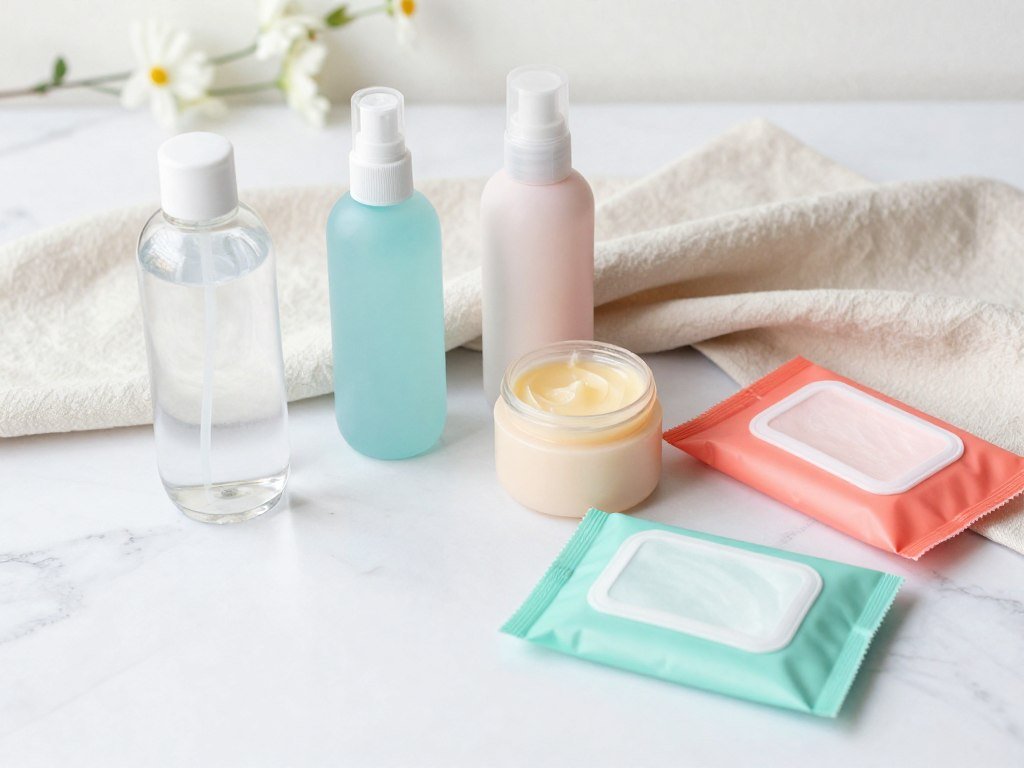
How Can You Remove Eye Makeup Without Tugging?
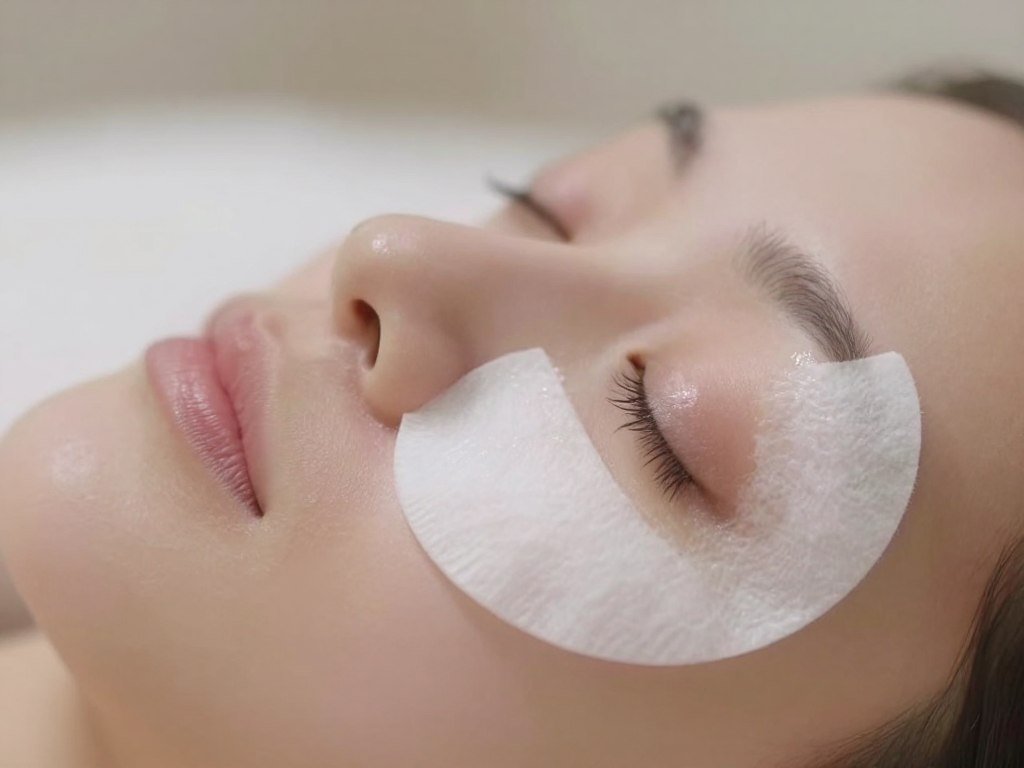
Let the remover do the dissolving before you move the pad. A cotton pad needs enough liquid to stay damp against the delicate eye area, rather than dragging dry fibers over lashes. Give the remover 10-15 seconds to loosen pigment before wiping.
Waiting helps the formula soften makeup instead of relying on repeated swipes. A gentle approach can also limit tugging on the lid and lashes. Follow these steps when you remove eye makeup:
- Saturate a cotton pad with eye makeup remover, so the whole surface feels damp.
- Close your eyes and hold the pad in place for 10-15 seconds.
- Wipe gently in the direction of your lashes, using light pressure.
- Use a clean cotton swab for small traces along the lash base.
For waterproof mascara, the pause matters because the product needs time to soften before it moves. Press the pad rather than pushing it around, and avoid pulling at lashes that still feel stuck. A swab can reach a small line of makeup, but keep it near the lash base rather than inside the eye.
Use a fresh section of the pad for the other eye to avoid dragging loosened makeup back across the lid.
Which Drugstore Eye Makeup Removers Are Worth Trying?
A practical drugstore choice depends more on whether you wear waterproof mascara than on the bottle’s claims. Garnier’s daily micellar water is the straightforward choice for everyday makeup, while its waterproof version suits stubborn mascara. Match the remover to your makeup before comparing extras.
These three makeup removers cover different needs without requiring a luxury-priced start. Neutrogena Oil-Free Eye Makeup Remover is a dedicated eye-removal liquid in the available selection. Garnier offers a micellar cleansing water for daily use and a separate bi-phase option for long-wear makeup.
- Garnier Micellar Cleansing Water All-in-1: Choose it for daily makeup and regular mascara.
- Garnier Micellar Cleansing Water All-in-1 Waterproof Makeup Remover: Choose it for waterproof makeup and mascara that resists a light cleanser.
- Neutrogena Oil-Free Eye Makeup Remover: Consider it when you prefer a dedicated eye-removal liquid.
The everyday Garnier formula is a useful place to start if you wear a basic eye look most days. It is a water-based first cleanse, so you can use a second cleanser when your face needs more cleanup. If your mascara is waterproof, the Garnier bi-phase liquid is the better fit than repeated passes with a lighter formula.
Garnier’s waterproof remover comes in 3.4 fl oz, 13.5 fl oz, and 23.7 fl oz bottles. Those options let you choose a smaller bottle for travel or a larger one for regular use. Bottle size alone does not tell you which remover fits your eyes or makeup.
Neutrogena’s named eye liquid gives you a focused alternative if you do not want a face-wide micellar product. Compare the label and use directions with the makeup you wear. A product’s name cannot tell you whether you will like its feel around the eyes.
For frequent travel or touch-ups, choose a package size you can carry and use cleanly.
What Works Best on Waterproof Mascara?
For waterproof mascara, use a bi-phase remover rather than relying on repeated passes with a light daily cleanser. Garnier Micellar Cleansing Water All-in-1 Waterproof Makeup Remover has an oil-like phase designed to dissolve waterproof mascara and long-wear makeup. Its two phases need to mix before you use it.
The formula combines an oil-like layer with a water-based layer. Shake the bottle to mix them, then saturate a cotton pad. Garnier recommends holding the pad against closed eyes for a few seconds before swiping outward.
This is a more targeted choice than a single-phase everyday micellar water. The oil-like phase can help with waterproof makeup that resists a lighter cleanser, but every mascara formula wears differently. You may need a different texture if your chosen product leaves a film or feels uncomfortable.
Use a soft pad and a light outward swipe instead of scrubbing back and forth. A second careful pass may help if makeup remains, but repeated rough wiping can irritate the delicate eye area. The formula should do most of the work once it has contact with the mascara.
Shake the bottle before saturating the pad so the two phases are mixed.
Which Options Suit Sensitive Eyes and Contact Lenses?
If your eyes are sensitive, begin with a simple fragrance-free formula rather than adding several new products at once. Garnier’s pink-cap All-in-1 Micellar Cleansing Water is its daily option for eye makeup and sensitive skin. “Tested” wording does not mean every person will avoid a reaction.
Garnier describes the pink-cap formula as single-phase, fragrance-free, oil-free, and alcohol-free. The brand says it is ophthalmologist- and dermatologist-tested. Its waterproof version is a different, bi-phase product, intended for makeup that needs more help to dissolve.
A four-part check can help you choose a cautious starting point:
- Choose products made for use around the eye area.
- Introduce one new eye product at a time.
- Avoid formulas that have irritated your eyes before.
- Rinse residue from your eyelids after cleansing.
Contact lens wearers may prefer a formula labeled for that use. Garnier says its waterproof remover is ophthalmologist- and dermatologist-tested and suitable for sensitive eyes and contact lens wearers. Those claims describe the product, not a promise that no one will react.
If you also have acne-prone skin, strong face ingredients can irritate some people, so keep eye-area care simple. Read more about spot treatments and skin irritation before adding a strong active to your routine.
Stop using a formula that causes stinging or redness and seek professional advice if symptoms persist.
What Do Eye Doctors Recommend at Night?
Make removing eye makeup part of the bedtime routine, even after a late night. Remove all eye makeup, rinse the remover from your eyelids, and keep gritty scrubs away from the eye area. Makeup residue left overnight is avoidable.
Products made for the eye area are a safer choice around lids and lashes than untested products or harsh chemicals. The American Academy of Ophthalmology advises users to remove eye makeup before sleep and rinse remover from the eyelids. Its guidance also warns against exfoliating scrubs near the eyes.
Remove makeup and rinse the eyelids
Use a remover suited to your makeup, then check the eyelid crease and lash line for leftover product. Gritty ingredients can scratch or irritate the eyes, so keep facial scrubs away from that area. You can read the American Academy of Ophthalmology’s eye makeup safety advice for more care tips.
Nighttime cleansing does not need to leave the skin tight or overworked. If you used a face cleanser after makeup removal, keep it gentle around the eye area. Leftover product near the lashes can feel uncomfortable by morning.
Use eye-area cosmetics carefully
Choose cosmetics made for use near the eyes, and avoid products with harsh or untested ingredients. A face product may suit your cheeks but still be a poor fit for eyelids. Keep gritty exfoliants on other parts of the face.
Use a clean towel to pat the area dry after rinsing. Rinse the eyelids until remover residue is gone.
Are Makeup Remover Wipes a Good Choice?
Wipes are most useful when portability matters more than a full sink-side routine. Aveeno Calm + Restore Makeup Removing Wipes are the option with specific fragrance-free and cloth details. Wipes can be convenient, but they still need a light touch near closed eyes.
A pre-moistened cloth can be handy for travel or late nights. Aveeno’s wipes use fragrance-free, 100% plant-based cloths with oat extract and feverfew. They are dermatologically tested and made without parabens, sulfates, dyes, or alcohol.
| Wipe | Specific details | Practical use |
|---|---|---|
| Aveeno Calm + Restore | Fragrance-free plant-based cloth with oat extract and feverfew | Fragrance-free wipe option |
| Neutrogena Makeup Remover Cleansing Towelettes | 4.6 out of 5 from 34,175 reviews in 2026 | Convenient cleanup |
| Neutrogena Hydro Boost Facial Cleansing Wipes | 4.5 out of 5 from 1,499 reviews in 2026 | Face-cleanup option |
The two Neutrogena products are wipe formats with different review totals and ratings. Aveeno is the clearest pick if you want cloth and fragrance details spelled out. For more on the role of wipes in a routine, see makeup-removing wipes and other skin care products.
Wipes can remove makeup when a sink is not nearby, but they do not replace careful eye-area handling. Keep the cloth moving gently over closed lids and avoid scrubbing back and forth.
Can Petroleum Jelly Remove Eye Makeup?
Petroleum jelly can help loosen makeup when the alternative would be pulling at the lid or lashes. It lets makeup slide with less tugging, which may help when a dry product clings to skin. Keep any product out of the eye itself.
Apply a small amount over makeup and let it soften the product before wiping it away gently. Petroleum jelly is not a dedicated eye makeup remover, so it may leave residue that needs to be rinsed away. Do not rub it into the eye.
Baby shampoo is another low-cost option for washing the eyelids and area around the eyes. It is an eyelid-washing choice, not a substitute for a remover in every situation. Waterproof makeup may need a product made to break it down first.
Use clean hands and keep your approach gentle, especially near lashes. Rinse the eyelids well after using a cleansing product around them.
Do You Need a Second Cleanse After Makeup Remover?
A second cleanse is most useful when a single makeup-removal step leaves residue or the face has a full layer of makeup. Start with micellar water, balm, or oil to loosen makeup, then use a gentle water-based face cleanser. A separate second cleanse is helpful after full-face makeup or sunscreen.
This two-step routine is often called double cleansing. The water-based first cleanse removes makeup, while the second cleanser helps clear remaining residue. A light makeup day may not need two steps if the first product rinses cleanly.
Clinique Take The Day Off Cleansing Balm is one example of a balm format for the face. It is not the same product as Clinique Take The Day Off Makeup Remover For Lids, Lashes & Lips, which is made for dedicated eye-area removal. Choose the format based on where you plan to use it.
Dry or sensitive skin can feel uncomfortable after a cleanser that strips too much. Gentle products for dry skin can help you compare face-cleanser textures and hydrating ingredients.
Choose a gentle finishing cleanser that leaves the face comfortable rather than tight.
Does Micellar Water Remove Mascara?
Yes, micellar water can remove many everyday mascaras, but waterproof formulas are a harder test. Garnier’s pink-cap All-in-1 Micellar Cleansing Water is single-phase, fragrance-free, and alcohol-free. Waterproof mascara may need an oil-like or bi-phase formula.
Use a saturated cotton pad and let it rest against closed eyes before wiping gently. Everyday mascara often loosens with patient contact, though results can vary by brand and wear level. A few coats may take longer than a light layer.
Waterproof mascara is designed to resist moisture, so a single-phase micellar water may not lift it as easily. Garnier’s waterproof remover uses an oil-like phase to dissolve waterproof mascara and long-wear makeup. That does not mean every person needs the same formula.
If mascara remains after a gentle, patient pass, switch to a waterproof-specific remover.
What Happened in the Neutrogena Wipes Recall?
The 2025 Neutrogena wipes recall was limited to a specifically identified package and lot. The FDA classified the recall as Class II, and the affected product was Neutrogena Makeup Remover Ultra-Soft Cleansing Towelettes, a 50-count, 25-pack with lot number 1835U6325A. The documented action concerned one lot.
The affected lot tested positive for Pluralibacter gergoviae. The company cited possible manufacturing procedural deficiencies in that lot and said no other lots or Neutrogena products were included. A Class II classification is the recall category assigned to that action.
A recall of one lot does not by itself show that Neutrogena is discontinuing its products. It also does not mean that every package in the product line was included. Keep the scope tied to the named package and lot.
Check the lot number on the package against 1835U6325A before using a product that may match the recall.
What Works for Mature or Dry Skin?
Dry or mature skin often benefits more from a comfortable, non-stripping routine than from extra rubbing to chase every trace of makeup. Choose a gentle texture that removes makeup without leaving your face tight. Age alone does not mean you need a heavier eye product.
A hydrating face cleanser can support comfort after makeup removal, but it is not automatically an eye makeup remover. Clinique Take The Day Off Facial Cleansing Mousse is a face-cleanser example that contains 10% glycerin and hyaluronic acid. It is described as suitable for dry or mature skin.
Choose a comfortable cleansing texture
For full-face makeup, a balm or oil can loosen product before you rinse. For light eye makeup, a simple remover may be more comfortable than a thick formula that leaves residue. The best choice is the one that clears makeup without making you rub harder.
Glycerin and hyaluronic acid are hydrating ingredients often used in face care. They may suit a dry-skin routine, but a facial cleanser should stay on the face only if its directions support that use. Keep eye makeup removal separate when a face product irritates your eyes.
Keep the eye-area routine gentle
Use a soft pad and give the remover time to loosen pigment. A thicker product is not always kinder if it blurs vision, stings, or clings to lashes. Choose for comfort and how well it rinses away.
If your skin is dry beyond the eye area, a simple routine with gentle cleansing and hydration may help. Keep the eye-area formula comfortable and rinse away any cleanser residue.
How Much Should You Spend on an Eye Makeup Remover?
Spending more is not a requirement for removing eye makeup gently. Garnier lists its All-in-1 micellar water and waterproof remover at $11.99 MSRP, with three stated bottle sizes. Choose by formula and package size, not price alone.
Balms and dedicated eye liquids cost more in the listed examples, but texture and use differ. Banila Co and Farmacy are balm formats, while Clinique Take The Day Off Makeup Remover For Lids, Lashes & Lips is a dedicated eye-area option.
| Product | Format | Listed price or MSRP | Sizes stated |
|---|---|---|---|
| Garnier All-in-1 Waterproof Makeup Remover | Bi-phase | $11.99 MSRP | 3.4, 13.5, and 23.7 fl oz |
| Garnier All-in-1 Micellar Cleansing Water | Micellar water | $11.99 MSRP | 3.4, 13.5, and 23.7 fl oz |
| Banila Co Clean It Zero Original | Balm | $29 | Not stated |
| Farmacy Green Clean | Balm | $39 | Not stated |
Clinique Take The Day Off Makeup Remover For Lids, Lashes & Lips is listed at $36. That price buys a dedicated eye-area option, while the Garnier examples cover everyday or waterproof makeup. Compare only products that fit the way you plan to use them.
Compare the formula and package size you will actually use, not just the bottle’s upfront price.
How Can You Reduce Irritation and Keep Makeup Safer?
A gentle remover is only part of keeping an eye-makeup routine comfortable. Replace eye makeup after three months, introduce one new eye product at a time, and use products made for the eye area. Changing one product at a time makes a possible reaction easier to spot.
Eye products can become a source of avoidable irritation if they stay in use too long. Creamy and liquid eye makeup can grow bacteria easily, so mark when you open each item. For more safety advice, the American Academy of Ophthalmology’s cosmetic guidance covers habits that protect the eye area.
Stop using any eye product that causes irritation, and keep cosmetics made for other areas away from your eyes.
Use this short checklist to make the routine easier to manage:
- Replace eye makeup after three months.
- Introduce only one new eye makeup or care product at a time.
- Avoid products not designed for the eye area.
- Stop using a product that causes irritation.
Changing one product at a time can help you spot what may have caused a reaction. This is especially useful if your skin has reacted to eye products before. Keep the product name and opening date easy to find.
Mark the opening date on creamy or liquid eye makeup so its three-month replacement point is easy to track.
Conclusion
For most everyday routines, choose a simple formula that matches the makeup you wear and feels comfortable on your skin. Garnier Micellar Cleansing Water All-in-1 is a practical daily pick, while its waterproof bi-phase version better suits waterproof mascara.
If you have sensitive skin, start with a formula that feels gentle and stop if it causes stinging or redness. The right remover should loosen makeup without asking you to scrub. A quiet pause with a damp pad can do more than several rushed passes.
Tonight, saturate a clean cotton pad, hold it against closed eyes, and let the remover loosen the makeup before wiping.
FAQ
What do dermatologists recommend for makeup remover?
Does micellar water remove mascara?
What do ophthalmologists recommend to remove eye makeup?
What face wipes are recommended by dermatologists?
What are the best eye makeup remover wipes?
What is the lawsuit against Neutrogena for their makeup wipes?
Are Neutrogena makeup wipes safe to buy now?
Which makeup wipes are recalled?