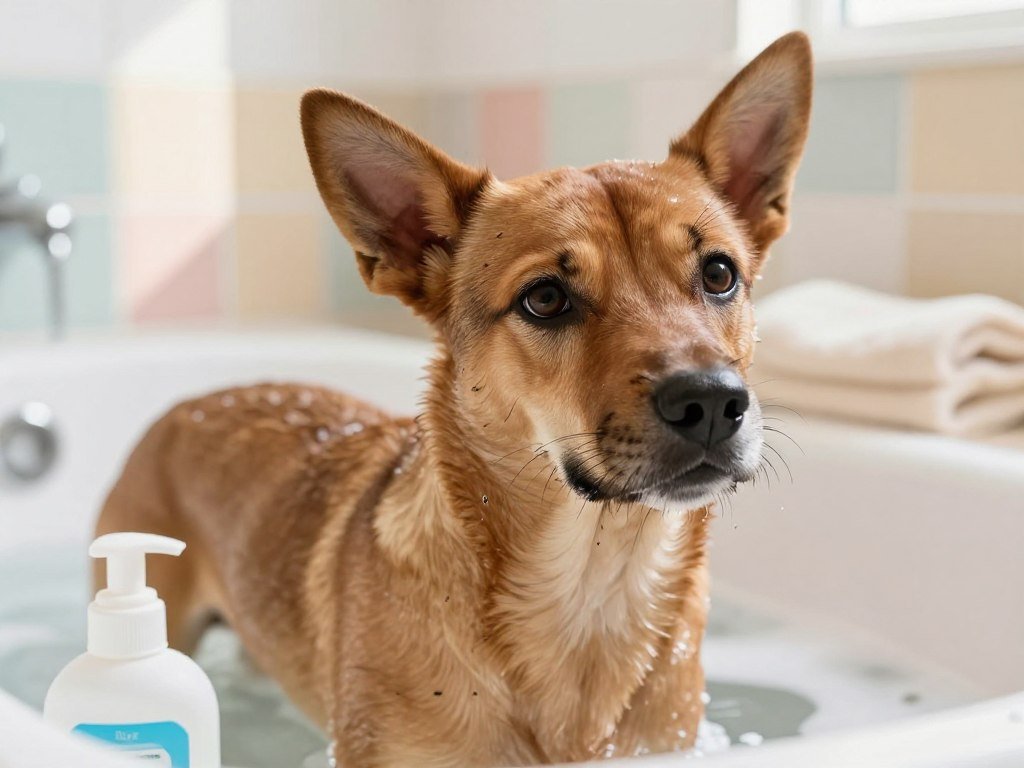
A flea bath can provide a fast reset for a dog with visible fleas, but it is only one part of getting an infestation under control. ADAMS Plus Flea & Tick Shampoo with Precor is the overall pick for a dog with visible fleas, while other formulas fit different needs. An insect growth regulator (IGR) interrupts immature flea development so fleas do not mature into biting adults.
A bath can knock down fleas on your dog, but it cannot clear the household environment by itself. Your choice depends on your dog, the label directions, and any other pets at home. A formula that suits one dog may not suit another animal in the same household.
This roundup helps you match a shampoo to visible fleas, coat needs, scent preferences, or gentle cleansing. It also sets out what a bath can do, what it cannot do, and how to use one with care. Choose a formula whose label fits your dog’s age and health before starting the bath.
Key Takeaways
- ADAMS Plus is the overall pick for dogs with visible fleas.
- Shampoo offers short-term contact control, not full household flea control.
- Check the active ingredients and age rules on the exact product label.
- A gentle cleanser may suit sensitive skin better than an insecticide shampoo.
- Use separate, species-appropriate products for dogs and cats.
- Pair bathing with a preventive and household flea control.
What Is the Best Flea Shampoo for Dogs in 2026?
For a dog with visible fleas, ADAMS Plus Flea & Tick Shampoo with Precor is the strongest all-around starting point in this guide. It suits an active flea problem because its label covers adult fleas and flea development. Choose it only when the dog meets the label’s age and health rules.
Bio-Groom Flea & Tick Shampoo for Dogs is a conditioning-focused alternative. Wondercide Natural Flea & Tick Dog and Cat Shampoo suits owners who prefer a plant-based flea tick shampoo. Vet’s Best Hypo-Allergenic Dog Shampoo offers gentle cleansing, but it contains no insecticide ingredients.
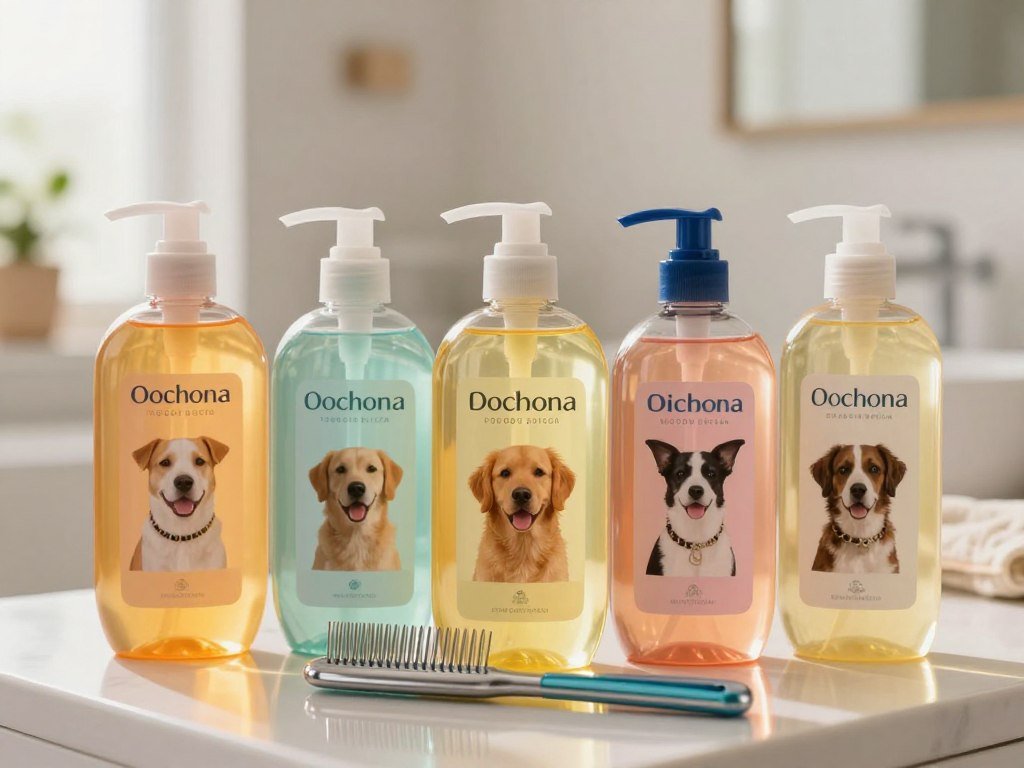
A vet-recommended flea shampoo for dogs is not chosen by marketing words alone. Check the active-ingredient panel, then match the dog’s age and health to the label. The best flea tick option for one pet may not fit another dog’s needs.
Choose a flea tick shampoo by its active ingredients and label limits, not by claims on the front of the bottle.
These products solve different bathing problems, from visible fleas to coat care or mild cleansing. Match the product to the problem you need the bath to solve, not just the word “flea” on the bottle.
Which Flea and Tick Shampoos Fit Different Needs?
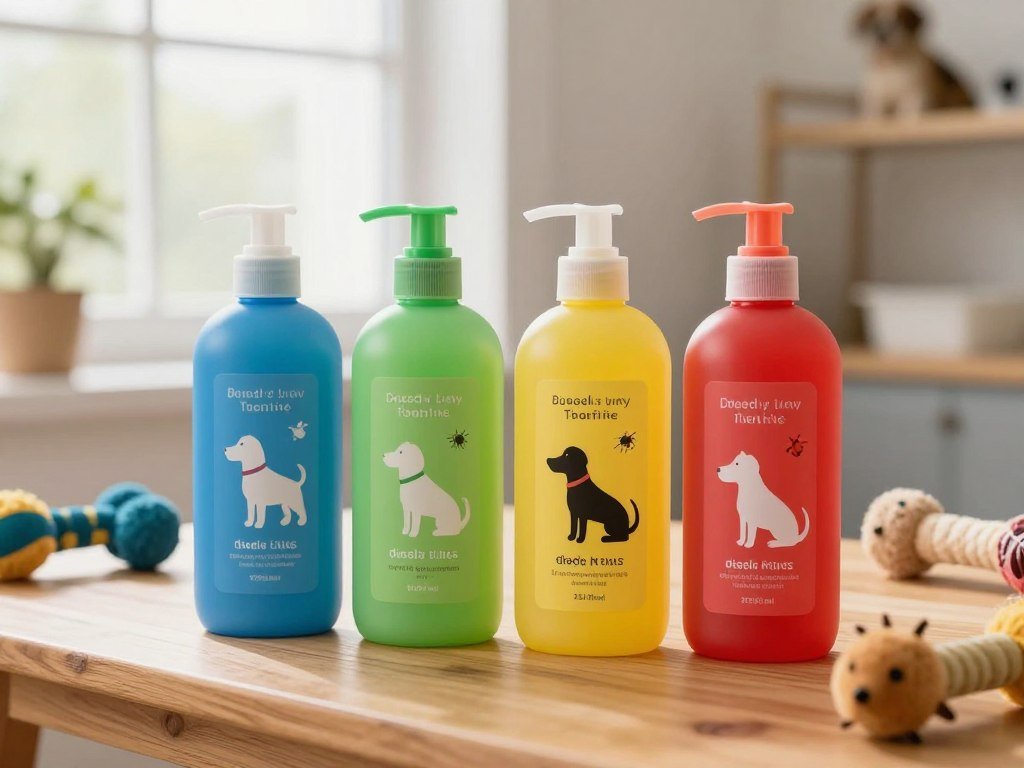
The right pick depends on whether you prioritize a broad flea knockdown, a scent preference, coat feel, or a botanical formula. The table compares four flea and tick shampoo choices by intended use. Each product has a different label and formula, so the names are not interchangeable.
| Product | Best-fit situation | Formula type | Main consideration |
|---|---|---|---|
| ADAMS Plus Flea & Tick Shampoo with Precor | Visible flea infestation | Contact-kill shampoo with an IGR | Overall pick |
| Advantage Flea & Tick Treatment Shampoo for Dogs & Puppies | Scent-sensitive household | Insecticide shampoo | No IGR |
| Bio-Groom Flea & Tick Shampoo for Dogs | Coat-conditioning priority | Insecticide shampoo | Conditioning ingredients |
| Wondercide Natural Flea & Tick Dog and Cat Shampoo | Plant-based preference | Essential-oil shampoo | Strong scent may not suit every dog |
For an active flea problem, the ADAMS formula pairs contact-kill ingredients with an IGR. Advantage is unscented, while Bio-Groom focuses more on coat feel. Wondercide uses essential oils, which some owners prefer, though a strong scent can bother some dogs.
Vet’s Best Hypo-Allergenic Dog Shampoo can cleanse the coat and wash away fleas during a bath. It does not kill fleas with insecticide ingredients, so use it as a cleansing option rather than an insecticide flea shampoo. Treat the table as a way to narrow choices, then verify the exact product label for your dog.
What Makes ADAMS Plus the Best Overall Pick?
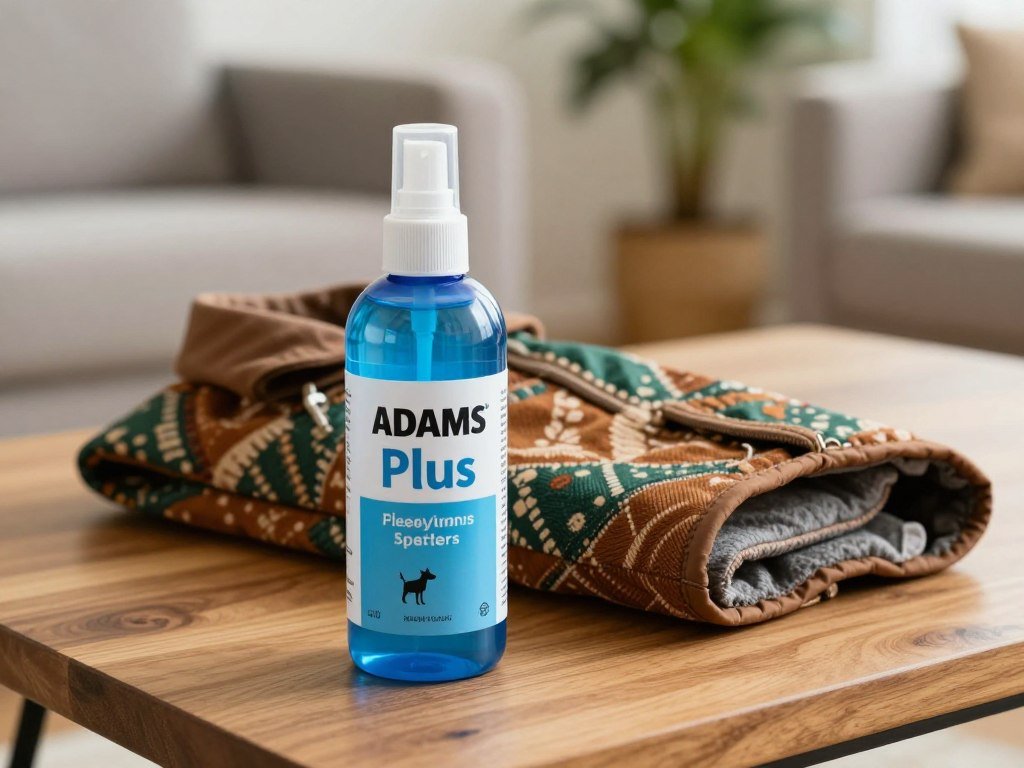
ADAMS Plus stands out because its label addresses both visible pests and flea development. It is the overall pick for an active infestation because the label covers adult fleas and immature flea stages. That wider label coverage sets it apart from adult-only flea shampoos.
How the formula addresses fleas at different stages
Pyrethrins kill adult fleas on contact, while the IGR (S)-methoprene interrupts immature flea development. The product label says it kills fleas, flea eggs, ticks, and lice on contact. It also says it stops new fleas from developing into biting adults for up to 28 days.
That combination makes the formula useful when you see an active flea problem on your dog. It does not remove fleas already developing in carpets, bedding, or furniture. The household environment still needs attention.
What the label covers
The label allows use on dogs, cats, puppies, and kittens over 12 weeks old. Its active ingredients are (S)-Methoprene 0.10%, Pyrethrins 0.15%, and Piperonyl Butoxide 1.88%. The label’s 28-day claim applies to stopping new fleas from developing into biting adults.
ADAMS Plus Flea and Tick Shampoo is the overall pick for a dog with an active, visible flea infestation. Its use still depends on the product label and the animal’s eligibility. Confirm that every animal receiving a product meets the age and species conditions printed on its own label.
Which Shampoo Fits Sensitive Skin, Small Dogs, or Natural Preferences?
A dog’s coat condition and skin tolerance can matter as much as the number of fleas you see. Bio-Groom, Advantage, Wondercide, and Vet’s Best fit different bathing priorities. The best choice depends on what your dog can safely use and what the bath needs to do.
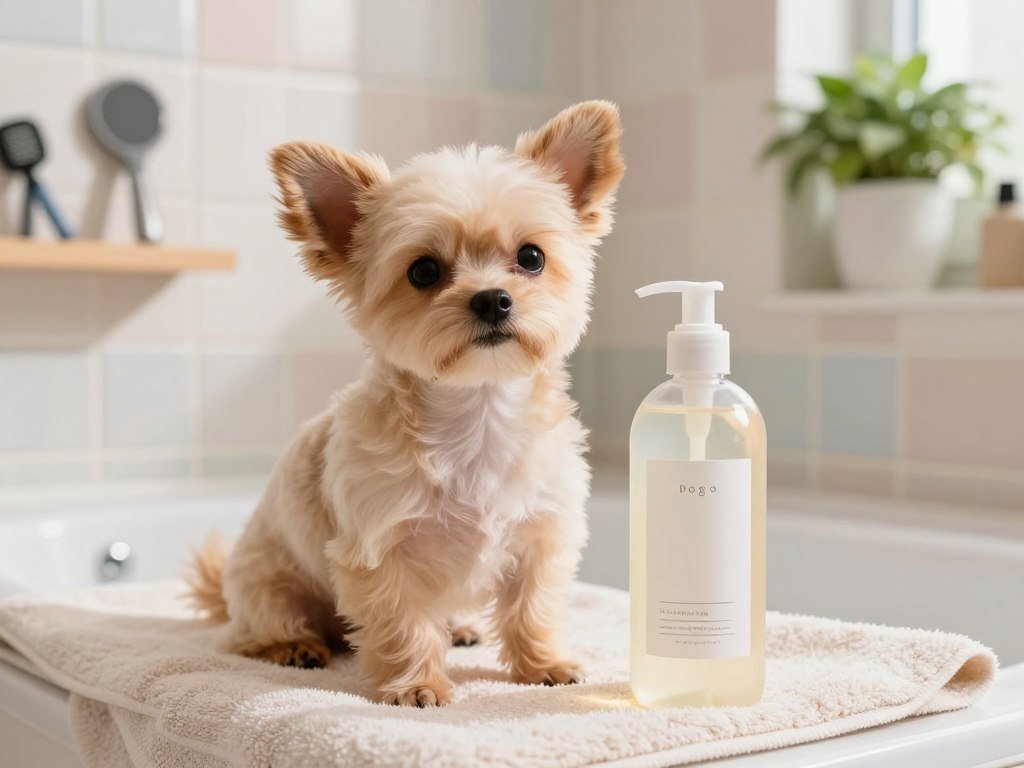
For a coat-conditioning priority
Bio-Groom Flea & Tick Shampoo for Dogs contains coconut oil, protein, and lanolin. Those ingredients make it a choice for owners who care about the feel of the dog coat after bathing. Its directions allow dilution at one part shampoo to four parts water.
Follow the bottle’s dilution instructions rather than guessing at the mix. A flea product still needs to be used as its own label directs, even when coat care is the main concern.
For a small dog or scent-sensitive household
Advantage Flea & Tick Treatment Shampoo for Dogs & Puppies is unscented and contains no IGR. That can suit a scent-sensitive household, but it does not mean the product fits every dog. Small dogs do not automatically need a different formula.
The best flea shampoo for small dogs still has to meet the dog’s age and label directions. Base the choice on the amount needed and the label, not on a guess that small dogs need a special type of shampoo. The best flea shampoo for dogs with sensitive skin may be a gentle cleanser paired with a separate preventive.
For a botanical preference or gentle cleansing
Wondercide Natural Flea & Tick Dog and Cat Shampoo is the botanical option. Its label covers dogs and cats four months and older, and it is used once per week as needed. Plant-based ingredients can still affect a pet’s skin or senses.
Vet’s Best Hypo-Allergenic Dog Shampoo is different: it contains no insecticide ingredients. It can wash fleas away during bathing, but it does not kill them with an insecticide. If the skin is already raw or broken, ask a veterinarian before choosing an insecticide or essential-oil bath.
Which Ingredients Kill Fleas and Interrupt Their Life Cycle?
The ingredient panel tells you whether a shampoo is aimed at adult fleas, immature stages, or both. Pyrethrins kill pests on contact, while an IGR interrupts immature flea development. Contact killing and life-cycle control are different jobs.
| Ingredient or class | Role | What it targets | Practical limitation |
|---|---|---|---|
| Pyrethrins | Insecticide | Adult fleas and ticks on contact | Follow the product label |
| (S)-methoprene | IGR | Immature flea development | Does not replace home cleanup |
| Piperonyl butoxide | Synergist | Helps pyrethrins work | Not an insecticide by itself |
| Essential oils | Plant-derived actives | May repel or kill pests, depending on formula | Natural does not mean risk-free |
Contact-kill ingredients affect fleas and ticks present during the bath. An IGR works on immature flea development instead of killing adult pests by contact. Some flea tick shampoos combine both types, while other flea shampoos focus on contact action.
Piperonyl butoxide is a synergist paired with pyrethrins, not an insecticide on its own. Essential-oil formulas use plant-derived ingredients such as peppermint or cedarwood. Compare active ingredients and label directions rather than relying on a “natural” or “medicated” description.
How Do You Bathe a Dog With Fleas Safely?
Read the specific bottle’s directions before wetting your dog, because product amounts and contact times are not interchangeable. For ADAMS Plus, the directions call for about four teaspoons per five pounds of pet weight. Use the contact time and repeat limit printed for the exact shampoo.
Prepare the dog and bathing area
- Read the label and confirm your dog meets its age rules.
- Gather shampoo, towels, and a flea comb.
- Brush tangles out before you wet the coat.
- Use comfortably warm water for the bath.
Lather, wait, and rinse by the label
Apply a lather collar around the neck before working down the body. That helps keep fleas from moving toward the head as you shampoo the dog. Reach the skin through the coat, but keep shampoo away from the eyes and mouth.
The ADAMS Plus label says to work the lather over the pet for three to five minutes, then rinse thoroughly with warm water. Its directions allow repeating every seven to ten days if needed for adult flea relief, but no more than once per day. Do not use it on puppies or kittens under 12 weeks old.
Vet’s Best flea and tick shampoo has a five-to-ten-minute contact time, which applies to that product only. Do not borrow its timing for another dog shampoo. A guide to dog shampoo for sensitive skin also explains why a thorough rinse matters. Rinse thoroughly and do not exceed the label’s maximum daily application.
Can You Use Dog Flea Shampoo Around Cats?
A product labeled for dogs is not automatically safe for a cat in the same household. The best flea shampoo for dogs and cats is not necessarily one formula for both species. Never use dog flea shampoo on a cat.
Dog and cat flea products should not be combined unless a veterinarian prescribes the combination. Some products with pyrethrins, pyrethroids, or organophosphates can cause toxicity if a pet absorbs or ingests too much. Cats are especially sensitive to pyrethrums and organophosphates.
- Tremors can be a sign of pyrethrum-based toxicity.
- Excessive salivation can also occur.
- Signs may appear within one to 12 hours.
- Contact a veterinarian urgently if signs continue after washing.
The ADAMS label says the shampoo is for external use only and must not be ingested. If sensitivity signs occur, its directions say to bathe the pet with mild soap and rinse with lots of water. If signs continue, consult a veterinarian immediately.
The National Pesticide Information Center explains why dog-only products can sicken cats. Follow the specific label rather than improvising or combining products. If a cat contacts a dog-only flea product, contact a veterinarian promptly rather than waiting for symptoms.
Why Does Flea Shampoo Not Prevent Reinfestation?
A clean-looking dog can still return to a home where flea eggs and larvae are developing. Fleas pass through egg, larva, pupa, and adult stages, so treating the dog alone may leave the household environment active. Visible adult fleas on a pet represent about five percent of the infestation.
Flea eggs and larvae can fall into carpets, furniture, and bedding. Pupae can also remain in the environment and later emerge as adults. That is why an effective plan addresses all life stages and treats both the pet and its surroundings.
A flea shampoo is a contact knockdown, not a long-term preventive. Pair it with a veterinarian-recommended preventive to help stop reinfestation. Bathing can strip coat oils and may temporarily reduce the effect of a topical preventive, so check both labels and ask your veterinarian before combining products.
Mississippi State University Extension explains why flea control includes pets and the home. For broader coat care, see these dog shampoo choices and their label limits. Treat every pet in the household with a species-appropriate preventive plan.
How Do You Get Fleas Out of the Home?
Start the home cleanup while you treat the dog, so the freshly bathed pet does not return to dirty bedding. Regular vacuuming and hot-water washing can reduce fleas, eggs, and larvae in the home. Clean daily during an active infestation.
- Wash pet bedding and soft furnishings in hot water.
- Vacuum carpets daily for at least a week.
- Vacuum furniture daily during that same period.
- Empty the vacuum contents outside after cleaning.
Fleas may also remain in other areas your pet uses. Home or yard treatment may be needed when an infestation persists. Choose a product labeled for the intended area, and follow its directions to protect pets during use.
Keep treated pets away from any treated area until the product label says they can return. A veterinarian can help you decide whether an additional home or yard product fits your flea-control plan. Keep the bedding and vacuum routine going through at least a week of daily cleaning.
What Can Kill Fleas Faster Than a Bath?
If speed is the priority, some oral flea pills begin killing fleas sooner than a bath can be completed. Some pills, including Capstar, begin killing fleas within 30 minutes. That is fast action, not an instant kill or lasting household control.
| Option | How it works | Timing or duration | Key limit |
|---|---|---|---|
| Flea shampoo | Contact knockdown during a bath | During label contact time | No reliable long-term prevention |
| Capstar | Oral fast-kill pill | Some pills begin killing fleas within 30 minutes | Ask a veterinarian before combining treatments |
| Isoxazoline preventive | Flea and tick medication class | Follow the individual product label | Neurologic adverse reactions have been reported |
The FDA considers isoxazoline flea and tick products safe and effective, but reports neurologic adverse reactions in some dogs and cats. These reactions include muscle tremors, ataxia, and seizures. Seizures can occur even in animals with no prior seizure history.
A flea shampoo, oral pill, and preventive may have different uses and limits. Ask your veterinarian before adding an oral product to a flea shampoo or preventive.
When Should a Vet Help With a Flea Problem?
A dog with raw or infected-looking skin needs more than a stronger flea bath. Call a veterinarian when skin damage, lasting itch, or a health condition makes bathing risky. Do not use ADAMS on a medicated, debilitated, aged, pregnant, or nursing animal without veterinary advice.
- Ask before using ADAMS on a medicated, debilitated, aged, pregnant, or nursing dog.
- Get help for open, oozing, or crusted skin.
- Call if scratching or hair loss continues or spreads after fleas are controlled.
- Seek care for a greasy or yeasty odor or ear irritation.
Persistent itching can remain after fleas are gone. Flea allergy dermatitis can cause ongoing itch and skin irritation, and a skin infection may need care beyond a different shampoo. A new bath may not fix the cause.
These signs can point to a health problem that needs an exam, not another product trial. Severe scratching, open sores, crusts, and spreading hair loss deserve prompt attention. Call your veterinarian before bathing a dog with a medical condition or severely irritated skin.
Raw skin, spreading hair loss, or signs of infection call for veterinary care before another flea bath.
Conclusion
For most dogs facing visible fleas, a label-following bath with ADAMS Plus is a useful first move, not the whole plan. A gentle cleanser or botanical formula may fit a different coat, skin, or scent preference. The best product is the one your dog can use safely.
A bath does not replace a preventive or control of fleas in the household environment. Check the chosen label against your dog’s age and health before you start. Contact a veterinarian before combining treatments, especially if your dog takes medication or has a medical condition.
Before the bath, check the label and call your veterinarian if your dog has a medical condition or takes medication.
FAQ
What’s the worst month for fleas?
Does flea shampoo kill eggs?
Is Dawn dish soap good for fleas on dogs?
What kills fleas on dogs immediately?
What smell do fleas hate most?
What does baking soda do to fleas?