Wavy hair often needs enough moisture to define its bends, but not so much product that the pattern falls flat. The right choice depends on your wave pattern, strand thickness, and desired hold. A lighter formula can help you keep volume, while a richer cream may suit hair that feels dry or coarse.
This roundup covers options from lightweight lotions to richer creams and formulas with humidity-focused claims. Frizz control, definition, and movement all matter, but one product will not suit every head of hair. Start with a small amount of a lightweight formula if your waves lose volume easily.
Key Takeaways
- Fine waves often need a lightweight lotion or cream.
- Dry or coarse hair may need a richer formula.
- Mousse can add lift when waves fall flat.
- Use a small amount first, then adjust by section.
- Choose hold based on how much movement you want.
How to choose the best curl cream for wavy hair
If fine waves collapse easily, choose a lighter lotion or cream before trying a rich butter. Most wavy hair falls within types 2A-2C, though strand size and density change how products feel. Start light if volume matters, and look for a formula made for your texture.
Match the product to four things: thickness, moisture needs, desired hold, and your main styling goal. Fine hair usually does better with a light texture, while dry or coarse hair may need more richness. A flexible-hold label does not promise the same result for every wave pattern.
- Thickness: Fine strands can lose lift under a heavy cream.
- Moisture: Dry or coarse hair may need a richer feel.
- Hold: Choose a level that supports your usual style.
- Goal: Prioritize volume or frizz control, rather than both equally.
Test a pea- to dime-sized amount first, then adjust for your hair’s length and density.
The same amount can spread differently through a short, fine bob and dense, long waves. A small test helps you judge the hair feel before using a formula all over. If you are also choosing a wash routine, this guide to matching shampoo and conditioner to hair type covers texture and conditioning needs.
Test a small amount on one section before using a new formula throughout your hair.
Cream, mousse, or gel: which gives waves the right hold?
Fine waves that need lift usually benefit more from mousse than from a rich cream. A curl cream supports softness and definition with light hold, while gel gives a firmer hold. A cast is the firm layer gel can form as it dries, which should be scrunched out only after the hair is completely dry.
Choose by the job you need done: moisture, softness, hold, or lift. Leave-in conditioner adds moisture and slip. Mousse adds volume with light hold, making it a useful starting point for fine or wavy curls that need body.
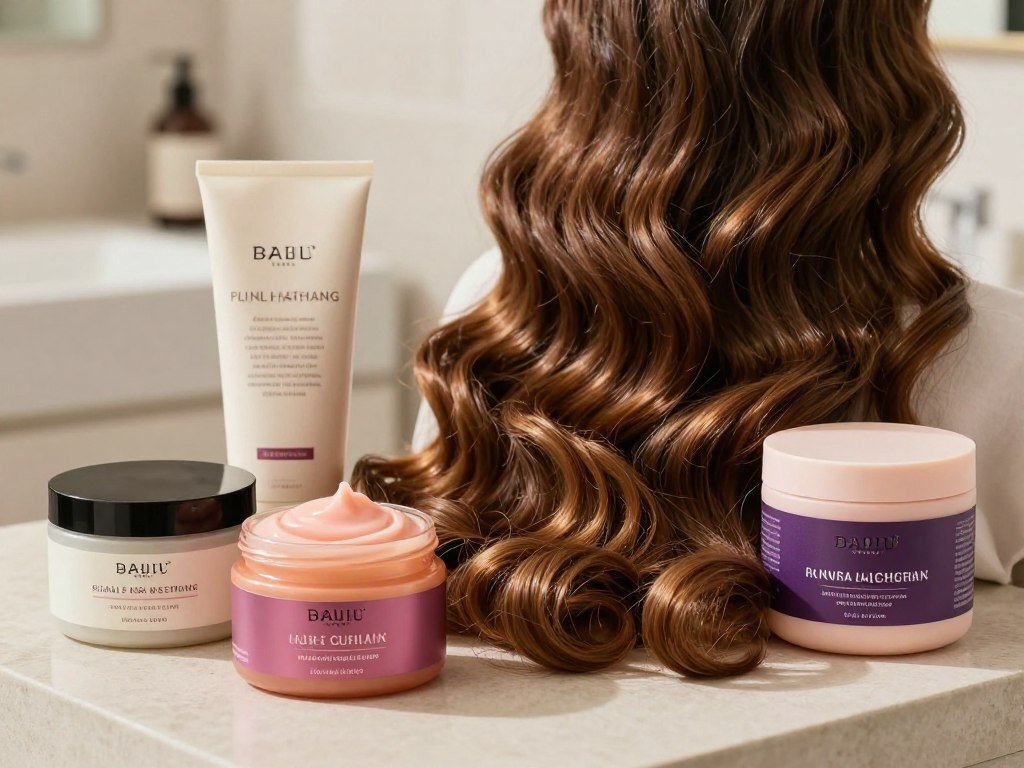
| Product type | Primary role | Typical fit | Likely tradeoff |
|---|---|---|---|
| Leave-in conditioner | Moisture and slip | Hair needing easier detangling | May add too much softness alone |
| Curl cream | Softness, definition, light hold | Dry, frizzy, thick, or coily curls | Can weigh down fine waves |
| Gel | Firmer hold | Waves needing more shape support | May form a firm cast |
| Mousse | Volume and light hold | Fine waves needing body | May offer less moisture |
Mousse often makes more sense when lift is the goal; cream is more useful when softness and moisture matter most. The feel of a cast is a styling effect, not a sign that hair has residue or damage. In 2026, Odele Curl Defining Foam offers flexible hold, heat protection up to 450°F, and 24 hours of humidity-resistant frizz control.
Choose the product whose main job matches the result you want, rather than stacking formats by default.
Which lightweight creams suit fine waves?
For waves that go limp under rich products, Bumble and Bumble Curl Light Defining Styling Cream is the most directly targeted pick here. It is designed for looser curls and finer textures, and costs $37. Fine strands may still feel weighed down if you use too much.
A lightweight curl cream can still feel heavy when the amount is too large. Bumble and Bumble is a clear option for finer hair because its intended fit names that texture directly. Its listed price is $37.
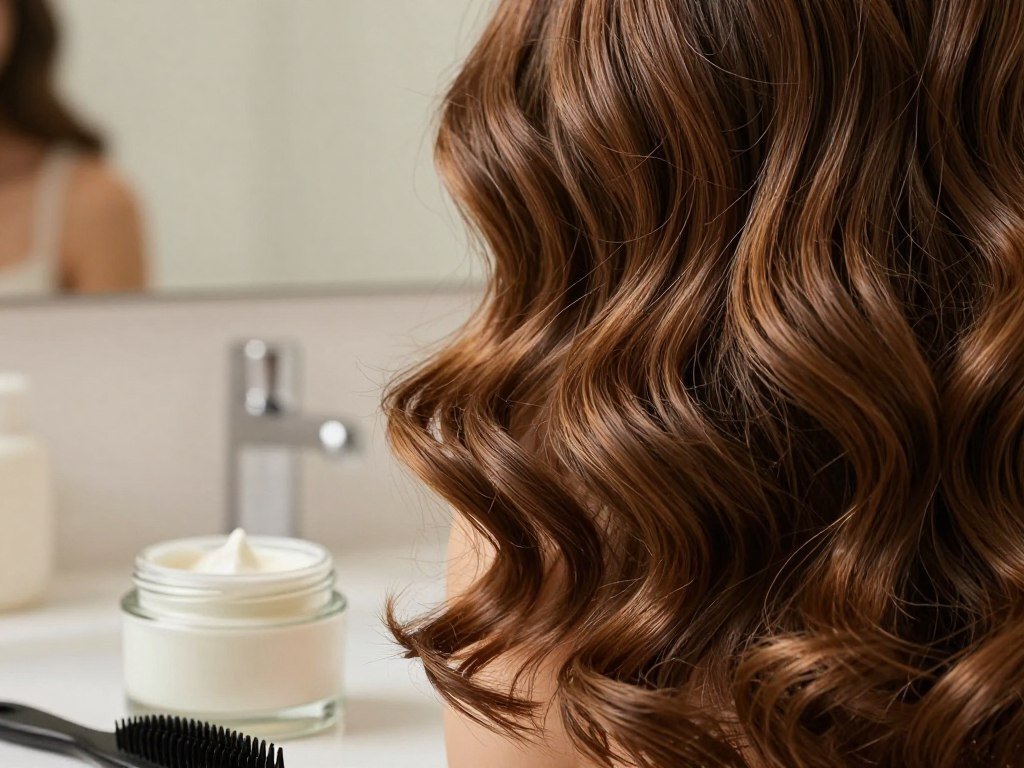
Bumble and Bumble Curl Light Defining Styling Cream for finer textures
This styling cream is designed for looser curls and finer textures. That makes its stated fit more direct for fine waves than a rich, dense cream. Use the hair feel and amount as part of your choice, not the product name alone.
Fine hair can lose volume when a formula leaves too much coating on the strands. Starting with a very small amount gives you room to add more on a later wash day. Its listed price is $37.
Mizani True Textures Curl Enhancing Lotion for light movement
Mizani True Textures Curl Enhancing Lotion offers a lotion format for fine-to-medium wavy and curly hair, with a stated range of 2A-4C. Its $28 listed price and lighter lotion form may appeal if you prefer movement over a richer cream.
The broad curl range does not mean every texture needs the same amount. Fine waves may need a light touch, while thicker hair may take more product. The final hair feel matters as much as the curl-type label.
Odele Curl Defining Cream for medium-to-coarse waves
Odele Curl Defining Cream is intended for 2A-3B hair with medium-to-coarse texture. It is a better fit for waves needing more substance than very fine hair, based on its stated texture range.
In 2026, its claims include heat protection up to 450°F and 24 hours of humidity-resistant frizz control. Those features do not make it the right weight for every fine wave. Fine waves should start with less product than they think they need.
Which curl creams stand up to frizz and humidity?
For a humidity-focused pick, Aveda Be Curly Advanced Curl Enhancing Cream has the clearest stated duration for frizz control. Its claim lasts up to 72 hours, and the formula contains 17 essential amino acids. That duration is a product claim, not a promise for every climate or routine.
Aveda Be Curly Advanced Curl Enhancing Cream is listed at $36. Its humidity focus may suit people who want help managing frizz on damp or muggy days. Hair response still depends on the routine and local conditions.
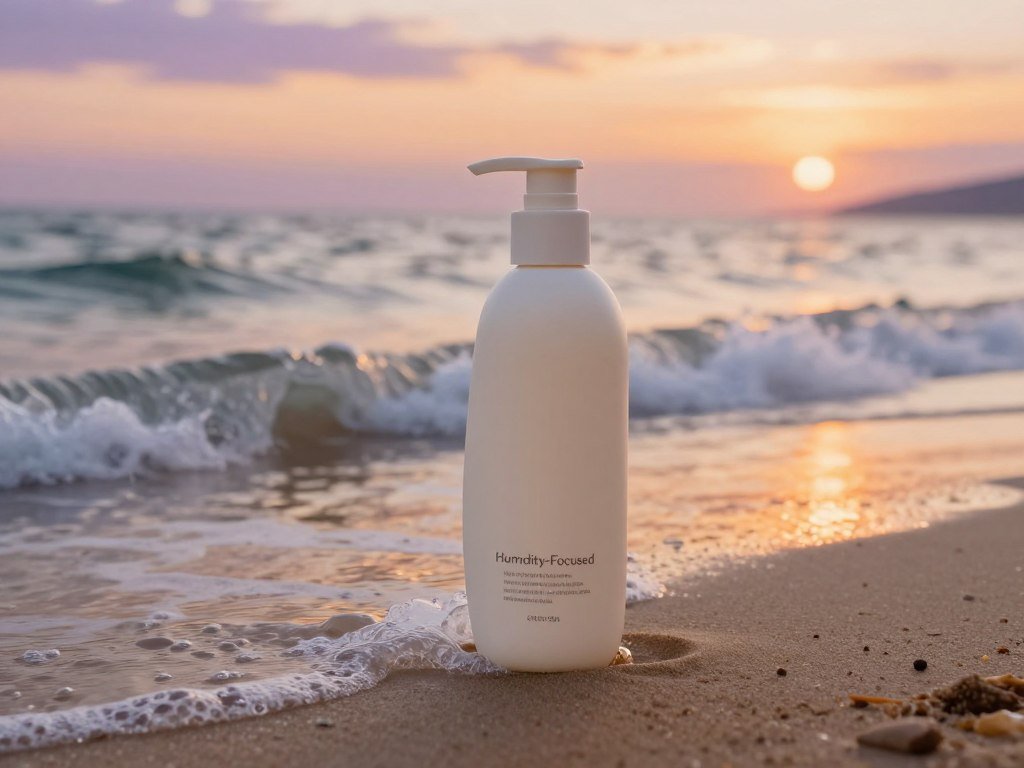
Aveda Be Curly Advanced Curl Enhancing Cream for humid days
Aveda’s cream is listed as a humidity pick, with a claim of keeping frizz at bay for up to 72 hours. It contains 17 essential amino acids and has a listed price of $36. Those details can help narrow a choice when humidity is the main concern.
A stated time frame does not guarantee the same control in every climate. Hair density, the amount applied, and the rest of the routine can affect the finish. A cream that adds enough moisture may still feel too rich on fine waves.
Fenty Hair The Homecurl Curl-Defining Cream for frizz control
Fenty Hair The Homecurl Curl-Defining Cream is listed as a frizz-control pick. Its gel-cream hybrid texture is made to spread through damp hair without leaving a crunchy cast, and its listed price is $34.
The hybrid format may appeal if you want cream-like softness with a more defined finish. The no-crunchy-cast claim describes the expected styling feel, not a guarantee that every person will get the same result.
Rizos Curls 6-in-1 Styling Cream for broad curl-pattern coverage
Rizos Curls 6-in-1 Styling Cream is described for curl types 1A-4C. It provides heat protection up to 450 degrees and has a listed price of $25.
Its wide range can help shoppers compare options across different patterns, but does not remove the need to consider thickness and moisture. Rizos Curls is also listed as an overall pick in 2026. If humidity is the main challenge, compare the formula’s stated control and the hold your own waves can tolerate.
Which creams work best for soft hold and air-drying?
For a soft-hold air-dry style, JVN Complete Air Dry Cream is labeled as a frizz-fighting texture enhancer. Its 5 FL OZ / 147 ML size and soft-hold description suit readers who want movement rather than a firm set. Soft hold does not mean every wave will keep the same shape.
Air-dry compatibility does not mean each formula creates the same hold or volume. JVN Complete Air Dry Cream is labeled silicone-free, sulfate-free, color-safe, vegan, and cruelty-free. Those label details may matter if they match your preferences.
JVN Complete Air Dry Cream for a soft finish
JVN Complete Air Dry Cream is a 5 FL OZ / 147 ML frizz-fighting texture enhancer for soft hold. Its listed labels include silicone-free, sulfate-free, color-safe, vegan, and cruelty-free. The description centers on a touchable finish, rather than firm hold.
The label can help you screen for preferences, but it does not predict the exact result on your hair. A finer wave may respond differently from a thicker curl, even with the same styling motion.
Pete & Pedro Curl Cream for flexible use
Pete & Pedro Curl Cream comes in a 4 oz size and is described for curly, wavy, and coily hair. Its listed ingredients include jojoba oil and sunflower seed extract.
The stated texture range covers several patterns, so the amount and final feel remain useful checks. Pete & Pedro’s cream can also work for dry-hair touch-ups, though its fit may depend on how much product is already present.
Curlsmith Awestruck Definition Cream for lightweight definition
Curlsmith Awestruck Definition Cream is described as an oil-in-gel formula and is listed at $32. That format combines oil with a gel base, which may suit shoppers seeking definition without choosing a plain cream.
Air-drying can work with products that differ in hold, feel, and volume. Your preferred amount of movement should guide the choice, not the drying method alone. Match the product’s hold level to how much movement you want to keep.
How should you match a formula to thickness and curl pattern?
Thick wavy hair often needs more moisture than fine waves, but a heavy cream can still flatten the pattern if overapplied. Texture and density help narrow the choice more than a broad curl label. Black hair includes many textures, so race alone cannot identify the right product.
Choose based on the wearer’s actual pattern, strand texture, density, and moisture needs. A curl pattern can help you compare products, but it does not measure how much moisture or hold your hair needs.
| Hair profile | Likely styling need | Supported product match |
|---|---|---|
| Fine 2A-2C waves | Light feel and movement | Bumble and Bumble or Mizani |
| Medium-to-coarse 2A-3B waves or curls | More substance and definition | Odele Curl Defining Cream |
| Medium-to-coarse 3B-4C curls or coils | Firmer styling support | Odele Curl Defining Gel |
| Wide curl-pattern range | Options spanning 1A-4C | Rizos Curls 6-in-1 Styling Cream |
Odele Curl Defining Cream is intended for medium-to-coarse 2A-3B hair. Odele Curl Defining Gel is intended for medium-to-coarse curly or coily hair in the 3B-4C range.
In 2026, Odele Curl Defining Gel offers heat protection up to 450°F and 24 hours of humidity-resistant frizz control. Rizos Curls 6-in-1 Styling Cream covers curl types 1A-4C, a wider stated range than the Odele products.
For Black hair, use the same practical checks as for any hair: pattern, density, and moisture needs. Choose for the hair in front of you, not for a demographic label.
How much curl cream should you apply, and where?
Begin with a small amount on damp hair and spread it evenly before deciding whether you need more. A pea- to dime-sized amount is a starting point, not a fixed dose. Length and density change how much product your hair can take.
Place most cream from the mid-lengths to the ends, where waves need shape and moisture. Wet detangling can help reduce rough handling. The American Academy of Dermatology recommends detangling curly hair while wet with a leave-in conditioner.
- Detangle curly hair while wet with leave-in conditioner.
- Rub a small amount of cream between your palms.
- Apply from the mid-lengths through the ends.
- Scrunch upward to encourage the wave shape.
- Add more only if a test section still needs it.
The amount that works for shoulder-length, fine waves may not cover long, dense hair. Work in sections if your hair has different densities or wave patterns. This AAD advice for curly hair also supports wet detangling with leave-in conditioner.
Keep the roots mostly free of cream when volume matters.
Should you air-dry or diffuse wavy hair?
Air-drying is the simplest option, while diffusing can help add lift when waves tend to sit close to the scalp. Air-drying needs no tool, while a diffuser moves warm air around the hair. Both methods can preserve a wave pattern when you avoid disturbing it as it dries.
Choose diffusing when root lift matters, and air-dry when you want a no-tool routine. Odele recommends raking its Curl Defining Cream through wet or damp hair, then air-drying or diffusing. For its Curl Defining Foam, Odele recommends scrunching it into damp hair before either drying method.
Let waves settle after styling so they can dry in their formed shape. Touching or separating them too soon can disrupt clumps and add frizz. Diffusing can shorten the wait, but keep the airflow gentle and avoid rough handling.
Some products form a cast as they dry; this can feel firm before the hair is fully dry. Do not scrunch that layer out early. If you are weighing heat tools for other styles, this guide to choosing a hair tool for your texture explains why tool choice should match hair condition and finish.
Leave a gel cast alone until every section is fully dry.
How can you refresh waves between wash days?
If only a few bends have fallen flat, refresh those sections instead of reapplying product everywhere. Targeted refreshes keep you from piling cream over waves that still look defined. Pete & Pedro Curl Cream is described for dry-hair touch-ups or added definition.
Use water first, then add only a very small amount of cream where needed. Fine waves can feel coated when new product sits over a large amount of old product. A light mist can help you reshape a section without restarting the whole routine.
- Mist only the sections that need help.
- Use a very small amount of cream.
- Scrunch the section to reform its wave.
- Let it dry before judging the result.
Water can soften the existing product and help the strands gather again. If a section still looks loose after drying, you can try a little cream next time. Pete & Pedro’s dry-hair use offers another option for a quick touch-up.
Do not judge a refreshed wave while it is still damp. Add water before adding more cream when the hair feels coated.
Which ingredients and labels matter in a curl cream?
Ingredient lists are most useful when they help explain a formula’s texture and match your preferences. Read the whole formula, rather than treating one oil or butter as a promise of shine or moisture. A product’s feel depends on its full mix of ingredients.
An ingredient name alone cannot predict how a cream will behave on your waves. Odele Curl Defining Cream contains rice protein, tomato ferment, and shea butter, and is labeled silicone-free. Those details may matter if you prefer those claims or ingredients.
JVN Complete Air Dry Cream is labeled silicone-free, sulfate-free, color-safe, vegan, and cruelty-free. Rizos Curls 6-in-1 Styling Cream includes hyaluronic acid, mango butter, and lactic acid.
Oil-rich or butter-rich formulas may feel heavier on fine waves than a lighter lotion. That does not make oils or butters wrong for every wave; texture and amount matter. For more on reading labels, this guide to judging a formula as a whole covers hair type and ingredient context.
Check the full label for sensitivities and finish preferences rather than relying on one headline ingredient.
What can you change if your waves fall flat or feel coated?
If waves go flat, reduce product before switching to a richer formula. One small change can show whether too much cream, product placement, or hold caused the result. Flat roots and limp lengths may need different fixes.
Adjust one factor at a time so you can tell what helped. Cream supports softness and definition with light hold, mousse adds volume with light hold, and gel gives hold. Fine or wavy curls may benefit from mousse when they need body.
- Flat roots: reduce cream near the roots.
- Limp lengths: use less cream or try mousse.
- Frizz after drying: avoid touching hair before it dries.
- Too little hold: add a small amount of gel after cream.
A coated feel can also come from product buildup, especially when styling products seem less effective. If that pattern continues, review how often you clarify and follow with conditioning. This guide to using clarifying shampoo explains how to remove residue without over-drying.
Change one part of the routine at a time so the cause of the result stays clear.
Why can curl patterns change with age?
A curl pattern can change over time as hair and scalp conditions change. Hair may become less curly with age because dryness, coarseness, thinning, hormonal shifts, reduced scalp oil, and follicle changes can all play a part. There is no single age when everyone’s hair is thickest.
A sudden or dramatic texture change deserves a medical assessment. Density and texture vary from person to person, so there is no one timeline that fits everyone. Gradual changes may reflect shifts in the hair or scalp over time.
Hormonal changes can affect how hair grows, while less scalp oil may leave strands feeling drier. Follicle changes may also affect the way new hair forms. These factors can shift the look or feel of curls without one clear cause.
Do not assume a new texture comes from a styling product if the change is sudden or marked. A doctor can assess the shift and rule out thyroid or other causes. Seek medical advice for a sudden or dramatic shift rather than assuming styling products are the cause.
What should you check before buying a curl cream?
A product’s stated hair-type range is more useful than a broad promise that it works for everyone. Check the fit first, then compare size, hold claims, ratings, and price. A star score has more meaning when you also know how many people rated it.
Compare the size and formula fit before treating a star rating as decisive. JVN Complete Air Dry Cream has a customer rating of 4.3 out of 5 stars from 4,791 ratings. That count gives the score useful context, but it cannot predict your own result.
| Listing detail | What to compare | Practical check |
|---|---|---|
| Size | Package amount and price | Compare the amount you receive |
| Intended hair type | Pattern and strand texture | Match the listed range to your hair |
| Hold or humidity claim | Flexible, firm, or frizz control | Check whether the claim suits your goal |
| Rating count | Score and number of ratings | Read 4.3 stars with 4,791 JVN ratings |
Listed prices for these products range from $25 for Rizos Curls 6-in-1 Styling Cream to $37 for Bumble and Bumble Curl Light Defining Styling Cream. Prices can change by retailer and size.
Check whether the listing describes a lotion, cream, or gel-cream, since those formats can feel different. Read the stated hair-type range beside the product size and amount. Compare the size and formula fit before treating a star rating as decisive.
Can men use curl cream, and what works on a budget?
Men can use curl cream by choosing for their hair’s texture and preferred finish, just as any other shopper would. Texture, density, and desired finish matter more than gender. Rizos Curls 6-in-1 Styling Cream is described for curl types 1A-4C, while Bumble and Bumble Curl Light Defining Styling Cream is designed for looser curls and finer textures.
A drugstore label alone does not show whether a product fits your hair. Compare the stated range and formula weight before choosing by price. Fine waves may do better with a lightweight option than a rich cream.
- Compare package size, not just the shelf price.
- Check the product’s intended hair type.
- Choose a lightweight formula if your waves are fine.
- Compare prices across retailers.
Rizos Curls’ stated range includes types 1A-4C, and Bumble and Bumble names looser curls and finer textures. These ranges help you screen options without treating any one brand as made for a specific gender.
Keep the formula match ahead of the brand’s marketing category.
How should you layer curl cream with leave-in conditioner or gel?
Layer products only when you need more moisture or hold than one styler provides. Use the lightest workable routine to avoid adding weight without a clear reason. The usual order is leave-in conditioner, curl cream, then gel or mousse on wet or very damp hair.
Fine waves may need to skip a layer or use less cream. Leave-in conditioner adds moisture and slip, curl cream supports softness and definition with light hold, and gel provides hold. Gel needs to dry fully before you scrunch out any cast.
| Styling goal | Layering order | Adjustment |
|---|---|---|
| Moisture first | Leave-in conditioner, then cream | Skip gel if you do not need more hold |
| More definition with hold | Leave-in, cream, then gel | Let gel dry fully before scrunching the cast |
| Fine waves that lose volume | Cream alone or mousse alone | Skip a layer or use less cream |
Apply the products while hair is wet or very damp so they can spread through the strands. You do not need every format in the same routine. A leave-in conditioner can be enough when moisture is the main need, while gel can add more hold.
If waves feel heavy, remove a layer before increasing the amount of another product.
If you plan to spend time by a pool, this guide to poolside hair care and styles covers rinsing and protecting hair from exposure. If waves feel heavy, remove a layer before increasing the amount of another product.
Conclusion
The right starting point is the lightest formula that gives your waves enough softness and definition. Fine hair often needs less product, while thicker or drier hair may need a richer feel. Keep volume in mind as you decide how much hold and moisture to add.
Try a small amount on one section at your next wash day and adjust only after you see how it dries.
FAQ
Is curl cream good for wavy hair?
What is the best product to make wavy hair more curly?
Is curl mousse or curl cream better for wavy hair?
How do I get my wavy hair to curl more?
Can I turn wavy hair into curls?
Does curly hair get curlier as you age?
What vitamin deficiency can affect curly hair?
Why did my hair get less curly as I got older?