A foundation that looks fresh on one person in their 30s may feel dry or too heavy on another. Your skin can become drier, more sensitive, or more textured, but those changes do not happen to everyone. The best foundation for 30’s depends on what your skin needs now and the natural-looking finish you like.
Options range from sheer skin tints to fuller coverage, with finishes from matte to radiant. This comparison offers practical picks for 30s makeup, whether you want a fresh complexion for everyday wear or a more polished look for a special day. There is no age-based formula that works for everyone.
Key Takeaways
- Choose for your current skin type and comfort, not your age alone.
- Sheer, medium, and fuller coverage can all look natural when they suit your needs.
- Skin tints and foundations offer different levels of coverage, but their categories can overlap.
- Dryness, sensitivity, texture, and skin tone can affect how a formula looks.
- Test your leading shade along your jawline in natural light.
The most useful starting point is how your skin feels now, not the age printed on a product label.
What Is the Best Foundation for 30’s?
For a flexible, polished everyday base, Armani Luminous Silk is the strongest starting point in this shortlist. It offers buildable medium coverage and a softly luminous satin finish, with 40 shades. That balance suits you if you want a second-skin look with room to add coverage.
In 2026, Armani Luminous Silk’s 40 shades sat alongside options with different finishes and coverage. Choose by the finish and coverage you want, not by a global ranking. The “top 10 best foundations in the world” framing is less useful than finding a formula that works for your skin type and routine.
| Product | Coverage | Finish | Standout feature |
|---|---|---|---|
| Giorgio Armani Luminous Silk Foundation | Buildable medium | Softly luminous satin | 40 shades |
| L’Oréal Paris True Match Super-Blendable Foundation | Medium | Natural | Water-based, fragrance-free formula |
| IT Cosmetics Your Skin But Better CC+ Cream | Buildable light-to-medium | Natural | SPF 50 and antioxidants |
| Clean Beauty by Joy’s Flawless Finish Liquid Foundation | Sheer to full | Polished | Flexible coverage choices |
L’Oréal Paris True Match Super-Blendable Foundation had 47 shades labeled warm, cool, and neutral in 2026. Its water-based formula includes hyaluronic acid and vitamin E. It also comes without fragrance, a detail that may help you narrow your options.
IT Cosmetics Your Skin But Better CC+ Cream gives you light-to-medium coverage that you can build, plus SPF 50 and antioxidants. Consider it if you prefer a cream product and want a natural finish. Coverage and feel can differ from a traditional liquid foundation.
A useful shortlist compares formulas by use, not by a single worldwide rank.
Some skin types prefer a sheer base, while others need more coverage in certain areas. The options here form a use-case shortlist, not a global ranking or a claim that one formula suits every person. Choose the formula whose coverage and finish suit the way you want your skin to look.
What Changes Should Matter More Than Your Age?
Skin behavior and the finish you like are better guides than your age alone. Your best foundation can change as your comfort, skin tone, or coverage needs change. Current needs matter more than a birthday when you choose a base.
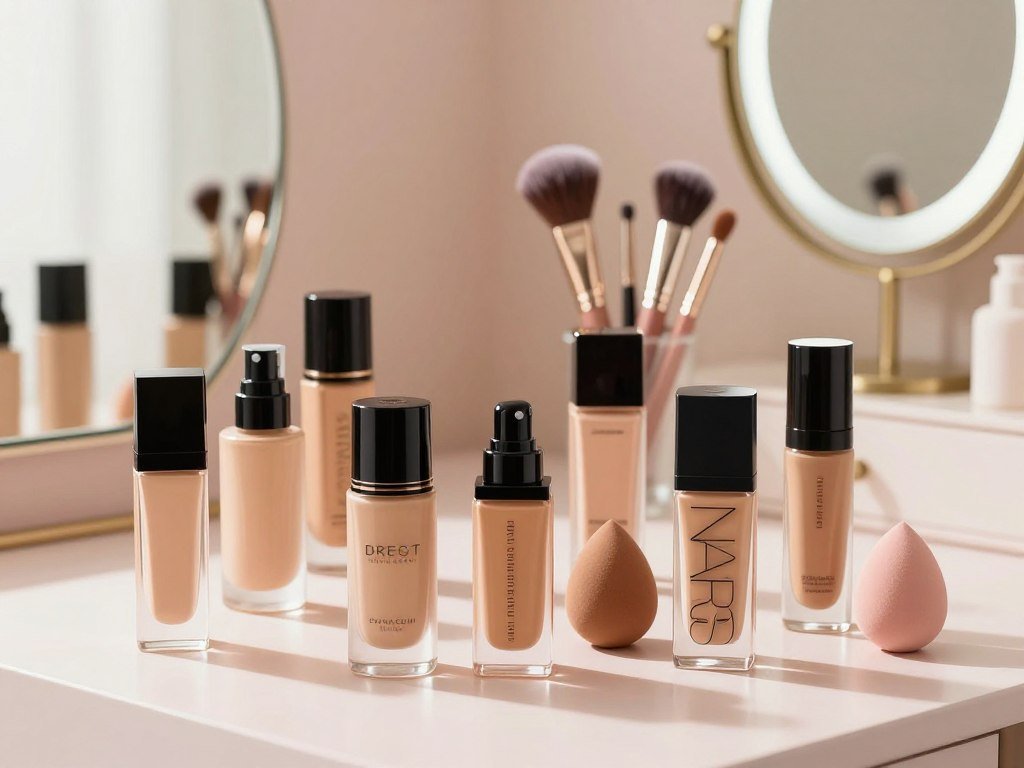
Pick by how your skin feels and what you want the makeup to do. Liquid foundation offers a wide range of coverage and finishes. Serum foundation often feels lighter, while tinted moisturizer usually gives a sheer wash of color and moisture.
When a lighter or more flexible base makes sense
These are options, not age categories. A serum foundation or tinted moisturizer may suit you when you want less coverage or a more natural finish. A liquid foundation can still work well when you prefer a more even look or need buildable coverage.
For foundation mature skin over 40, the same choice applies: focus on what feels comfortable and the finish you like. Mature skin is not one skin type, and a lighter formula is not automatically better for every person.
How skin needs can shift in your 30s
You may notice dryness, sensitivity, fine lines, or uneven tone in your 30s. You may notice none of them. Skin can also feel different across seasons, or from one part of your face to another.
A routine matched to your skin’s needs can help you think through comfort and texture without adding products just because of age. Keep your foundation choice tied to how your skin behaves now.
- Current dryness or oiliness: note where your skin feels tight or shiny.
- Desired coverage: decide whether you want sheer, medium, or fuller coverage.
- Preferred finish: choose among matte, natural, satin, or radiant looks.
Those three cues can help you find a formula that feels like makeup you want to wear. Reassess your base when your skin’s comfort or texture changes, rather than replacing it just because you reached a new decade.
Which Formulas Feel Comfortable on Dry or Dehydrated Skin?
For dry or dehydrated-feeling skin, start with a lightweight formula that leaves room for your natural texture. Westman Atelier Vital Skincare Complexion Drops offer light-to-medium coverage and a radiant, dewy finish. Their light feel may appeal when a heavier base feels uncomfortable.
Neither a foundation nor a skin tint treats dehydration or a skin condition. Westman Atelier recommends the drops for dry, normal, and combination skin. The formula includes tsubaki oil, ginseng root extract, and pomegranate extract; it is also described as non-comedogenic and dermatologist-tested.
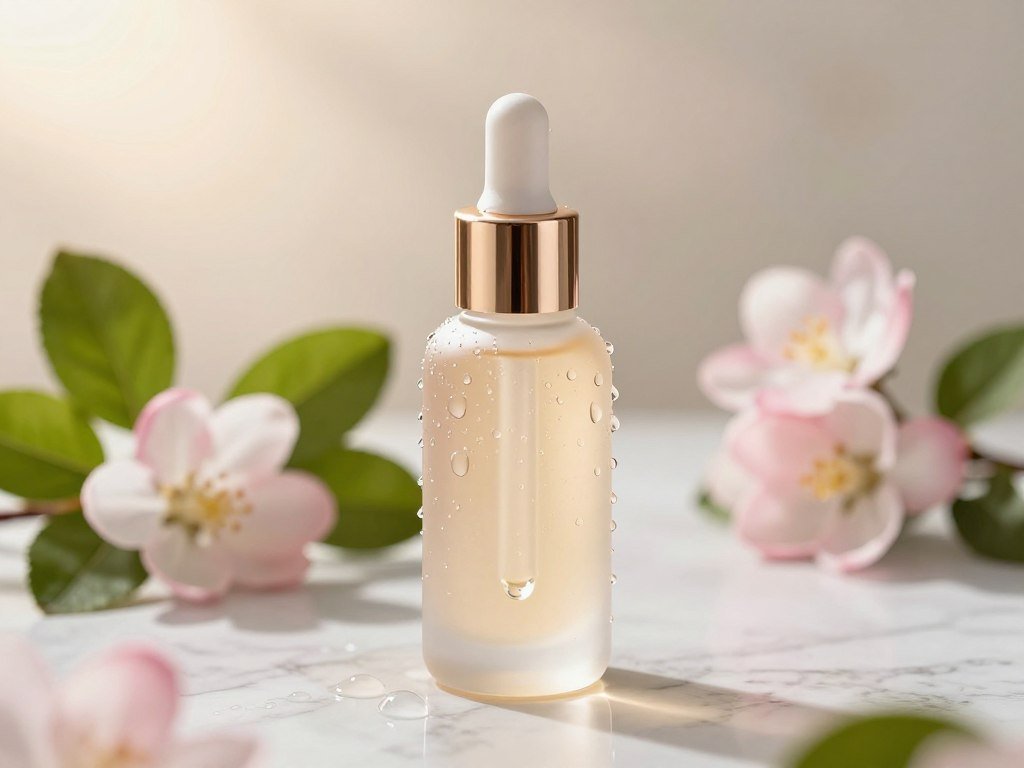
Lightweight hydration for an everyday base
The drops offer a dewy look rather than full coverage. That can leave more of your natural skin visible, including texture. If your skin feels dry, a light layer may feel more comfortable than trying to cover every change in tone.
For skincare choices that support dry skin, a moisturizer suited to your needs can help your base feel more comfortable. Persistent itching, cracking, or a rash may need professional advice, rather than a new makeup formula.
Sheer coverage for a natural skin look
Neutrogena Sensitive Skin Serum Foundation is a sheer, buildable alternative with a dewy finish. In 2026, it had 15 shades, provitamin B5, and a listed price of $17. Its lighter coverage can suit you if you want a softer, less perfected skin look.
Neutrogena’s $17 listed price gives you a useful cost point, but comfort and shade fit matter just as much. A price alone cannot tell you whether the texture will feel right on your skin.
The best foundation for your 30s when you’re over 60 still depends on your current skin. The best foundation for mature skin over 60 or over 70 also comes down to comfort, dryness, and coverage preference. The best foundation for mature skin over 50 follows the same rule, whether you are in your 30s or another decade.
Those age brackets do not change the need to choose by current dryness and comfort. If a base catches on dry patches, try less product over well-moisturized skin before increasing coverage.
What Works for Sensitive Skin and Uneven Tone?
For sensitive skin, fragrance-free labeling can be a useful first filter, not a promise that irritation is impossible. Start with stated features that fit your concerns, then pay attention to how your own skin responds.
Fragrance-free and allergy-tested labels do not rule out an individual reaction. Clinique Even Better Makeup is described as allergy-tested and fragrance-free, and designed for uneven skin tone and hyperpigmentation. Those details may make it worth considering when discoloration is a concern.
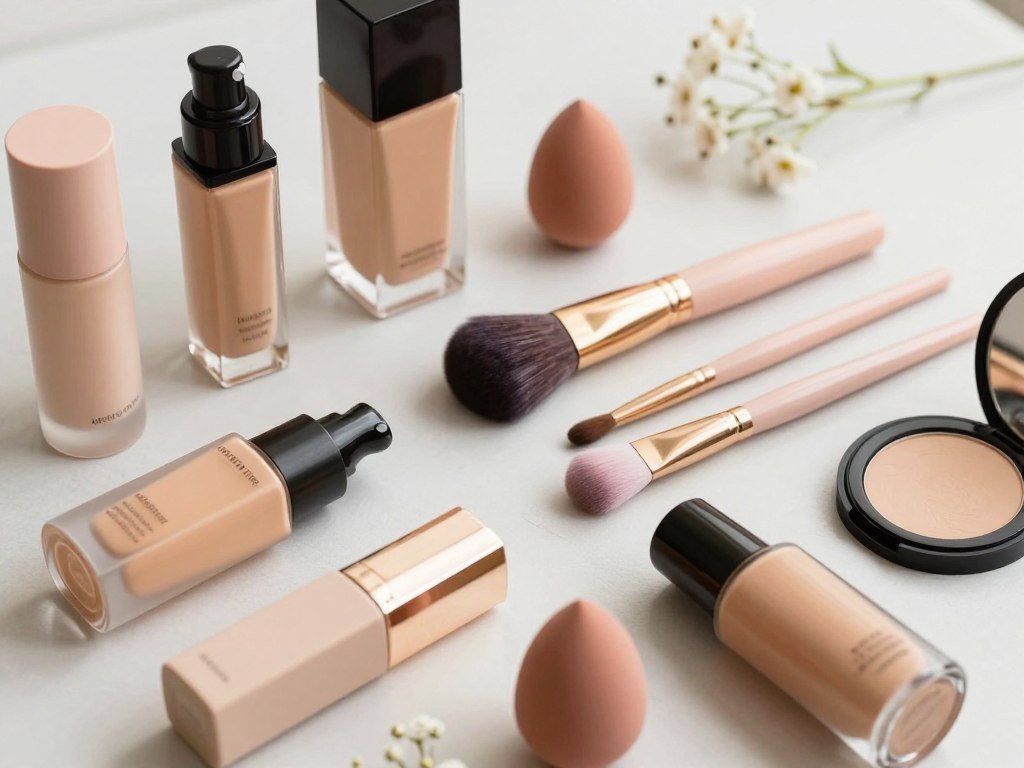
What to check when skin reacts easily
These three products have features that may help you narrow your search:
- Clinique Even Better Makeup: allergy-tested and fragrance-free, with a focus on uneven tone and hyperpigmentation.
- L’Oréal Paris True Match Super-Blendable Foundation: fragrance-free and water-based, with hyaluronic acid and vitamin E.
- ILIA True Skin Serum Foundation: fragrance-free, with 30 shades and buildable light-to-medium coverage.
ILIA True Skin Serum Foundation has a dewy finish. L’Oréal Paris True Match offers 47 shades labeled warm, cool, and neutral, which can help you compare options for your skin tone. Product details are a starting point, not a personal tolerance test.
Coverage for discoloration and redness
A buildable foundation lets you add coverage where discoloration or redness stands out, rather than using a heavier layer everywhere. Targeted concealer can cover one small area while the rest of your face stays lighter. Neither approach guarantees that every mark will disappear.
Skin tone and redness can vary across your face, so a shade that looks right in one spot may not look even everywhere. Change the amount of coverage before assuming you need a different kind of foundation.
Even a formula labeled fragrance-free or allergy-tested can trigger an individual reaction. Test a new formula cautiously on a small area before making it your everyday base.
How Can You Get Fuller Coverage Without a Heavy Look?
Fuller coverage can look lighter when you build it in small amounts instead of applying a dense layer all over. Start sparingly, then add more only where your complexion needs it.
More product will not hide texture or fine lines completely. A thin layer can even the look of your skin without making every part of your face feel covered. Give the first layer time to settle before adding another.
Build coverage only where you need it
- Begin with a small amount of foundation.
- Add coverage only to areas that need it.
- Stop when your complexion looks even enough.
This approach can help when you want to soften the look of discoloration without making the whole face look heavily made up. It also gives you more control over the finish you see in different light.
Choose a formula for a more polished finish
Estée Lauder Futurist Hydra Rescue Moisturizing Makeup has SPF 45 and buildable medium-to-full coverage. Rituel de Fille 3 Drop Weightless Serum Foundation offers buildable medium-to-full coverage with a satin finish. Either may suit you when a more polished look calls for more coverage.
Clean Beauty by Joy’s Flawless Finish Liquid Foundation builds from sheer to full coverage and is listed at $46. It has 10 shades across cool, warm, and neutral undertones, and is described as non-comedogenic and suitable for sensitive and mature skin.
For this named product, one pump gives sheer coverage, two pumps give medium coverage, and three pumps give full coverage. Those pump amounts apply to Clean Beauty by Joy’s formula, not every foundation. A pump size can differ from one product to another.
Some redness or discoloration may need only a small amount of extra coverage. A little concealer on one stubborn spot can spare the rest of your face an unnecessary extra layer.
Which Foundations Give a Lightweight, Radiant Finish?
A light-reflecting finish can help a sheer or medium base look fresh without aiming for full coverage. Choose by coverage first if you want glow but still want your skin to look like skin.
A radiant finish changes the look of makeup, not the texture of your skin. These options range from sheer skin tint to medium coverage, so you can choose how much of your natural complexion remains visible.
| Product | Coverage | Finish | Notable detail |
|---|---|---|---|
| Hourglass Veil Hydrating Skin Tint | Lightweight tint | Luminous, natural-looking | Helps even the complexion |
| NARS Light Reflecting Foundation | Medium | Natural-looking glow | Foundation with a light-reflecting finish |
| L’Oréal Paris True Match Nude Hyaluronic Tinted Serum Foundation | Light | Natural | Lightweight, with hyaluronic acid |
| Saie Glowy Super Skin Tint Foundation with Hyaluronic Acid | Sheer-to-medium | Healthy glow | Hyaluronic acid |
Hourglass Veil Hydrating Skin Tint is a lightweight option that evens the complexion with a natural-looking finish. NARS Light Reflecting Foundation gives medium coverage with a natural-looking glow. These descriptions can help you pick a starting point, though your own finish also depends on your skin.
L’Oréal Paris True Match Nude Hyaluronic Tinted Serum Foundation offers light coverage in a lightweight formula with hyaluronic acid. Saie Glowy Super Skin Tint Foundation with Hyaluronic Acid gives you sheer-to-medium coverage, which leaves room to build where you want more evenness.
INIKA Organic BB Cream in Beige contains 80% certified organic ingredients and offers sheer coverage with a breathable, lightly radiant finish. It is another option if you want a softer skin look, rather than a heavily perfected base.
Light reflecting foundation formulas can make a glow-forward finish easier to find, but they do not all offer the same coverage. For an especially natural result, choose the least coverage that still evens the areas you want to balance.
Which Drugstore Foundations Offer the Strongest Value?
The listed prices make Maybelline Fit Me Matte + Poreless the lowest-priced option in this comparison, while the other picks offer different finishes and coverage. Price is one factor, not a promise that a product will suit your skin or routine.
Compare the listed cost with the finish, coverage, and shade range you want. The prices and product details below were listed in 2026, so they offer a clear comparison point for these four choices.
| Product | Shades | Coverage or finish | Listed price |
|---|---|---|---|
| Maybelline Lifter Plump and Glow Foundation | 24 | Radiant; hyaluronic acid and niacinamide | $16 |
| L’Oréal Paris Infallible 32H Fresh Wear Foundation | 40 | Natural radiance; sweat- and transfer-resistant wear | $15 |
| Maybelline Fit Me Matte + Poreless Foundation | 40 | Natural matte; up to 12-hour wear | $12 |
| L’Oréal Paris Age Perfect Radiant Serum Foundation | 26 | Buildable coverage; vitamin B3 and SPF 50 | Not listed |
Maybelline Lifter Plump and Glow Foundation has 24 shades and a radiant finish. Its formula includes hyaluronic acid and niacinamide, which may help you narrow your pick if you like a glow-forward look.
L’Oréal Paris Infallible 32H Fresh Wear Foundation has 40 shades, a natural-radiance finish, and SPF. It is also described as sweat- and transfer-resistant. Maybelline Fit Me Matte + Poreless has 40 shades, a natural-matte finish, and up to 12-hour wear.
L’Oréal Paris Age Perfect Radiant Serum Foundation offers buildable coverage, vitamin B3, and SPF 50 across 26 shades. CoverGirl and Olay Simply Ageless 3-in-1 Liquid Foundation has hyaluronic acid and vitamin C, with buildable light-to-medium coverage.
The best budget foundation is the one whose texture and finish work for you at its listed price. A wide shade range can also help you find a closer match, but the shade still needs to suit your skin tone. Treat price as one comparison point, then choose the texture and coverage you will actually enjoy wearing.
How Can You Match Shade and Undertone?
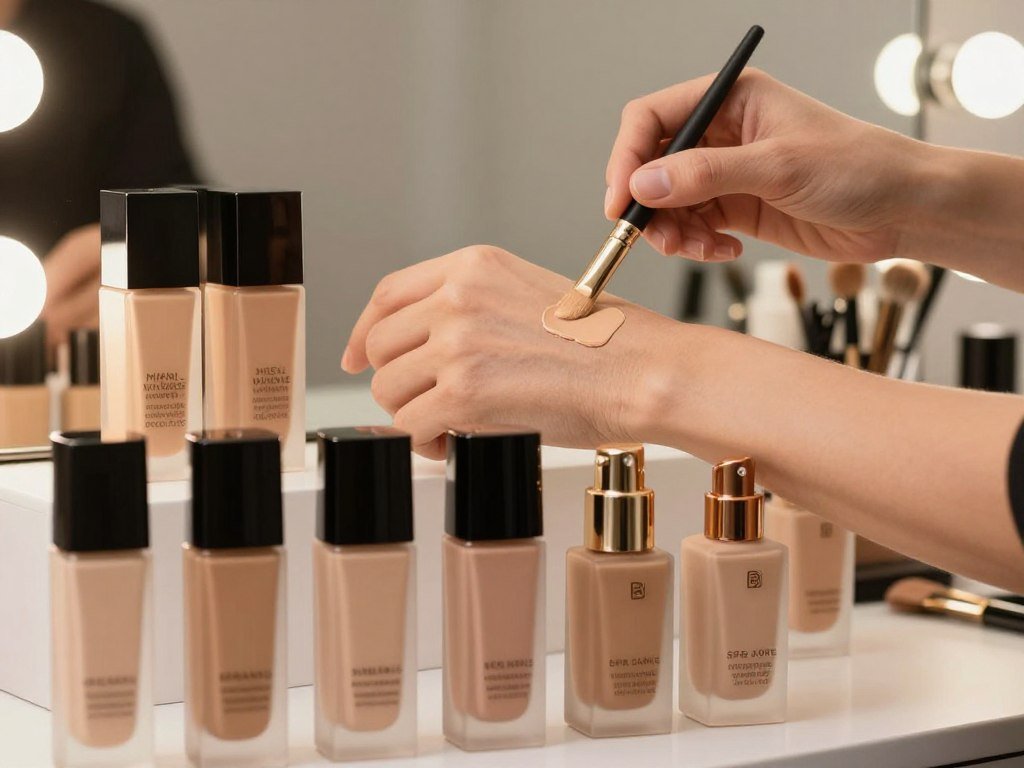
A shade that blends into your jawline in natural light is a better match than one that only looks right on your hand. Test where your face meets your neck so the color works across both areas.
Compare several shades side by side in daylight. Foundation shade ranges can label undertones as cool, warm, or neutral, but those labels are only a starting point.
Test the shade where it meets your face
Apply a few shade options along your jawline, close enough to compare them at once. Look for the color that blends into the skin around the swatch instead of leaving a clear line. A hand swatch can look different because your hand may not match your face.
Give each swatch a moment to settle before judging the match. Check the shades beside the skin on your neck, too, since a face and neck can have different levels of color.
Check the undertone in natural light
Undertone is the subtle cool, warm, or neutral cast beneath the surface color of your skin. Cool undertones may look pink, red, or bluish; warm undertones may look golden or peachy. Neutral undertones sit between those casts.
Use this four-step check when choosing a shade:
- Identify your likely undertone as cool, warm, or neutral.
- Swatch a few shades near your jawline.
- Compare the shades in natural daylight.
- Reassess your shade if your skin tone shifts with the seasons.
Your skin tone can change over the year, so one shade may not suit every season. A different shade may be useful when your complexion changes. If you are between shades, compare the options beside your neck in daylight before choosing.
How Should You Apply Foundation for a Smoother, Longer Wear?
Start with less product than you think you need, especially around fine lines and textured areas. A thin layer gives you a chance to see what your skin needs before adding more.
Let the first layer set for 30 seconds before adding a second. This short pause helps you judge the coverage you already have and avoid piling on makeup too quickly.
Use thin layers and the right tool
A damp sponge sheers out coverage more than a dense synthetic brush. The brush gives the highest coverage per pump. Pick the tool that matches the finish you want, then use a small amount of product.
Apply one thin layer and wait 30 seconds for it to set. Add a second layer only where you still want more coverage. The extra time can help you see whether the first layer has settled into texture.
Set only the areas that need it
Lightly set your T-zone with powder if that area gets oily. Set the rest of your face only if it is oily or you need makeup to last past eight hours. Powder does not need to cover every part of your face.
Using less powder can help keep the finish comfortable where your skin does not need extra setting. Focus on the areas that tend to shift, rather than adding another layer everywhere.
Check the finish in daylight after blending, since a mirror under bright bathroom lighting can exaggerate uneven patches.
Does Foundation With SPF Replace Sunscreen?
No, foundation with SPF should not replace a dedicated sunscreen layer. Most people apply too little foundation to reach the protection level printed on the label.
Apply broad-spectrum sunscreen with SPF 30 or higher beneath makeup. Treat SPF in foundation as a bonus, not a substitute for a dedicated sunscreen step.
SPF labels depend on using enough product to reach the stated level. A light layer of foundation may give you less protection than its label suggests, even when the number looks high.
The American Academy of Dermatology recommends broad-spectrum sunscreen with SPF 30 or higher. Its sun protection guidance also advises shade and sun-protective clothing. Those steps can matter when you spend time outdoors.
For children, the same broad-spectrum SPF 30 or higher rule is useful, along with shade and protective clothing. Sunscreen should be reapplied at least every two hours outdoors; water-resistant sunscreen is not all-day protection.
Your makeup routine can include foundation with SPF, but that label does not replace the separate sunscreen layer. Apply sunscreen as its own step before makeup, even when your foundation also lists SPF.
Foundation SPF is a bonus, not a substitute for dedicated broad-spectrum sunscreen with SPF 30 or higher.
Conclusion
The best base is the one that feels comfortable and leaves your complexion looking like you. Age alone cannot tell you whether you will prefer a matte finish, a glow, or more coverage.
Choose a formula that fits your skin today, then try one well-matched shade in natural light. A light layer can show you how the product feels before you commit to a full-face application.
Swatch your leading option along the jawline in daylight, then wear a light layer before deciding whether it earns a place in your routine.
FAQ
What is the difference between a foundation and a skin tint?
Can I mix foundation with moisturizer?
How can I tell whether my foundation is oxidizing?
Should I use primer under foundation in my 30s?
Can I wear a matte foundation if I have dry skin?
When should I replace an opened liquid foundation?