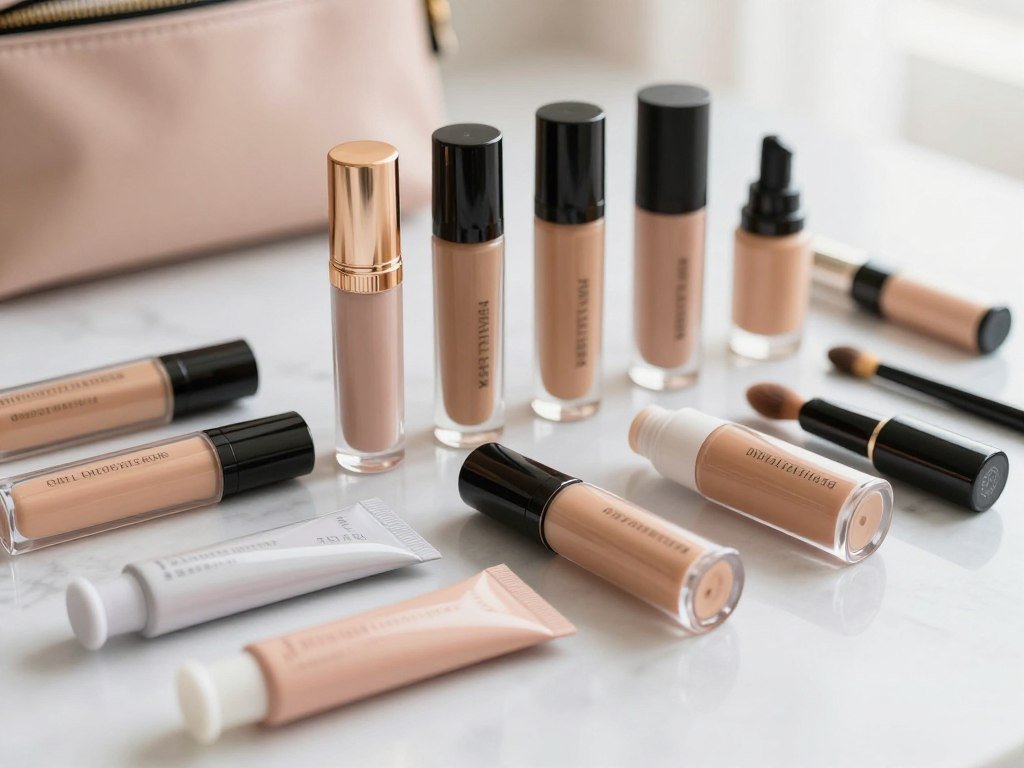
A good under-eye match can make a face look more rested without requiring a full face of makeup. Dark circles can appear blue, purple, brown, or shadowed, so shade, coverage, and finish matter. The best concealer for dark circles depends on what you want to soften and how makeup feels on your skin.
Color correction means using a contrasting hue to visually neutralize discoloration before applying concealer. You can use it when concealer alone leaves a visible cast, though it is optional. This guide offers practical choices for everyday makeup, dry skin, and mature skin, plus ways to keep layers light.
Whether you wear foundation or only a little concealer, the goal is a comfortable finish that still looks like skin. Start with the lightest coverage that gives you the finish you want, then add product only where discoloration remains.
Key Takeaways
- Match the formula to the discoloration and finish you want.
- Use color corrector only when visible discoloration needs extra help.
- Build coverage in thin layers instead of spreading on a thick coat.
- Try a shade in daylight before choosing a full-size product.
- Hydration can help comfort, but it cannot promise makeup will not crease.
Which Concealer Finish Works for Your Under-Eyes?
A sheer, light-diffusing formula can brighten without feeling as makeup-like as a thick layer of opaque coverage. The right finish depends on whether you want a soft glow, more even tone, or strong coverage. Choose by the look you want, then apply lightly.
Light layers can work on dry or mature skin with either finish. Texture and the amount you apply affect the result, so no finish is off-limits by default. A concealer that feels comfortable in a thin layer may feel heavy when built up.
Light-diffusing formulas for a brighter look
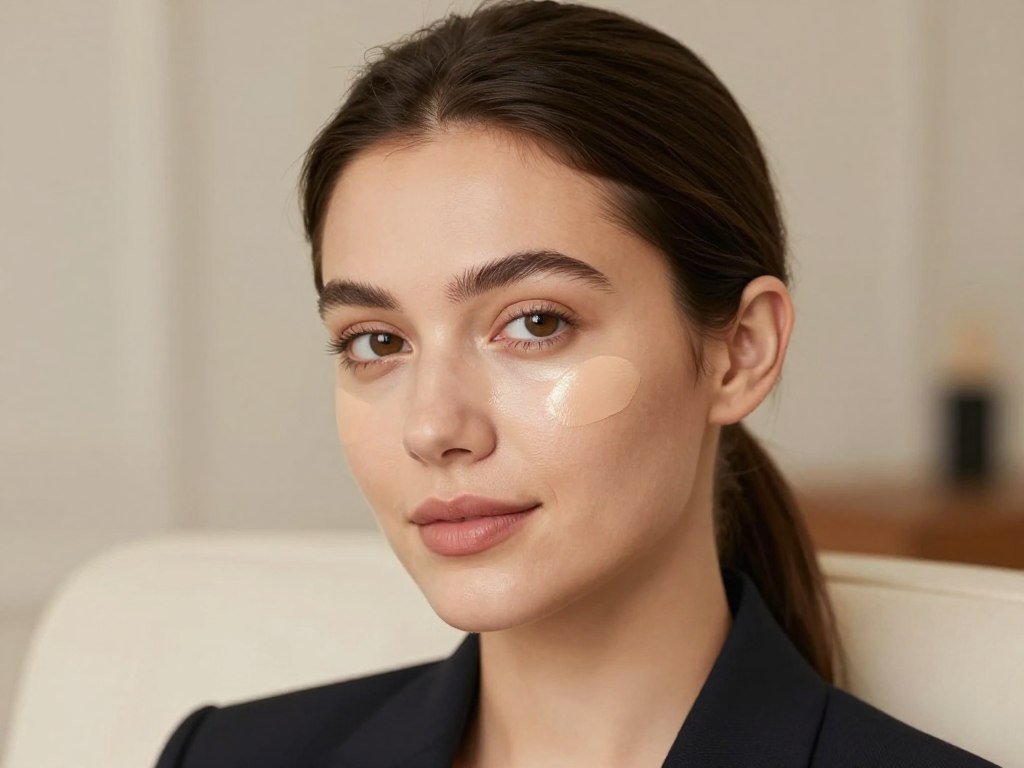
Light-diffusing formulas use reflected light to make the under-eye look brighter. They often feel fluid and dewy, which can suit a fresh, less made-up look. This finish can soften the look of a shadow without fully hiding its color.
That glow comes from the finish, not from a change in the skin itself. If you prefer a matte look, a luminous formula may feel too shiny. Try a small amount before deciding whether the effect suits your makeup routine.
Medium coverage for everyday wear
Medium coverage gives more concealment than a sheer formula while still allowing you to build in small amounts. It can suit everyday makeup when you want to soften discoloration without a thick layer. Many liquid concealers spread easily enough for a controlled application.
A buildable formula also gives you room to adjust coverage across the under-eye. You might use a little more over a darker patch and less beside it. That difference can help the finish look more even.
Full coverage for stubborn discoloration
Full-coverage formulas hide more color with less product, though many feel thicker. Tarte Shape Tape is a familiar example of opaque coverage, but it will not suit every under-eye. Its finish and texture may feel different from a fluid, lighter concealer.
If you mainly need to disguise a deep shadow, start with a buildable formula so you can add coverage in controlled layers.
Opaque formulas can also work well on blemishes and acne scars, where concentrated coverage may be useful. For active pimples, a spot treatment for pimples addresses a different concern than concealer. If you mainly need to disguise a deep shadow, start with a buildable formula so you can add coverage in controlled layers.
Best Concealer for Dark Circles by Need
NARS Radiant Creamy is a strong starting pick if you want medium coverage with a radiant finish. It balances coverage and glow without asking you to commit to a full-coverage look. The best concealer for dark circles still depends on your shade and under-eye texture.
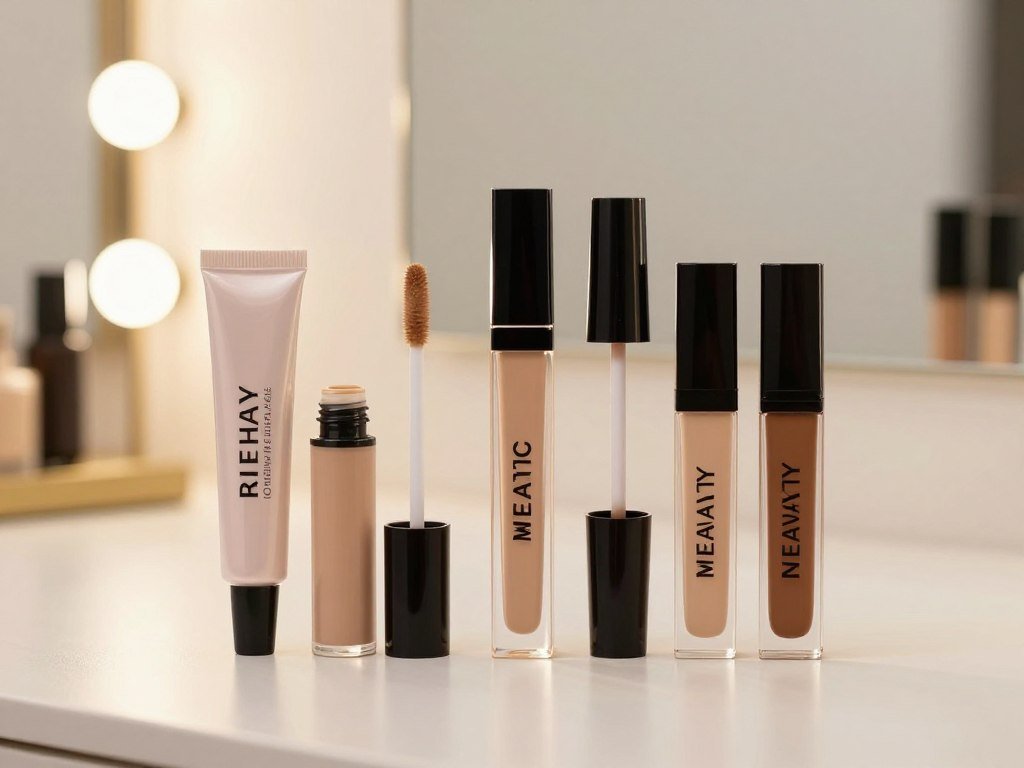
No single pick has the right shade or finish for everyone. The listed prices and shade counts below are product facts; the “best fit” notes are practical recommendations. Tower 28 Swipe Serum is included for its serum-like feel.
| Product | Best fit | Coverage or finish | Listed price |
|---|---|---|---|
| NARS Radiant Creamy Concealer | Balanced starting pick | Medium, radiant | $36 |
| Tarte Shape Tape Radiant Concealer | Brighter, buildable finish | Radiant, buildable | $32 |
| Dior Forever Skin Correct Concealer | Full-coverage preference | Full coverage | $40 |
| Armani Luminous Silk Concealer | Skin-like finish | Natural-looking | $42 |
| Tower 28 Swipe Serum Concealer | Serum-like feel | Light, flexible feel | $22 |
NARS Radiant Creamy comes in 30 shades and offers medium coverage with a radiant finish. Tarte Shape Tape Radiant Concealer has 37 shades. Its brighter, buildable finish can suit shoppers who want a glowier look.
Dior Forever Skin Correct has 22 shades, and Armani Luminous Silk Concealer also has 22. Dior Forever Skin Correct is the full-coverage choice here, while Armani Luminous Silk is a skin-like option. Each can look different on fine or dry texture.
NARS Radiant Creamy and Tarte Shape Tape are popular, blendable choices with higher coverage potential. That does not make either one the right color for every person. Compare the product’s finish with your natural under-eye texture before choosing a shade.
Which Drugstore Picks Cover Dark Circles Well?
For a low-cost, natural finish, NYX Bare With Me offers buildable coverage from light to medium. It keeps layers flexible for a softer look than a dense, full-coverage formula. Your preferred texture matters as much as the price.
Fast-drying e.l.f. 16HR Camo needs quick blending. Work in small areas so the formula does not set before you smooth it. The other options vary in coverage and finish, so a lower price does not mean one formula suits every under-eye.
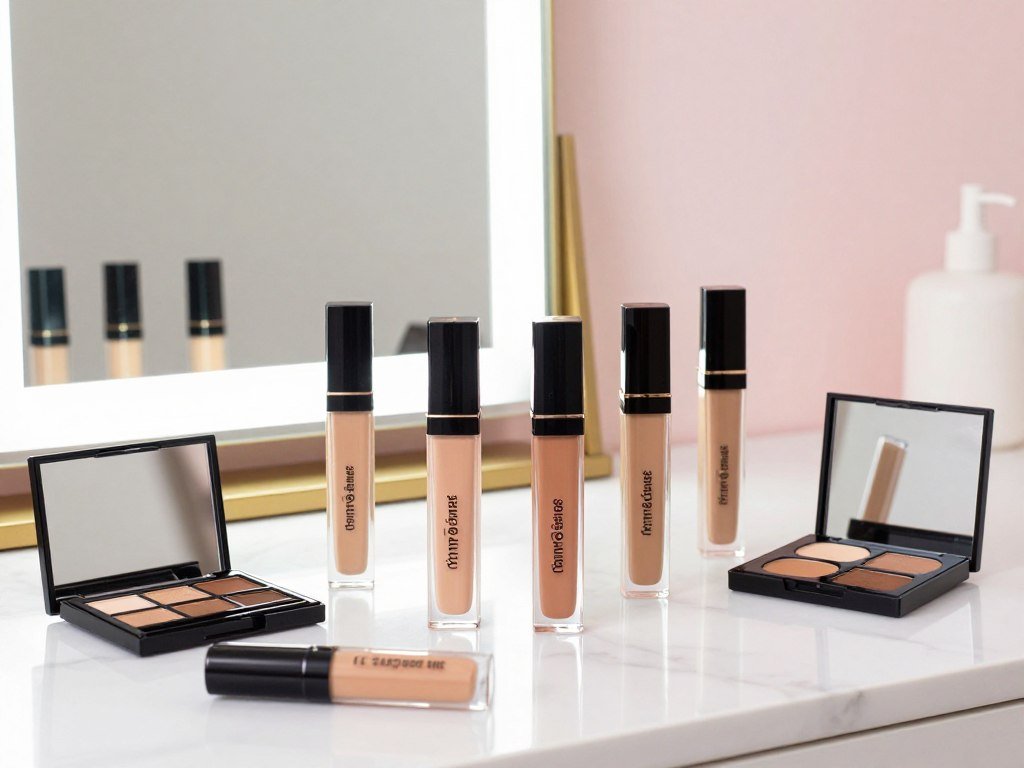
- NYX Bare With Me Concealer Serum costs $12 and gives buildable light-to-medium coverage with a natural finish.
- Maybelline Instant Age Rewind Multi-Use Concealer costs $13 and offers medium, buildable coverage.
- L’Oréal Infallible Full Wear Waterproof Concealer costs $16 and provides full coverage in a waterproof formula.
- e.l.f. 16HR Camo Concealer dries quickly, so blend it soon after applying.
Two other e.l.f. options have different names and shade ranges. e.l.f. Brightening Concealer costs $5 and comes in 12 shades. e.l.f. Hydrating Camo Concealer costs $7 and comes in 25 shades.
Those two products should not be treated as the same formula. Check the finish and feel that you prefer, then test a small amount. A formula that looks smooth on one person may emphasize texture on another.
Drugstore concealers can cover dark circles without taking up much of your makeup budget. The NYX option offers a natural finish, while L’Oréal provides a more opaque choice. Blend fast-drying formulas in small sections rather than applying them across both under-eyes at once.
What Works Best on Dry Under-Eyes?
If concealer catches on dry patches, try a thin, flexible layer before switching to heavier coverage. Start with comfort, since adding more pigment will not smooth a rough patch. A hydrating feel can help makeup sit more comfortably, but it cannot guarantee a crease-free finish.
A dewy finish is not automatically crease-proof. Some formulas include conditioning ingredients, while others feel more fluid or creamy. Let skin care settle before makeup, and judge the concealer on how it wears on your own skin.
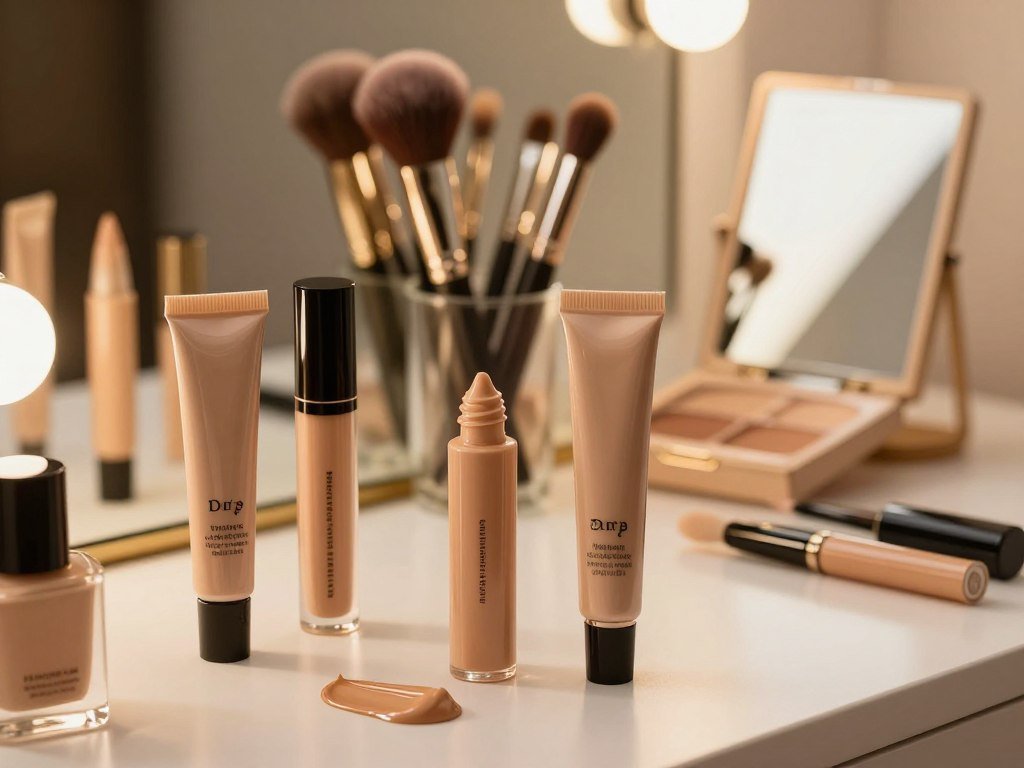
Tower 28 Swipe Serum Concealer costs $22 and comes in 20 shades. Its serum-like feel makes it a light option to consider when thick makeup feels uncomfortable. Kosas Revealer Concealer costs $32 and comes in 38 shades.
Kulfi Main Match costs $26 and has 21 shades. Iris & Romeo Best Skin Days costs $32 and comes in 15 shades. These products offer additional options when you are comparing texture and finish, not a promise that one will prevent creasing.
NARS Soft Matte Concealer costs $32, contains glycerin, and comes in 30 shades. It is a useful reminder that a matte-looking product can still feel conditioning. Its finish is not the only factor that decides how it wears.
For more support with a dry routine, consider these skin-care picks for dry skin. A slippery base can make concealer move, while too little moisture may feel uncomfortable. Let skin care settle before makeup, since a slippery surface can make even a creamy formula move.
How Should Mature Skin Apply Concealer?
Mature under-eyes usually look more natural with a small amount of lightweight concealer than with a thick layer spread across the whole area. Build only where needed, rather than aiming for an even coat from nose to outer corner. Makeup can soften discoloration without hiding every line.
No concealer can promise to erase fine lines or stop all creasing. A creamy formula with a luminous or natural finish may feel comfortable, but the amount matters. Choose a shade and finish that look like you.
Keep the layer thin and build only where needed
Apply a small amount of lightweight, buildable concealer and add more only where discoloration remains. Estée Lauder Double Wear Stay-In-Place Concealer costs $38, with medium coverage and a natural finish. Two or three dots can cover purple-blue under-eye discoloration.
That example shows how a few placed dots may be enough for a specific color concern. You do not need to spread product over the whole area. Blend the edges so the covered spot does not stand apart.
Choose a hydrating, luminous formula
Hydrating, creamy concealers with a luminous finish can suit mature skin. Charlotte Tilbury Beautiful Skin Concealer costs $36 and includes hyaluronic acid, vitamin C, and niacinamide. Its ingredient list and finish may appeal if you prefer a softer look.
Sarah Creal Face Flex costs $58 and offers full coverage. It contains hyaluronic acid, caffeine, and aloe leaf extract. This is a higher-coverage option, so use a small amount if you want to avoid a heavy feel.
A lightweight, crease-resistant formula with hydrating feel and medium-to-full coverage can be a useful combination. Ingredients do not ensure a certain result, and skin texture differs. Pick a product based on comfort and the finish you see after blending.
Set only where creasing begins
Peach-toned corrector can be tapped over the darkest area before concealer. That approach may help when the discoloration remains visible, but it is not a required step for everyone. Use it only where the color needs extra help.
A tiny amount of powder can limit movement in spots where creasing starts. Too much powder may make fine texture more noticeable, so keep it focused. Press powder only at the first crease-prone spot, using a brush that leaves no visible layer.
Which Color Corrector Matches Your Dark Circles?
Choose the hue to counter the color you see, not simply the shade name on the package. Visible discoloration leads the choice, while skin tone offers a useful starting point. Peach can suit lighter blue-purple discoloration, and orange-red is a starting hue for darker complexions.
Choose by both the discoloration and your complexion. A label alone cannot tell you how a corrector will look once blended. Start with a thin layer and check whether concealer can cover the remaining pigment.
Peach for lighter blue-purple discoloration
Peach or orange undertones can counter blue or purple discoloration. For lighter skin, peach is a useful starting hue when the under-eye looks blue-purple. The visible color still matters more than a shade label.
Orange-red for deeper complexions
Orange-red is often used as a starting hue for darker complexions. It may help counter blue or purple tones, though the exact shade should follow the discoloration you see. Choose a tone that blends into the area without leaving a bright stripe.
Choose a corrector format you can apply thinly
Correctors come in creams, liquids, sticks, and palettes. A thin layer is easier to cover with concealer than a thick, vivid coat. Choose a format that lets you control the amount.
| Product | Format | Shade range or color options | Listed price |
|---|---|---|---|
| L.A. Girl Pro.Conceal Color Corrector | Liquid corrector | 12 colors | $6 |
| Tarte Maracuja Creaseless Liquid Correctors | Liquid corrector | 5 shades | $32 |
| Bobbi Brown Skin Color Corrector Stick | Stick | 15 shades | $35 |
| HD Pro Corrector Concealer | Corrector | Color options | $5 |
Stila Color Correcting Palette is another palette option, listed at $45. It may appeal if you want several tones in one compact. A palette also lets you adjust the mix instead of relying on one shade.
Try the product where the discoloration is most visible, then look at it in natural light. Too much pigment can show through the concealer and create a colored cast. Test the corrector in a thin layer, since too much pigment can show through the concealer.
How Do You Layer Corrector and Concealer?
Start with a thin layer where the discoloration is strongest, then blend the edges rather than coating the whole under-eye. Keep the layers local to avoid adding coverage where you do not need it. Corrector goes beneath concealer.
Use only enough product to cover the visible shadow. Makeup artist Molly R. Stern suggests applying a small amount near the nose and blending outward for an even layer. Add powder only if you need help limiting creasing.
- Apply eye-area base makeup sparingly.
- Place corrector only over visible discoloration.
- Layer concealer over the corrected area.
- Blend a small amount from near the nose outward.
- Use powder only if needed.
Keep the product close to the area you want to cover. If the color is concentrated near the inner corner, there is little reason to coat the outer under-eye. A light hand can help the finish look more like skin.
e.l.f. Brightening Concealer is a product-specific exception because it can crease unless set promptly. That does not mean every concealer needs powder. If the corrector has already neutralized the shadow, stop there instead of adding another full layer.
Which Formulas Last Through the Day?
For the most staying power, choose a formula labeled waterproof or long-wear and apply less than you think you need. Less product can move less on the skin, though it cannot promise a crease-free result. Waterproof wear may suit long days or humid conditions.
A heavy layer can still crease on moving skin. Wear claims describe the formula, not a guaranteed result on every face. Check the finish after it settles before deciding whether you need more coverage.
| Product | Coverage or finish | Wear feature | Listed price |
|---|---|---|---|
| Huda Beauty FauxFilter Luminous Matte Concealer | Full coverage, luminous matte | Waterproof | $31 |
| IT Cosmetics Bye Bye Under Eye | Coverage-focused | Waterproof wear up to 24 hours; 25 shades | $30 |
| Lancôme Teint Idôle Ultra Wear Concealer | Wear-focused | 24 shades | $32 |
| L’Oréal Infallible Full Wear Waterproof Concealer | Full coverage | Waterproof | $16 |
Huda Beauty FauxFilter combines full coverage with a luminous matte finish. IT Cosmetics Bye Bye Under Eye offers waterproof wear up to 24 hours and comes in 25 shades. Those claims may be useful when makeup needs to last through a long day.
Lancôme Teint Idôle Ultra Wear comes in 24 shades. L’Oréal Infallible Full Wear is a lower-cost waterproof, full-coverage option. A long-wear label does not change how the product feels, so consider texture along with staying power.
Makeup can settle differently as you smile, blink, or rub your eyes. Give the formula time to sit before you judge its finish. Check the under-eye in natural light before adding powder, because extra layers can make texture more visible.
How Do You Find the Right Shade and Undertone?
A good undertone match often matters more than choosing a dramatically lighter shade. Start close to your skin tone for natural coverage, then choose a slightly lighter shade only when you want extra brightness. The wrong undertone can make a concealer look gray or blue.
A close match hides discoloration more naturally than a shade that is too pale. Shade ranges differ by brand, so use the count as a sign of choice, not proof that a perfect match exists.
| Product | Shade count | Undertone options or matching guidance | Best use |
|---|---|---|---|
| Urban Decay Stay Naked Correcting Concealer | 25 | Choose a close skin-tone match | Natural coverage |
| Too Faced Born This Way Super Coverage Concealer | 35 | Match depth and undertone | Fuller coverage |
| NARS Radiant Creamy Concealer | 30 | Choose a close or slightly lighter shade | Radiant finish |
| Tarte Shape Tape Radiant Concealer | 37 | Match the visible skin tone | Brighter, buildable finish |
Too Faced Born This Way Super Coverage comes in 35 shades, while Urban Decay Stay Naked Correcting Concealer has 25. Those ranges may give you more options, but shade count alone cannot tell you which tone will blend best.
NARS Radiant Creamy Concealer comes in 30 shades, and Tarte Shape Tape Radiant has 37. A slightly lighter shade can brighten, but a very pale color may look stark. Undertone matters as much as depth.
Think about whether your foundation looks warm, cool, or neutral on your face. A concealer with a different cast can stand out beside it. Compare the shade with your foundation in daylight before committing to it.
Liquid or Cream: Which Formula Fits Your Under-Eyes?
A liquid is often the easier starting point for a flexible, thin under-eye layer. It spreads with less effort across the finer skin around the eyes. A cream can suit you better when you want concentrated coverage or spot concealing.
Formula type alone does not decide whether concealer creases. The amount you apply and how your skin feels before makeup also matter. Both liquid and cream formulas can work on mature or dry skin.
Liquid concealers can be easier to spread thinly under the eyes. That makes them a practical option when you want flexible coverage over a larger area. A light layer can also be easier to adjust than a dense one.
Cream concealers can offer more concentrated coverage for discoloration or spot concealing. Their thicker feel may suit a small area that needs extra help. You do not have to use the same texture under your eyes and on blemishes.
Dry or mature skin does not rule out either format. A cream can feel comfortable when used sparingly, and a liquid can still feel dry if the formula does not suit you. Texture varies within each type.
Choose according to where you plan to apply makeup and how much coverage you need. A liquid may be simpler beneath the eyes, while a cream can target a mark. Keep a cream for places that need more coverage, rather than assuming the same texture must work everywhere on your face.
Are Luxury Concealers Worth the Extra Cost?
A luxury price is easiest to justify when the formula solves a specific problem you have with coverage, texture or shade matching. Pay for a useful feature, not the prestige name alone. A more expensive concealer is not automatically a better match.
A less expensive product can be the better buy if it gives you the shade and finish you want. Compare portability, shade mixing, and how much coverage you can build. Your budget matters as much as the brand.
| Product | Listed price | Format | Distinguishing use |
|---|---|---|---|
| Koh Gen Do Moisture Concealer | $50 | Concealer | Moisture-focused option |
| Koh Gen Do Concealer Palette | $70 | Palette | Mix shades as needed |
| Laura Mercier concealer | $29 | Concealer | 22 shades |
| Surratt concealer palette | $58 | Palette | Mix shades in a compact |
Koh Gen Do Moisture Concealer costs $50, while the brand’s palette costs $70. A compact palette may help if you want to mix shades or carry more than one tone. That extra flexibility matters only if you will use it.
Laura Mercier concealer costs $29 and comes in 22 shades. It may fit your budget better if its shade and finish meet your needs. Surratt concealer palette costs $58 and offers a palette format for mixing.
Packaging can feel appealing, but the product still needs to work with your makeup routine. Think about whether you want a compact, several adjustable shades, or one easy-to-use concealer. Set a personal price limit before shopping so that packaging or a prestige name does not make the decision for you.
Can Vitamin C Improve Dark Circles?
Vitamin C may help some pigment-related discoloration, but it is not a guaranteed fix for every kind of dark circle. Its possible benefit is tied to skin pigmentation and quality, not every cause of under-eye darkness. Visible vessels and structural shadows are different concerns.
Evidence about pigmentation does not prove that vitamin C removes all dark circles. A 2026 systematic review covered 44 dermatology studies: 20 randomized controlled trials, five prospective comparative cohort trials, 18 case series, and one case report.
The review identified L-ascorbic acid as the most clinically validated form used in dermatology. Evidence addressed photoaged, pigmented, and structurally aged skin. Those findings do not show that every under-eye concern will respond.
Topical L-ascorbic acid serums commonly use concentrations from 10% to 15%. Effective penetration requires a highly acidic pH below 3.5. The formula and skin response both matter when choosing a serum.
Vitamin C can inhibit tyrosinase, an enzyme involved in melanin synthesis, which may help with hyperpigmentation. It also supports collagen production by helping activate prolyl and lysyl hydroxylase. These actions relate to pigmentation and skin structure, not every dark-circle pattern.
Dietary vitamin C is different from a topical serum. An intake of 40 to 80 mg per day offers modest systemic photoprotection, hydration, and wrinkle-smoothing benefits, even without overt deficiency. That does not make it a direct treatment for under-eye darkness.
Study differences and limited standardized data restrict direct comparisons across skin phototypes. Treat a vitamin C serum as a possible skin-care step, not a substitute for shade matching or a medical assessment when symptoms change.
What Can Concealer Cover, and What Can’t It Change?
Concealer can make discoloration less noticeable, but it cannot change the physical cause underneath. It changes appearance, not anatomy, and the source of darkness affects what makeup can cover. Some under-eye patterns look similar at first glance.
Makeup can camouflage visible color, but it cannot remove its cause. Common appearance patterns include visible blood vessels, excess pigment, and shadows from facial structure. A close look can help you set a useful goal.
- Blue-purple vascular tone can show through thinner under-eye skin.
- Brown pigment can create a darker patch of color.
- Shadow from under-eye structure can look like discoloration.
Concealer may soften each pattern, but it cannot change facial structure or remove pigment. If makeup looks uneven, the issue may be texture rather than color alone. Makeup also cannot repair indented acne scars, which differ from flat marks.
For skin texture questions, this guide to preserving real skin texture in photos explains why blur can look unnatural. Concealer can cover a spot, but it does not change the skin beneath it. Sudden changes, irritation, or other new symptoms warrant advice from a qualified health professional.
Notice whether the darkness changes with lighting or facial expression. A structural shadow may look stronger from one angle than another. If the appearance changes suddenly or comes with irritation, ask a clinician rather than trying to mask the change.
How Should You Prep the Under-Eye Area?
A comfortable under-eye base starts with a small amount of skin care, not a thick layer of eye cream. Use less than you expect, since too much product can leave the surface slick. Hydration can improve comfort without guaranteeing that makeup will not crease.
Let skin care absorb before you apply makeup. A settled base is less likely to feel slippery beneath concealer. Gentle pressure also helps you avoid tugging the delicate skin around your eyes.
- Apply a small amount of eye cream or serum.
- Allow it to absorb before applying makeup.
- Use gentle pressure instead of tugging when applying products.
Osea eye serum has a built-in rollerball, which offers one way to apply a serum. Caudalie Vinoperfect is an example of an eye cream. Neither is a required purchase; choose skin care that feels comfortable for you.
You may also explore a wider range of skin-care products for 2026 if you are building a routine. A small amount of moisturizer can support comfort, while a heavy layer may interfere with makeup. Wait until the skin feels settled rather than slick before applying makeup.
What Should You Check Before Buying?
Test a shade where you plan to wear it, because an arm swatch may not reflect your face. Check the actual under-eye in daylight, where nearby skin can show whether the color fits. Your wrist may be lighter than your cheek.
Assess color match, creasing, and coverage after the product has settled. A fresh swatch can look different from makeup that has worn for a while. Judge all three checks before deciding a shade works.
- Test a small amount on the face.
- Compare it with foundation or the area around the eye in natural light.
- Smile and check whether the formula settles into lines.
- See whether coverage is enough without extra layers.
A wrist swatch can mislead when the wrist is lighter than the cheek. Face swatches give a more useful sense of how a shade fits your skin. Look at the makeup in daylight rather than relying on indoor lighting alone.
Choose the shade that looks natural in daylight before adding a brighter shade for a different makeup effect.
The first check is color match: see whether the product blends with nearby skin. The second is creasing, which you can assess as you smile. The third is coverage, or whether the visible discoloration looks softened enough.
Give the concealer time to settle before you judge its finish. A shade that looks right at first may shift against foundation or show texture later. Choose the shade that looks natural in daylight before adding a brighter shade for a different makeup effect.
Conclusion
A comfortable, natural-looking result usually starts with the right shade and less product than you expect. Choose a concealer for the kind of discoloration you want to soften and the finish you enjoy wearing.
Use the smallest amount that gives you enough coverage. A thin layer can feel more comfortable and keep the under-eye from looking too made up. You can add more only where the color still shows.
Before buying a full-size product, test a shade on your face in natural light. Try one shade in daylight and wear it through your normal routine before deciding whether it earns a place in your makeup bag.
FAQ
Does Vitamin C help dark circles?
What are the different types of concealers?
What is the best concealer for mature skin with dark circles and over 50 years old?
What do dermatologists recommend for dark circles under eyes?
Does anything actually get rid of dark circles under eyes?
What vitamin are you lacking if you have dark circles?
How do Koreans get rid of dark circles?