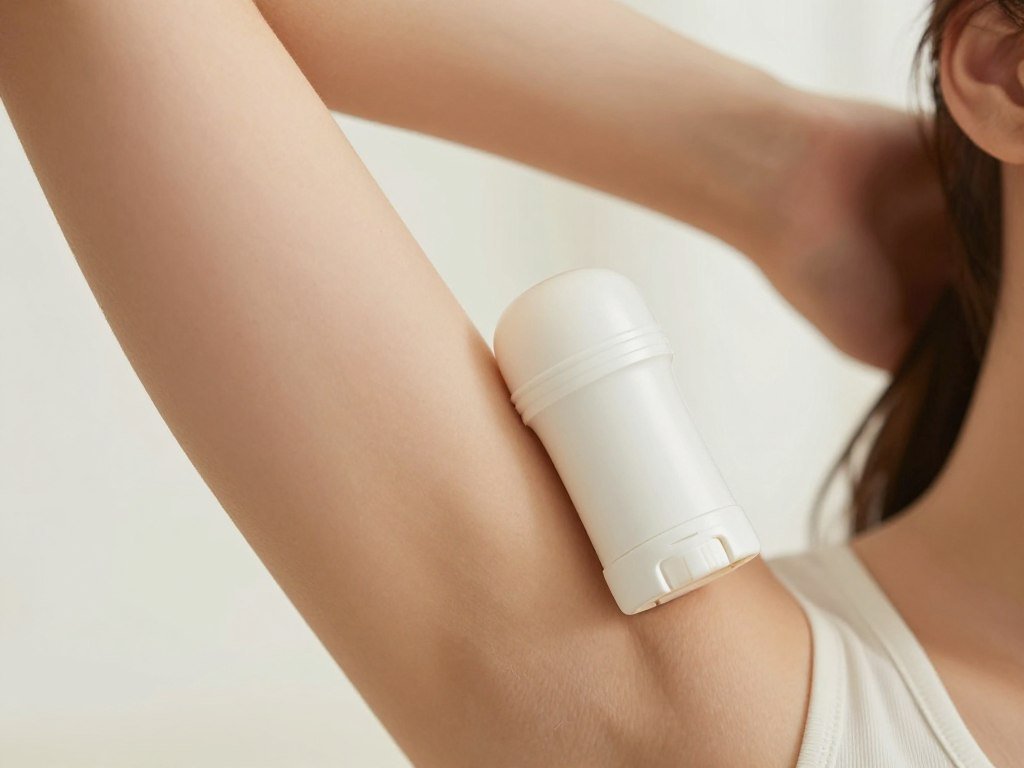
If deodorant leaves your underarms red or itchy, start by separating odor control from sweat control. Reactions can make a daily routine uncomfortable, and the wrong formula may add more irritation. Your body may need help with odor, sweat, or both, so the best deodorant for sensitive skin depends on your main concern and ingredient triggers. A product that works well for one person may not suit another. That is especially true when your skin reacts to fragrance or other common ingredients. This article offers a simple way to compare product types and ten options for different needs. Start with your concern, then consider the formula and label. A short ingredient check can help narrow the options before trying a new formula.
Key Takeaways
- Deodorants target odor; antiperspirants reduce sweat.
- Fragrance-free formulas can be a useful starting point for reactive skin.
- Aluminum-free deodorant does not reduce sweat.
- Product names and labels do not guarantee personal tolerance.
- Stop using a formula that burns or causes a rash.
How to Choose the Best Deodorant for Sensitive Skin
For odor alone, start with a deodorant; for sweat, choose an antiperspirant. An antiperspirant is a product that uses active ingredients to reduce the amount of sweat reaching the skin’s surface. Choose by need first, since the two product types do different jobs.
The American Academy of Dermatology advises using an antiperspirant when sweat is the main concern. Deodorants address odor but do not stop sweat. Its guidance on controlling excessive sweating explains this distinction.
| Main concern | Product type | What it does | Main limitation |
|---|---|---|---|
| Odor without heavy sweating | Deodorant | Controls odor | Does not reduce sweat |
| Bothersome sweat | Antiperspirant | Reduces sweat | Some formulas may irritate |
| Both concerns | Antiperspirant deodorant | Combines odor and sweat control | Check active ingredients and fragrance |
Odor Without Heavy Sweating
A deodorant sensitive skin shoppers choose should fit their odor needs without adding triggers they already know. Check the full label, not just the front. A first-pass check can help you compare unfamiliar formulas:
- Added fragrance
- Alcohol
- Baking soda
- The active ingredient
A “natural” label does not tell you whether a formula contains a trigger for your skin. The ingredient list gives you more useful details than the product’s scent name.
Sweat Control With a Sensitive Formula
The best deodorant for sweat concerns is an antiperspirant, but reactive skin may need a careful formula choice. A dermatologist-recommended deodorant for sensitive skin should match your symptoms and your tolerance, not just carry a gentle-sounding label.
Match the product to the concern it can address: deodorant for odor, antiperspirant for sweat, and an antiperspirant deodorant for both.
People with ongoing excessive sweating can ask a dermatologist about options beyond store products. An antiperspirant’s active ingredient matters more than its scent or package color.
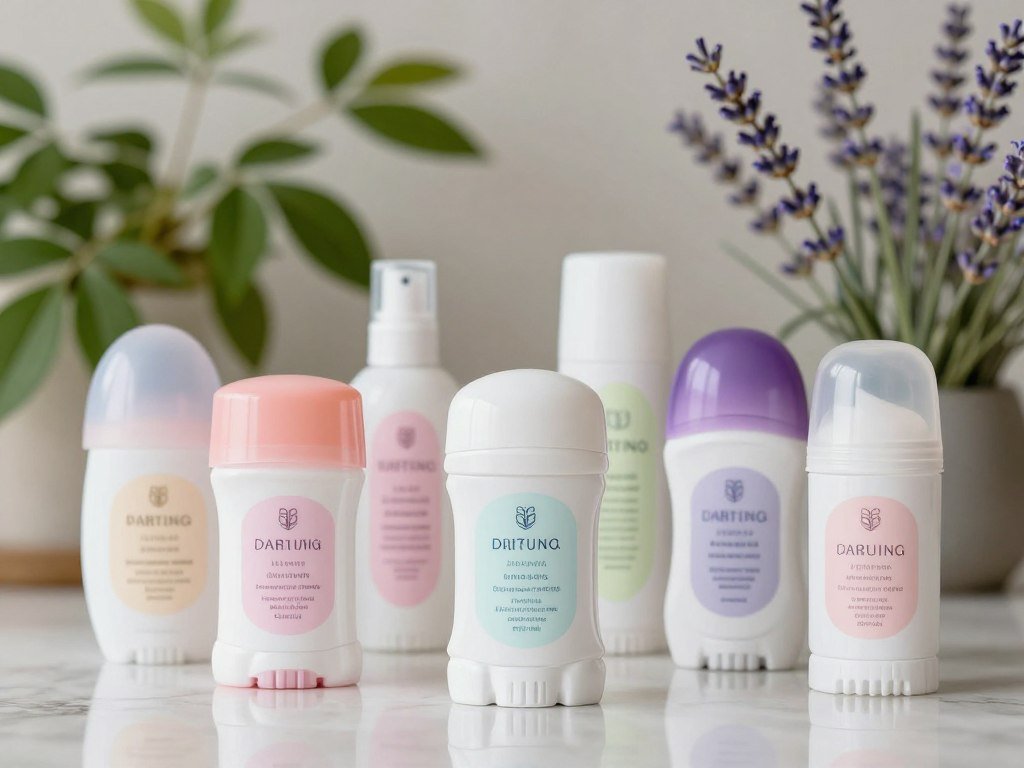
Match the product to the problem before comparing scents or formats.
Which Ingredients Can Irritate Sensitive Underarms?
Fragrance, alcohol, and baking soda are three useful ingredients to check first if a formula irritates your underarms. Individual reactions vary, so an ingredient that bothers one person may not bother you. Still, these ingredients are common potential irritants.
Fragrance, alcohol, and baking soda are useful first checks when you are trying to reduce irritation. Healthy skin generally has a surface pH of 4.5-5.5, while baking soda is more alkaline. That difference can bother some underarms.
Fragrance and Alcohol
Fragrance may appear in scented formulas under different label terms. Essential oils can also cause reactions, even when a product is marketed as natural. A clinical review found fragrance in 90% of 107 deodorants and antiperspirants it examined.
Alcohol can dry the skin or cause irritation, especially when the underarm is already sensitive. If you are also choosing a cleanser, this body wash guide for sensitive skin explains why fragrance-free labels can help narrow options. “Unscented” and “fragrance-free” do not always mean the same thing.
Baking Soda, Essential Oils, and Aluminum
Baking soda can irritate because its high pH differs from skin’s usual surface range. Essential oils may smell mild or plant-based, but they remain possible triggers. A product labeled natural or hypoallergenic can still contain ingredients your skin does not tolerate.
Aluminum does not automatically cause irritation for everyone. Some people tolerate aluminum antiperspirants, while others react to a specific formula or active ingredient. The label alone cannot predict your personal response.
Look at the complete ingredient list, including the active ingredient and any fragrance terms. The FDA treats antiperspirants as drugs and deodorants as cosmetics, so their product roles differ. Read the full ingredient list rather than relying on a “natural” or “hypoallergenic” label.
10 Gentle Deodorant Picks for Different Needs
For odor without sweat concerns, begin with the aluminum-free choices; for sweat control, consider an antiperspirant. Each pick has a different role, and no product is guaranteed to suit every sensitive underarm.
Choose from the odor-control group if sweat reduction is not your goal. The sweat-control group contains antiperspirants, including several clinical-strength options. Check each package because names alone do not tell you every ingredient.
Odor-First and Aluminum-Free Options
These five options are for odor control without aluminum-based sweat reduction. Vanicream Deodorant and Each & Every Nothing On are fragrance-free and aluminum-free, and neither contains baking soda. The other names below identify the listed products, not a promise about personal tolerance.
- Vanicream Deodorant
- Dove 0% Aluminum Sensitive Stick
- Native Unscented Deodorant
- Each & Every Nothing On
- Schmidt’s Fragrance-Free Sensitive
Vanicream Deodorant and Each & Every Nothing On may suit shoppers avoiding fragrance, aluminum, and baking soda. The product label remains the best place to check the current ingredient list.
Sweat Control and Antiperspirant Options
An antiperspirant is the relevant category when sweat is the concern. Vanicream Anti-Perspirant/Deodorant, Secret Clinical Strength Invisible Solid, and Gillette Clinical Clear Gel carry clinical-strength positioning. That label does not guarantee a formula will suit reactive skin.
- Vanicream Anti-Perspirant/Deodorant
- Carpe Underarm Antiperspirant
- Secret Clinical Strength Invisible Solid
- Gillette Clinical Clear Gel
- Certain Dri Prescription Strength Roll-On
Carpe Underarm Antiperspirant uses aluminum sesquichlorohydrate as its active ingredient, while the exact formula can differ across products. Carpe’s listed active ingredient helps identify its sweat-control role, but it does not predict how your skin will respond.
Check the package ingredient list each time, since product names alone do not establish that a formula is fragrance-free.
Is an Aluminum-Free Deodorant Better for Sensitive Skin?
An aluminum-free deodorant may suit someone who reacts to an aluminum compound, but it will not stop sweat. It is not automatically necessary for everyone with sensitive skin. Your choice depends on whether you need odor control, sweat reduction, or both.
Aluminum-free deodorants control odor but do not block sweat. Antiperspirants typically use about 12%-30% aluminum compounds. Aluminum chloride is the strongest option and may be more irritating; aluminum sesquichlorohydrate is gentler but weaker.
| Option | Sweat control | Relative irritation note | Best fit |
|---|---|---|---|
| Aluminum chloride antiperspirant | Blocks sweat | Strongest and more irritating | Heavy sweat if tolerated |
| Aluminum sesquichlorohydrate antiperspirant | Blocks sweat | Gentler but weaker | Sweat control with a less aggressive salt |
| Aluminum-free deodorant | Does not block sweat | Avoids aluminum compounds | Odor control when avoiding aluminum |
One study measured about 0.012% aluminum absorption through the skin. Major health organizations have found no conclusive evidence linking antiperspirants to breast cancer. These findings do not mean every formula will suit every person.
Aluminum products may show as specks on a mammogram, so avoid wearing them on scan day. That is a screening concern, not proof that antiperspirant use causes cancer.
Skip products containing aluminum on mammogram day so they do not appear as scan specks.
Does Carpe Work for Sweat and Odor?
Carpe is an aluminum-based antiperspirant, so it targets sweat rather than odor alone. Its active ingredient is aluminum sesquichlorohydrate. The formula is meant to reduce sweat, while its deodorant function addresses odor.
Study results offer useful context, but they do not guarantee the same outcome for every user. In an independent clinical study of 15 participants, 100% showed measurable improvement in skin-barrier function after one application.
In a separate independent clinical study involving 28 participants, 96% reported feeling dry all day. All 28 participants said Carpe worked better than similar products they had used.
Those figures reflect participant reports, not a promise that you will stay dry all day. A small study can show how its participants responded, while your skin and sweat level may differ.
Objective gravimetric measurements, which weigh sweat, found clinically significant sweat reduction for 72 hours after the final application. The 72-hour sweat measurement is distinct from participants’ reports of feeling dry.
Some people may still feel damp or develop irritation, even when study participants report good results. Product response depends on your own skin and use, not just the study average.
Treat study results as useful context, not a prediction of how your own skin will respond.
What Should You Do if a Deodorant Burns or Causes a Rash?
Burning is a reason to stop using the product, not to apply more in hopes that your skin will adjust. Act on the reaction instead of testing the same formula again right away.
Stop using a deodorant that burns, then rinse the area gently. Give your skin time to calm before trying another formula. A deodorant for sensitive skin with eczema should be chosen cautiously, not assumed safe because of its label.
- Stop using the product if it burns.
- Rinse the area gently.
- Wait until your skin is calm before trying another formula.
- Patch-test a small area and watch it for 48 hours before wider use.
Immediate Burning or Redness
Rinsing helps remove product left on the skin. Do not apply deodorant to broken skin, since damaged areas may react more strongly. After shaving, wait 15-30 minutes before applying a formula.
Try only one new product at a time, so you can better spot which formula may cause a reaction. A patch test cannot rule out every future reaction, but it can show whether a small area responds.
Recurring Reactions and Eczema-Prone Underarms
Eczema-prone skin may need extra care because a product label cannot confirm that every ingredient will be tolerated. If redness, burning, or a rash keeps returning, a dermatologist can assess the cause and suggest next steps.
Persistent symptoms deserve attention even when they seem mild at first. Seek medical advice for persistent, severe, or recurring symptoms.
Which Deodorant Helps Sensitive Skin and Dark Underarms?
Repeated underarm irritation can leave skin looking darker after the inflammation settles. That lingering darkening after skin inflammation is called post-inflammatory pigmentation. Redness and repeated reactions can play a part.
Aluminum itself does not automatically cause underarm darkening. Repeated irritation or sensitivity can contribute to pigmentation, so choose a deodorant that avoids triggers you already know. A fragrance-free option may be a sensible starting point if fragrance has caused reactions.
Switching to a gentler formula may reduce avoidable irritation, but it should not be expected to lighten existing marks. Deodorant controls odor, not pigmentation. Choosing a formula that your skin tolerates can help avoid adding more irritation.
Flat dark marks after skin inflammation differ from raised or textured scars. This guide to post-inflammatory marks explains how lingering pigmentation differs from scars and active spots.
If the area becomes irritated again, note which products you used and when symptoms appeared. That detail can help a dermatologist assess a possible trigger.
If darkening persists or changes, ask a dermatologist to assess the cause rather than relying on deodorant to treat it.
Do Men and Women Need Different Deodorants?
Men and women can choose by active ingredients and skin tolerance rather than the label on the package. The basic function is the same: deodorants control odor, while antiperspirants reduce sweat.
Men and women do not need fundamentally different formulas for odor or sweat control. The main difference is often scent, with men’s versions tending to smell stronger or muskier. Fragrance-reactive skin may not tolerate those scents well.
Sensitive-Skin Deodorant for Men
The best deodorant for men with sensitive skin is a fragrance-free option that matches the real concern: odor or sweat. A deodorant men choose for its scent still may not help with perspiration if it lacks an antiperspirant active ingredient.
Packaging can make products seem very different, but the label’s active ingredient tells you whether it reduces sweat. If you need odor control only, a deodorant may be enough.
Sensitive-Skin Deodorant for Women
The best deodorant for sensitive skin for women follows the same rule. Choose a fragrance-free formula that fits whether you want odor control, sweat reduction, or both.
Many people prefer a scent that matches their routine, but a stronger scent does not mean stronger sweat protection. Check the product type and active ingredient rather than relying on marketing aimed at women.
Gendered labels may help you find a preferred scent, but they do not set a skin-care rule. If fragrance is a trigger, choose an unscented or fragrance-free formula regardless of the product’s gender label.
Which Deodorant Format Is Easiest on Sensitive Skin?
A stick, gel, or roll-on changes the application experience, not the product’s basic function. Skin tolerance is personal, so no format is inherently gentlest for everyone.
The active ingredient, not the format, determines whether a product reduces sweat. Sticks apply drier, roll-ons go on wet, and clear gels dry without residue.
| Format | How it applies | Drying or residue | What determines sweat control |
|---|---|---|---|
| Stick | Goes on drier | No drying wait specified | Active ingredient |
| Roll-on | Goes on wet | Allow about a minute to dry | Active ingredient |
| Clear gel | Clear application | Dries without residue | Active ingredient |
A roll-on may feel damp while you apply it, so give it about a minute to dry. A stick does not call for a drying wait, while a clear gel dries without residue.
For sensitive skin, the best deodorant format is the one that feels comfortable and fits your routine. The same format can feel different across formulas because their ingredients are not the same.
Choose the format your skin tolerates, then check the active ingredient for sweat control.
Can Natural Deodorant Control Sweat and Odor?
Natural deodorant can help with odor, but it does not block sweat the way an antiperspirant does. Odor and sweat are separate concerns, even when a product’s name suggests a combined effect.
Deodorants target odor, while antiperspirants use aluminum compounds to reduce sweat. Body odor develops when bacteria break down sweat. A natural formula may help manage odor without stopping perspiration.
Odor Control for Sensitive Skin
Natural deodorants may use corn starch or arrowroot powder to absorb moisture. Magnesium hydroxide may help neutralize odor, and essential oils may have antibacterial effects.
A deodorant for sensitive skin and odor should use ingredients your skin tolerates and avoid personal triggers. Natural formulas can still contain essential oils, which may irritate some people.
The FDA classifies antiperspirants as drugs and deodorants as cosmetics. Its antiperspirant drug monograph covers active ingredients and product claims.
When Sweat Control Matters
Natural deodorant may absorb some moisture, but that is different from reducing sweat at the skin’s surface. If sweat is your main concern, an antiperspirant is the product type designed for that job.
For some people, controlling odor is enough for daily comfort. Others want less sweat on clothing or during activity, which calls for a different product function.
Choose natural deodorant for odor control only when its ingredients suit your skin and your sweat level.
Choose natural deodorant for odor control only if its ingredients suit your skin and your sweat level.
Conclusion
The simplest starting point is a fragrance-free formula matched to whether odor or sweat is your main concern. Your own tolerance matters as much as the product type, so do not assume a gentle label guarantees a good fit.
Check the active ingredient when you need sweat reduction, and compare the full label when avoiding a trigger. One formula at a time makes it easier to notice how your skin responds.
Patch-test your chosen formula on a small area before using it across both underarms.
FAQ
What is the best aluminum-free deodorant?
Is Dove deodorant ok for sensitive skin?
Why is my Carpe deodorant burning my armpits?
Why did I suddenly become allergic to my deodorant?
What are the potential side effects of using Carpe deodorant?
Is the aluminum in Carpe deodorant bad for you?