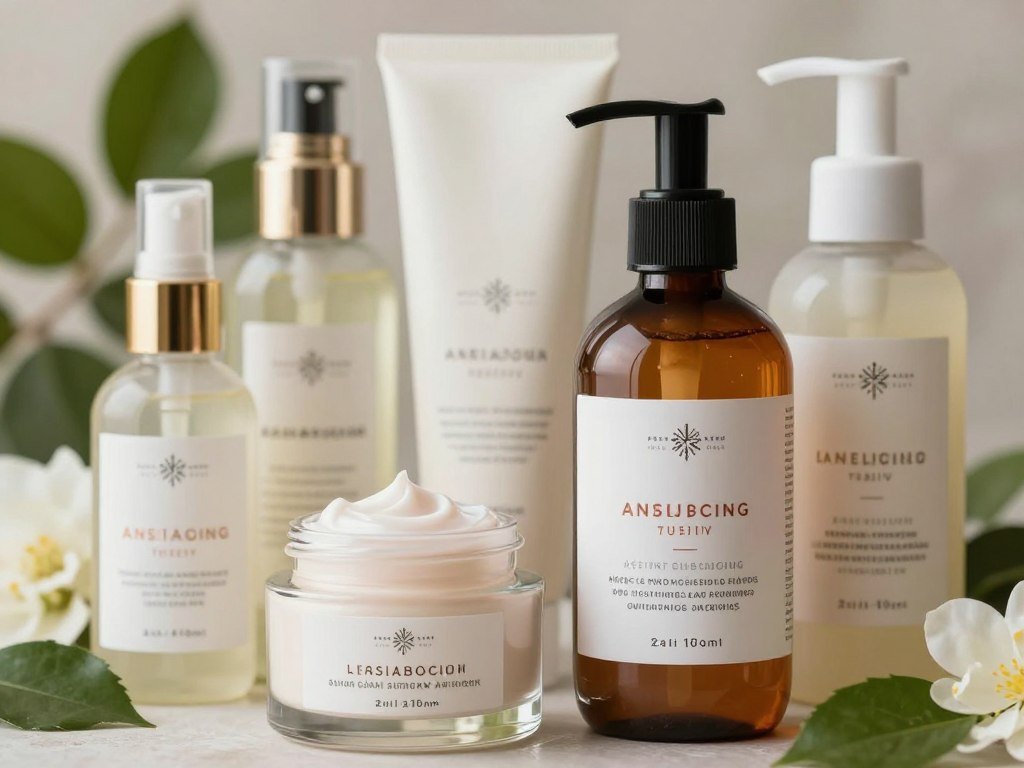
For most people who want everyday moisture, La Roche-Posay Lipikar Daily Repair Lotion is the most versatile place to start, while very dry, sensitive, or rough skin may call for a different formula. Body skin can become drier and rougher with age, and the skin barrier may need extra care. This expert-informed comparison includes lightweight everyday lotions, richer creams, and targeted treatments for different signs skin aging can bring.
Moisturizers can improve hydration and the look and feel of skin, but they do not erase aging. Some formulas focus on comfort, while others target texture or fine lines. Your choice should reflect what your skin needs and what feels good to use.
Key Takeaways
- La Roche-Posay Lipikar Daily Repair Lotion is the broad everyday pick.
- Dry, sensitive, or rough skin may need a different texture or formula.
- Hydration can soften the feel and look of dryness, not reverse aging.
- Retinol and exfoliating acids target specific concerns but may irritate.
- Choose a formula you can use consistently and that feels comfortable on your skin.
What Changes in Aging Skin?
A drop in collagen and natural skin oils can leave body skin less supple, drier, and more prone to visible lines. These changes can affect skin texture, but they vary widely from person to person.
Collagen production declines by roughly 1% per year starting in the mid-20s. Reduced oil production and moisture retention can contribute to dry skin, fine lines, wrinkles, crepiness, laxity, and discoloration. Hydration may soften the look and feel of dryness, but it cannot reverse structural changes.
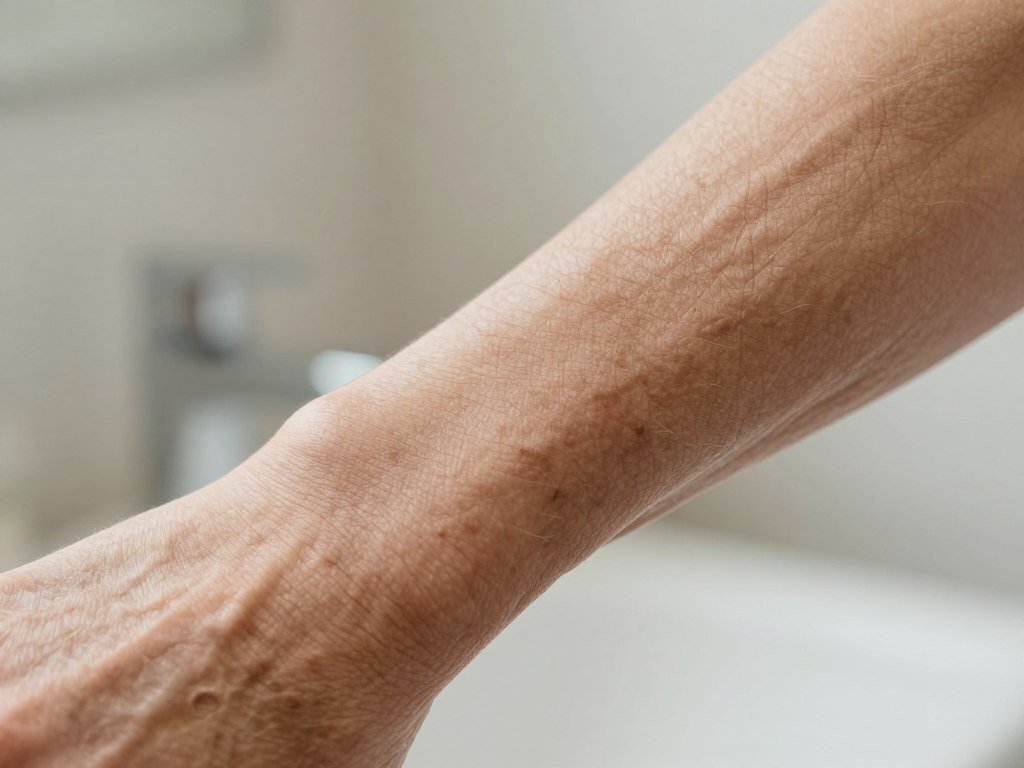
There is no single age when skin becomes mature. Genetics, hormones, environment, and daily habits all affect when signs appear. Sun exposure can add to skin damage and wrinkles.
Treat comfort and consistent hydration as realistic goals, rather than expecting a lotion to restore youthful skin.
The National Institute on Aging’s skin care guidance covers changes such as thinner, drier skin and the effects of sun exposure.
Which Ingredients Help Mature Body Skin?
For dry, mature body skin, start with water-binding ingredients and barrier support before adding a stronger active. A humectant attracts and holds water in the outer layers of skin.
Glycerin and hyaluronic acid help draw water into the skin’s outer layers. Ceramides and fatty acids support the skin barrier, which helps limit moisture loss. Niacinamide can support comfort and a more even-looking tone.
Humectants and barrier-supporting ingredients
Look for humectants when your main concern is hydration. Glycerin and hyaluronic acid are common options, while ceramides and fatty acids help support the outer protective layer.
Niacinamide may suit skin that feels uncomfortable or looks uneven. For more dry-skin care ideas, see this guide to products for dry skin.
Retinol, exfoliating acids, antioxidants, and peptides
Retinol may improve the appearance of fine lines. Glycolic acid, an alpha-hydroxy acid (AHA), exfoliates, smooths skin, and also acts as a humectant. Lactic acid is a gentler AHA option for some people.
Antioxidants such as vitamins C and E help address environmental stress. Peptides are used in formulas aimed at a firmer look. These ingredients target different concerns, so a longer list is not always a better fit.
- Humectants: glycerin and hyaluronic acid.
- Barrier support: ceramides and fatty acids.
- Exfoliants: glycolic acid and lactic acid.
- Antioxidants or peptides: vitamins C and E, or peptides.
Sensitive skin may do better with fewer active ingredients at a time. Introduce one active ingredient at a time so irritation is easier to identify.
How Do Lotion, Cream, and Ointment Differ?
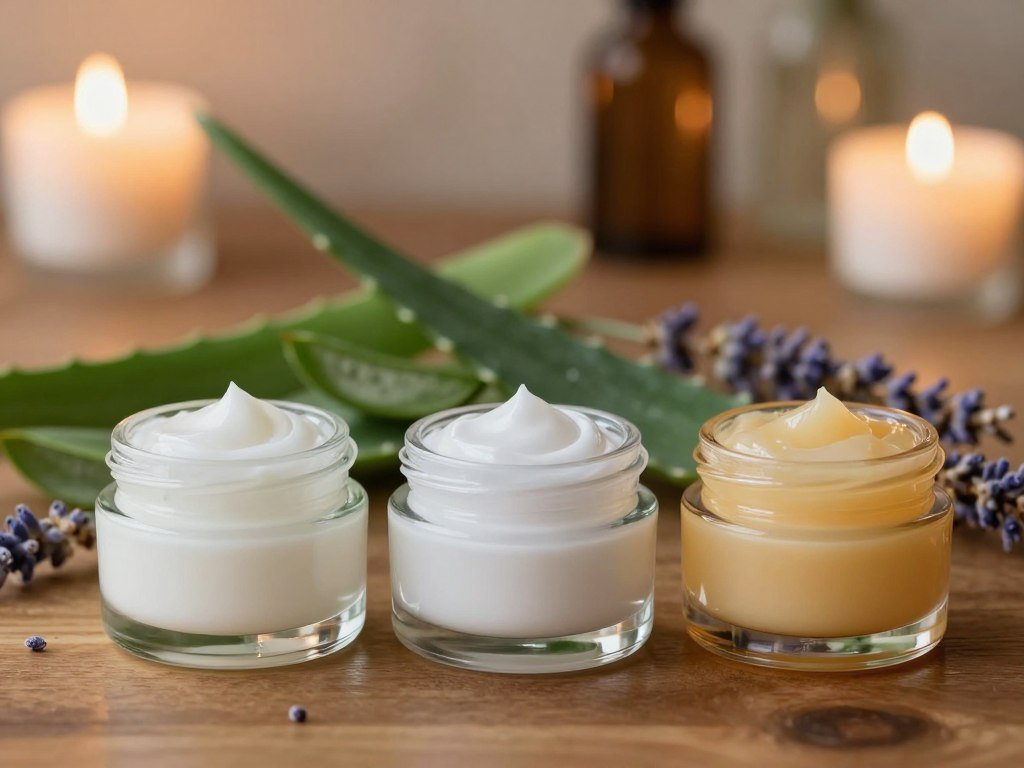
A lightweight lotion is the easiest everyday choice for many people, while a cream or ointment holds more oil and suits drier areas. Texture matters alongside ingredients, since a formula only helps if you can stand using it.
Choose a richer, more occlusive product for very dry patches. Ointments are typically the thickest type and form a strong seal, but they can feel greasy across large areas during the day.
| Type | Texture or composition | Best fit | Practical drawback |
|---|---|---|---|
| Lotion | More water; light feel | Everyday use or less dry skin | May not feel rich enough for very dry patches |
| Cream | Higher oil content; often near a 50-50 water-to-oil ratio | Dry skin needing richer coverage | Can feel heavier than lotion |
| Ointment | Thick and highly occlusive | Very dry areas needing a strong seal | Can feel greasy over broad areas |
Some people prefer a lotion’s quick, light feel, while others like the longer-lasting cushion of a cream. The best body moisturizer texture may also vary across your body.
For a closer look at everyday options, read this body lotion guide. Pick the least heavy texture that keeps your skin comfortable between applications.
How Often Should You Apply Body Moisturizer?
Apply body moisturizer after bathing while skin is still slightly damp, then add more whenever dryness returns. Your routine can stay flexible, since skin, climate, and daily activities affect how much moisture you need.
There is no single schedule that fits every skin type or lifestyle. Naturally dry or sensitive skin may benefit from daily use, while oily skin in a humid climate may not need lotion every day.
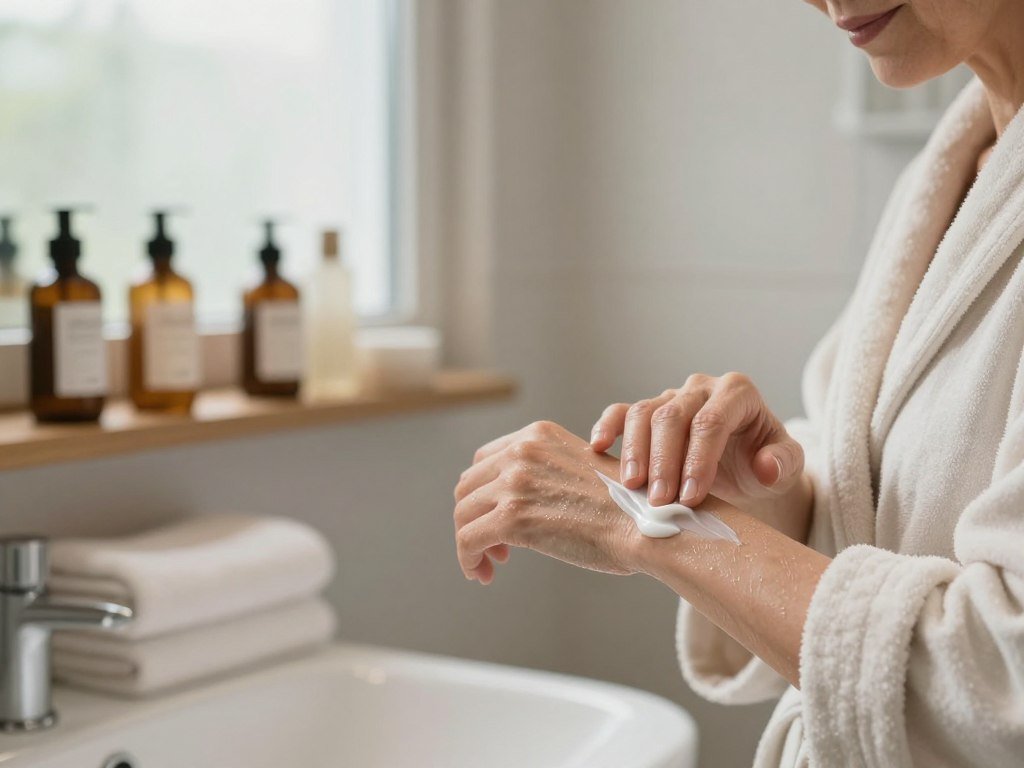
A dermatologist-recommended body lotion for aging skin over 50 should fit your skin and routine, not an age-based schedule alone. Apply within a few minutes after a bath or shower, while your skin is slightly damp.
- Apply moisturizer after bathing while your skin is damp.
- Cover the areas that feel dry or tight.
- Reapply after handwashing or exercise if dryness returns.
- Adjust when indoor air or weather makes your skin feel drier.
Hands may need another layer after frequent washing, and exercise can leave skin feeling dry. Dry indoor air can also change how comfortable your skin feels.
For more on cleansing and moisture, see this guide to body wash for soft skin. Let your skin’s comfort, rather than a rigid calendar, guide extra applications.
Best Lotion for Aging Skin: Which Daily Moisturizers Stand Out?
La Roche-Posay Lipikar Daily Repair Lotion is the broadest everyday choice here, with lighter and richer alternatives for different preferences. It suits many routines, while CeraVe Daily Moisturizing Lotion offers a lightweight feel and Rodan + Fields Active Hydration Body Replenish is a richer body cream choice.
A dermatologist-recommended body lotion for aging skin can be lightweight when hydration and comfort are the priorities. For aging skin over 50 or over 60, compare dryness, texture, and sensitivity rather than choosing by age alone.
| Product | Format or feel | Notable ingredients | Best fit |
|---|---|---|---|
| La Roche-Posay Lipikar Daily Repair Lotion | Fast-absorbing lotion | Thermal water, glycerin, shea butter, niacinamide | Broad everyday moisture |
| Rodan + Fields Essentials Daily Body Moisturizer | Lightweight, non-greasy lotion | Sunflower and jojoba seed oils | Readers who prefer a lighter feel |
| Rodan + Fields Active Hydration Body Replenish | Richer body cream; 200 mL (6.76 fl oz U.S.) | 30% glycerin and cross-linked hyaluronic acid | Body hydration with a richer texture |
| CeraVe Daily Moisturizing Lotion | Lightweight lotion | Hyaluronic acid, three essential ceramides, MVE delivery technology | Everyday moisture and barrier support |
| Neutrogena Hydro Boost Body Moisturizing Gel Cream | Fast-absorbing gel cream | Hyaluronic acid | A lighter, gel-like feel |
Lipikar combines glycerin for hydration with shea butter and niacinamide. Its fast-absorbing feel may suit someone who dislikes a heavy layer but still wants daily moisture.
Rodan + Fields Essentials is listed in a 200 mL (6.8 fl oz U.S.) size. Its light feel and sunflower and jojoba seed oils make it an option for those who prefer a non-greasy lotion.
Active Hydration Body Replenish is intended for body use, not the face. Its 30% glycerin and cross-linked hyaluronic acid give it a distinct place among these everyday options.
CeraVe pairs hyaluronic acid with three essential ceramides and MVE delivery technology. Neutrogena Hydro Boost Body Moisturizing Gel Cream offers another fast-absorbing choice with hyaluronic acid.
People looking for the best lotion for aging skin over 60 may prefer a richer cream if their skin feels dry, or a lighter lotion if comfort matters most. Check whether each formula is labeled for body use before adding it to a routine.
Which Lotions Target Texture, Firmness, and Tone?
For rough patches, AmLactin’s lactic-acid formula is the most targeted pick in this group. Other formulas address different needs, including sensitivity, a firmer look, or a preference for plant oils.
Choose one targeted product for one clear concern. These formulas may improve the look or feel of skin, but they do not promise lifting, wrinkle removal, or lasting spot fading.
- Nécessaire Body Lotion: A thicker formula with niacinamide, five peptides, and marula oil. It also has a fragrance-free option.
- Alastin Ultra Nourishing Moisturizer: A fragrance-free option for mature, dry, sensitive, or irritated skin, with peptides, oat kernel extract, and linoleic acid.
- RoC Retinol Correxion Deep Wrinkle Rich Cream: A retinol option with bio-ceramides and shea butter. Its exact retinol concentration is not disclosed.
- Real Skin Care Coconut Body Lotion Pure Unscented: Includes purified spring water, organic virgin coconut oil, organic jojoba, organic plant-based emulsifying wax, organic grapefruit seed extract, and organic red palm oil.
- AmLactin Daily Moisturizing Lotion: Contains 12% lactic acid and targets rough texture.
A dermatologist-recommended body lotion for aging skin over 60 should still match your concern and tolerance level. One person may want help with rough elbows, while another may prefer a fragrance-free formula for easily bothered skin.
The best body lotion for aging skin over 40 may be a basic hydrating formula before you add a treatment lotion. For the best moisturizer for aging skin over 70, focus on comfort, dryness, and sensitivity rather than age alone.
The Real Skin Care formula lists several plant oils, while RoC combines retinol with moisturizing ingredients. These differences can guide your choice without implying that every active suits every person.
Choose a targeted treatment for one clear concern instead of layering several actives at once.
How Do Skin Type and Climate Change Your Choice?
In cold, dry weather, a richer cream often feels more comfortable than a lightweight gel. Your surroundings matter, since heat, humidity, and indoor air can change how skin feels.
Choose by how your skin responds, not by age alone. A dermatologist-recommended body lotion for aging skin over 50 or over 60 can be a light lotion or a richer cream, depending on your skin and environment.
Match the formula to your skin type
Dry skin often feels better with a cream that leaves a soft, protective layer. Sensitive skin may prefer a simple formula with fewer potential irritants.
Oily skin may feel comfortable with a light lotion or gel, especially in humid weather. Combination skin can need a lighter formula on some areas and richer care on dry patches.
Adjust for weather and indoor air
| Situation | Useful texture or ingredients | Reason |
|---|---|---|
| Cold or dry weather | Richer cream with petroleum jelly, butters, or ceramides | Can feel more protective on dry skin |
| Warm or humid weather | Light lotion or gel | Often feels more comfortable in heat |
| Dry indoor air | Cream or lotion that suits your skin | Indoor dryness can leave skin feeling tight |
Thicker creams may suit colder months, while light lotions or gels can feel better in warm, humid conditions. A change in feel does not mean your skin type has changed.
If dry air makes your skin feel tight indoors, try a richer texture on those areas. Reassess the formula when the weather or your indoor environment changes.
How Should You Use Retinol and Exfoliating Acids?
Retinol may help improve the look of fine lines, but it needs cautious use because it can irritate skin and increase sun sensitivity. Start with care, especially if your skin reacts easily.
Use retinol at night and wear sunscreen during the day. Sensitive skin may react even when a product is made for body use, so pay attention to changes after applying it.
Use retinol cautiously
Retinol may suit you if fine lines or uneven tone are concerns. It is an active vitamin A ingredient, and some skin types may not tolerate it well.
Do not add several strong actives at once. Stop using retinol if it causes persistent burning, redness, or worsening irritation.
Start exfoliating acids gently
Exfoliating acids can help smooth rough texture. Alpha-hydroxy acids, such as glycolic acid and lactic acid, work on the skin’s surface, but they can also irritate.
A lower-strength product or gentler acid may be preferable for sensitive skin. Give your skin time to show how it responds before changing the routine.
Retinol and acids can be too much for some people, even when used in separate products. Keep the rest of the routine simple while you learn how your skin responds to an active.
Can Body Lotion Fade Age Spots?
A body lotion may make age spots look less noticeable, but it cannot reliably erase them. Brightening ingredients may help the appearance of uneven tone, though results vary.
Daily sunscreen on exposed skin helps prevent spots from intensifying. Age spots often develop after sun exposure and commonly appear on the face, neck, forearms, hands, and legs.
Vitamin C is an antioxidant used in skincare for uneven tone. It may help improve the look of discoloration, but a moisturizer is not a substitute for sun protection.
The National Institute on Aging explains that age spots often follow years of sun exposure. Learn more about skin care and aging and why sunscreen matters.
A stable spot differs from a mark that changes or looks unusual. Ask a medical professional to assess a spot that changes in color, shape, or feel.
Protect exposed skin with sunscreen each day so existing spots are less likely to intensify.
Where Can You Apply Body Lotion Safely?
Smooth body lotion over dry areas such as your hands, arms, legs, and feet, while keeping it away from eyes and broken skin. Use a light touch and spread the formula evenly.
Keep lotion off eyes, mucous membranes, and broken or actively irritated skin. Check the product label for any extra limits, since formulas can differ.
- Hands and forearms: Cover dry patches and spread the lotion evenly.
- Legs and feet: Lotion can go on the soles, but avoid dampness between toes.
- Chest and breast skin: Moisturize the skin, but nursing parents should not leave lotion on the nipple before feeding.
- Areas to avoid: Keep lotion away from eyes, mucous membranes, broken skin, and actively irritated areas.
Let lotion absorb before dressing, and avoid leaving a thick layer sitting on the surface. Nursing parents should follow the product label or a clinician’s guidance for breast skin.
If a product stings or causes a rash on one area, stop using it there and reassess the formula.
When Is a Body Moisturizer Not Enough?
A moisturizer may help routine dryness, but persistent itch or damaged skin deserves a closer look. Ongoing symptoms need attention, especially when they affect everyday comfort.
Seek medical advice for persistent itching, cracking, bleeding, or discomfort that interferes with daily life. A moisturizer cannot diagnose the cause or heal every skin condition.
Medicines and health conditions can contribute to dry, itchy skin, so age may not be the only cause. A clinician or board-certified dermatologist can assess symptoms that keep returning.
For more on care for persistent dryness, read this guide to products for dry skin. Seek medical advice when itching, cracking, or bleeding persists or affects daily life.
Persistent symptoms deserve medical advice, especially when itching, cracking, or bleeding disrupts daily life.
Conclusion
The best choice is the moisturizer that fits your main concern and feels comfortable enough to use consistently. Everyday hydration is the foundation, while the right texture depends on your skin’s needs and what feels good.
Choose one moisturizer for your main concern, then use it consistently. Add an active ingredient only if it suits your skin and your routine.
Start with one suitable formula, follow its label, and ask a dermatologist about persistent or changing skin concerns.
FAQ
What’s the best moisturizer for aging skin?
How often should you apply body lotion?
What’s the difference between lotion and cream?
Where should you not apply lotion?
Is it better to rub lotion in or let it sit?
Should you put lotion on the bottom of your feet?
Do you put lotion on your breasts?