
A face that feels tight or irritated after washing may need a gentler formula, not a stronger scrub. A comfortable daily facial cleanser should remove sweat, oil, and sunscreen without leaving your skin tight. Men can use the same cleanser categories as anyone else; grooming labels do not determine what suits your face.
Your skin barrier is the outer layer of skin that helps retain moisture and protect against irritants. The right choice depends on whether your skin tends toward oiliness, dryness, acne, sensitivity, or a mix. Look for a formula that cleans without making your skin feel stripped. That gives you a useful starting point without adding an unnecessary step.
A cleanser is a short-contact step, so choose one you can use consistently without discomfort.
Key Takeaways
- Match your cleanser to your skin type and main concern, not its gendered packaging.
- A gentle daily wash should remove buildup without leaving your face tight.
- Oily, dry, acne-prone, sensitive, and combination skin can need different formulas.
- Notice how your skin feels after rinsing, not just how the product lathers.
- Choose a product you can use comfortably as part of your regular routine.
Best Face Wash for Men by Skin Type
For a gentle everyday starting point, choose Cetaphil Gentle Skin Cleanser; switch to a targeted formula when oiliness, breakouts, or sensitivity is the main concern. The best face wash depends on your skin needs, not a universal ranking. These ten facial cleanser options cover common preferences and concerns.

Broad daily cleansers and oily-skin picks
- Cetaphil Gentle Skin Cleanser: A gentle, non-foaming option and a broad daily starting point for many routines.
- The Ordinary Glucoside Foaming Cleanser: A gel-to-foam pick for oily skin and people who like a clean-rinsing feel.
- Kiehl’s Ultra Facial Cleanser: A listed option for all skin types, useful when you want one general daily cleanser.
- Cardon Purifying Clay Cleanser: A clay-based option for those who prefer that texture in a face wash.
- Brickell Purifying Charcoal Face Wash: Another cleanser choice for readers drawn to a charcoal formula.
Choose the formula that fits your main concern, then judge it by how your skin feels after rinsing.
Targeted options for dryness, acne, and sensitivity
- CeraVe Hydrating Oil Foaming Cleanser: A dry-skin option with an oil-to-foam format.
- La Roche-Posay Effaclar Medicated Gel Cleanser: An acne-focused cleanser for readers seeking a targeted formula.
- Vanicream Gentle Facial Cleanser: A sensitive-skin pick with a focus on a mild, simple wash.
- Geologie Everyday Face Wash Sensitive Formula: An option listed for combination skin.
- Tower 28 SOS Gel Cleanser: A fit for normal-to-dry, redness-prone skin.
There is no single No. 1 face wash in the world for men across every skin type. Cetaphil is a direct general-use choice, while a targeted product may better suit a specific concern. For more options across cleanser formats, see these skin care product picks.
Use the shortlist to narrow the formula, then judge the final choice by how your skin feels after rinsing.
How to Identify Your Skin Type
Check how your skin feels a few hours after a gentle wash, rather than judging it while it is still wet. Time and location offer better clues than one quick look in the mirror. Four common categories are oily, dry, combination, and balanced skin.
Watch for patterns across your face and through the day. Skin can feel different in another season or after a routine change, so one unusual day does not define your type.

- Does shine build on the forehead, nose, or chin by midday?
- Do your cheeks or other areas feel tight or flaky?
- Does the same cleanser leave some areas comfortable and others irritated?
- Does your face feel mostly comfortable for several hours after washing?
Signs of oily skin
Oily skin often develops visible shine within a few hours of washing. The forehead, nose, and chin form the T-zone, where oil may stand out most.
A shiny face does not always mean every area has the same oil level. Look at your cheeks, too, and note whether shine returns often or only after heat, exercise, or a change in weather.
Signs of dry or sensitive skin
Dry skin may feel tight, rough, or flaky, especially after washing. These signs can appear on the cheeks or across much of the face.
Sensitivity is different from a stable oily or dry type. It describes skin that reacts with recurring burning, redness, or discomfort, sometimes after a new product or ingredient.
Signs of combination skin
Combination skin often has an oily T-zone with cheeks that feel normal or dry. You may notice a shine across your nose while your cheeks stay comfortable.
The contrast between areas can change with the season or your routine. A face does not need to fit one category perfectly to help you choose a cleanser.
Signs of balanced skin
Balanced skin tends to feel comfortable across most areas, without regular tightness or excess shine. That can still change after a long day, cold weather, or a new routine.
Use repeated patterns to decide which profile fits best. If the same area repeatedly burns, flakes, or turns red, treat that as a sensitivity clue rather than proof that the cleanser is working.
How Often Should You Wash Your Face?
For most people, washing twice a day and after sweating is a practical routine. Gentle technique matters as much as timing, since scrubbing can irritate skin. Use a gentle, non-abrasive, alcohol-free cleanser with your fingertips.
The American Academy of Dermatology recommends washing twice daily and after sweating. Its acne care guidance also supports gentle cleansing as part of skin care. Dry or sensitive skin may do better with a lighter morning cleanse if twice-daily washing feels uncomfortable.

A simple morning and evening routine
Use lukewarm water and a light touch. These four steps keep the wash simple:
- Wet your face with lukewarm water.
- Apply cleanser with your fingertips.
- Rinse thoroughly with clean water.
- Pat your face dry with a clean towel.
A rough cloth and very hot water can add friction or discomfort. Your face does not need a hard scrub to feel clean.
What to do after sweating
After heavy sweating, wash away sweat and buildup when you can. A gentle wash after a workout can help you feel fresh without turning the rest of your routine into a scrub session.
Body washes generally should not go on your face unless the label says they suit both areas. If you need a separate shower product, compare options in this body wash guide. If a second daily wash leaves skin uncomfortable, reduce friction and choose a gentler formula before adding stronger ingredients.
Which Face Wash Works Best for Oily Skin?
For oily skin, The Ordinary Glucoside Foaming Cleanser is a straightforward gel-to-foam option with decyl glucoside and coco glucoside. Its foaming texture suits people who prefer a clean-rinsing face wash. Visible oil does not mean your skin needs a harsh, tight-feeling wash.
The Ordinary Glucoside Foaming Cleanser is a practical best face wash for men with oily skin when a light, foaming feel is the goal. Its glucoside surfactants help remove surface oil during cleansing. It is listed at $12.
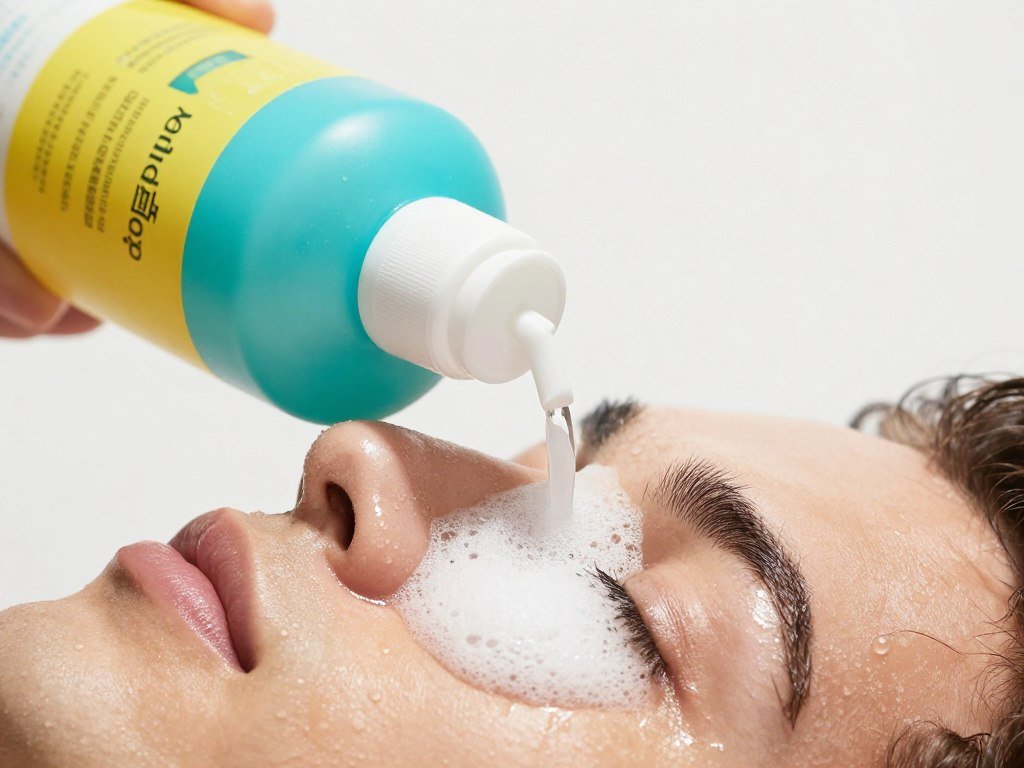
Oily skin can still need hydration. A cleanser that removes too much surface oil may leave your face uncomfortable, rather than solving the reason it looks shiny.
Try the product on your face and notice how your skin feels after rinsing. A clean-rinsing finish does not have to mean a squeaky or tight finish. If the shine returns, more scrubbing is not the only possible response.
Routine shine is not the same as blackheads or inflamed acne. Blackheads and persistent pimples may call for a more targeted approach than a cleanser chosen only for oiliness.
The amount of visible oil can also vary by area. Your forehead and nose may look shiny while your cheeks stay comfortable, so consider how the whole face responds.
Choose a cleanser you can use without discomfort, rather than judging it only by how much foam it makes. If the face feels tight soon after washing, stop treating that tight feeling as the goal of degreasing.
What Should You Use for Acne-Prone Skin?
For inflammatory acne, a cleanser with 2.5-5% benzoyl peroxide is a first-line option, while a salicylic-acid formula may be gentler for dry or sensitive skin. Skin tolerance matters when choosing an acne cleanser. Stop or reduce an active formula if it causes persistent irritation.
Benzoyl peroxide acts against acne bacteria, while 2% salicylic acid can suit dry or sensitive acne-prone skin. Salicylic acid can help with clogged pores; benzoyl peroxide is often used for inflamed pimples.
| Product | Relevant active or formula | Best-fit concern |
|---|---|---|
| Neutralyze Acne Face Wash | 2% salicylic acid, 1% mandelic acid | Clogged pores, fragrance-free preference |
| La Roche-Posay Effaclar Medicated Gel Cleanser | Salicylic acid, lipo-hydroxy acid, glycerin | Acne-focused cleansing |
| CeraVe Acne Foaming Cream Cleanser | 4% benzoyl peroxide, hyaluronic acid, niacinamide, ceramides | Inflamed acne, cream-to-foam texture |
| The Treatment Skin Boutique Antioxidant Cleanser | Salicylic acid | Readers seeking a salicylic-acid cleanser |
La Roche-Posay Effaclar Deep-Cleansing Foaming-Cream Cleanser is listed at $25 for 4.22 ounces. That is another format to consider if a cream-to-foam wash suits your routine.
A retrospective study of 619 acne patients found that targeted cleanser use twice daily, as part of standard care, was associated with a 43.58% reduction in acne severity and a 44.85% reduction in acne spots within four weeks. The 619-patient cleanser study found an association, not proof that cleanser alone caused improvement.
The best face wash for men with acne depends on breakout type and tolerance. A wash can be one part of care, but it may not clear acne on its own. Persistent, painful, or scarring acne calls for medical care.
Dark spots left after acne are post-acne marks, not active pimples. A cleanser may help wash the skin, but it should not be expected to erase dark spots. For more guidance on blemish types, see these spot treatment options.
Give an active cleanser a fair, careful trial without adding several new products at once. Stop or reduce an active cleanser if it causes persistent burning, peeling, or worsening irritation.
Which Cleansers Suit Dry Skin?
Dry skin usually benefits from a cleanser that removes residue without leaving the face tight. A softer texture may feel more comfortable than a strong foaming wash. Cream, balm, and oil-based cleansers can be good options for dry skin.
Oily skin can still need hydration, so a wash should not aim to strip away every trace of oil. If your face often feels tight or flakes after cleansing, a milder formula may be a better fit.
| Product | Listed price | Useful formula or application detail |
|---|---|---|
| CeraVe Hydrating Facial Cleanser | $15 for 16 ounces | Gentle option for dry skin |
| The Inkey List Oat Balm Cleanser | $17 | Apply to dry skin, then emulsify with water |
| La Roche-Posay Toleriane Moisturizing Milky Facial Cleanser | $20 | Contains glycerin |
| Prequel Gleanser | $22 for 13.5 ounces | Gentle cleansing format |
CeraVe Hydrating Oil Foaming Cleanser is another option, with ceramides, squalene, and hyaluronic acid. Its oil-to-foam texture offers a different feel from a cream cleanser.
Neutrogena Hydro Boost Hydrating Gel Cleanser contains hyaluronic acid. It may suit someone who wants a gel texture while seeking a hydrating cleanser.
The price and feel of a product are separate questions. A higher price does not prove that a formula will suit dry skin better, and a low-foam cleanser may still remove daily residue.
If you also need help with a broader routine, see these skin care picks for dry skin. Apply an oat balm to dry skin first, then add water to emulsify it before rinsing.
What Should You Choose for Sensitive Skin?
For easily irritated skin, start with a fragrance-free cleanser and avoid any ingredient you already know triggers a reaction. A short ingredient list can make a product easier to assess. Your personal triggers matter more than a “men’s” label.
Vanicream Gentle Facial Cleanser is a no-fragrance, no-dye option. It is listed as free of dyes, fragrance, masking fragrance, lanolin, parabens, and formaldehyde releasers.
Tower 28 SOS Gel Cleanser contains zinc, copper, magnesium, aloe vera, and oat. It is listed for normal-to-dry, redness-prone skin, making it another option to compare.
La Roche-Posay Toleriane Purifying Foaming Cleanser is listed for oily, sensitive skin and contains niacinamide. That gives you a foaming option if richer textures do not feel right.
Youth to the People Adaptogens Supershroom Calm Cleanser is a fragrance-free gel cleanser with lipids and ceramides. Aesop Gentle Facial Cleansing Milk contains panthenol, grape seed oil, and olive oil.
Those formulas differ in texture and ingredients, so the label alone cannot predict how your skin will respond. A fragrance-free product may still contain another ingredient that does not suit you.
Try a new formula on a small area first, then watch for a reaction before using it widely. Discontinue it if irritation persists, even if the package calls it gentle.
Changing several products at once makes it harder to tell what caused a reaction. A product marketed as gentle still needs to feel comfortable on your own skin.
How Do You Choose for Combination or Balanced Skin?
If the nose and forehead get shiny while the cheeks stay comfortable or dry, choose a cleanser mild enough for both zones. One balanced formula can be easier than using a harsh wash across the whole face. Combination skin is a common pattern, not a problem to fix.
Geologie Everyday Face Wash Sensitive Formula is an option listed for combination skin. It costs $19 and contains salicylic acid, which may appeal if your T-zone gets clogged or shiny.
Kiehl’s Ultra Facial Cleanser is listed for all skin types and contains squalane, avocado oil, and glycerin. It offers a broad-use option for someone who wants a general cleanser rather than one aimed at a single concern.
CeraVe Foaming Facial Cleanser contains ceramides and hyaluronic acid and comes in a 16-ounce bottle. It provides a foaming option for readers who like that feel but want a formula with these ingredients.
Murad Resurgence Renewing Cleansing Cream contains papaya enzymes, algae extract, and apricot oil. Fresh Soy Face Cleanser includes aloe vera, cucumber extract, borage seed oil, and soy proteins.
Those cream or low-foam choices may suit you if a more nourishing-feeling wash is appealing. Texture preference can help narrow the options, but your face’s comfort remains the useful test.
Balanced skin usually feels comfortable across most areas, while combination skin has a more noticeable difference between zones. Either can change with weather or routine, so you do not need to force a fixed label.
Change the cleanser only if the same imbalance or discomfort continues, not after a single unusual day.
What Works for Beards, Shaving, and Ingrown Hairs?
A beard does not need a special men-only formula, but cleanser still needs to reach the skin beneath the hair. Rinsing the beard line helps clear cleanser residue from the skin and hair. Use your fingertips to clean the skin, not just the beard surface.
Work cleanser through the hair with gentle fingertip movements, reaching the skin underneath. Rinse carefully along the jaw and beard line, where residue can remain.
- Wet the beard and face.
- Use fingertips to reach the skin beneath the hair.
- Rinse thoroughly, especially along the beard line.
- Pat the area dry with a clean towel.
Salicylic acid exfoliates surface dead skin cells that can trap hairs beneath the skin. It can be an option for ingrown hairs, though a cleanser should not be treated as a guaranteed fix.
Bevel Brightening Vitamin C Cleanser is listed for post-shave sensitivity and costs about $13. A cleanser with a shave-related label may be worth considering if shaving leaves your skin uncomfortable.
Oars and Alps Charcoal Solid Face Wash comes as a portable 1.4-ounce solid stick. Its formula includes propanediol, sodium stearate, and glycerin; the charcoal is not a requirement for beard care.
Wash gently around freshly shaved areas, where skin may feel more tender. If bumps are painful, repeatedly inflamed, or worsening, get medical advice rather than scrubbing harder.
When Should You Exfoliate or Double Cleanse?
Exfoliation is an optional add-on, not a requirement for every face or every day. Less can be enough when your regular wash removes buildup. Dead skin cells do not need aggressive daily removal.
Exfoliating cleansers and dead skin cells
Chemical exfoliation uses ingredients such as acids or enzymes to loosen dead skin cells. Physical exfoliation uses particles or tools that rub the skin’s surface.
Loved01 Exfoliating Cleanser combines chemical and physical exfoliation in a sulfate-free, fragrance-free formula. Kiehl’s Rare Earth powder cleanser uses white clay and tartaric acid.
Jaxon Lane Shake And Wake Enzyme Powder Face Wash is fragrance-free and sulfate-free. Its formula includes papaya enzyme, pineapple enzyme, niacinamide, and vitamins C and E.
These products use different formats, so choose based on your skin’s comfort rather than assuming one format works for everyone. For more product formats, see these skin care product ideas.
When an oil cleanser helps
Double cleanse means using an oil cleanser first, followed by a water-based cleanser. It can help when sunscreen or makeup is difficult to remove with one wash.
Beauty of Joseon Ginseng Cleansing Oil costs $20 and contains ten different oils. Hanskin Pore Cleansing Oil includes tea tree, jojoba, olive, and grapeseed oils, plus aloe vera.
A second cleanse is optional if one gentle wash removes the day’s buildup. Reduce exfoliation if the skin becomes persistently irritated or unusually dry.
Which Ingredients and Labels Are Worth Checking?
A “natural” label does not tell you by itself whether a cleanser will suit your skin. Read for function and tolerance, not just a broad claim. Natural does not automatically mean gentle or suitable for sensitive skin.
There is no reliable best natural face wash for men based on naturalness alone. Choose for your skin’s needs, fragrance preference, and known triggers instead of seeking a 100% natural label.
Dr. Squatch Pine Tar Face Wash is described on its label as containing at least 98 percent natural ingredients. That product label claim does not guarantee that the formula will suit your skin.
Cetaphil Daily Facial Cleanser offers another example of checking named ingredients. It comes in a 20-ounce bottle and contains glycerin, vitamin B5, and vitamin B3.
Healthy skin pH is described as 4.0-6.0, while traditional soap is roughly 8.5-11.0. That gap helps explain why traditional bar soap may feel harsh on facial skin.
Face and body products may have different uses, so read the package before applying a wash to your face. See this body wash selection guide for more on choosing products by skin concern.
Check these four label details before choosing:
- Cleanser type, such as gel, cream, balm, or oil.
- Fragrance, including whether it is listed in the formula.
- Active ingredient, if you need a targeted function.
- Known personal triggers that have caused past reactions.
Favor a formula that fits your skin’s needs over a broad claim about where its ingredients come from.
How Much Do Face Washes Cost?
The listed examples range from $12 for The Face Shop Rice Water Bright Foaming Cleanser to $39 for Youth to the People Superfood Cleanser. Price alone does not show whether a formula suits your face. Compare the listed size as well as the shelf price.
Here are five face washes with listed prices and sizes:
| Product | Listed price | Listed size |
|---|---|---|
| Cetaphil Gentle Skin Cleanser | $13 | 20 ounces |
| CeraVe Hydrating Facial Cleanser | $15 | 16 ounces |
| CeraVe Foaming Facial Cleanser | $17 | 16 ounces |
| Prequel Gleanser | $22 | 13.5 ounces |
| Youth to the People Superfood Cleanser | $39 | 8 ounces |
The Face Shop Rice Water Bright Foaming Cleanser is listed at $12. These examples give you a useful spread, from a lower shelf price to a higher one.
A higher price does not mean a cleanser will fit your skin better. Choose by formula and comfort, then compare the size.
Listed prices can change, and sizes vary between products. A lower price may fit your budget, while a higher price may suit a preference or need you have.
Think about whether the product’s texture and formula match your skin before weighing the cost. A cleanser you do not enjoy using may not be a good value for your routine.
Compare the bottle size as well as the shelf price before deciding which option fits your budget.
Conclusion
A good daily choice is the cleanser that matches your skin and feels comfortable after rinsing. Skin type and tolerance matter more than gendered branding, and a wash should not leave your face tight.
Choose one option that fits your main concern and try it consistently. Pay attention to irritation or discomfort rather than adding more products right away.
Start with one suitable formula and keep the rest of the routine simple while you see how your skin responds.
FAQ
What is the best face wash for acne?
What is the best face wash for men with oily skin?
Is cleanser better than face wash?
What is the #1 face wash?
Which face wash is 100% natural?
What is the best natural face wash for men?