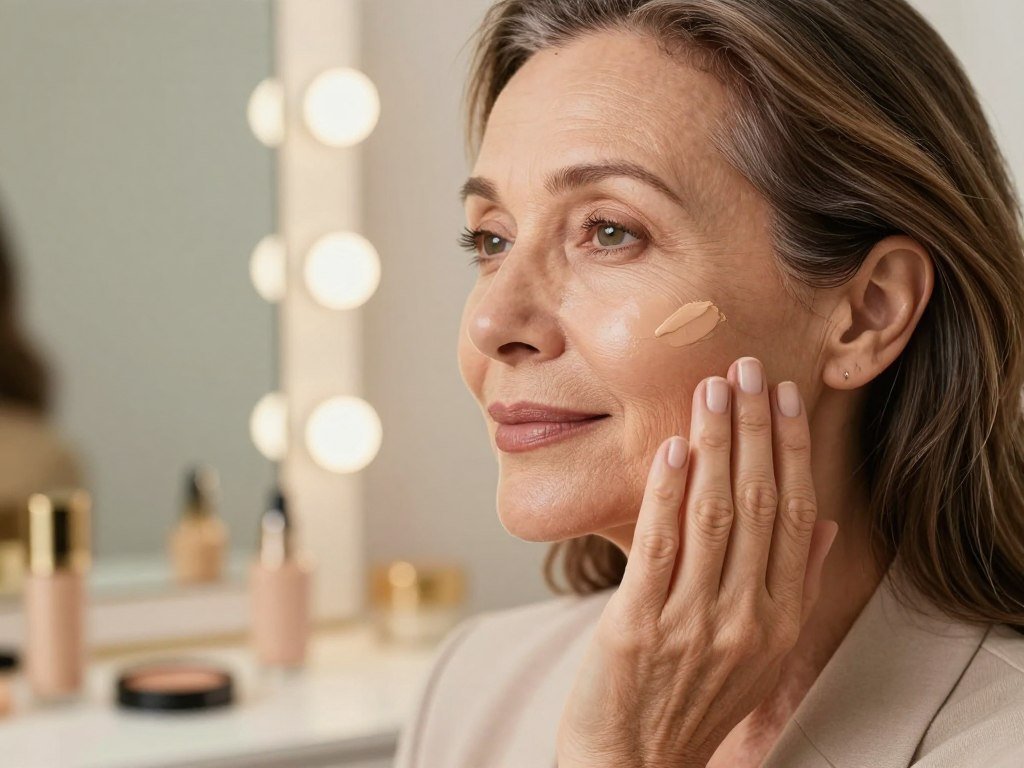
A foundation that looks smooth in the bottle can still feel heavy or emphasize texture once it is on your face. If dry areas or fine lines show through, the wrong base can make your skin tone look less even. The goal is a natural appearance that feels comfortable throughout the day, not a mask that hides every mark.
Buildable coverage means a formula’s coverage can be increased by applying another thin layer where you want more. The picks here include light, radiant, and fuller-coverage formulas, plus options listed for dry skin. You can compare their textures and finishes, then choose what suits your makeup routine and the look you enjoy.
Key Takeaways
- Start with a thin layer and add more only where needed.
- A radiant or natural finish may feel more flexible than heavy matte coverage.
- Choose a shade that blends with your face and neck.
- Prep skin with serum and moisturizer, then let them absorb.
- Use makeup SPF as an extra layer, not your only sunscreen.
- The best pick depends on your preferred coverage, feel, and finish.
A thin, flexible layer is a useful starting point when you want your complexion to look like your skin.
How to Choose the Best Foundation for Aging Skin
For most people, a hydrating, light-to-medium buildable formula is the most adaptable starting point. A natural or radiant finish can feel more flexible than heavy matte makeup. The best makeup brand for aging skin is the one with individual formulas that suit your texture, coverage, and shade needs.
Skin often becomes drier and more textured with age, so serum foundations, skin tints, tinted moisturizers, and lightweight liquids can be useful textures to consider. A formula that blends easily may be more comfortable through a full day than one that feels stiff.
Choose hydrating, light-to-medium coverage first, then add another thin layer only where you need more.
A heavy matte full-coverage formula may settle into lines or make dry texture stand out. That does not make every matte product unsuitable, but it makes the feel and finish worth checking before you commit.
If a formula feels thick before you have added coverage, it is unlikely to be the easiest everyday choice.
How Do Tinted Moisturizers, BB Creams, and CC Creams Differ?
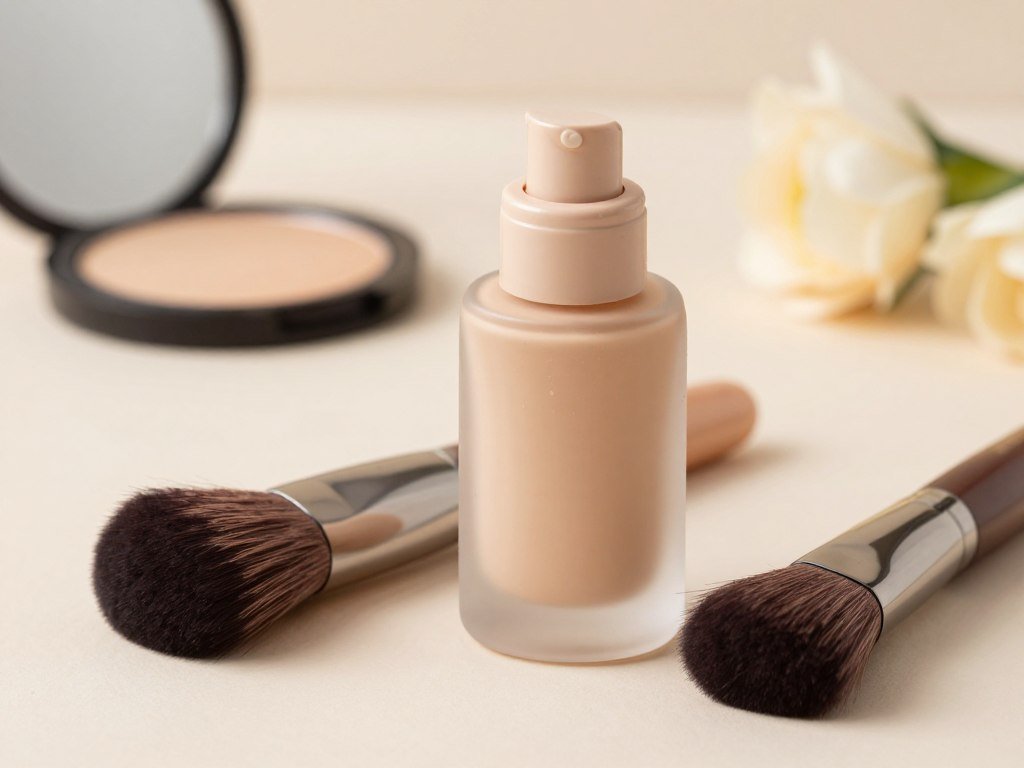
A tinted moisturizer is generally the sheerest, lightest option in this group, while a CC cream is designed to correct the look of uneven color. These complexion products can make makeup feel lighter, though their coverage and texture differ by formula. Pick one for the job you want it to do, not just its label.
Tinted Moisturizer and BB Cream
A tinted moisturizer usually gives sheer coverage with a light feel. It can gently even skin tone, but may not cover discoloration as well as foundation. A BB cream generally offers more coverage than a tinted moisturizer and feels less sheer, though formulas vary.
Neither product replaces foundation for every coverage need. A tinted moisturizer may suit a quick, low-coverage routine, while a BB cream can offer a little more polish without a traditional foundation feel. Look for easy blending and a texture you find comfortable.
What CC Cream Adds
CC cream means color-correcting cream. Its color-correcting pigments target the look of redness, hyperpigmentation, sun spots, and uneven skin tone. Coverage depends on the formula, so check the product description before choosing it for a particular concern.
Makeup artist Suzy Gerstein recommends tinted sunscreens with easy-to-blend textures and buildable coverage for mature skin. That kind of flexible tint can help cover dark spots without settling into fine lines. A tinted sunscreen still needs to fit into a separate sun-protection routine.
| Product type | Typical coverage | Texture | Main purpose |
|---|---|---|---|
| Tinted moisturizer | Sheer | Lighter | Subtle evening |
| BB cream | Generally more coverage than tinted moisturizer | Generally less sheer than tinted moisturizer | Combines a tint with a cream base |
| CC cream | Coverage varies by formula | Cream | Color correction |
| Serum foundation | Light to buildable | Lightweight | Flexible foundation coverage |
For cream makeup for mature skin, a tinted moisturizer or BB cream can be a simple choice when you want a soft wash of color. A CC cream may be a closer fit when uneven tone is your main concern.
Choose a tinted moisturizer when a sheer, light feel matters more than concealing discoloration.
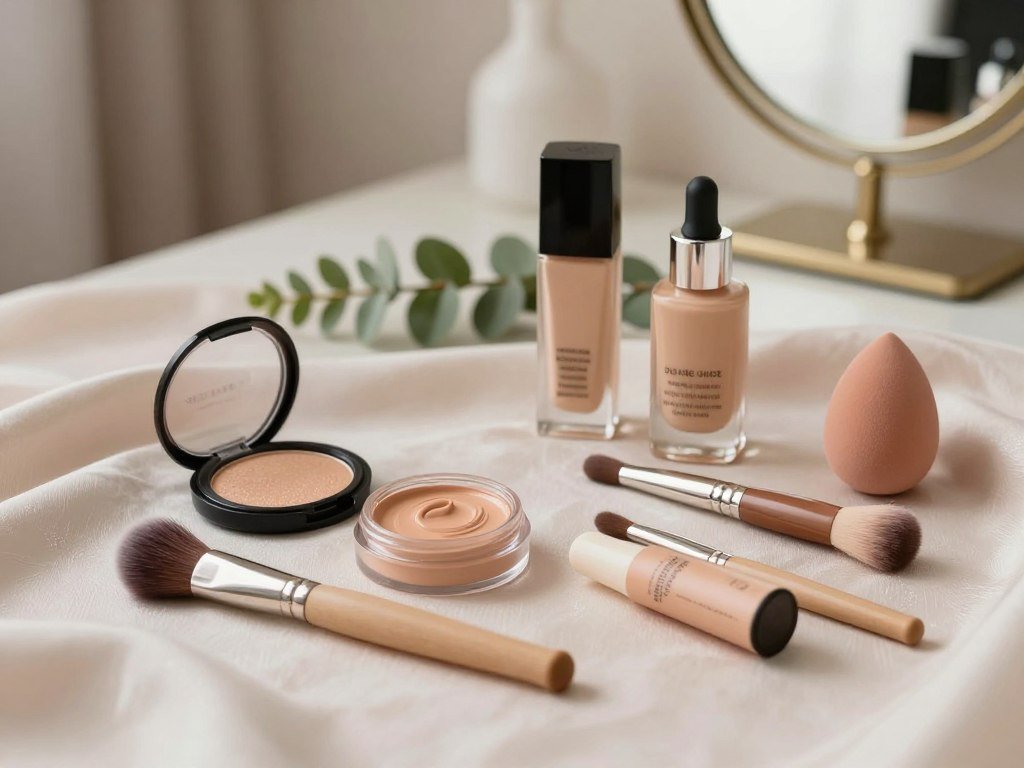
How Do You Match Foundation to Your Skin Tone?
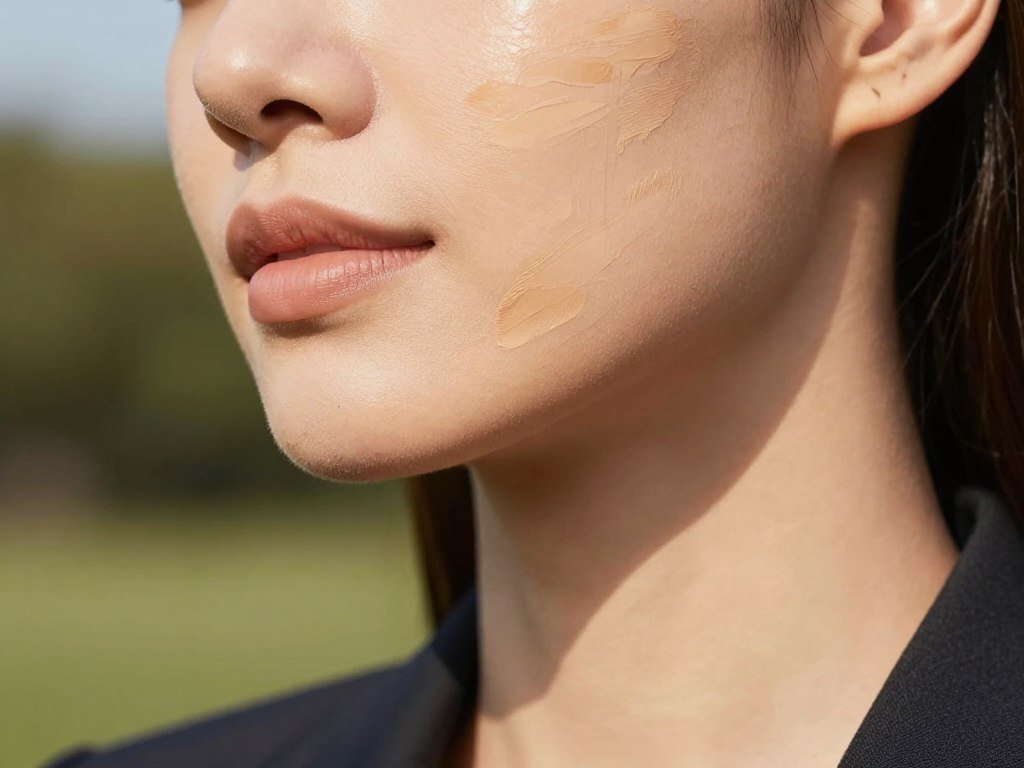
The jawline is a more useful test area than the back of your hand because it shows how the shade blends toward your neck. Natural light makes a shade mismatch easier to see. Test two or three shades along the jawline and choose the one that disappears into your skin.
- Hold a white sheet of paper beside your jawline in natural light. The contrast may help you assess your undertone.
- Look for cool undertones with pink, red, or blue cues; warm undertones look peach, golden, or yellow. Neutral undertones balance both.
- Stripe two or three shades along your jawline, not the back of your hand.
- Choose the shade that blends into your skin, then check the result in natural light.
A foundation shade should blend toward your neck rather than form a visible stripe. If one option looks close indoors but stands out by a window, trust the daylight check. Skin tone can shift across the face, so look at the whole jawline before choosing.
A white-paper undertone check can help you sort cool, warm, and neutral cues before you compare shades. This step is useful when two foundations seem close but one leaves the face looking too pink or yellow.
A shade that disappears into your skin in natural light is a stronger match than one that only looks right indoors.
How Should You Prepare Mature Skin Before Foundation?
Makeup sits more comfortably when your skin care has had time to settle first. For makeup for mature skin over 40, start with a base that feels comfortable and hydrated, not a heavier makeup product. A serum and moisturizer suited to your skin can help foundation blend instead of sitting on top.
Hydrate Before Makeup
Choose a serum and moisturizer that feel right for your skin. Dry skin may feel better with a richer cream, while a lighter lotion can suit skin that dislikes a heavy layer. You do not need a complicated routine to make makeup easier to apply.
Apply moisturizer to slightly damp skin if that feels comfortable. A simple routine can include gentle cleansing and a barrier-supporting moisturizer. For more ideas, see this guide to skincare products for dry skin.
Primer is optional, not a required step. If your moisturizer already leaves a comfortable surface, you can move on without adding another layer. If you use primer, choose one that works with both your skin care and foundation.
Give Moisturizer Time to Absorb
Layering foundation over moisturizer that has not absorbed can lead to pilling or separation. The products may shift as you blend, leaving small rolls or uneven patches instead of a smooth base. Give your skin care a moment before adding makeup.
Wait a full minute after applying moisturizer. That pause gives the product time to settle and helps keep later layers from sliding around. The same timing can help whether you wear liquid foundation or a lighter complexion product.
When dry skin still feels tight, adjust the moisturizer rather than piling on more foundation. A comfortable base makes it easier to wear makeup throughout the day without chasing dry patches with extra coverage.
Let moisturizer absorb for a full minute before applying foundation.
How Do You Apply Foundation Without Emphasizing Lines?
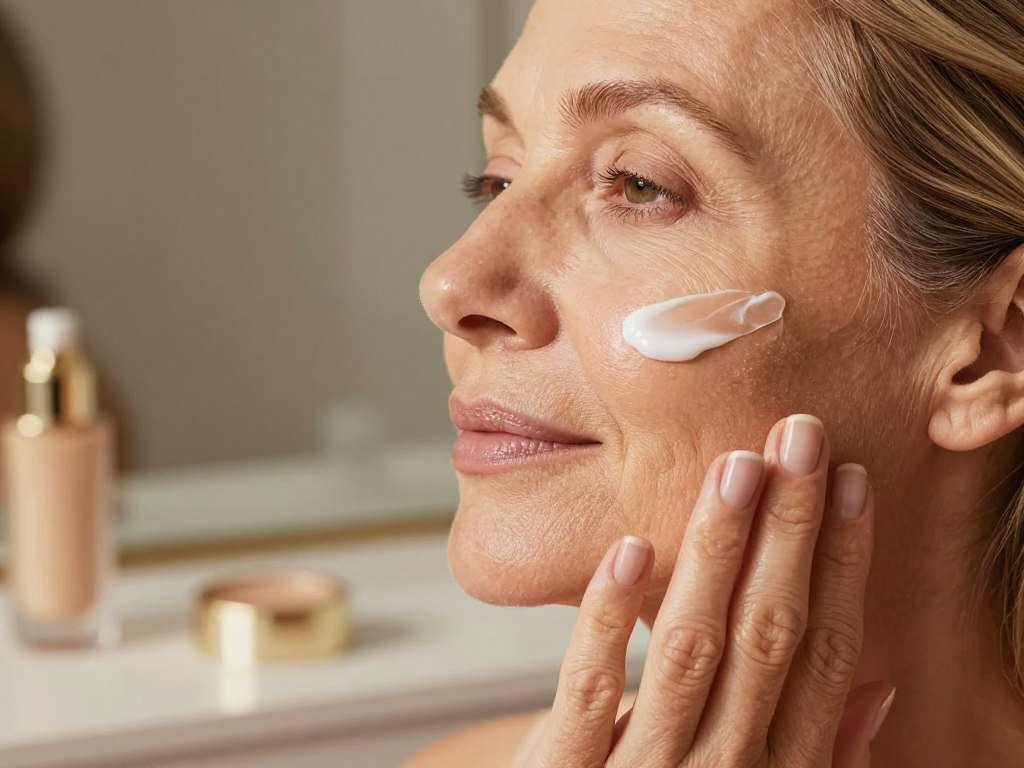
Start with a thin layer at the center of your face and blend outward toward the jawline. Less product gives you room to add coverage only where needed. Apply concealer after foundation so you use only the amount needed.
- Begin at the center of the face and blend foundation outward.
- Warm tinted moisturizer between your palms and press it onto skin, or use a fluffy brush for even coverage.
- Use a damp sponge to press and blend foundation for a seamless finish.
- Apply thin liquid concealer after foundation, only where needed.
| Tool | Application method | Best use |
|---|---|---|
| Hands | Warm and press | Natural tinted-moisturizer application |
| Fluffy brush | Sweep evenly | Streak-free tinted moisturizer application |
| Damp sponge | Press and blend | Seamless foundation finish |
A thick, opaque under-eye concealer can crease, so choose a thin liquid formula or brightening corrector instead. If you need more coverage, add it in a small area rather than spreading another layer over your whole face.
Powder can help set makeup around the nose or chin, but a heavy all-over layer or bake can look dry. A light dusting is enough for most areas that need setting. A fluffy brush gives you more control over the amount.
A damp sponge blending method can soften the edge of foundation without adding another thick layer. Tap gently instead of dragging the sponge across the skin.
Keep powder to a light touch around the nose or chin if those are the only areas that need setting.
Should Foundation SPF Replace Your Sunscreen?
Wear a dedicated sunscreen under foundation, even when your makeup has an SPF label. Makeup SPF is an extra layer, not a replacement for sunscreen. The American Academy of Dermatology recommends SPF 30 as the daily minimum.
Most people do not apply enough foundation to get the level of sun protection printed on its label. That can leave your skin with less protection than the package suggests. Apply sunscreen as its own skin-care step before makeup.
The FDA explains how sunscreen labels and use directions fit into sun protection. A product’s directions also explain when and how to reapply it, including after swimming or sweating.
Foundation with SPF can still add a layer of protection, but it should not set your sun-protection plan. Keep your sunscreen and makeup as separate steps so the labeled SPF in foundation does not carry more weight than it can support.
Follow the sunscreen’s own directions for use rather than treating a foundation layer as your sun-protection plan.
Which Lightweight Foundations Give a Natural, Radiant Finish?
For a natural-looking, radiant finish with medium coverage, Armani Beauty Luminous Silk Foundation is the broadest starting pick. Its light texture and soft-focus glow suit readers seeking a polished look without a heavy feel. Choose it when you want medium coverage and a radiant finish in one formula.
These five options range from light coverage to medium coverage. Each offers a different way to get a more even-looking complexion, so your preferred finish and coverage can guide the choice. The details below stick to what each formula is known for.
- Armani Beauty Luminous Silk Foundation: Lightweight, medium coverage, and a soft-focus radiant finish. It may suit you if you want a polished base with visible glow.
- L’Oréal Paris True Match Nude Hyaluronic Tinted Serum Foundation: A lightweight serum foundation with light coverage and hyaluronic acid. Consider it when you want a lighter feel and a more subtle base.
- NARS Light Reflecting Foundation: Medium coverage with a natural-looking glow. It may suit you if you want more coverage than a light tint and prefer a natural finish.
- Chanel Les Beiges: A lightweight choice described as offering good coverage. It may fit if you want a light feel with more coverage than a sheer tint.
- Laura Geller Baked Foundation: A reader-recommended option. Compare its shade and finish with the look you want before choosing it.
Foundation mature skin can often wear well depends on how much product you use and what finish you enjoy. For a lighter everyday feel, compare the L’Oréal serum’s light coverage with the medium coverage of NARS Light Reflecting Foundation.
Which Picks Suit Fuller Coverage, Dry Skin, or SPF?
For fuller coverage, IT Cosmetics CC+ Cream is the clearest pick; for a dry-skin listing, Shiseido Revitalessence Skin Glow Foundation is the more targeted choice. Start with the finish you like, then compare coverage and label details. Foundation SPF remains an added feature rather than a substitute for sunscreen.
- Lancôme Teint Idole Ultra Wear Natural Matte Foundation has buildable coverage and a soft matte finish. It may suit you if you want a matte look without choosing a fixed, heavy layer.
- IT Cosmetics CC+ Cream offers fuller coverage and SPF 50. Consider it when you want a more covered look in a CC cream.
- Estée Lauder Futurist Hydra Rescue Moisturizing Makeup offers hydration and medium-to-full coverage. It may suit you if you want more coverage with a moisturizing formula.
- Clinique Even Better Clinical Vitamin Makeup has SPF 50. Its label makes it one option to compare when you want makeup with SPF.
- Shiseido Revitalessence Skin Glow Foundation has SPF 30 and is listed for dry skin. It may be a useful fit to compare when dryness is a concern.
| Product | Labeled SPF | Supported fit |
|---|---|---|
| Clinique Even Better Clinical Vitamin Makeup | SPF 50 | Vitamin makeup |
| Estée Lauder Futurist Hydra Rescue Moisturizing Makeup | SPF 45 | Hydrating medium-to-full coverage |
| IT Cosmetics CC+ Cream | SPF 50 | Fuller coverage |
| Shiseido Revitalessence Skin Glow Foundation | SPF 30 | Dry-skin listing |
Shiseido Synchro Skin Radiant Lifting Foundation has SPF 30, making it another SPF-labeled option. Compare its coverage and finish with the other products before deciding whether it fits your routine.
Makeup for mature skin over 50 can include fuller coverage when that is the look you prefer. A flexible formula can help you add coverage in targeted areas rather than applying a thick layer everywhere.
Choose the finish and coverage you want first, then treat a foundation’s SPF as an added feature.
Can Full Coverage Still Look Natural on Mature Skin?
Yes, fuller coverage can look natural when you build it gradually instead of applying a thick layer everywhere. Thin layers let you add coverage only where you want it. Keep the formula flexible and the extra product targeted.
A heavy matte layer may settle into fine lines and wrinkles or make skin texture more visible. That can change the appearance of a polished base, especially when the formula feels dry on your face. More coverage does not have to mean more product across every area.
Someone who prefers a more polished finish can still choose full coverage. Focus the added layer on discoloration or spots that need more coverage, while leaving the rest of the face lighter. This keeps the finish from looking uniform and thick.
If your lines look more pronounced after application, remove excess product from that area rather than adding powder.
What Changes When Choosing Makeup After 40, 50, or 60?
There is no age when you have to stop wearing foundation, and no age when you have to start. Your skin’s needs matter more than the number of years. A natural look can come from a thin layer of foundation or a lighter complexion product.
Makeup for Skin in Your 40s
Makeup for mature skin over 40 can start with comfort, texture, and how coverage looks during the day. A base that feels fine at first may wear differently after several hours. Check whether it still feels comfortable and looks the way you want in changing light.
You may prefer a sheer tint on some days and more coverage on others. Skin needs can change over time, but age alone does not tell you which finish will suit you. Let the feel on your face guide the choice.
Makeup for Skin in Your 50s
For makeup for mature skin over 50, hydration and flexible coverage can be useful priorities if your skin feels drier. A comfortable product can be easier to wear than a thick layer intended to cover every mark. Your routine can stay simple if that is what works for you.
There is no rule that says you need to change every product at a certain birthday. Keep what still feels good, and reconsider a formula if it starts to feel tight, heavy, or uncomfortable during the day.
Makeup for Skin in Your 60s and Beyond
A 70-year-old woman can wear foundation if she wants to, and she can also choose not to wear it. A sheer tint or a thin layer can give a natural look without hiding the skin completely. The best foundation for mature skin over 60 depends on preferred coverage, feel, and finish.
The best makeup for mature skin over 60 is also a personal choice, not an age-based rule. Skin needs vary from person to person at every age, so one person may enjoy a radiant foundation while another prefers a lighter complexion product.
Let comfort and the finish you enjoy, rather than your age, decide whether foundation belongs in your routine.
Beauty routine essentials can help you think through the skin-care products that support a comfortable base. Choose only the steps that make your skin feel better, rather than adding products for their own sake.
What Should You Check Before Buying a Foundation?
Before buying, check the coverage, finish, shade options, and feel you actually want to wear. Product details can help narrow the choice, but your comfort matters during real wear. A suitable shade and comfortable texture matter more than an ingredient claim.
Some complexion products include hyaluronic acid, ceramides, vitamin C, niacinamide, or peptides. Those ingredients do not guarantee that a foundation will treat a skin concern. Read the product label, then judge the formula by how it feels and looks on your skin.
A beauty routine can include skin-care and makeup essentials that match your needs. Avoid buying extra products simply because a trend or label makes them sound necessary.
Compare the stated coverage and finish with the way you plan to wear the formula. Check the available shades, too, since a limited shade range may make it harder to find a close match. The best product on paper still needs to suit your face.
Ingredient claims cannot make up for a foundation that feels uncomfortable or comes in the wrong shade.
A short wear test can show whether a formula still feels comfortable after it has been on your skin for a while.
Conclusion
A comfortable formula in a close shade match will usually look more natural than a heavier layer chosen for its claims. Choose coverage and finish based on what feels good on your skin, then use only as much product as you need. A natural look does not require a full face of foundation.
Test your preferred formula in natural light before settling on a shade. Start by swatching one light-to-medium option and one alternative finish in natural light, then choose the one you enjoy wearing.
FAQ
Is IL MAKIAGE or Laura Geller better for mature skin?
Is tinted moisturizer better than foundation?
Should mature skin use liquid or cream foundation?
How to apply foundation to mature skin?
Which is the No. 1 foundation for mature skin?
Should a 70 year old woman wear foundation?
What is the best makeup brand for seniors?
What is the best foundation for older ladies?