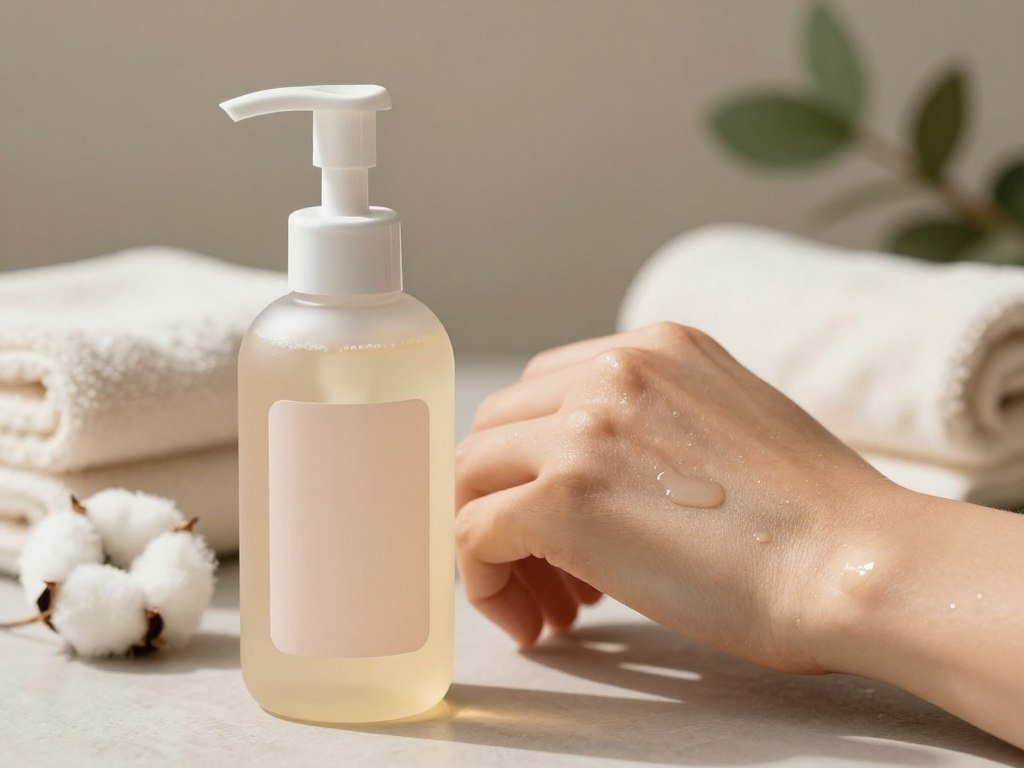
Oily skin can feel shiny by midday, but a cleanser that leaves it tight is not a better choice. Sebum is the natural oil produced by the skin. Too much shine can feel uncomfortable, and breakouts may add another concern. Yet oily skin can still need a gentle approach.
This roundup compares everyday, budget-friendly, and acne-focused options. The best match depends on whether your skin feels sensitive and whether clogged pores or pimples bother you. A cleanser should remove excess oil without making your face feel dry or sore. A good first choice cleans away oil while leaving skin comfortable.
Key Takeaways
- Start with a gentle gel or foaming cleanser for everyday oil removal.
- Consider salicylic acid when clogged pores are your main concern.
- Choose a simpler formula if your face often feels tight or reactive.
- A cleanser can support acne care, but it does not cure acne alone.
- Use one new product at a time so you can spot irritation.
How do you choose a cleanser for oily skin?
Gel and foaming formulas are practical starting points when excess oil is the main concern. A facial cleanser should lift oil and debris without leaving your skin uncomfortable. Texture matters, but your skin’s response matters more.
Choose a formula that cleans without stripping the skin barrier. Strong squeaky-clean sensations can mean your face has lost too much moisture, not that cleansing worked better.
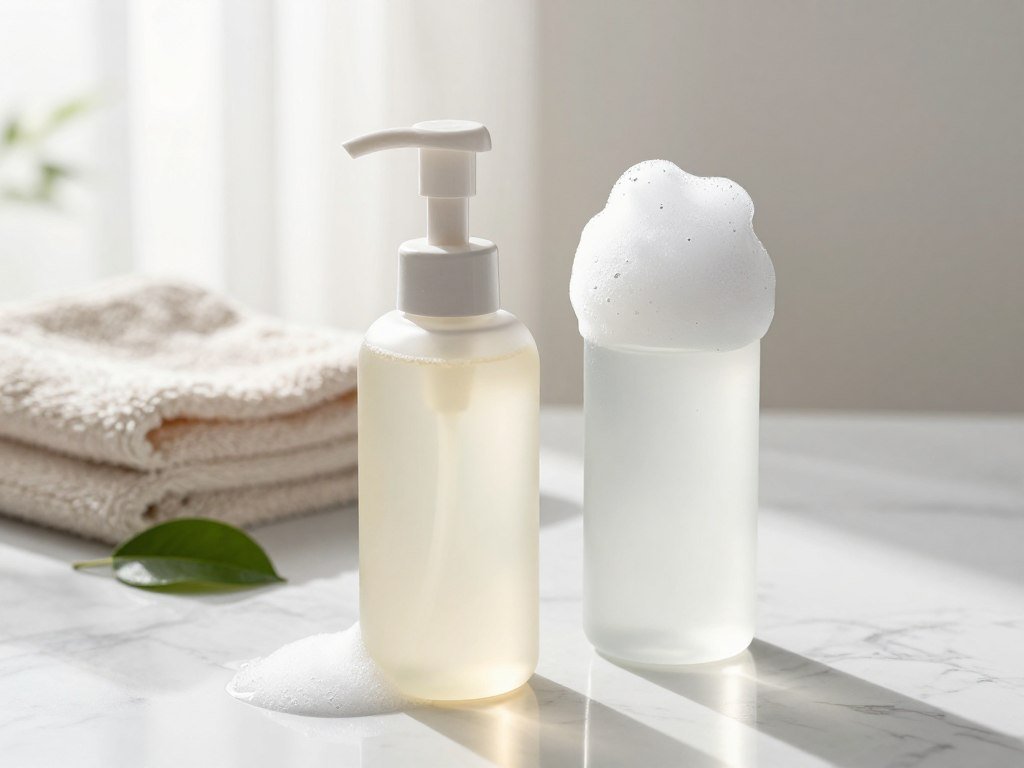
Gel and foaming formulas for everyday cleansing
Gel cleansers often feel light and rinse clean, while foaming cleansers can remove excess oil from a slick-feeling face. Either can suit oily skin. Look for a gentle formula rather than choosing by foam alone.
Ingredients that help hold moisture, such as hyaluronic acid, can make a cleanser feel less harsh. A gentle cleansing routine can also support a simple skin care routine with barrier-supporting basics.
Ingredients to match to your main concern
Ingredients like salicylic acid may suit clogged pores, while niacinamide or tea tree oil are other ingredients to consider. A cleanser cleans the skin; it does not replace a leave-on acne treatment.
- Gel cleansers for a light, rinse-clean feel
- Foaming cleansers to lift excess oil
- Salicylic acid for clogged pores
- Niacinamide or tea tree oil as ingredients to consider
A cleanser’s job is to remove oil and debris, not to replace a leave-on acne treatment.
Pick a product that suits your main concern and feels comfortable after rinsing. Choose a formula for its effect on your skin, not its strongest claims. Choose the gentlest formula that leaves your face clean and comfortable, rather than chasing a squeaky-clean finish.
Best Face Wash for Oily Skin: Top Picks Compared
CeraVe Foaming Facial Cleanser is the clearest everyday starting point for many oily-skin routines. It offers a practical price range and contains ceramides and hyaluronic acid. Value and comfort make it a useful first pick for many people.
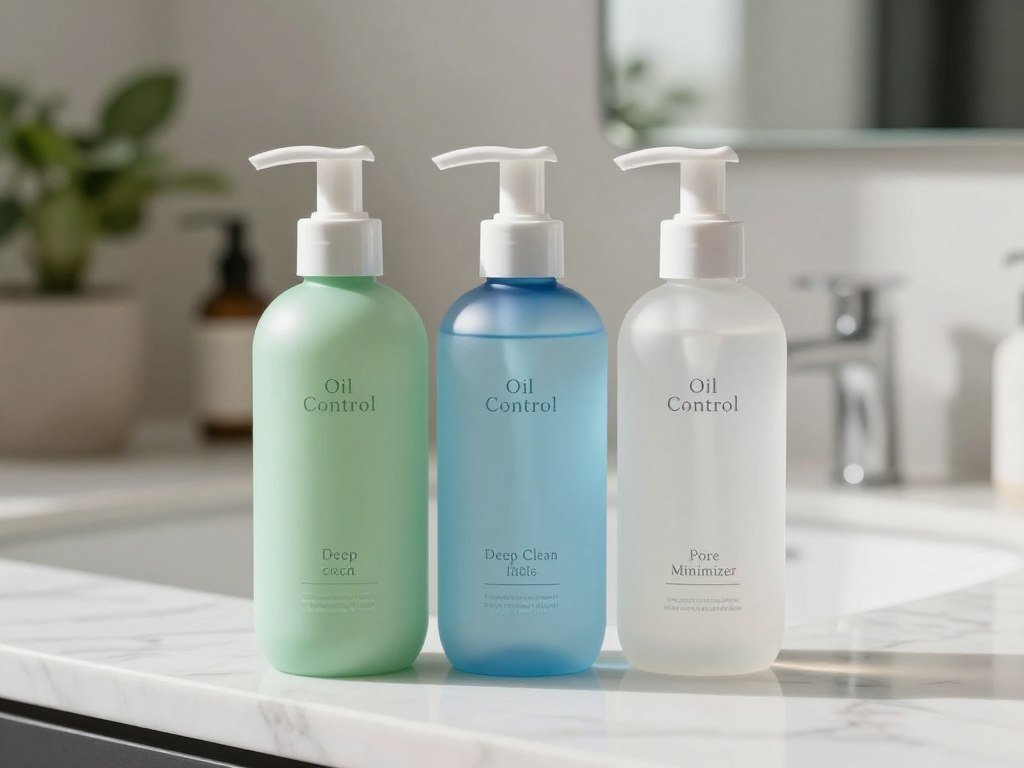
Choose CeraVe for everyday use, Drunk Elephant for a premium option, or Dermalogica for acne-focused cleansing. Ratings and prices below reflect the listed options and review counts.
| Product | Number of sizes | Listed price range | Rating and review count |
|---|---|---|---|
| CeraVe Foaming Facial Cleanser | 4 | $5.99-$18.99 | 4.6 stars, 19,259 reviews |
| Drunk Elephant Beste No. 9 Jelly Cleanser | 2 | $18.00-$36.00 | 4.6 stars, 1,699 reviews |
| Dermalogica Acne Clearing Skin Wash | 2 | $49.00-$73.00 | 4.5 stars, 1,331 reviews |
CeraVe’s 16-ounce bottle is listed at $16 on Amazon. Its ceramides and hyaluronic acid may appeal if you want a foaming cleanser with hydrating ingredients.
Drunk Elephant Beste No. 9 Jelly Cleanser is the premium pick for readers who prefer a jelly texture. Dermalogica Acne Clearing Skin Wash suits readers prioritizing an acne-focused cleanser, though a cleanser alone does not cure acne.
The ten face washes across this roundup span everyday, drugstore, and targeted acne formulas. The best fit depends on your skin needs and budget, not a single rating. Compare the size and price range as well as the formula, since the lowest starting price may be for a smaller size.
Which affordable drugstore cleansers are worth considering?
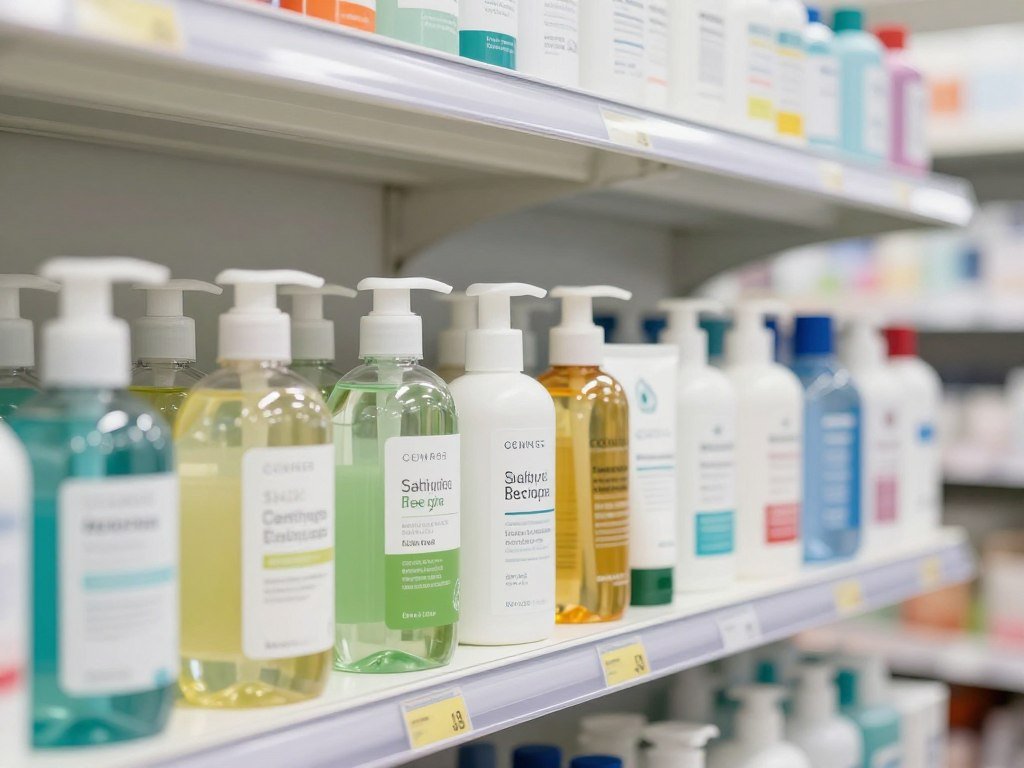
A useful drugstore shortlist includes both everyday oil-control formulas and cleansers with acne-focused ingredients. CeraVe Renewing SA Cleanser and Cetaphil DermaControl Oil Removing Foam Wash are options for oily skin at the drugstore. Price and purpose both matter.
Compare the cleanser’s active ingredient and package size, not just its shelf price. Cetaphil Gentle Exfoliating SA Cleanser is the affordable salicylic-acid option, with 2% salicylic acid.
| Cleanser | Listed price | Ingredient or skin focus | Retailer |
|---|---|---|---|
| CeraVe Renewing SA Cleanser | $15.99 | Salicylic acid | Ulta Beauty |
| Cetaphil DermaControl Oil Removing Foam Wash | $12.47 | Oil-removing foam | Walmart |
| Cetaphil Gentle Exfoliating SA Cleanser | $9.97, $12.99 | 2% salicylic acid | Amazon, Ulta Beauty |
| La Roche-Posay Effaclar Dual Action Acne Face Wash | $19.99 | 4% benzoyl peroxide | Ulta Beauty |
Cetaphil DermaControl is a foaming face wash for oily skin, while the Gentle Exfoliating SA formula has a clearer acne-prone skin focus. Both can fit a lower-cost shopping list, depending on your needs.
Drugstore face washes recommended by dermatologists include these oily-skin and acne-prone picks. The listed options include an oil-removing foam, salicylic-acid cleansers, and a benzoyl peroxide wash. Check the package size and active ingredient before comparing shelf prices.
Which cleansers work for acne and clogged pores?
Salicylic acid is the more direct cleanser ingredient to consider when oil and clogged pores are the main concerns. It can move into pores and clear buildup, while benzoyl peroxide targets acne-causing bacteria on the skin’s surface. They work differently, so match the active to your concern.
Salicylic acid can help clear pore buildup, but it does not permanently change pore size. The American Academy of Dermatology explains how acne treatments such as salicylic acid and benzoyl peroxide may fit into care that can extend beyond a cleanser.
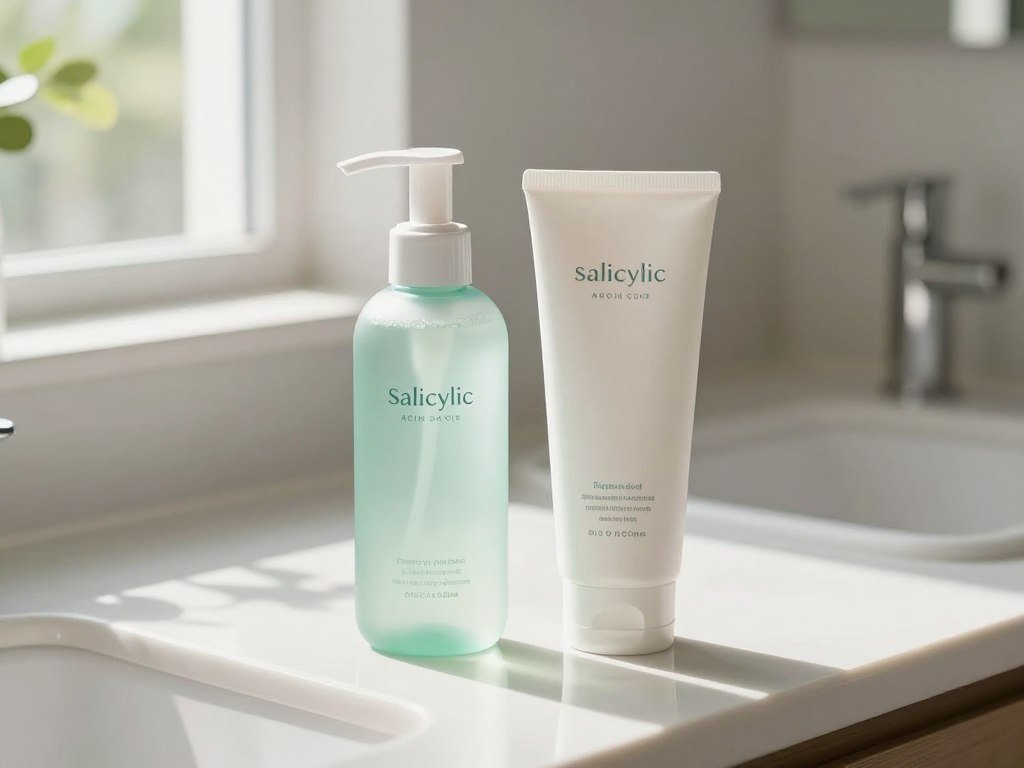
Salicylic acid for oily pores
The INKEY List Salicylic Acid Cleanser costs $15 and contains 2% salicylic acid, 0.5% allantoin, and a zinc compound. This lightweight gel is made for oily, combination, and normal skin.
It aims to reduce excess oil, unclog pores, and address breakouts without leaving skin tight or stripped. Neutrogena Oil-Free Acne Fighting Face Wash also contains 2% salicylic acid. La Roche-Posay Effaclar Medicated Gel Cleanser has 2% salicylic acid and lipo-hydroxy acid.
For pimples, salicylic-acid and benzoyl peroxide options address different parts of acne care. Spot treatments for active pimples differ from cleansers used across the face.
Benzoyl peroxide for acne-focused cleansing
Differin Daily Deep Cleanser contains 5% benzoyl peroxide. CeraVe Acne Foaming Cream Cleanser contains 4% benzoyl peroxide and three essential ceramides. These strengths describe the formulas, not a promise of results.
The INKEY List cleanser is described as suitable for teenagers and for use during pregnancy and breastfeeding. Check with a healthcare professional about an individual routine during pregnancy or breastfeeding.
Start acne treatments with 0.5-1% salicylic acid every other day, then raise use gradually if your skin tolerates it. Allow 2-4 weeks for tolerance to build before adding a BHA serum. PanOxyl Acne Gel Wash is listed at $12.99 at Ulta Beauty and $13.49 at Target. PanOxyl 10% Maximum Strength Acne Foaming Wash is intended for body acne, not the face; body washes for acne should be used on the face only when labeled for both. Introduce one active cleanser at a time so irritation is easier to notice.
What if oily skin is sensitive or combination?
Oily skin that stings or feels tight after washing may need a gentler formula, not a stronger one. A simple cleanser can remove grime while giving dry areas a break. Comfort is a useful clue when choosing a formula.
Dry or tight-feeling areas are a reason to reassess cleanser strength rather than scrub harder. A cleanser should not leave your face feeling raw or pulled.
For sensitive skin, keep the formula simple
Vanicream Gentle Facial Cleanser is one option if your skin reacts easily. It contains glycerin and mild coconut-based surfactants, which lift oil and debris during cleansing.
Vanicream is listed at $10 on Amazon and $13 at Ulta Beauty. Choose a gentle facial cleanser that feels calm on your skin, rather than one that leaves it tight after rinsing.
For combination skin, avoid over-cleansing
Combination skin can be oily in some areas and dry in others, so a strong formula may leave the dry parts uncomfortable. Cetaphil Daily Facial Cleanser is listed for combination-to-oily sensitive skin.
Its 20-ounce bottle is listed at $13 on Amazon. The larger size may suit a routine that already works for you, while dry patches call for a closer look at formula strength.
Moisture still matters when your forehead or nose feels oily. For persistent dry areas, gentle products for dry skin can help you think beyond cleanser choice.
If a product repeatedly causes irritation, stop using it and ask a dermatologist for individualized guidance.
How should you wash without stripping the skin barrier?
A careful 30-60-second cleanse is enough time to work the product over the face before rinsing. Use lukewarm water and light pressure. Gentle contact can clean the skin without extra friction.
Cleanse twice daily, once in the morning and once before bed. Wash after a sweaty workout when needed, but repeated scrubbing can lead to irritation.
Follow these steps to keep cleansing simple:
- Wet your face with lukewarm water.
- Use clean fingers to massage cleanser in circular motions for 30-60 seconds.
- Rinse thoroughly and pat dry with a clean towel.
- Change towels frequently so a damp towel does not linger in your routine.
After washing, apply moisturizer to help maintain hydration. A survey study of facial skin care habits reported varied adherence to American Academy of Dermatology-based recommendations; its sample included 124 respondents, so it may not reflect everyone.
Read the facial skincare routine survey for details on the study’s findings. The study found no significant gender difference in reported face-washing frequency, while female-identifying respondents more often reported moisturizing after washing.
If a morning wash leaves skin irritated, use a gentler approach rather than adding more cleansing time.
How can you manage shine between washes?
If shine returns before your next wash, blotting papers can absorb it without another round of cleanser. A light touch can reduce the oily look without adding friction.
Blotting is a touch-up, not a replacement for cleansing at the end of the day. These small changes can help manage excess oil without trying to remove every trace of natural skin oil.
- Apply moisturizer after cleansing to maintain hydration.
- Choose oil-free foundation or concealer to avoid adding an oil-rich layer.
- Gently dab oily areas with blotting papers when shine appears.
Keep moisturizer in the routine even when the goal is a less shiny look.
Moisture supports comfort, even when your skin produces extra oil. Keep moisturizer in the routine even when the goal is a less shiny look.
Conclusion
The best starting point is the cleanser that matches your main concern without leaving your skin uncomfortable. Begin with a comfortable everyday formula unless clogged pores or breakouts make an active cleanser a better fit. How your face feels afterward is a useful measure.
Judge your choice by how your skin feels after washing. Tightness or irritation is a reason to change course, not a sign that cleansing worked harder.
Keep the first test simple so you can tell how your skin responds. Choose one suitable cleanser and introduce it without changing several other products at once.
Pick one formula, use it consistently as directed, and adjust if your skin becomes irritated.
FAQ
How often should oily skin be cleansed?
How long should you massage face wash into your skin?
Should you use salicylic acid or benzoyl peroxide for pimples?
How long should you wait before adding another acne treatment?
Can teenagers use The INKEY List Salicylic Acid Cleanser?
Can you use The INKEY List Salicylic Acid Cleanser during pregnancy or breastfeeding?
Is PanOxyl 10% Maximum Strength Acne Foaming Wash suitable for the face?