Fine hair can look limp when product buildup or rich formulas overwhelm the strands, but a lighter routine can add visible body. Strand diameter means the width of an individual hair strand; a smaller diameter means finer hair. Useful choices span shampoo, conditioner, root lift, and finishing products. A small amount of the right formula can support volume without taking away softness.
Fine hair describes strand size, not how many strands grow across your scalp. Scalp density means the number of strands growing across the scalp. You can have fine strands and plenty of them, or fine strands with lower density. That difference can shape which products feel useful and what kind of fullness you want.
A lighter formula is not automatically the right one for every person. Your scalp may get oily quickly, while your ends feel dry or rough. The goal is to find hair care that works with those needs, rather than adding several products at once. A simple routine can make it easier to see what gives your hair bounce.
Small changes can make a noticeable difference in how a style sits. Start with one product that fits your main concern, then judge how your hair feels after several uses. Set a simple goal before choosing products, such as lift at the roots, softer ends, or a style that lasts.
Key Takeaways
- Fine hair refers to strand width, not scalp density.
- A lightweight shampoo can cleanse without leaving a heavy feel.
- Keep rinse-out conditioner mainly on the lengths and ends.
- Choose root lift, texture, or hold to match your styling goal.
- Use a small amount first, then adjust only if needed.
- Ask a hair specialist about persistent or noticeable thinning.
What makes the best products for fine hair work?
For most people starting from scratch, pair a lightweight wash-day product with one targeted styling product instead of layering several formulas. One clear goal helps you choose between cleansing, root lift, and a fuller feel through the lengths.
The right pick depends on your main concern, so use this table to compare unlike product types rather than rank them against each other. Odele Volumizing Shampoo is a drugstore option listed for fine hair at $12.
| Product | Type or use | Notable detail | Listed price |
|---|---|---|---|
| Odele Volumizing Shampoo | Shampoo for fine hair | Listed for fine hair | $12 |
| Living Proof Full Volume & Root-Lifting Spray | Root-lifting spray for thinning or baby-fine hair | Water-soluble resins and volume-locking polymers lift roots | $34 |
| Bumble & Bumble Thickening High Drama Styling Foam | Styling foam for thinning hair | Styling foam | $35 |
| Harklinikken Fortifying Shampoo | Shampoo | Aloe vera, glycosides, glycerin, betaine, panthenol, and niacinamide | $46 |
| Harklinikken Daily Conditioner | Conditioner | Silicone-free, with glycerin, aloe, and avocado oil | $56 |
Pick a product for the result you want, not because it shares a label with another product. A shampoo and a styling spray do different jobs.
The table includes options for several stages of a routine. Odele suits shoppers seeking a drugstore shampoo listed for fine hair. The Living Proof spray targets roots, while the Bumble & Bumble foam offers a separate styling format.
Harklinikken Fortifying Shampoo includes aloe vera, glycosides, glycerin, betaine, panthenol, and niacinamide. Its Daily Conditioner has a silicone-free formula with glycerin, aloe, and avocado oil. The conditioner is designed to keep fine or thinning hair light and bouncy.
Listed prices give you a starting point, not a measure of how well a formula will suit your hair. Notice whether your main issue is oily roots, flatness, or dry ends. Choose one product that addresses the most noticeable issue first, then see how the hair responds before adding another.
Which shampoo is best for fine hair?
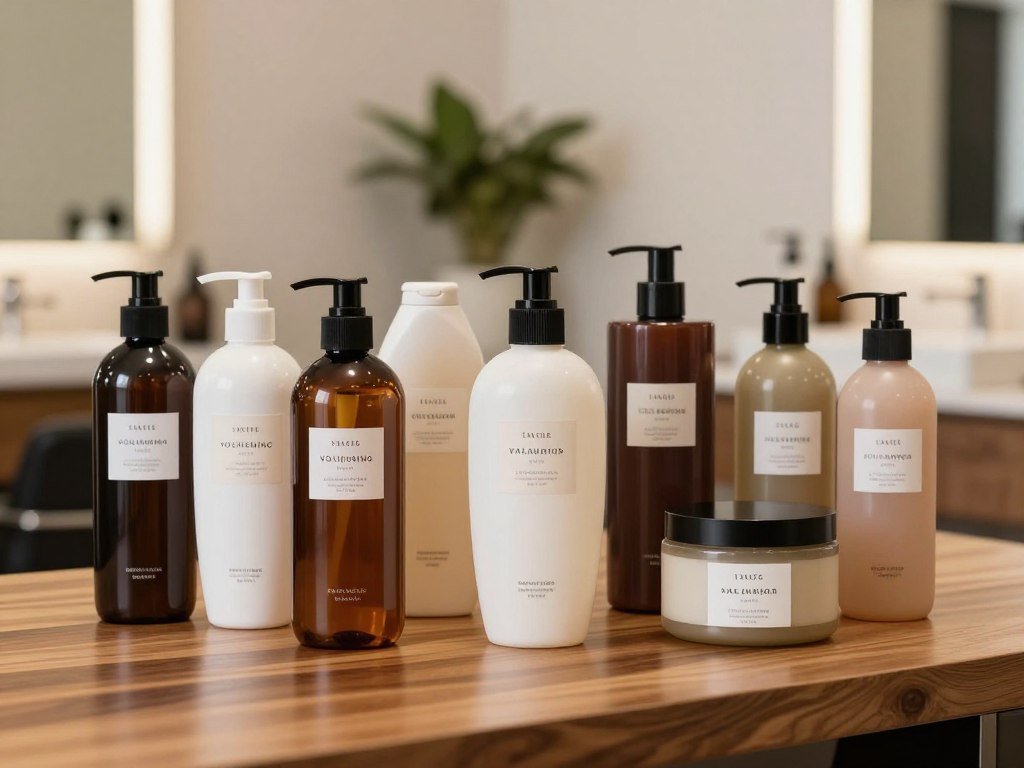
A lightweight volumizing shampoo is the best first wash-day pick for most fine strands, while a plumping formula suits hair that needs more body along its length. Choose by feel: routine cleansing and a fuller-feeling strand are different goals.
Shampoo mainly belongs on the scalp, where oil and residue collect. Fine strands may need more frequent washing than coarse strands, based on oiliness and texture.
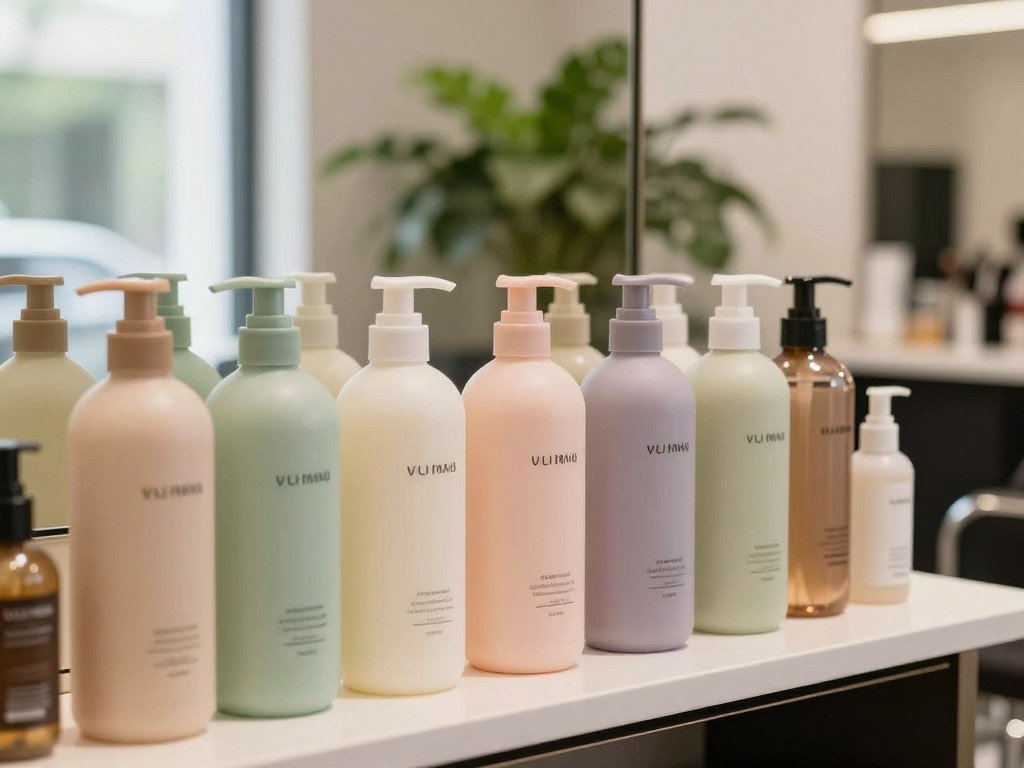
Shampoo for everyday cleansing
Volumizing shampoos can remove oil and buildup. Some use proteins or polymers that coat strands and make them appear thicker. That effect changes how the hair looks, not the number of follicles growing across your scalp.
OUAI Shampoo for Fine Hair is listed in four sizes, from $16 to $64. Divi Volumizing Shampoo costs $11 to $75. Both offer several price points for a routine wash.
Pureology Pure Volume Shampoo comes in two sizes, listed at $39 to $90. Joico JoiFULL Volumizing Shampoo also comes in two sizes, at $24.50 to $44. To compare more wash-day factors, see this guide to choosing shampoo and conditioner.
Shampoo for a plumper feel
Kérastase Densifique Bain Densité Shampoo costs $48. Its formula contains hyaluronic acid, Intracylane, ceramides, and gluco-peptides. It is an option when individual strands need a fuller feel, rather than just a clean scalp.
| Product | Listing | Listed price |
|---|---|---|
| OUAI Shampoo for Fine Hair | Shampoo for fine hair, 4 sizes | $16-$64 |
| Divi Volumizing Shampoo | Volumizing shampoo | $11-$75 |
| Pureology Pure Volume Shampoo | Volumizing shampoo, 2 sizes | $39-$90 |
| Joico JoiFULL Volumizing Shampoo | Volumizing shampoo, 2 sizes | $24.50-$44 |
| Kérastase Densifique Bain Densité Shampoo | Hyaluronic acid, Intracylane, ceramides, and gluco-peptides | $48 |
If the scalp gets oily quickly, adjust wash frequency to comfort rather than trying to mask oily roots with extra product.
How can conditioner add softness without flattening strands?
Fine hair can use conditioner, but applying it mainly from the mid-lengths down helps preserve root volume. Keep it targeted to soften dry areas without coating the scalp.
Conditioner still matters for softness and hydration, even when body is a priority. Use little or none near the roots when you want lift.
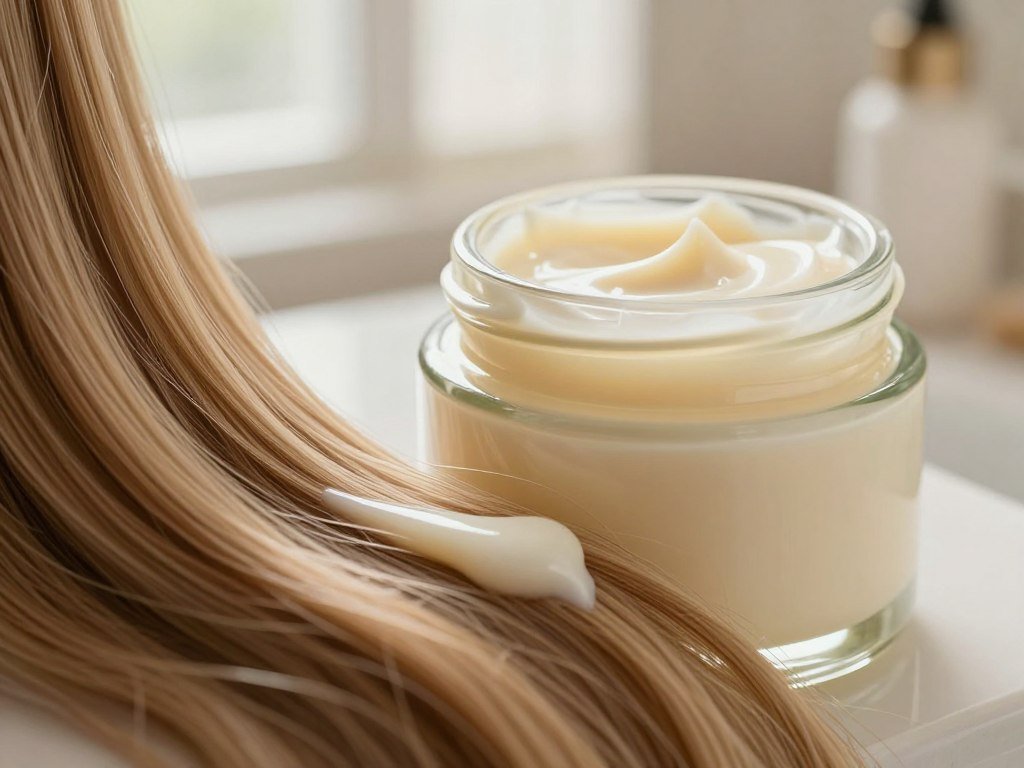
Keep rinse-out conditioner on the lengths
Rinse-out conditioners help smooth lengths that feel rough after washing. Start below the roots, where strands are often drier. Fine hair can lose its shape when conditioner gathers near the scalp.
For more on matching formulas to hair needs, read about shampoo and conditioner choices. The main idea is simple: choose shampoo for scalp needs and conditioner for the lengths.
Choose a lighter formula for extra softness
Divi Volumizing Conditioner is listed at $11 to $75. Davines Replumping Conditioner costs $40 and is sulfate-free, with plum phytoceuticals and jojoba oil. Ceremonia Weightless Hydration Conditioner for Fine/Thin Hair costs $22 and is described as adding body while keeping hair light.
| Product | Formula or stated use | Listed price |
|---|---|---|
| Divi Volumizing Conditioner | Volumizing conditioner | $11-$75 |
| Davines Replumping Conditioner | Sulfate-free, with plum phytoceuticals and jojoba oil | $40 |
| Ceremonia Weightless Hydration Conditioner for Fine/Thin Hair | Adds body while keeping hair light | $22 |
Choose a formula based on how your lengths feel after rinsing, not just its volume claim. Start with a small amount on the ends and add more only if they still feel rough after rinsing.
How often should fine hair be clarified?
If roots feel coated or styling residue is making hair fall flat, clarifying can help clear buildup. Every other wash is one stylist’s recommendation, not a rule for every scalp.
Clarify when your hair shows buildup, then reduce use if dryness or irritation starts. A clarifying shampoo cleans residue; a scalp scrub exfoliates, while a vinegar rinse is an optional home remedy.
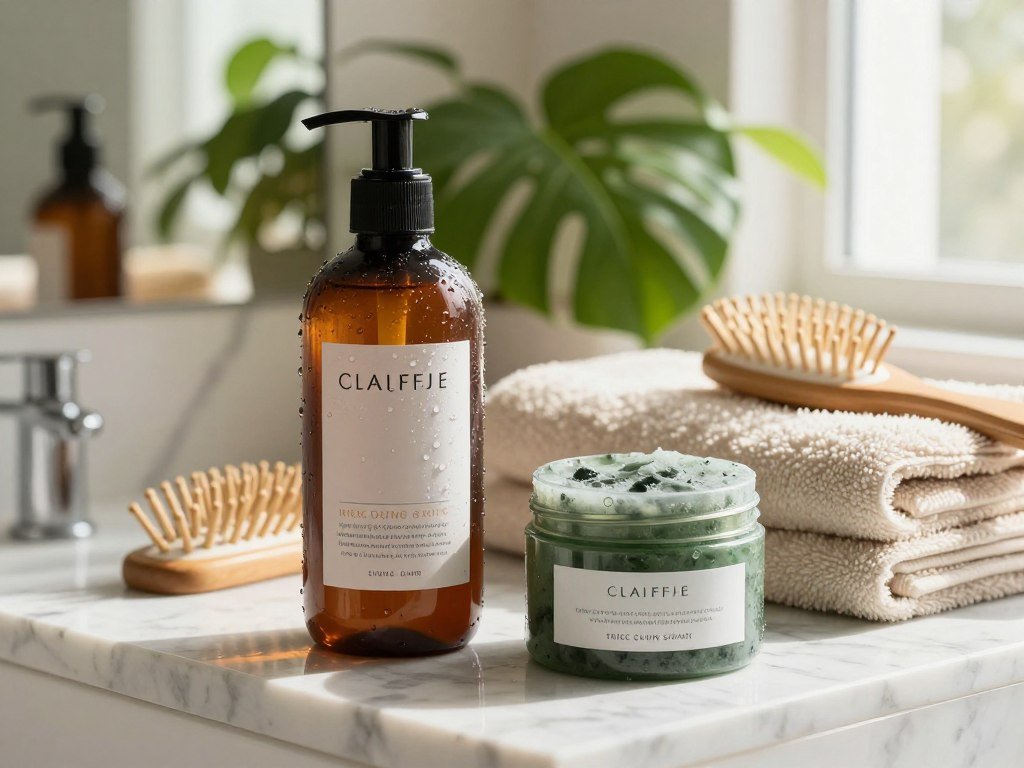
Stylist Matt Rez recommends clarifying every other wash to help keep buildup from weighing hair down. Your scalp and lengths may need a different pace. For a broader guide, read about using clarifying shampoo in a routine.
Ouai Detox Shampoo is listed at $34. Innersense True Enlightenment Scalp Scrub costs $42. A scrub is a different option from a cleansing shampoo, so choose based on whether residue or scalp buildup is your concern.
Bragg’s Organic Apple Cider Vinegar costs $6. One suggested rinse mixes 1 tablespoon of vinegar with 1 tablespoon of water. Treat it as an optional home remedy, not a necessary step in hair care.
- Roots feel coated even after a regular wash.
- Styling products do not seem to wash out.
- Hair loses lift sooner than usual.
Check those signs before adding a clarifying wash to your routine. Reduce clarifying if the scalp or lengths begin to feel dry or irritated.
What lifts roots without making lengths stiff?
A root-lifting spray is the more direct choice for height at the scalp, while a texture spray is for extra grit through the strands. Each has a different job, so start with the finish you want.
Lightweight polymers can coat strands and support lift without relying on heavy oils. The amount you apply also affects whether the hair stays soft or feels stiff.
Root-lifting sprays versus texture sprays
Root-lifting sprays use lightweight polymers to hold roots in place. Texture sprays add grit and friction between strands, making the style look thicker. A root-lifting spray targets height; texture spray changes the feel through the hair.
Hairstylist Jennifer Nast says lightweight polymers in volumizing mousse can coat strands and lift roots. That coating can help create body without an oil-heavy formula. Use a small amount, since too much product can still leave fine strands flat.
Use a brush and a light prep product
A round-brush blow-dry can lift roots as you shape the hair. Apply volumizing mousse or spray beforehand to support that lift. Avoid saturating the roots, since a heavy layer may work against the height you want.
Direct the brush under the section you are drying, and keep the product focused where lift matters. The brush gives the roots direction, while the prep formula adds hold. Use the round brush to direct the roots upward, then stop adding product once the lift holds.
Is mousse or gel better for fine, thin hair?
For lift and flexible volume, start with a lightweight mousse; choose a light gel when curl definition or more control matters. Formula and amount matter more than the product label.
Lightweight mousse is usually the better starting point for root lift, while a light gel can help curls keep their shape. Try one product at a time to judge the result.
Jennifer Nast notes that lightweight polymers in volumizing mousse can coat strands and provide root lift. A small amount can add shape without an oil-based feel. Too much can make fine hair feel coated, even when the formula is light.
Stylist Jay Braff describes gel as one type of hold product that can coat fine hair without the weight of oil-based products. Gel may suit defined curls or a controlled style better than a soft, lifted finish.
Bumble & Bumble Thickening High Drama Styling Foam is listed as a styling foam for thinning hair at $35. It is one option, not a proven fit for everyone, and its product type is foam.
Test the product on damp hair and see how the finished style moves. If a gel feels too firm, use less or try a lighter formula. Try one hold product at a time so it is easy to tell whether the formula or the amount is flattening the style.
Which finishing products add texture and flexible hold?
Use a dry texture spray when a finished style needs grip and lift, and reserve dry shampoo for roots that need refreshing. Pick by purpose: a finishing spray adds hold to a style that already has its shape.
Use dry shampoo for excess oil at the roots, not as a substitute for every wash. A flexible hairspray can help a finished look last while keeping some movement.
Sprays for volume and texture
Living Proof Full Dry Volume & Texture Spray comes in three sizes, listed at $19 to $43. It suits hair that needs more grip or a lift in a style that has gone flat.
Virtue Style-Setting Volumizing Primer is listed at a $29.40 sale price and a $42 list price. A primer can prepare hair for styling, while a dry texture spray adds feel to a finished look.
Dry shampoo and flexible finishing hold
Viviscal Volumizing Dry Shampoo costs $19.99. Use dry shampoo when roots look oily between washes. Nioxin Strong Hold Hairspray is listed at $22 and suits a style that needs firmer finishing hold.
| Product | Product type | Listed price |
|---|---|---|
| Living Proof Full Dry Volume & Texture Spray | Dry volume and texture spray, 3 sizes | $19-$43 |
| Virtue Style-Setting Volumizing Primer | Volumizing primer | $29.40 sale, $42 list |
| Viviscal Volumizing Dry Shampoo | Volumizing dry shampoo | $19.99 |
| Nioxin Strong Hold Hairspray | Strong-hold hairspray | $22 |
Choose flexible hairspray when you want hold without a stiff finish, and use a stronger spray when the shape needs more control. Apply finishing spray in light passes so the hair keeps movement instead of feeling coated.
Which styling products work best for fine hair for men?
For a matte, fuller-looking style, use powder or salt spray for texture and reserve cream or pomade for the amount of control you need. Start with the finish you want before choosing a product.
A quiff can work with 7-10 cm of length on top. Fine hair can hold that shape with a modest amount of product and a careful blow-dry.
- Styling powder adds grit at dry roots with a matte, near-invisible finish.
- Salt spray gives damp or dry hair beach texture and a natural matte finish.
- Matte pomade offers medium control with a natural matte finish.
- Easy Hold Cream gives light control with a natural, low-shine finish.
For the quiff, apply 2-3 sprays of salt spray or 2-3 pumps of Foam Tonic to damp hair. Blow-dry on medium heat while lifting hair away from the scalp, then finish with cool air.
Use a pea-sized amount of cream and work it through the style. Apply styling powder sparingly at the roots, since extra powder can make strands feel dry or stiff. The shape should come from the cut and direction of the hair, not a thick coating.
A barber can help match the top length and upkeep to your hair texture and daily routine. If you are weighing a new cut, this guide to men’s hairstyle trends and styling covers options such as sea salt spray and pomade.
Keep the first application small, especially at the roots, and add only enough to finish the shape.
Which products suit women with fine hair?
Women with fine hair can start with a lightweight shampoo, then choose either a prewash mask or a fine mist according to how dry the lengths feel. Use the same product logic regardless of gender.
A shampoo for fine, thin hair should cleanse gently and avoid leaving a heavy residue. Match the wash to your scalp, then add care only where your lengths need it.
Shampoo for fine, thin hair in women
Monday Haircare Volume Shampoo is listed at $6 as a lower-priced volume option. It may suit someone who wants a basic wash-day product, though the shampoo should still match scalp needs.
Fine, thin hair can refer to small strand size and lower scalp density. A gentle cleanse can help keep the roots fresh without leaving a coating that makes the hair look flat.
Lightweight masks and leave-in conditioners
OUAI Treatment Mask for Fine and Medium Hair costs $38. A prewash mask offers targeted care before shampooing, rather than leaving a rich cream in the hair all day.
Christophe Robin Hydrating Leave-in Mist With Aloe Vera is listed at $27. A light mist can offer moisture without requiring a rich leave-in cream. Pick between the mask and mist based on how dry the lengths feel.
- Use shampoo for the scalp.
- Use rinse-out conditioner for the ends.
- Use a mist or prewash mask for targeted moisture.
These roles can fit a simple routine without using every category at once. Keep the routine focused on the concern that matters most rather than using every product category at once.
What works for fine curly and wavy hair?
Fine curls and waves can use hold products too, but their lightness and application amount matter more than whether the label says curl or volume. Choose hold without bulk for definition and shape.
Fine hair describes strand diameter, while thin hair describes scalp density. Fine strands can grow densely, so strand size alone does not tell you how much hair you have.
Lightweight products for fine curls
Fine curly hair can use a lightweight mousse or curl gel for definition. A mousse may suit a softer finish, while gel can help curls keep a more defined shape.
Look for lightweight curl products that provide hold without a rich oil or butter coating. A rich layer can make fine curls lose movement, even when the product is meant for curl care.
Fine waves need texture without residue
Fine wavy hair may benefit from a light texture spray or mousse for separation and body. These options can help waves look fuller without asking a heavy cream to create the shape.
Use the product label as a starting point, then judge how the waves behave after drying. A formula made for curls can still work on fine waves if it gives enough hold without leaving residue.
Try a small amount first, especially when your wave pattern falls flat easily. If a curl product leaves the roots limp, use it only on the lengths or switch to a lighter formula.
How can fine hair hold a curl through the day?
A light hold product and fully cooled curls are the most useful starting points when fine hair loses its shape quickly. Leave curls alone until they cool before separating them.
Use manageable sections and the lowest heat setting that works. Adjustable curling irons and flat irons let you change heat to suit your hair.
Prep with a light hold product
Apply a modest amount of mousse through damp hair, then blow-dry fully before curling. Focus on the roots for lift or the lengths for definition, based on the shape you want.
Soft, flexible bristles on a round brush can help detangle fine hair with less pulling. For heat tools, use an adjustable temperature and choose the lowest setting that still forms a curl. More heat is not a shortcut to longer hold.
For flat irons, work only on fully dry hair and follow the heat protectant directions. A guide to choosing a hair straightener also explains why adjustable heat matters for fine or fragile hair.
Set curls before touching them
Clip-in extensions can add temporary fullness, but they are optional and do not help a curl hold. Keep the curl routine simple before adding extra hair.
- Apply a light hold product.
- Dry hair fully.
- Curl manageable sections.
- Let curls cool before separating them.
Each curl needs time to cool in its new shape before you brush through it. Wait until each curl has cooled before brushing or separating it, since early handling can loosen the shape.
What should you avoid on fine, thin hair?
The most common mismatch is using a rich, high-shine product where a light hold formula would give enough control. Heavy layers can clump strands and make fine hair look flatter.
Limit products that leave a coated feel, but do not treat every silicone or sulfate as unsuitable. The formula and how your hair responds matter.
Heavy products that flatten strands
Heavy creams, oils, waxes, and high-shine pomades can weigh fine hair down or clump strands. Some heavy formulas may also leave silicone buildup, but silicones can serve different purposes in hair products.
A cosmetic chemistry paper describes silicones used for conditioning, softness, luster, product deposit, and hold. Read about silicone resin uses in hair products for more on those different roles.
- Rich creams
- Heavy oils
- Waxes or high-shine pomades
- Formulas that leave a coated feel
Cleansers that leave the scalp or lengths dry
Some volumizing shampoos contain sulfates and may feel drying for certain people. Sulfate-free formulas with moisturizing ingredients like argan oil, jojoba oil, or green tea extract are another option.
Dryness is a response to assess, not a reason to avoid every sulfate. If a shampoo leaves your scalp or lengths uncomfortable, try a gentler formula and see how your hair feels.
If a formula repeatedly leaves strands coated or dry, stop using it and reassess the product type as well as the amount.
When does thinning need more than styling products?
A styling product can create a fuller-looking finish, but active thinning calls for attention to the underlying cause. Appearance and treatment are different concerns.
A cosmetic label does not prove that a product addresses hair loss. Styling products and density boosters may be considered for appearance, but they do not replace an assessment of ongoing thinning.
Cosmetic fullness versus a treatment claim
Virtue Flourish Healthy Hair Growth Drug-Free Density Booster is listed at $21 to $36.40. Its name makes a growth claim, but the listing alone does not show that it treats the cause of hair loss.
A fuller-looking style can change how much scalp shows, but that does not tell you why thinning began. Treat cosmetic styling and health questions as separate needs.
When to seek a professional assessment
Notice when thinning started and whether it continues. A dermatologist or hair specialist can assess ongoing or noticeable changes and help decide what care may be needed.
- Note when thinning began.
- Review recent changes or symptoms.
- Arrange a dermatologist or hair-specialist appointment for ongoing or noticeable thinning.
Persistent thinning needs more than a styling fix. Get a professional assessment rather than relying on cosmetic products alone.
Make a note of changes before an appointment, including when you first noticed them. Arrange a professional assessment if thinning is persistent or concerning instead of relying on styling products alone.
Conclusion
The best starting routine is the one that solves the main problem without leaving a coating or taking extra steps. Lightweight products can support volume, softness, or hold when they match your main concern.
Start with the smallest amount that works. A product that leaves your hair clean and lets it hold the shape you want has earned a place in your routine.
Choose one product category and test it through several uses. Keep it only if your hair feels clean and behaves the way you want. Pick one lightweight product to try today and judge it by how your hair feels and behaves after use.
FAQ
What is the best smelling conditioner?
What is the best hair moisturizer?
Is gel or mousse better for fine, thin hair?
What not to use on fine, thin hair?
What brand of mousse is best for fine hair?
What is the best volumizing mousse for fine, thin hair?
How do I get my thin fine hair to hold a curl?
How to apply mousse to thin fine hair?