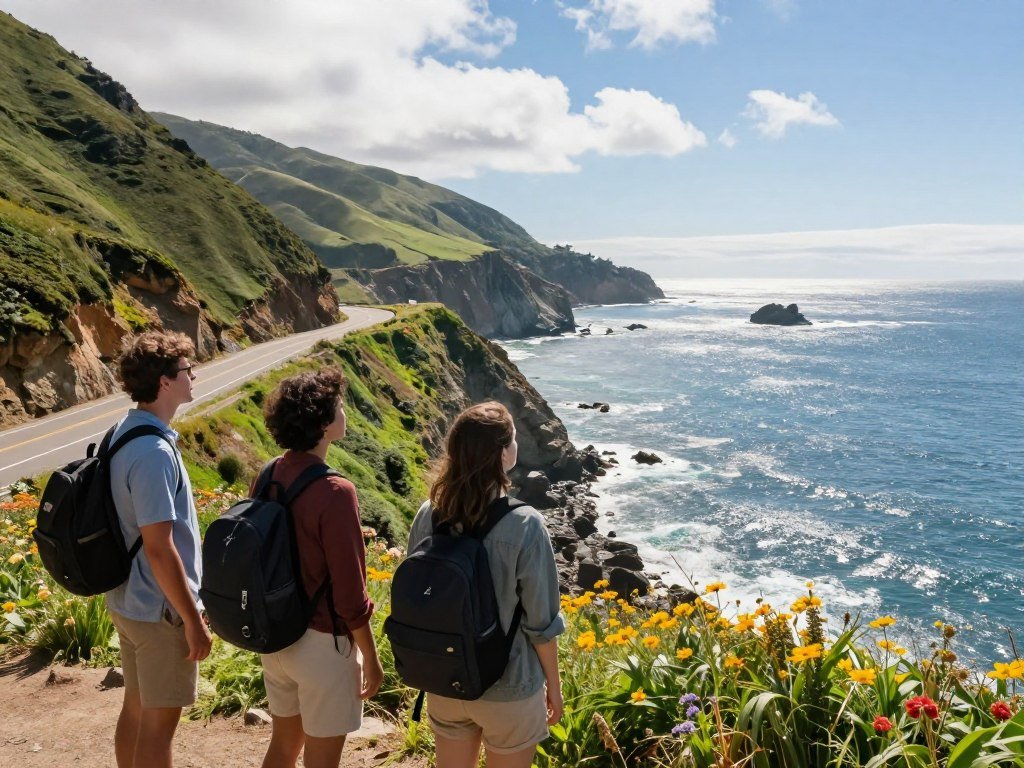
A single trip across the United States can mean a dense city weekend, a coastal drive, or a few days on a national park trail. With so many choices, picking the right region can shape your whole experience. The country’s cities, coastlines, and outdoor areas suit very different interests, budgets, and travel styles.
International travel reached 1.52 billion arrivals worldwide in 2025, up 4.0% from 2024. The United States received 68.3 million arrivals that year, down from 72.4 million in 2024. Those figures offer context, not a promise that every destination suits every traveler.
These 25 picks are a practical shortlist, not an objective ranking. Some work well for a first visit; others reward travelers who want quiet trails, local history, or time by the water. The aim is to help you match your available days with the kind of trip you want, rather than squeeze too many stops into one plan.
Pick the kind of experience you want first, then use the destination groupings to narrow your options.
Key Takeaways
- Choose one region for a short trip.
- New York City suits a city-first visit.
- Yosemite National Park offers dramatic mountain scenery.
- Coastal routes need room for slower travel.
- Check local access rules before setting out.
- Build in time for rest and delays.
Best Places to Visit in the USA for Different Travel Styles
For a first U.S. city trip, start with New York City; for a nature-first visit, put Yosemite National Park near the top of your choices. Your travel style matters because the United States covers more than 9 million square kilometers and stretches over 5,000 kilometers from east to west.
Trip length, interests, and willingness to drive are the most useful filters. A short stay usually works better in one region, while a longer trip can leave room for a city and nearby outdoor stops. The choices below are starting points, not a scorecard.
City breaks and cultural trips
New York City is a versatile first destination if you want museums, neighborhoods, food, and major sights in one place. Chicago offers architecture and a strong food scene, while Boston suits visitors drawn to historic streets and a compact waterfront setting.
For a Southern city trip, New Orleans combines music and regional food, while Charleston and Savannah offer historic districts with different local character. Miami puts an urban beach stay on the table. These options give you a feel for the range of city trips across the country.
Landscapes and outdoor adventures
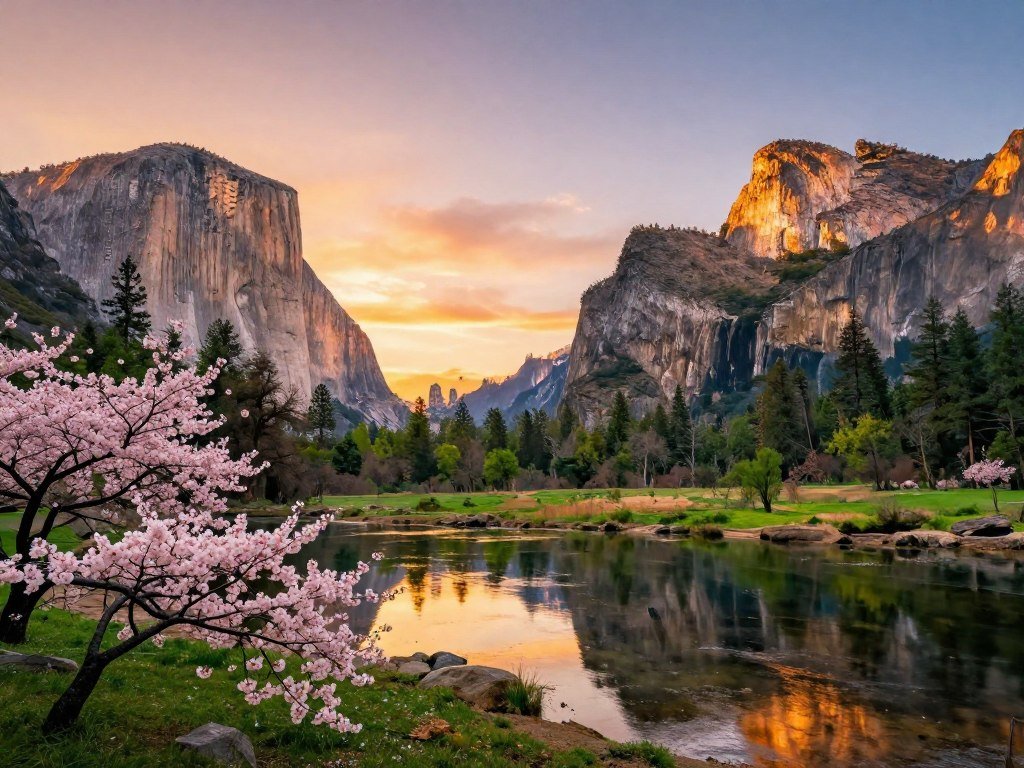
Yosemite National Park is a strong choice for dramatic natural scenery, especially if mountain views and waterfalls are high on your list. The Grand Canyon suits a first major canyon visit, while Yellowstone National Park is known for geysers and other geothermal features.
For island travel, Hawaii pairs beaches with cultural sites and volcanic scenery. Alaska appeals to visitors seeking broad wilderness and mountain views. California can combine city time, a coastal drive, and a park visit, though each stop needs its own time.
Choose one main region for a short visit; crossing the country can take more time than the sightseeing itself.
Compare the distance between your main stops before booking, especially if your plan depends on driving. A regional plan leaves more of your trip for the places you came to see.
Which U.S. Cities Make Memorable First Trips?
New York City is the broadest first-time city pick if you want iconic sights, busy neighborhoods, and plenty to do in one place. Chicago brings architecture and public art together, while Boston makes history easy to weave into a city stay.
These are different trip styles, not first, second, and third place. The table compares each destination by its main draw and a landmark you can use to start planning.

| Destination | Standout draw | Best fit | Example landmark or area |
|---|---|---|---|
| New York City | Dense urban neighborhoods and major sights | First-time city break | Manhattan |
| Chicago | Architecture and public art | Architecture and food | Riverwalk |
| Boston | Historic streets and waterfront setting | History-focused city visit | Freedom Trail |
New York City gives you a wide mix of museums, landmarks, and neighborhood walks. Grouping nearby stops can help you make better use of each day. A New York City itinerary for three to five days can help you shape a first visit without trying to see everything.
Chicago is the third-largest U.S. city, with a strong mix of public art and notable buildings. Look for the Riverwalk, the Wrigley Building, and the Cultural Center’s Tiffany Dome. You can spend time along the river, then add a meal or museum that matches your interests.
Boston offers a more compact sense of the country’s history, with old streets and a waterfront setting. The Freedom Trail gives a clear route through historic sites. New York City and Boston also offer contrasting city experiences, from large urban neighborhoods to historic landmarks.
For a short city stay, pick the destination whose main attractions match your interests instead of trying to cover every neighborhood.
What Should You See on a California Trip?
California can deliver a city stay, a coastal drive, and a major national park in one state, but each deserves enough time to enjoy it. San Francisco and Los Angeles offer distinct urban stays, while Big Sur and Yosemite National Park suit very different outdoor plans.
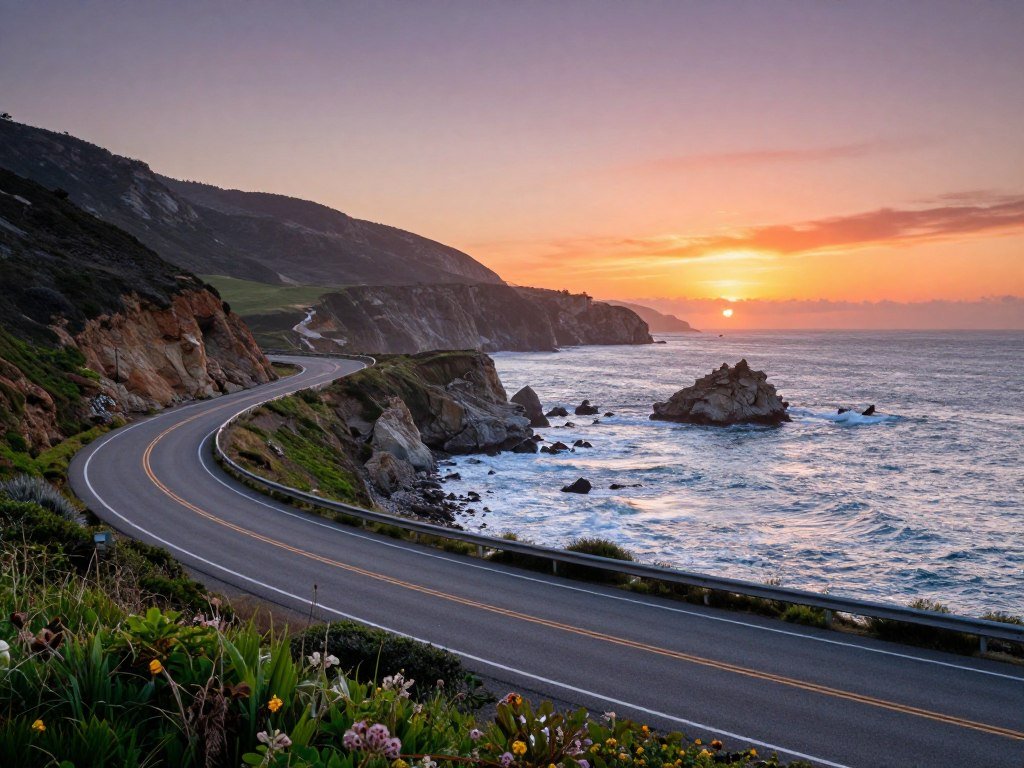
The Pacific Coast Highway is a scenic coastal road route through California, commonly used for trips between San Francisco and Los Angeles. It connects stretches of ocean scenery, but travel can take longer than a map suggests.
Cities with different characters
San Francisco works well for a visit built around city neighborhoods and waterfront views. Los Angeles covers a wider area, so your plans may center on a few chosen districts rather than a quick walk between sights. Give each city its own time instead of treating one as a brief stop on the way to the other.
Monterey and Carmel-by-the-Sea make useful coastal stops between larger destinations. They can add a calmer break to a California trip, with time to explore the shore or enjoy a meal. They are stops along the way, not a reason to race through the coast.
Coast and mountain scenery
Big Sur is a strong choice for travelers drawn to cliffs, ocean views, and a scenic drive. The Pacific Coast Highway gives you a way to connect coastal stops, though road conditions and traffic can affect your route. Plan fewer stops than you might for a city day.
Yosemite National Park covers nearly 1,200 square miles, with mountain scenery and waterfalls across a large area. The Half Dome Trail is about 20 miles and is a strenuous, long-distance hike, not a casual walk. Check current access rules before planning it.
California also suits visitors who want to mix a city trip with a national park stay. The combination takes planning because the major stops are spread out, and the coast does not move at highway speed.
Allow for slower travel on coastal roads and do not treat the drive between major stops as sightseeing time.
Which National Parks Belong on an Outdoors-Focused Trip?
Choose Yellowstone for its geothermal landscapes or Glacier for a trip centered on alpine peaks and lakes. The best fit depends on whether you want to focus on hot springs and geysers or mountain scenery.
Build your park choice around the landscape you most want to experience. Both destinations reward time outside, but remote routes and changing conditions can shape how much you see in a day.
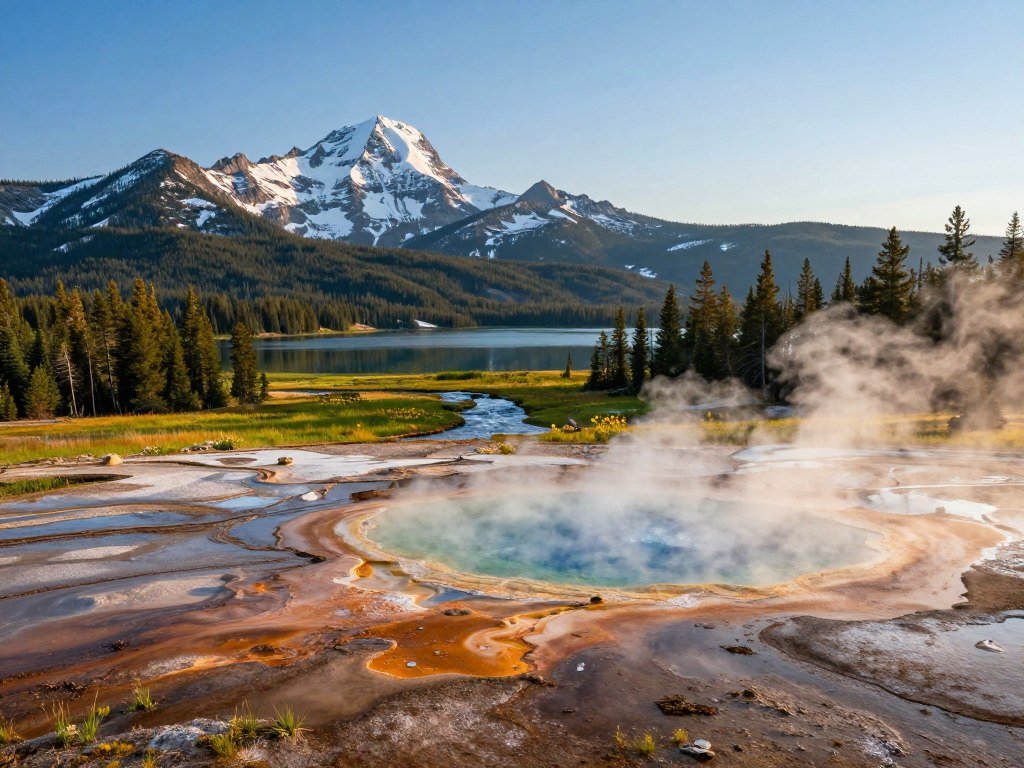
- Yellowstone National Park: Geysers and other geothermal features define the park’s character. Choose it if you want a trip shaped by hot springs, steaming basins, and broad natural views. Plan routes around the places you want to visit, since distances within a large park can affect your day.
- Glacier National Park: Alpine peaks, lakes, and glacier-carved valleys draw visitors seeking dramatic mountain scenery. It suits travelers who want time on scenic roads and trails. Conditions can change, so keep room in your schedule for route changes or a shorter hike.
Each park offers more than a single view or trail, so a tight schedule can leave you driving past the scenery. Use a map to group nearby stops, then leave time for breaks and slower travel.
Keep wildlife observation respectful and at a distance. Animals may appear in a park, but sightings are never something to count on. Quiet viewing gives wildlife space and lets you enjoy the moment without crowding it.
For smaller local outings, compare walking paths, natural trails, family features, and dog rules in a guide to finding parks near you. Those same practical checks can help you decide what kind of outdoor stop fits your day.
Check current park conditions and access information before setting out on a remote trail.
Where Can You See the Southwest’s Most Striking Landscapes?
The Grand Canyon is the Southwest’s essential first stop if you want an immense landscape that can be experienced from rim viewpoints or on foot. Sedona and Monument Valley offer other striking settings, with red rock and sandstone formations.
Viewing the canyon from the rim and hiking into it demand very different levels of effort. Pick your route based on your fitness, available time, and the conditions on the day.
- Grand Canyon: The canyon is 277 miles long, up to 18 miles wide, and more than a mile deep. South Rim viewpoints offer a clear first look at its scale. Visitors can use park shuttle buses or personal vehicles to reach areas around the South Rim.
- Sedona: Red-rock formations make this Arizona destination a strong choice for scenic stops, walks, and photography. Its setting suits travelers who want striking views without making every day a long canyon hike.
- Monument Valley: Sandstone formations shape a memorable desert scene. Choose it for a landscape-focused visit, and allow time to appreciate the broad views rather than making it a quick roadside photo stop.
At the Grand Canyon, Bright Angel and Rim trails offer South Rim hiking options. Walking along the rim is a different commitment from descending into the canyon. Longer hikes need more preparation, and the return climb can take more effort than the descent.
Colorado River rafting offers another way to experience the canyon, but it is a separate kind of trip from a rim visit. If you are drawn to guided desert stays or high-end mountain travel, luxury travel ideas for red-rock and mountain settings can help you compare that style with a simpler outdoor stay.
Match any canyon hike to your fitness and available time, and do not start a long descent late in the day.
Which Southern Destinations Combine History, Food, and Music?
New Orleans is the strongest pick for a trip built around jazz and regional food, while Charleston and Savannah offer distinct historic settings. Each city brings a different mix of place, people, and history.
Choose New Orleans for music and food, and make history central to a Charleston visit. Savannah gives you another historic city experience, with squares and coastal Georgia character.
Historic districts and layered pasts
- Charleston: Its historic district is the largest in the United States. The city’s past includes its role in the transatlantic slave trade, a history that should shape how you understand its streets and buildings. Architecture can be striking, but it does not tell the full story on its own.
- Savannah: Historic squares give the city a walkable sense of place, while its setting reflects coastal Georgia. It suits travelers who want an unhurried visit with time for local history and nearby streets.
Food, music, and local character
- New Orleans: Jazz, Creole and Cajun influences, and local cuisine make this city the strongest choice for a food-and-music visit. Bourbon Street is one part of the city, but its culture extends far beyond that nightlife strip.
New Orleans works well if you want a trip where meals and live music shape the day. You can explore different parts of the city without making every stop revolve around nightlife. The local food traditions also reflect a wider mix of cultures and influences.
Charleston and Savannah both reward a slower pace, but their historic areas are not interchangeable. Charleston’s past includes both grand buildings and the lasting effects of slavery. A visit gains depth when you make room for that history, not just its streets and dining.
In Charleston, make space to understand the city’s history alongside its architecture and dining.
Which Coastal Destinations Suit a Beach Getaway?
Miami suits travelers who want beaches alongside city neighborhoods, while the Keys and Outer Banks offer more distinctly coastal escapes. The right coast depends on whether you want a city stay, island travel, or a quieter beach base.
These destinations have different settings, so the same beach plan will not fit all three. Weather and local advisories can change beach conditions and water access.
| Destination | Coastal setting | Best fit |
|---|---|---|
| Miami | Urban Atlantic beaches and neighborhoods | City-and-beach stay |
| Florida Keys | Island chain | Island-hopping or water-based trip |
| Outer Banks | North Carolina barrier islands | Quieter coastal escape |
Miami is the most city-oriented choice. South Beach and Ocean Drive put beach time near restaurants, shops, and urban streets. It suits you if a beach day is only one part of a broader city trip.
The Florida Keys form a chain of islands, making them a natural fit for travelers who want a water-based stay. The Outer Banks offer a barrier-island setting in North Carolina and may suit visitors looking for a slower coastal pace.
Beach conditions can change with weather and local notices, so do not assume yesterday’s conditions will hold. Check local beach and water advisories on the day you plan to swim.
What Makes Alaska and Hawaii Worth a Longer Trip?
Choose Alaska for a wilderness-centered trip or Hawaii for an island getaway that can combine beaches with cultural and volcanic sites. Alaska and Hawaii offer very different kinds of adventure, and both can take time to explore well.
Plan around the distances between the places you want to see. Alaska can center on wilderness by land or cruise, while Hawaii pairs island scenery with sites shaped by history and volcanic activity.
- Alaska: Denali National Park suits visitors seeking mountain and wilderness scenery. A land trip or cruise can frame the visit in different ways, but park transportation has specific limits. Beyond Mile 15 on the Denali Park Road, visitors travel by bus, bicycle, or on foot; private vehicles can drive to Savage River in summer. The National Park Service explains Denali’s road and bus options.
- Hawaii: Kaua‘i is known for dramatic coastal and inland landscapes, making it a strong island choice for varied scenery. Pearl Harbor offers a historical visit, while Hawai‘i Volcanoes National Park adds volcanic landscapes. Waimea Bay is another example of the state’s coastal appeal, not an attraction on Kaua‘i.
Hawaii can suit a trip that mixes time by the water with cultural stops and outdoor visits. A single island may offer plenty to explore, while travel between islands adds another layer to the plan.
Alaska’s large wilderness areas call for attention to transport and distance. Denali is one option, but the park’s road rules shape how visitors move beyond the first stretch. Choose your route with the actual access method in mind.
Account for inter-island or remote-area travel when deciding how many days to set aside.
Where Can You Find Mountain Adventure Beyond the Coast?
Grand Teton is the stronger pick for a mountain-park trip, while Colorado Springs pairs a city base with dramatic rock formations. Both choices suit travelers who want outdoor views without choosing the same kind of trip.
Pick Grand Teton for a national park setting, or Colorado Springs for a city base near natural features. The right activity depends on route conditions and how much effort you want to spend outdoors.
- Grand Teton National Park: Wyoming’s mountain setting suits visitors who want scenic stops, hiking, and time near the peaks. You can plan around viewpoints or select a trail that fits your ability. Conditions and effort vary by route, so a view from the road does not tell you what a hike demands.
- Colorado Springs: Garden of the Gods features red sandstone formations close to the city. Pikes Peak is another named landmark nearby. Choose this option if you want a city stay with time for outdoor walks, scenic stops, and photography.
Grand Teton is a more park-centered stay, while Colorado Springs can offer a mix of town time and outdoor scenery. A short walk among rock formations can suit a lighter day, while a mountain hike may call for more time and effort.
Trail conditions can affect both distance and difficulty. A route that looks manageable on a map may feel different when the grade, weather, or surface changes. Plan for the day you expect to have, not just the view you hope to reach.
Choose hikes by trail conditions and ability, not just by the view from the trailhead.
What Are the Best Places to Visit Near Texas?
For a Texas trip, Austin, San Antonio, and Big Bend offer three very different choices without leaving the state. Each destination suits a different pace, from a city break to a remote national park stay.
These are Texas destinations, not three stops that sit close to one another. Travelers already in or near Texas can choose one based on their interests and the distance they are ready to cover.
- Austin: Pick Austin for a city stay with time for food, local culture, and urban sights. It is the most direct choice if your trip centers on a city rather than a long drive into remote country.
- San Antonio: Choose San Antonio for history and its well-known River Walk. The waterfront route offers a clear place to begin exploring, with restaurants and city sights nearby.
- Big Bend National Park: This park offers a remote desert and mountain setting. It suits travelers seeking open scenery and more time outdoors, but it takes more deliberate planning than a city visit.
Austin and San Antonio are major city destinations, while Big Bend changes the trip into a remote outdoor stay. Each can work as a main stop, but they call for different plans and amounts of travel time.
Do not assume a Texas destination is a quick day trip just because it is in the same state. Distances between stops can turn a day into a long drive, especially when your route includes a remote park.
Check the distance between your chosen Texas stops before committing to a same-day drive.
How Can You Combine Nearby Destinations in One Trip?
Pair destinations within one region to get more variety without spending the trip crossing the country. Regional pairings can add a second setting while keeping the route manageable.
Drive times and mileage depend on your route and traffic, so check a current map before booking. Use the table as a starting point, then confirm how the connection works for your dates and travel style.
| Starting point | Pairing | Connection | Why combine them |
|---|---|---|---|
| New York City | Boston | Northeast trip | Contrasting city histories |
| San Francisco | Big Sur | Pacific Coast Highway | City and coastal scenery |
| New Orleans | Savannah | Southern city trip | Regional culture and historic districts |
| Austin | San Antonio | Texas city route | Two distinct urban stays |
New York City and Boston can create a Northeast trip with a shift from a large urban center to a more compact historic city. You can focus on different kinds of history without changing regions. Make room for the travel between them when setting your day plans.
San Francisco and Big Sur pair city time with coastal views along the Pacific Coast Highway. New Orleans and Savannah offer a Southern city pairing, while Austin and San Antonio give you two distinct Texas urban stays. These pairings bring variety without requiring a cross-country route.
A road connection can still take a large part of a day, depending on traffic and the route you choose. Do not fill every day with a new destination; allow time to settle in, eat, and explore each stop.
Leave enough time between stops to enjoy each place rather than turning every day into a transfer.
How Can You Travel Responsibly in Busy Destinations?
Follow local rules, reduce waste, and respect residents and wildlife to limit your impact. Small choices matter in national parks, busy city neighborhoods, and popular coastal areas.
Leave No Trace practices help protect outdoor places, while neighborhood awareness matters in cities. Use these five actions wherever your trip takes you.
- Stay on marked routes: Use trails and durable surfaces instead of cutting across plants or fragile ground.
- Pack out trash: Carry your waste until you find a proper bin, including food wrappers and small items.
- Observe wildlife from a distance: Give animals space and do not approach them for a closer look.
- Follow posted restrictions: Signs and local rules can protect visitors, wildlife, and historic sites.
- Be considerate of residents and local businesses: Keep noise low near homes and treat shared spaces with care.
The National Park Service’s Leave No Trace principles include planning ahead, staying on durable surfaces, disposing of waste properly, and respecting wildlife. These habits help protect nature without making a visit less enjoyable.
Busy neighborhoods need a different kind of care. Keep noise down around homes, respect local businesses, and avoid blocking sidewalks while you pause for directions or photos. A place remains a home for its residents after visitors leave.
Follow the rules posted at the site you are visiting, since local conditions can change what is allowed.
When Is the Best Time to Visit U.S. Destinations?
Summer is a strong starting point for Alaska and northern mountain scenery, while spring and fall often make warmer regions more comfortable to explore. Regional patterns can guide your dates, but weather differs across the country.
Use the season as a planning clue, not a guarantee of conditions. The table gives broad patterns for choosing when to travel and what to check.
| Season | Regions to consider | Typical draw | Planning consideration |
|---|---|---|---|
| Spring | South and desert Southwest | Milder outdoor sightseeing | Check local rain and temperature |
| Summer | Alaska and northern mountain parks | Long outdoor days | Expect greater demand at popular sites |
| Fall | New England and the South | Foliage and comfortable outdoor visits | Verify local weather |
| Winter | Florida and parts of the Southwest | Milder outdoor activities | Mountain access can be weather-dependent |
Spring and fall often suit warmer Southern and desert regions because outdoor visits can feel more comfortable. These seasons can be useful for sightseeing, though local rain and temperature still shape the day.
Summer often fits northern parks and Alaska, where longer outdoor days can help you make time for trails and scenic stops. Popular sites may draw more visitors then, so expect more demand at busy places.
Winter can work well for outdoor plans in Florida and parts of the Southwest. Mountain access can change with weather, so a winter trip may need a different route than a summer visit.
Check local forecasts and access notices close to departure because regional conditions can shift.
What Should You Book and Budget Before a U.S. Trip?
Start a trip budget with transportation and lodging, then add activities and any park access or reservation requirements. Your main costs depend on how you travel and what you plan to do.
Transport, lodging, season, and paid activities are the key budget categories. There is no useful single trip total without knowing your route and choices.
Transport and lodging
Flights can take up a large share of a trip budget when your stops are far apart. A rental car adds flexibility for some routes, but it also adds costs beyond the booking itself. Compare the full trip plan before choosing between driving and flights.
Lodging costs change with location, season, and length of stay. Meals and paid tours add more to the total, especially when you plan several guided activities. Make a short list of must-do experiences before setting aside money for optional extras.
Park access and trip protection
National park entry rules and reservations differ by park and activity. Some activities may need separate reservations, so check the requirements for the places you plan to visit. Do not assume one park’s rules apply to another.
Travel insurance terms depend on the policy and your existing coverage. Read exclusions before relying on a policy, including what it covers for health care, cancellation, and travel delays. The policy’s limits matter as much as its listed benefits.
Compare the policy’s exclusions with your existing health and travel coverage before buying travel insurance.
How Can You Build a Flexible U.S. Itinerary?
Build the trip around one region first, then add stops that fit the time you have. A regional plan is a practical default for a first visit, while a hub-based stay can cut down on driving and hotel changes.
Choose fewer stops than you think you can fit. A road route shifts your base as you travel; a hub-based trip keeps one home base for nearby outings.
- Choose one region: Focus your time in a part of the country that fits your interests.
- Select a main base: Pick a city or stay that makes daily travel practical.
- Add nearby destinations: Include only places that fit your available days and route.
- Keep an unscheduled block: Leave space for rest, delays, or a change of plans.
A road trip can link several stops, but the drive depends on your start points, traffic, and road conditions. A hub-based city stay can reduce repeated hotel changes and make it easier to adjust each day.
If you are comparing trip styles across a large country, a regional approach to travel in Canada offers a useful parallel for thinking about distance, weather, and access. Keep the same practical focus when deciding how much ground to cover in the United States.
Keep one flexible block in the schedule so a delay does not derail the whole trip.
Let your available days shape the route, not the number of pins you can add to a map. One well-planned base can leave more energy for the places you have chosen.
Conclusion
A satisfying U.S. trip starts with choosing a region and a travel style that fit your interests. One clear focus makes it easier to plan useful travel days and avoid a route built around long transfers.
Think about how much time you have, then check the access needs for the places that matter most. Park roads, reservations, and local conditions can shape what fits into your dates.
Choose one destination that fits your interests, check its current access details, and begin planning your dates.
FAQ
What is the #1 tourist destination in the US?
What are the top 5 vacation destinations in the US?
Do I need a rental car to visit U.S. national parks?
Is travel insurance necessary for a trip within the U.S.?
How do I choose between a U.S. city break and a national park trip?
What should I pack for a U.S. road trip?