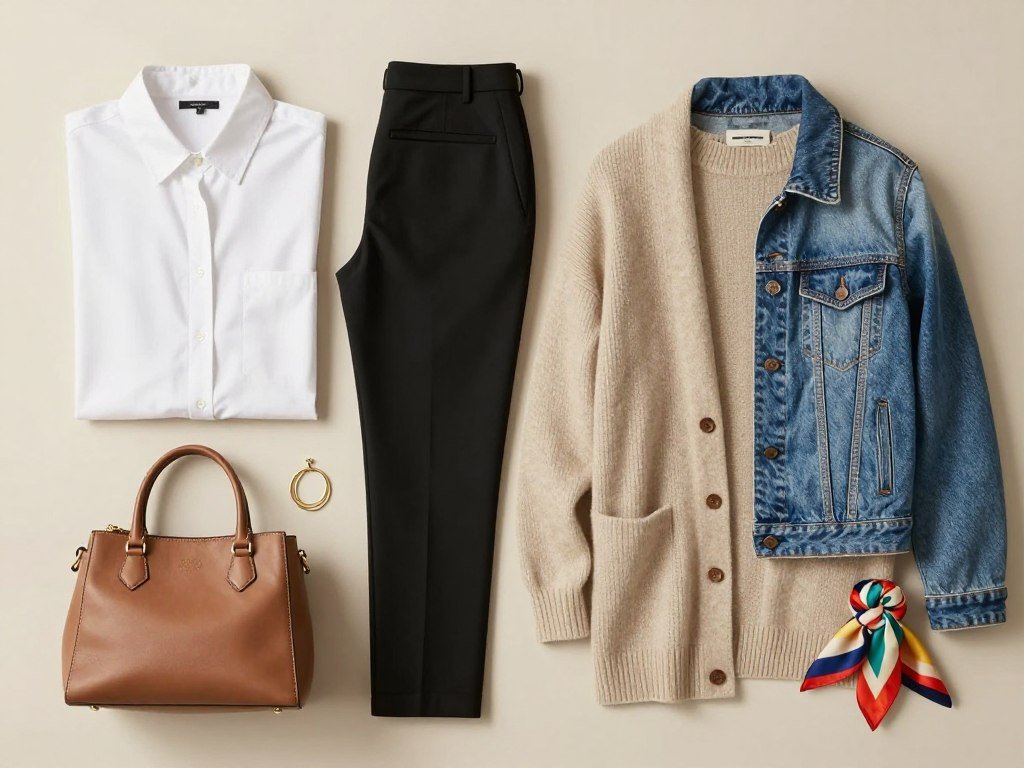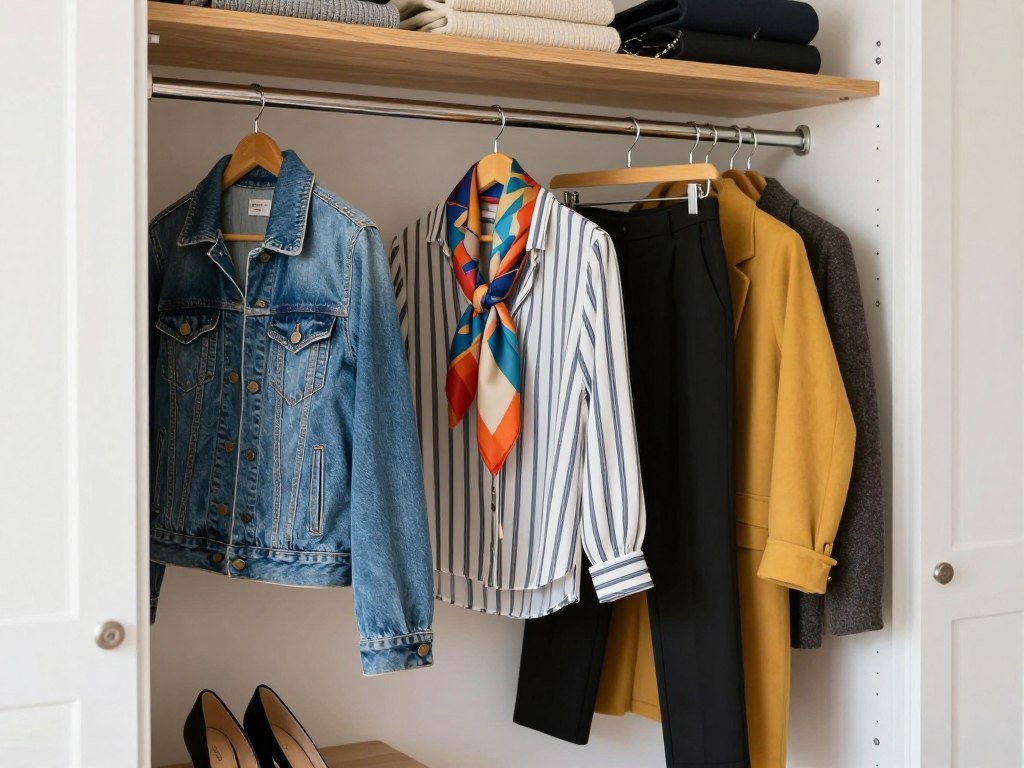
A crowded closet can still leave you feeling as if you have nothing to wear when the same few combinations keep winning. You can look chic without buying new clothes by giving familiar pieces a fresh role. A capsule wardrobe is a small, coordinated set of clothes chosen to mix and match for multiple outfits.
A limited budget can make shopping feel like the only way to change your style. It is not. With a little time and attention, you can find new combinations in your existing wardrobe. Some changes may cost money, so focus first on what you can do with clothes you already own. This approach can fit a busy life, too: start with one outfit and see what feels different.
Key Takeaways
- Start with clothes you already wear and enjoy.
- Change one part of a familiar outfit at a time.
- Use a mirror to check the full look.
- Keep a record of combinations that work for you.
- Buy only when you can name a real wardrobe need.
Before adding anything to your cart, give yourself one getting-dressed session to see what your current wardrobe can do.
How to Look Chic Without Buying New Clothes With a Closet Edit
Start by laying out the clothes you actually wear often, then check what makes those pieces dependable. A short inventory helps you see what works and what gets overlooked. Sort by use, not by what you think you should wear.
A 30-minute closet edit can begin by removing at least five items you have not worn in the past year or that do not make you feel confident. Treat that number as a starting point, not a strict rule. An event outfit may have a good reason to stay, even if you wore it only once.
Keep the pieces you reach for in view
Put reliable clothes where you can see and reach them. These everyday favorites make dressing easier because you already know how they fit your life. Notice which shirts, pants, and jackets often appear together. Those combinations can help you spot the pieces your wardrobe depends on.
| Tier | What belongs there | How to use or store it |
|---|---|---|
| Everyday favorites | Reliable go-to pieces | Keep visible |
| Near-favorites | Pieces worth another styling try | Store accessibly |
| Sentimental or event clothing | Meaningful or occasional wear | Store safely for the right occasion |
Use a 30-minute edit to remove at least five unworn or confidence-denting items, if that feels manageable.
Store occasional and sentimental pieces with a purpose
Keep near-favorites close enough to try again, but make room for daily clothes. Store formalwear, seasonal items, and meaningful pieces safely so they do not crowd your main closet. A brief inventory can help you remember what is there when an event comes up.
Do not discard eventwear just because it missed the past year. Weddings, interviews, and celebrations do not happen on a weekly schedule. A three-tier wardrobe sort can keep special clothes in view without giving them daily closet space. Keep a sentimental or event piece if it has a real use or meaning, even when it is not part of the weekly rotation.
How Can One Styling Change Refresh a Familiar Outfit?
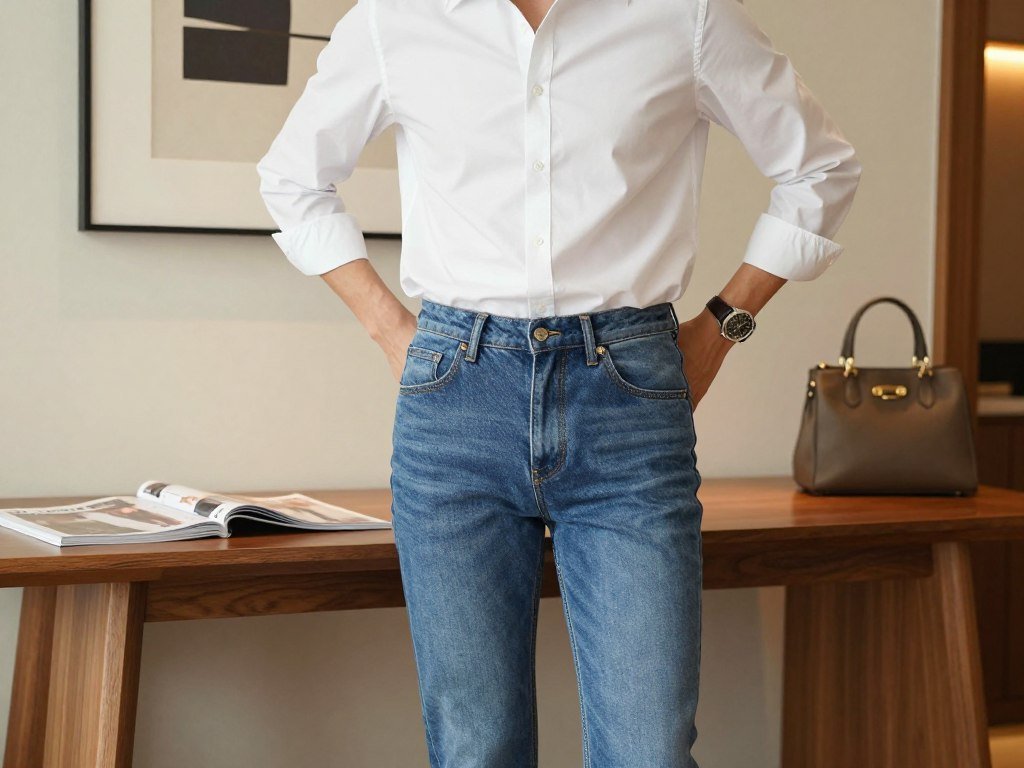
A familiar pair of jeans can read differently when you change where the shirt ends and the hem meets the shoe. A small shift in proportion, or the visual balance between garment shapes, can change the whole outfit. One change is often enough to make clothes feel new.
Try a single proportion change before changing the whole outfit. A loose button-down tucked into higher-waisted jeans creates a different shape from the same shirt worn loose. A half-tuck, rolled sleeve, or cuffed hem can also shift how familiar pieces work together.
Adjust the proportions of the clothes you own
Compare the shirt length with the rise of your jeans and the hem of your pants with your shoes. A small hair tie can gather extra fabric inside an oversized shirt when you want a neater shape. Keep the tie hidden and loose enough to feel comfortable.
- Wear a shirt tucked or untucked.
- Try jeans cuffed or uncuffed.
- Wear a cardigan over a dress.
- Layer a button-down under a knit.
Add a layer or mix pieces from different occasions
A third piece, such as a blazer, trench, vest, or open button-down, can anchor a simple shirt-and-jeans outfit. You can also pair a work blouse with relaxed denim or wear a dressier jacket over a T-shirt. A cardigan can give a dress a more casual feel.
Mixing pieces from different parts of your life can make a familiar outfit feel completely different. A work shirt with weekend jeans may look more relaxed than either piece does alone. For more everyday styling ideas, focus on how your existing clothes fit and work together. Avoid layers that feel uncomfortable for the weather or activity. Change one proportion at a time so you can tell which adjustment makes the outfit feel right.
What Color Choices Make Simple Outfits Look Intentional?
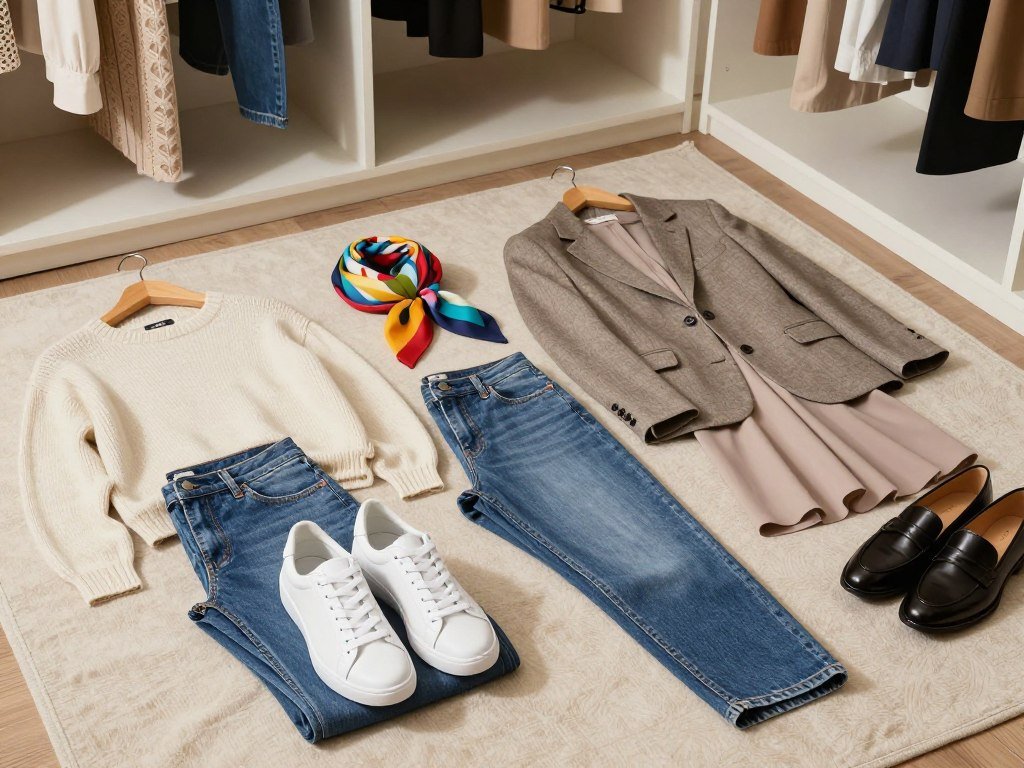
A simple color combination often looks more deliberate when one shade repeats across two parts of the outfit. Use neutrals as a base, then repeat one accent color if you want more interest. A clear color story can help separate pieces feel connected.
Keep most outfits to three or fewer harmonious colors. Cream with black, navy with white, and chocolate brown with denim are easy starting points. You can also repeat a color in your top and shoes, or choose basics in shades that already sit well together.
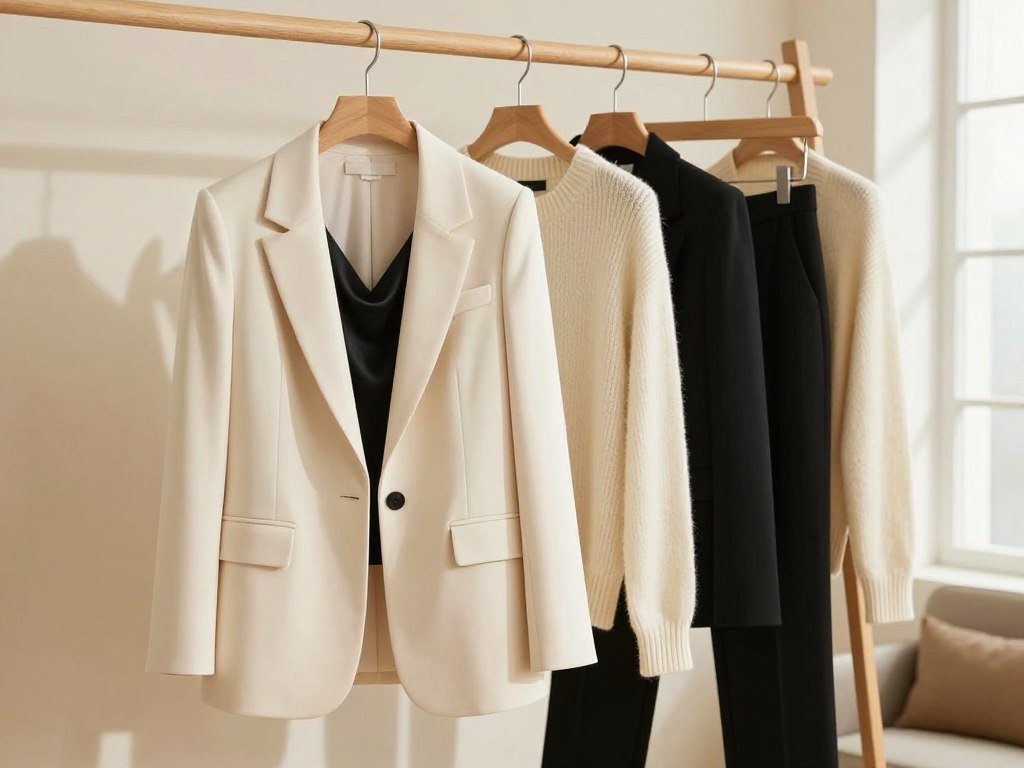
Build a simple color story from clothes you own
Lay out the clothes you are considering and notice which colors seem to belong together. A neutral base gives an outfit a calm feel, while one repeated shade adds a sense of purpose. You do not need to match every color exactly. A small color echo is often enough.
Color has several parts. Hue is the color family and its warmth or coolness. Value means how light or dark a shade is. Chroma describes whether a color looks bright or muted. A study of hue, lightness, and chroma examines how the brain responds to these color features.
Use seasonal color analysis as a guide, not a rulebook
Seasonal color analysis compares your natural coloring with clothing colors using hue, value, and chroma. The system has 12 color seasons. It matches color to natural coloring, not to your personality or body shape.
Use a season result as an optional guide when choosing among clothes you already own. It does not mean you need to replace a favorite shirt or avoid a shade you enjoy. A color can still feel right because of its meaning, comfort, or place in your wardrobe. Keep colors you enjoy in rotation even if a seasonal palette suggests a different shade.
Which Finishing Details Make an Outfit Look Polished?
A favorite pair of earrings or a belt can make a basic shirt-and-jeans combination feel considered. Check the full outfit in a full-length mirror before you leave. One focal detail can give the look a clear point of interest.
Allow 10 to 15 minutes to assess an outfit when you have time. A mirror can help you check colors, shapes, formality, and accessories at once. It can also show whether a familiar pair of shoes suits the rest of the clothes.
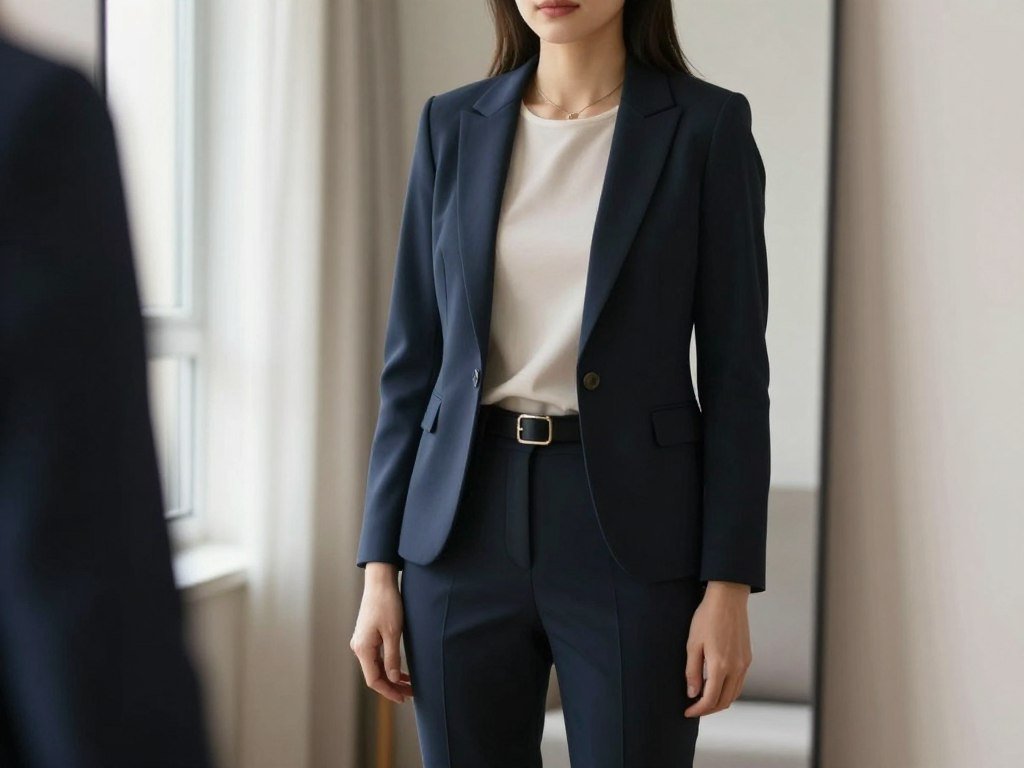
Try one or two options from the accessories you own:
- A belt to define the waist or finish a tucked shirt.
- A scarf to add color near the face.
- A bag that suits the outfit’s formality.
- Jewelry that draws attention to one area.
- Shoes that work for the setting and the clothes.
Tidy hair, clean shoes, and pressed visible wrinkles can help clothes look cared for. You do not need every detail at once. Adding a belt, scarf, bag, jewelry, and statement shoes together may make the outfit feel busy.
Accessories can shift an outfit’s mood and visual focus without replacing the clothes. See these ideas for using accessories as a prompt, not a shopping list. Use the mirror to check the whole outfit, then remove one detail if it competes with the main focal point.
Can Fit, Care, and Repairs Make Older Clothes Look Chic?
Clothes that fit comfortably and look cared for usually make a stronger impression than pieces that pull, sag, or look neglected. A small fix can help a useful garment feel intentional again. Start with comfort before paying for a larger change.
Fix a simple fit problem only when you will wear the garment afterward. A loose button or uneven hem may be an easy repair, while changing a jacket’s shape can need a tailor. Larger alterations take more time and may cost more than a simple fix.
Improve the fit before replacing a garment
Try the garment with the clothes you usually wear before deciding what to alter. A hem, sleeve, or button may be all that needs attention. For a complex change, ask a tailor what the work involves and whether the fabric can handle it.
A faded item may take fabric dye if its material and care instructions allow it. Dye does not suit every fabric, and the label can help you avoid damage. Do not spend time or money changing a piece that still feels uncomfortable.
Keep pieces presentable and repair what is worth saving
Follow the care label, and press or steam clothes when wrinkles show. Repair pieces that remain useful and comfortable, rather than fixing every item simply because it is old. A small repair can extend the life of a garment you already reach for.
TOAST offers free repairs for TOAST clothing brought to one of its shops, with options discussed with a specialist. It accepts TOAST garments regardless of when or where they were bought. It does not accept footwear, accessories, jewelry, bags, swimwear, or underwear, and these terms do not apply to other brands.
A UK survey of 300 adults found that people typically repaired or repurposed clothing about once every six months. Its study of clothing repair habits also found barriers such as repair costs and lack of skills. Before paying for an alteration, decide whether the finished garment will work with at least two outfits you already wear.
How Do You Keep a No-Buy Wardrobe Plan Working?
A useful no-buy plan is based on the clothes and outfits your real week requires, not a universal closet count. Count by need, because work, weather, and daily activities shape what you wear. A capsule wardrobe has no single required size.
Some people use 30 pieces, while 50 is another example; the creator of one calculator says 90 to 100 pieces work for them. Treat each number as an example, not a goal. Capsule wardrobe examples can help you think about your own needs.
Choose a flexible capsule size and track useful outfits
Count clothing by type and lifestyle instead of aiming for a total. You might need several work trousers but few formal outfits. A flexible count reflects your real week better than a strict limit.
| Example number of pieces | What the example represents | How to apply it |
|---|---|---|
| 30 | An example that works for some people | Adjust to your needs |
| 50 | Another example | Count by clothing type |
| 90 to 100 | The creator’s personal range | Treat it as personal, not a target |
Try the 3-3-3 challenge with clothes already in your wardrobe:
- Choose 3 tops, 3 bottoms, and 3 pairs of shoes.
- Create combinations from those 9 pieces.
- Photograph useful looks so you can find them later.
Swap pieces and handle unwanted clothes thoughtfully
Recreate 3 outfit images that inspire you, using similar clothes from your closet. You can also try a swap with 3 friends, each bringing 1 item. If your friends wear different sizes, focus the swap on accessories or pieces that do not need a close fit.
Donating clothes does not guarantee that a local thrift store will resell them as wearable items.
An estimated 10-20% of donated garments reach local thrift-store racks. The United States exports over 700,000 tons of used clothing each year, and an estimated 20-50% of used-clothing bales in some import markets cannot be sold.
Less than 1% of clothing worldwide is recycled into new textiles. The United States sends over 11 million tons of textile waste to landfills each year. These figures put repair, swaps, and responsible disposal in context, but they are not a reason to keep damaged clothes.
Look for a textile-reuse route in your area when an item is too worn to donate as clothing. Before buying a replacement, write down the specific missing function and check whether a swap, repair, or different combination can cover it.
Conclusion
A polished outfit can come from paying closer attention to the clothes already in your closet. You do not need a large budget or a new set of rules to make your style feel more like you.
Give yourself time to try a fresh combination, then keep the ones that fit your real life. A small change can make familiar clothes feel like a new part of your wardrobe.
Pick one piece tonight and create a new combination to try tomorrow.
FAQ
How do I make a white T-shirt and jeans look more dressed up?
How can I style a dress for more than one season?
How do I know whether an old garment is worth altering?
Can I host a clothing swap if my friends wear different sizes?
What should I do with clothes that are too worn to donate?
How can I make an oversized shirt look intentional without sewing?