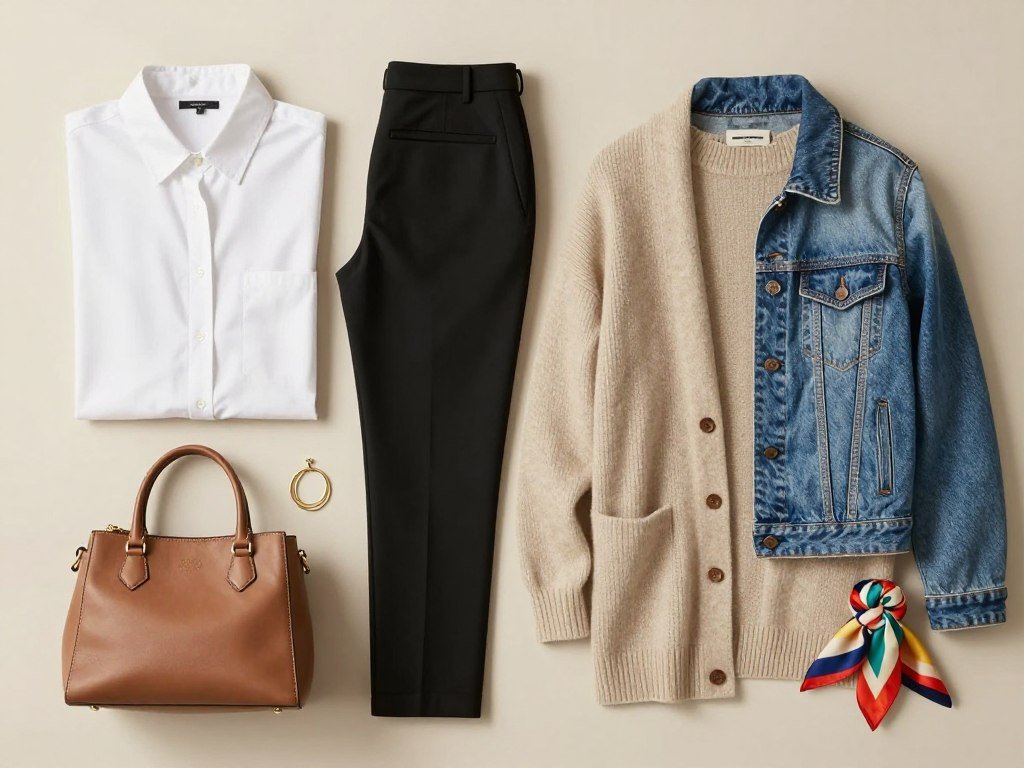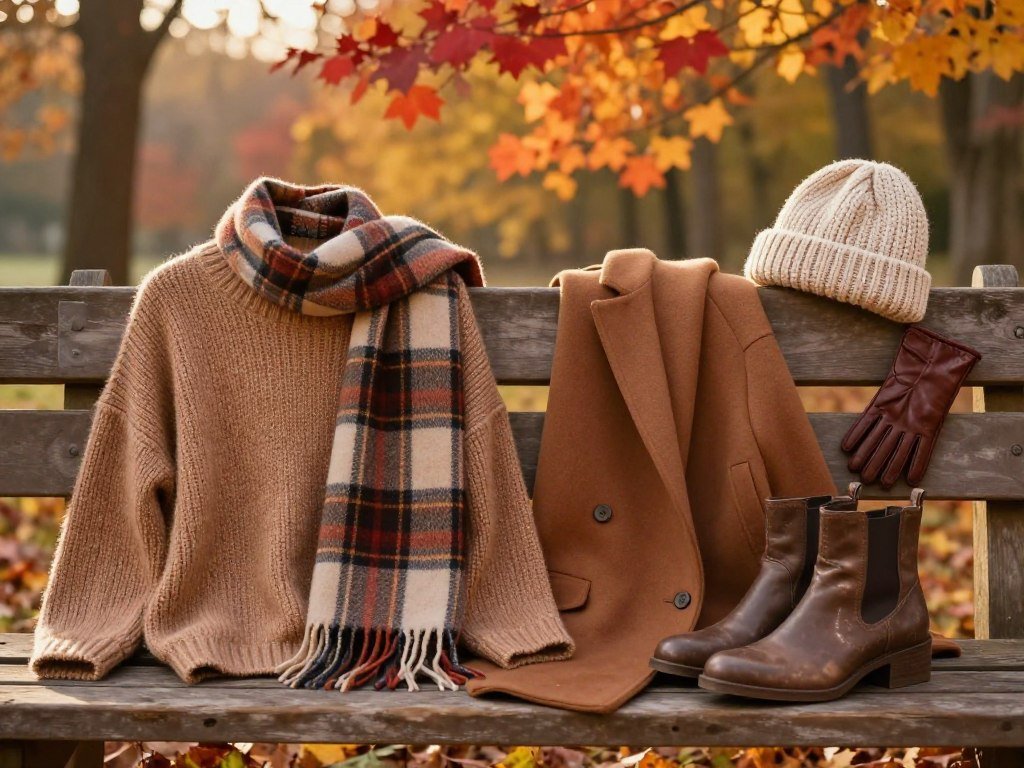
A small set of clothes that work together can make getting dressed on a cool morning feel much easier. A capsule wardrobe gives you useful choices without asking you to replace your whole closet. The best fall capsule wardrobe starts with clothes that suit your routine, personal style, and local weather.
These 15 essentials cover everyday tops, bottoms, layers, one dress, shoes, and accessories. You can adjust the mix for your climate, dress code, and favorite way to spend the season. The goal is a wardrobe that helps you put together an outfit with less guesswork.
Fall fashion can feel fresh without demanding a new look every day. A few pieces can work for errands, work, and dinner when you choose shapes you enjoy wearing. Start with what you already reach for, then add only the gaps that would make those pieces more useful.
Key Takeaways
- Build around clothes you already wear often.
- Choose pieces that work in more than one outfit.
- Let your routine and local climate shape the selection.
- Use a small number of colors to help pieces mix.
- Try outfit combinations before buying anything new.
- Keep room for personal taste and changing weather.
What Belongs in a Practical Fall Closet?
A practical fall closet holds coordinated clothes for your real routine, not a fixed number of items. Versatility matters more than matching a capsule wardrobe checklist, because your work, climate, and laundry habits shape what you need.
A capsule wardrobe generally contains around 30-40 versatile pieces, but the right number depends on your lifestyle, climate, and laundry routine. One sample breaks that range into 8-10 tops, 3-5 sweaters or cardigans, 5-6 bottoms, 2-3 dresses, 3-4 outer layers, 4-5 pairs of shoes, and 5-7 accessories. Use those counts as a flexible reference, not a quota.
A wardrobe capsule is a coordinated group of clothes that you can wear in many combinations. Keep your regular favorites before you decide what to add.
The term simply means a small, connected wardrobe selection. It is a guide for making daily dressing easier, not a rule that every closet must follow.
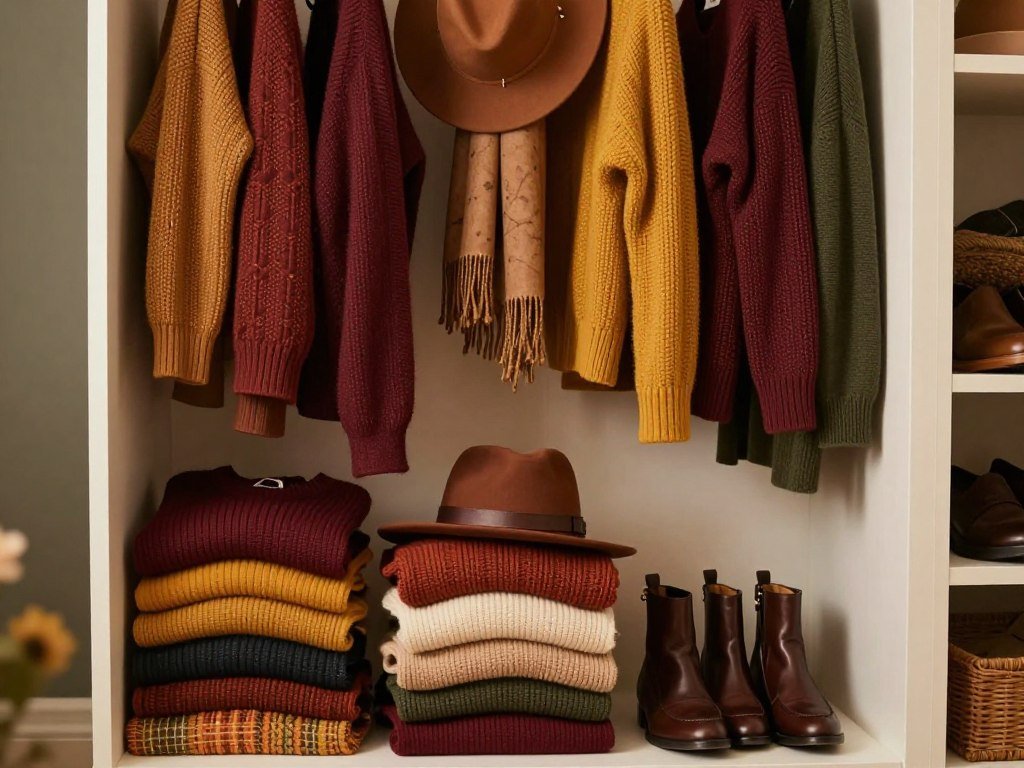
You do not need to purge your closet to begin. Start by keeping clothes you already wear, then spot genuine gaps in function or fit. If you want a smaller closet on a budget, gradual wardrobe planning can help you add with care.
Keep the pieces that already earn regular wear in the plan before deciding what, if anything, to add.
How to Build the Best Fall Capsule Wardrobe
Begin with the clothes you reach for most, then build outfits around them before shopping. Repeat wear is a better test of the best fall capsule wardrobe than a list of trendy pieces.
A 30-piece fall capsule can be sorted into 8 tops and base layers, 5 bottoms, 6 layering and outerwear pieces, 2 dresses or jumpsuits, 4 pairs of shoes, and 5 bags and accessories. Use this breakdown as a reference, not a prescription. You can build the plan from clothes you own without clearing out your closet first.
Start with clothes you already wear
Notice what you wore several times last week and what stayed untouched. Check each favorite for comfort, fit, and use across different parts of your day. Write down gaps, such as a warm layer or shoes that suit your commute.
A capsule wardrobe feels in style when its pieces suit you, work together, and get worn again. It does not need to follow every trend or look like someone else’s closet.
Test combinations before adding pieces
Try this short checklist before buying anything. It turns a vague wardrobe goal into a few outfits you can test in real life.
- Choose a small set of clothes you already enjoy wearing.
- Build 7-10 go-to outfits from that selection.
- Check each outfit for missing layers or shoes.
- Revise the combinations before deciding what to buy.
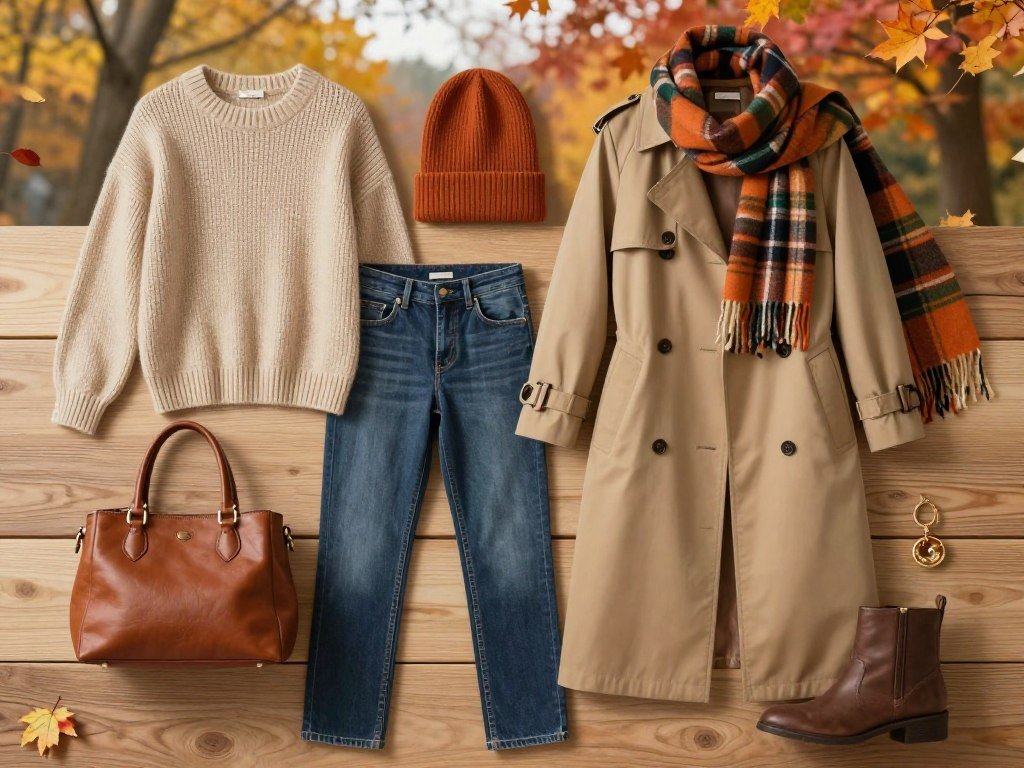
For a 7-10 day fall trip, 8-12 clothing pieces and 2-3 pairs of shoes can be a useful starting range. Laundry access and planned activities affect what you pack. A small seasonal update can also refresh familiar clothes without replacing the whole wardrobe.
If the test outfits expose only one genuine gap, add that piece rather than expanding the whole plan.
Which Fall Colors Mix Easily?
Camel, charcoal, olive, rust, espresso, and oatmeal make a coordinated earth-tone starting point for fall. Earth tones are one option for a fall capsule, not a rule you have to follow.
A neutral base can also use black, navy, gray, brown, camel, taupe, cream, and white. Choose one or two accent colors beside your neutrals so most pieces still mix easily.
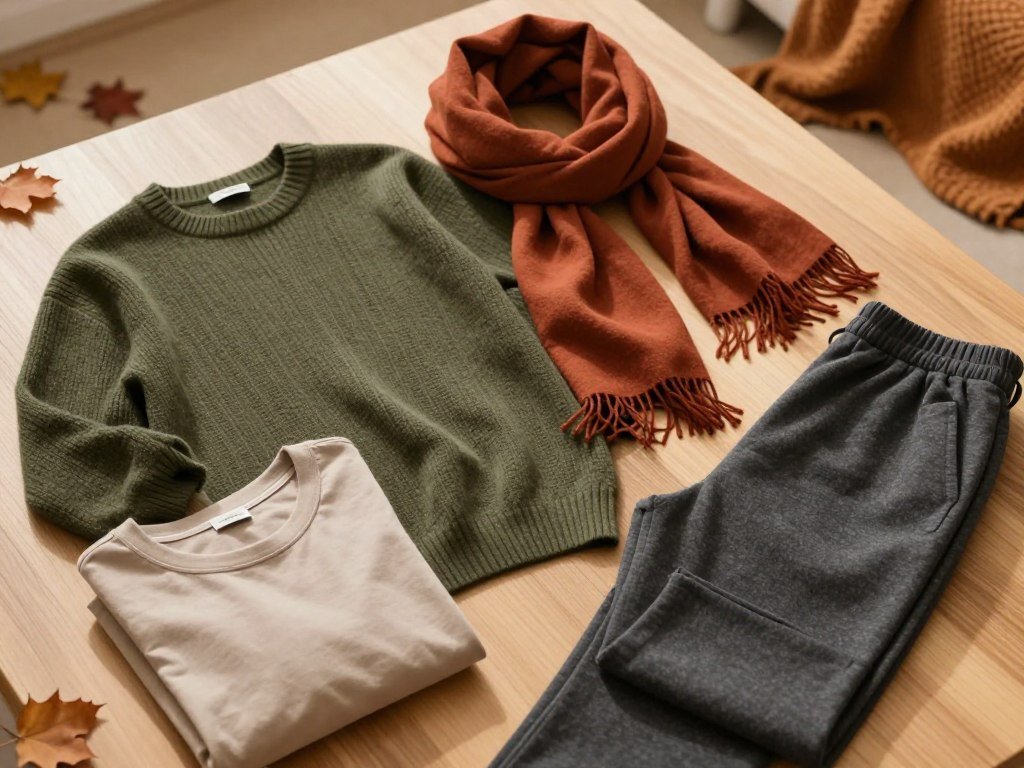
If warm shades do not suit your taste, start with cooler neutrals such as navy, gray, and white. Add an accent color in a top or layer that works with several pieces you already own.
Green and brown are among the down-to-earth fall 2026 colors, often paired with dark floral patterns. A dark floral shirt or skirt adds pattern while staying close to an earthy range. You can also use a single printed item to bring more detail to plain separates.
Check that each accent color works with at least two pieces already in the closet.
Which Tops Handle the Most Fall Outfits?
A white tee, striped tee, and easy shirt or cardigan can cover the base of many fall looks. Comfortable layers work best when you can wear them alone or beneath another garment.
A simple white tee pairs with denim, trousers, or a skirt. A striped tee adds pattern without making an outfit hard to match, and it works under blazers, sweaters, and jackets. Pick tops that sit comfortably under your usual layers.
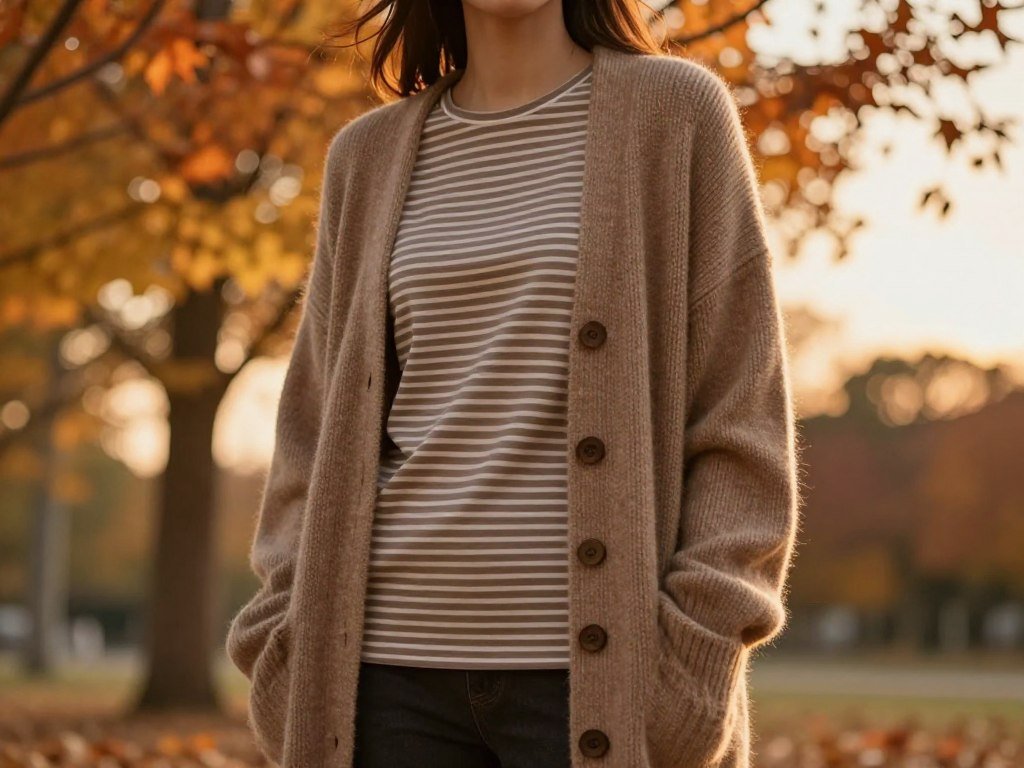
Choose a versatile shirt or lightweight knit, such as a cardigan, for an easy change in warmth. A flannel is another shirt option: button it under a blazer for work, or wear it open over a tank on weekends.
For fall casual outfits, try a white tee with denim and a cardigan. The combination is simple enough for errands, yet each layer can change the feel of the look.
A thin tee or shirt is often easier to layer than a bulky top. If you like a heavier knit, check that it still fits beneath the outer layer you wear most.
Before choosing a second version of a top, check whether it adds a different layer or simply repeats one you already own.
Which Bottoms Earn a Place in the Rotation?
Straight-leg jeans, tailored trousers, and a midi skirt give a compact selection both casual and polished options. Good fit matters more than chasing every new denim shape.
For a 15-piece selection, choose bottoms that work across your week. Straight-leg denim is an everyday staple, tailored trousers suit more formal settings, and a midi skirt adds a different line.
Choose the optional skirt only if you will wear it. If skirts rarely leave your closet, use that slot for another bottom you reach for often.
| Silhouette | How it sits or moves | Useful outfit setting |
|---|---|---|
| Straight-leg jeans | Runs fairly straight from hip to ankle | Everyday errands or casual work |
| Wide or barrel-leg trousers | Roomy through the leg, with a wide or curved shape | Polished office days or dinners |
| Skinny-flare jeans | Fitted through hip and thigh, with a slight ankle flare | Casual plans with a fitted top |
| Midi skirt | Falls around mid-calf and can move freely | Work, daytime plans, or dinner |
Wider and billowy shapes can feel balanced with a more fitted top. Runway looks for fall and winter 2026 include oversized designs, cropped styles, cocoon-like tailoring, dramatic hemlines, and roomy pants and dresses. Treat those shapes as ideas, not a shopping list.
Try each silhouette with shoes you already wear, since a hem that works with flats may not work with a taller boot.
Which Jacket or Coat Does the Most Work?
A blazer, trench coat, and practical casual jacket cover more situations than three similar dress coats. Different jobs make these layers more useful across the season.
A structured or sculpted blazer adds shape over a tee or shirt. A sculpted cut offers a more shaped alternative to a slouchy oversized blazer, while softened tailoring can still feel relaxed.
Leave room for a sweater under your trench coat. Sizing up can help when your usual size feels tight over a thicker layer.
- A structured or sculpted blazer works for work and polished casual outfits.
- A trench coat is useful for light rain and changeable weather.
- A military-style jacket adds a casual edge to everyday clothes.
A windbreaker is another choice when you need a lighter layer. Fall 2026 styles include sculpted blazers, trench coats, military jackets, and windbreakers, so you can pick a shape that suits your routine.
For an updated-ladylike look, pair a tailored jacket with baggy jeans. A small brooch or other jewelry can also add detail to a skirt suit without changing its shape.
Choose the coat by the weather you actually face, and check its shoulder and sleeve room over your thickest planned layer.
Which Fall Dress Works for Day and Dinner?
A simple midi dress is the most flexible single dress choice for a fall capsule. A wearable shape can work for a desk, daytime plans, and dinner.
Choose a transitional midi dress with a fit that lets you sit and move comfortably. Changing shoes and adding a jacket can shift it from a workday look to after-work drinks.
Use one dress that works with clothes and shoes you already own. Deep florals are an optional print choice if you want a little pattern.
If you do not wear dresses, choose a jumpsuit or a wide-leg trouser set instead. Those options fill the same one-piece role while matching your usual style.
For fall dresses in 2025, practical layering and wearable silhouettes offer a lasting approach rather than one claimed seasonal winner. A midi dress can feel polished without being hard to style.
Check that the dress works with at least one flat shoe and one warmer layer you already own.
What Shoes Cover Workdays and Weekends?
Boots, sneakers, and either loafers or flats cover the main demands of a fall week. Choose for your routine, then make sure the fit feels good through a full day.
Boots help on colder days and pair well with dresses. Comfortable sneakers suit walking and casual outfits, while loafers or flats can work for the office and polished everyday wear.
Loafers and flats are alternatives, so you do not need both. Choose the shape that feels right with the clothes you wear most.
| Shoe type | Most useful setting | Clothing it pairs with |
|---|---|---|
| Ankle or knee-high boots | Cold days or dressier plans | Midi dress, skirt, or jeans |
| Comfortable sneakers | Walking and casual weekends | Denim, tee, or relaxed trousers |
| Loafers | Workdays and polished errands | Tailored trousers or straight-leg jeans |
| Ballet flats | Work or everyday plans | Midi skirt, dress, or cropped trousers |
A 30-piece fall capsule example gives four pairs of shoes a place in the full count. That is a reference for a larger capsule, not a requirement for these 15 essentials.
Look for stable soles and a fit that does not rub when you walk. A shoe that works for a long commute can earn more use than a pair saved for one outfit.
If you walk long distances, prioritize comfort and stable fit over a shoe that only completes one outfit.
Which Accessories Make Basics Feel Current?
A belt or well-proportioned tote can make familiar clothes feel more deliberate without changing the whole outfit. Small details can refresh repeat outfits without adding many clothing pieces.
A neutral tote is useful for daily plans, while a simple belt can change the shape of a dress or trousers. These two core accessories can work with many outfits.
Choose a few accents that work with several pieces. A brooch, noticeable belt, or hat can add personality without taking over the look.
Animal print can also appear as a small accent, such as a scarf or bag detail. You can keep the main clothes simple and use one accessory to add a bolder touch.
Eveningwear can take a more decorative direction through velvet, geometric details, fringe, gloves, or metallic brocade. Those richer textures can suit a special event without needing a place in your everyday capsule.
Keep statement accessories to a few pieces that work with several items, rather than buying one for a single event.
How Should You Layer for Shifting Fall Weather?
Removable layers are the easiest way to stay comfortable when a fall day warms up after a cool start. Three clothing layers give you control as the temperature changes.
A base layer is a lightweight first clothing layer worn next to the body to add warmth without bulk. A middle layer, such as a shirt or sweater, adds warmth, while an outer layer blocks wind or light rain.
Removable layers help when a morning near 55°F turns into an afternoon around 72°F. You can take off the outer layer or middle layer as the day warms.
Use three clothing layers as temperatures change
| Situation | Layers | Specific example |
|---|---|---|
| Cool morning | Base, middle, outer | Tee, cardigan, and trench coat |
| Warmer afternoon | Base and light middle | Striped tee with a shirt tied at the waist |
| More styled evening layer | Base, middle, outer | Sheer long-sleeve top, contrasting bralette, velvet jacket |
Borrow warm-weather pieces before packing them away
Summer tees, shirts, skirts, and dresses can stay in use with warmer layers. Try a turtleneck under a button-down, a sweater over a jacket, or a skirt over pants.
Knits over a scrunched shirt offer another way to keep lighter pieces in rotation. For a bolder evening look, layer a sheer long-sleeve top over a contrasting bralette, then add a velvet or suede jacket.
Try the full layer combination indoors first, so the outer piece still closes and lets you move comfortably.
How Do You Turn 15 Essentials Into Outfits?
Start by choosing a small group of pieces that already work together, then change one element at a time. Simple swaps can make familiar clothes suit different plans.
A modeled 22-piece capsule reaches 80+ outfit combinations, but that count does not promise the same result from a 15-piece selection. The number depends on how well the clothes coordinate and how many combinations you enjoy wearing.
Use these four formulas as starting points, not rules. Each can shift with one clothing or accessory change.
- Jeans, white tee, blazer, and sneakers; swap in boots for colder days.
- Tailored trousers, button-down, and loafers; add a belt for a sharper work look.
- Midi skirt, knit, and boots; switch to flats for daytime plans.
- Dress, trench coat, and flats; change shoes before dinner.
For fall outfits for women in 2025, these familiar combinations offer useful ideas without claiming a trend forecast. A casual day can reuse the same jeans and tee with a cardigan instead of a blazer.
For work, use tailored trousers and a button-down. For dinner, change the shoe or add a belt to a dress, then keep the rest comfortable.
Pick three outfit formulas that suit your real week and save them as reliable starting points. Change one piece when a plan or mood calls for something different.
Those fall 2025 outfit ideas also suit later seasons because the pieces do not depend on a short-lived trend. A layered staple or different accessory can change the look without requiring a new outfit.
Pick three formulas that suit your actual week and save them as reliable starting points.
Conclusion
The best fall closet is the one that makes your own everyday outfits easier to put together. A useful wardrobe is personal, repeatable, and free to change as your weather and routine shift.
You do not need to get every choice right at once. Wear what already works, then make small changes when a real need appears.
Choose five pieces you already wear, make two outfits with each, and note the one gap worth addressing.
FAQ
How many clothes do I need for a 7-day fall trip?
Can I keep wearing summer clothes in fall?
Do I need both loafers and ballet flats in a fall capsule?
How many outfits can a capsule wardrobe make?
Can I wear a skirt over pants in fall?
How can I make a fall capsule feel less basic?