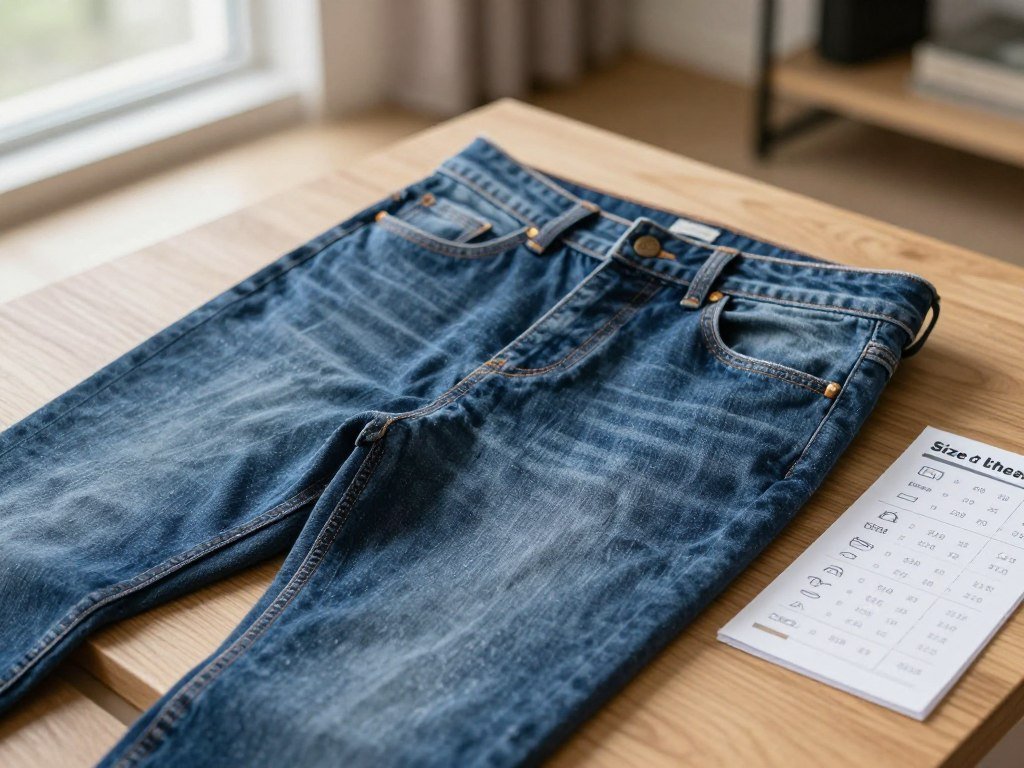
Quince jeans can be a comfortable everyday option, but the fit deserves a closer look before ordering online. Several tested pairs felt soft and well-made, while sizing experiences differed. The label alone cannot tell every shopper how a pair will feel after hours of wear.
This review weighs fit, fabric, care, price, and the practical trade-offs of buying denim online. It also separates individual try-on experiences from facts about the products and company. The main takeaway is that comfort can be strong, but size results are not uniform.
Key Takeaways
- Several tested styles felt soft and comfortable.
- Fit results differed between reviewers and styles.
- Rise and leg shape change the feel.
- Cold washing and low heat limited shrinkage.
- Check exact garment measurements before ordering.
Treat the size chart as a starting point, not a guarantee of an identical fit across styles.
Quince Jeans Review: How Do the Styles Fit?
The wide-leg, barrel-leg and straight-leg pairs in one try-on fit true to size, with noticeably different shapes and fabric feel. That result is one try-on, not a promise for every body or style. Each cut sat and moved a little differently.
All three tested styles matched the reviewer’s usual size, but their shape and feel were not interchangeable. The wide-leg pair had substantial denim, a comfortable waist, and a smooth fit over the hips. Its roomy leg did not feel loose at the waist.
| Style | Fit observation | Denim feel | Overall impression |
|---|---|---|---|
| Wide-leg | True to size | Substantial | Comfortable waist and smooth hip fit |
| Barrel-leg | True to size | Substantial-feeling | Comfortable rise and moderate barrel shape |
| Straight-leg | True to size | Structured and soft | Clean through the hip |
The barrel-leg denim felt substantial, with a comfortable rise and a barrel shape that stayed moderate. It did not have an exaggerated curve. The straight-leg pair felt structured yet soft, with a clean line through the hip.
A Quince jeans review for women should treat this result as one try-on, while Quince clothing reviews reflect differing bodies and personal experiences. Reviews can help identify patterns, but they cannot predict an individual waist, hip, or thigh fit. That is especially true when the cut changes.
Use a try-on as a useful clue, not a promise that another style will fit the same way.
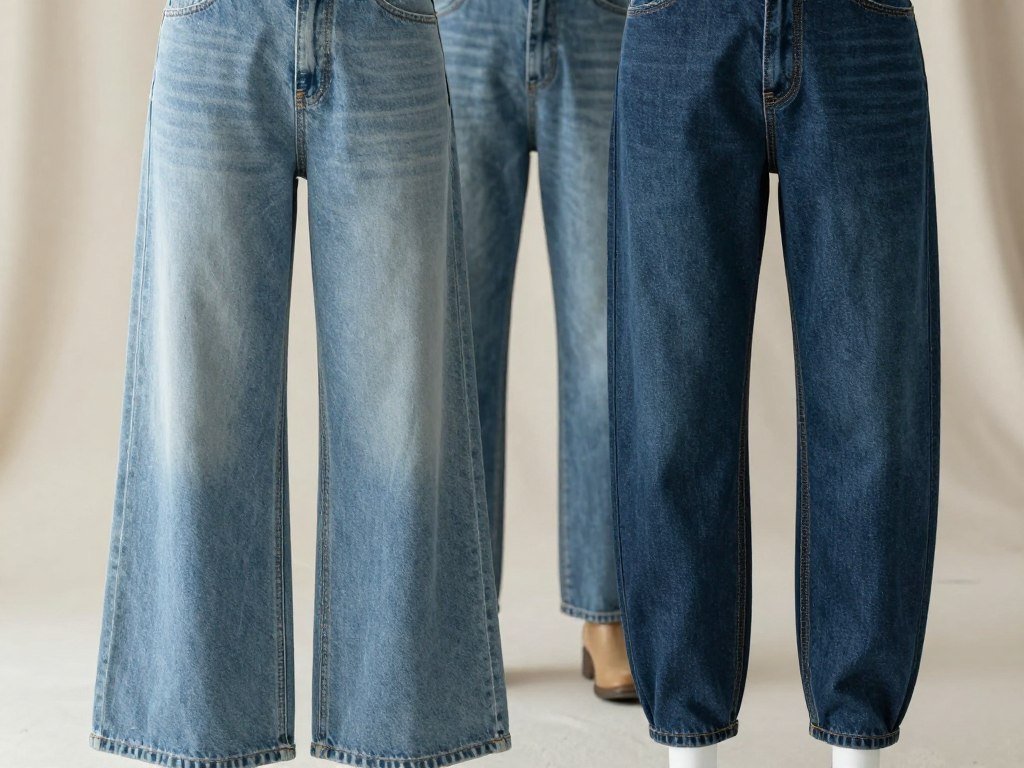
Look at the waist, hip, and rise details together rather than relying on a style name alone. A straight cut may feel neat through the hip, while a wide leg adds room lower down. Use the silhouette you prefer as the first fit clue, then check the measurements for that specific pair.
Which Quince Jeans Styles and Cuts Are Available?
Quince’s women’s range spans classic straight legs and wide legs as well as more trend-led barrel and flare cuts. Rise and leg shape are the quickest ways to narrow the styles. The exact options, washes, and inseams can change from one cut to another.
Bella is the high-rise line, while Luna is the mid-rise line. That difference affects where the waistband sits, so a preferred rise can help narrow the choices. Rise measurements also vary across brands, as this guide to high-waisted jeans and rise explains.
Bella and Luna rise differences
The Bella Wide Leg had a 10-10.5-inch rise, four inseam options starting at 28 inches, and 12 washes in 2026. Those details give shoppers several ways to adjust the length and look. They do not describe every Bella style.
Bella Relaxed Straight offered four inseams starting at 26 inches and five washes. Bella Straight had three inseam options starting at 26 inches. These differences matter if a shopper needs a shorter length or has a specific wash in mind.
High-rise jeans sit higher on the waist than mid-rise jeans, but the number of inches can still vary by cut. Bella may suit someone who likes more waist coverage, while Luna gives a lower rise. Comfort while sitting can help distinguish the two.
Leg shapes, plus sizes, and shorts
Six useful catalog choices include straight, wide-leg, barrel, flare, skinny, and pull-on styles. Quince also offered curvy options, plus sizes, and denim shorts in 2026. That range gives shoppers more than one route to an everyday pair.
A white pair was mostly opaque, though its long front pocket linings showed through the denim. This small detail can be more noticeable in a light color. Shoppers who want a clean front may prefer a darker wash.
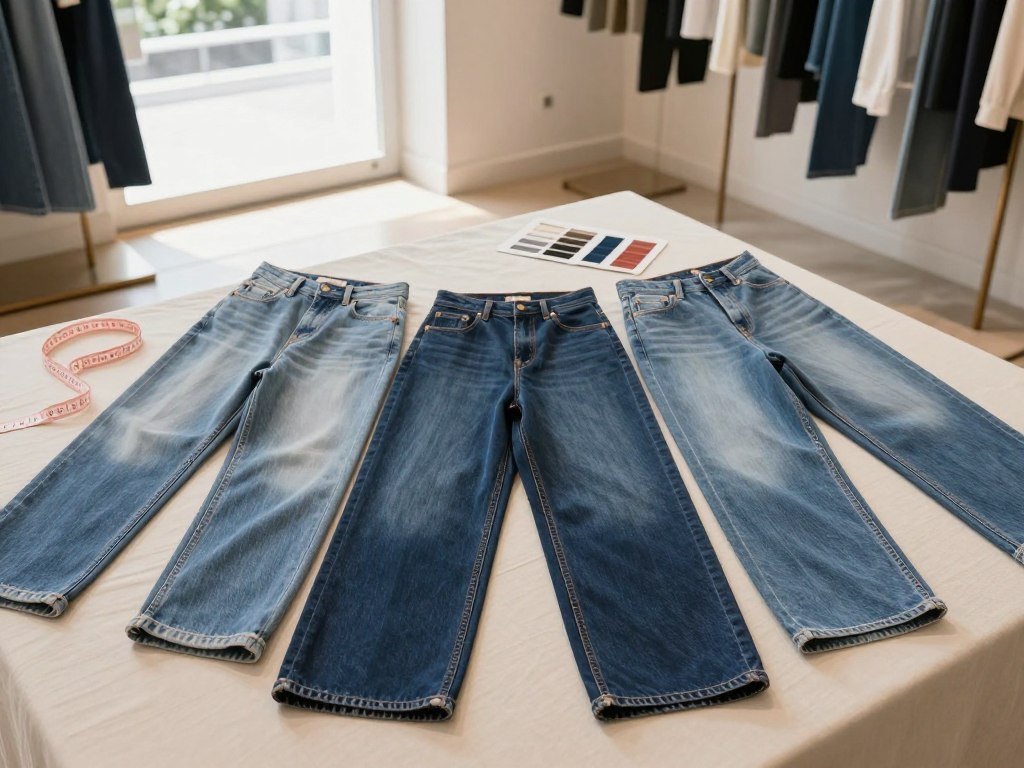
Style names describe the general cut, but the exact measurements shape the final fit. A wide leg can feel different with a longer inseam, and pocket details may show more on white denim. Check the inseam and wash on the exact style you want, since options differ by cut.
How Do Quince Denim Quality and Care Hold Up?
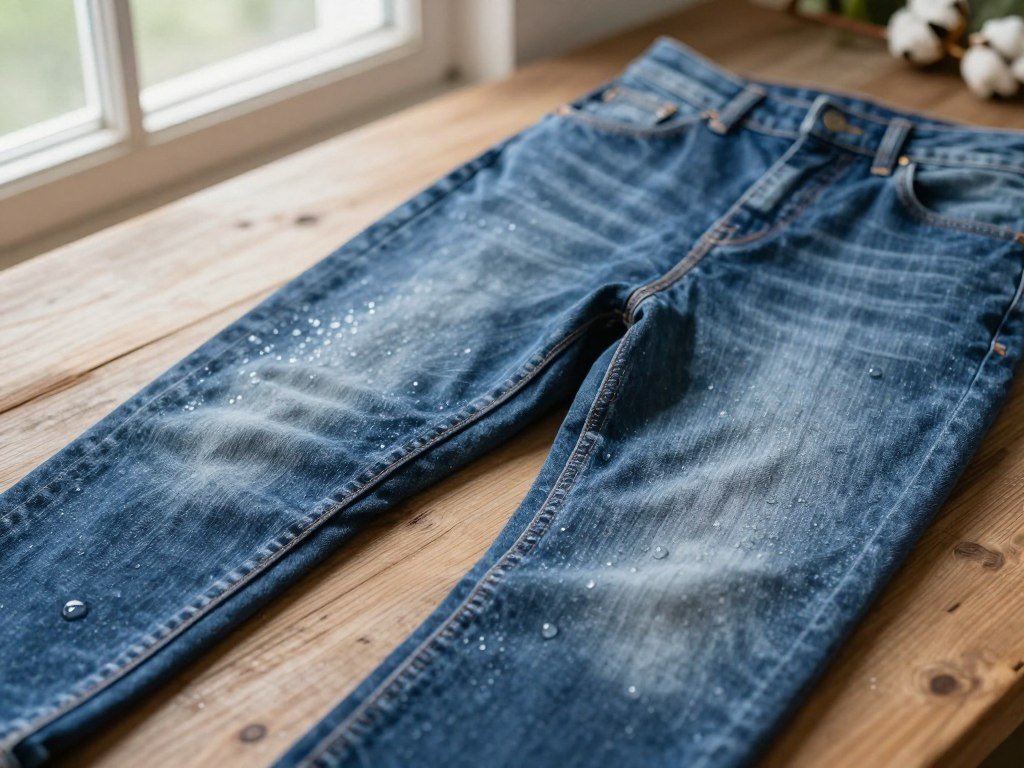
Care made a measurable difference in a three-style wash test: cold water and low heat kept each pair’s shrinkage under half an inch. Heat mattered when the denim was washed warm and dried on high. The stretch styles also differed in weight and give.
Cold washing and low-heat drying kept shrinkage below half an inch across all three tested Bella styles. Their denim did not feel the same: Bella Straight was the lightest and stretchiest, while Bella Relaxed Straight was the thickest. Bella Wide Leg sat between them at medium weight.
Stretch denim after washing
| Bella style | Shrinkage after cold wash and low-heat dry | Weight and stretch |
|---|---|---|
| Wide Leg | 1/4 inch | Medium weight |
| Relaxed Straight | About 1/2 inch | Thickest |
| Straight | About 1/2 inch | Lightest and most stretch |
The Bella Wide Leg shrank 1/4 inch, while Bella Relaxed Straight and Bella Straight each shrank about 1/2 inch. In a separate test, warm washing and high-heat drying caused about 1 inch of shrinkage. That hotter routine is different from the care-tag approach.
What to expect from rigid cotton denim
Rigid denim is a separate option from stretch jeans: the fabric is 100% cotton and around 60% regenerative cotton. Its rise is 11.5 inches, with 26- and 28-inch inseams. Do not assume that this cotton pair is organic cotton based on its fiber content.
Rigid cotton can feel snug at first and give with wear, unlike denim with built-in stretch. One reviewer wore the pair for a month and recommended washing every four or five wears. That was the reviewer’s practice, not a required schedule for every wearer.
Stretch denim can feel lighter or thicker depending on the style, so fabric weight is part of the choice. The wash test also shows why a hotter cycle may change length more. For the closest match to the original stretch-jean length, follow the care tag’s cold-wash and low-heat instructions.
What Do Quince Jeans Cost, and Is the Value There?
The 2026 catalog showed women’s jeans at five listed price points, from $50.00 to $75.00. The price alone does not tell a shopper whether a pair will feel comfortable or hold up well. Fabric, cut, and fit all affect the value.
The five listed prices were $50.00, $59.90, $60.00, $65.00, and $75.00. The catalog did not make one price a guarantee of better fit or longer wear. A less costly pair can still be a poor match if its waist or leg shape feels wrong.
For shoppers ordering online, Quince offered free shipping and easy returns for 365 days on women’s jeans in 2026. Those terms can make trying a pair at home less risky. Return rules can change, so check the current terms shown at checkout.
Value depends on whether the chosen cut, fabric feel, and fit work for the buyer. The tested denim ranged from lighter, stretchier fabric to a thicker feel. Paying more does not by itself prove that a pair will last longer.
Shoppers comparing brands should weigh comfort and return terms alongside the listed price. An everyday pair that fits well may earn more wear than a lower-priced option that stays in the closet. Compare the exact pair’s current price and return terms before deciding whether the value works for you.
How Does Quince Work, and What Is the Controversy?
Quince describes its model as partner factories making goods that ship directly to customers. The setup removes some traditional retail steps, but it does not tell shoppers where each factory sits. It also does not establish the company’s nationality or individual ownership.
Quince is the retailer; the manufacturer-to-consumer model alone does not prove factory location, nationality, or ownership. The term means partner factories produce goods and ship them directly to customers. This overview of Quince’s clothing model discusses the company’s broader approach.
The manufacturer-to-consumer model
In 2026, Quince described partner factories as making its products for direct shipment to customers. That arrangement does not make Quince the same as Shein. A shared approach to shipping goods would not make two brands interchangeable.
The model also cannot answer who owns Quince clothing or where a particular item ships from. Those are separate facts from the description of how partner factories work. Shoppers should not infer a country or owner from the shipping setup alone.
What the lawsuits allege
In April 2025, Tapestry, Coach’s parent company, sued Quince over alleged trade-dress infringement involving two Coach handbag designs. In November 2025, Williams-Sonoma sued Quince over alleged false advertising about product quality and lower prices. These claims are allegations, not proof of a legal finding.
As of 2026, Quince also had intellectual-property and trademark disputes with Yeti and Deckers Outdoor, UGG’s owner. As of November 2025, the company had about 800 employees and about $1.1 billion in annual revenue. Those figures describe its scale, not the outcome of any case.
Words such as “dupe” and “knockoff” are not settled descriptions of the whole brand based on allegations alone. Brand comparisons may refer to similar looks, but they do not decide legal claims. Treat each named lawsuit as an allegation unless a specific legal outcome is established.
Who Is Most Likely to Like Quince Jeans?
Quince is most promising for shoppers who value comfortable everyday cuts and are willing to check the fit of each style. Extra care helps if a precise waistband fit matters or stretch denim tends to feel too loose later.
One size recommendation cannot serve every waist, hip, or wear pattern. A midsize reviewer who usually wore a 29 or 30 ordered five styles in size 30, yet some measured waistbands were 1-2 inches smaller than the chart. Another reviewer reordered relaxed straight from size 29 to 28 after the first pair became baggier during a long day.
Choose for the fit you need through a full day, not just the first moment in the fitting room.
- Measure your waist and hips.
- Compare garment measurements with a well-fitting pair.
- Consider whether stretch may relax during wear.
- Use the return terms confirmed at checkout if the fit is wrong.
These experiences show why the label and chart cannot guarantee the same result for everyone. Comfort through the hips and thighs can matter as much as the waist number. Choose the size that lets you sit and move comfortably, rather than relying on a label alone.
Conclusion
Quince jeans are worth considering when comfort and an accessible price matter more than a guaranteed fit on the first try. Tested denim felt comfortable, but sizing experiences varied between people and styles. The strongest case is for shoppers who find a cut that suits their body and daily routine.
Fit comes first when a pair needs to work for a full day, not just a quick try-on. A size label cannot replace the garment’s waist, hip, and inseam measurements. Before ordering, compare the measurements and inseam for your chosen style with a pair you already wear comfortably.
FAQ
Does Quince have good quality jeans?
Is Quince the same as shein?
Is Quince clothing cheap quality?
What is Quince a dupe of?
What is the Quince controversy?
Why is Quince so popular?
Does Quince make knockoffs?