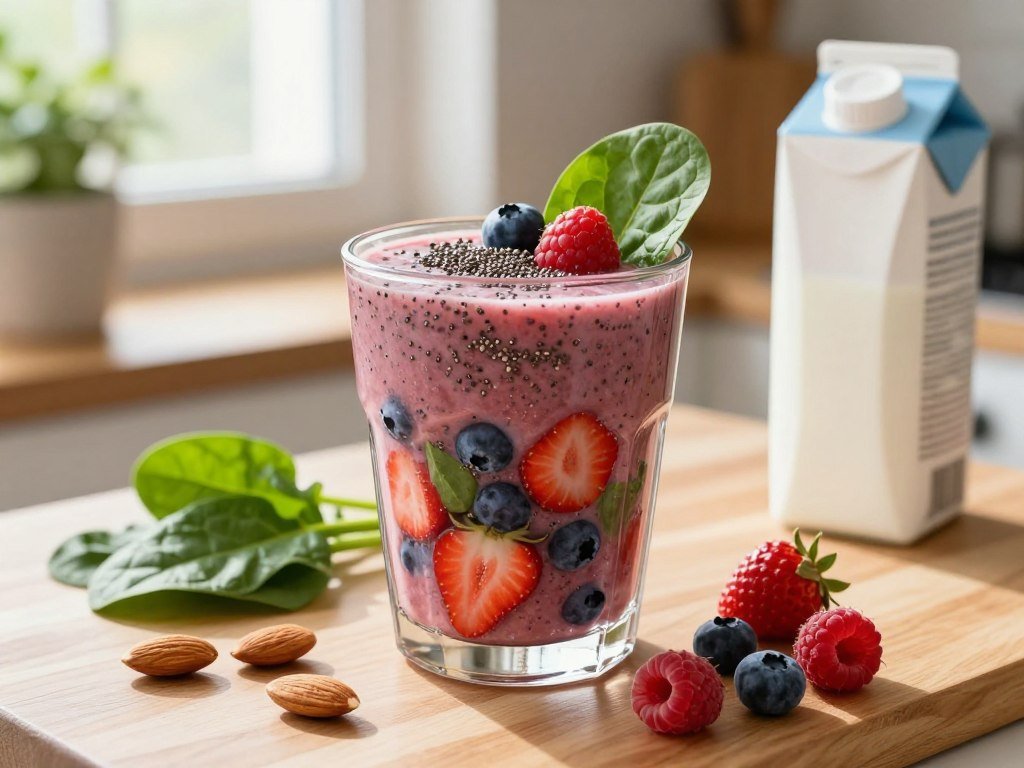
A well-built smoothie can make a convenient breakfast or snack, but it cannot guarantee weight loss on its own. The best smoothie recipes for weight loss are blends that suit your appetite and fit your overall eating pattern. No single drink causes weight loss.
Satiety is the feeling of fullness after eating. Protein, fiber, portion size, and unsweetened liquids can help you make a blend that feels satisfying without adding more than you want. A smoothie can be part of a healthy routine, not a treatment or a promise of results.
These ten recipes offer ideas for breakfast, a snack, or a drink after a workout. Start with the ingredients you enjoy, then change the serving or liquid to fit your day. Choose a recipe that fits your appetite and routine, rather than treating any one blend as a shortcut.
Key Takeaways
- No smoothie can guarantee weight loss by itself.
- Protein and fiber can help a smoothie feel more substantial.
- Serving size matters, especially with calorie-dense add-ins.
- Unsweetened liquids help keep added sugar in check.
- Choose a blend for your appetite and the role it plays in your day.
Best Smoothie Recipes for Weight Loss: How to Choose
A smoothie with 493 calories can be a meal-sized choice, while a 125-calorie blend may suit someone who wants a lighter drink. The best smoothie recipes for weight loss depend on the serving and the occasion, not just the calorie count. Calories alone do not show whether a drink will keep you full.
Start with the serving, then check protein, fiber, and added sugar. These four checks can help you compare smoothie recipes at home:
- Serving size: Check whether the nutrition numbers describe one glass or the full batch.
- Protein: Compare the amount with what you want from a snack or meal.
- Fiber: Look for fruit, vegetables, oats, seeds, or other fiber sources.
- Added sugar: Check sweetened liquids, yogurt, powders, and syrups.
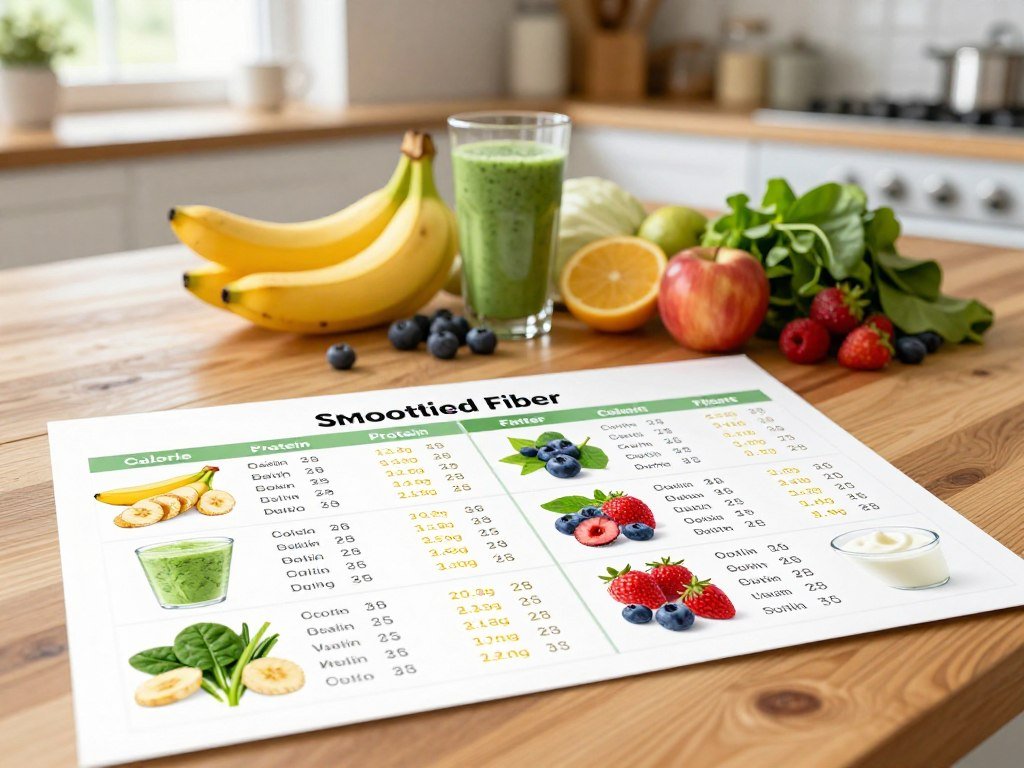
Match protein, fiber and portion to the occasion
A lighter drink can work as a snack, while a larger blend may suit a meal. Your appetite, activity, and other foods that day all matter. A protein smoothie can pair fruit with yogurt or another protein source, but that does not make every recipe a meal replacement.
For a portable workout snack, compare a smoothie with protein bars for the gym. Bars also vary in protein, sugar, and serving size, so choose based on your needs and the product label.
Compare recipe nutrition before you blend
The values below show how five recipes differ per serving. The calorie count can help you judge portion size, while protein and fiber offer more context about what is in the glass.
| Recipe | Calories per serving | Protein per serving | Fiber per serving |
|---|---|---|---|
| Dietitian-designed weight-loss smoothie | 493 kcal | 14 g | 14 g |
| Mixed berry, banana, oat, and cashew butter smoothie | 339 kcal | 9 g | 7 g |
| Creamy Kale Smoothie | 296 kcal | 14 g | 5 g |
| Peach Blueberry Smoothie | 170 kcal | 8.5 g | 4 g |
| Banana-Blueberry-Soy Smoothie | 125 kcal | 3 g | 2 g |
Those numbers are for the listed servings, not necessarily a glass you pour at home. A recipe with fewer calories may be enough for a small snack, but could leave you hungry as breakfast. Compare each recipe’s serving size and ingredients with your own appetite, not calories alone.
Use calories to understand a portion, then consider protein, fiber, and the rest of the ingredients before deciding what the smoothie can replace.
Berry Green Protein Smoothie for Post-Workout Breakfasts
A handful of frozen berries makes this spinach-and-protein blend a straightforward post-workout option. It also works as breakfast if a drink suits your appetite. Whey and plant protein are alternatives, not requirements.
The frozen fruit gives the smoothie a cool, thick texture, while spinach adds greens without taking over the berry flavor.
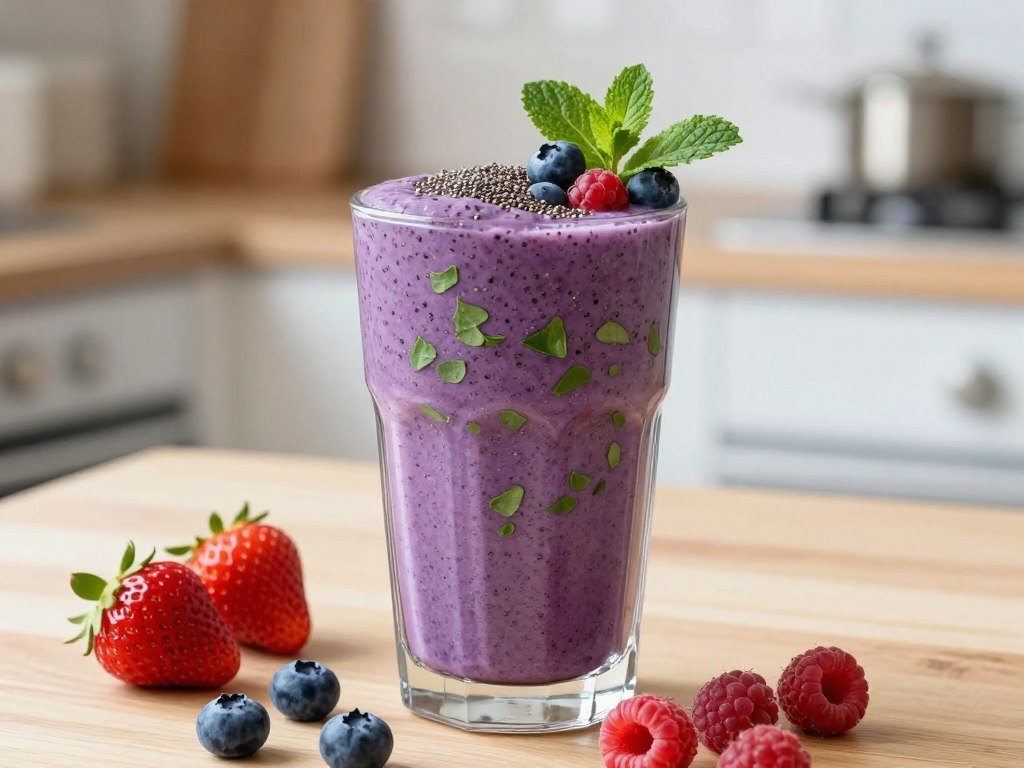
- 1 cup spinach
- ½ cup frozen mixed berries
- 1 scoop whey or plant protein providing about 20-25 g protein
- 1 tablespoon chia seeds
- 1 cup unsweetened almond milk
Add all five ingredients to a blender. Blend until smooth, stopping once to scrape down the sides if spinach sticks near the top.
Protein shake recipes for weight loss for women do not need a separate formula based only on gender. Individual protein needs and the rest of the meal matter more than a gender-specific recipe name.
Chia seeds add fiber and help thicken the drink as it sits. If the smoothie seems too thick, add a small splash of almond milk and blend again. For a colder, spoonable texture, use extra frozen berries instead.
It can be handy to portion the fruit and spinach into a freezer container ahead of time. Add the liquid, seeds, and powder when you blend, so the powder does not clump in storage.
Choose an amount of protein powder that matches your needs rather than assuming a larger scoop is better. Check the protein powder label for added sugar before choosing a scoop.
Tropical Greek Yogurt Smoothie for a Sweet Breakfast
Frozen pineapple and mango bring tropical flavor, while plain Greek yogurt adds creaminess and protein. This recipe gets its sweetness mainly from fruit. The protein estimate is about 18-25 g, depending on the yogurt.
Plain yogurt keeps sweetened add-ins out of the mix, and ground flaxseed gives the drink a slight nutty note.
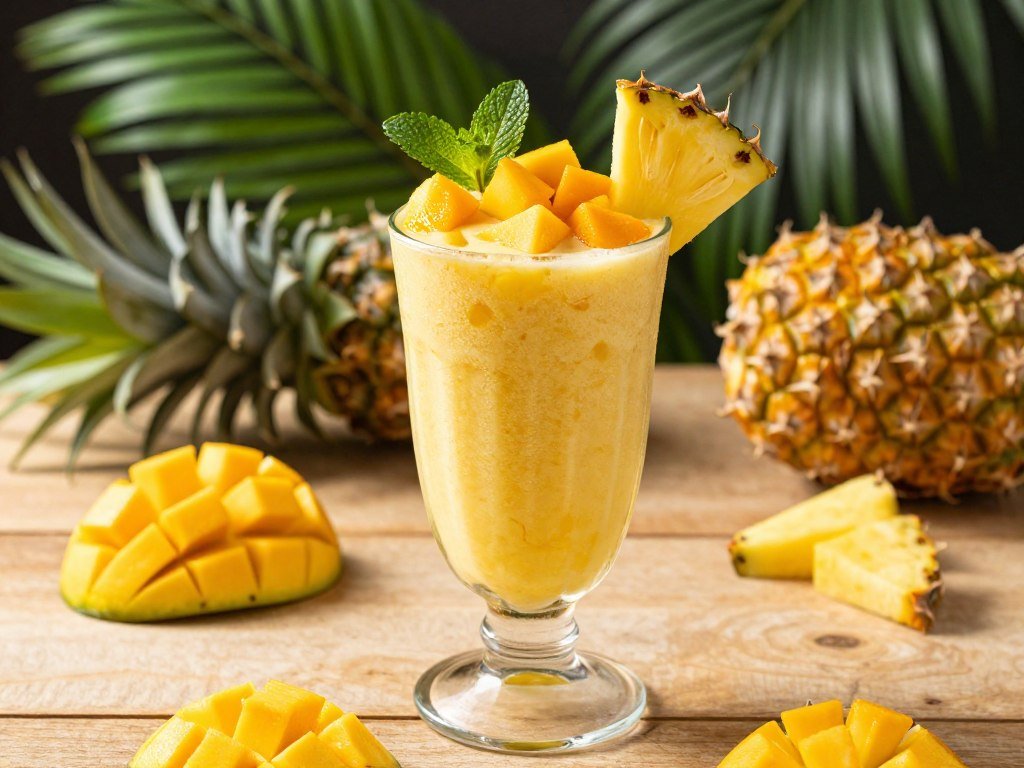
For one serving, gather ½ cup frozen pineapple, ½ cup frozen mango, ¾ cup plain Greek yogurt, 1 tablespoon ground flaxseed, and ½ cup coconut water.
Add the fruit, yogurt, flaxseed, and coconut water to a blender. Blend until creamy, then check the texture. Add a few ice cubes and blend again if you want a colder, thicker drink.
Greek yogurt varies by brand and type, so the protein amount can shift within that range. A thicker yogurt may make the smoothie denser, while a softer one may blend more easily with the frozen fruit.
To make a larger batch, keep the ingredients in the same proportion and pour the finished drink into separate glasses. That makes it easier to see how much each serving contains, especially if you are sharing it for breakfast.
The fruit and yogurt already bring distinct flavors, so give the mixture a taste before changing it. Taste the blend before adding sweetener, since ripe fruit may already make it sweet enough.
Chocolate Almond Protein Smoothie for Chocolate Cravings
Unsweetened cocoa and a small banana make this a chocolatey blend without relying on syrup. Measuring almond butter keeps the portion clear, since it adds both flavor and energy as well as healthy fats.
The cocoa brings a deeper chocolate taste, while banana softens its bitter edge. This mix gives you a different flavor from a fruit-forward breakfast drink.
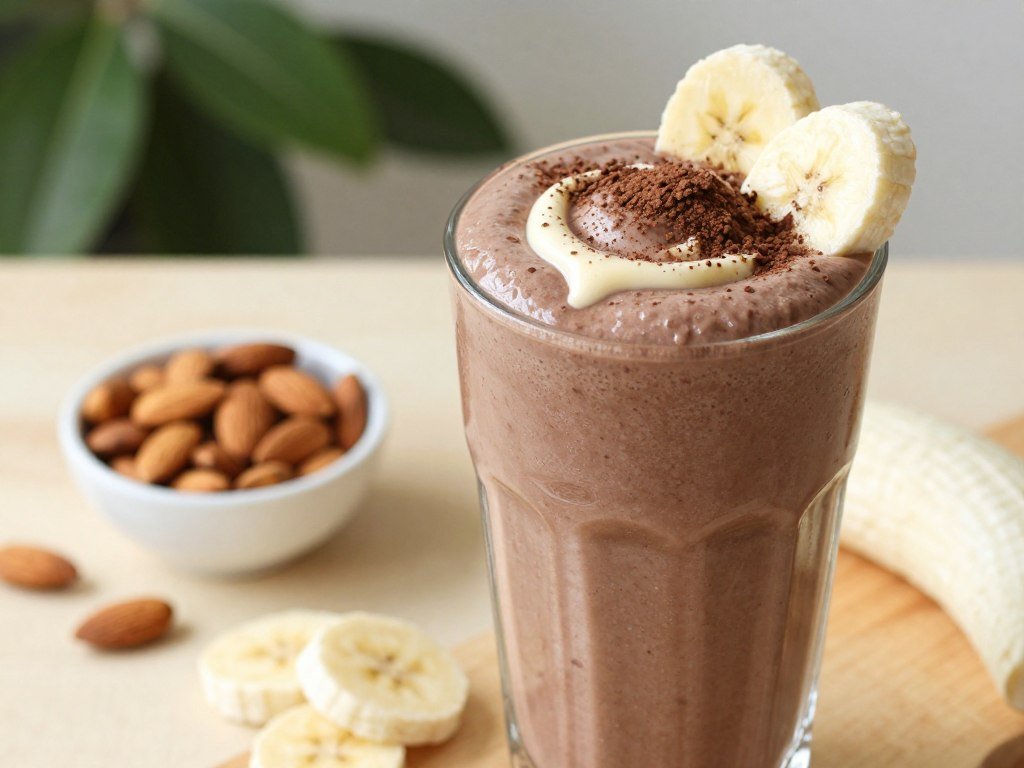
Use 1 scoop chocolate protein powder, 1 tablespoon almond butter, 1 small banana, 1 teaspoon unsweetened cocoa powder, and 1 cup unsweetened almond milk.
Pour the almond milk into the blender first, then add the banana, almond butter, cocoa, and protein powder. Blend until no visible cocoa clumps remain. Stop and scrape down the sides if almond butter sticks to the jar.
For a thicker smoothie, use a frozen banana. If the mixture is too thick to blend, add a little more almond milk rather than pouring in a large amount at once.
Chocolate protein powders can differ in taste and ingredients. Some are sweetened, while others have a stronger cocoa flavor, so the finished drink will depend on the powder you pick.
Almond butter brings healthy fats and a rich, nutty taste, yet a quick pour can make the serving larger than intended. Measure the almond butter instead of pouring it straight from the jar.
Cucumber Mint Yogurt Smoothie for a Lighter Blend
Cucumber and mint give this yogurt smoothie a crisp, cool flavor. Greek yogurt and flaxseed make the drink creamy, while cucumber and honeydew keep its taste fresh rather than rich.
Fresh mint makes the flavor bright without turning the smoothie into a sweet fruit drink.
- ½ cucumber, chopped
- ½ cup honeydew melon
- A few fresh mint leaves
- ¾ cup Greek yogurt
- 1 tablespoon flaxseed
- ½ cup water or ice
Add the cucumber, melon, mint, yogurt, and flaxseed to a blender. Pour in a little water, or use ice for a colder texture, then blend until smooth.
Greek yogurt gives the drink body, while flaxseed adds a mild, earthy taste. Start with less mint if you prefer a subtle flavor; you can add another leaf and blend again.
The water and ice serve different purposes. Water makes the blend thinner without adding chill, while ice cools it and can make the texture thicker before it melts.
This recipe is a lighter-tasting option when you want something cool alongside a meal or as a snack. It is a food choice, not a body cleanse or a treatment for a health condition.
Keep the final texture under your control as you blend. Add the water gradually so the finished drink stays as thick as you like.
Peanut Butter Banana Protein Smoothie
Natural peanut butter and banana make a familiar base for this protein smoothie. One tablespoon of peanut butter gives you a set amount to blend, since nut butter packs a lot into a small spoonful.
Cinnamon adds warmth without changing the basic peanut-and-banana flavor. The almond milk helps the ingredients blend smoothly.
Gather 1 tablespoon natural peanut butter, 1 scoop whey protein, ½ banana, 1 cup unsweetened almond milk, and a pinch of cinnamon.
Add the almond milk and banana to a blender, followed by the peanut butter, whey, and cinnamon. Blend until smooth. If the mix is thick, add a splash of milk and blend again.
The banana can be fresh or frozen. A frozen piece makes the texture colder and thicker, while a fresh one produces a softer drink that pours easily.
Peanut butter adds protein and healthy fats, but this blend is not automatically a complete meal for every person. It can work as a filling snack or a meal component, depending on your appetite and what else you eat.
Think about how long it satisfies you and what else is on your plate before treating it as breakfast. If the blend is meant to replace a meal, check whether it satisfies you and fits alongside the rest of your day’s food.
Pineapple, Banana and Avocado Green Smoothie
Pineapple and banana bring sweetness to this green blend, while avocado makes its texture creamy. The milk choice changes the drink’s nutrition estimate, so use the liquid that fits your preferences.
Spinach blends into the fruit and avocado, giving the smoothie a green color with a mild flavor.
Use 1 cup frozen pineapple, 1 frozen banana, ½ cup frozen avocado, 1 cup spinach, ¼ cup unsweetened full-fat yogurt, and 1½ cups unsweetened coconut water or milk.
Put the coconut water or milk in the blender first. Add the pineapple, banana, avocado, spinach, and yogurt, then blend until smooth. Pause to scrape down the sides if leafy pieces remain.
The frozen fruit and avocado help create a thick texture. For a thinner drink, add more of the liquid you chose and blend again. Coconut water and milk do not have the same nutrition profile.
This combination can suit breakfast when a cool, fruit-and-greens drink sounds good. It does not target belly fat or promise a particular change in body weight.
Choose an unsweetened liquid and remember that changing the milk changes the drink’s nutrition.
Mixed Berry, Banana and Cashew Butter Smoothie
Berries, oats and cashew butter give this dairy-free blend a thicker texture than a fruit-and-liquid-only drink. The recipe makes two servings, so the whole blender is not one portion.
Jumbo oats and seeds add texture, while banana and berries bring a familiar fruit taste.
Measure about 75 g frozen mixed berries, 1 medium ripe banana, 2 tablespoons jumbo oats, 2 heaped teaspoons no-added-sugar cashew butter, 2 teaspoons mixed seeds, and about 250 ml milk alternative.
Add everything to a blender and mix until the berries and oats break down. Pause to scrape the sides if the cashew butter sticks. Soya or almond milk can both work in the recipe.
Use a milk alternative that suits your taste and food needs. Soya milk and almond milk can differ in texture and flavor, so the finished smoothie may not taste exactly the same with each.
Cashew butter is a tree nut product. If you have a nut allergy, choose a suitable alternative instead of cashew butter, and check the other ingredients for allergens.
Pour the finished drink into two glasses or containers before serving. Divide the blend into two servings rather than treating the full recipe as one glass.
Creamy Kale and Pineapple Smoothie
Pineapple and Greek yogurt soften kale’s earthy flavor in this creamy blend. Plain yogurt and fruit set the base taste, so honey is only an optional final adjustment.
Fresh kale gives the drink a green color, while frozen pineapple chills the mixture as it blends.
Use 1 cup coarsely chopped kale, 1½ cups frozen pineapple, ½ cup plain Greek yogurt, ½ cup unsweetened almond milk, and up to 1 teaspoon honey.
Add the almond milk, kale, pineapple, and yogurt to a blender. Blend until creamy, then stop and taste the mixture before adding honey.
Frozen pineapple helps make the smoothie cold without watering it down as ice melts. If your blender has trouble with the kale, chop it into smaller pieces before adding the other ingredients.
Plain Greek yogurt adds a tangy note that balances the pineapple. The smoothie may taste sweet enough without honey, especially when the fruit is ripe and flavorful.
Add the teaspoon of honey only if tasting shows the smoothie needs more sweetness.
Peach Blueberry Smoothie with Kale
Peaches and blueberries bring a sweet, familiar flavor to a small handful of kale. Almond milk and vanilla soy milk taste different, so the liquid you choose can change the sweetness.
Ground cinnamon adds a gentle spice that goes well with the fruit without hiding the greens.
Gather 1 cup chilled almond milk or vanilla soy milk, 4 slices fresh or frozen peaches, about ½ cup, ¼ cup blueberries, a handful of kale, and ¼ teaspoon ground cinnamon.
Add the milk, peaches, blueberries, kale, and cinnamon to a blender. Blend until smooth, then check that the kale leaves have broken down enough for a pleasant texture.
Fresh peaches give the drink a softer, less frosty texture than frozen peaches. If you use frozen fruit, you may not need extra ice to make the blend cold.
Vanilla soy milk may taste sweeter than unsweetened almond milk. Check the carton if you are limiting added sugar, since flavored milk can change the sugar content of the finished smoothie.
Use unsweetened milk when you want to avoid adding sweetness through the liquid.
Banana-Blueberry-Soy Smoothie
Frozen blueberries and banana make a simple, lightly sweet soy smoothie. Adding extra milk changes both the texture and serving volume, so pour it in only if you want a thinner drink.
Pure vanilla extract rounds out the fruit flavor with just one teaspoon.
Use 1¼ cups light soy milk, ½ cup frozen blueberries, ½ frozen banana, and 1 teaspoon pure vanilla extract.
Add the soy milk, berries, banana, and vanilla to a blender. Blend for 20-30 seconds, until the fruit is smooth. Add up to ¼ cup more milk if you prefer a thinner texture.
Frozen banana gives the drink a cold, thick feel, while a fresh banana makes it softer. Slice and freeze ripe bananas in small portions, so you can grab the amount needed for one blend.
This recipe uses a short ingredient list, which makes it easy to adjust. A little extra soy milk can help the blender move, but it also increases the finished volume.
Freeze sliced ripe bananas so you have portions ready when fresh fruit is close to overripe.
How to Build a Smoothie That Fits Your Appetite
A useful smoothie formula starts with produce, then adds a source of protein and a source of fat or fiber. Adjust the parts to match your hunger, rather than assuming every glass needs the same size.
Build in stages, starting with the ingredients you want most. Then decide how much liquid the blender needs to move everything.
Start with fruit and vegetables
A practical starting point is 2 cups frozen fruit and 1-2 cups vegetables. Berries, peaches, or banana can add sweetness, while spinach or kale can bring greens into the mix.
Fruit adds natural sugars, while sweetened juice or flavored yogurt can add sugars during processing or preparation. That difference matters when you want to control sweetness without removing whole fruit.
Add protein for a more substantial blend
Protein options include nuts, seeds, nut butter, yogurt, or milk. These choices also bring other nutrients, and their taste and texture vary. Plain yogurt can make a thick base, while milk blends in smoothly.
A protein snack can take other forms, too. A portable protein bar may suit a day when you cannot blend a drink, though its nutrition depends on the product.
Choose fats, fiber and liquid with care
Nuts, seeds, nut butter, full-fat yogurt, and avocado can add fat. Fruit, vegetables, oats, and seeds can also add fiber. Use the mix that you enjoy, and remember that a generous pour of nut butter or seeds changes the drink’s energy.
| Component | Options | Portion or amount | Role |
|---|---|---|---|
| Fruit | Frozen berries, banana, peaches | 2 cups | Flavor and natural sugars |
| Vegetables | Spinach, kale, cucumber | 1-2 cups | Greens and variety |
| Protein | Nuts, seeds, nut butter, yogurt, milk | Choose a source | Makes the blend more substantial |
| Fat or fiber | Seeds, nuts, avocado, full-fat yogurt | Choose a source | Texture and nutrients |
Unsweetened almond milk is one liquid option, but water or another milk can also work. Smoothies under 100 calories are possible as small, simple blends, yet calories alone do not make a drink filling.
Lower-calorie blends may work as snacks but may not be substantial enough to replace a meal. Adjust the liquid last, since it is easier to thin a thick smoothie than to thicken a watery one.
Can Smoothies Replace Meals Safely?
A smoothie can stand in for a meal when it is satisfying and fits a person’s needs, but replacing most meals is a different approach. A highly restrictive plan can make balanced nutrition harder and may be difficult to follow over time.
Meal replacement means using a drink in place of a usual meal. The 21-Day Smoothie Diet has the pattern shown below.
| Plan component | Smoothie or meal pattern | Other food allowed |
|---|---|---|
| Standard day | 2 meals replaced with smoothies | 1 solid meal and 2 snacks; around 1,500 calories per day |
| Optional detox phase | All 3 daily meals replaced for 3 days | 2 snacks |
| Solid meal | Mostly whole foods | One meal each standard day |
| Snacks | Low in sugar, high in fiber, around 150-200 calories per serving | Two snacks each day |
The recipes in the plan use fruits, vegetables, nuts, and seeds, with coconut milk, coconut water, or almond milk. A solid meal is meant to consist mostly of whole foods, while the snacks have their own nutrition targets.
Daily calorie needs vary with age, body size, health status, and activity. Around 1,500 calories may not suit every person, and a set plan cannot account for every health need or daily routine.
Replacing two meals each day may raise the risk of nutritional deficiencies. The plan can limit foods commonly found in balanced meals, including whole grains, healthy fats, and lean proteins.
Meal-replacement programs can also be hard to keep following. When someone returns to a typical diet, weight regain may occur if the eating changes from the plan are difficult to maintain.
People comparing structured approaches can read about choosing a sustainable weight-loss plan with realistic expectations. Anyone considering a restrictive plan should discuss personal nutrition needs with a qualified health professional.
How to Lose Weight at a Safer Pace
A gradual, maintainable approach is a better goal than trying to lose weight as quickly as possible. For people who are overweight or have obesity, experts recommend an initial loss of 5-10% of starting weight over 6 months. Crash diets that promise rapid loss are best avoided.
Small, steady changes can be easier to maintain than strict rules that leave little room for normal meals and routines.
Avoid rapid loss and repeated weight cycling
Very fast weight loss can raise the risk of gallstones. Long periods of fasting or rapid loss can increase cholesterol in bile and interfere with gallbladder emptying.
Weight cycling means losing weight and gaining it back repeatedly. Gallstone risk may rise as these cycles accumulate, though that does not mean a particular person will develop gallstones.
Instead of banning three foods, look at what is crowding out more nourishing choices. Reducing sugary drinks, sweetened smoothie add-ins, and oversized high-calorie extras can be a practical place to start.
Pair food choices with regular movement
Adults aiming to improve health or prevent weight gain should get at least 150 minutes of moderate-intensity physical activity each week. They should also do muscle-strengthening activity at least 2 days per week.
| Recommendation | Target or rule | Practical example |
|---|---|---|
| Initial weight-loss goal | 5-10% over 6 months | Set a gradual goal with a clinician |
| Moderate-intensity activity | At least 150 minutes per week | Brisk walking or another activity that raises breathing |
| Muscle-strengthening activity | At least 2 days per week | Use weights or body-weight exercises |
Movement can include a workout, a brisk walk, or another activity that fits your ability and schedule. If you eat out often, practical swaps like fruit instead of chips can help; see this guide to Panera menu choices for examples.
Individual needs differ, especially when health conditions affect food or movement. Ask a clinician for individualized advice before making major diet or activity changes, especially when a health condition affects what is safe.
For people who are overweight or have obesity, a 5-10% loss over 6 months is a steadier starting goal than rapid weight loss.
How to Compare Calories, Sugar and Protein on Labels
Check the serving size before comparing the calories, sugar, protein or fiber on two labels. A label for one cup cannot be compared directly with one for two cups until you account for the difference.
Read the serving first, then compare the ingredients you plan to add. A carton of milk or tub of yogurt can change a homemade smoothie’s nutrition.
- Compare serving sizes on both products.
- Check added sugars, not just total sugars.
- Review protein and fiber amounts.
- Check the ingredient list for sweetened milk or yogurt.
Whole fruit contains natural sugars, while added sugars can come from sweeteners used during processing or preparation. The nutrition label lists total sugars and added sugars separately on many packaged foods.
USDA FoodData Central includes nutrient data for foods and beverages reported in What We Eat in America, NHANES. The database is updated every 2 years, so its information may not reflect every recent change to a branded product.
The USDA Global Branded Food Products Database is updated monthly. It has not received new or updated food-component information from Label Insight after November 16, 2023, so its record history differs from FoodData Central.
FoodData Central data are in the public domain under CC0 1.0 Universal. That makes the data available for reuse, while readers should still compare the entry with the product in hand.
For a packaged ingredient, use its current label as well as a database entry when the figures do not match.
Database entries and product labels can differ when a packaged ingredient changes, so compare both before relying on an older record.
Conclusion
A smoothie can make a convenient meal or snack when its ingredients suit your needs. A satisfying blend generally pairs produce with protein and fiber or healthy fats, but it remains one optional part of a broader routine.
Choose a serving that fits your appetite and the rest of your day’s food. Pick one recipe, check its serving and ingredient labels, and adjust it to fit your usual meals.
FAQ
Can smoothies be good for weight loss?
What is the 3 ingredient drink for weight loss?
What are the 10 best smoothie recipes?
What is the 7-Day smoothie weight loss Plan?
What smoothie burns belly fat?
Will I lose weight if I just drink smoothies for a week?
How can I drop 20 pounds quickly?
What is the best smoothie to drink for weight loss?