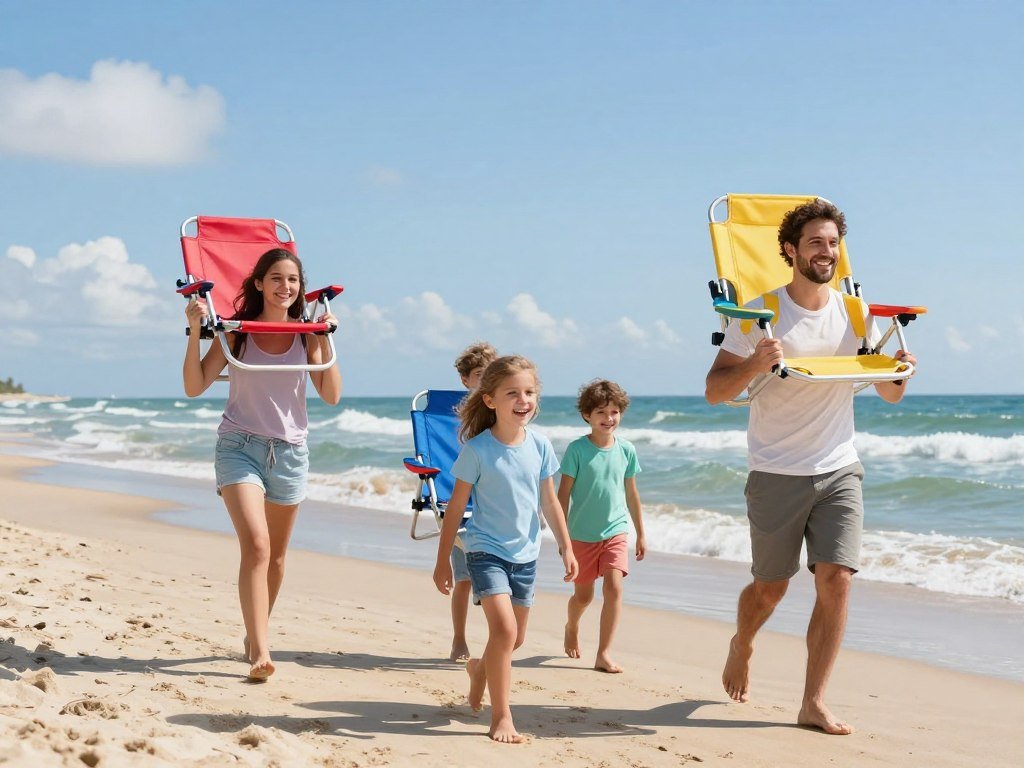
A long beach day feels easier when the chair is comfortable to sit in and simple to bring along. Your best choice depends on how long you will stay, how far you must carry it, and whether you prefer sitting upright or reclining. A quick visit near the parking lot calls for different gear than hours by the water with family. UPF is a rating that indicates how much ultraviolet radiation passes through fabric.
Setup matters, too. A chair that folds fast and carries well can make the walk to your spot feel less like a chore. A seat that suits your body can help you enjoy the day once you arrive. This guide compares chairs by comfort, carry style, recline, shade, price, and upkeep, so you can focus on the features that fit your plans. Choose for the walk to the sand as carefully as you choose for the hours spent there.
Key Takeaways
- Choose seat height and support to match your body and preferred posture.
- Check the folded shape as well as the listed weight.
- Backpack straps can keep your hands free for other beach gear.
- Built-in shade adds convenience, weight, and wind exposure.
- Rinse away salt and sand, then dry the chair before storage.
What matters when choosing a beach chair?
The most useful comparison starts with the distance from the car to your spot, then checks how the chair fits your body. Start with fit, since a light chair can still feel uncomfortable after an hour. Comfort, carry effort, and construction all matter more than one feature alone.
Travel + Leisure tested 46 beach chairs in 2026 for ease of use, comfort, portability, durability, and value. The Equipment Guide assigns 25% each to construction and comfort, 15% each to setup and portability, and 20% to durability. Those weights offer a practical way to compare the parts of a chair that affect a full beach day.
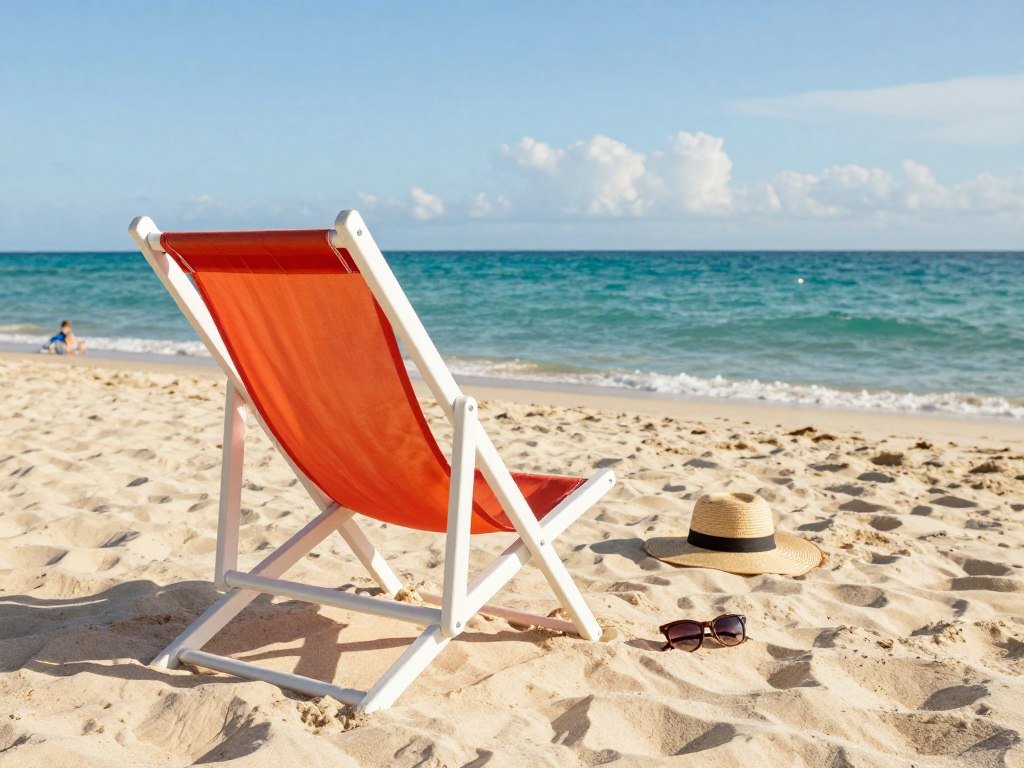
A high load capacity does not prove that a chair will fit your body or feel comfortable.
Comfort, fit, and reclining
Check the seat width, depth, and back support against your usual sitting posture. A narrow seat can pinch, while a deep seat may make standing harder. Armrests can help you shift position and rest your arms.
Reclining positions give you more ways to read, eat, or lean back. A fixed position may suit you if you mostly sit upright. Check whether the recline controls feel simple enough to use without wrestling with the frame.
Do not treat a larger weight limit as a comfort rating. The listed capacity tells you what load the chair supports, not whether its seat, back, or armrests suit you.
Carry weight, packed size, and construction
Compare the chair’s weight with your carry method and the packed shape with your storage space. Backpack straps help distribute a load, while a case can keep a folded chair together. A wide or long package may catch on other gear, even when its weight looks low.
Look for a frame and fabric suited to repeated trips near salt water. Aluminum resists rust better than plain steel, but hinges and fasteners still need care. Check how the chair folds, how long setup takes, and whether its fabric feels secure across the frame.
- Seat fit: check width, depth, back support, and armrest position.
- Carry method: choose straps or a case that suit your hands and gear.
- Packed size: compare the folded shape with your car or storage space.
- Construction: look for corrosion-resistant parts and sturdy joints.
These checks make comparing chairs easier than choosing by appearance alone. Before buying, compare the packed shape as well as the listed weight, since awkward dimensions can make a light chair cumbersome to carry.
Best Beach Chairs for Different Beach Days
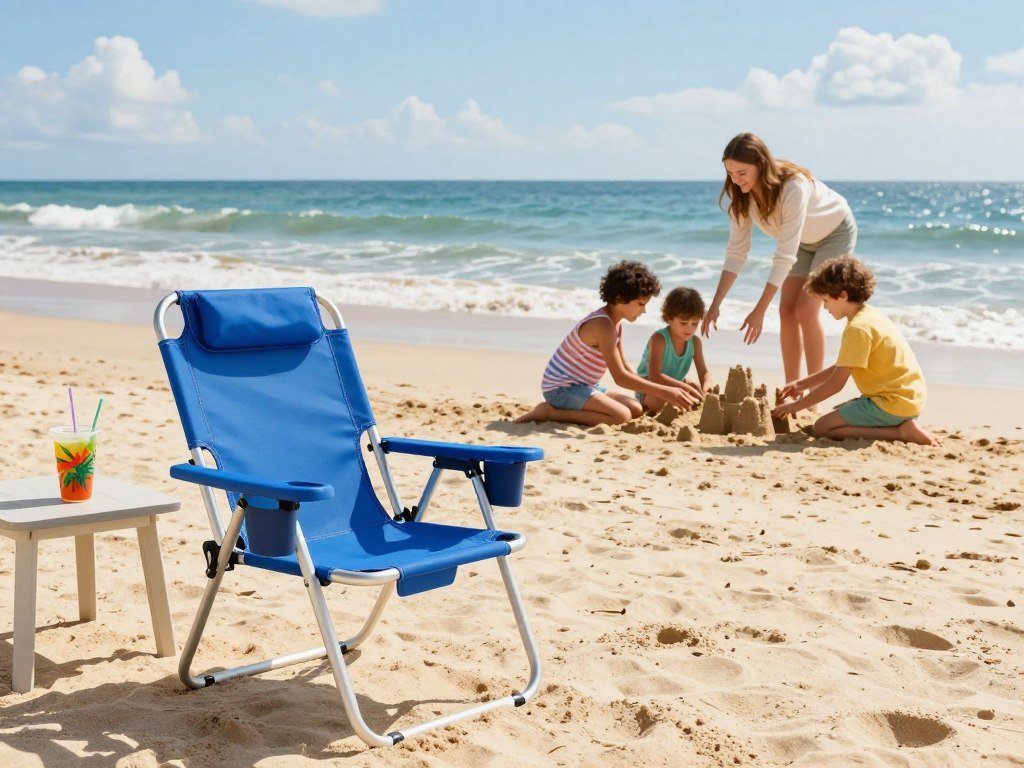
The Shibumi Chair is the strongest all-around choice here for a reader who wants a portable seat with multiple recline options and built-in essentials storage. Its extras are useful when you want hands-free carrying and a place for small items. It has four reclining positions and a 300-pound load capacity.
The Shibumi beach chair costs $188 and has padded backpack straps, a neoprene drink holder, and an essentials holder. Its powder-coated marine-grade aluminum frame and stainless-steel hardware are designed to resist rust and corrosion. The limited lifetime warranty covers repair or replacement when the company is responsible for the problem.
The chair holds a 4.8-out-of-5 rating from 741 reviews, and 96% of reviewers recommend it. Those numbers can help you judge customer response, but they cannot confirm the fit you need. Adults looking for the best beach chairs should match a pick to the carrying distance and the posture they prefer.
| Model | Price | Weight | Load capacity |
|---|---|---|---|
| Shibumi Chair | $188 | 8 pounds | 300 pounds |
| SUNFLOW Shore Thing Chair | From $145 | About 8 pounds | 250 pounds |
| SUN’Y Escapes Backpack Beach Chair | $109.99 | 7.5 pounds | 250 pounds |
Shibumi for everyday flexibility
The Shibumi Chair folds to 30.7 x 24.8 x 3.75 inches. Its 12-inch seat sits close to the ground, which some people may find low. Its four positions and padded straps make it a flexible pick if you are comfortable with that seat height.
A limited lifetime warranty covers repair or replacement when the company is at fault. It does not remove the need to check how the seat and armrests fit your body.
SUNFLOW and SUN’Y for different needs
The SUNFLOW Shore Thing Chair has three reclining positions, a 13-inch seat, padded armrests, and backpack straps. It weighs about 8 pounds and supports 250 pounds. Its powder-coated aluminum frame and water-resistant marine fabric have GREENGUARD Gold certification.
The SUN’Y Escapes Backpack Beach Chair weighs 7.5 pounds, supports 250 pounds, and has four reclining positions. It sits 8 inches off the ground, so it suits a low lounging posture better than easy entry. The chair has an aluminum frame, beechwood armrests, recycled ocean-bound plastic fabric, and built-in straps. It has a 30-day return period and ships from California.
Check the chair’s seat and armrest shape against your own fit needs before treating a high review score as a guarantee of comfort.
Which beach chairs are easiest to carry?
For a long walk across sand, carry method matters as much as the number on the scale. Hands-free straps help when you also carry a cooler or family gear. A lightweight chair is especially useful for a long carry, while a backpack chair leaves your hands free.
A compact case keeps a folding beach chair together and may fit into a vehicle or larger pack. Backpack straps let you carry the chair on your back, but do not always make it smaller. Think about the path, your other gear, and how you prefer to carry weight.
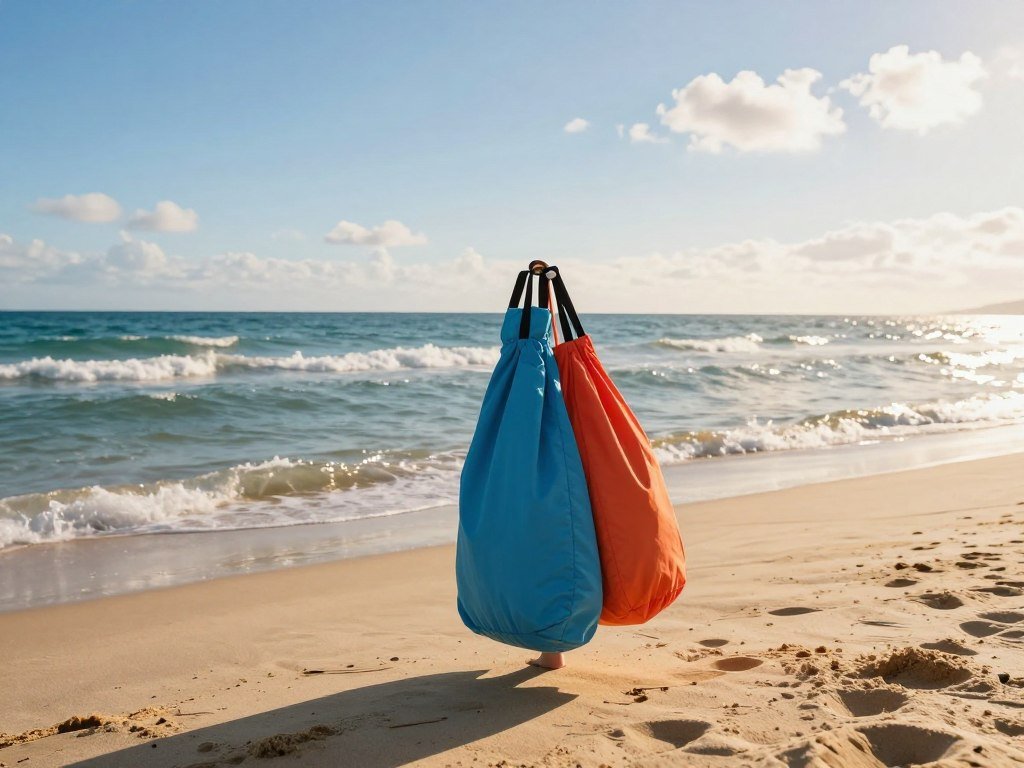
Backpack straps for hands-free trips
The Helinox Beach Chair (re) uses 300D recycled fabric, wider aluminum poles, tougher nylon hubs, and a perimeter tension line. It also has a mesh side pocket. Its zip case measures 21 x 6 x 4.5 inches, a slim shape that can sit beside other packed gear.
This model is designed for adults up to 6’4″. Its splayed legs and flat feet aim to reduce sinking in sand, mud, or turf. It has no canopy, though it works with the separate Helinox Personal Shade.
The Helinox Beach Chair (re) Mesh packs into a 21.5 x 6.5 x 9-inch mesh tote. That tote is wider than the zip case, so check which packed shape fits your load better. The name is similar, but the case dimensions differ.
Compact packable chairs for longer walks
The standard Helinox Beach Chair weighs 4 pounds with its mesh carrying case and uses recycled aluminum. It does not recline, so its fixed position trades lounging options for a small carry load. The listed price is $190 at Backcountry and $210 at Helinox.
By contrast, the Shibumi and SUNFLOW chairs offer several reclining positions, but their frames and seats create a different packed load. A folding beach chair with backpack straps may make more sense when your hands must carry snacks, towels, or a cooler.
Compare the case dimensions with the space available in your backpack or vehicle. Measure the chair’s packed length against your own backpack or vehicle storage space before choosing a compact model.
Which chair gives you the most room to recline?
The Zempire Xuno is the better fit for a nap on the sand, while the Yeti Hondo prioritizes a cushioned, springy lounging feel. Choose the Xuno for rest and the Hondo for a softer, flexible seat. Both add comfort features at the cost of a simpler, lighter carry.
The Xuno Beach Camp Chair costs $180, weighs 15 pounds, and packs into a case more than 31 inches long. Its padded seat, adjustable headrest, and reclining levers support a nap-focused setup. The longer case and heavier frame make it awkward for a long walk across the beach.
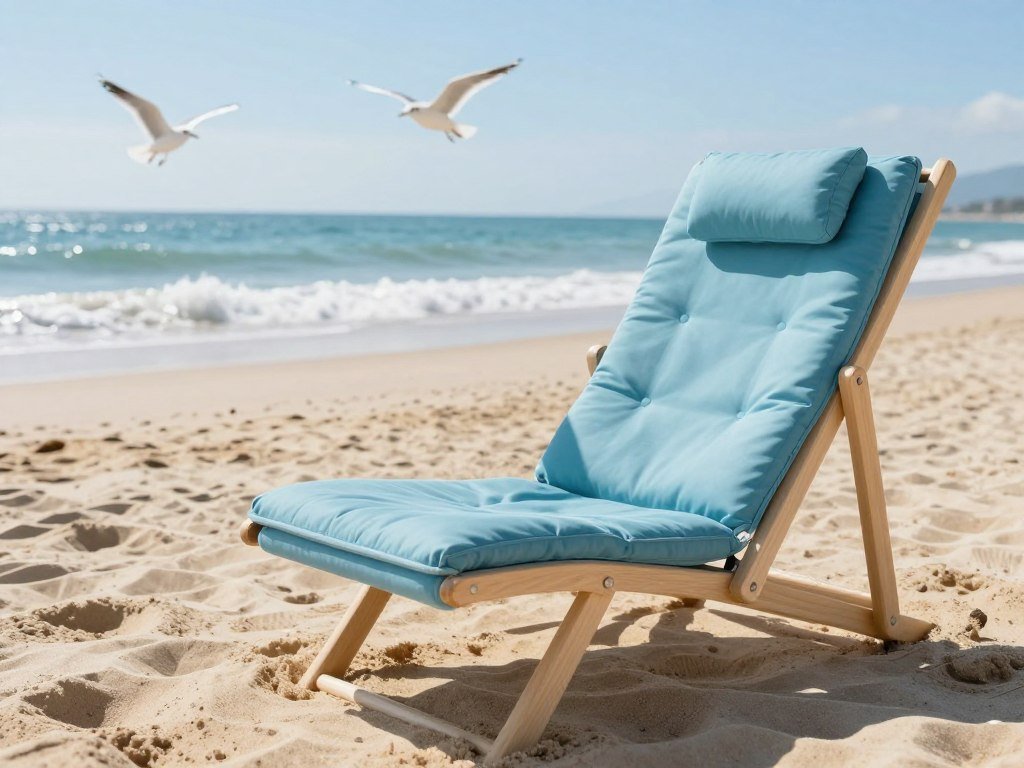
Deep recline for reading and resting
The Xuno gives you a larger recline range than a fixed-position chair. Its headrest can help you settle in for a rest, while the levers let you change your angle. Those features matter most when you plan to spend a long time sitting.
A fixed-position chair may be the better choice if you care more about packability than reclining. It takes fewer adjustments and may make the walk from your car easier. You give up the option to lean back and shift your posture.
Think about how you will use the seat before choosing more moving parts. If you mostly read or sit upright, deep recline may add bulk without improving your beach day.
A cushioned seat for longer lounging
The Yeti Hondo Beach Chair costs $300 and supports 350 pounds. Its springy tensioned mesh and multiple reclining positions offer a comfort-focused alternative to the Xuno. The mesh flexes under you, creating a different feel from a padded seat.
The Hondo’s price and features may suit someone who plans to lounge for hours. The Xuno is the nap-focused choice, while the Hondo emphasizes springy support. Neither is as easy to pack as a compact, fixed-position chair.
Consider the full carry from your car to your spot, not just the time you will spend seated. If the beach requires a long walk from the car, count the chair’s packed bulk as part of the comfort trade-off.
Which beach chair is easiest to get in and out of?
A higher seat and armrests sturdy enough to push against are the first things to check when standing up is difficult. Look for 15 inches or more in seat height, plus firm armrests. A 15-inch seat or higher is the better target for easier entry and standing.
SUN’Y recommends a seat height of at least 15 inches for seniors. It notes that seats below 12 inches can feel like sitting on the floor. Its carry guidance also favors chairs under 9 pounds for seniors crossing sand.
Seat height and standing effort
The SUNFLOW Shore Thing Chair has a 13-inch seat, while the Shibumi Chair sits 12 inches off the ground. Both fall below the 15-inch target, so neither is a perfect match for someone who finds low seating hard to leave.
A higher seat can reduce how far you must lower yourself. Yet a taller frame still needs to feel stable on uneven ground. Check that all legs rest firmly before sitting down.
Armrests that help you push up
Solid, padded armrests give you a place to press as you stand. Thin tube armrests may bend under that force, so look closely at their shape and build. Seat support matters, too, since a soft or sagging sling can make standing harder.
Use this short checklist when comparing chairs:
- Seat height: aim for 15 inches or higher.
- Armrests: choose solid supports you can push against.
- Stability: check that the frame sits firmly on the ground.
- Carry weight: choose a load you can manage across sand.
Low seats can still work if you enjoy lounging near the sand and can stand comfortably. A higher seat is not automatically the right choice for every person or beach setup. Try the sitting and standing motion before a long beach day, especially if the chair sits close to the sand.
What should you know about beach chairs with shade?
A built-in canopy saves you from carrying a separate shade, but it adds weight and can make a chair harder to fold flat. That trade-off matters if you pack several chairs or carry other gear. Built-in canopy chairs typically weigh 2 to 3 pounds more than chairs without canopies.
Built-in shade chairs typically weigh 10 to 13 pounds, while tall canopy lounge chairs typically weigh 12 to 18 pounds. A separate shade can come off when you do not need it, but it adds another item to your setup. The best beach umbrella options also vary in coverage, anchoring, and wind exposure.
Built-in canopy or separate shade
An attached canopy stays with the chair and gives you shade without a separate frame. It can also make folding and packing less simple. A removable shade lets you change the setup, though you must carry and attach it yourself.
The SUN’Y Escapes Backpack Beach Chair weighs 7.5 pounds and has a rust-resistant aluminum frame with four reclining positions. It has no built-in canopy, so it stays lighter than many shade chairs. SUNFLOW’s Sun Shade costs $48, and its Universal Sun Shade costs $65. Both have a UPF 50+ rating.
Shade depth, fabric rating, and wind
Choose a canopy at least 18 inches deep with a UPF 50+ rating. UPF shows how much ultraviolet radiation passes through fabric, so a higher rating means less passes through. A review of ultraviolet-protective clothing explains that UPF 50+ fabric blocks about 98% of UV radiation in clothing. That figure describes clothing fabric, not a beach-chair canopy.
Check the forecast and feel the wind before setting up an attached canopy. A canopy can catch gusts like a sail, which can pull on the chair. Lower or remove an attached canopy when gusts exceed about 15 mph so it does not catch the wind like a sail.
How much should you spend on a beach chair?
A useful beach-chair budget starts with the features you will use, not the highest price you can justify. Under $70 can cover simple needs, while higher prices may add shade, storage, or more complex seating. Spending over $180 is usually unnecessary for most beach chairs.
The Equipment Guide groups prices into three rough buying bands: under $70, $70 to $100, and over $100. The bands help you compare chairs, but they do not promise that one model will fit every person. Check what each chair includes before paying more for extras.
| Model | Price | Weight | Load capacity | Open dimensions |
|---|---|---|---|---|
| SUNNYLiFE Utopia Deluxe | $140 | 8.8 pounds | 331 pounds | 21 x 24 x 30 inches |
| Tommy Bahama Backpack Beach Chair | $72.99 | 7.88 pounds | 300 pounds | 24 x 25 x 30 inches |
| RIO BEACH Folding Chair | $55.53 | 7.7 pounds | 250 pounds | 23 x 25.25 x 32 inches |
| Kijaro Beach Sling Chair | $55 | 6.6 pounds | 300 pounds | 29 x 33 x 33.8 inches |
| Ostrich Deluxe 3-in-1 Beach Chair | $136.90 | 10.8 pounds | 275 pounds | 61.76 x 38.1 x 39.73 inches |
Lower-cost picks for occasional outings
Under $70 includes the RIO BEACH Folding Chair at $55.53 and the Kijaro Beach Sling Chair at $55. Both support 250 pounds or more. Their open dimensions differ, so compare the space each takes up when in use.
The $70 to $100 band includes the Tommy Bahama Backpack Beach Chair at $72.99. It weighs 7.88 pounds and supports 300 pounds. The GCI Outdoors Waterside Sunshade Backpack Beach Chair costs $80, weighs 10 pounds, and supports 250 pounds.
Higher-priced chairs with added features
Over $100 can buy added features or a different style of lounging. The SUNNYLiFE Utopia Deluxe costs $140, while the Ostrich Deluxe 3-in-1 costs $136.90. The SUN’Y Escapes Backpack Beach Chair costs $109.99.
Luxury beach chairs may offer features you value, but a high price alone does not guarantee a better fit. Most people do not need to spend more than $180 for a useful beach chair. Compare load capacity and open dimensions alongside price so a low-cost chair still fits the person and the spot.
How can you keep a beach chair steady and durable?
Salt and grit work into joints and hinges, so durability depends on more than the chair’s main frame material. Check the whole build, including fabric, fasteners, and moving parts. A stainless-steel frame does not make every chair component corrosion-proof.
The Parkit Voyager Outrider costs $200 and has backpack straps with an attachable cooler. It combines a stainless-steel frame, aerospace-grade aluminum parts, and woven nylon fabric. Those materials serve different roles, but each joint and panel still needs care.
Materials that handle salt and sand
Aluminum and stainless steel can help a frame handle damp beach conditions. Fabric also needs to stay firmly attached and dry well after use. No single material tells you how every hinge, fastener, or seat panel will hold up.
One easy mistake is assuming that a stainless-steel frame makes every part resistant to corrosion. Hinges and small fasteners may use different materials, and grit can wear at moving joints. Check how the chair folds and whether sand collects around its connections.
SUNFLOW chairs have a limited one-year warranty for manufacturing defects. A warranty can cover certain build problems, but it does not replace basic care after salt and sand exposure.
Simple care after a beach day
Use this three-step routine after a day near the water:
- Rinse away sand and salt with fresh water.
- Dry the chair fully before storage.
- Inspect hinges and joints for trapped grit or wear.
Do not assume a stainless-steel frame makes every part of a chair safe from corrosion.
Pay special attention to the folding points, where sand can stay hidden. Store the chair only after it is dry, and check moving joints for trapped sand before folding it away.
Conclusion
For most beach days, start with the Shibumi Chair if you want a portable, adjustable seat with useful built-in storage. A compact Helinox suits a long carry, while a chair with a higher seat may make getting in and out easier. Your own fit should guide the final choice more than a feature list.
Think about how you travel, how much gear you bring, and how you like to sit. Then compare the folded chair with the space in your vehicle and the way you will carry it. Before ordering, check the folded dimensions and make sure the chair fits the way you plan to travel.
FAQ
Can a lightweight beach chair still work for a full day?
How tall should a beach chair be for easier standing?
How do I keep a beach chair from sinking into soft sand?
Can I leave a beach chair outside overnight?
How many reclining positions should a beach chair have?
What is the difference between a built-in canopy and an attachable shade?