
Carrying groceries, getting up from the floor and lifting weights all call for a steady midsection. The best exercises for core strength can help your body handle these everyday tasks, along with workouts that ask for balance and control. The deep core means the muscles that help stabilize the spine and pelvis from within, including the transverse abdominis, multifidus, diaphragm and pelvic floor.
The 15 moves here range from beginner-friendly floor exercises to harder, full-body challenges. You can adapt many of them for home or the gym, with or without equipment. The aim is useful movement, not just visible abs. A good starting point is the level at which you can move slowly and breathe normally.
Key Takeaways
- Your core includes muscles around the front, sides and back of your trunk.
- Choose exercises that match your current control and comfort.
- Keep breathing as you brace your body during movement.
- Begin with simple moves before adding weight or harder positions.
- Persistent or worsening discomfort calls for a health professional’s assessment.
What Makes Up the Core Muscles?
The core is a group of muscles around the trunk, not another name for the six-pack muscle. Its muscles support the torso and help control motion through your back and hips. The full region includes the front, sides and back of your body.
Core muscles do more than bend the trunk or shape the abs. The Cleveland Clinic’s overview of abdominal muscle anatomy describes how abdominal muscles support movement and stability. This table shows how five key muscles contribute.
| Muscle | Location | Main role | Movement example |
|---|---|---|---|
| Transverse abdominis | Deep layer around the trunk | Helps stabilize the pelvis | Holding a steady trunk |
| Obliques | Along the sides of the abdomen | Support trunk rotation | Turning to reach |
| Rectus abdominis | Front of the abdomen | Helps bend the trunk forward | Sitting up |
| Multifidus | Along the spine | Supports the spine | Keeping the back steady |
| Erector spinae | Along the back of the spine | Extends the trunk | Standing upright |
Your core is a working group across the trunk, not a single muscle you can train in isolation.
The internal and external obliques both help turn the torso, while the rectus abdominis helps bend it forward. The multifidus supports the spine, and the erector spinae helps extend the trunk. These roles overlap during many movements.
The diaphragm and pelvic floor also contribute to deep-core function. The diaphragm sits below the lungs, while the pelvic floor spans the base of the pelvis. The useful distinction is that abs describe only part of the larger core region.

Why Train Beyond the Six-Pack?
A steadier trunk gives your arms and legs a more stable base for movement. That can help you transfer force between your upper body and lower body during lifting, running or reaching. Control matters in daily tasks, too.
Core training can support movement and balance, but it cannot promise injury prevention. A 2022 review found core-stability exercise helped reduce pain and improve function and core strength in people with nonspecific lower-back pain. Those results do not mean the same routine suits every person with back pain.
A 2024 study found a hip-and-core exercise program helped prevent lower-extremity injuries among novice recreational runners. A 2025 review found core-muscle training can improve core strength, dynamic balance and sprint speed. These findings cover different groups and outcomes, not a guarantee for every athlete.
Core work can help you feel more organized when your body shifts, turns or carries a load. Pilates results offer another example: three one-hour sessions per week for two months were associated with better postural-stability test results. That finding describes a test outcome, not a cure for posture problems.
- Steadier lifting during strength workouts
- Better balance while reaching or changing direction
- Improved posture during daily movement
- Support for athletic movement and force transfer
Persistent pain needs individual assessment rather than a promise of benefit from exercise alone. Treat better movement and control as the goal, not a guarantee against injury.
How Do You Engage Your Core Without Holding Your Breath?
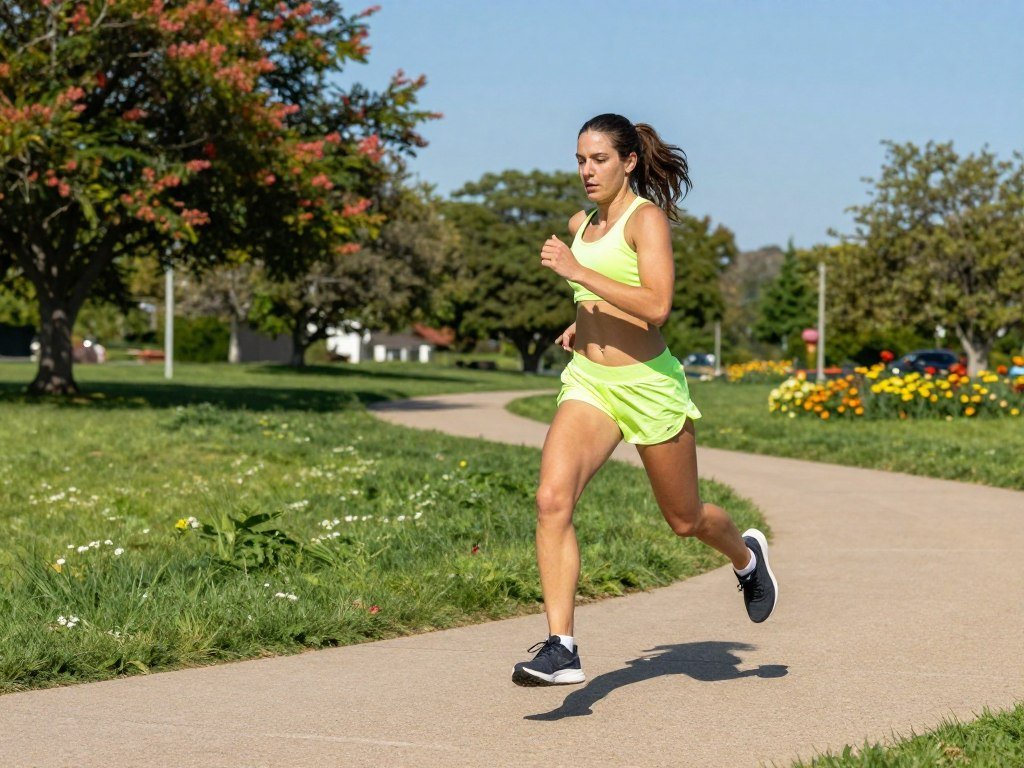
A useful core brace feels firm enough to steady your trunk but light enough to let you breathe. A floor drill can help you notice that tension without adding weight. Start gently and keep the effort comfortable.
Lie on your back with knees bent and feet flat. Slide your hands under your lower back, then press your back gently toward the floor. Hold for 6-10 seconds, release, and repeat 3-4 times.
Keep breathing throughout each hold. The goal is to feel your trunk firm up while your breath keeps moving. Bracing and breathing work together, rather than taking turns.
- Tighten as if preparing for a light bump.
- Keep breathing instead of holding your breath.
- Ease off if you squeeze so hard that breathing stops.
Try a slow breath in and out as you maintain light pressure. If your shoulders rise or your jaw tightens, you may be using more effort than needed. Reduce the tension if you cannot breathe comfortably through the brace.
What Are Signs of a Weak Core?
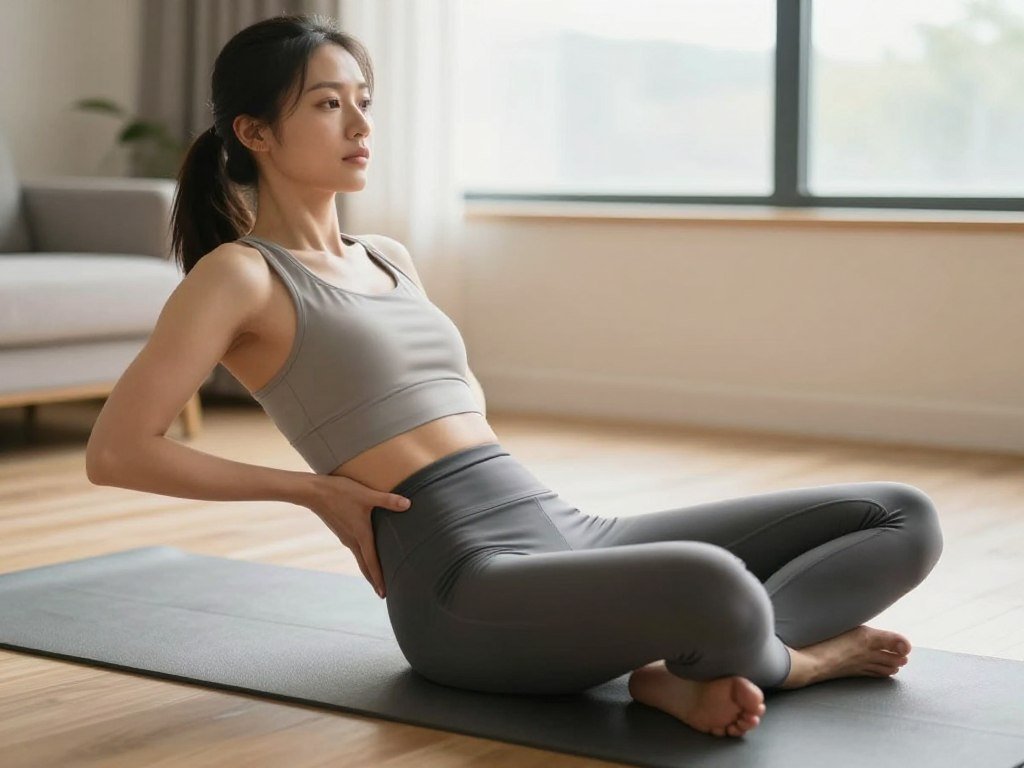
Losing posture during ordinary tasks or tiring quickly while carrying groceries can be a reason to look more closely at core control. Possible signs include trouble with balance or coordinated movement. These signs are clues, not a diagnosis.
Symptoms alone cannot show what is causing a problem. Persistent lower-back discomfort during long periods of sitting or standing may also be a sign to discuss. Pain and fatigue can have many causes beyond core strength.
- Difficulty maintaining posture during everyday tasks
- Balance trouble or less coordinated movement
- Getting tired quickly while lifting groceries or other daily loads
- Persistent lower-back discomfort after prolonged sitting or standing
An assessment may include watching how you move and checking your breathing pattern. A health professional may also assess pelvic-floor muscle coordination. A core assessment can review movement and breathing along with other factors tied to your needs.
A symptom that appears during one task may not point to the same cause as discomfort that lasts all day. Note when it starts, what makes it better or worse, and which activities bring it on. Persistent or worsening discomfort deserves assessment by a qualified health professional.

How Often Should You Train Your Core?
Two or three focused deep-core sessions a week is a practical starting point for many people. The right schedule also depends on recovery and the rest of your workouts. Leave room to recover between hard efforts.
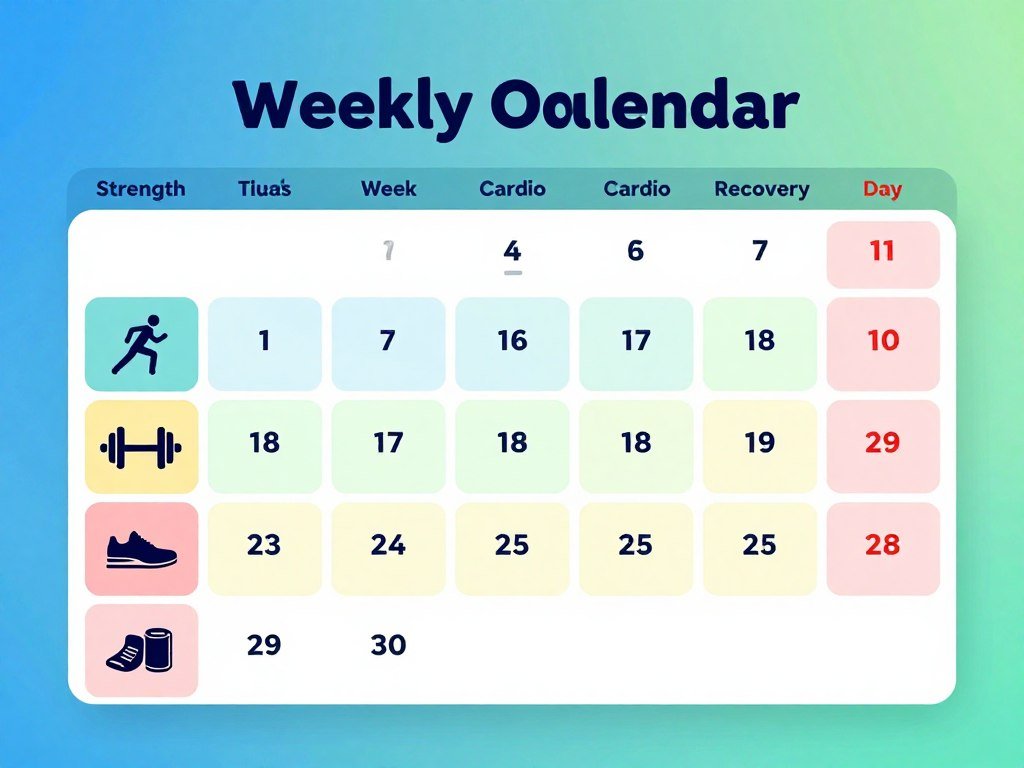
Focused deep-core work can fit 2-3 times per week. One meaning of a 3-3-3 schedule is three days of strength, three days of cardio and three days of rest or active recovery. Spread recovery across the sequence rather than training for six days before resting.
A different 3-3-3 approach means three exercises, three sets of each and three repetitions per set. The name alone does not tell you which version someone means. Choose a plan that fits your overall training and ability to recover.
Beginners can also use a simple full-body plan and add a few core exercises to selected sessions. For ideas on matching training to your goals and schedule, see these workout routine options. Adjust your workload if your performance drops or soreness lasts.
Focused training is only one part of a workout week. Your other strength work may already ask the trunk to resist movement, especially during loaded lifts. Choose one meaning of 3-3-3 before using the label to plan a workout.
How Do You Choose the Best Exercises for Core Strength?
Start with the movement challenge you want to improve, then select a move that matches your control and equipment. The best exercises for core strength train different jobs, so one move cannot cover every need. Match the move to the goal.
Dead bug is a useful first choice for a beginner seeking a controlled core-strength move. This table groups five options by purpose and demand.
| Training need | Example move | Equipment | Best fit |
|---|---|---|---|
| Beginner bracing | Dead bug | None | Controlled limb movement |
| Lateral stability | Side plank | None | Side-body control |
| Resisting rotation | Pallof press | Band or cable | Steady trunk under a pull |
| Posterior support | Glute bridge | None | Hip and glute strength |
| Advanced coordination | Turkish get-up | Optional weight | Whole-body control |
Beginners can start with bodyweight and add equipment or complexity when they can keep control through each repetition. For instance, a band can add a sideways pull to a Pallof press. A heavier load is not automatically a better choice.
Consider what the exercise asks you to do, not just which muscles you feel. A steady body line, a controlled reach or a balanced carry may suit different goals. A move is a good fit when you can keep your trunk steady through its full, comfortable range.
Which Deep Core Exercises Suit Beginners?
Dead bugs, bird dogs and glute bridges suit beginners because each lets you practice control before adding a heavy load. Start with the floor, where you can move at a steady pace. Choose a range that allows controlled breathing and a steady back.
Dead Bug
Lie on your back with knees bent and feet lifted, then raise your arms above your chest. Keep your lower back controlled as you slowly lower one arm and the opposite leg. Return to the starting position and switch sides.
Move only as far as you can without your back lifting or your ribs flaring. A shorter reach is still useful if it helps you stay steady. Try 10 repetitions per side as a practical target, and stop sooner if your form changes.
Keep your neck relaxed and breathe through each reach. The exercise gets harder as your arm and leg move farther from your torso. Begin with a small range and build it only when you can control the return.
Bird Dog
Start on your hands and knees, with your hands under your shoulders and knees under your hips. Reach one arm forward as you extend the opposite leg behind you. Keep your hips level rather than tipping to one side.
Pause briefly, then bring your hand and knee back under your body. Switch sides and move slowly enough to avoid rocking. If a full reach feels unsteady, lift just one arm or one leg at a time.
The bird dog adds a balance challenge while you hold a stable trunk. Keep your head in line with your back and look toward the floor. A smaller reach is a good choice when your hips start to turn.
Glute Bridge
Lie on your back with feet flat, knees bent and arms by your sides. Press through your feet and lift your hips by squeezing your glutes. Stop when your body forms a comfortable line from shoulders to knees.
Do not arch your back to lift higher. Lower your hips with control and reset before the next repetition. A routine can use 3 sets of 12-15 repetitions, though fewer repetitions are fine when control fades.
This move trains the glutes and hip support without requiring equipment. Keep your feet planted and let the hips do the work. Stop a repetition when your back or hips can no longer stay controlled.
Which Plank Variations Build Whole-Core Control?
Forearm planks, side planks and plank pull-throughs challenge bracing in different positions. A plank is about keeping your body organized, not collecting the longest possible hold. Good alignment comes first.
Forearm Plank
Place your elbows beneath your shoulders and your forearms on the ground. Extend your legs and press through your toes, forming a line from head to heels. Tighten your glutes and abdomen without lifting your hips too high.
Breathe steadily while you hold the position. End the hold before your hips sag or your lower back begins to arch. A shorter hold with a steady body line is a better practice than staying up after your form slips.
You can make the move easier by placing your knees on the floor. Keep your shoulders above your elbows and your neck in line with your torso. If you want more challenge, first make sure you can hold the basic version with control.
Side Plank
Lie on one side and place your elbow under your shoulder. Stack or stagger your feet, then lift your hips so your body forms a straight line. Keep your upper shoulder from rolling forward.
Bent knees make a useful easier version. Set your knees on the ground, keep your elbow below your shoulder and lift your hips from that position. You can work on a steady hold before extending your legs.
The side plank asks the muscles along your side to resist a collapse toward the ground. Keep the effort smooth rather than forcing your hips higher. Switch sides so both sides of your body get practice.
Plank Pull-Through
Start in a high plank with your hands under your shoulders and a light dumbbell beside one hand. Reach the opposite hand under your body, drag the weight across the floor, then set your hand down.
Keep your feet wide enough to help steady your hips. Move the weight slowly, and limit how much your hips rotate as your hand crosses. Use a light dumbbell first, since a heavier one can pull your trunk out of position.
The NASM guide to plank coaching and progressions also stresses a straight body line and steady breathing. Choose the variation that lets you maintain alignment without discomfort in your lower back.
Which Exercises Train Rotation and Resist It?
Russian twists train controlled trunk rotation, while Pallof presses teach you to resist rotation. A cable woodchop adds a standing diagonal pull. Moving and resisting are separate skills.
Russian Twist
Sit on the floor with knees bent and feet planted. Lean back slightly while keeping your back comfortable, then turn your torso from side to side. Let your chest and shoulders turn together rather than swinging your arms alone.
Start with bodyweight and use a small range. You can try 10-12 repetitions as a sample range, moving from one side to the other with control. A loaded twist is not the first choice if you cannot keep a stable, comfortable back position.
Keep your hips steady as your torso turns. If your lower back rounds or discomfort starts, make the movement smaller or stop. You do not need to lift your feet to make the exercise useful.
Pallof Press
Anchor a resistance band or cable around chest height. Stand sideways to the anchor and hold the handle with both hands at your chest. Step away until you feel a light pull from the side.
Press your hands straight forward, then bring them back to your chest. Resist the pull that tries to turn your torso toward the anchor. Keep your feet planted and your shoulders relaxed as you press.
Choose a resistance that lets you stay square without leaning. A stronger band or heavier cable increases the challenge, so start light. The goal is to resist the turn, not to move your hips away from the cable.
Cable Woodchop
Stand beside a cable station with the handle set high or low, depending on the direction you want to pull. Hold it with both hands and guide it diagonally across your body. Let your torso and hips move together within a comfortable range.
Return slowly instead of letting the cable pull your arms back. Keep your knees soft and your feet stable. Use a light load until you can control both the pull and the return.
Unlike the Pallof press, the woodchop involves a turn through the diagonal path. A cable can make the pull feel smooth, but it should not force your body into a sharp twist. Use a resistance level that lets you finish each turn or press without losing control.
Which Moves Support the Back and Posterior Chain?
Supermans, back extensions and suitcase carries train the back of the trunk, glutes or loaded posture. Posterior-chain work can train trunk support without relying on repeated crunches. Keep the range modest.
Superman
Lie face down with your arms reaching in front of you and legs long. Keep your neck neutral, then gently lift your arms and legs a small amount. Pause briefly and lower them with control.
Avoid forcing your lower back into a deep arch. The goal is a modest lift, not the highest reach you can manage. If the move feels uncomfortable, make the lift smaller or try lifting only your arms or legs.
A 2018 study in the Journal of Exercise Rehabilitation compared graded Superman variations, including versions with and without an abdominal drawing-in maneuver, among young adults. That comparison does not show that the exercise treats back pain. Keep every lift and carry within a range that feels controlled and comfortable.
Back Extension
Stand with your feet about hip-width apart and knees soft. Hinge at your hips, letting your torso tip forward while your back stays neutral. Use a comfortable range rather than reaching toward the floor.
Press through your feet and bring your hips forward to return to an upright position. Stop when your torso is tall; do not lean backward or push your ribs forward. Move slowly enough to feel the hips and glutes help you rise.
A back extension can also use a bench designed for the movement. Set the pad so your hips can hinge, and use a range that does not pull your back into an arch. Ask a trainer to check the setup if you are unsure.
Suitcase Carry
Hold one weight at your side and walk upright. Let the loaded arm hang naturally rather than pulling your shoulder down. Keep your steps even and your torso from leaning toward or away from the weight.
Switch sides across sets so each side carries the load. A sample carry interval is 30-60 seconds, using a weight you can manage without tilting. Shorten the walk if your posture starts to shift.
This exercise adds a moving load to an ordinary walking pattern. A lighter weight can still challenge your ability to stay upright. Keep every lift and carry within a range that feels controlled and comfortable.
Which Advanced Core Exercises Should You Try Later?
The ab wheel rollout, Turkish get-up and L-sit are advanced options for people who can control simpler moves. Earn the harder version through steady form instead of rushing to a new challenge.
Ab Wheel Rollout
Kneel on the floor with the ab wheel in front of you and both hands on its handles. Brace your trunk, then roll the wheel forward a short distance. Keep your hips from dropping as your arms reach out.
Return the wheel before your lower back arches. Use a small range at first; a few inches can be plenty. If you cannot control the return, shorten the rollout or use a stable wall as a limit.
A loaded barbell can serve as another rollout tool, but it may move faster than an ab wheel. Start with a light setup and stop the range before your trunk loses its position. The long reach makes this harder than it looks.
Turkish Get-Up
Begin lying on your back with one arm raised toward the ceiling. The move uses a slow sequence from the floor to standing, with the weighted arm kept overhead. Learn the steps with light or no load first.
As you rise, use your free hand for support and move through a stable seated position, a kneeling position and then standing. Reverse the sequence to return to the floor. Keep your eyes on the raised hand only if your neck feels comfortable.
A trainer can help you learn the sequence if the steps feel confusing. Do not rush from one position to the next. The overhead arm adds a balance demand as well as a strength challenge.
L-Sit
Hold parallel bars or a pull-up bar, press down through your hands and lift your legs in front of you. Aim to keep your torso tall while your arms support your weight. Start with bent knees if straight legs feel out of reach.
You can practice the movement from a sturdy pair of bars or low supports. Lift your feet only as high as you can control, then lower them with care. Stop before your shoulders shrug or your arms begin to buckle.
These moves are optional progressions, not prerequisites for a strong core. Return to a simpler version whenever the weight or position makes steady breathing difficult.
How Can You Train Your Abs at Home Without Equipment?
A small patch of clear floor is enough for a balanced bodyweight core session. You do not need a machine or free weight to train your abs at home. Use the space you have and keep each choice manageable.
Best Abs Workout at Home Without Equipment
Build a short session with dead bugs, glute bridges, forearm planks and side planks. Move from one exercise to the next at an easy pace, taking a brief rest when needed. Use a bent-knee plank if a full plank does not feel steady.
The session needs only floor space and comfortable clothing. You can shorten the range of a dead bug or reduce a plank hold before changing the movement. Keeping the form clean matters more than completing a set time.
A towel or exercise mat can make the floor more comfortable, but it is optional. Move furniture away before starting, especially if you will extend your arms or legs. Leave enough room to extend your arms and legs without hitting furniture.
Best Abs Exercises at Home
Dead bugs work well for controlled arm and leg movement while your back stays steady. Bird dogs add a balance challenge from a hands-and-knees position. A glute bridge focuses on glutes and hip support.
These home exercises need no special setup, so you can choose by the skill you want to practice. Use a smaller reach or a lower lift if your hips rock. For a plank, bend your knees or shorten the hold instead of letting your back sag.
There is no need to fill the room with equipment to get useful practice. Choose movements that fit your space and current ability, then build control over time. Keep enough open floor for your body to move safely.
What Can You Do at the Gym for an Abs Workout?
A gym can make it easier to add resistance, but it does not make every exercise a better fit. Gym workouts for women and men can use the same movement patterns. Ability and comfort matter more than gender.
Abs Workout at the Gym for Women
A woman can build a gym routine from bracing, side stability, rotation and loaded carries, just as any trainee can. Cables, dumbbells and kettlebells offer ways to add resistance. A trainer can help adjust the load or setup if a movement feels awkward.
Choose moves that match your goals and current control. You might pair bodyweight work with a cable press or a light carry. There is no special set of core movements that women must use.
Comfort matters when you try a new exercise or piece of equipment. Start with a light resistance and use a range that feels controlled. Increase the challenge only when you can keep the same form.
Abs Workout at the Gym for Men
A man can use those same patterns, with choices based on ability, comfort and goals. A gym routine might include a cable woodchop, a suitcase carry and floor-based bracing. The best fit depends on what you can perform well.
Men do not need a different type of core exercise by default. A trainer can help with equipment setup, but your movement should still feel controlled. Bodyweight exercises remain useful even when the gym offers heavier options.
Use a weight you can move without twisting or leaning to finish a repetition. If a cable pulls you out of position, lower the resistance or choose another move. Good control matters more than a large stack of plates.
Best Gym Abs Exercises and Equipment
Cables suit Pallof presses and woodchops, while free weights work well for carries or controlled twists. A pull-up bar can support hanging progressions, and an ab wheel adds a floor-based challenge. You can combine equipment with bodyweight movement.
Pick a setup that fits the skill you want to train. The table compares three common options by equipment and control demand.
| Setup | Equipment | Example move | Control demand |
|---|---|---|---|
| Cable | Cable station | Pallof press or woodchop | Resist or guide a pull |
| Free weight | Dumbbell or kettlebell | Suitcase carry or twist | Keep the trunk steady under load |
| Hanging or floor | Pull-up bar or ab wheel | Hanging raise or rollout | Control body weight and range |
Pick equipment that lets you keep the same clean movement you would use with bodyweight.
How Do You Build a Core Workout That Fits Your Level?
A useful routine is small enough to repeat and challenging enough to practice good control. Choose a manageable plan rather than stacking every exercise into one session.
Keep the sets, reps and schedule suited to the approach you choose. These three options use different amounts of work, so they are not one combined prescription.
| Training approach | Exercise selection | Sets and repetitions | Frequency or progression |
|---|---|---|---|
| Small focused routine | 1-3 core exercises | 3-4 sets of 8-15 reps | At least 2-3 times weekly |
| Functional circuit | 5-6 exercises | 2-3 sets each | Once or twice a week; add resistance and slightly reduce reps |
| Gentle starting routine | One comfortable exercise | Start with 1 set | Every other day; build to 2 sets |
A gentle plan gives you room to learn the movements before adding more work. A functional session can progress by adding resistance while slightly reducing repetitions. Change one part of the plan at a time.
Before a session, check these three points:
- Choose a level you can control.
- Keep breathing through each movement.
- Stop a set when your form breaks down.
A workout log can help you note which moves felt steady and when you added resistance. A routine app may also help organize sessions and track progress; browse workout apps for different goals if you want a digital log. Progress one variable at a time, such as resistance or range, rather than changing everything at once.
Stop a set when your form breaks down, even if you have not reached the planned number.
Can Walking and Active Recovery Support Core Training?
An easy walk can keep you moving after a tough workout without turning recovery into another hard session. Walking uses trunk muscles to help maintain posture, though it usually gives less direct core-strength work than dead bugs or carries. Keep the effort easy.
Active recovery should feel easier than a hard training session. Other options include swimming, cycling, an elliptical or rowing machine. Light weightlifting with 30%-40% less weight than usual can also be an option.
- A gentle walk after a hard workout
- Swimming at an easy pace
- Light cycling
- An easy session on an elliptical
- Rowing at a relaxed effort
These choices can keep you moving without repeating the same hard effort. A walk can help your legs move and your body loosen up, but it does not replace progressive core exercises when strength is the goal.
Reduce the effort if you notice unusual fatigue or symptoms during activity. A slower pace or shorter session may feel better than trying to finish a set distance. Keep recovery light enough that you finish feeling looser, not more depleted.
Recovery should leave you with more ease, not a second hard workout to recover from.
Conclusion
Strong core training starts with the movements you can perform well today. Controlled movement matters more than chasing a long hold or a visible six-pack. The body learns useful strength when you can repeat a move with steady breathing and good form.
Choose two or three suitable movements and try them at an easy, controlled level in your next workout. Keep the range comfortable and notice where your form begins to change. Write down the exercises that felt controlled and use them to shape your next session.
FAQ
How do you perform the Superman exercise?
Can I workout abs every day?
Does walking strengthen your core?
What are signs of a weak core?
What not to do while walking?
Which exercise is better than walking?
What not to do immediately after exercise?
Is 2 hours of walking a day too much?