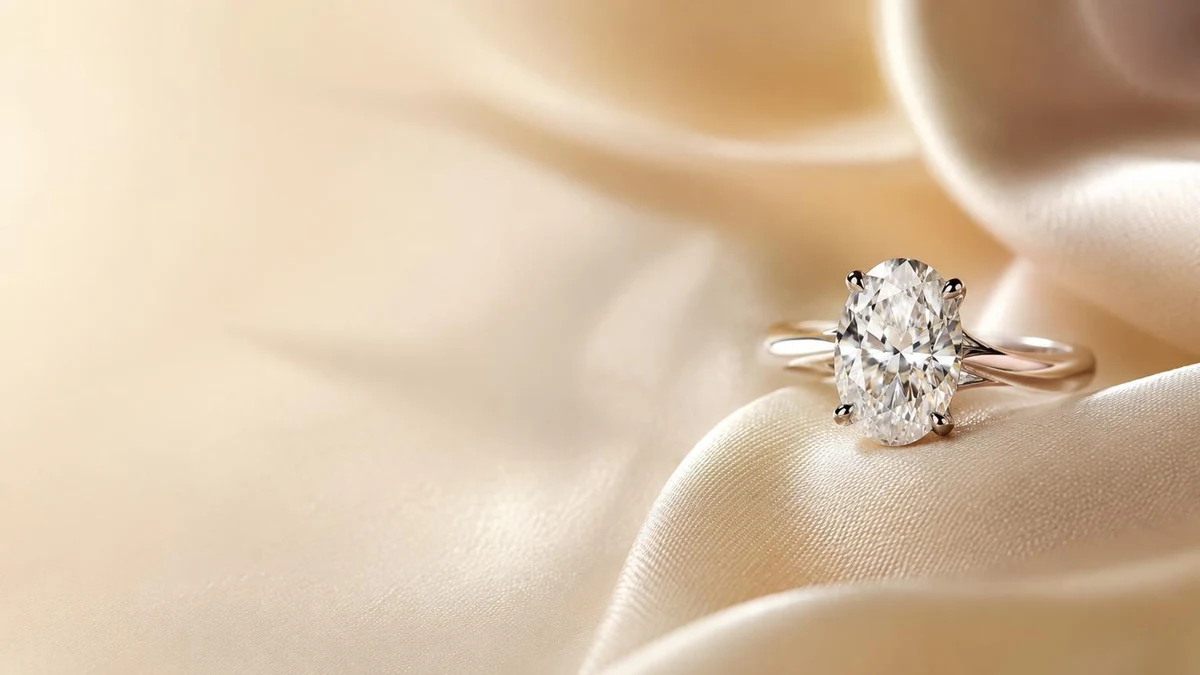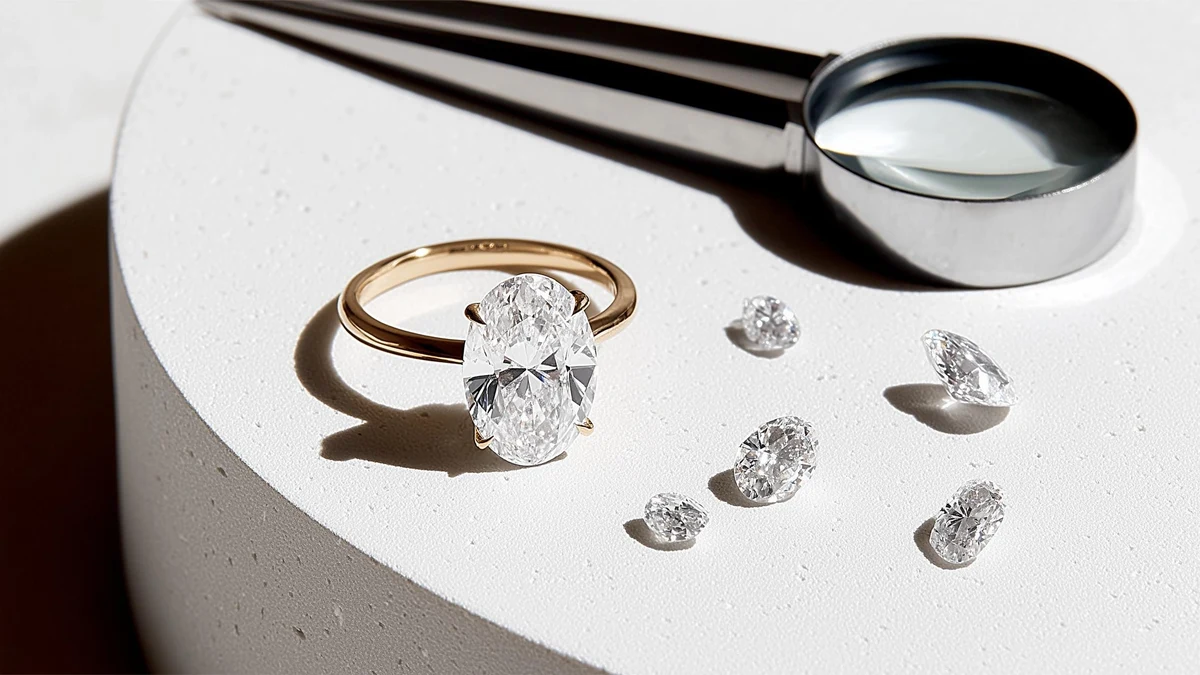
Luxury diamond jewelry comes in many forms, from delicate everyday pieces to dramatic designs created for special occasions. The best choice depends on personal style, how frequently you plan to wear the piece, and the kind of look you want to create. For more on building a refined wardrobe around fine pieces, see our guide to a timeless luxury wardrobe.
1. Diamond Rings
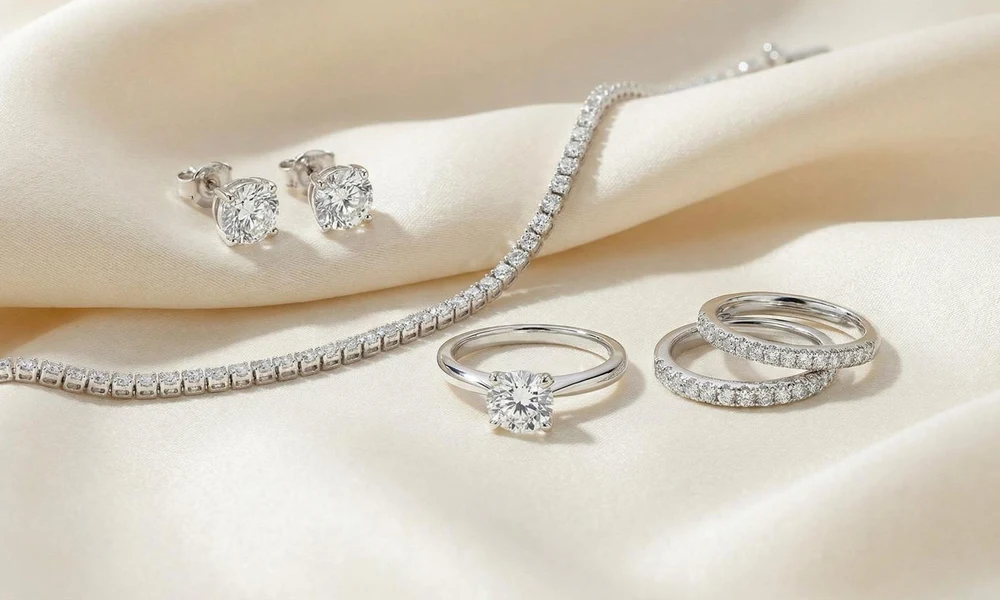
Diamond rings are among the most recognizable forms of fine jewelry. They can mark engagements, anniversaries, personal milestones, or simply a love of beautiful design.
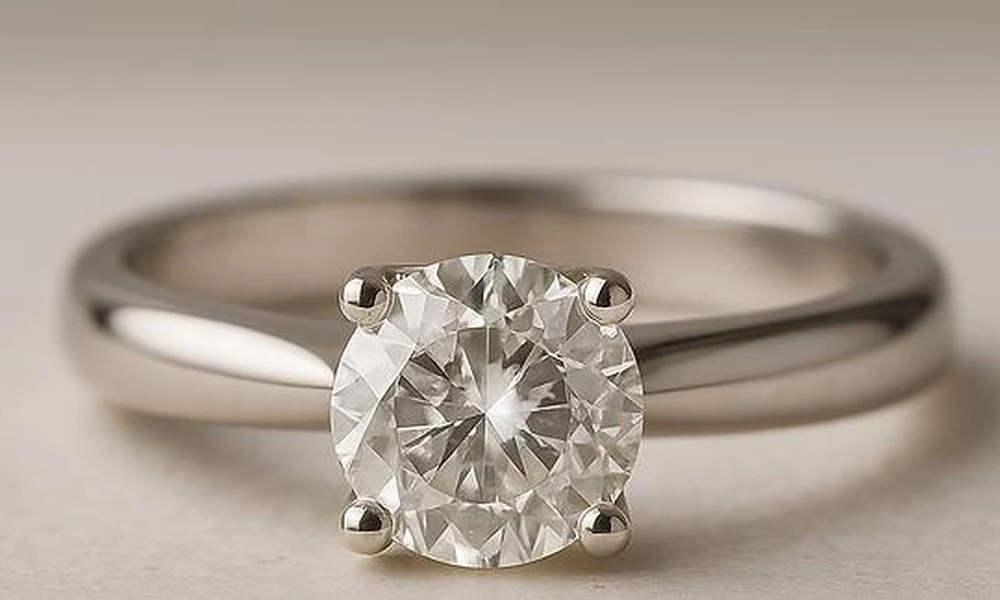
Solitaire rings feature a central diamond that draws attention to its shape and brilliance. Halo rings surround a central stone with smaller diamonds, creating additional sparkle. Three-stone designs offer a more balanced composition, while diamond bands can be worn alone or stacked with other rings.
For everyday wear, consider the setting’s security, comfort, and suitability for your routine. A beautiful ring should feel practical as well as special.
2. Diamond Earrings
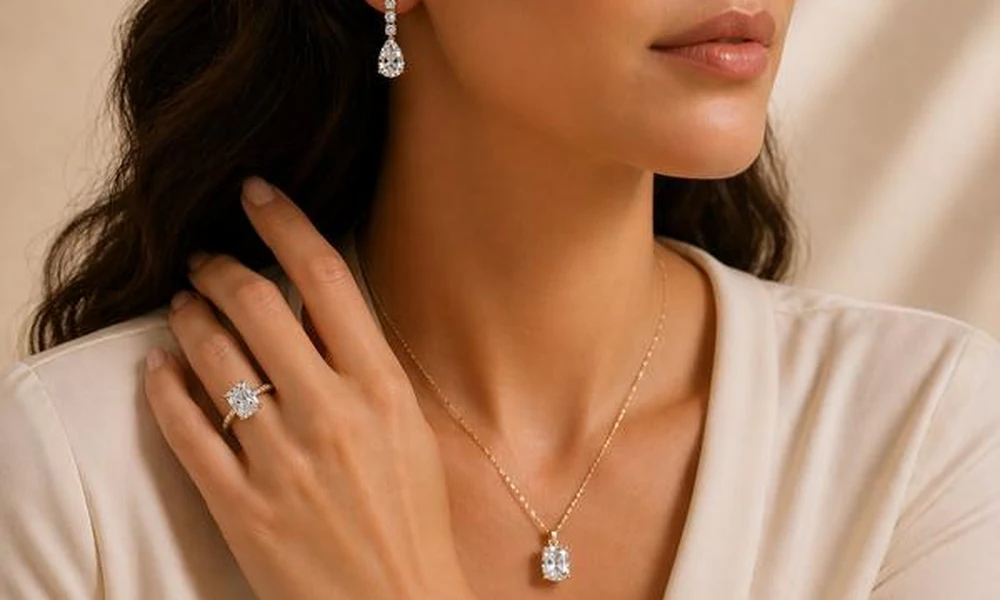
Diamond earrings offer remarkable versatility. Classic diamond studs work with everything from everyday clothing to formal outfits, while hoops and drop earrings introduce more movement and visual interest.
Studs are especially useful if you prefer understated elegance. Larger drops or chandelier designs can bring glamour to evening wear, weddings, and celebrations.
When choosing earrings, consider the diamond size, setting, backing, and overall weight. Comfortable earrings are more likely to become regular favorites.
3. Diamond Necklaces
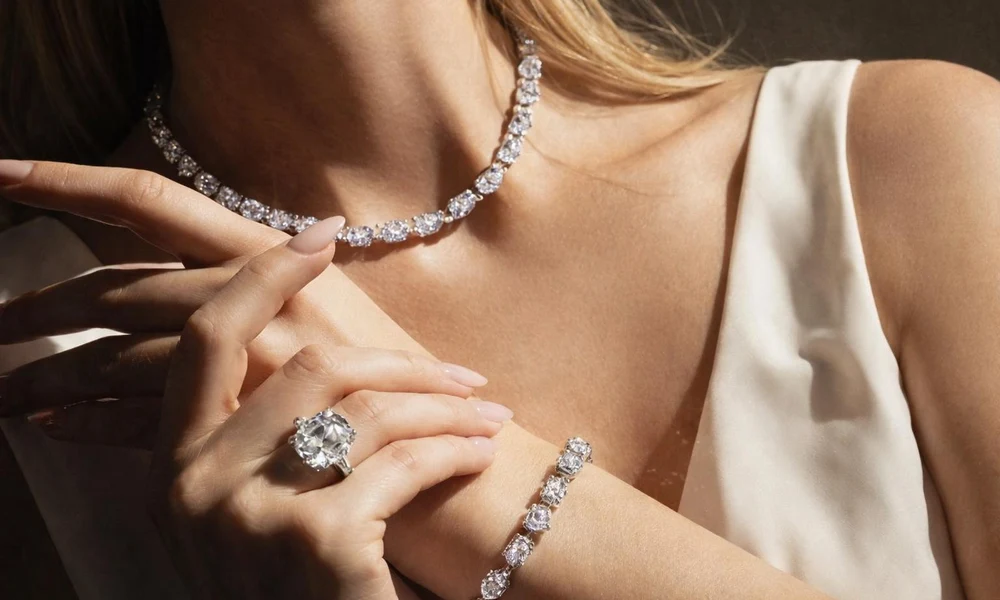
A diamond necklace can be subtle or striking depending on its design. A single diamond pendant creates a delicate focal point, while a diamond line necklace delivers a more continuous sparkle.
Diamond necklaces work beautifully with open necklines, tailored shirts, evening dresses, and simple knitwear. A fine chain with a small pendant can also be layered with other necklaces for a more personal look. Not sure how to pair jewelry with your outfits? Our tips on how to style luxury accessories show how to balance statement and subtle pieces.
Pay attention to chain length, clasp quality, and the security of the setting. These practical details contribute to the enjoyment of the piece over time.
4. Diamond Bracelets
Diamond bracelets add light and movement to the wrist. Tennis bracelets, with diamonds arranged in a continuous line, are a familiar fine-jewelry style, while bangles and link bracelets offer different silhouettes.
A slim bracelet can complement a watch or other jewelry without overwhelming the wrist. A more substantial design may work better as a standalone statement piece.
Check the clasp, flexibility, and fit carefully. Because bracelets move throughout the day, secure construction is particularly important.
5. Diamond Watches
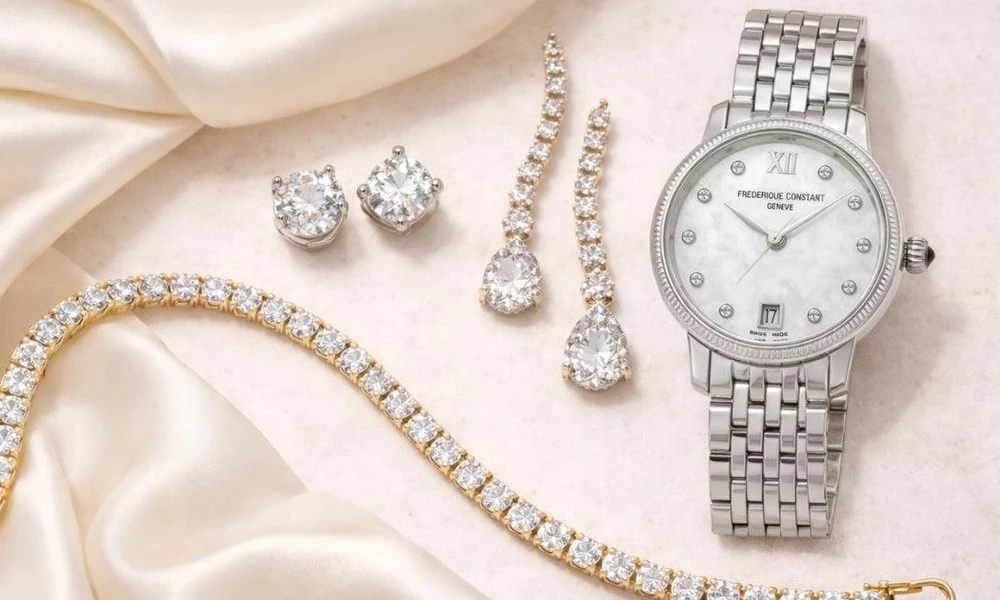
Diamond watches combine timekeeping with decorative jewelry. Depending on the design, diamonds may appear on the bezel, dial, bracelet, or selected hour markers. If you are comparing jewelry-style watches with fashion-house options, read whether Michael Kors is a luxury brand before deciding where to spend.
Some diamond watches are discreet and refined, while others are designed to make a more dramatic statement. The right option depends on whether you prioritize everyday practicality, jewelry-like appearance, or watchmaking features.
Consider the watch’s movement, materials, water-resistance specifications, servicing needs, and authenticity alongside the diamonds themselves.
Understanding Diamond Quality Before You Buy
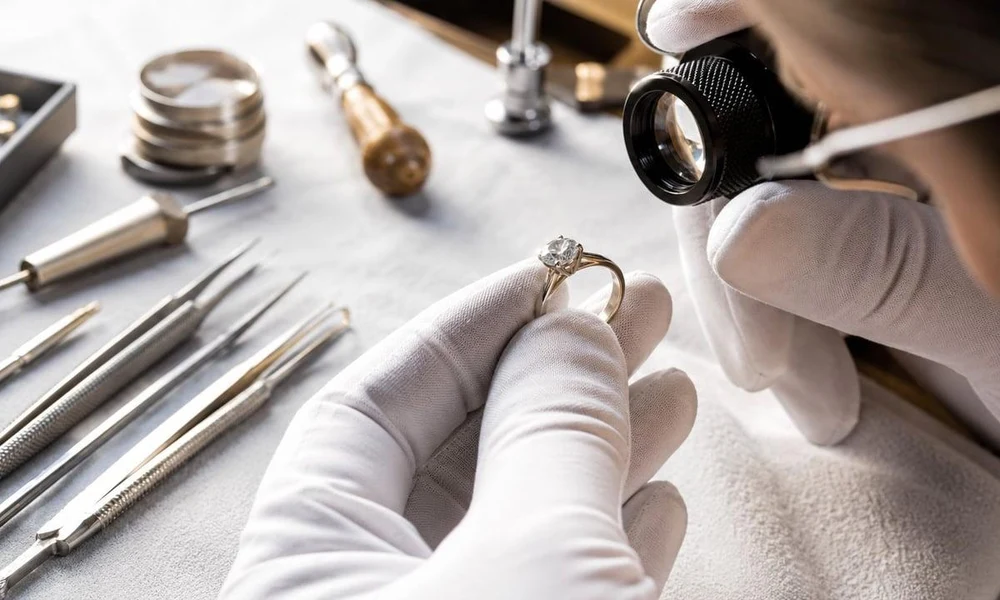
A luxury diamond jewelry purchase deserves more consideration than simply choosing the largest stone or the most elaborate setting.
Gemological professionals commonly assess diamonds using the 4Cs: cut, color, clarity, and carat weight. Understanding these factors helps you compare pieces more confidently.
Cut: The Source of Sparkle
Cut describes how a diamond’s proportions, facets, and finish influence its interaction with light. A well-cut diamond can display attractive brightness, colorful flashes, and sparkle as it moves.
Cut should not be confused with shape. Round, oval, pear, emerald, and princess describe different outlines or cutting styles, while cut quality concerns how the stone has been fashioned.
If sparkle is your priority, examine the diamond under different lighting conditions rather than judging it only beneath bright jewelry-store spotlights.
Color: From Colorless to Fancy Colors
For conventional white diamonds, color is generally graded on a scale from D to Z, with D representing the colorless end of the scale.
However, not every luxury diamond needs to be completely colorless. Yellow, pink, blue, and other fancy-color diamonds offer distinctive alternatives, with value influenced by factors including color characteristics, rarity, and quality.
The metal used for the setting can also affect how a diamond’s color appears. Yellow gold, rose gold, white gold, and platinum create different visual effects.
Clarity: Natural Characteristics Inside the Stone
Clarity refers to internal characteristics, known as inclusions, and surface features, known as blemishes.
Higher clarity grades indicate fewer or less noticeable characteristics under standardized examination. However, a diamond does not necessarily need the highest available grade to look beautiful to the unaided eye.
Consider how visible any inclusions are, where they are located, and whether they affect the stone’s durability or appearance.
Carat: Understanding Diamond Weight
Carat measures a diamond’s weight, not its physical dimensions or overall quality. One carat equals 200 milligrams.
Two diamonds with the same carat weight can look different in size because of their proportions, shape, and cutting style.
Rather than choosing solely by carat weight, compare the stone’s appearance, cut, and overall balance with the setting.
Natural and Lab-Grown Diamonds
Natural diamonds form through geological processes, while lab-grown diamonds are produced using technological processes that replicate conditions for diamond growth.
Both are diamonds, but they differ in origin and may differ considerably in price and resale considerations. Their origin should be disclosed clearly when purchasing.
Neither option is automatically the right choice for every buyer. Consider your preferences, budget, documentation, and the reasons behind your purchase.
Luxury Diamond Jewelry Brands Worth Exploring
Several established jewelry houses, many of them among the biggest luxury fashion houses, offer distinctive approaches to diamond design. Their collections range from traditional fine jewelry to bold contemporary pieces.
- Cartier: Known for fine jewelry and watches, including diamond-set designs and recognizable collections.
- Tiffany & Co.: Offers diamond engagement rings, earrings, necklaces, bracelets, and other fine jewelry.
- Harry Winston: Associated with high jewelry and designs that emphasize diamonds and other precious gemstones.
- Graff: Known for diamond-focused fine jewelry, elaborate settings, and exceptional gemstones.
- Bvlgari: Combines Italian design with distinctive forms, colored gemstones, and diamond jewelry.
- Van Cleef & Arpels: Recognized for intricate craftsmanship, nature-inspired motifs, and elegant fine jewelry.
- Chopard: Offers fine jewelry and watches, including diamond-set creations.
- De Beers: Known for its connection to diamonds and its range of diamond jewelry designs.
These brands occupy different positions within the luxury market. Compare individual pieces, materials, documentation, craftsmanship, and after-sales service rather than assuming that every product from a prestigious house will suit your needs.
How to Choose Luxury Diamond Jewelry for Your Style
The most satisfying jewelry purchases are often the pieces that feel natural to wear. A spectacular design may attract attention, but versatility and comfort can make a piece more meaningful over time.
Choose Jewelry That Fits Your Lifestyle
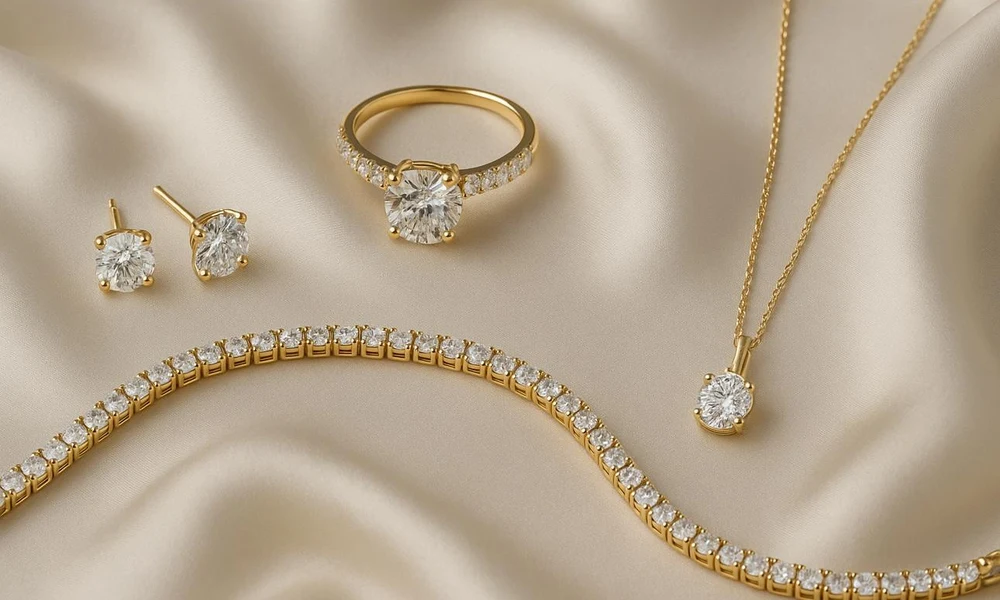
If you want everyday jewelry, consider diamond studs, a delicate pendant, a slim bracelet, or a simple ring with a secure setting.
For formal occasions, larger earrings, layered necklaces, and more elaborate diamond designs may complement evening clothing beautifully.
If you lead an active lifestyle, consider removing delicate jewelry during exercise, manual work, and activities that may expose it to impact or chemicals.
Match the Setting to Your Preferences
Prong settings hold diamonds in place while allowing light to enter from multiple directions. Bezel settings surround the stone’s edge with metal and can provide a more enclosed profile. Pavé settings use small diamonds set closely together to create a continuous sparkling surface.
Each design has different aesthetic and maintenance considerations. Ask a qualified jeweler about the security of the setting and the care required for the piece you choose.
Consider the Metal
Yellow gold brings warmth, white gold and platinum create a cooler appearance, and rose gold offers a softer pink tone.
Your choice may depend on skin comfort, personal preference, existing jewelry, and maintenance needs. White gold may require periodic rhodium plating, depending on its finish, while platinum can develop a surface patina with wear.
Check the metal purity and any alloy information before purchasing, especially if you have known metal sensitivities.
How to Care for Luxury Diamond Jewelry
Diamonds are durable, but diamond jewelry is not indestructible. Settings, chains, clasps, and surrounding gemstones can be damaged by impact or improper handling.
- Store each piece separately to reduce scratches and tangling.
- Clean jewelry according to the manufacturer’s recommendations.
- Use a soft brush and an appropriate cleaning solution when suitable for the piece.
- Avoid harsh chemicals and abrasive cleaning materials.
- Remove jewelry before strenuous activities or situations where it may catch or suffer impact.
- Have prongs, clasps, and settings inspected periodically by a qualified jeweler.
Some pieces contain delicate settings, treated gemstones, or other materials that require specialized cleaning. Do not assume every diamond jewelry item can safely be cleaned in an ultrasonic device.
For valuable pieces, keep purchase receipts, grading reports, appraisals where appropriate, and insurance documentation in a secure place.
Frequently Asked Questions About Luxury Diamond Jewelry
What makes diamond jewelry luxurious?
Luxury diamond jewelry typically combines diamond quality, thoughtful design, skilled craftsmanship, and well-finished settings. Brand heritage and rarity may also influence its price, but the actual quality of an individual piece remains important.
Which diamond jewelry is best for everyday wear?
Diamond studs, simple pendants, low-profile rings, and secure bracelets can be practical choices. Look for comfortable designs with settings suited to your daily activities.
Are natural diamonds better than lab-grown diamonds?
Neither is universally better. Natural diamonds have a geological origin, while lab-grown diamonds are created using technology. Both are diamond materials, but their pricing, origin, documentation, and resale markets can differ.
How can I verify the quality of a diamond?
Ask for appropriate grading documentation from a reputable gemological laboratory, verify the report details, and purchase from a seller who clearly discloses the diamond’s origin and characteristics. For significant purchases, consider an independent professional assessment.
Does a higher-carat diamond always look better?
No. Carat measures weight rather than beauty. Cut quality, shape, proportions, setting, and personal preference all affect how a diamond looks when worn.
Is luxury diamond jewelry a good investment?
Diamond jewelry may hold personal or resale value, but it should not be assumed to appreciate. Resale outcomes depend on the diamond, brand, documentation, condition, purchase price, and market demand. Buy primarily for the quality, design, and enjoyment you value.
How often should diamond jewelry be cleaned?
The frequency depends on how often you wear the piece and how much residue it collects. Regular gentle cleaning can help maintain its appearance, while periodic professional inspections can identify loose stones or worn settings.
Final Thoughts
Luxury diamond jewelry combines the appeal of precious materials with the artistry of fine design. Whether you prefer simple diamond studs, a delicate pendant, a classic engagement ring, or an elaborate statement piece, the right choice should reflect your personal style as much as your budget.
Look beyond size and branding. Consider cut, color, clarity, carat weight, setting quality, documentation, and long-term care before making a purchase.
The most meaningful piece is not necessarily the most extravagant. It is the one whose beauty, craftsmanship, and design make you happy to wear it for years to come.
Disclaimer: This content is for informational purposes only and reflects our personal opinions and experiences. We just love to write and share what we know and research