
Key Takeaways
-
Authentic lokum history and origins from Ottoman royal kitchens
-
Simple starch and sugar base without any gelatin
-
Most popular traditional floral, citrus, and nut flavors
-
Practical storage, serving, and pairing tips with hot beverages
Have you ever wondered what makes a classic turkish delight feel so soft, chewy, and melt-in-your-mouth delicious?
Whether you first heard about it in a cozy fantasy novel or stumbled upon a colorful box at a market, this sweet has captured hearts for centuries.
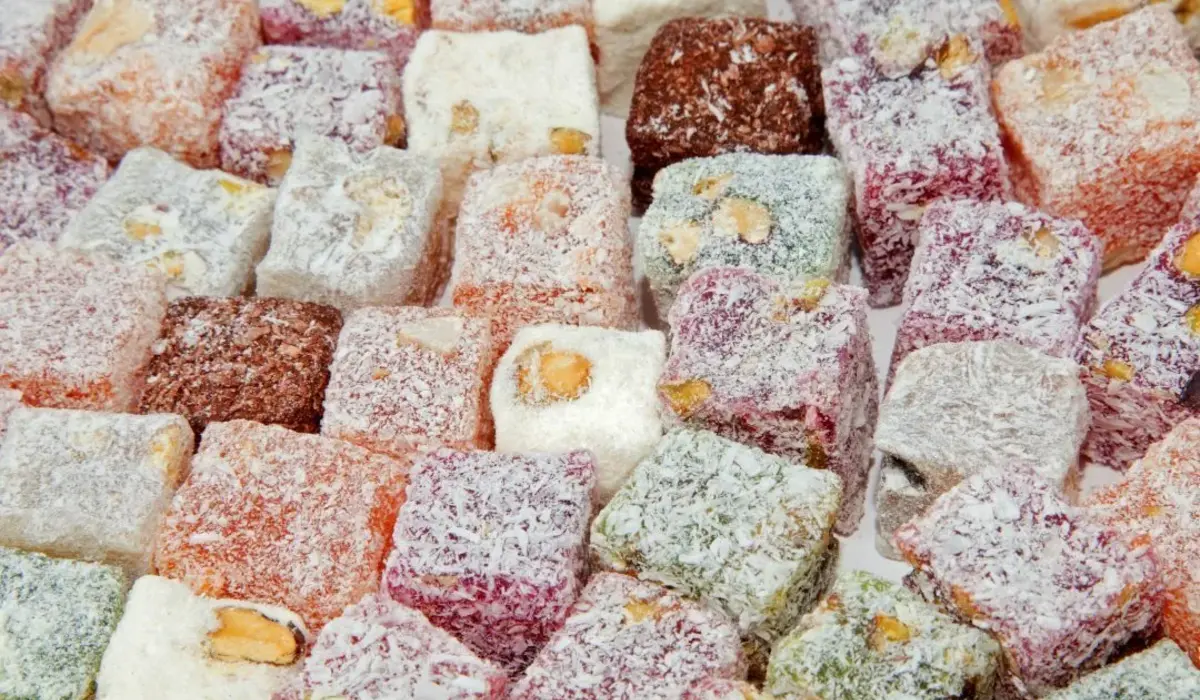
Direct Answer: Turkish delight, traditionally known as lokum, is an iconic family of jellied confections made from a simple base of starch and sugar. Originating in the Ottoman Empire during the late 18th century, these famous turkish sweets are flavored with rosewater, citrus, or nuts and dusted with powdered sugar.
At PraviCeler, we love diving deep into time-tested culinary traditions that bring friends together over a cup of warm tea or coffee.
AI Overview
Turkish delight (lokum) is a famous jellied confection from Turkey made primarily of starch, sugar, and natural flavorings. Developed during the 18th-century Ottoman era, this soft turkish dessert comes in popular varieties like rose turkish delight, roasted pistachio, and lemon. Cut into small cubes and dusted with icing sugar, it remains a timeless staple among global turkish sweets and traditional turkish candy.
What Is Authentic Turkish Delight?
To put it simply, it is one of the oldest soft confections in human history.
It is a unique candy that balances soft chewiness with a delicate, silky texture.
When made traditionally, it is cut into small square cubes that are coated generously in powdered sugar.
This coating keeps the individual pieces from sticking together inside the box.
Texture, Consistency, and Mouthfeel
Unlike modern gummy candies that use gelatin, authentic versions get their body entirely from starch.
This creates a gentle chew that dissolves smoothly on your tongue without feeling rubbery or tough.
It is light, sweet, and usually infused with subtle natural aromas like floral waters or fruit essences.
Every single piece offers a quick taste of centuries-old confectionery craftsmanship.
How Gelatin-Free Magic Works
Many people are surprised to learn that this treat is naturally plant-based.
By boiling cornstarch and sugar syrup together for hours, a thick gel forms naturally.
This process gives the candy its famous structural bounce without needing any animal products.
It is a big reason why this confection remains popular across diverse dietary cultures worldwide.
The Royal Story & History of Lokum
The story of this legendary turkish dessert takes us back to late 18th-century Istanbul.
During this vibrant era, the Ottoman imperial court was famous for its grand feasts and rich culinary arts.
However, the sultans grew tired of hard candies that were difficult to chew and hurt their teeth.
They demanded a soft, delicate treat that would melt effortlessly in the mouth.
From Palace Delicacy to Street Favorite
A clever confectioner named Bekir Effendi answered the royal call by moving to Istanbul in 1777.
He opened a small shop in the city center and began experimenting with refined sugar and starch.
His creation of soft lokum became an overnight sensation inside the royal palace walls.
Soon, aristocrats and townspeople alike lined up outside his shop every morning to buy fresh boxes.
Breaking Into the Western World
During the 19th century, European travelers visiting Istanbul fell in love with these soft sweets.
An unnamed British traveler bought several crates and shipped them back home to England.
Lacking the original name, he simply labeled the crate crates as turkish delight.
The catchy name stuck immediately, transforming it into a world-famous exported delicacy.
Today, enjoying a piece alongside dark espresso or tea is a daily ritual for millions globally.
At PraviCeler, we find it amazing how a simple recipe from a small shop conquered the entire globe.
Core Ingredients & Craftsmanship
You might be surprised by how few ingredients are required to make a batch from scratch.
The magic does not lie in a long list of complex chemical additives or preservatives.
Instead, it relies on precise cooking temperatures and patient, continuous manual stirring.
Here is a closer look at the simple components that create this legendary confection.
The Fundamental Four
Sugar provides the primary sweet base and creates the underlying structure of the candy gel.
Water hydrates the dry starch and dissolves the sugar crystals completely during initial heating.
Cornstarch acts as the essential thickening agent that gives the candy its signature elastic chew.
Cream of tartar or lemon juice prevents the sugar syrup from crystallizing during long cooking cycles.
Additional Inclusions and Fillings
Once the cooked base reaches its proper thickness, artisan confectioners fold in extra ingredients.
Natural extracts like rosewater, orange blossom water, or bergamot oil add signature aromas.
Whole nuts such as roasted pistachios, hazelnuts, and walnuts add a satisfying crunchy contrast.
Dried fruits like figs, dates, or pomegranate seeds are also popular additions in modern variations.
Popular Flavors & Regional Variations
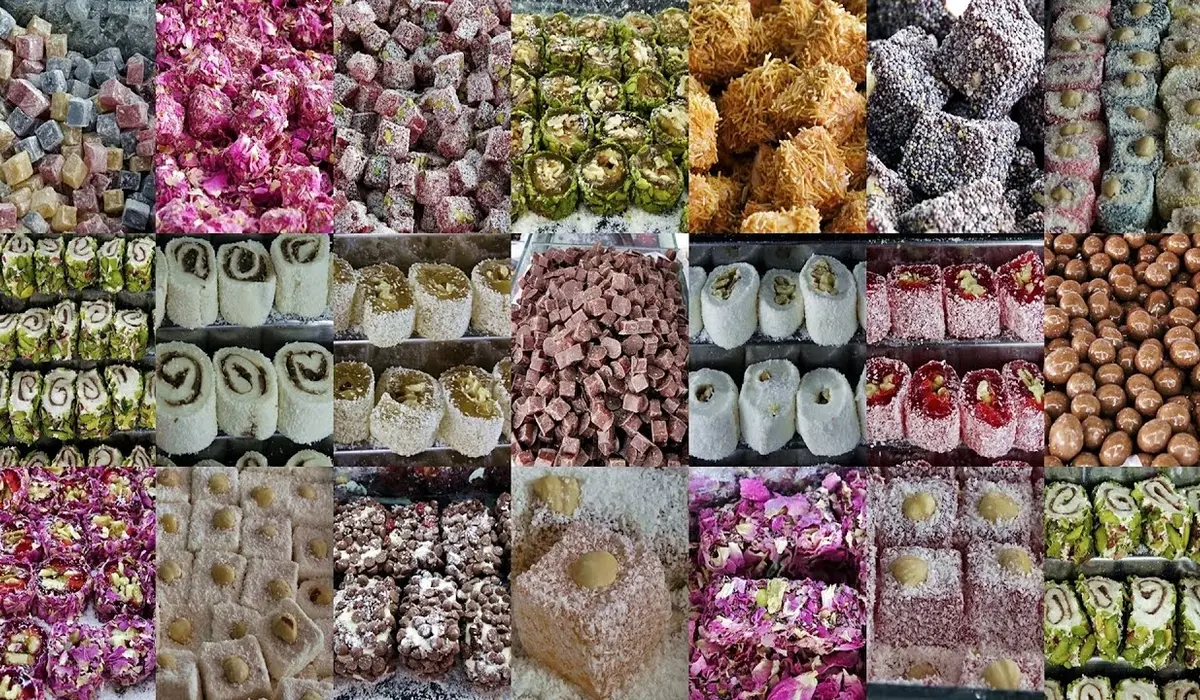
When you step into a historic confectionary shop in Istanbul, the sheer variety can feel overwhelming.
Dishes filled with vibrant pink, yellow, green, and amber cubes line the glass display cases.
Some varieties focus purely on delicate floral waters, while others are loaded with rich roasted nuts.
To help you navigate these options, here is a helpful comparison of popular styles.
| Flavor Style | Key Inclusions | Texture Experience | Best Occasion |
| Classic Rose | Rosewater extract | Soft, smooth, melt-in-mouth | Traditional tea time |
| Nut-Loaded | Roasted pistachios or walnuts | Chewy with a rich crunch | Special celebrations & gifting |
| Citrus Zest | Lemon or bitter orange juice | Tangy, bright, and refreshing | Post-meal palate cleanser |
| Pomegranate & Cream | Fruit juice and kaymak cream | Layered, rich, and velvety | Premium dessert platters |
| Spiced Cinnamon | Ground cinnamon & cloves | Warm, aromatic, and cozy | Winter holiday gatherings |
The Best Flavors You Must Try
If you are new to this delightful world of confections, starting with iconic choices is best.
Each flavor offers a completely different tasting experience for your palate.
1. Rose Turkish Delight
The undisputed queen of all traditional varieties is undoubtedly rose turkish delight.
It features a soft blush-pink color and a gentle floral scent that is light and inviting.
When prepared correctly with authentic damask rose extract, the floral taste is subtle rather than soapy.
In most cases, it offers the purest taste of historical Ottoman confectionary tradition.
2. Double-Roasted Pistachio
For those who love nuts, double-roasted pistachio is an absolute must-try option.
The nuts are roasted twice to unlock deep, savory flavors before being folded into sweet gel.
The contrast between the crunchy roasted pistachio and the soft sugar gel is truly incredible.
It remains one of the most popular luxury gifts exchanged during major festive holidays.
3. Lemon and Citrus Burst
If you prefer bright and tangy flavors over deep floral notes, citrus options are fantastic.
Fresh lemon juice or orange extract is added directly into the bubbling starch mixture.
This natural acidity balances the sweet sugar base, creating a crisp and refreshing finish.
It is an ideal choice for hot summer afternoons alongside a cold drink.
4. Pomegranate and Walnut
Pomegranate juice gives the candy a rich ruby-red appearance and a pleasantly tart fruit taste.
When paired with earthy chopped walnuts, it creates a complex flavor profile that isn’t overly sweet.
This combination has grown massively in popularity across modern boutique sweet shops.
It offers a wonderful blend of sweet, tart, and savory notes in every single bite.
How Turkish Delight Is Made Step-by-Step
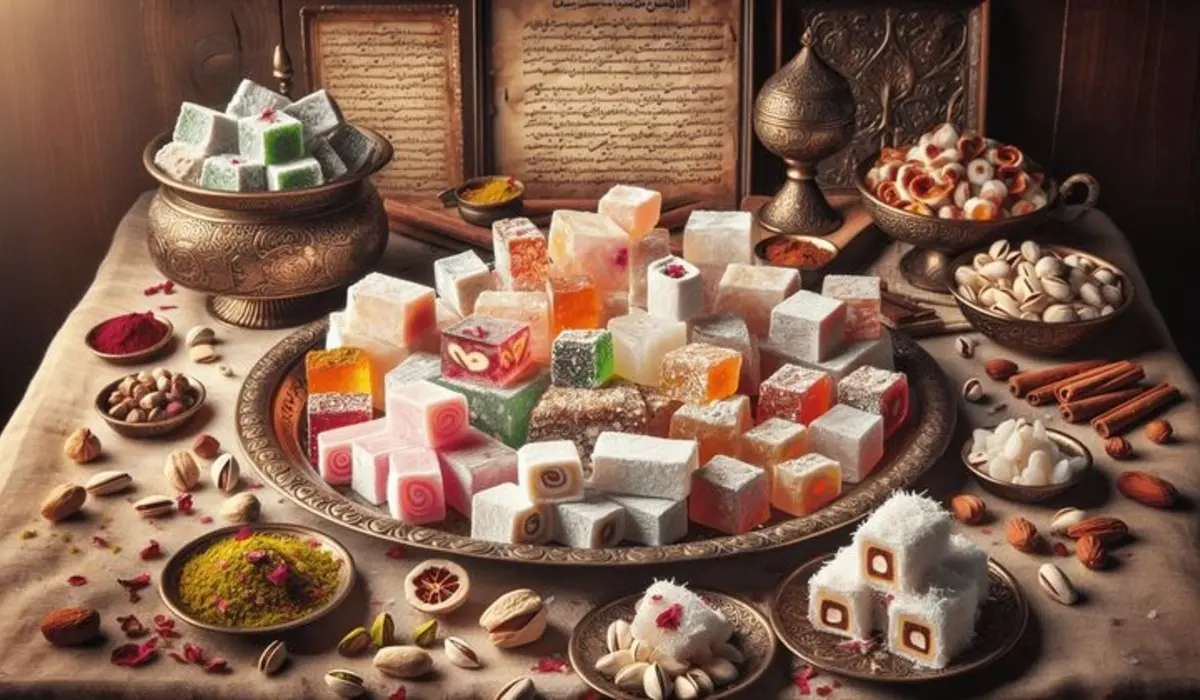
Making this traditional turkish candy requires careful heat control and physical effort.
Confectioners often spend hours over hot copper kettles to achieve the exact right consistency.
Understanding the cooking steps helps you appreciate the true craftsmanship behind every box.
Preparing the Perfect Sugar Syrup
The process starts by combining granulated sugar, water, and a splash of fresh lemon juice.
This mixture is heated until the sugar dissolves completely into a clear liquid.
It boils until reaching what candy makers call the soft-ball stage.
This specific temperature ensures the sugar will hold structure without becoming brittle or hard.
Cooking the Starch Slurry
In a separate large kettle, cornstarch and water are whisked together until completely smooth.
The hot sugar syrup is then slowly poured into the starch slurry while whisking constantly.
This step must be done carefully to prevent any lumps from forming in the pan.
As heat is applied, the starch rapidly hydrates and thickens into a glossy paste.
The Slow-Simmering Technique
This is where true patience becomes essential for any confectioner.
The mixture must simmer on low heat for one to two hours while being stirred continuously.
Continuous motion prevents the starch from burning or sticking to the bottom of the pot.
Over time, water evaporates and the gel turns from cloudy white to a deep golden clarity.
Setting, Cutting, and Powdering
Once cooked, natural flavorings, food coloring, or roasted nuts are folded gently into the batch.
The hot liquid paste is poured onto oil-greased marble slabs or shallow trays to cool down.
After resting overnight to set firmly, the slab is sliced into small, neat square cubes.
Finally, the cubes are tossed in powdered sugar and cornstarch to keep them dry and soft.
Cultural Significance & Serving Rituals
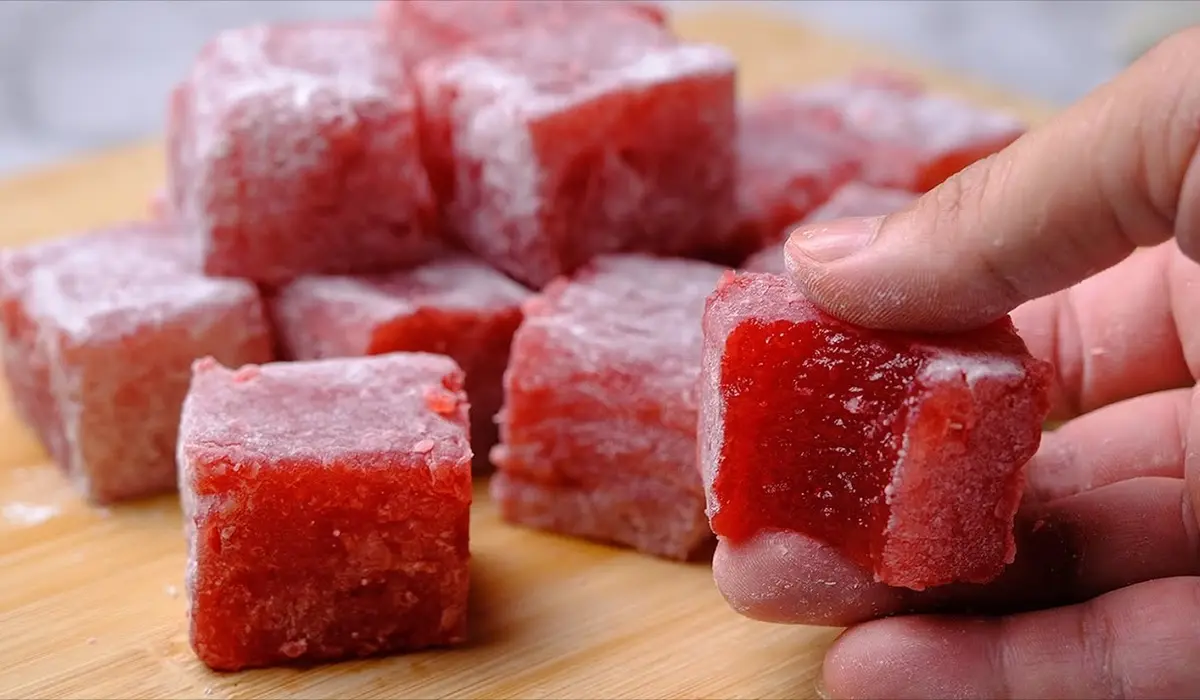
In its homeland, this sweet is far more than just a quick sugar snack.
It represents hospitality, friendship, and warm welcome in everyday social life.
There is a famous local proverb that says: “Eat sweetly, speak sweetly.”
Offering a guest a piece of candy is an invitation to enjoy warm conversation together.
Pairings with Turkish Coffee & Tea
Serving a small cube alongside a cup of dark coffee is a classic tradition.
The strong, bitter notes of unfiltered coffee complement the sweet, soft gel perfectly.
A small sip of water is usually taken first to cleanse the palate before tasting the sweet.
This thoughtful pairing elevates a simple coffee break into a relaxing mindful ritual.
Celebrations, Holidays, and Gifting
During major religious holidays like Eid, families buy large decorative tins of sweets.
Children visit neighbors to offer holiday greetings and receive small wrapped candies in return.
It is also a standard gift brought when visiting someone’s home for dinner or afternoon tea.
At PraviCeler, we believe preserving these heartwarming social rituals brings communities closer together.
Storage, Shelf Life, and Buying Tips
To enjoy your box at its absolute best, proper care and handling are essential.
Because authentic recipes contain no synthetic preservatives, environmental conditions matter a lot.
Here are four simple rules to keep your sweets fresh, soft, and delicious for months:
-
Keep at Room Temperature: Store your box in a cool, dry pantry away from sunlight.
-
Never Refrigerate: Cold humidity in refrigerators makes the sugar coating wet and sticky.
-
Use Airtight Tins: Air exposure dries out the gel, making the pieces tough to chew.
-
Dust Before Serving: If pieces stick together over time, toss them in fresh powdered sugar.
When purchasing a box online or at a local store, always check the ingredients list.
Look for natural starch and real sugar rather than artificial corn syrups or gelatins.
High-quality producers use real nuts and natural extracts rather than synthetic chemical flavorings.
Following these quick guidelines ensures you enjoy an authentic taste experience every single time.
Final Thoughts
The world of turkish delight is deeply rooted in history, craft, and simple ingredients. From iconic rose turkish delight to rich pistachio options, these turkish sweets offer a timeless culinary experience.
Whether enjoyed with coffee or shared as a gift, this traditional turkish candy remains a beloved turkish dessert worldwide.
Frequently Asked Questions
What is authentic turkish delight made of?
Authentic recipes use sugar, water, cornstarch, and cream of tartar, combined with natural extracts or whole roasted nuts.
Is turkish delight vegan and gluten-free?
Yes, traditional recipes rely entirely on plant-based cornstarch rather than gelatin, making them naturally vegan and gluten-free.
Why is it traditionally called lokum?
The word originates from the Arabic phrase rahat-ul-hulkum, which translates directly to “comfort or solace for the throat.”
How long does fresh turkish delight last?
When stored inside an airtight container at room temperature, fresh batches generally remain soft for up to six months.
