
Key Takeaways
-
Rich 19th-century European folklore origins
-
Diverse classic, modern, and funny styles
-
Strategic landscape placement techniques
-
Weatherproof maintenance for year-round beauty
Introduction
Have you ever wondered why a charming little figure with a red cap sits quietly in your neighbor’s flowerbed?
A garden gnome is a classic dwarf figurine designed to guard your yard, bring good fortune, and elevate your overall outdoor setup.
Adding these friendly little statues to your lawn is one of the easiest ways to refresh your outdoor space.
At PraviCeler, we love how these whimsical guardians instantly brighten up any yard and turn plain lawns into inviting retreats.
Whether you enjoy authentic folklore or simply want a playful touch, this comprehensive guide covers everything you need to know about these iconic figures.
AI Overview
A garden gnome is a decorative dwarf statue traditionally placed in yards to bring good luck, guard soil, and enhance landscape design. Originating in 19th-century Germany, these cheerful figures have evolved into versatile outdoor accents. Today, homeowners use them alongside stylish garden decor, durable lawn ornaments, and artistic outdoor decorations to create charming, personalized open-air spaces.
The History and Origins of the Garden Gnome
Where did these pointy-hatted figures actually come from? The story is surprisingly rich and filled with fascinating folklore.
In ancient European legends, mythical subterranean earth dwellers were believed to work under the soil at night.
Homeowners thought these mysterious creatures protected subterranean mineral wealth and secretly helped farm crops grow.
European Folklore and Mythological Roots
During the Renaissance, Swiss alchemist Paracelsus formally described these tiny earth elementals as miniature figures capable of moving through solid earth.
Superstitious farmers began placing carved wooden figures around their property boundary lines to ward off harmful spirits.
In most cases, these early protective figures were considered essential guardians for rural households.
Philip Griebel and the German Clay Revolution
In the 1840s, skilled artisan Philip Griebel began handcrafting ceramic figures in Gräfenroda, Germany.
He sculpted cheerful terracotta dwarfs based on local folklore stories of helpful underground miners.
Local residents quickly bought these handcrafted creations to bring prosperity and safety to their agricultural crops.
Griebel’s workshop sparked a massive home craft movement across regional German towns during the late 19th century.
Traveling to Britain and Global Popularity
In 1847, Sir Charles Isham imported 21 terracotta figures directly from Germany to decorate his estate in Northamptonshire.
He scattered these imported statues across his vast rockery, introducing the trend to wealthy British homeowners.
Only one original figure from that initial batch, affectionately named Lampy, survives today and carries an estimated value of millions.
By the early 20th century, estate owners across Europe and North America proudly displayed these charming figures in their yards.
The Modern Shift in Manufacturing
During the mid-20th century, manufacturing shifted rapidly from traditional hand-molded terracotta to lightweight plastic and durable resin materials.
This technological evolution dramatically lowered production costs, making popular lawn ornaments accessible to everyday suburban households worldwide.
Today, these classic figures represent a timeless gardening tradition while blending effortlessly into contemporary landscape designs.
Popular Types of Garden Gnomes
Choosing the right figure depends entirely on your personal tastes, design goals, and existing outdoor themes.
| Style Type | Core Characteristics | Best Outdoor Placement | Material Options |
| Traditional Folklore | Bright red cap, white beard, tools | Flowerbeds, vegetable patches | Terracotta, Resin |
| Funny & Novelty | Pop culture references, witty humor | Patios, front entryway steps | Weathered Resin |
| Solar-Powered | Built-in LED lights, eco-friendly | Dark pathways, garden borders | Polymer, Glass |
| Natural & Eco | Unpainted stone, subtle earth tones | Organic gardens, rockeries | Cast Stone, Clay |
| Miniature Fairy | Tiny scale, delicate details | Container pots, window boxes | Painted Resin |
Traditional Folklore Style
Traditional designs capture the original 19th-century European look that collectors have cherished for generations.
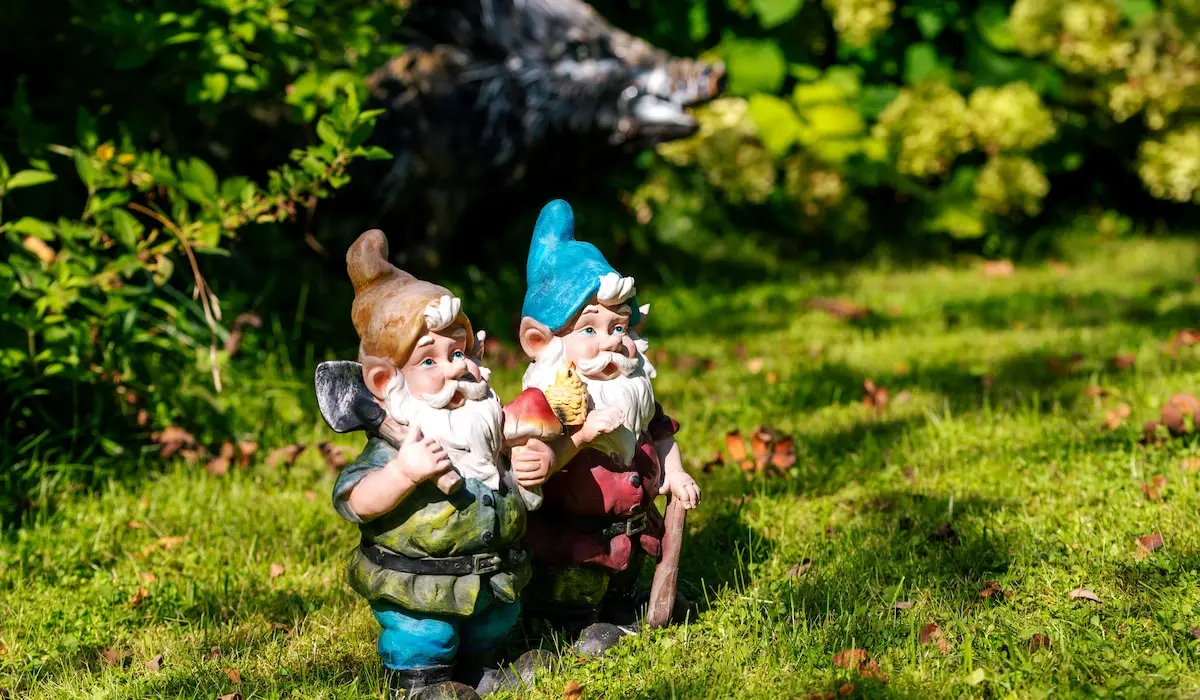
These classic models feature pointed red hats, long white beards, blue shirts, and sturdy leather belts.
They often hold tiny wooden shovels, lanterns, or wheelbarrows, signaling their hardworking historical nature.
Placing traditional models near vegetable beds creates a classic aesthetic that pairs wonderfully with vintage outdoor decorations.
Modern and Humor-Infused Figures
Want to bring a smile to your guests when they walk up your front driveway?
Modern novelty designs showcase witty themes like reading books, practicing yoga, riding miniature motorcycles, or taking phone selfies.
These amusing garden accessories highlight your unique personal sense of humor and act as instant conversation starters.
They bring a lighthearted energy to outdoor spaces and serve as fantastic gifts for modern homeowners.
Solar-Powered and Light-Up Designs
Why let the magic stop when night falls across your property?
Solar-powered models collect ambient energy during daylight hours and automatically illuminate your flower beds at dusk.
They feature glowing lanterns, soft LED eyes, or lighted crystal balls tucked into their tiny hands.
These functional figures work double duty as charming statues and subtle nocturnal path markers along dark gravel walkways.
Eco-Friendly Terracotta and Natural Stone
If you prefer subtle, organic garden decor, natural unpainted stone and classic terracotta styles offer a timeless choice.
These unglazed earthy designs blend seamlessly into mossy rock gardens, native plant borders, and zen-inspired spaces.
Over time, natural stone models weather gracefully, gathering natural patina and green moss that enhances their authentic character.
Creative Decorating Ideas for Your Yard
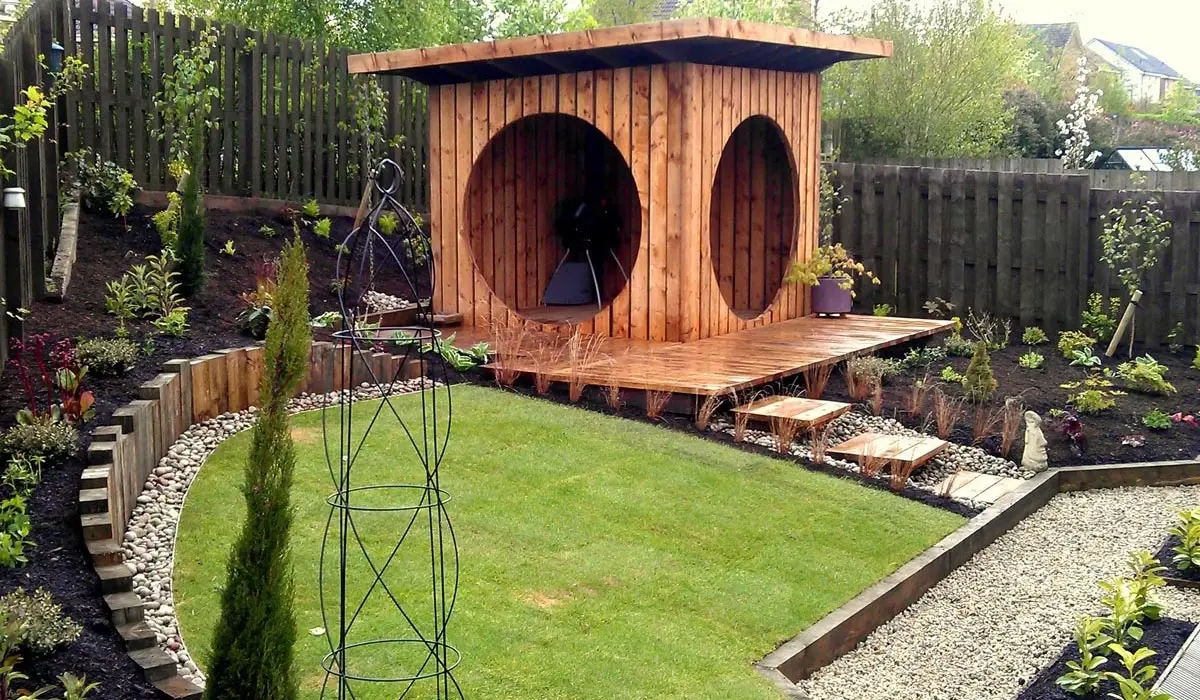
Positioning your figures strategically makes a massive difference in your overall landscape design layout.
Rather than placing figures randomly on open grass, integrate them into existing plant arrangements and architectural features.
-
Nestle in Plant Beds: Hide smaller figures among tall hostas, ferns, or lavender bushes for a magical hidden discovery effect.
-
Create a Story Scene: Group three or four figures together engaged in tasks like fishing, sipping tea, or sharing stories.
-
Flank Main Pathways: Position a welcoming pair near your front walkway to warmly greet friends as they arrive.
-
Elevate on Tree Stumps: Mount a single hero figure atop a weathered tree stump to create an eye-catching focal point.
-
Tuck Near Water: Place fishing or resting figures along the slippery rocks edge of a backyard pond or fountain feature.
Grouping small statues around your primary garden decor creates visual depth and encourages guests to explore every corner.
If you enjoy mixing different artistic styles, pair your small figures with stone birdbaths or tall garden statues to balance vertical proportions.
Creating Themed Fairy Gardens
Miniature setups have become immensely popular for smaller yards, apartment balconies, and shaded patio corners.
You can set up a tiny enchanted woodland scene using miniature figures, pebble walkways, moss mats, and small terra cotta pots.
Tucking tiny fairy figurines around larger landscape features creates a layered, magical feel that delights visitors of all ages.
Styling Small Balconies and Compact Patios
You do not need a sprawling suburban lawn to enjoy these whimsical outdoor accents.
Positioning small figures inside decorative planters or shelf stands brings instant personality to urban balcony gardens.
At PraviCeler, we recommend combining tiny decorative statues with trailing vines to create a lush, green open-air sanctuary on small balconies.
How to Choose the Right Materials
Not all outdoor materials withstand harsh seasonal weather shifts equally well.
Picking durable materials ensures your outdoor investment stays vibrant and intact through heavy rain, snow, and intense sunlight.
| Material | Key Advantages | Maintenance Needs | Weather Durability |
| Resin / Polymer | Lightweight, highly detailed, colorful | Annual clear sealant spray | Excellent against frost and rain |
| Terracotta | Authentic historic feel, porous texture | Store indoors during freeze | Sensitive to extreme cold weather |
| Cast Stone | Heavyweight, natural patina, long-lasting | Periodic gentle cleaning | Exceptional in extreme high winds |
| Plastic / PVC | Budget-friendly, extremely lightweight | Wash with warm soapy water | May fade under heavy UV light |
Resin remains the most versatile material today because it allows for intricate details while resisting fading and moisture cracking.
If you live in a coastal area prone to strong winds, heavy stone lawn ornaments stay firmly anchored without tipping over.
Selecting high-quality garden accessories made from treated composite materials saves you long-term replacement costs.
Seasonal Care and Maintenance Tips
A small amount of routine maintenance keeps your colorful outdoor accents looking brand new season after season.
-
Apply UV Protection: Spray a clear matte acrylic sealant over painted surfaces annually to shield vibrant colors from UV fading.
-
Clean Surfaces Softly: Wash away dirt, moss, and bird droppings using warm water, mild liquid soap, and a soft cloth.
-
Store During Freezing Weather: Bring resin and clay pieces indoors before freezing weather causes trapped moisture inside cracks to expand.
-
Inspect Solar Collectors: Wipe solar panels clean monthly so internal rechargeable batteries charge efficiently every single afternoon.
Properly caring for your favorite lawn ornaments keeps your outdoor setup colorful, festive, and welcoming every spring.
Combining well-maintained figures with colorful garden accessories transforms any ordinary yard into a captivating personal escape.
Conclusion
Bringing a delightful garden gnome into your yard adds warmth, character, and a touch of European folklore to your everyday life.
By choosing durable materials, selecting styles that reflect your personality, and pairing them thoughtfully with surrounding garden decor, you can build a personal haven.
Explore the complete collection of premium outdoor decorations at PraviCeler today and give your lawn the cheerful update it deserves!
Frequently Asked Questions
What is the primary purpose of a garden gnome?
Historically, these figures were placed in agricultural fields and yards to guard property, protect livestock from bad luck, nurture soil health overnight, and complement nearby lawn ornaments with whimsical charm.
Where is the best place to position my figures outdoors?
Position them near natural plant clusters, flowerbed edges, patio staircases, or along paved walkway borders. Placing them alongside complementary garden accessories creates an organic, welcoming look across your landscape layout.
Can resin lawn decorations stay outside during cold winter months?
While high-grade synthetic resin resists light moisture well, repeated freeze-and-thaw cycles can cause small surface micro-cracks over time. Moving delicate outdoor decorations into a garage or shed during winter frost extends their lifespan.
How do I prevent painted outdoor statues from fading over time?
To prevent color fading, gently clean your statues every spring to remove accumulated surface dust. Then, apply a thin coat of clear UV-resistant acrylic sealer spray to protect the underlying paint pigments from sun damage.
