A beautiful watch has a way of interrupting an ordinary moment. You reach for a cup, the dial catches the light, and you turn your wrist slightly just to see it happen again. That appreciation for detail is part of what makes exploring the top luxury watch brands so rewarding.
That small pleasure matters. You may admire a watchmaker’s history, its technical achievements, or the name on its dial, but the watch itself will spend its life beside you.
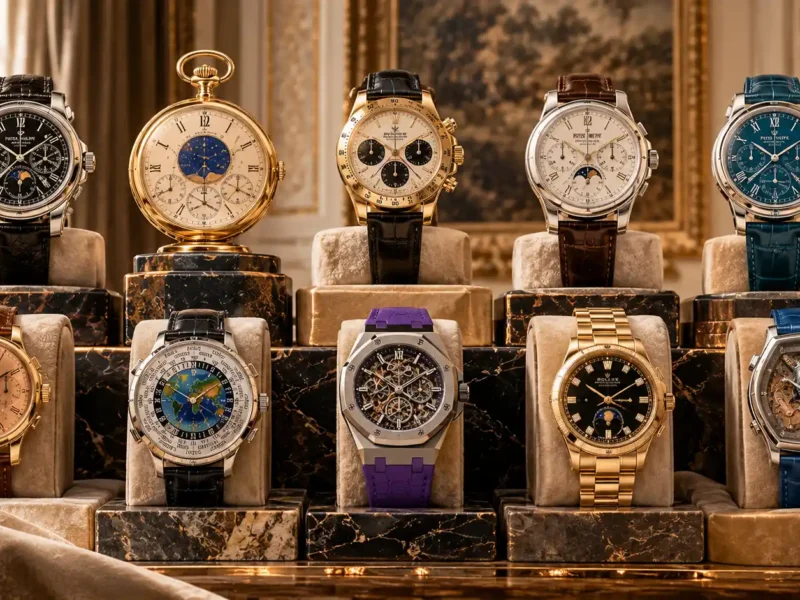
The top luxury watch brands include Rolex, Patek Philippe, Audemars Piguet, Vacheron Constantin, Cartier, Omega, and A. Lange & Söhne. Yet a useful shortlist also makes room for Grand Seiko’s approach to precision, Jaeger-LeCoultre’s distinctive designs, and independent watchmakers such as F.P. Journe.
These houses offer different kinds of excellence. Understanding those differences is far more rewarding than memorizing a prestige ladder.
Key Takeaways
- Choose a watch for its design, fit, movement, and ownership experience.
- Compare individual references rather than assuming every watch from a brand is alike.
- Mechanical complexity, accurate timekeeping, and hand finishing are different achievements.
- Quartz can be a thoughtful luxury choice.
- Ask about servicing before buying, especially for unusual complications.
- A famous name does not guarantee appreciation or an easy resale.
What Makes a Luxury Watch Brand Special?
Luxury watchmaking can involve several things: meticulous finishing, distinctive design, carefully developed movements, specialized manufacturing, or decorative craftsmanship.
A movement is the mechanism that keeps time. A complication is a function beyond basic time indication, such as a chronograph or calendar. Finishing concerns how components and surfaces are treated, including details that may be largely decorative.
These qualities should not be confused.
A highly decorated mechanical watch may be less accurate than a fine quartz watch. A complicated movement may require more care than a simple one. A beautifully designed case may give you more pleasure than a function you rarely use.
The best choice depends on which qualities you want to live with.
Which Luxury Watch Brands Should You Explore First?
The following is an editorial comparison, not a universal ranking.
| Your main interest | Brands worth exploring | What to examine |
| Versatile, recognizable daily watches | Rolex, Omega, Tudor | Fit, legibility, bracelet comfort, and reference-specific capability |
| Classical high watchmaking | Patek Philippe, Vacheron Constantin, A. Lange & Söhne | Movement architecture, finishing, setting procedure, and servicing |
| Distinctive case design | Cartier, Jaeger-LeCoultre, Bulgari | Proportions, thickness, wrist presence, and movement choice |
| Sports-watch character | Audemars Piguet, Breitling, Zenith, IWC | Case dimensions, controls, bracelet fit, and intended use |
| Dials and a different technical perspective | Grand Seiko | Surface detail, movement type, thickness, and accuracy specification |
| Decorative and dress-watch expression | Breguet, Chopard, Piaget | Dial work, proportions, finishing, and everyday practicality |
| Specialist collecting | F.P. Journe, Richard Mille, Blancpain | The specific watch’s technical appeal and long-term support |
1. Rolex: Start With How It Wears
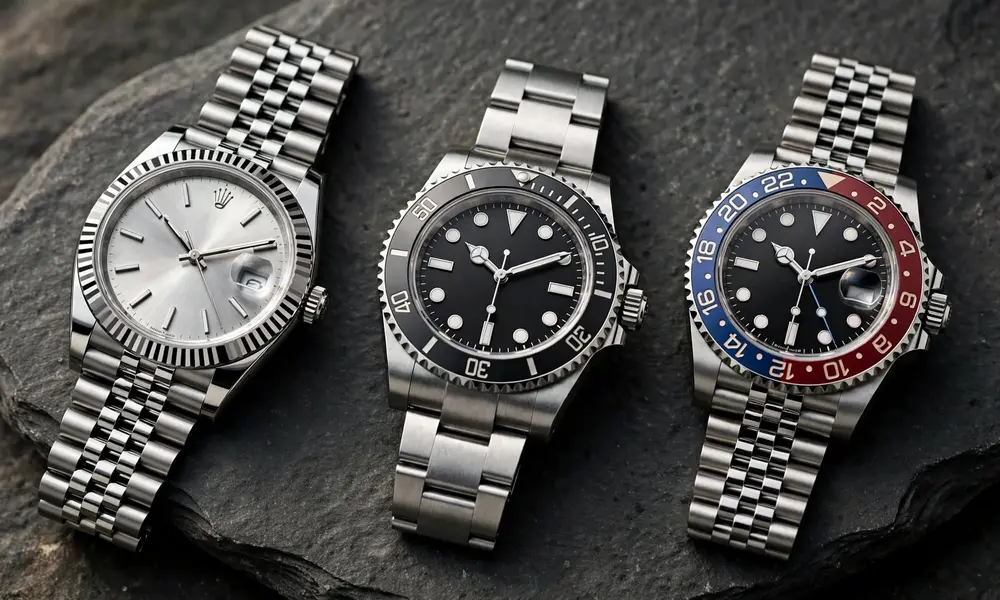
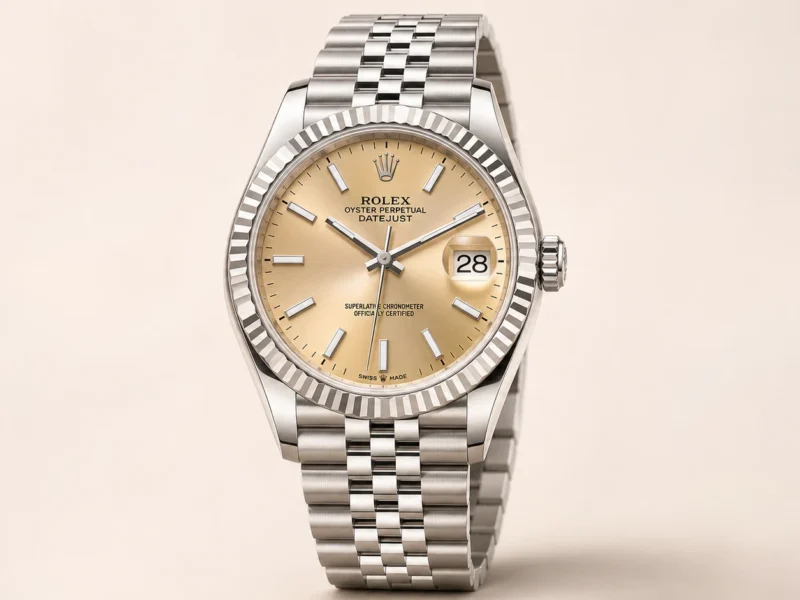
Rolex is a natural starting point because its watches are so widely recognized. The Datejust, Submariner, and GMT-Master II offer quite different expressions of that identity. Their craftsmanship, brand heritage, and market demand also help explain why Rolex watches are so expensive.
Try the watch before allowing its reputation to settle the decision. Notice the clasp, the way the bracelet follows your wrist, and whether the case feels balanced. Checking the Rolex watch case size guide can also help you understand which dimensions may suit your wrist best.
A Datejust that fits beautifully may be a better personal choice than a larger sports model you admire mainly in photographs. Recognition is useful context; comfort determines whether you keep reaching for it. If you want to try different Rolex models in person, exploring reputable luxury watch stores in New York can help you compare styles and find the right fit.
2. Patek Philippe: Look Beyond the Famous Sports Watches
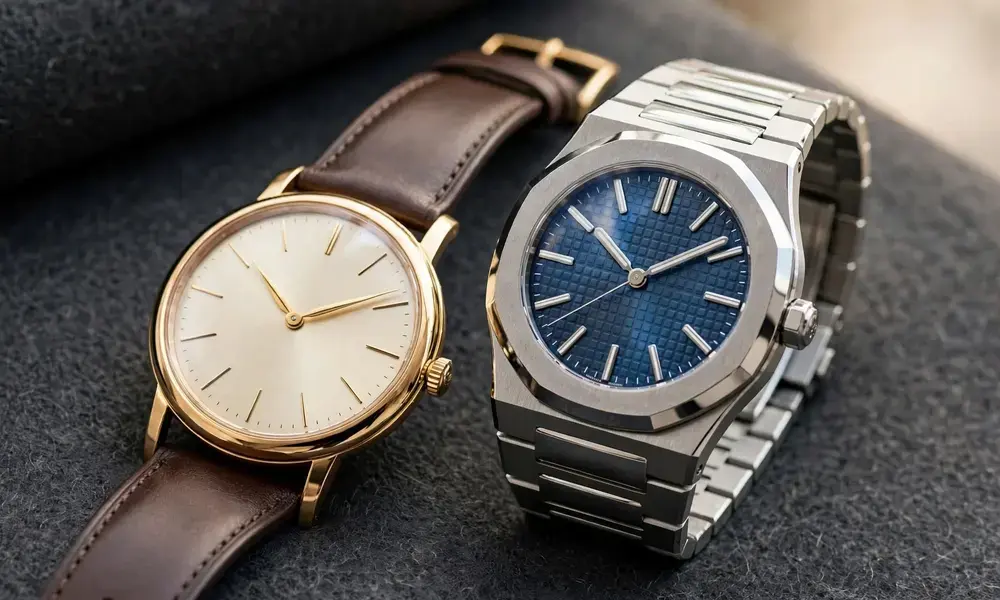
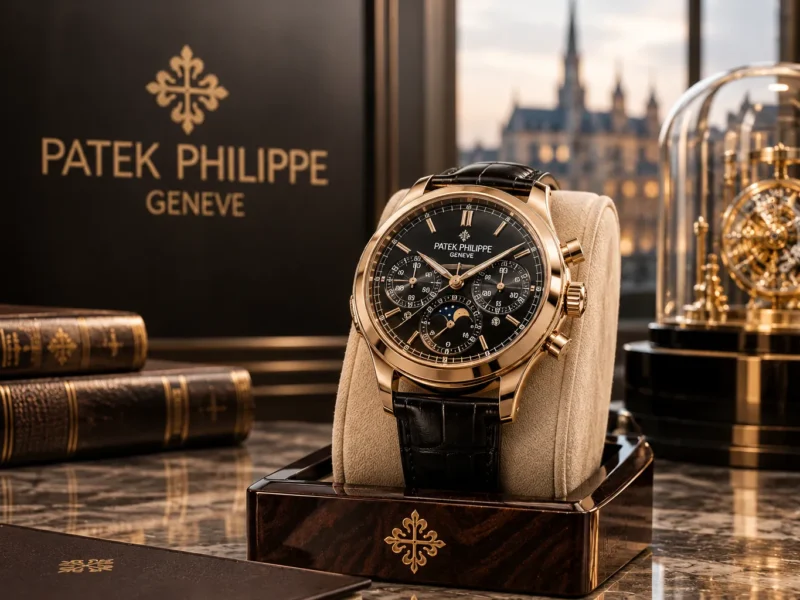
Patek Philippe’s collection extends well beyond the Nautilus and Aquanaut. Classical watches, calendars, world-time displays, and more elaborate complications form an important part of its appeal.
The manufacture traces its origins to 1839 and remains family-owned. Its archive and servicing commitments add another dimension to the ownership conversation.
Before choosing a complicated reference, learn its setting procedure. Understanding what happens beneath the dial is part of the pleasure and part of the responsibility. If you are also exploring mechanical timepieces with self-winding movements, our guide to the best automatic watches offers another useful starting point.
3. Audemars Piguet: Study the Surfaces
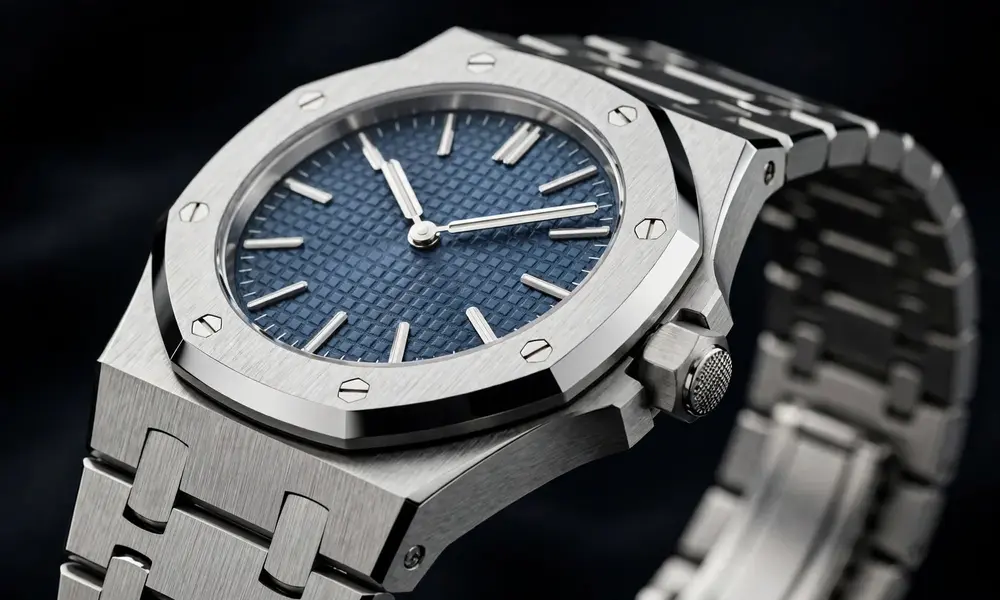
The Royal Oak is an obvious introduction to Audemars Piguet. Its appeal becomes easier to understand when you examine the transitions between brushed and polished surfaces.
Try it on rather than relying on its stated diameter. An integrated bracelet—the kind designed to flow directly from the case—can influence the fit substantially.
Explore the wider collection, too. A watchmaker with a celebrated design should not be reduced to a single silhouette.
4. Vacheron Constantin: Different Expressions of Refinement
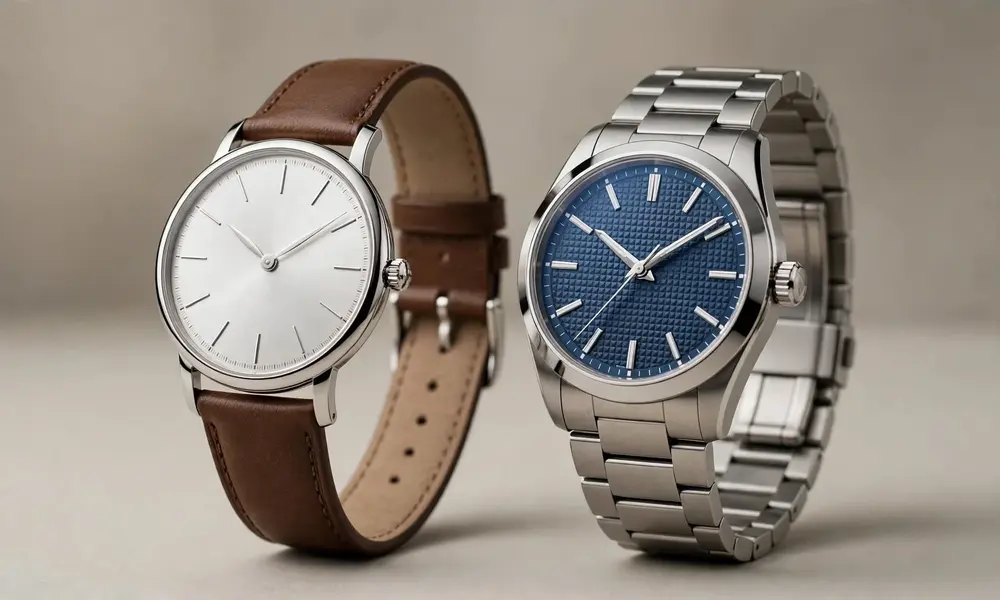
Vacheron Constantin offers several useful entry points into its character. Patrimony takes a restrained approach, Traditionnelle draws on classical watchmaking, and Overseas brings a more sporting interpretation.
Compare them according to your actual wardrobe and routine. A thin dress watch and a bracelet sports watch solve different needs.
Spend time with the dial proportions. The spacing of the hands, markers, and displays can make a watch feel composed long before you know its technical specification.
5. A. Lange & Söhne: Enjoy the Back as Much as the Front
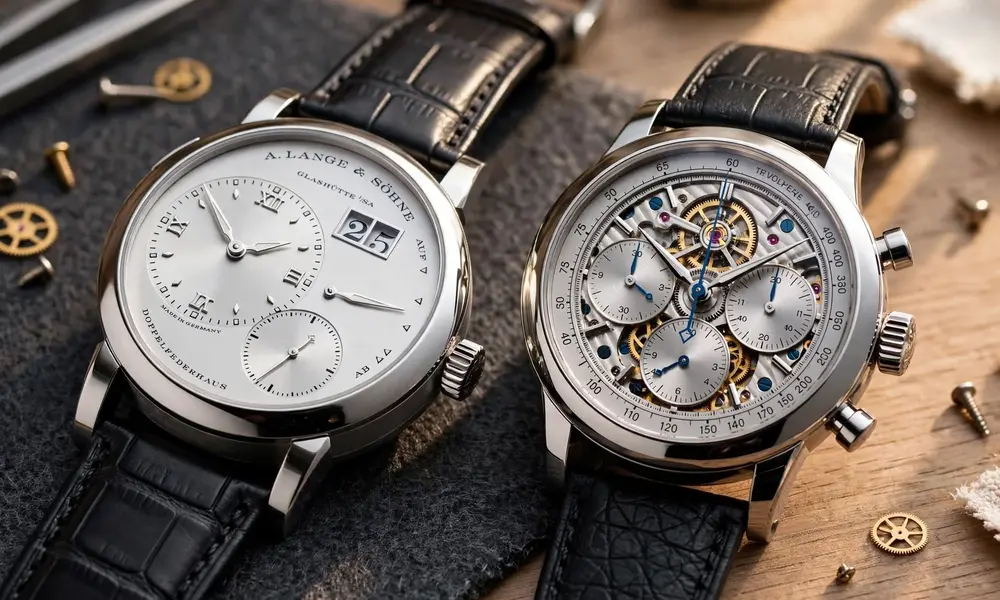
- Lange & Söhne offers a German perspective on high watchmaking.
The Lange 1’s asymmetrical display and the Datograph’s chronograph identity provide two very different introductions. Where a reference has a display caseback, turn it over and ask someone knowledgeable to explain what you are seeing.
Do not worry about knowing every component immediately. Recognizing the architecture, depth, and finishing gradually is one of collecting’s quieter pleasures.
6. Cartier: Take Design Seriously
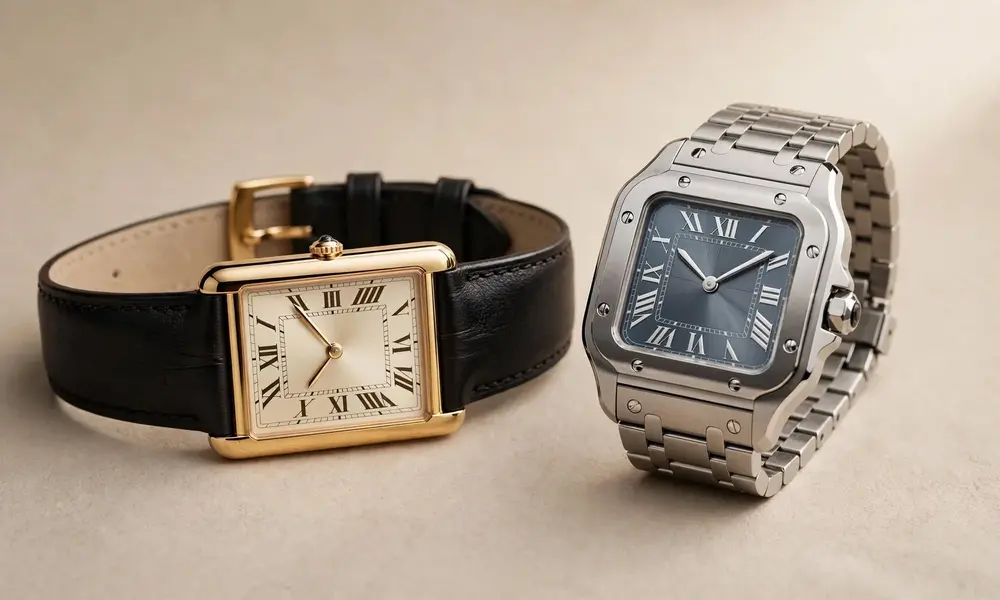
Cartier makes a strong case for choosing a watch by shape.
The Tank and Santos are useful places to begin. Their proportions can make familiar measurements feel different from those of a round watch.
Some references use quartz movements; others are mechanical. Choose deliberately. A quartz Cartier can offer convenience alongside the design you love, while a mechanical reference provides a different relationship with winding and timekeeping. The same considerations apply when comparing older and newer luxury timepieces, as explained in our guide to vintage vs. modern Rolex watches.
Neither choice needs an apology.
7. Omega: Compare the Reference, Not Just the Collection
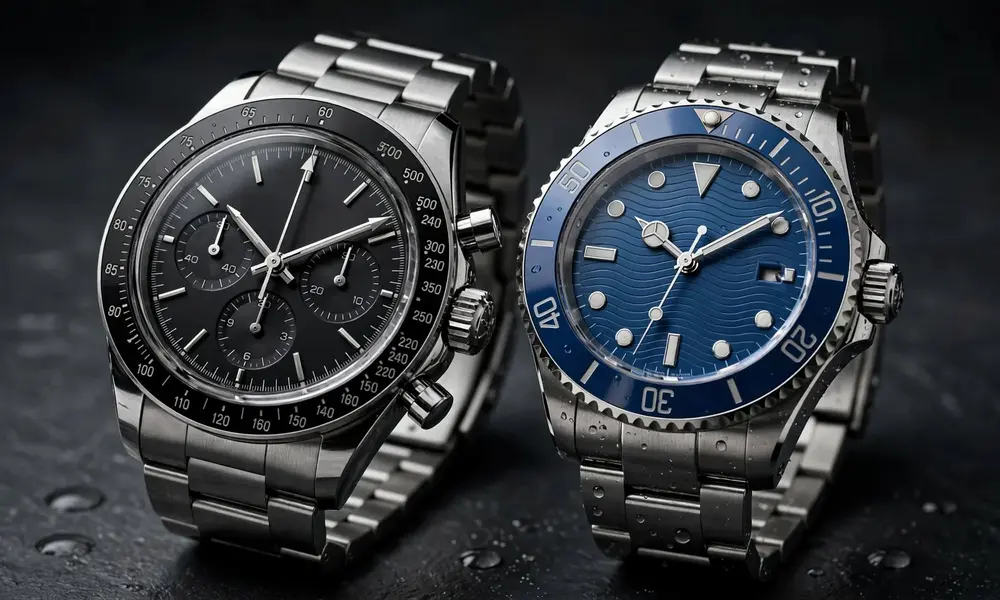
Omega’s Speedmaster, Seamaster, and Constellation collections have distinct personalities.
Even within one collection, movement type, thickness, case material, and intended use can vary. A broad model name is therefore only the beginning of the research.
If a Speedmaster interests you, try operating the chronograph—the stopwatch function—and consider whether you enjoy using it. If a Seamaster appeals, check the exact water-resistance specification and the condition of the individual watch.
8. Jaeger-LeCoultre: Character Through Form and Mechanics
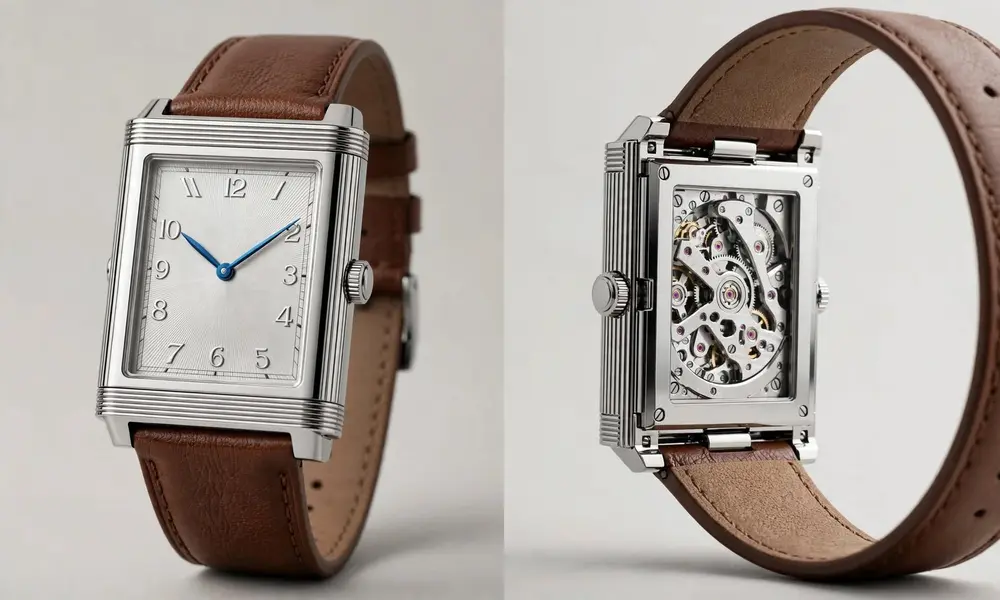
Jaeger-LeCoultre offers an appealing contrast between the rectangular Reverso and the round watches of the Master collections.
The Reverso deserves an unhurried fitting. Its length, thickness, and strap determine how it sits, while the reversible case gives the design its distinctive interaction.
Ask what the particular reference does. Different Reverso models use the case in different ways; you should not assume that every version provides the same display or functions.
9. Grand Seiko: Let the Details Earn Your Attention
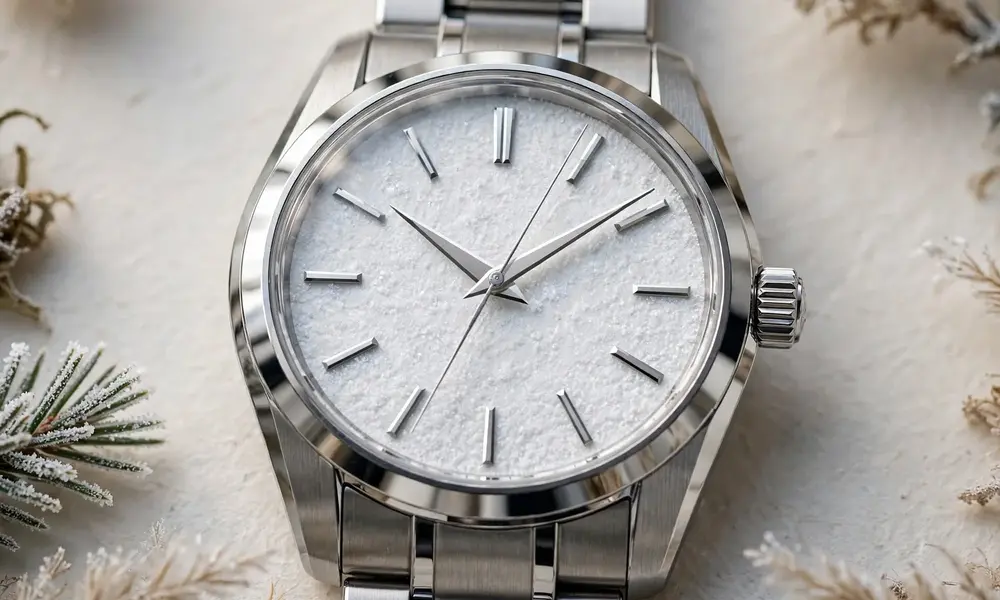
Grand Seiko rewards a close look at hands, markers, dial texture, and polished surfaces.
It also offers different movement technologies. Mechanical, quartz, and Spring Drive watches should be understood on their own terms.
Spring Drive uses a mainspring for power and a regulating system involving a quartz oscillator and integrated circuit. It is neither an ordinary battery-powered quartz movement nor a conventional mechanical escapement.
That technical distinction makes Grand Seiko particularly interesting for readers curious about how watches work.
10. Breguet: A Distinctive Classical Vocabulary
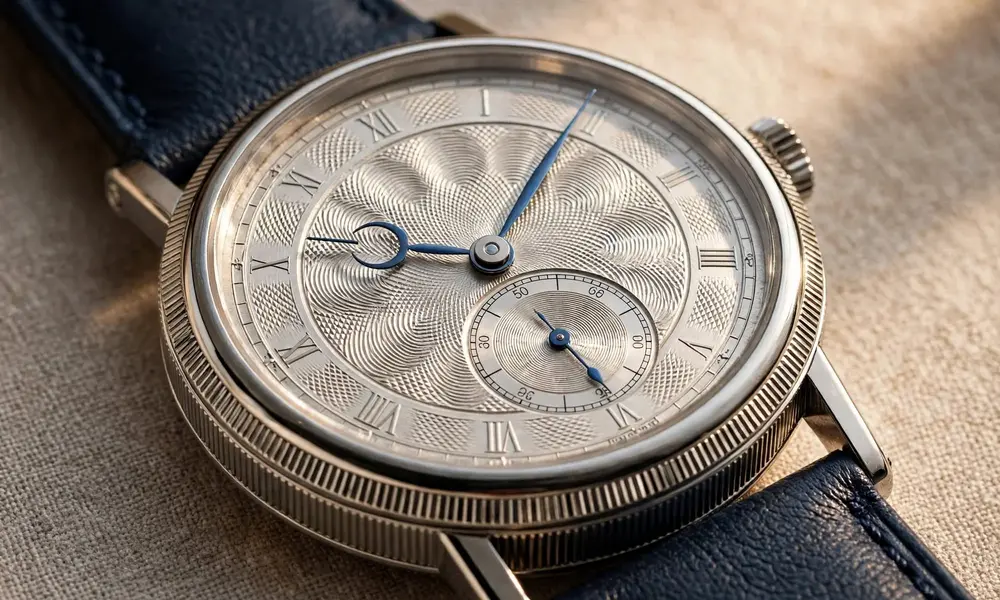
Breguet is worth exploring if you enjoy traditional dial arrangements, decorative detail, and a visibly classical character.
Classique and Tradition offer different ways into the brand. Look at the hands, numerals, case treatment, and how much of the mechanism is visible.
Allow your preferences to be specific. You might admire elaborate decoration while discovering that a cleaner dial is what you most enjoy wearing.
11. Blancpain: Explore Both Sporting and Classical Watches
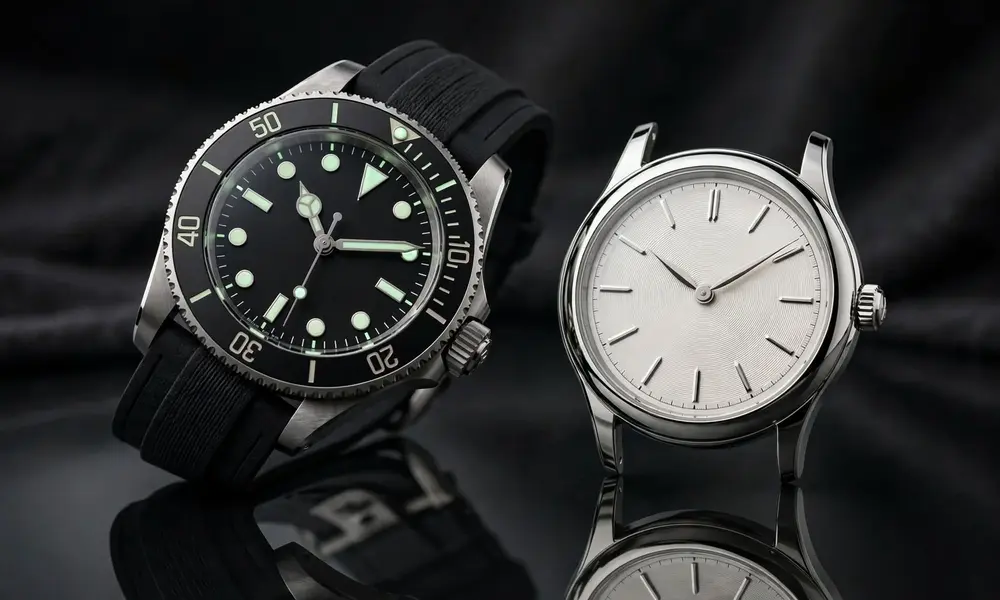
The Fifty Fathoms is a recognizable introduction to Blancpain, but the Villeret collection provides a different perspective.
Try both if the brand interests you. A substantial diving watch and an elegant calendar watch can feel like separate collecting conversations.
For any complicated reference, ask about setting, power reserve, and servicing. The ownership experience should feel as considered as the purchase.
12. IWC Schaffhausen: Readability and Wrist Presence
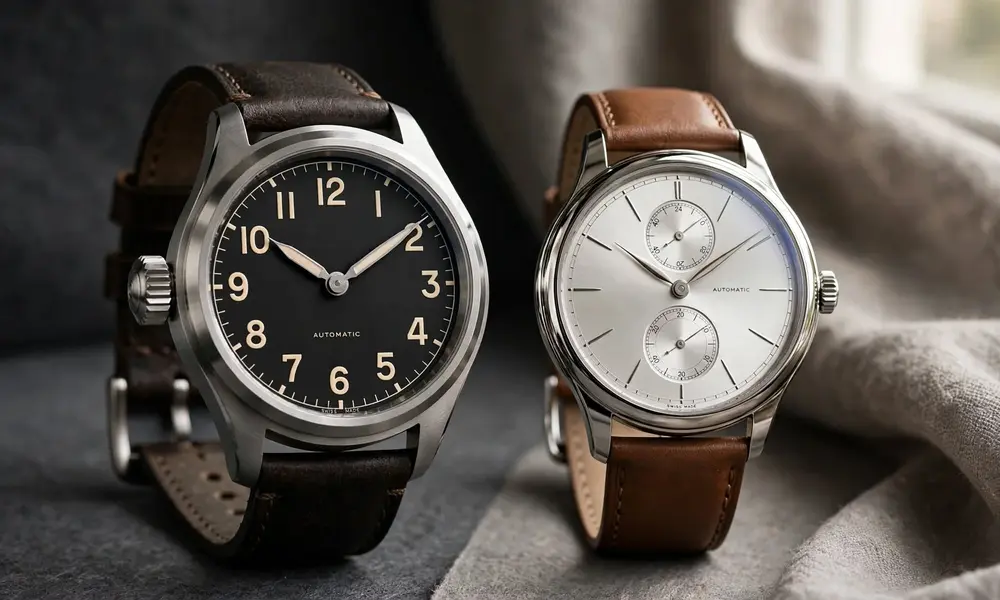
IWC’s Pilot’s Watches and Portugieser collections are useful starting points.
Pay attention to the relationship between dial space and case size. A clear, open dial can be appealing, but the complete watch still needs to fit comfortably.
Wear it with your sleeve down. A watch that looks balanced in a presentation tray may feel very different beneath a cuff.
13. Zenith: For the Chronograph-Curious
Zenith deserves attention if the chronograph is what draws you toward mechanical watches. The El Primero name is central to that discussion.
Ask the retailer to demonstrate the exact reference’s controls and displays. Understanding what each hand measures makes the dial much more engaging.
Then consider whether you like reading it. Technical interest should support the experience of wearing the watch.
14. Breitling: Choose Your Preferred Level of Detail
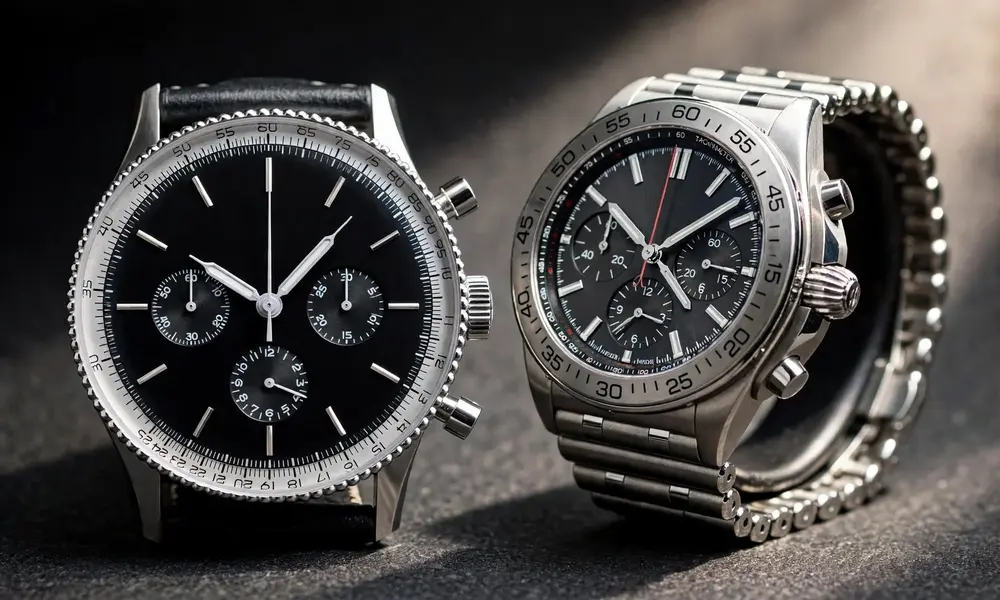
Breitling offers different personalities through collections such as Navitimer, Chronomat, and Superocean.
A busy dial may feel wonderfully purposeful to one wearer and distracting to another. Neither reaction needs correcting.
Try several references and notice what your eye finds first. Good legibility is personal as well as technical: the display should make sense to you.
15. Tudor: Judge It on Its Own Merits
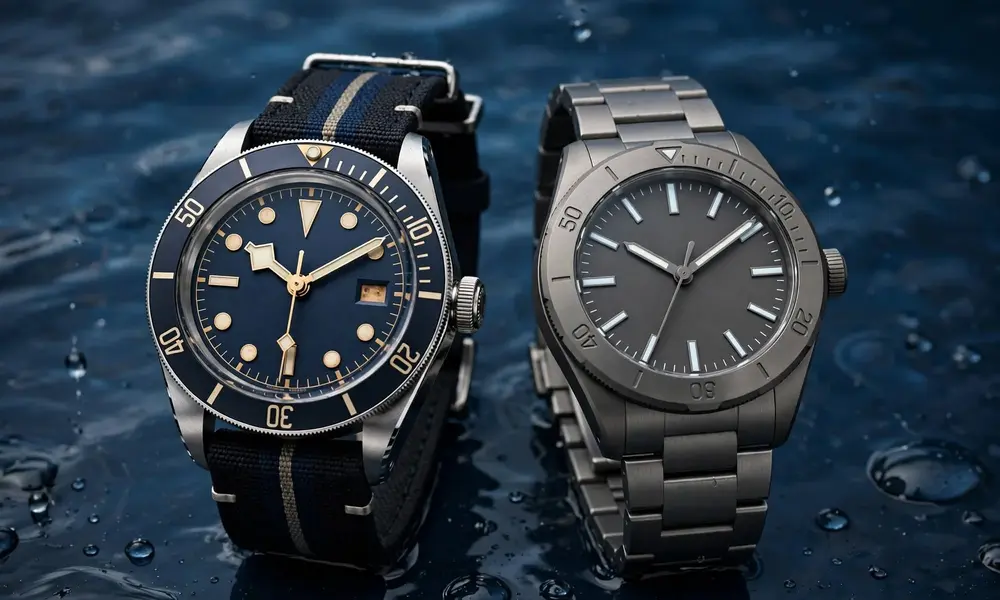
Tudor’s Black Bay and Pelagos collections provide useful introductions to its sporting watches.
Look closely at case thickness, bezel action, bracelet adjustment, and how the watch feels after several minutes. Different references can produce quite different impressions.
Buy the Tudor you want to own. Choosing any watch mainly as a temporary substitute can leave you looking past a perfectly satisfying piece.
16. Chopard: Two Perspectives Worth Exploring
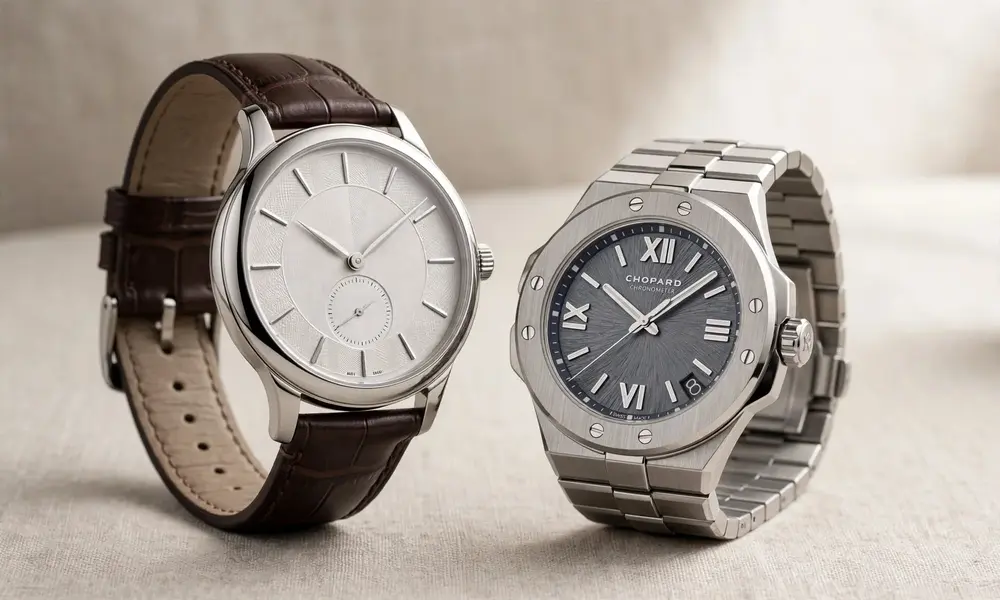
Chopard combines watchmaking with a substantial jewelry identity. Its L.U.C and Alpine Eagle collections offer different starting points for someone interested in the mechanical side.
Compare their proportions, movement specifications, and visual character rather than expecting one consistent look across the house.
The useful question is which part of Chopard’s work speaks to you: classical refinement, a sporting bracelet watch, decorative expression, or some combination.
17. Piaget: Pay Attention to Thinness and Proportion
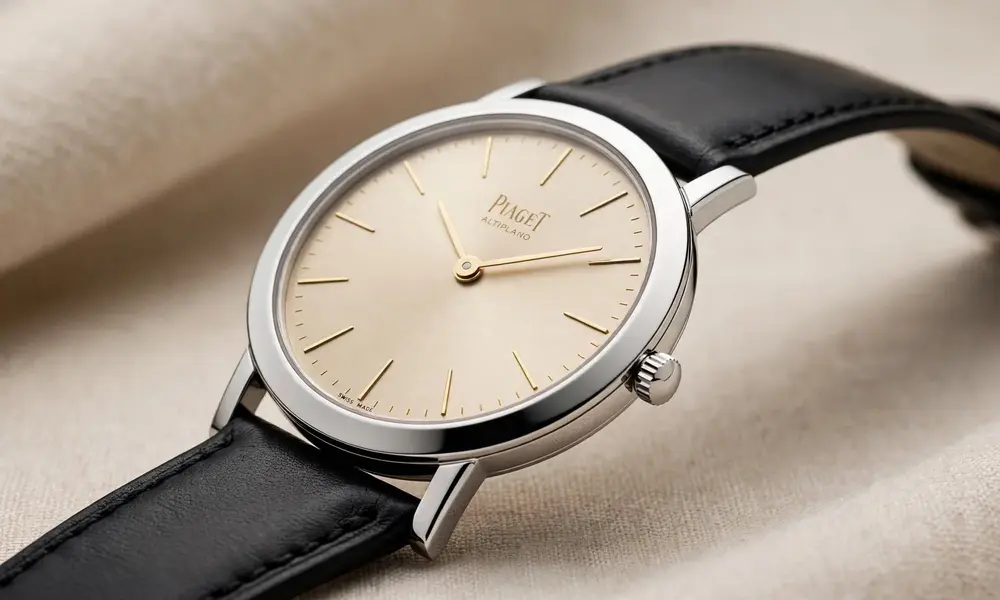
Piaget is especially interesting when slim proportions are part of what you want from a watch.
Thinness is not merely a number on a specification sheet. It changes how a watch slides beneath clothing, sits against the wrist, and relates to its strap or bracelet.
Try the complete watch and check the intended-use guidance for the reference. Elegance should fit your routine, not become a source of constant concern.
18. Bulgari: Architecture on the Wrist
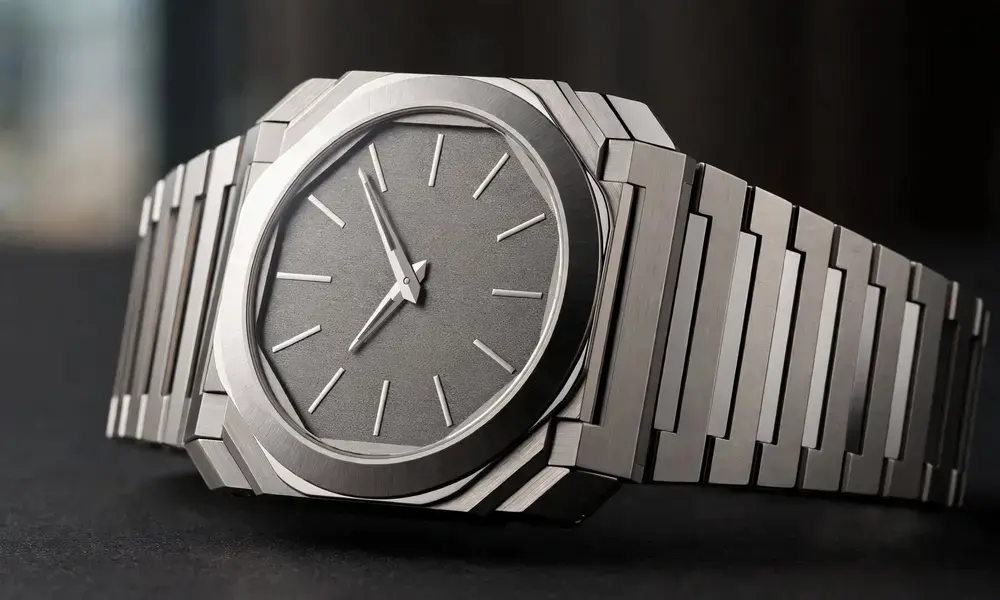
Bulgari brings a particularly strong design perspective to watchmaking.
The Octo Finissimo is worth exploring if you are drawn to angular form and slim construction. Its visual character differs considerably from a conventional round dress watch.
Move it around on your wrist and look from several angles. The case, bracelet, and dial work as one composition; a close-up photograph tells only part of that story.
19. Richard Mille: A Specialist Kind of Attraction
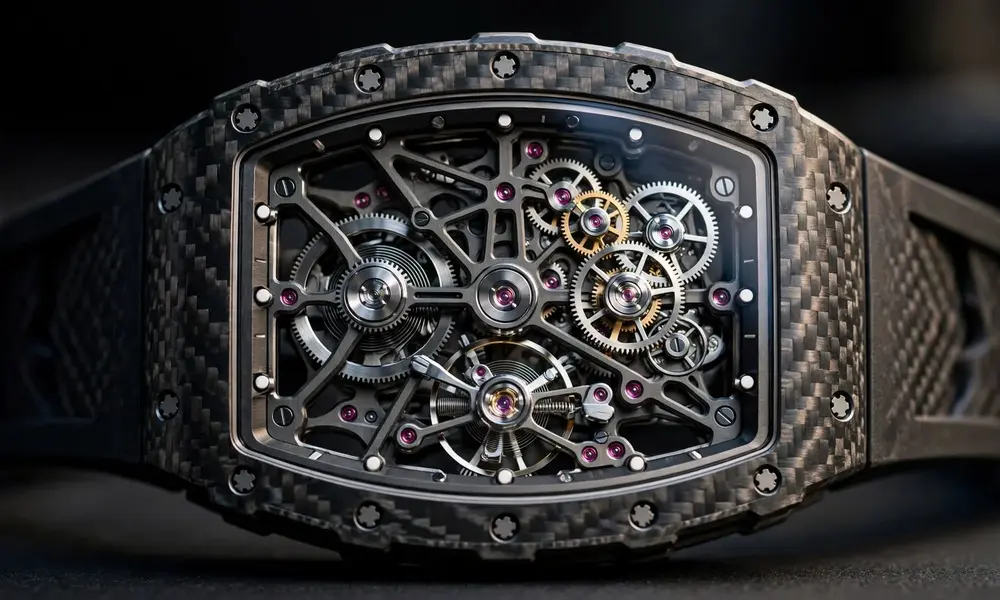
Richard Mille belongs to a very different aesthetic conversation from a restrained classical watch.
Exposed mechanics, distinctive cases, and reference-specific materials form part of its appeal. Avoid generalizing across the collection: different models can involve different movements and technical ideas.
At this level, understanding servicing, insurance, provenance, and the precise reference is essential. Visual excitement should lead to closer investigation.
20. F.P. Journe: Follow the Particular Watch
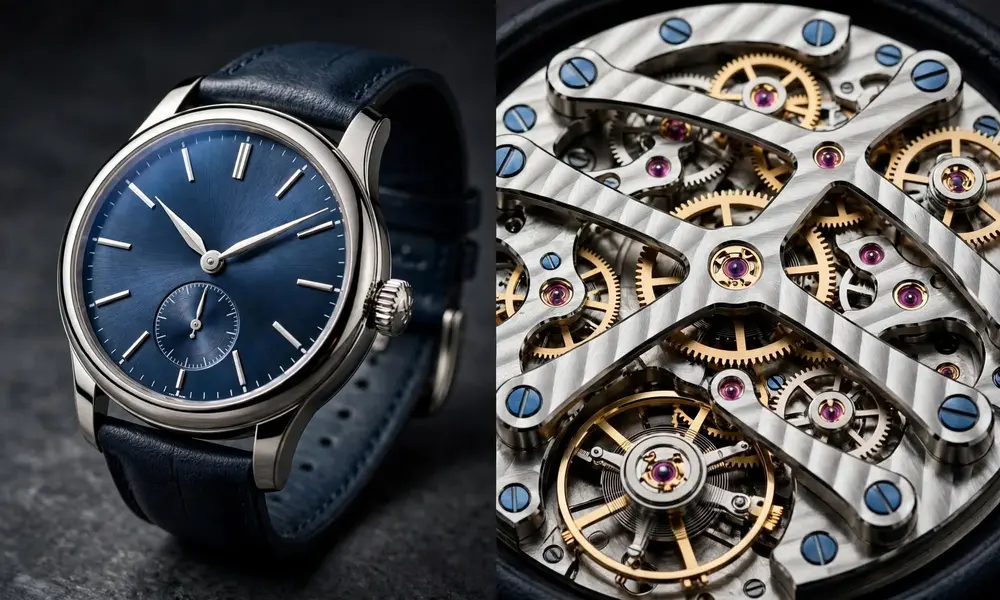
F.P. Journe is an important name to explore when your interest turns toward independent watchmaking.
Begin with the technical idea and design of the individual piece. Ask why its displays are arranged as they are and what distinguishes its mechanism.
You do not need to admire everything a watchmaker produces. A thoughtful collection can begin with one watch whose logic, proportions, and character make sense to you.
How Do You Choose a Watch You Will Still Love Later?
Use the watch in the boutique as far as the retailer permits. Read the time at a glance, fasten the clasp, move your wrist, and check it with your sleeve.
Then take a step back from the mirror. A close wrist photograph can exaggerate proportions.
Finally, ask yourself whether you would still want the watch if nobody recognized it. Recognition can be enjoyable, but it should not carry the entire purchase.
Before You Buy
- Identify the exact reference and movement.
- Check diameter, thickness, and fit in person.
- Confirm included accessories and warranty terms.
- Ask about servicing and likely turnaround arrangements.
- Understand the reference’s water-resistance guidance.
- For pre-owned watches, investigate condition, provenance, and replacement parts.
- Set a comfortable total budget, including ownership costs.
- Give yourself time to decide.
Frequently Asked Questions
What is the number-one luxury watch brand?
There is no universal answer. Rolex has broad recognition, while houses such as Patek Philippe, Vacheron Constantin, and A. Lange & Söhne appeal for different watchmaking reasons.
Are Swiss watches always better?
No. Country of origin does not establish the quality of every watch. German and Japanese makers offer distinctive, serious approaches to luxury watchmaking.
Is quartz acceptable in a luxury watch?
Yes. Movement technology should suit your preferences. Design, execution, accuracy, and convenience can all contribute to a worthwhile watch.
Are luxury watches good investments?
Some watches retain value better than others, but appreciation is not guaranteed. Buy within a budget that remains comfortable without depending on a future profit.
What should your first luxury watch be?
Choose something that fits, suits your routine, and has an ownership process you understand. A simple watch you enjoy wearing is a strong beginning.
Does an in-house movement automatically make a watch better?
No. Movement origin is one consideration. Reliability, execution, serviceability, performance, and suitability matter too.
Final Thoughts
Learning the top luxury watch brands gives you a vocabulary. Choosing a watch gives that knowledge a personal meaning.
Take your time with the details. Notice the clasp, the dial in ordinary light, and the way the case settles against your wrist. The right watch should give you a reason to look again even when you already know the time.