Why are Rolex watches so expensive? The question often arrives just after admiration. You notice the watch first: the proportions, the dial, the bracelet catching the light. Then you see the price and begin wondering how a small mechanical object can cost as much as a substantial holiday or considerably more.
Rolex watches are expensive because their prices combine Swiss manufacturing, mechanical engineering, materials, finishing, testing, and the commercial value of the brand. On the secondary market, availability and buyer demand can add another premium.
Those factors do not contribute equally to every watch. A steel Explorer, a gold Day-Date, and a collectible vintage Daytona have very different reasons for their prices.
Understanding the distinction makes shopping more enjoyable. You can appreciate the craftsmanship while deciding how much the complete experience is worth to you.
Key Takeaways
- Manufacturing quality explains part of Rolex pricing; brand value and market demand also matter.
- Rolex combines advanced machinery with skilled human work.
- Oystersteel belongs to the 904L steel family, but raw metal alone cannot explain a finished watch’s price.
- Official retail prices and secondary-market prices answer different questions.
- Testing standards provide concrete information beyond the brand name.
- Rolex does not publish a model-by-model breakdown of production cost and profit.
What Are You Actually Paying For?
Think of a Rolex purchase as three overlapping elements: the watch, the brand, and access to the particular example you want.
The watch includes its mechanism, case, bracelet, materials, finishing, and testing.
The brand includes design identity, reputation, recognition, and the meaning buyers attach to ownership.
Access concerns where and when you can buy your preferred reference—and whether a seller charges a premium for having it available.
This framework helps explain why two genuine Rolex watches can have similar technical foundations but very different prices.
| Price factor | What it contributes | What it does not establish |
| Manufacturing | Components, assembly, finishing, and quality control | The exact cost of making one watch |
| Materials | Properties, appearance, and processing requirements | That the retail price equals material value |
| Mechanical engineering | Winding, timekeeping, power reserve, and functions | Greater accuracy than every cheaper technology |
| Testing | Verification against specified performance criteria | Freedom from maintenance or damage |
| Brand identity | Recognition, design continuity, and desirability | A universal level of personal value |
| Secondary-market demand | The price buyers accept for availability | Additional engineering in the watch |
| Collectibility | Interest in particular references and examples | Guaranteed future appreciation |
1. Rolex Makes Much of the Watch It Sells
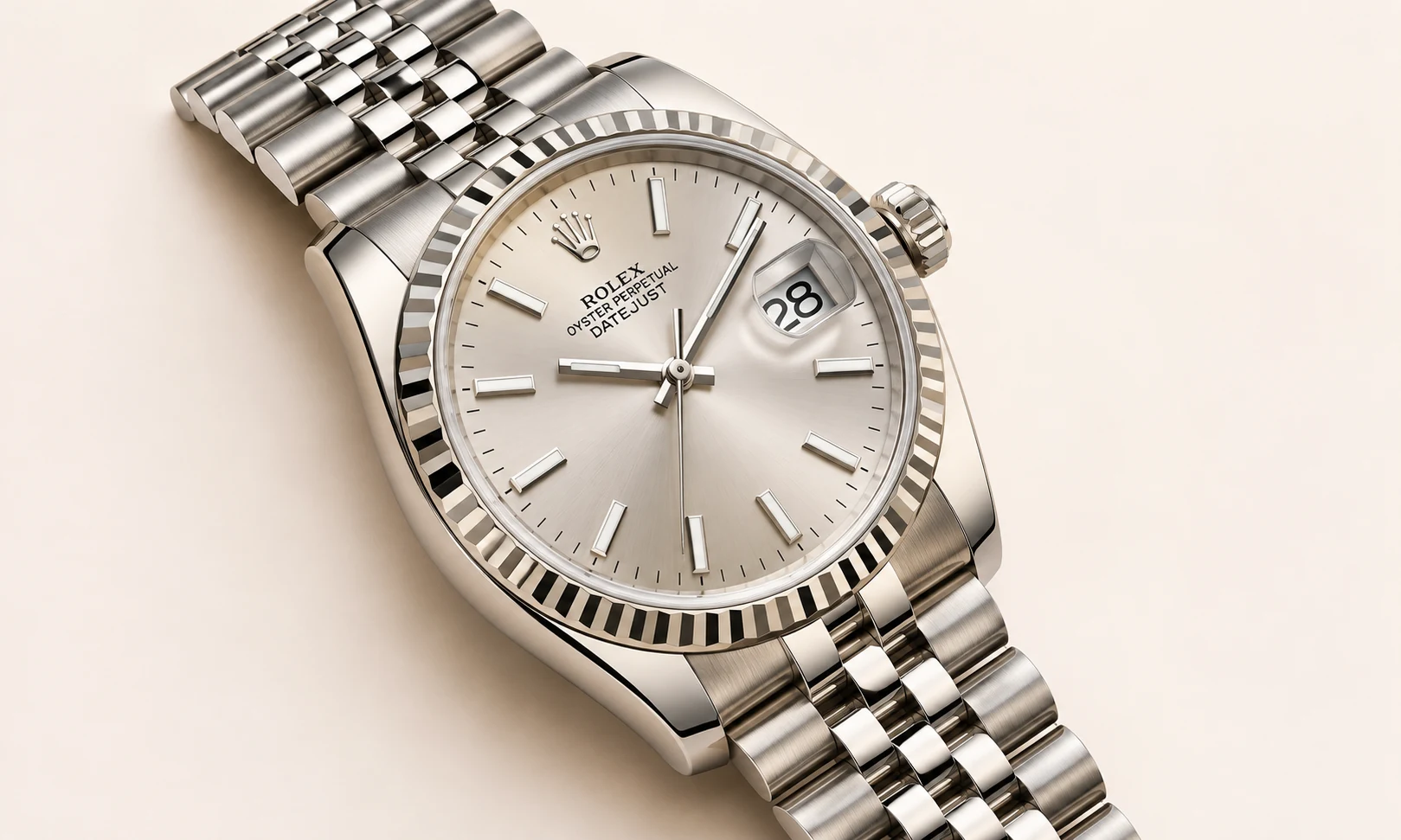
Rolex describes itself as a highly integrated manufacturer, developing and producing the majority of its watch components.
Its Swiss facilities divide responsibilities across movements, cases, bracelets, dials, ceramic components, and final assembly.
That matters because the company controls many stages that could otherwise be purchased from specialist suppliers. Doing so requires machinery, technical expertise, development, and quality-control systems.
However, integration alone does not establish a watch’s superiority. Excellent watchmaking can also involve outside specialists.
The useful point is that a Rolex price supports a substantial manufacturing operation, alongside the finished object you receive.
Are Rolex Watches Handmade?
Skilled human work is part of the process, including movement assembly. Advanced industrial equipment is also central to production.
Both belong in an accurate explanation.
Precision machinery can produce components consistently, while people perform assembly, inspection, finishing, and other skilled tasks. “Handmade” should not be interpreted as meaning every component is shaped individually using only traditional hand tools.
Rolex’s approach brings industrial precision and human expertise together.
2. The Materials Matter but They Are Only the Beginning
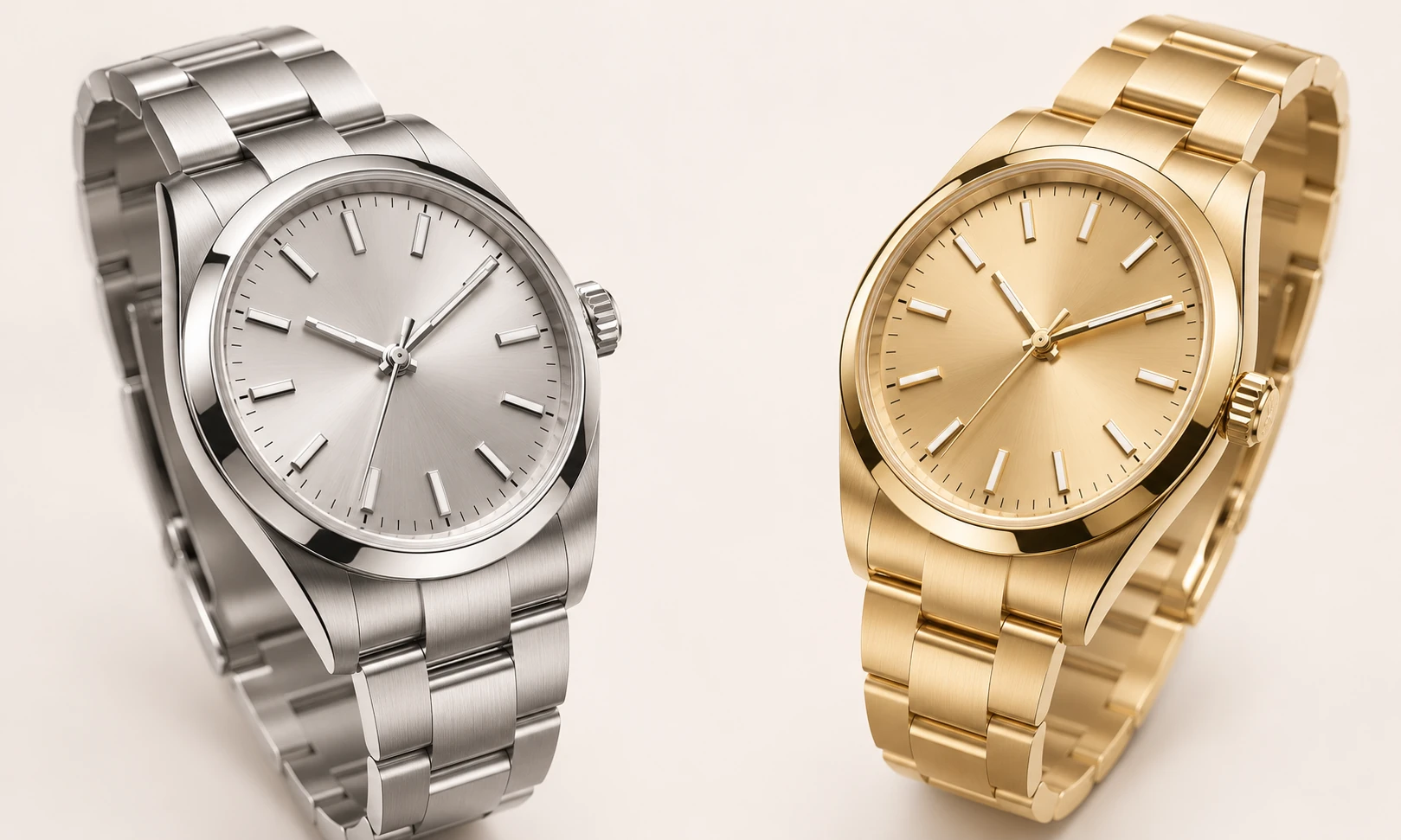
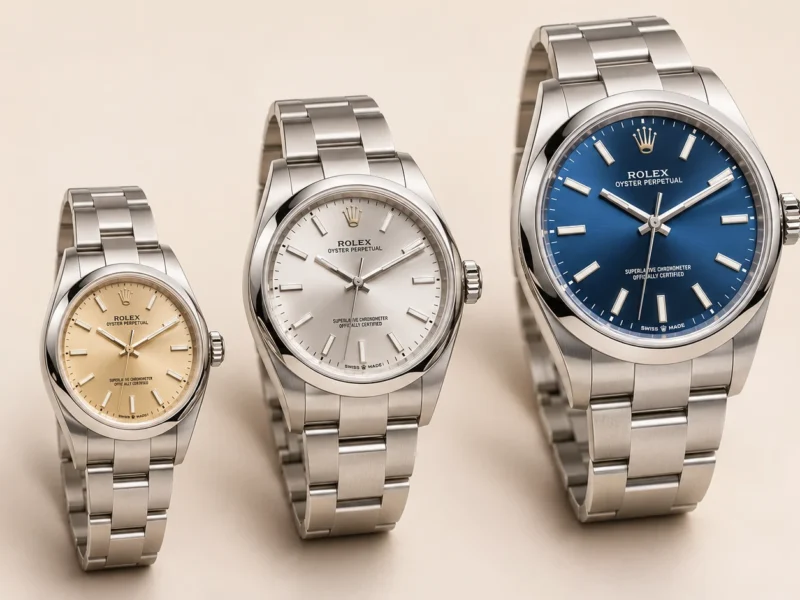
Rolex uses different materials across its collections, including Oystersteel, gold alloys, platinum, titanium, and ceramic components.
These affect appearance, weight, manufacturing, and cost. They also create different experiences on the wrist.
Oystersteel Is More Than a Marketing Name
Rolex states that Oystersteel belongs to the 904L steel family, associated with strong corrosion resistance.
That is a meaningful material choice. It does not mean the steel is impossible to scratch, nor does it explain the entire price of a steel Rolex.
The finished case and bracelet involve shaping, machining, assembly, and finishing. Buying a watch is different from buying an equivalent weight of raw metal.
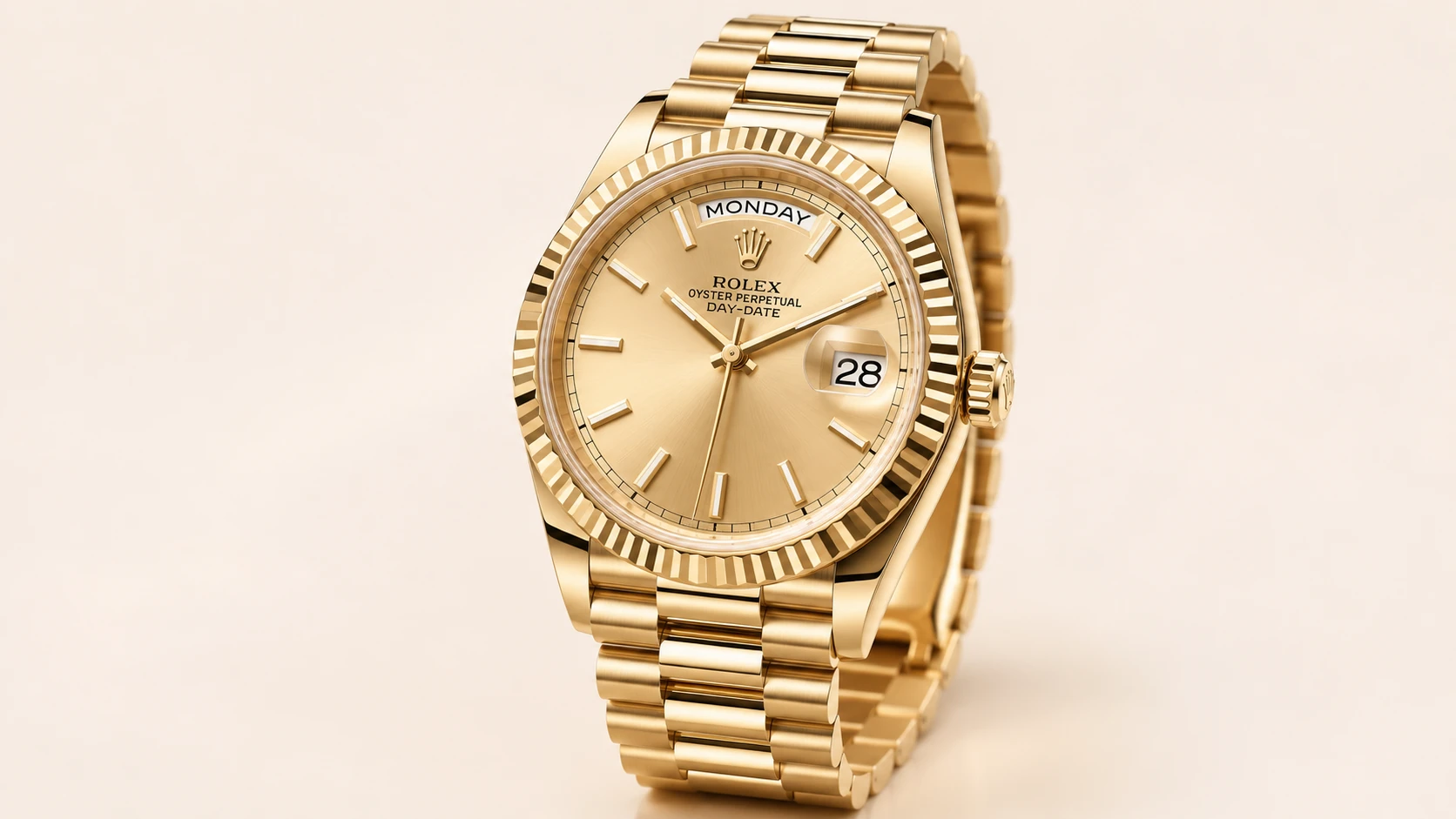
Rolex Produces Its Gold Alloys
At its Plan-les-Ouates facility, Rolex operates a foundry that produces the 18-carat gold alloys used in its watches.
An 18-carat alloy contains 75% gold, with other metals contributing to its color and properties.
Owning that production process gives Rolex control over the material it uses. The price of a finished gold watch still includes much more than gold content: the movement, construction, workmanship, distribution, and luxury positioning remain part of the purchase.
Ceramic Adds Another Manufacturing Challenge
Rolex’s Cerachrom ceramic components offer high scratch resistance and color stability. Producing and finishing them is another part of the manufacturing process.
Remember that resistance to scratches is one property. It should not be treated as a promise that a watch or component cannot be damaged.
3. A Mechanical Movement Is a Small Engineering System
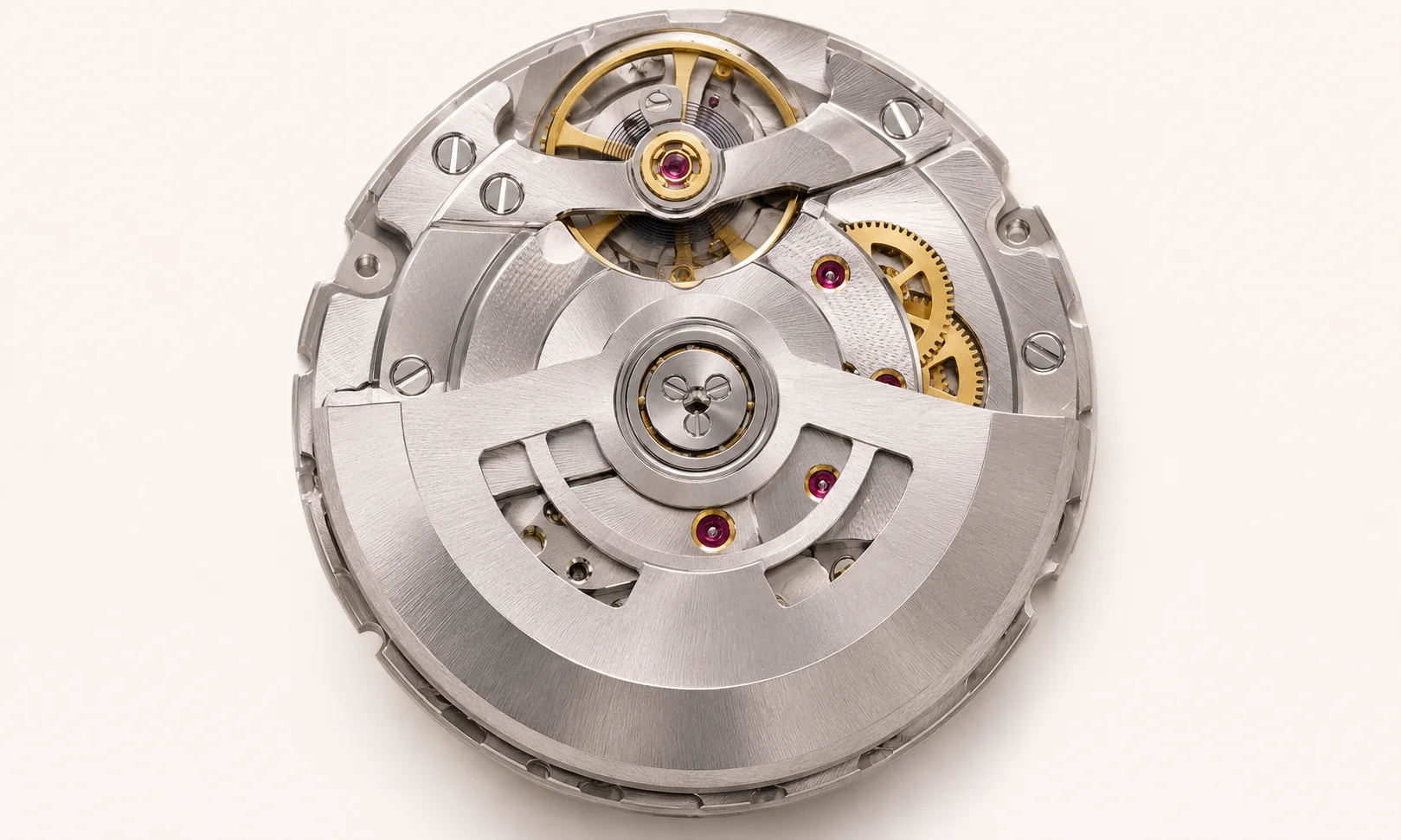
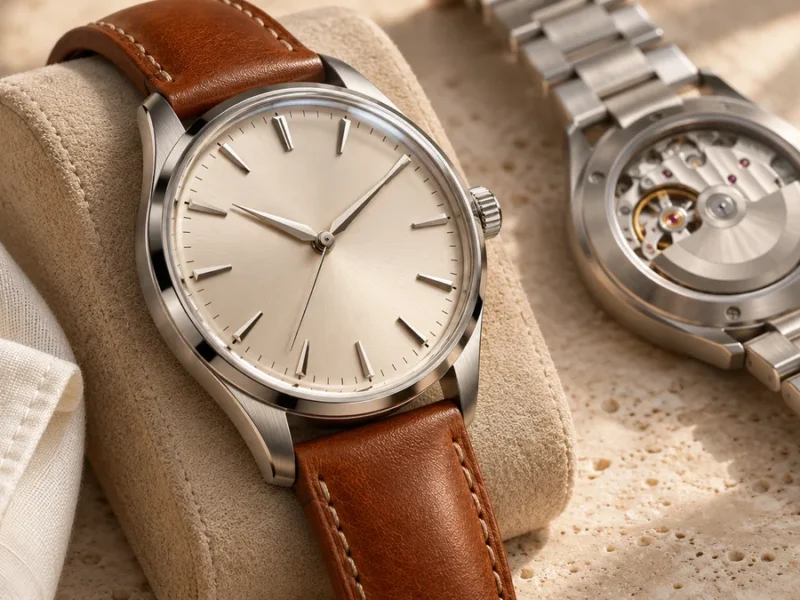
Inside an automatic Rolex, a mainspring stores energy, a regulating system controls its release, and a series of components turns that energy into displayed time.
Depending on the model, the movement may also operate a date, an additional time-zone display, a chronograph, or other functions.
Other manufacturers approach this challenge differently, and Japanese luxury watches offer interesting examples of precision engineering, distinctive movements, and meticulous finishing.
For an owner, the pleasure may be partly technical. There is something compelling about carrying a working mechanism rather than simply reading a screen.
Still, mechanical complexity does not make Rolex the cheapest or most accurate way to tell time. Its appeal includes the kind of object it is.
4. Rolex Tests the Finished Watch
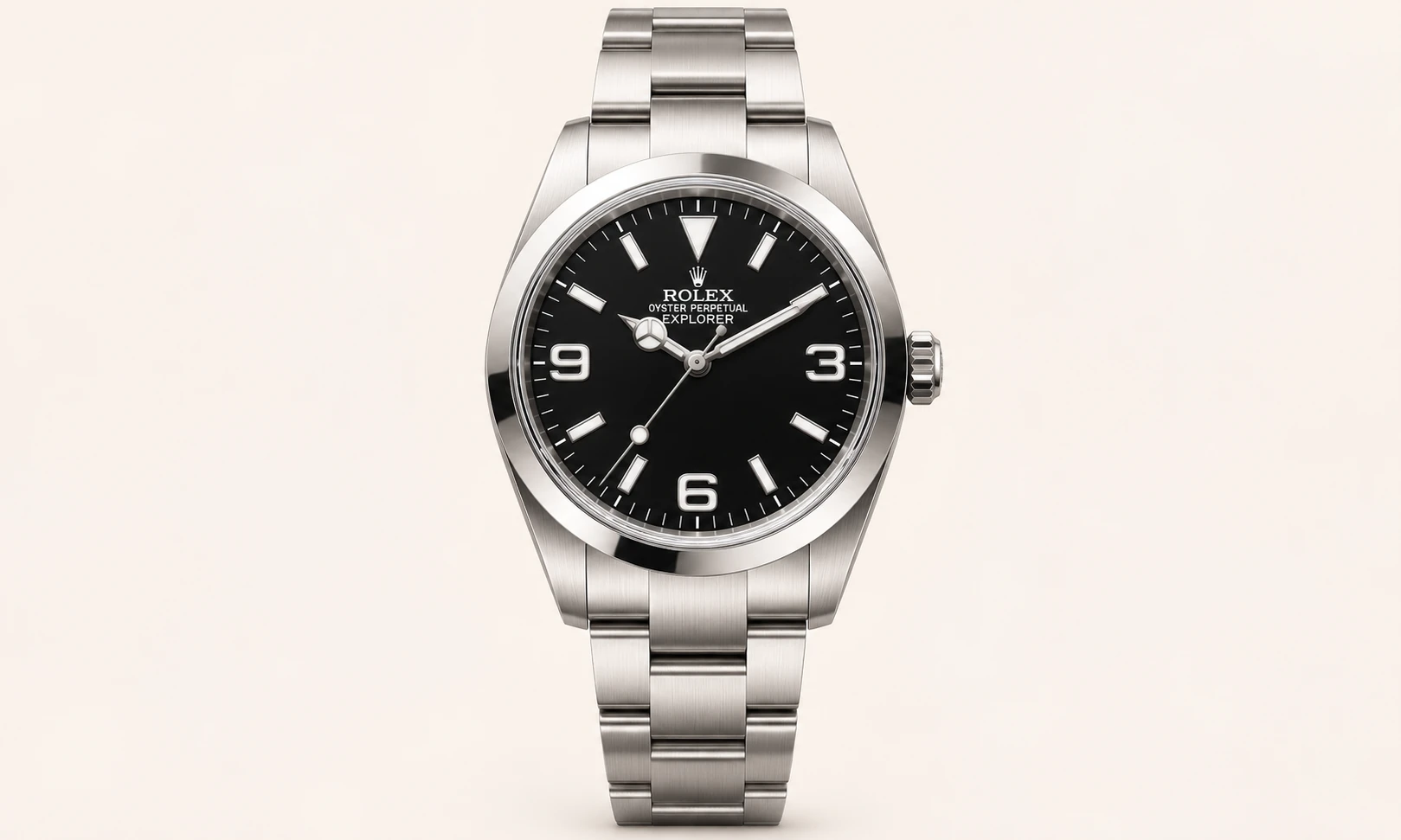
Testing provides one of the clearest ways to move beyond general statements about quality.
Rolex’s Superlative Chronometer standards include a stated precision of −2/+2 seconds per day after casing, alongside checks relating to water resistance, self-winding, and power reserve.
In 2026, Rolex announced additional certification criteria addressing resistance to magnetism, reliability, and durability during design and manufacturing.
These are more useful details than a broad claim that a watch is “built to perfection.” They describe performance requirements the company says it verifies.
They also have limits. Real-world condition, use, and maintenance still matter. A certification does not make a mechanical watch immune to wear.
5. Finishing Shapes the Experience of Ownership
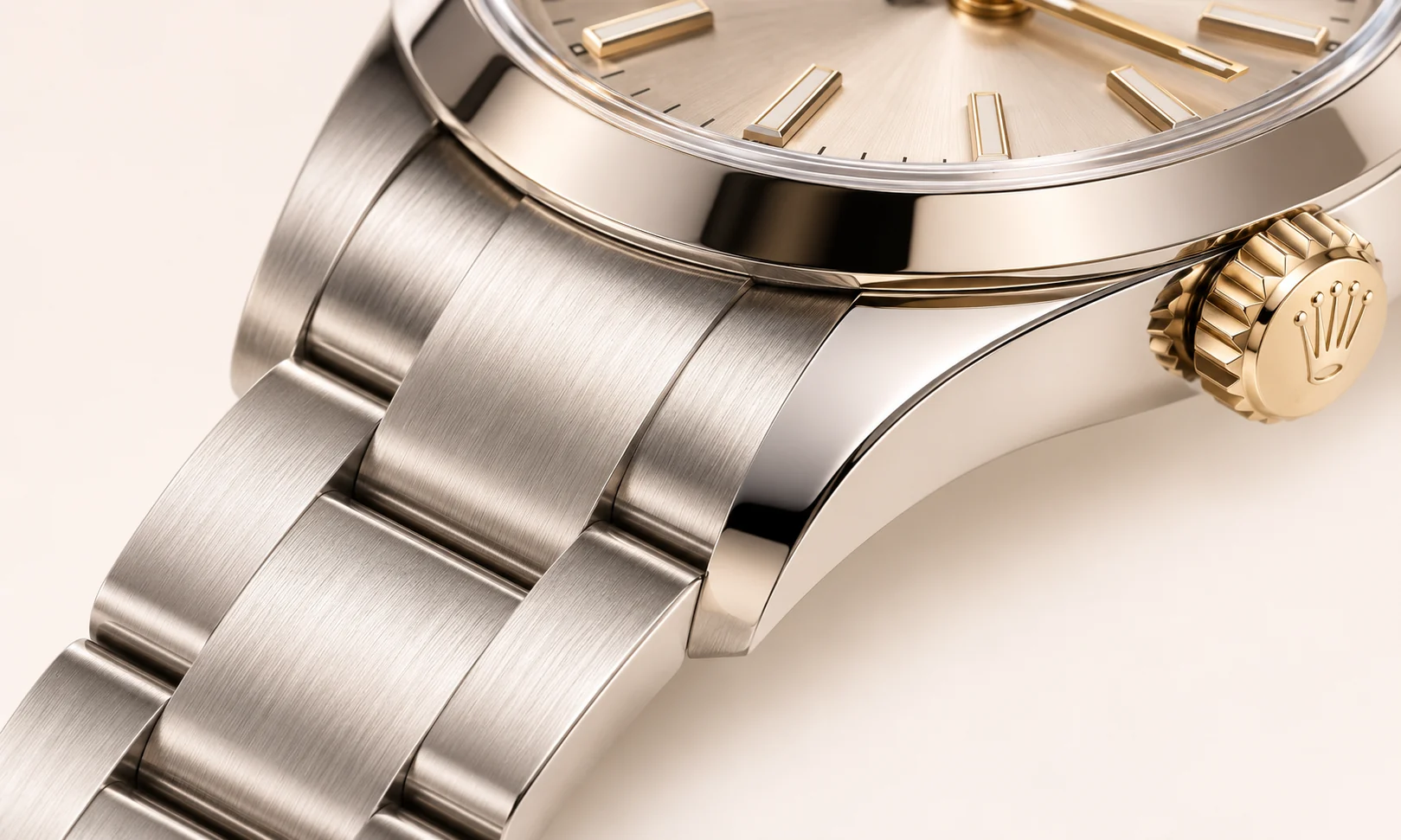
Some of the most satisfying details are encountered through touch.
The bracelet settles around your wrist. The clasp closes. Light moves between polished and brushed surfaces. The crown feels different from the one on another watch.
For those who prefer understated styling, a carefully chosen watch can also complement a quiet luxury wardrobe built around timeless designs and refined details.
Give yourself time with the exact model. Assess comfort, adjustment, readability, and the way it works with your normal movements.
Finishing contributes to the experience, but it is still personal. You may prefer the feel or design of another brand.
6. You Are Also Paying for Rolex as a Brand
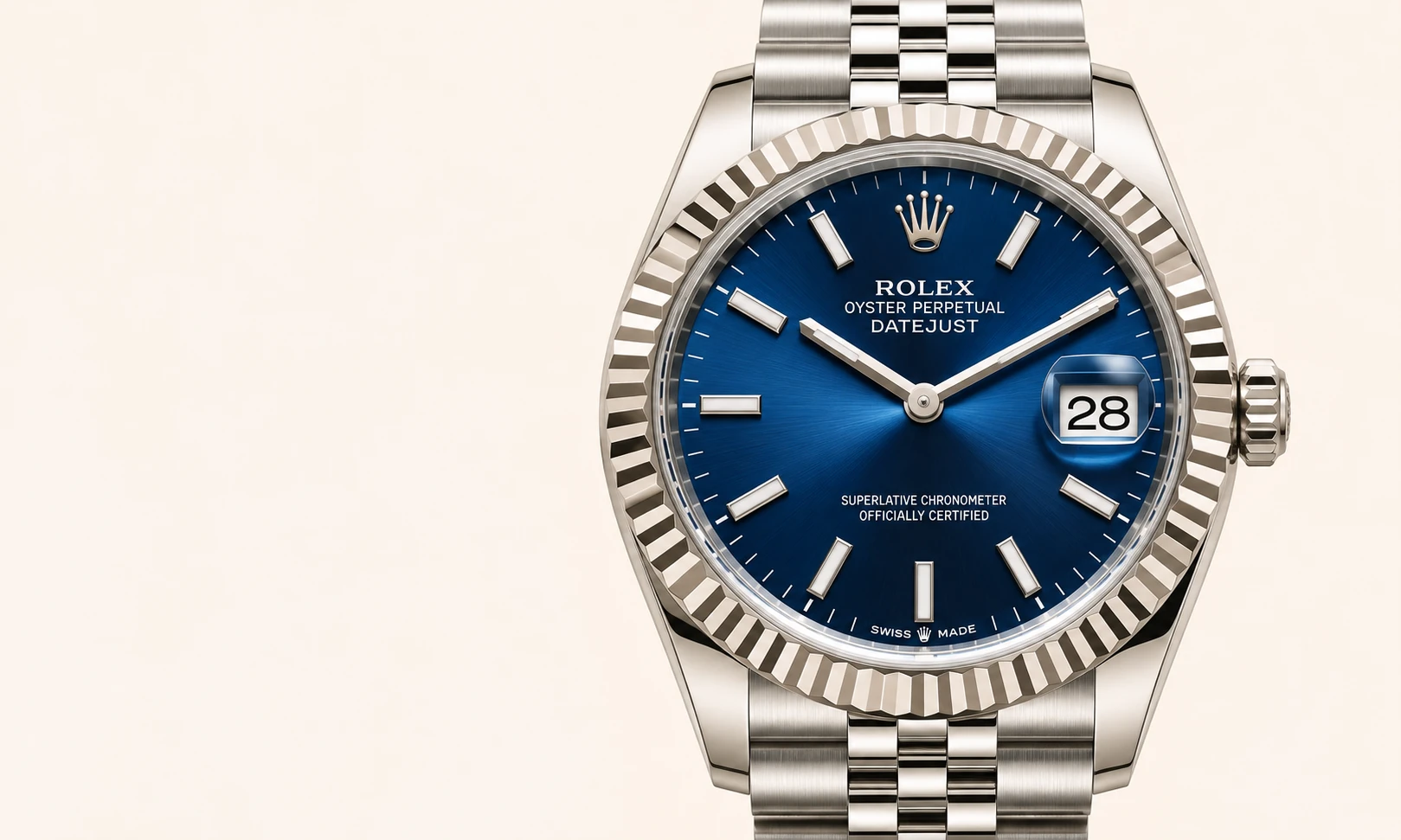
Rolex is one of several globally recognized names featured among the leading luxury watch brands, each offering a different combination of heritage, craftsmanship, and design.
For one person, ownership marks a professional achievement. For another, the attraction is a particular design. Someone else may remember a parent wearing the same model.
These meanings can be valuable without appearing in a technical specification.
The honest approach is to acknowledge them. Brand appeal is part of luxury pricing, and buyers should decide how much it matters to them.
You can admire the engineering and enjoy the symbolism at the same time.
Why Can a Rolex Cost More Than Its Retail Price?
Secondary-market pricing is a separate issue from the manufacturer’s retail price.
Rolex states that demand sometimes exceeds its production capacity and that official retailers independently manage allocation and sales.
When buyers want a particular reference immediately, some secondary-market sellers may charge more for an available example. Other watches may trade below retail.
A premium buys access at that moment. It does not add another function or improve the movement inside the watch.
Before paying one, compare the exact reference, condition, seller terms, and alternatives. Decide whether obtaining that watch now is worth the additional amount to you.
Does Anyone Know Exactly How Much a Rolex Costs to Make?
Not from a publicly available model-by-model accounting.
Rolex does not publish a complete breakdown showing each watch’s materials, labor, development, distribution costs, and profit.
That means precise online claims about manufacturing cost or percentage markup deserve scrutiny.
We can identify documented processes and materials. We can compare prices and specifications. We cannot reliably turn those observations into an exact factory-cost figure without the underlying financial information.
A good explanation should respect that boundary.
Is a Rolex Worth the Money?
Begin with what you want from the purchase.
Exploring different luxury watches can help you compare established manufacturers, designs, mechanical features, and price ranges before making a decision.
If you want a particular Rolex design, appreciate its mechanical construction, and can comfortably afford its ownership costs, the value becomes more personal.
Try this three-question exercise:
Would I want this reference if it were readily available?
This helps separate lasting preference from the excitement of scarcity.
What do I enjoy about it when it is on my wrist?
Look for specific answers: fit, readability, design, or mechanical interest.
Would I remain happy if its resale price fell?
That reveals how much your decision depends on an uncertain future outcome.
You do not need a perfect financial argument to enjoy a luxury watch. You do need a purchase that fits comfortably into your life.
Your Checklist Before Paying
- Identify the exact reference and configuration.
- Separate official retail price from any secondary-market premium.
- Try the watch and check bracelet adjustment.
- Compare it with at least one alternative.
- Review authenticity, condition, warranty, and return terms.
- Ask about servicing and likely ownership costs.
- Avoid treating resale value as guaranteed.
- Be clear about which qualities you are paying to enjoy.
Frequently Asked Questions
Is Rolex expensive only because of the name?
No. Manufacturing, materials, engineering, finishing, and testing contribute to its product. Brand value also contributes to the price.
Is Oystersteel exclusive to Rolex?
Oystersteel is Rolex’s named steel alloy and belongs to the broader 904L family. The 904L classification itself is not unique to Rolex.
Are all Rolex watches made of gold?
No. Rolex offers watches in several materials. Check the exact reference rather than assuming the metal from its appearance.
Are Rolex watches completely handmade?
They combine skilled human work with advanced manufacturing equipment. Describing the process as entirely manual would be misleading.
Why is a used Rolex sometimes more expensive than a new one?
The specific reference, availability, condition, and buyer demand can produce a secondary-market premium. “Used” does not automatically mean cheaper.
Will an expensive Rolex always hold its value?
No. Future selling prices are uncertain, and transaction and ownership costs affect the financial result.
Understand the Price, Then Choose for Yourself
A Rolex price contains several stories: how the watch is made, what the brand represents, and what buyers will pay for a particular example.
Understanding those stories gives you room to make a calmer choice.
You may discover that the watch feels worth every carefully saved amount. You may prefer another design or decide to wait. What matters is knowing which qualities bring you pleasure and paying for them with clear expectations.