The best automatic watches have a way of making a small daily gesture feel special. You fasten the bracelet, adjust your sleeve, and glance at something you chose with care. Inside, a mechanical movement begins another day alongside you.
That pleasure can start with a Tissot or Hamilton. It can also lead toward Longines, Tudor, Omega, or Rolex. The right automatic watch depends on your preferred design, wrist fit, daily routine, and willingness to maintain a mechanical object.
For a useful shortlist, consider the Tissot PRX Powermatic 80, Hamilton Khaki Field Murph 38, Longines Spirit Zulu Time 39, Tudor Black Bay 58, Omega Aqua Terra 38, and Rolex Explorer 36.
Each offers a different reason to fall in love. This guide explains those differences—and the ownership details worth understanding before you buy.
Key Takeaways
- Automatic watches use wrist movement to help wind a mechanical mainspring.
- They can stop when left unworn; power reserve determines approximately how long they continue running.
- Fit depends on case length, thickness, bracelet shape, and weight alongside diameter.
- Compare exact references because movements and specifications change across generations.
- Include servicing, straps, and any necessary repairs in your budget.
- Choose for enjoyment and suitability; future resale value is uncertain.
What Is an Automatic Watch?
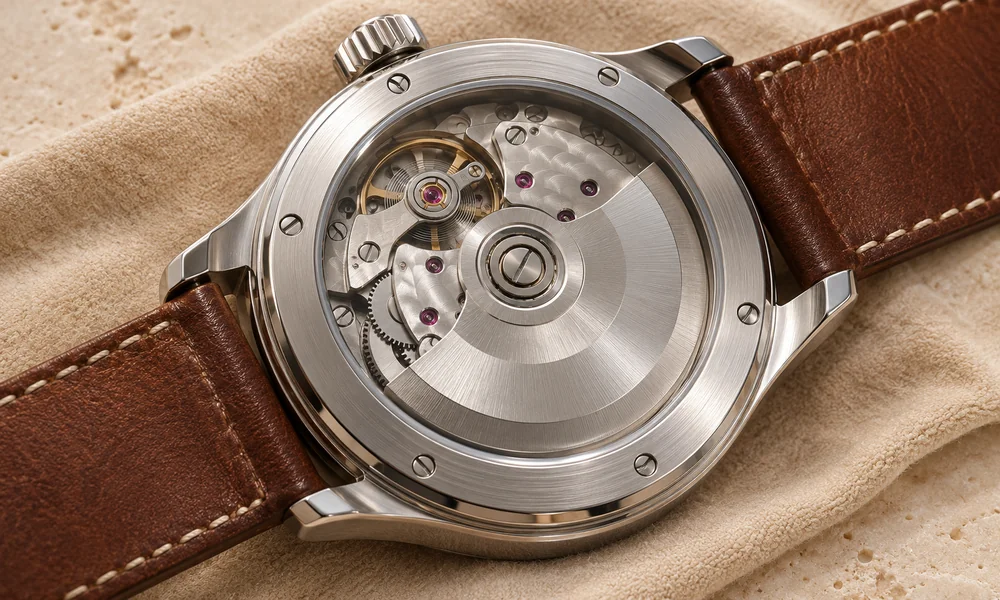
An automatic watch is a mechanical watch with a self-winding mechanism.
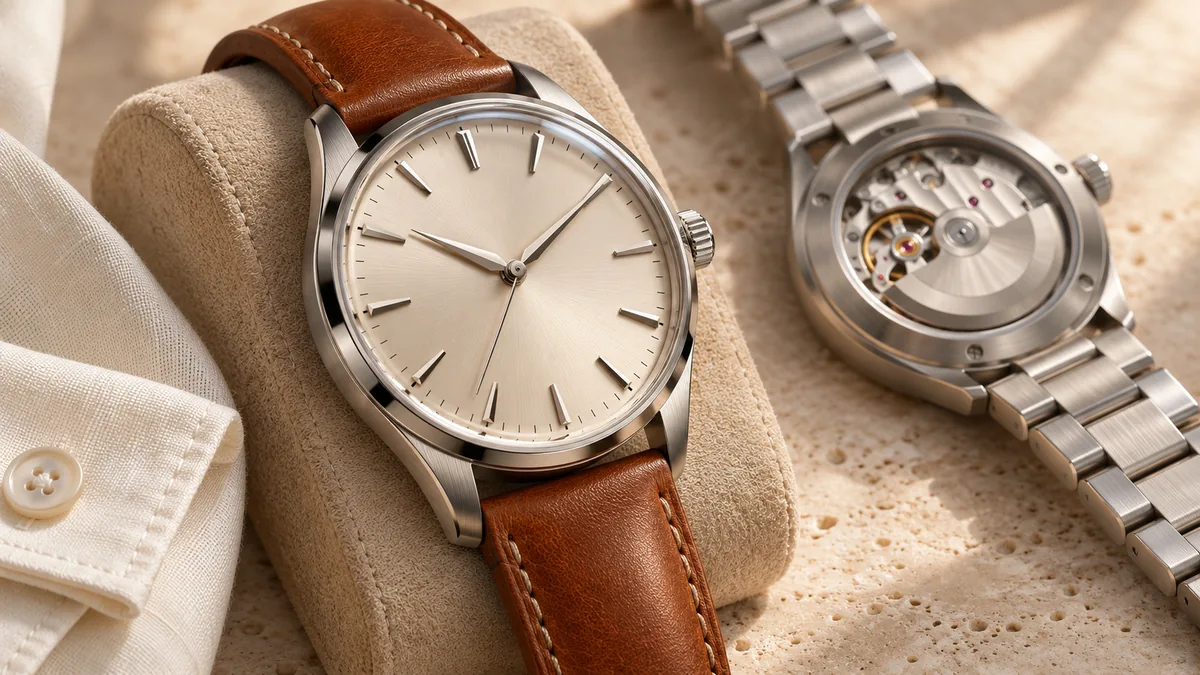
Movement of your wrist turns a rotor inside the case, helping wind the mainspring. That spring stores the energy that powers the watch.
“Automatic” does not mean it runs indefinitely. Leave it unworn long enough and it will stop. Wearing it briefly may also be insufficient to restore its full reserve.
Many automatic movements can be wound through the crown, but follow the instructions for your particular model.
The attraction is partly practical and partly emotional. You are wearing a small mechanism whose operation connects to your movements. If you prefer maximum convenience and minimal adjustment, quartz deserves consideration too.
Which Automatic Watch Fits Your Life?
The following selections are based on published manufacturer information and editorial assessment, rather than hands-on comparative testing.
| Watch | A reason to shortlist it | Selected specifications | Important buying consideration |
| Tissot PRX Powermatic 80 | Distinctive bracelet-led design | Selected 40 mm reference; up to 80-hour reserve | Try the case-and-bracelet shape together |
| Hamilton Murph 38 | Readable, restrained field-watch styling | 38 mm; H-10 automatic; 80-hour reserve | Compare strap and bracelet options |
| Longines Spirit Zulu Time 39 | Additional time-zone function | 39 mm; up to 72-hour reserve | Decide whether you will use the GMT display |
| Tudor Black Bay 58 | Compact dive-watch proportions | Specifications vary by reference and generation | Confirm movement, reserve, and clasp |
| Omega Aqua Terra 38 | A versatile contemporary design | Selected calibre 8800 models offer 55 hours | Check the exact dial and bracelet configuration |
| Rolex Explorer 36 | A straightforward time-only Rolex | 36 mm; calibre 3230; approximately 70 hours | Assess fit and availability without rushing |
1. Tissot PRX Powermatic 80: For Someone Who Loves the Whole Design
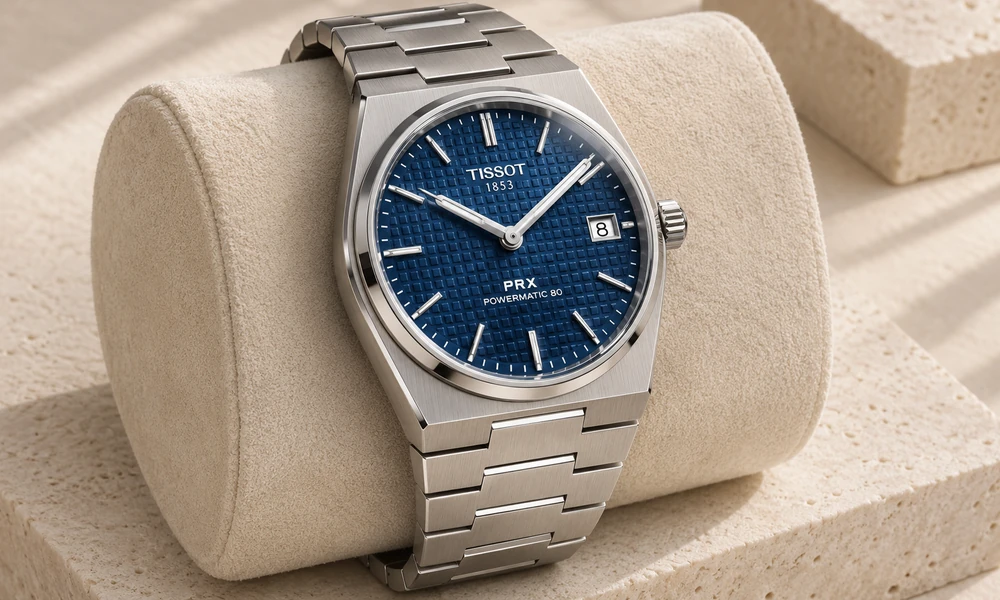
The PRX makes a strong impression through the relationship between its case and bracelet. It is worth exploring if you want the watch to contribute visibly to your style.
The selected 40 mm Powermatic 80 reference offers up to 80 hours of power reserve. But that number should come after a more personal question: do you enjoy how the watch sits on your wrist?
Its bracelet-led design makes an in-person fitting particularly useful. Look at it with your arm relaxed, then bend your wrist and rest your hand on a desk.
Choose it if: Its shape excites you and the complete fit feels comfortable.
Think twice if: You are buying only because it appears on many recommendation lists. Familiarity is not the same as a personal connection.
2. Hamilton Khaki Field Murph 38: For Quiet Everyday Character
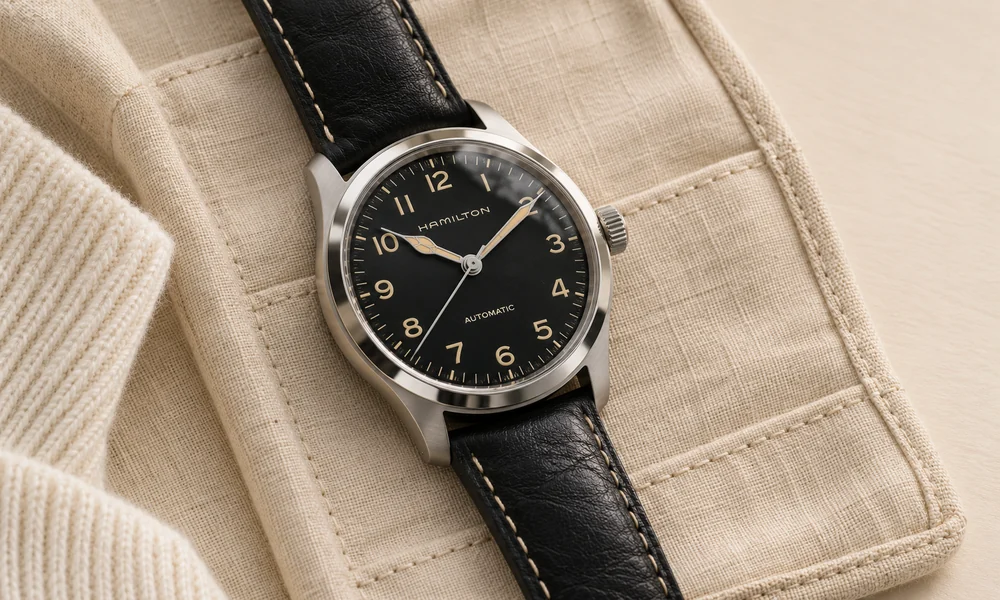
The Murph 38 is a compelling place to begin if you enjoy clear numerals and a restrained field-watch appearance.
Hamilton specifies a 38 mm case, an H-10 automatic movement, and an 80-hour power reserve. The watch also has a connection to Interstellar, although you do not need to love the film to appreciate the design.
Its role in this shortlist is straightforward: a watch that can become familiar through frequent wear without needing to dominate an outfit.
Try the configuration you intend to buy. A leather strap and a bracelet can change the experience substantially.
Choose it if: You want a readable automatic with a relatively uncomplicated visual identity.
Think twice if: You prefer polished, jewelry-like styling or want a date display.
3. Longines Spirit Zulu Time 39: For a Life Across Time Zones
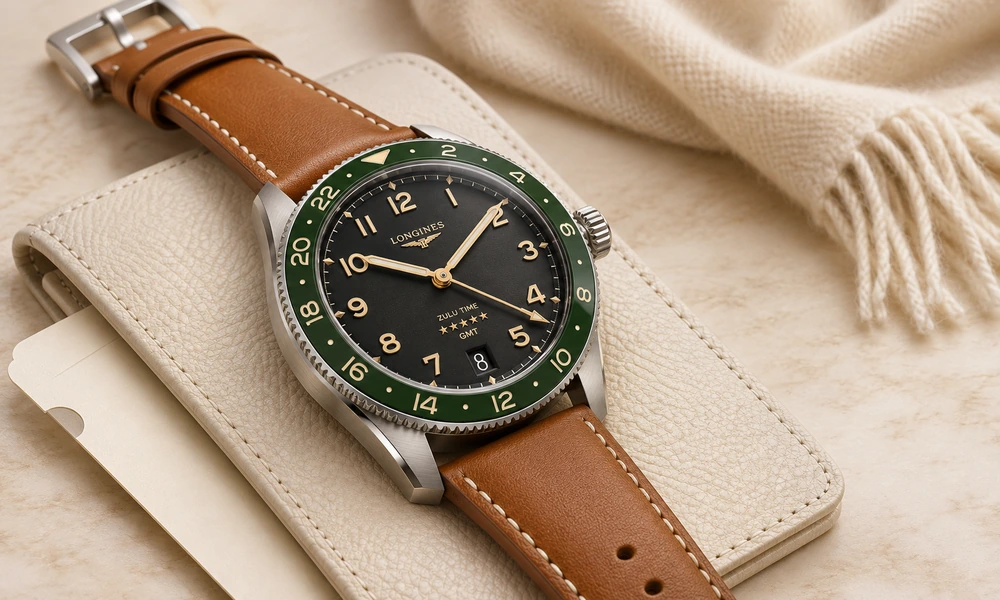
The Spirit Zulu Time becomes interesting when another time zone is part of your routine.
Perhaps you travel. Perhaps your family lives abroad, or your workday includes colleagues several hours away. A GMT function can make that connection visible on your wrist.
The selected 39 mm reference has an automatic movement and up to 72 hours of power reserve.
Before buying, ask the retailer to demonstrate the time-setting process. Understand the hands and bezel well enough to use them comfortably.
Choose it if: Following another time zone would be useful or enjoyable.
Think twice if: You prefer a simpler dial and have little interest in the additional function.
4. Tudor Black Bay 58: For Dive-Watch Character in a Manageable Format
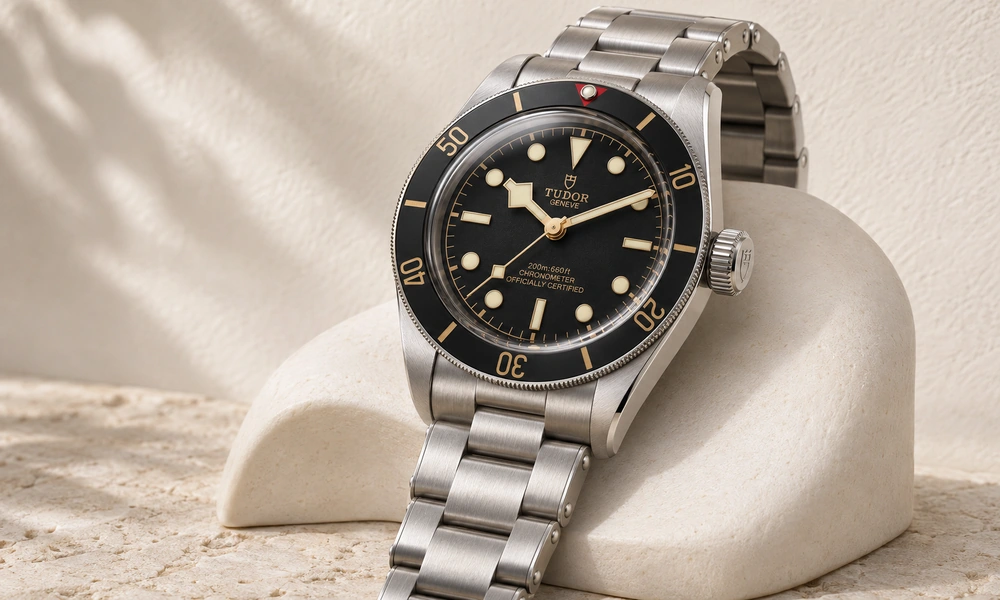
The Black Bay 58 deserves consideration if you like the visual language of a dive watch: clear markers, a rotating bezel, and a purposeful case.
However, this is a collection where the reference matters. Different versions and generations can have different movements, power reserves, and bracelet details.
For example, MT5402-equipped Black Bay 58 models have a published reserve of approximately 70 hours. That specification should not be assigned automatically to every watch carrying the family name.
Compare the actual watch being offered, including its clasp and adjustment arrangements.
Choose it if: You enjoy dive-watch styling and its fit suits your wrist.
Think twice if: You are choosing it as a substitute for another watch you still intend to buy. An expensive detour can become its own disappointment.
5. Omega Aqua Terra 38: For a Watch That Moves Between Settings
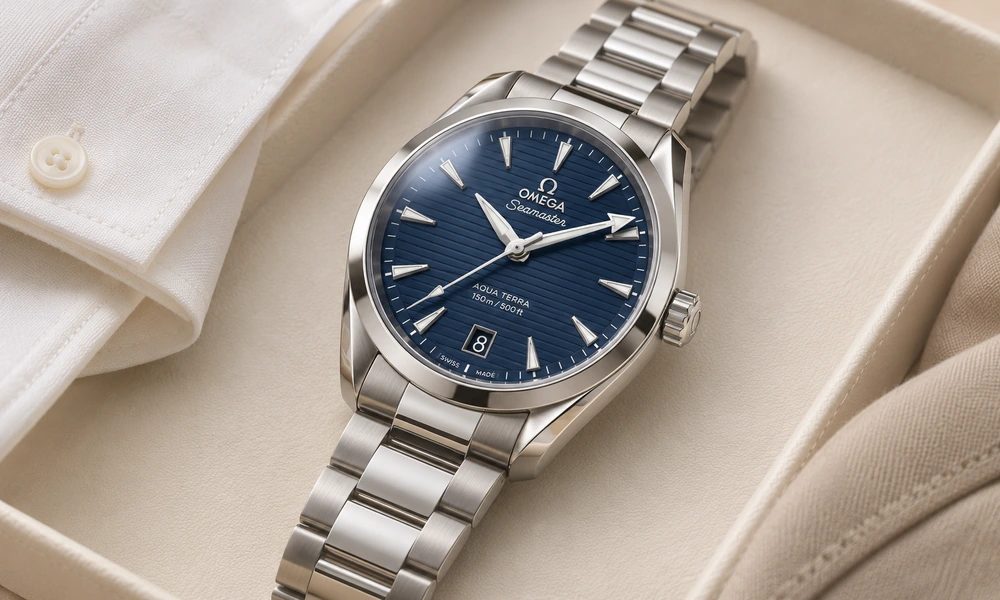
The Aqua Terra is worth trying when you want one watch to accompany several parts of your life.
Its design offers a different balance from the field and dive-watch options above. Depending on the configuration, it may appeal with work clothes, relaxed tailoring, or weekend outfits.
Selected 38 mm versions use Omega’s calibre 8800 with a 55-hour power reserve. Confirm the specification of the particular reference rather than applying one model’s details to the entire collection.
Give yourself time with the dial. Color can look different under showroom lighting and near a window.
Choose it if: You want a versatile design and enjoy its particular finish and proportions.
Think twice if: A photograph is doing most of the persuading. See the actual dial and bracelet before committing where possible.
6. Rolex Explorer 36: For a Clear, Time-Only Choice
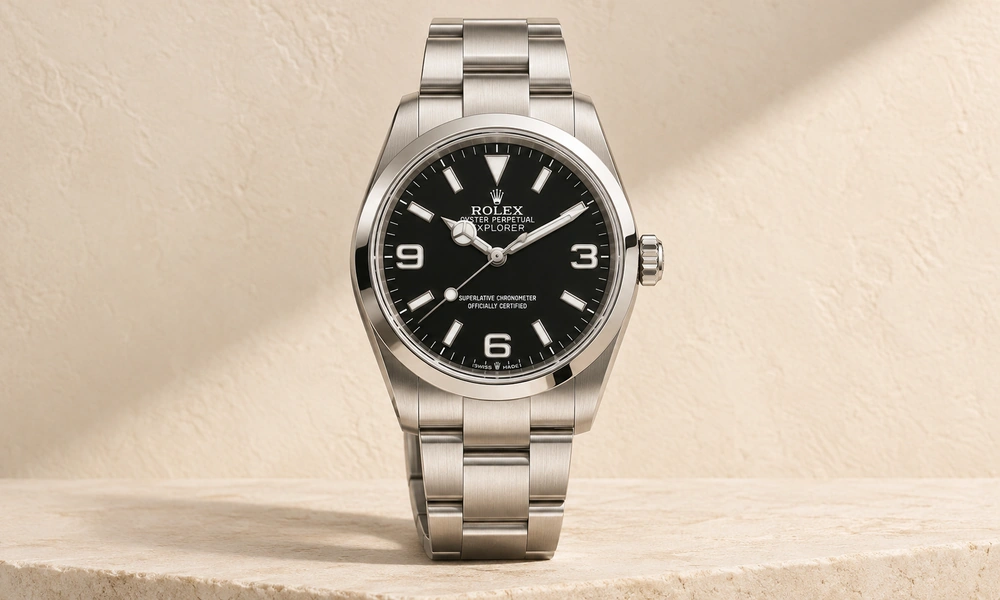
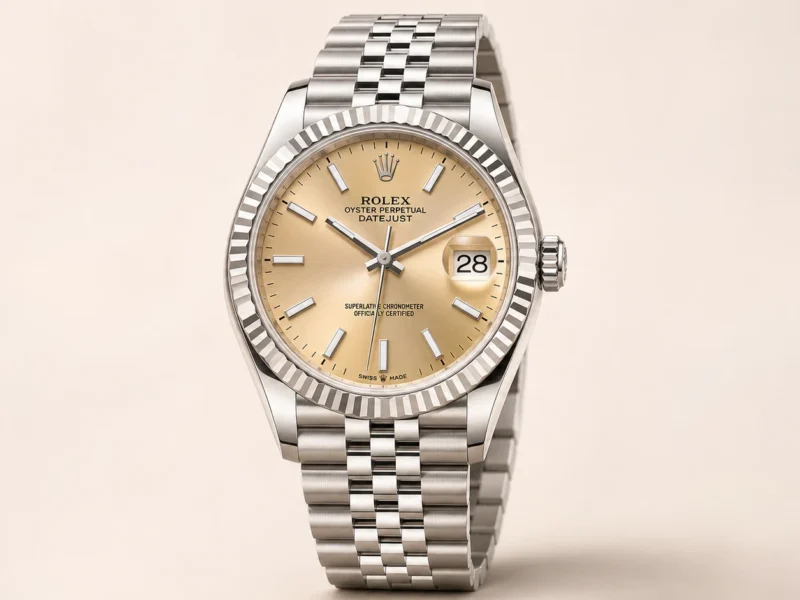
The Explorer 36 offers a focused proposition: a 36 mm case, a straightforward display, and Rolex’s self-winding calibre 3230 with approximately 70 hours of reserve.
Its appeal is easy to understand for someone who wants a watch to feel established and familiar through years of wear.
But the crown on the dial should not end the fitting process. Try the size, evaluate the bracelet, and decide whether the watch itself gives you pleasure.
Availability and seller terms deserve calm consideration. A purchase this personal should not depend on pressure to decide immediately.
Choose it if: You want this particular design and appreciate its simplicity.
Think twice if: Recognition matters more to you than the experience of wearing it.
How Much Power Reserve Do You Actually Need?
Power reserve describes approximately how long a sufficiently wound watch can run without further winding.
A useful way to understand it is to compare it with your routine.
Suppose you remove a fully wound watch at 8 p.m. on Friday and return to it at 8 a.m. on Monday. That is 60 hours.
A watch rated for 55 hours may have stopped. One rated for 70 or 80 hours could still be running, provided it began with enough stored energy and performs as expected.
That distinction matters more if you rotate watches. If you wear the same watch daily, bracelet comfort or readability may deserve greater weight than another few hours of reserve.
How Do You Check Whether a Watch Fits?
Start with the case, then continue to the bracelet or strap.
Look for lugs that sit comfortably within the top of your wrist. Check whether the crown presses into your hand and whether the clasp creates an awkward pressure point.
Then move normally. Sit down, bend your wrist, and slide a sleeve over it.
A useful fitting-room question is: Would I still enjoy wearing this if nobody noticed it?
That brings attention back to the relationship between you and the object.
What Should You Know About Servicing?
Automatic watches require maintenance. There is no single service interval that applies to every brand, movement, and pattern of use.
Rolex, for example, recommends servicing approximately every ten years depending on the model and real-life usage. Follow the guidance for your own watch.
Before buying, ask where servicing is available, what a routine service currently involves, and how replacement parts are handled.
For a pre-owned watch, establish what “serviced” means. Request the date, provider, work completed, and any available documentation.
If you intend to expose the watch to water, follow the manufacturer’s instructions and establish whether its water resistance needs checking.
Should You Buy New or Pre-Owned?
Buy new when the condition, purchase experience, warranty arrangements, and available configuration suit you.
Consider pre-owned when you prefer an earlier reference or find a suitable example at an attractive total cost.
Compare individual watches carefully. A lower asking price can become less appealing if the bracelet is incomplete, servicing is due, or repairs are needed.
Request clear photographs, a condition report, information about replacement components, and written return terms. Boxes and papers are useful records; they do not replace authentication.
Your Automatic Watch Buying Checklist
- Identify the exact reference and movement.
- Try the watch at rest and in motion.
- Check bracelet sizing, clasp fit, and spare links.
- Confirm power reserve and setting instructions.
- Ask about service availability and warranty coverage.
- Read return and exchange conditions.
- For pre-owned pieces, review condition and service documentation.
- Leave room in the budget for ownership costs.
- Choose the watch you want to wear, rather than the one you feel expected to want.
Frequently Asked Questions
What is the best first automatic watch?
The Tissot PRX Powermatic 80 and Hamilton Murph 38 are useful starting points. Choose according to fit, preferred design, and your budget.
Are automatic watches more accurate than quartz?
Not generally. Automatic watches are often chosen for their mechanical construction, craftsmanship, and character rather than superior timekeeping accuracy.
Will an automatic watch stop overnight?
A sufficiently wound watch should continue running within its power reserve. A watch with little stored energy may stop sooner.
Do you need a watch winder?
Not necessarily. Many owners allow an unworn watch to stop, then wind and set it according to its instructions when needed.
Is a longer power reserve always better?
It offers convenience, especially when rotating watches. It does not automatically outweigh better fit, readability, or design.
Can you adjust the date whenever you want?
Follow the exact movement’s instructions. Some mechanisms have restrictions on quick date adjustment during particular hours.
Choose the Watch You Want to Spend Time With
A satisfying automatic watch purchase leaves room for both knowledge and affection.
Understand the movement. Check the fit. Make peace with the maintenance. Then pay attention to the less measurable part: how you feel when you fasten it.
The right watch may mark a milestone, accompany an ordinary working week, or become the object you reach for before leaving home. Give yourself time to find that connection.