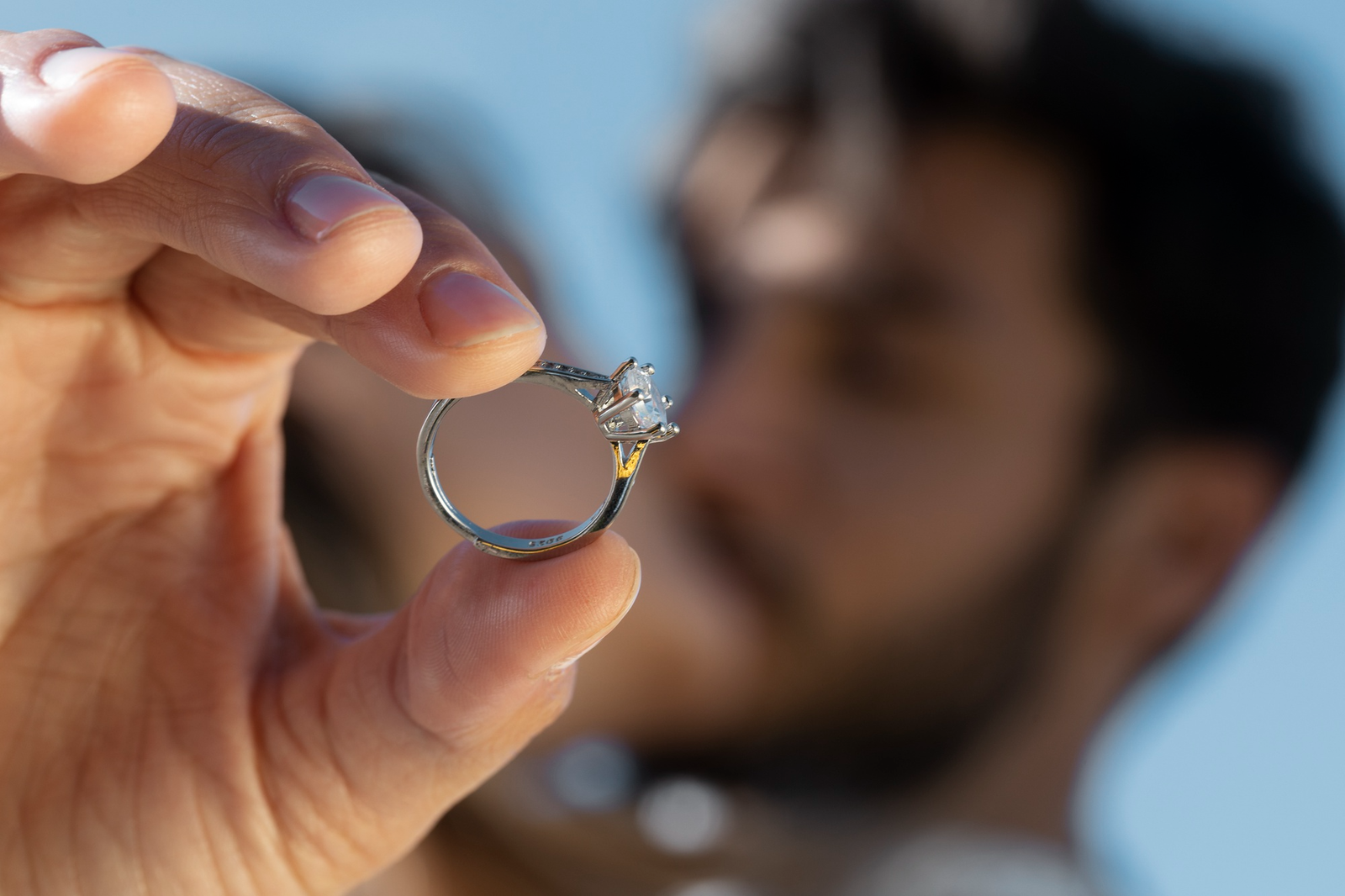
A comparable loose stone set in a comparable platinum mount costs 20% to 40% less outside a flagship boutique than inside one. That gap is the entire argument between the two ways of buying a serious ring, and every party to the transaction knows it exists. What buyers disagree about is what the difference purchases, and the answer changes depending on which parts of a jewelry purchase a person values enough to pay for twice.
The Structure of the Tiffany Premium
The premium breaks into 4 parts that buyers rarely price separately. Part of it pays for stone selection, since a house with a fixed reputation rejects material that a wholesaler would sell without comment. Part pays for proprietary settings, including a six-prong mount patented in 1886 that remains the most copied engagement ring design in the trade. Part pays for the boutique itself, meaning the staff, the appointment, the packaging, and the address.
Each of those components is separable from the others. A buyer who wants the stone quality and the setting engineering can obtain both without the address, and a buyer who wants the address is paying for something no independent workshop can manufacture. Which of the four a person actually came for decides the purchase.
Stone selection deserves particular attention, since it is the part most often assumed and least often verified. A flagship that rejects borderline material is filtering the supply, and the filtering is invisible on the receipt. It is also reproducible. Any jeweler willing to show a buyer 3 stones at the same grade under the same light is performing the same service, and the difference then comes down to whose judgment the buyer trusts and how much that trust costs per carat.
Ownership Changes Since 2021
LVMH completed its purchase of Tiffany on January 7, 2021 for about $15.8 billion, the largest luxury acquisition recorded to that point, at a revised price of $131.50 a share after a public legal fight and a pandemic-driven renegotiation. Management was replaced within days of closing.
The consequences reached the sales floor. Pricing moved upward across core collections, the Fifth Avenue store was rebuilt as a destination property, and the brand repositioned toward a younger and more design-driven customer. A buyer comparing quotes from 2019 against quotes today is comparing two different companies with the same name on the box.
The brand also holds a firm position against laboratory-grown stones in its engagement collections, which matters given that more couples are choosing laboratory-grown stones, a category that reached 61% of engagement purchases in the United States by 2025. A buyer set on a lab-grown center stone has already ruled the flagship out, and that single preference resolves the comparison before any of the other arguments apply.
Stone Selection at a Smaller House
A large house stocks what sells in volume, which usually means rounds and ovals in the middle of the size range. A workshop buying to order can put a cushion, an emerald cut, or a radiant cut diamond ring in front of a buyer inside a week, because it sources to order.
That matters most at the edges. Unusual proportions, a particular length to width ratio, or a color grade one step outside the standard range are ordinary requests for a bench and special orders for a boutique.
The Independent Workshop Model
An independent luxury jeweler has lower fixed costs and a shorter chain between the buyer and the person holding the tools. The bench jeweler who sets the stone is often the same person who discusses the design, which removes the layer of retail staff who relay decisions to a workshop in another country.
Control is what that shorter chain buys. A buyer can specify prong count, gallery height, band taper, and finish, then see a wax or a rendering before any metal is cut. That level of input is available at a large house too, through a bespoke department, at a price that usually exceeds the standard collection.
Grading and Documentation
Both routes should end with an independent laboratory report. The Gemological Institute of America grades to a published standard and issues a report that belongs to the stone itself and follows it through every future sale, which makes it the document a future appraiser or insurer will ask for.
A house-issued certificate is a different object. It records what the seller believes about the stone and has the seller’s reputation behind it, which is meaningful while that seller is in small business and less useful in an insurance claim 20 years later.
Service, Repair, and Resale
Large houses offer structured aftercare, including cleaning, prong tightening, and refinishing on a schedule, usually free for the life of the piece. That program has value for someone who wears a ring daily for decades.
Independents handle the same work, often faster and often at the counter, though the terms vary by shop and are worth putting in writing at purchase. Resale is where the two diverge most. A boutique piece recovers more on the secondary market than an unbranded equivalent, but a piece in excellent condition with full documentation changes hands at 30% to 50% below its original retail figure, so neither route should be treated as an investment.
Buyer Profiles by Priority
Someone whose partner has named the brand should buy the brand, because the name is the specification in that case and no amount of stone quality substitutes for it. Someone working to a fixed budget who wants the largest well-cut stone that budget allows will do better at a workshop, since the same money buys roughly a third more carat weight at equal quality.
Timelines separate the two as well. A collection piece in stock can be sized and collected inside a week, while custom work at either kind of seller runs 4 to 8 weeks, and longer if a specific stone has to be sourced. Anyone proposing on a fixed date should start the conversation at least 3 months out.
Someone with a specific design in mind is between the two cases and should price both. Bespoke work at a flagship is a premium service on top of a premium brand, while at an independent it is the default way the shop operates.
A buyer who chooses by name without pricing an alternative gives up the ability to know what the name cost him. That number is knowable in an afternoon. Take the grading report details from a boutique quote, ask two independent jewelers to price the same grades in the same metal, and compare the three figures side by side. Skipping that hour is what turns a considered purchase into a guess, and the guess is usually expensive in one direction and disappointing in the other.