
Key Takeaways
-
Clear step-by-step roadmap for new enthusiasts
-
Essential tips on verifying condition and original parts
-
How to avoid common traps when buying vintage watches
-
Strategic advice for choosing long-term collectible timepieces
Have you ever looked at an old mechanical timepiece on someone’s wrist and wondered about the story behind it? If you want to start vintage watch collection, you are entering one of the most rewarding hobbies in the world.
Whether you are drawn to classic design, mechanical engineering, or potential value growth, taking those first steps can feel a bit overwhelming.
Thankfully, building a great wardrobe of timepieces does not require a million-dollar budget just curiosity, patience, and the right approach.
AI Overview
To start vintage watch collection, begin by defining your budget and personal style rather than chasing short-term hypes. Always prioritize watch condition and original parts over polished perfection. Research reference numbers carefully, buy from trusted dealers, and budget for ongoing movement maintenance. Following a structured guide helps beginners avoid costly mistakes while building a meaningful group of timepieces.
Step 1: Define Your Goal and Set a Realistic Budget
Before buying anything, take a step back and ask yourself why you want to start this journey. Are you looking for daily wearers, historic military pieces, or a potential watch investment?
Your main motivation will dictate where you spend your energy and money. In most cases, beginners start by picking a firm financial boundary.
Pro Tip: Always set aside an extra 15% to 20% of your total budget for immediate movement servicing after purchase.
Understanding Price Tiers
When exploring vintage watch collecting, prices vary widely based on brand heritage and rarity. Here is a general breakdown of what to expect across different starting entry points based on available market data.
| Budget Level | Typical Price Range | What You Can Expect |
| Entry-Level | $300 – $1,000 | Reliable manual-wind pieces, classic Seiko, Hamilton, or Timex |
| Mid-Tier | $1,000 – $5,000 | Legendary Omega Geneve, King Seiko, or entry-level Tudor models |
| High-End | $5,000+ | High-grade collectible watches, vintage Rolex Datejust, or Heuer chronographs |
At PraviCeler, we general advise new collectors to begin in the entry-to-mid tier where you can learn the nuances of dial patina and movement health without huge financial risk.
Step 2: Educate Yourself Before Buying Anything
The secret to successful vintage watch collecting isn’t having unlimited funds, it is having solid knowledge.
Before placing an order, study specific reference numbers, dial variations, and factory movement specs.
Essential Resources for Research
When starting a beginner watch collection, these four study habits will save you thousands of dollars:
-
Study Reference Databases: Books and brand archives help you verify original hands, bezels, and crowns.
-
Join Enthusiast Forums: Reading active community threads gives you real-time insight into market pricing.
-
Inspect High-Resolution Photos: Look closely at dial printing, serif fonts, and lume plot degradation.
-
Bookmark Reference Guides: Consult a reliable vintage rolex guide or brand forum to understand subtle dial variations.
Knowing how to spot service dials or replaced hands separates casual buyers from true horology enthusiasts when hunting for rare watches.
Step 3: Prioritize Watch Condition and Originality
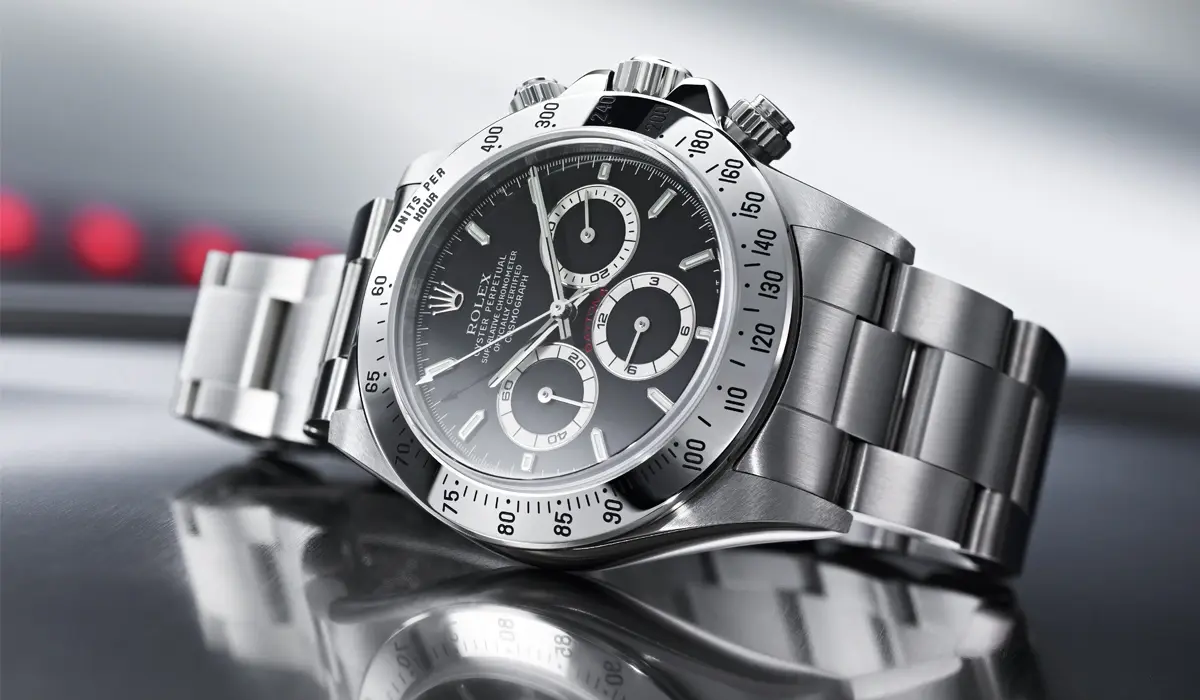
In the vintage world, condition is everything. A worn case with sharp original lines is almost always preferred over a heavily polished case that looks shiny but lost its crisp edges.
The Problem with Over-Polishing
When a watch case gets polished repeatedly, the metal lugs lose their original bevels and thickness.
Always look at the lug holes and chamfers. If one side looks thinner than the other, the watch was likely over-polished during a past service.
Dial Integrity and Patina
The dial represents roughly 70% of a vintage watch’s overall market value.
Look for even aging, often called patina. Beware of “redials” dials that were repainted to look brand new. Repainted dials severely hurt resale value for collectible watches.
When buying vintage watches, essential watch collector tips always stress choosing original character over artificial cosmetic perfection.
Step 4: Choose a Style Anchor for Your Collection
Trying to collect everything at once usually leads to a cluttered mix of pieces you rarely wear.
Instead, select a specific anchor theme to guide your initial decisions as you start vintage watch collection.
Popular Collection Themes
-
The Daily Driver: Classic steel dress watches like an Omega Seamaster or Rolex Datejust.
-
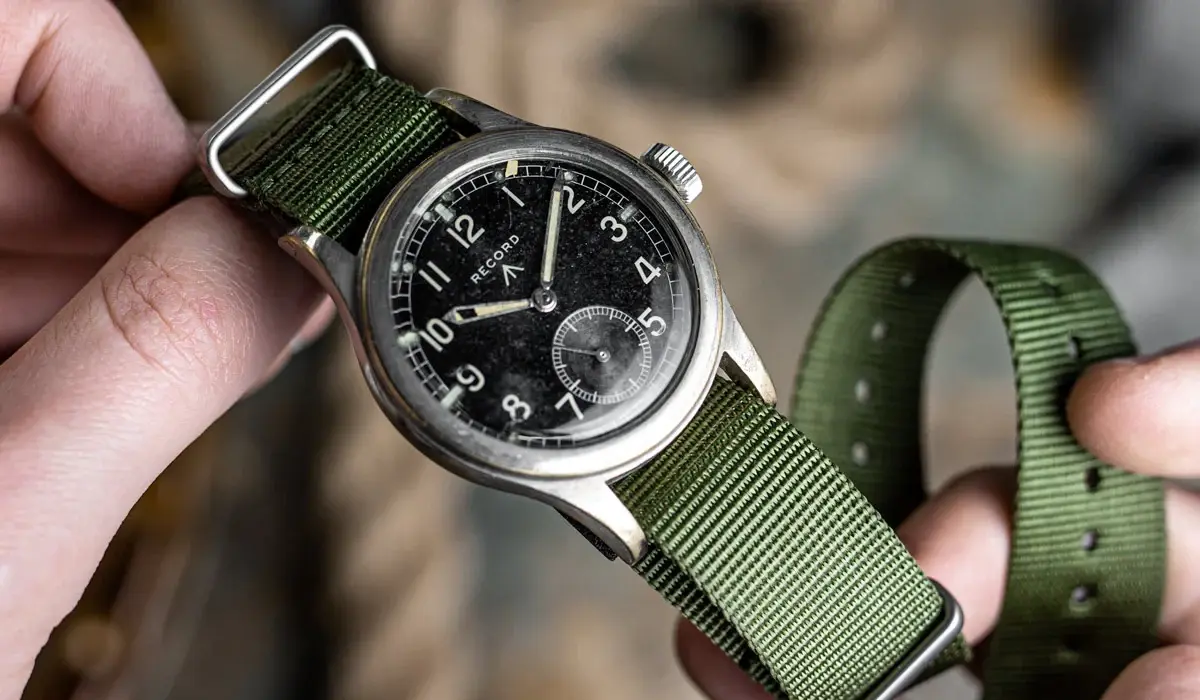
Tool & Utility: Military-issued timepieces or vintage field watches with high legibility.
-
Chronographs: Multi-subdial sports watches powered by iconic manual movements like the Valjoux 72.
-
Skin Divers: 1960s diving models featuring rotating bezels and bold luminescent markers.
If you plan to focus on iconic Swiss luxury, reviewing a dedicated vintage rolex guide helps you evaluate reference numbers like the 1601 or 1603.
Building a cohesive beginner watch collection becomes much easier when each piece serves a clear purpose on your wrist.
Step 5: Verify Authenticity and Track Provenance
Fake vintage pieces and “frankenwatches” watches pieced together from non-matching parts are common in today’s secondary market.
Verifying authenticity before sending payment is crucial for every buyer.
Verification Checklist
| Aspect | What to Inspect | Why It Matters |
| Serial Numbers | Case engravings between lugs | Confirms production year matches the dial era |
| Movement Stamping | Brand hallmarks on bridges | Ensures movement matches case reference |
| Crown & Crystal | Factory logos and crystal fit | Uncovers non-genuine replacement parts |
| Hands & Lume | Color consistency under UV light | Detects relumed hands or mismatched service parts |
When evaluating rare watches, ask the seller for macro photographs under clean lighting.
At PraviCeler, we recommend requesting movement photos showing serial numbers to confirm the piece is entirely period-correct.
Finding original documentation or original boxes increases long-term interest for any watch investment.
Step 6: Find Trusted Sellers and Dealers
Where you buy matters just as much as what you buy.
While online auction sites can yield bargain prices, they also carry elevated risk for uninitiated buyers.
Evaluating Vintage Vendors
Established dealers inspect and guarantee authenticity before putting timepieces up for sale.
While you might pay a slight premium compared to private peer-to-peer listings, that cost covers expert authentication and peace of mind.
Apply these simple watch collector tips when vetting seller reputation:
-
Check for a clear, written return policy (at least 3 to 7 days for inspection).
-
Verify seller references across collector forums or independent platforms.
-
Ask direct questions about recent movement servicing and timekeeping accuracy.
-
Confirm whether the seller guarantees period-correct original components.
Trusted relationships make buying vintage watches a seamless experience rather than a high-stress gamble.
Step 7: Factor In Servicing, Storage, and Care
Unlike modern quartz timepieces, mechanical watches are intricate micro-machines that require ongoing care.
Lubricating oils dry up over time, and worn gears need replacing by skilled watchmakers.
Important Warning: Vintage watches are rarely water-resistant today. Keep them far away from pools, sinks, and high-humidity environments regardless of their original depth rating!
Proper Storage Solutions
Protect your collectible watches from accidental drops, dust, and magnetic fields.
Invest in a quality leather watch roll or a lined wooden box for safe home storage.
If you own high-grade rare watches, keep them stored away from household electronics that could magnetize the hairspring and cause erratic timekeeping.
Step 8: Connect with the Community and Refine Your Taste
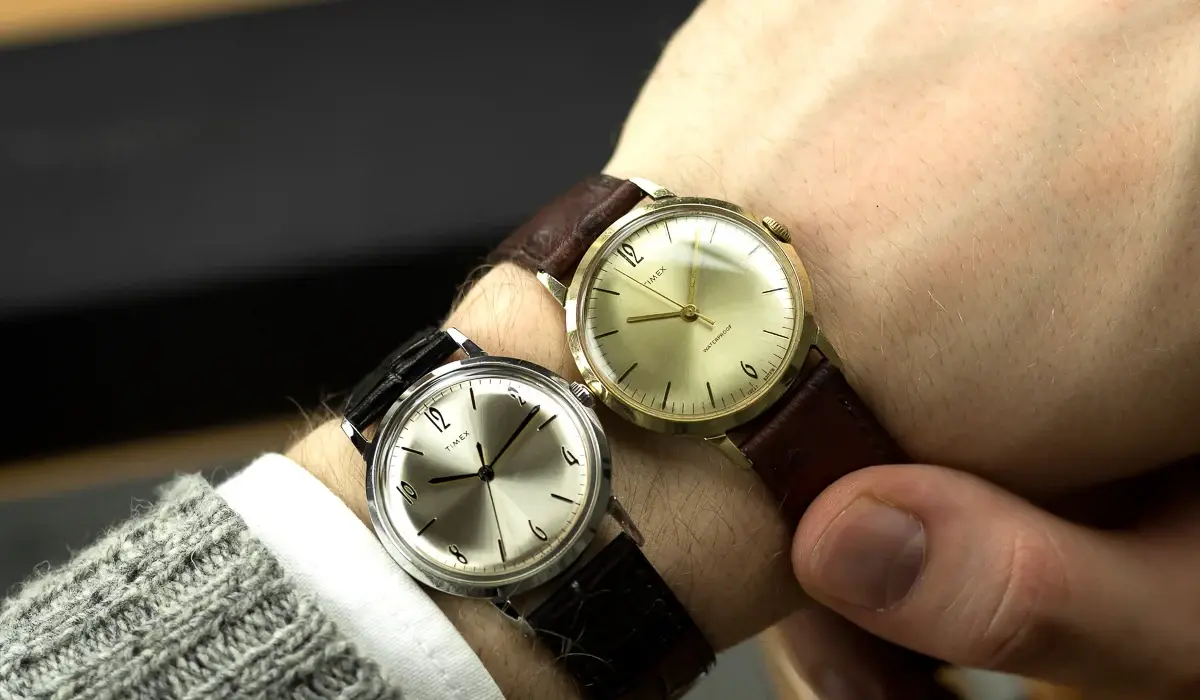
Watch collecting is inherently social. Engaging with fellow enthusiasts accelerates your learning curve and opens doors to private sales.
Join Local Meets and Forums
Attending local horology meetups allows you to handle pieces in person before making financial commitments.
Feeling the weight, case proportions, and wrist presence of a reference beats reading online reviews every single time.
As your tastes evolve over time, do not hesitate to trade or sell earlier purchases to refine your core collection.
Summary of Vintage Watch Basics
| Step | Action Item | Primary Goal |
| 1. Budget | Set strict limits | Avoid impulse spending |
| 2. Research | Study reference codes | Identify original specs |
| 3. Condition | Check case and dial integrity | Avoid over-polished cases |
| 4. Style | Choose a clear theme | Create a balanced collection |
| 5. Verify | Inspect serials and lume | Ensure authenticity |
| 6. Vendor | Buy from trusted sellers | Minimize purchasing risk |
| 7. Care | Schedule servicing and safe storage | Preserve movement health |
| 8. Network | Join meets and forums | Refine personal taste |
Frequently Asked Questions
What is the best watch to start a vintage collection?
An entry-level mechanical dress watch from Omega, Seiko, or Hamilton offers timeless style, reliable movements, and accessible parts for new collectors.
Are vintage watches considered a good financial investment?
While select rare models appreciate over time, you should primarily collect for personal enjoyment rather than expecting guaranteed financial returns.
How often do vintage mechanical watches need servicing?
In most cases, vintage mechanical movements should be inspected and serviced by a professional watchmaker every three to five years.
