
Key Takeaways
-
Power source mechanisms
-
Timekeeping accuracy levels
-
Maintenance and servicing needs
-
Smooth vs ticking hand motion
-
Long-term value retention
Ever stared at two stunning timepieces and wondered why one costs fifty bucks while the other costs thousands?
You are not alone!
Understanding automatic vs quartz watch differences boils down to what makes the hands tick inside the case.
Whether you are looking for a reliable daily driver or a soul-filled mechanical artwork, choosing between an automatic watch vs quartz can feel overwhelming.
At its core, an automatic watch runs on the motion of your wrist, while a quartz watch relies on a tiny battery sending signals through a crystal.
Let’s break down everything you need to know in this straightforward watch buying guide so you can pick the perfect companion for your wrist.
AI Overview
Understanding automatic vs quartz watch differences helps you choose the right timepiece for your lifestyle. Automatic watches run on physical wrist movement using complex springs, offering sweeping second hands and classic craftsman appeal. Quartz watches use battery power through a quartz crystal to deliver unbeatable accuracy and low maintenance. This quick guide breaks down movement types, costs, longevity, and key features to help you buy with confidence.
What Are Watch Movement Types?
Before diving into the comparisons, let’s clarify what we mean by watch movement types.
The movement, often called the caliber, is the internal engine that drives the hands and powers complications like dates or chronographs.
When exploring any watch buying guide, you will quickly notice two dominant power sources on the market today.
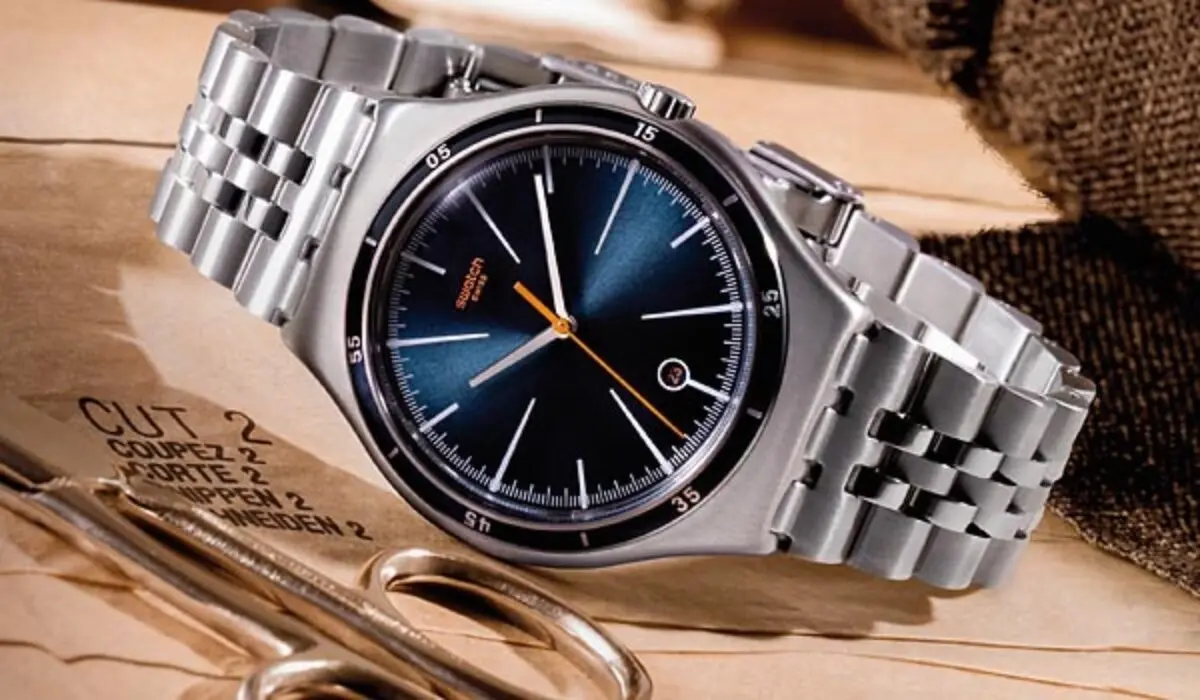
First, we have mechanical watches, which rely entirely on gears, springs, and kinetic energy without any electronics.
Second, we have watches powered by a quartz movement, which use electronic circuits and a tiny battery for energy.
Brands like PraviCeler design collections around these distinct engines because each caters to totally different daily habits.
1. Power Source and Energy Generation
The fundamental difference between these timepieces starts with how they generate energy to keep time.
An automatic timepiece uses a weighted rotor that spins as you move your arm throughout the day.
This spinning motion winds a mainspring, which stores mechanical energy and gradually releases it to turn the gears.
If you take an automatic watch off for a few days, the mainspring runs out of power and the watch stops.
On the other hand, a watch running on a quartz movement draws its energy from an electric battery.
The battery sends electricity to a synthetic quartz crystal, causing it to vibrate at a steady frequency.
Those regular vibrations tell the circuit board to advance the hands once every second.
Because of this constant battery power, quartz watches keep ticking for years even when left sitting in a drawer.
2. Accuracy and Timekeeping Precision
If getting to meetings precise to the second is your top priority, accuracy matters immensely.
Here is where the quartz watch benefits really shine compared to any mechanical alternative.
A standard quartz timepiece generally loses or gains around 15 seconds per month.
Higher-end quartz models can even stay accurate within a few seconds per year!
In contrast, mechanical watches are subject to gravity, temperature changes, and physical impacts.
Even high-grade automatic movements typically gain or lose anywhere from 5 to 15 seconds each day.
While that slight variance is charming to watch enthusiasts, it requires periodic time adjustments.
If absolute precision is what you want, the high accuracy of a battery-powered piece is hard to beat.
3. Second Hand Movement: Sweeping vs. Ticking
You can often spot the difference between these watches in less than two seconds just by looking at the dial.
An automatic watch features a smooth, continuous sweeping motion across the clock face.
That signature glide happens because the internal balance wheel beats 6 to 10 times every single second.
This elegant sweep is one of the biggest automatic watch benefits for enthusiasts who appreciate fine craftsmanship.
Conversely, a standard quartz movement moves in distinct, single-second increments.
You will see the second hand jump crisply from one tick mark to the next once every second.
That ticking action conserves battery power, though it lacks the fluid grace of a mechanical engine.
4. Maintenance and Servicing Requirements
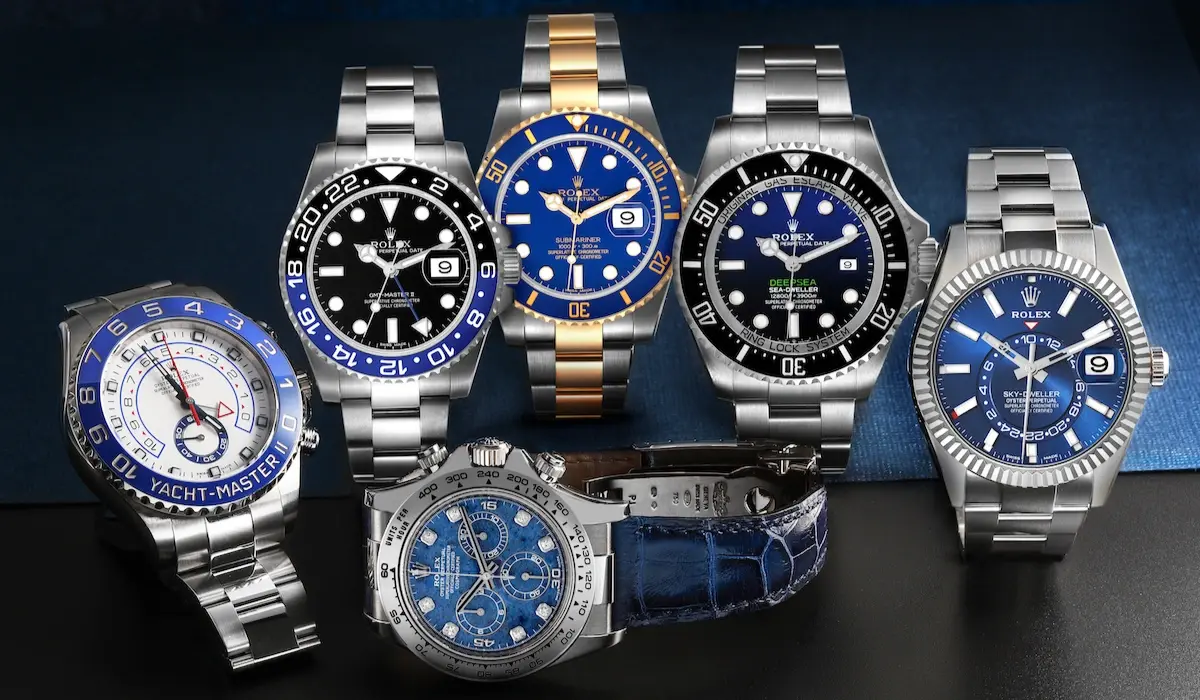
Taking care of your wristwatch keeps it running smoothly across decades of daily wear.
However, maintenance commitments differ drastically between an automatic watch vs quartz.
Here is a breakdown of what keeping each movement running generally looks like:
-
Automatic Watch Servicing:
-
Requires a full professional service every 3 to 5 years.
-
Clockmaker disassembles gears, cleans components, and applies fresh synthetic oils.
-
Helps prevent gear wear and maintains water resistance seals over time.
-
-
Quartz Watch Servicing:
-
Requires a simple battery replacement every 2 to 3 years.
-
Involves minimal routine mechanical cleaning due to fewer moving gear parts.
-
Needs quick gasket checks during battery swaps to preserve water tightness.
-
If you prefer low-effort ownership, the simple maintenance routine highlights clear quartz watch benefits.
5. Price Point and Value Accessibility
Budget plays a massive role in any personal watch buying guide decision.
Quartz timepieces are generally far more affordable to produce at scale using automated electronics.
You can easily find dependable, stylish quartz models starting at very accessible price points.
For instance, everyday collections from PraviCeler offer sleek quartz options that look premium without breaking the bank.
Automatic timepieces require precise miniature engineering, tiny jewels, and skilled hand assembly.
Because of the labor and intricate craftsmanship involved, automatic models naturally carry higher price tags.
While entry-level automatic models exist, luxury mechanical timepieces can cost thousands of dollars.
6. Lifespan and Longevity
How long do you expect your wristwatch to stay operational on your wrist?
Mechanical watches can literally last for generations when properly cleaned and lubricated over time.
Because their parts are purely physical gears and springs, a skilled watchmaker can repair or custom-fabricate worn parts decades later.
That heirloom potential is one of the most celebrated automatic watch benefits.
Quartz watches, while extremely durable in the short term, rely on integrated electronic circuit boards.
Over several decades, tiny circuit components or synthetic insulators can degrade or stop being manufactured.
If an older quartz circuit fails and replacement modules are unavailable, repairing the movement becomes difficult.
However, for everyday use over 10 to 20 years, a quality quartz piece will serve you reliably.
7. Weight, Craftsmanship, and Aesthetics
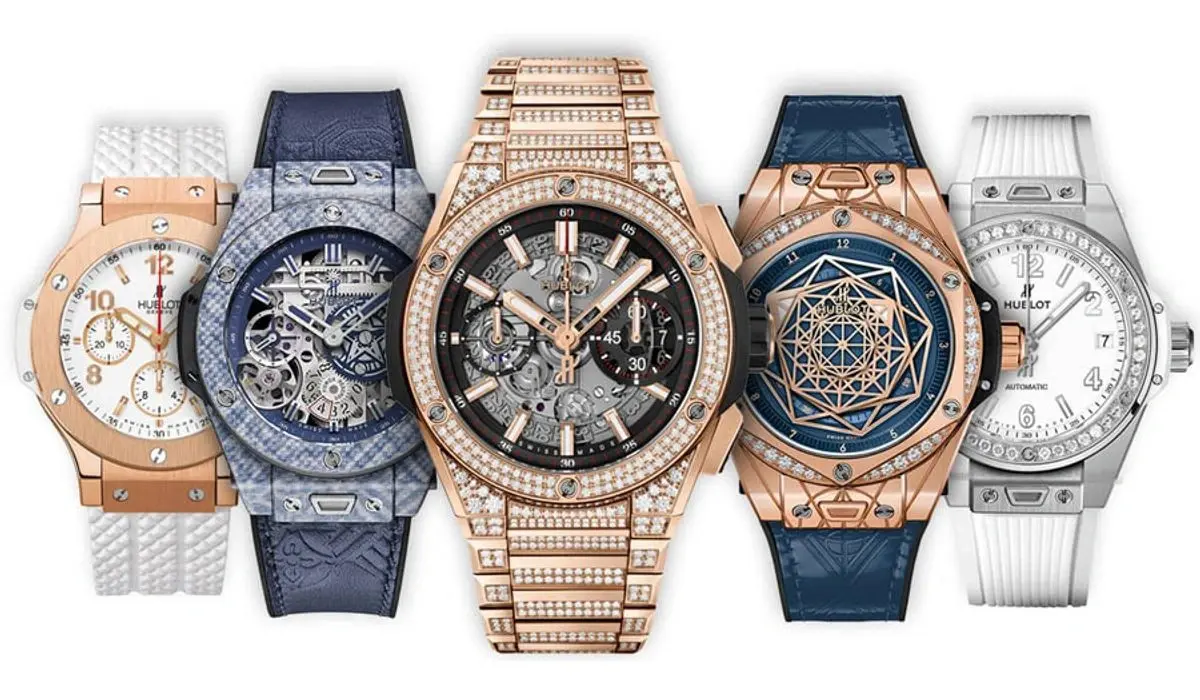
There is a tactile difference when holding these two watch movement types in your hand.
Automatic timepieces contain dense metal rotors, heavy mainspring barrels, and intricate bridge assemblies.
As a result, an automatic watch usually feels noticeably heavier and more substantial on your wrist.
Many models also feature a exhibition case back, letting you admire the decorated rotor spinning inside.
Quartz movements are significantly thinner, lighter, and composed of compact electronic parts.
This smaller footprint allows watchmakers to create ultra-thin, lightweight dress watches that slip effortlessly under shirt cuffs.
If you dislike feeling a heavy object on your wrist all day, light weight is among the top quartz watch benefits.
8. Resilience to Magnetic Fields and Shocks
Our daily environments are packed with magnetic fields from smartphones, laptops, speakers, and magnetic handbag clasps.
Strong magnetic fields can magnetize the fine hairspring inside mechanical watches, causing them to run fast or stop entirely.
Heavy physical shocks, like playing golf or dropping your watch, can also misalign delicate mechanical balance pivots.
A quartz movement handles magnetic exposure and rough physical impacts with much greater ease.
Since there is no delicate balance spring oscillating inside, magnets will not permanently mess up its calibration.
If the battery stays connected, a quartz piece usually handles accidental drops and vigorous outdoor activities effortlessly.
9. Environmental Impact and Power Storage
How green is the energy powering your daily timepiece?
An automatic timepiece runs purely on kinetic motion, making it a self-sustaining micro-engine.
You never have to dispose of toxic silver-oxide or lithium button cell batteries during its operational life.
However, if you take off an automatic watch, its power reserve typically lasts between 38 to 70 hours before stopping.
Once stopped, you must reset the time and wind the crown before putting it back on.
Quartz timepieces run continuously for 2 to 5 years on a single tiny battery without stopping.
The downside is that you must safely dispose of old batteries every few years to protect the environment.
10. Emotional Connection and Collector Appeal
Watch collecting is rarely just about telling time, it is about how a watch makes you feel.
Many enthusiasts prefer an automatic watch vs quartz because of the living soul inside the mechanical engine.
Knowing that centuries of horological history power the tiny gears on your wrist creates a deep emotional connection.
Here are the primary reasons collectors love owning these mechanical timepieces:
-
Key Emotional & Collector Highlights:
-
Connects you directly to centuries of traditional horological craftsmanship and artistry.
-
Features the mesmerizing visual sweep of the second hand across the dial.
-
Offers the potential to pass down a working physical heirloom to future generations.
-
Creates an interactive bond since your personal physical movement keeps the watch alive.
-
For many buyers, this emotional bond far outweighs any minor drawbacks in daily timekeeping precision.
At a Glance: Quick Comparison Table
To summarize the key automatic vs quartz watch differences, let’s look at how they compare side-by-side:
| Feature | Automatic Watch | Quartz Watch |
| Power Source | Wrist motion / Mainspring | Electric battery |
| Timekeeping Accuracy | ±5 to ±15 seconds per day | ±15 seconds per month |
| Second Hand Motion | Smooth sweeping motion | Individual ticking jumps |
| Servicing Needs | Full service every 3–5 years | Battery swap every 2–3 years |
| Weight & Feel | Heavier, substantial feel | Lightweight, thin profile |
| Shock & Magnet Resistance | Sensitive to heavy impacts | Highly resistant to magnetic fields |
| Expected Lifespan | Decades / Generations | 10 to 20+ years |
| Price Point | Mid-range to high luxury | Affordable to mid-range |
Which Watch Movement Should You Choose?
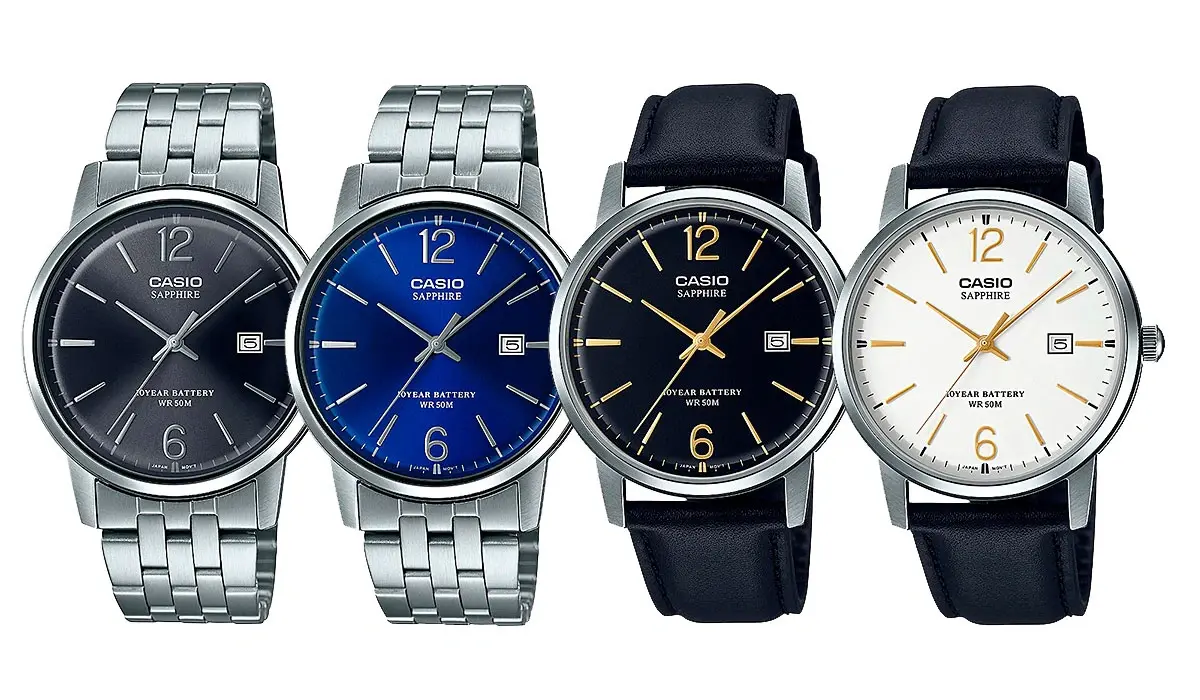
Deciding on the right watch depends entirely on your daily routine, personal budget, and style goals.
If you want a low-maintenance, accurate piece you can grab and wear without second thought, choose quartz.
If you adore mechanical complexity, sweeping second hands, and traditional craftsmanship, an automatic piece is perfect for you.
Brands like PraviCeler offer great options across both styles, making it easy to start your horology journey.
Ultimately, reading an automatic watch guide helps you appreciate the unique strengths both movement types bring to your wrist.
Frequently Asked Questions
Which watch type lasts longer overall?
Automatic watches generally last longer because mechanical gears can be repaired or replaced indefinitely by skilled watchmakers.
Is an automatic watch better than quartz?
Neither is strictly better; automatics offer tradition and sweeping movement, while quartz provides superior accuracy and affordability.
Why are automatic watches more expensive?
Automatic watches cost more due to intricate mechanical engineering, tiny jewels, complex gear assembly, and skilled manual labor.
How often do quartz batteries need replacing?
In most cases, a standard quartz watch battery needs replacement every 2 to 3 years.
