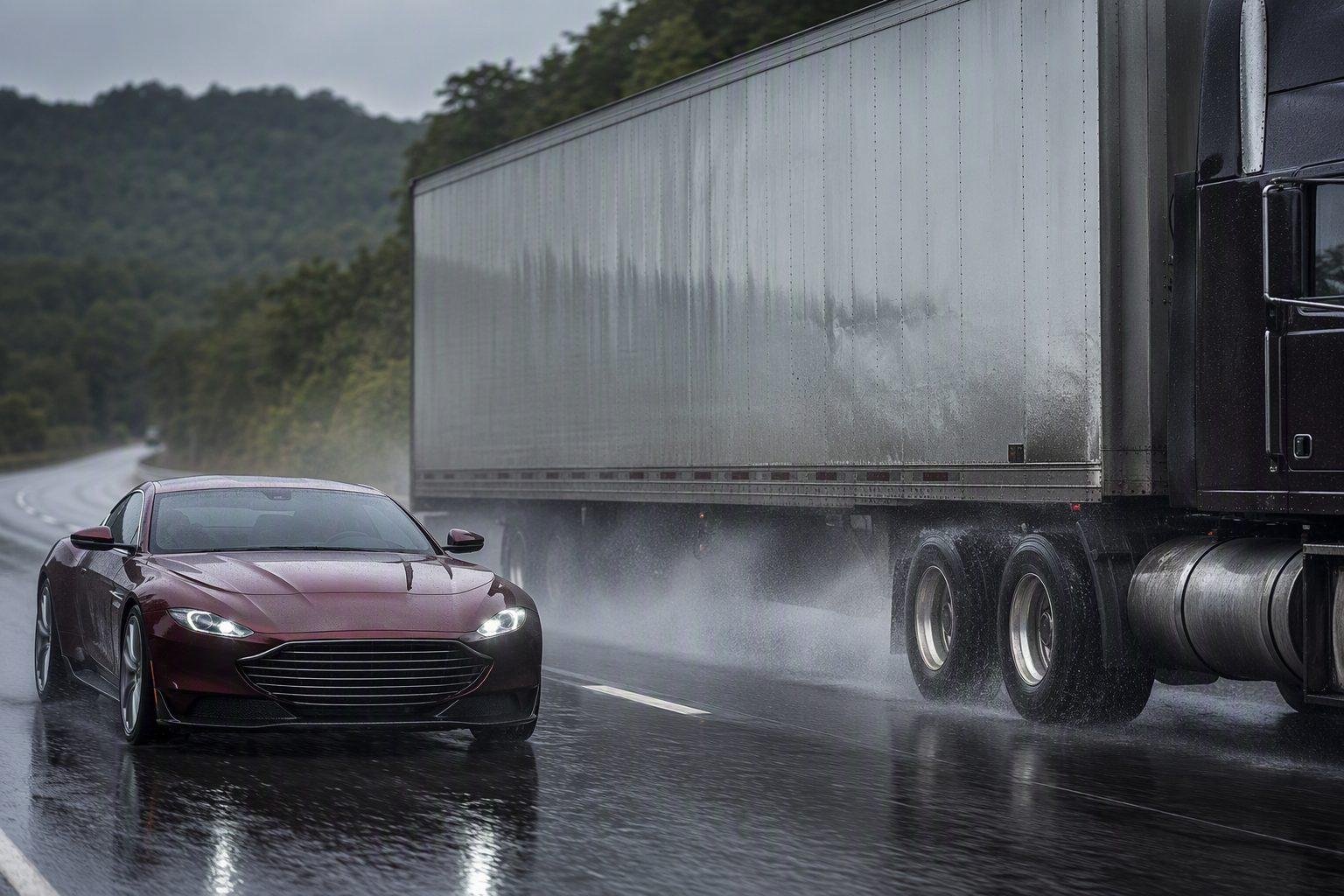
Your low touring car slides onto I-70 next to a tractor-trailer. Rain smears the lane markings, and traffic starts to bunch up. Midwest road trippers share the asphalt with a great deal of commercial freight, and a few spacing habits offer real protection.
What Missouri’s truck crash numbers mean for your trip
I-70 runs passenger cars and commercial freight through one corridor. Those merging lanes and work zones belong to heavy vehicles too, and those vehicles need far more stopping distance than your car does.
Missouri averages more than 40 reported truck crashes every day. The fatal numbers climbed too: crashes involving large trucks went from 76 in 2010 to 115 in 2020, a rise of roughly 51%. Per capita, the figure rose from 12.69 fatal large-truck crashes per million residents to 18.69 over the same decade. Raw counts tell one story and per-resident rates tell another; read each in its own frame.
Halvorsen Klote Davis pulled these federal figures together in its Truck Crash frequency in the Midwest analysis, which pairs the Missouri numbers with post-collision steps drivers sometimes need.
One caveat: no reporting period is stated for that daily police-reported average. Read it as a multi-year figure, not a forecast for 2026.
Statewide totals count every road in Missouri, and they put fault on nobody. Dense freight traffic does mean more encounters with trailers, more abrupt merges, and long passes where the speed difference drags on for miles. Watch the closing gap ahead of you; treat the truck as traffic, not as a threat.
Volume claims and rate claims get blurred constantly. The state with the most truck crashes holds no crown for risk until you add a denominator, and population and vehicle-miles-traveled will sort the states differently.
Matching years and vehicle definitions matter too, since commercial-vehicle totals may include more than tractor-trailers. The deadliest-driving-state headlines you see each summer typically count all-road fatalities, including trucks, but don’t isolate them. For planning a single trip, live conditions on your route beat any unmatched ranking.
How a semi’s dimensions change the space you need
Stay where the driver can see you
The Federal Motor Carrier Safety Administration’s Our Roads, Our Safety guidance maps large blind zones around every truck: ahead of the cab, behind the trailer, and down both sides. If you can’t see the driver’s face in the side mirror, assume the driver can’t see you.
Don’t linger beside the trailer. If there’s room, finish a legal pass; if not, drop back to where the mirror can pick you up. In darkness or heavy spray, a tall tractor can easily hide a low sports car sitting next to it.
Count seconds, not car lengths
For following distance, Missouri’s Driver Guide prescribes a three-second rule. Pick a roadside marker, then count as the truck’s rear passes it; by the time your car reaches that same marker, three seconds should have gone by. That figure is a dry-pavement baseline, not a promise tuned to trucks.
Rain and fog stretch the gap. Spray can blind you completely. Snow or ice cuts traction so hard that no fixed interval survives. Keep enough room to stop inside the pavement you can see, and add seconds any time the view shrinks.
Give turning trucks room
A trailer’s rear wheels cut a tighter arc than the wheels under the tractor. The quirk is called off-tracking. For that reason, the FMCSA warns against squeezing between a turning truck and the curb, and a briefly open shoulder deserves the same caution. You’ll run into these turns at I-70 exit ramps and fuel stops, plus the driveways into hotels and rest areas.
Wait them out. The gap a swinging trailer opens will close.
Merge without hiding
Use the acceleration lane to reach traffic speed within the posted limit, and pick your opening early. Never settle in beside the trailer at a matched speed; the blind-zone rule above counts double here. If your opening closes, ease off and merge behind the truck. Never force a narrow slot ahead.
Keep watching the lane ahead, and don’t stop on an acceleration lane unless signals or an emergency leave you no choice.
Passing without a closing-speed problem
See the whole picture before moving left
Check your mirrors and the zone beside your car. Look well down the passing lane for approaching traffic, and make sure there’s room beyond the truck before you signal.
A trailer can hide stopped traffic and debris, and sometimes a second truck beyond it. If you can’t see a finishing gap, wait behind until you can.
Finish cleanly
Hold a steady speed within the limit; hovering beside the cab buys you nothing. FMCSA’s guidance says to see the whole truck in your rearview mirror before returning to its lane. Signal and move over smoothly, without cutting sharply across the front of the truck.
A loaded semi needs a lot of braking distance. Merging ahead of one and braking for your exit erases the margin its driver is counting on.
Mind the hills
Trucks lose speed uphill and gain it downhill, which changes how long your pass takes. Airflow around a big vehicle can push your car around too, and spray may hide the very markings you need. Keep your steering inputs smooth.
The driver-assistance features that earn their keep near trucks
The National Highway Traffic Safety Administration’s driver-assistance guide splits these systems into two kinds: warnings that ask you to respond, and interventions that brake or steer for you. Neither kind removes you from responsibility, and operating limits differ across manufacturers and trims.
| Feature | Practical help on I-70 | Important limitation |
| Adaptive cruise control | Adjusts speed to detected traffic ahead. | May respond late to cut-ins; precipitation or obscured sensors can reduce performance. |
| Forward-collision warning and automatic emergency braking | Warns of a closing gap and may apply braking. | Cannot guarantee avoidance; trailer detection and braking capability differ across systems. |
| Blind-spot monitoring | Warns of vehicles within a monitored side area. | An active indicator doesn’t prove a long trailer has cleared your car. |
| Lane-departure warning or lane-centering assistance | Warns of unintended drift or provides steering support. | Faded markings and temporary construction lanes can reduce reliability, especially during precipitation. |
| Rear cross-traffic alert | Helps detect crossing traffic while backing at stops. | Detection range differs; parked vehicles and trailers can obstruct the view. |
Test the controls in a parking lot
Set the following distance while parked and learn each dashboard alert before you need it. Your owner’s manual explains how to clean camera and radar areas without scratching them. Know how to disengage cruise or lane-centering smoothly, because fumbling for a switch at 70 mph is its own hazard.
Verify the equipment fitted to your car. A familiar model name guarantees nothing; another trim may carry a wholly different assistance package.
Know when to take over
Heavy rain or snow-covered markings can push a system past its limits; so can sun glare on a camera or dense merging traffic. Read your owner’s manual for those thresholds and take manual control before you reach them, not after.
None of these features can reliably assess a truck merge or a sudden work-zone shift.
When weather raises the stakes
Spray shortens the road you can see
Tire spray off a truck can bury brake lights and lane markings, leaving you with less visible pavement for braking decisions. Slow down and add distance whenever you can’t see far enough to stop within what you can see. Tailgating the taillights ahead locks your view to the vehicle blocking it.
Ice, bridges, and wind
The National Weather Service warns that bridges and elevated sections freeze before the pavement around them; cross them without abrupt braking or steering when temperatures flirt with freezing. Check Missouri Department of Transportation travel alerts before you leave, then again at safe stops.
Wind deserves respect too. A trailer’s broad flank catches crosswinds your low car barely feels, and the same gust will push each of you differently across open stretches and bridge approaches. Make lateral space where lanes permit, and don’t ride beside a truck in strong gusts.
Know when to pull off
If visibility keeps shrinking, take the next safe exit; a hotel reservation is never worth a blind run. You can wait at a staffed rest area until conditions clear. Build slack into your schedule, and keep shoulder stops for genuine emergencies.
Prep your car and your paperwork
Check what matters at highway speed
Check cold tire pressure against the door placard and inspect the tread. Fix braking problems before the trip, not during it. NHTSA’s tire-safety guidance makes the point plainly: electronics can’t return grip to a worn tire.
Replace streaking wipers and top off the washer fluid, then verify every exterior light. The lasting-value thinking behind PraviCeler’s luxury lifestyle-on-a-budget guide applies here: buy good wiper blades before the next cosmetic accessory.
Build an information kit and a supply kit
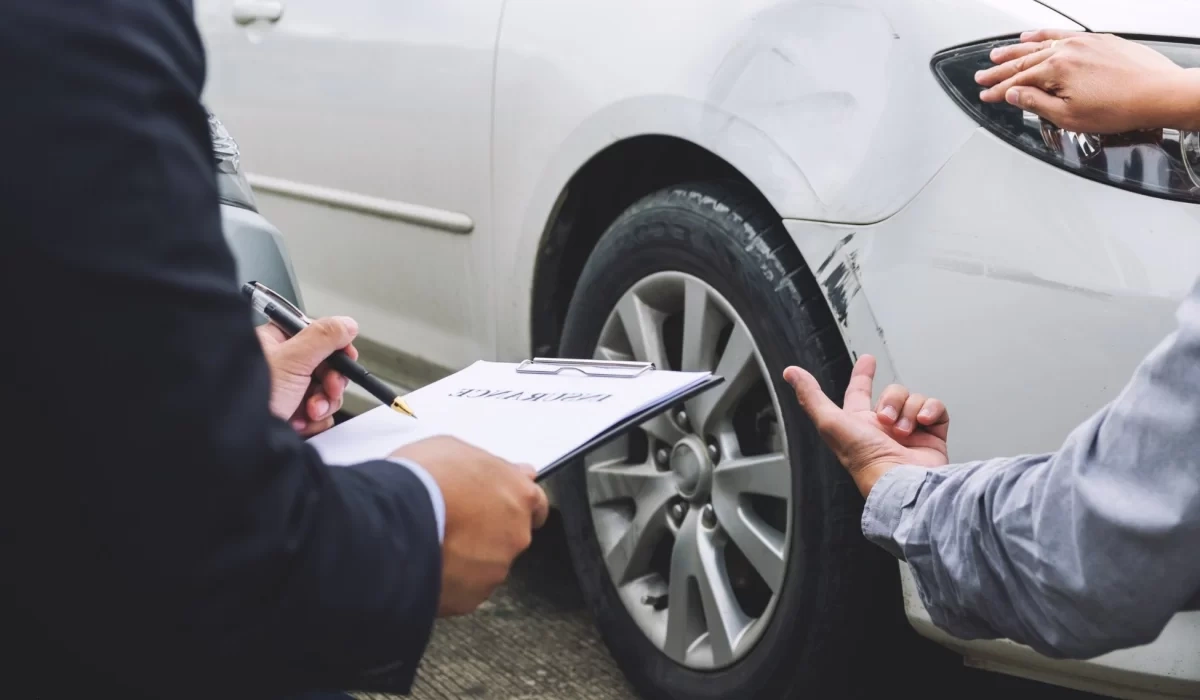
Keep your insurance details and roadside-assistance numbers together with emergency contacts and vehicle identification. Add any medical information you choose to share, plus notes on medication needs. Paper directions and a few key addresses hold up when a phone battery doesn’t.
Pack supplies separately from paperwork. Pack a charged power bank and drinking water first, then weather-appropriate clothing and a basic first-aid kit. Carry reflective warning equipment where it’s legal, and never step into live traffic to set it out.
If a collision or breakdown happens
Move out of live traffic when you can do so safely. Call emergency services when needed, then follow responder instructions on staying inside or moving to a safer location. Exchange required information once conditions permit.
Tell dispatch your direction of travel and the nearest exit or mile marker. Never stand between vehicles or step toward traffic to photograph damage.
Frequently asked questions
How risky is I-70 semi-truck traffic for Midwest travelers?
Those Missouri totals are context, not a forecast for your drive. Your actual risk depends most on weather and traffic, followed by driver behavior and work zones.
What spacing is safest behind a big rig in poor weather?
Missouri’s Driver Guide sets a three-second baseline: count from the truck’s rear as it passes a fixed marker until your car reaches it. Stretch that substantially whenever traction or visibility drops, because no fixed interval covers every storm.
Should you stay beside a tractor-trailer while passing?
No. FMCSA advises avoiding blind areas and completing a smooth, legal pass; fall back to a visible position when room runs out.
Which safety technology is most useful near commercial trucks?
Adaptive cruise and forward-collision warning help with traffic ahead; blind-spot monitoring and lane support handle the sides and lane position. NHTSA calls all of them assistance, and clean sensors plus unobscured markings decide how well they work. You still need to supervise these systems near trucks.
Make space the luxury you never compromise
A well-maintained touring car makes the miles comfortable, but no feature package replaces sight lines and predictable lane changes. Space first. Everything else follows. Protect your margin, and each pass will take care of itself.