This luxury couture houses alterations guide explains how fittings work at the great Paris houses, what alterations are included in the price, how long the process takes and what is expected of you as a client. The short answer is that alterations are not an extra at couture level: they are the point, with several fittings built into every commission.
Haute couture is the only part of fashion where a garment is made entirely for one person, by hand, in Paris. That is why the fitting process is so thorough, and why it differs completely from buying ready-to-wear and taking it to a tailor. If you are commissioning your first couture piece, this guide will help you walk into the salon with confidence.
What Haute Couture Actually Means
Haute couture is a protected term in France, governed by strict rules. A house must have an atelier in Paris, employ a minimum number of skilled staff, and present collections of original designs made to order for private clients. Only a small number of houses qualify, including Chanel, Dior, Givenchy, Valentino and Armani Privé, and each maintains its own ateliers and fitting traditions.
The key difference from ready-to-wear is that nothing is made until you order it. The house takes your measurements, creates a toile, a test version of the garment in plain cotton, and then builds the real piece around your body over several fittings. The result should fit as though it were part of you, because in a real sense it was made around you.
Understanding this helps you understand alterations. At couture level there is no such thing as buying a size and having it adjusted. The garment is altered continuously throughout its making, and the fittings are where the design becomes yours. The guide to what fashion houses are explains how these businesses are organised, and why the atelier sits at the heart of each one.
The Fitting Process, Step by Step
Your first appointment is a consultation, usually in the house’s Paris salon. You discuss the occasion, the design and the fabric with the vendeuse and often with the head of the atelier. Measurements are taken in detail, far beyond the handful of numbers used for ready-to-wear, and your posture, shoulder line and the way you move are all noted.
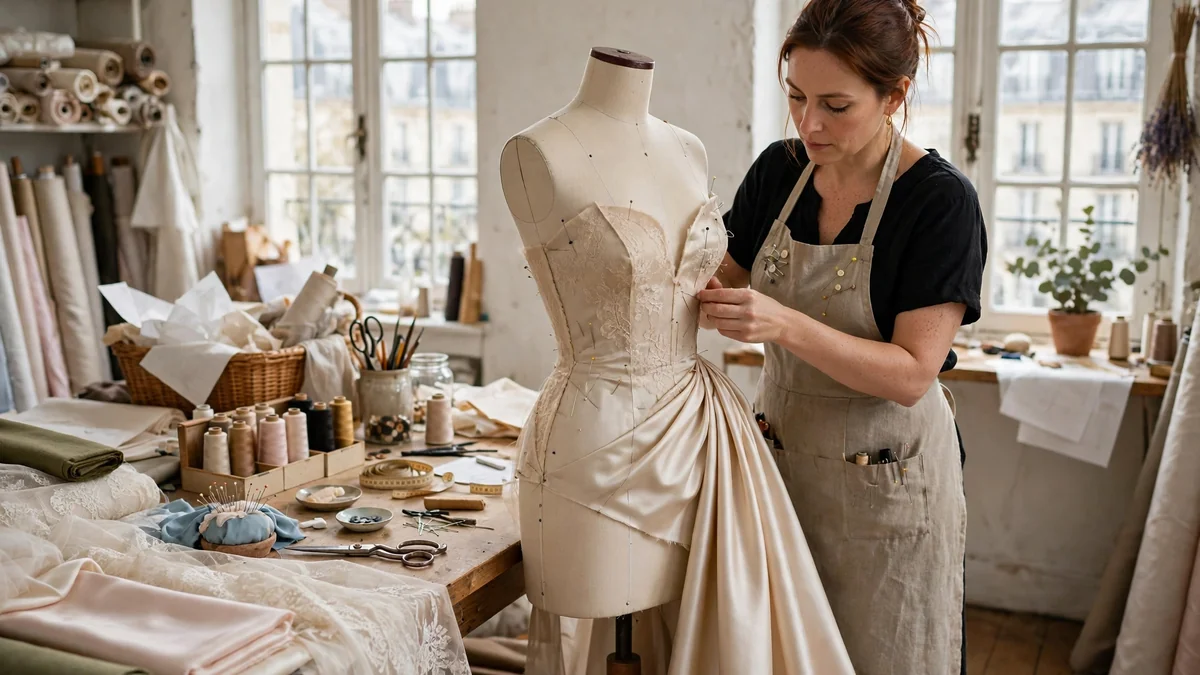
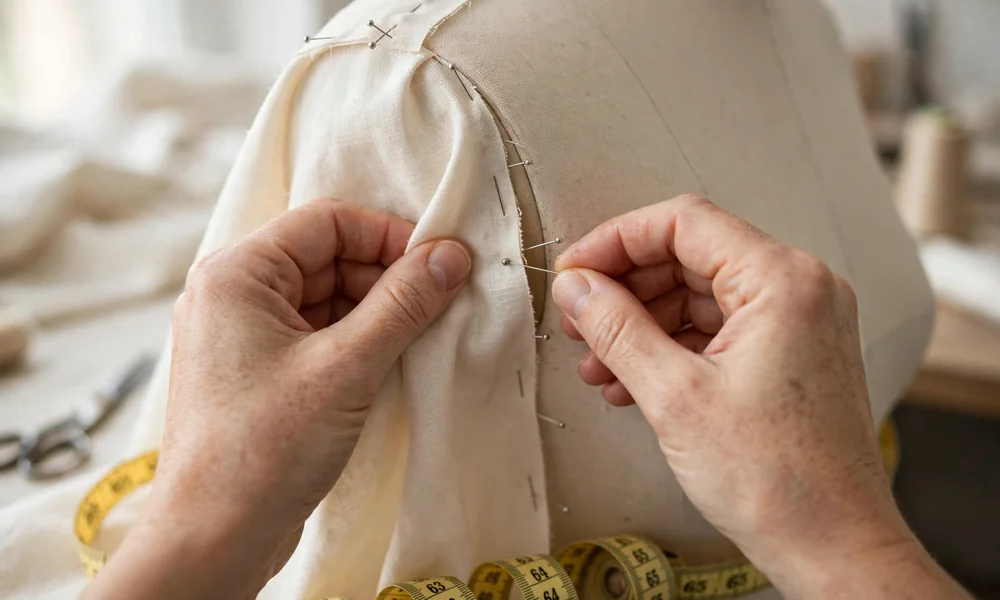
The next stage is the toile fitting. You try on the test garment in plain fabric, and the team pins, marks and adjusts it on your body. This is where the silhouette is decided and where major changes are easiest to make. Do not be surprised if the toile looks nothing like the finished dress: it is a working document, not a garment.
Further fittings follow as the real fabric is cut and assembled, typically two or three more sessions. Each fitting refines the shape, the length and the details. The final fitting is usually close to the delivery date, and it is your last chance to ask for small adjustments. The whole process, from first consultation to delivery, commonly takes several months, so plan well ahead of your event.
How Many Fittings Should You Expect?
Three to five fittings is typical for a couture gown, though the number varies with the complexity of the design and the client’s availability. A relatively simple suit may need fewer, while a heavily embroidered gown may need more. Houses are flexible about scheduling, and clients who live abroad often combine fittings with trips to Paris.
Each fitting lasts an hour or more, and you should arrive wearing the underwear and shoes you plan to wear with the finished piece. The heel height matters enormously to the hem, and the fitters will want to see the garment exactly as it will be worn. Bring the bag too, if it affects how the garment sits.
What Alterations Cost
Fittings and alterations during the making of a couture garment are normally included in the quoted price. The house is not selling you a dress and then charging to make it fit: the fitting process is the service you are paying for, and it is built into the commission from the start.
That said, the overall price is substantial. A couture gown typically runs into five figures at minimum, and the most elaborate pieces reach six figures, with embroidery and handwork accounting for much of the cost. The price you are quoted should cover the design, the fabric, the making and the fittings, but always confirm what is included before you commit.
Alterations after delivery are a different matter. If your measurements change between the final fitting and the event, or if you want the garment adjusted years later, the house will usually help, but that work may be charged separately. Keep the relationship with the atelier warm: a house that made your dress is the best place to have it adjusted, because it holds the patterns and knows the construction.
Alterations at the Major Houses
| House | Atelier tradition | Typical fittings | What to know |
|---|---|---|---|
| Chanel | Flou and tailoring ateliers in Paris | Three to five | Métiers d’art embroidery and tweed expertise |
| Dior | Ateliers on Avenue Montaigne | Three to five | Strong on silhouette and the Bar jacket line |
| Givenchy | Paris couture ateliers | Three to four | Known for clean lines and evening wear |
| Valentino | Roman and Paris ateliers | Three to five | Renowned for red gowns and embroidery |
| Armani Privé | Milan and Paris ateliers | Three to four | Understated elegance, precise tailoring |
| Schiaparelli | Place Vendôme ateliers | Three to five | Sculptural, artistic couture |
Etiquette for Couture Clients
Couture salons run on discretion and mutual respect. Appointments are private, photography is usually not allowed, and the staff will treat your visit as confidential. Return the courtesy: arrive on time, be honest about what you like and dislike, and remember that the people fitting you are among the most skilled artisans in fashion.
Speak up during fittings. The fitters would rather hear that a sleeve feels tight or a neckline sits wrong than discover it later, and small changes are easy at the toile stage but costly once the real fabric is cut. Be specific about what bothers you, and trust the team to solve it: they have fitted thousands of bodies and know what is possible.
Do not rush the process. Couture cannot be hurried, and a house that agrees to rush a commission is doing you no favour. Build in time for every fitting, and keep your schedule flexible around the final delivery. The oldest luxury fashion houses have survived for generations precisely because they refuse to compromise on time and craft.
Working with the Atelier, Not Against It
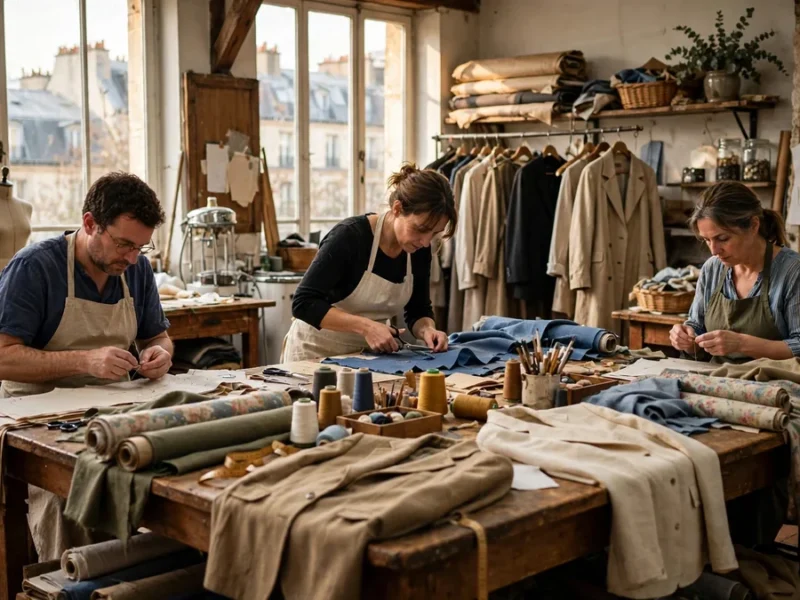
The best couture clients treat the atelier as a partner. Bring references if you have them, but stay open to the house’s judgement: the designers and fitters know their fabrics and silhouettes better than any client can, and their suggestions usually improve the result.
Remember too that couture houses keep detailed records of every client, including measurements, preferences and past commissions. That record is an asset: it makes your second commission smoother than your first, and it means the house can recreate or adjust a piece years later. The relationship is part of what you are buying.
After Delivery: Care and Future Alterations
Once your garment is delivered, look after it as the piece of craftsmanship it is. Store it flat or on a padded hanger, away from light and damp, and have it cleaned only by a specialist who understands couture construction. Ordinary dry cleaning can damage handwork, beading and delicate fabrics.
If you need alterations later, return to the house first. The atelier holds your pattern and knows exactly how the garment was built, so it can adjust a hem, take in a waist or repair handwork without compromising the design. Independent tailors, however skilled, do not have that knowledge, and well-meant alterations can damage a couture piece.
Many clients keep their couture for decades and have it adjusted as their lives change. A gown altered by the house that made it keeps its integrity, and its value as a piece of craftsmanship is preserved. The comparison of Dior craftsmanship with other houses shows how seriously the great houses take construction, and why that care extends long after delivery.
Before Your First Fitting: A Quick Checklist
Use this checklist before your first couture appointment.
– Allow several months between commission and event for fittings
– Bring the shoes, underwear and bag you will wear with the piece
– Confirm what the quoted price includes, especially fittings
– Ask how many fittings to expect and where they take place
– Speak up at the toile fitting, when changes are easiest
– Arrange specialist cleaning and storage for after delivery
Frequently Asked Questions
Are alterations included in the price of haute couture?
Yes, fittings and alterations during the making of the garment are normally included in the quoted price. The fitting process is the core of the couture service, not an extra. Confirm what is included before you commit, and ask about charges for alterations after delivery.
How many fittings does a couture dress need?
Three to five fittings is typical, starting with a toile fitting in plain fabric and continuing as the real garment is built. Complex or heavily embroidered designs may need more. Each fitting refines the shape, length and details.
How long does couture take from order to delivery?
Several months is normal, from the first consultation to the final fitting. Heavily embroidered or complex pieces can take longer. Plan well ahead of your event and keep your schedule flexible around the final fitting.
Can a couture dress be altered after delivery?
Yes, and the house that made it is the best place to do it, because it holds your pattern and knows the construction. Later alterations may be charged separately, so ask about the policy when you commission the piece.
What should I wear to a couture fitting?
Wear the underwear and shoes you plan to wear with the finished garment, as heel height and undergarments affect the fit directly. Bring the bag too if it changes how the garment sits, and arrive with clean, simple hair and makeup.
Which houses offer the best alterations service?
All the major Paris houses, including Chanel, Dior, Givenchy, Valentino and Armani Privé, include thorough fitting programmes in every commission. The differences are in house style and speciality, not in the quality of the fitting process itself.