The oldest luxury fashion houses still operating today share a secret that no amount of marketing budget can buy. They were all born before the lightbulb, before the automobile, before the very idea of a fashion brand existed in the modern sense, and they survived two world wars, countless economic collapses, and the complete reinvention of how people dress.
A collector once told me that buying from a house founded in the 1840s is the closest thing to purchasing time itself, and after tracing these six stories, I understand exactly what she meant.
Each of these maisons began as a small workshop serving a very specific practical need, whether harnesses for carriage horses or trunks for ocean voyages, and each transformed that humble expertise into an empire of desire. What follows are the six oldest luxury fashion houses still crafting, selling, and shaping taste in 2026, ranked from oldest to youngest.
1. Hermès, Founded 1837, Paris
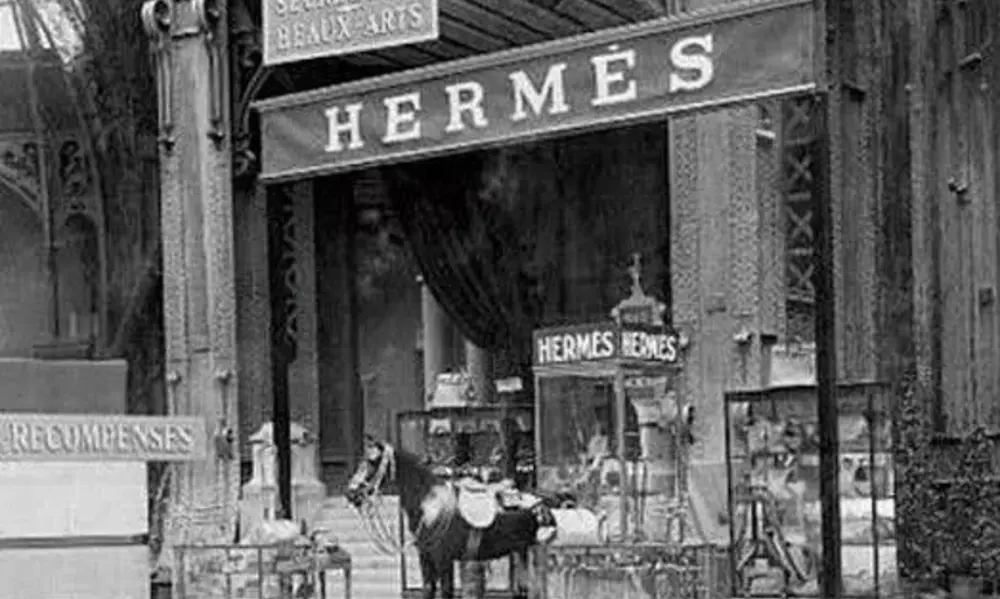
Thierry Hermès opened a harness workshop in Paris in 1837, crafting bridles and saddles for the carriage trade of European nobility. His reputation rested on a simple obsession: a harness that failed could kill its owner, so nothing left his bench that was not perfect. When the automobile began replacing the horse at the turn of the twentieth century, the house faced extinction or evolution, and it chose brilliantly.
The same stitching, leather, and hardware mastery that once served stable yards was redirected toward luggage, handbags, and accessories for the motoring age. The zipper, which Hermès introduced to France, led to leather jackets and eventually to the full wardrobe.
Nearly 190 years later, the harness makers’ discipline remains visible in every stitch of the house’s most famous creations.
The Kelly bag, named for Grace Kelly, and the Birkin, born from a chance airplane conversation between Jane Birkin and chief executive Jean-Louis Dumas in 1984, are the most coveted handbags on earth, with waiting lists measured in years rather than weeks.
The full story of how a saddle workshop became the pinnacle of luxury is told in the Hermès story, and the house’s resistance to outsourcing, trend chasing, and celebrity saturation explains why it still sets the standard every other maison quietly measures itself against.
2. Loewe, Founded 1846, Madrid
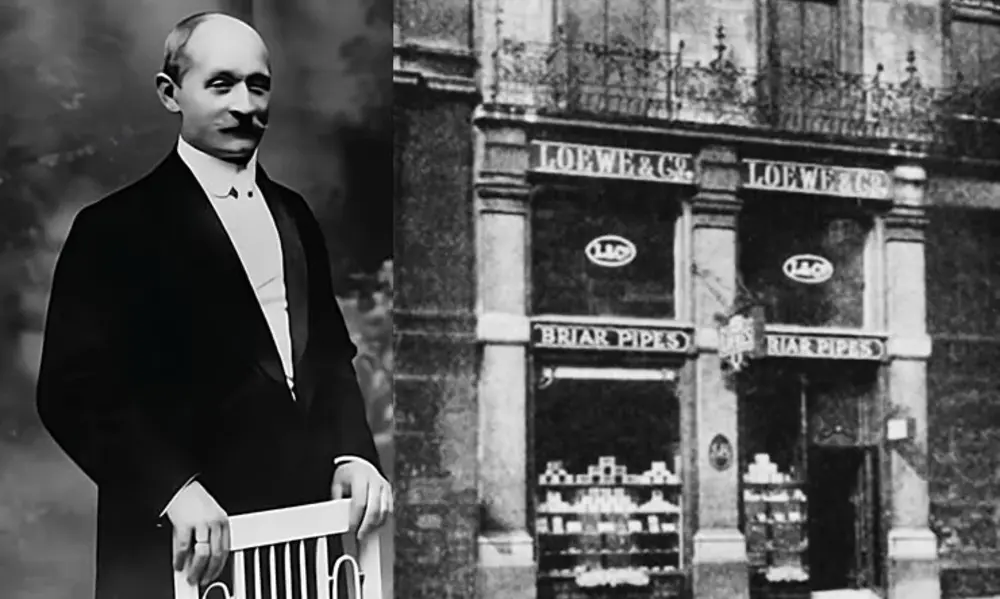
Loewe began as a leather goods cooperative in Madrid in 1846, and by 1905 it had earned a royal warrant from King Alfonso XIII of Spain, sealing its position as the country’s premier luxury house.
For more than a century it remained a guarded treasure of Spanish aristocracy, famous for buttery napa leather so soft it seemed to defy the nature of the material itself. The house joined the LVMH group in 1996, gaining global reach while keeping its Madrid ateliers and their generational craftsmen at the center of everything.
Loewe’s modern renaissance under creative director Jonathan Anderson, who led the house from 2013 to 2025, turned it into fashion’s most critically admired brand, blending surreal wit with uncompromising craft through pieces like the Puzzle bag and the Amazona.
The house proves a point worth remembering: longevity in luxury is not about standing still. It is about carrying a core skill, in this case leather working of almost supernatural refinement, through every era’s new language.
3. Moynat, Founded 1849, Paris
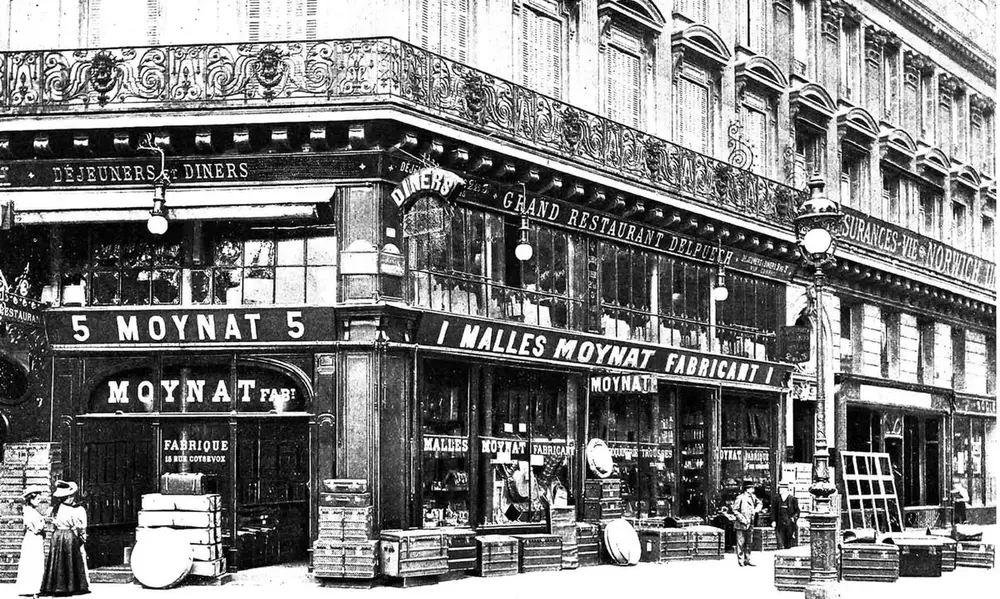
Pauline Moynat founded her trunk making house in Paris in 1849, making her one of the very first women to lead a luxury maison, and her firm quickly became the trunk maker of choice for the golden age of rail and ocean travel.
Moynat patented waterproof canvas treatments, lightweight wicker frames, and the revolutionary English trunk, and the house supplied the great automobile manufacturers with fitted luggage for their finest chassis. Unlike its louder rivals, Moynat closed its doors in the 1970s as travel habits changed and consolidated luxury groups passed it by.
The revival came in 2011, when LVMH quietly resurrected the house with the same obsessive standards, one atelier, limited production, and no advertising blitz. Today a Moynat Réjane or Gabrielle bag is an insider’s choice, recognized instantly by those who know and invisible to those who merely follow logos. For collectors who prize discretion, Moynat represents the purest form of investment worthy handbag ownership, where value lives in the object rather than the billboard.
4. Goyard, Founded 1853, Paris
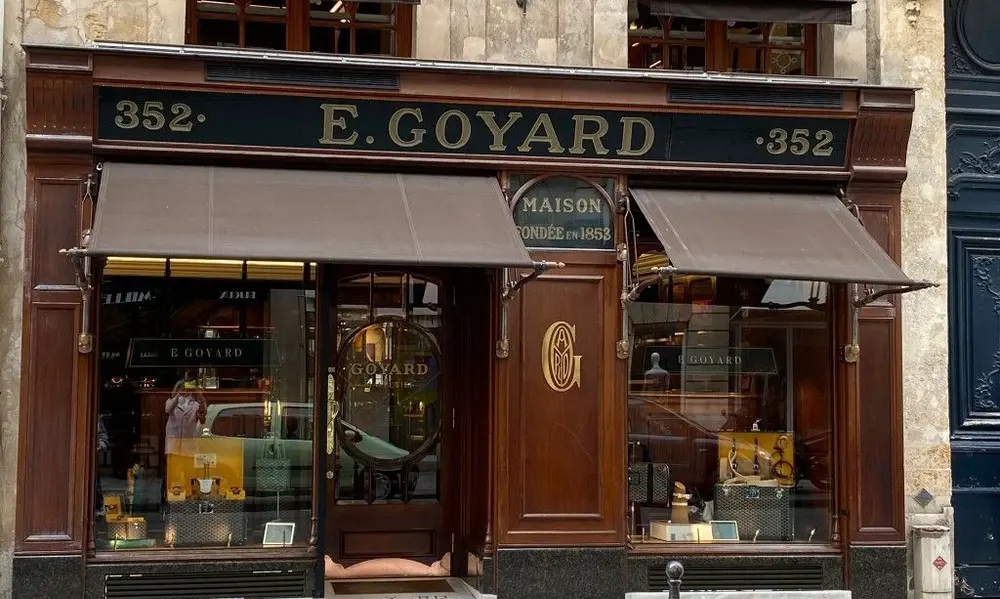
The house we know as Goyard traces its roots to the Maison Martin trunk making firm of 1792, but it took its current name in 1853 when François Goyard, an apprentice who married into the business, renamed it and built its legend.
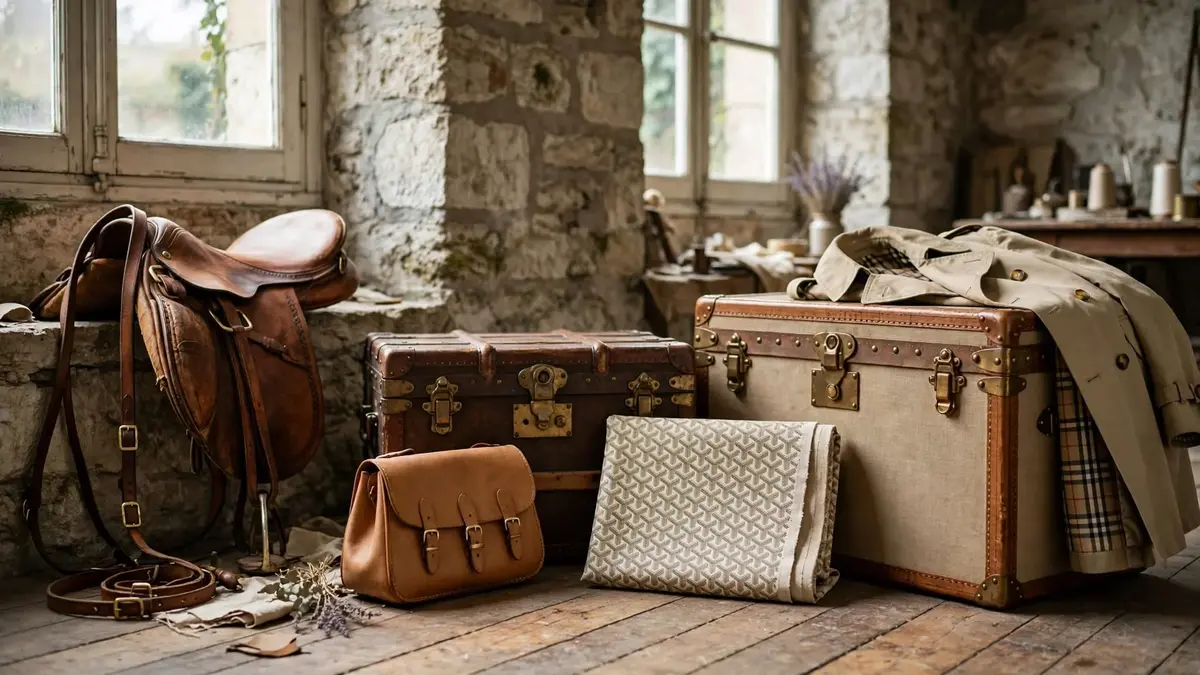
Goyard’s hand painted chevron canvas, the Goyardine, appeared in 1892 and remains unchanged today, applied dot by dot by craftsmen rather than printed by machine. The house supplied trunks and fitted luggage to royalty, to the Duke and Duchess of Windsor, to Coco Chanel, and to anyone for whom travel was an art form.
What makes Goyard extraordinary in 2026 is what it refuses to do. It runs no advertising, sells nothing online directly, grants almost no interviews, and maintains a deliberately tiny network of boutiques. In an era when every luxury brand fights for attention, Goyard’s silence has become the loudest statement in the market, and its Saint Louis tote has achieved cult status precisely because the house never asked it to.
5. Louis Vuitton, Founded 1854, Paris
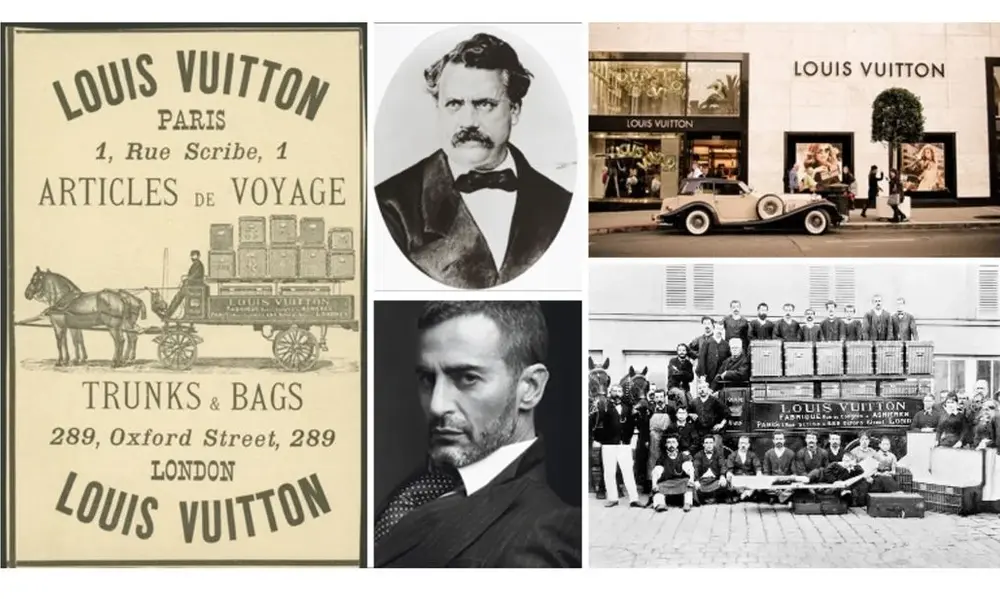
Louis Vuitton was a trunk packer for Empress Eugénie of France before opening his own Paris workshop in 1854, and his first great innovation was wonderfully practical: the flat topped trunk. Rounded trunks could not be stacked; his could, and suddenly railway and steamship travel became orderly.
His son Georges created the famous Monogram canvas in 1896 to fight counterfeiters, a problem the house has now battled for well over a century.
From trunks came handbags, from handbags came fashion, and from fashion came the largest luxury brand in the world by revenue.
The house’s journey from a single workshop on Rue Neuve des Capucines to a global empire spanning fashion, watches, jewelry, and even fragrance is chronicled in the Louis Vuitton story, and it remains the case study in how heritage can scale without dissolving.
The Speedy, the Neverfull, and the Capucines sit at the center of countless collections, including many built from the best vintage designer handbags to collect, where early Vuitton pieces command serious auction interest.
6. Burberry, Founded 1856, Basingstoke
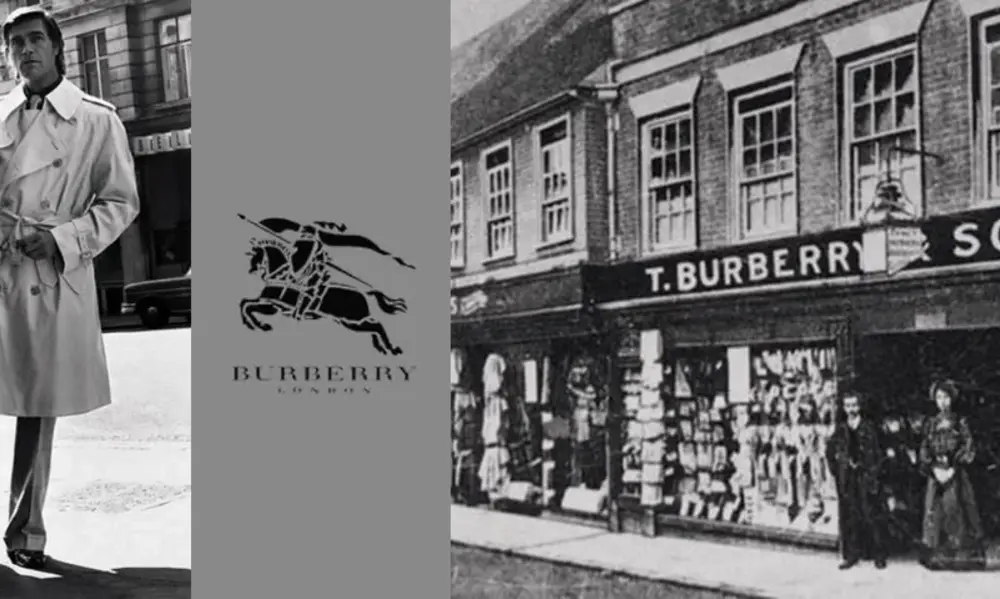
Thomas Burberry was a 21 year old draper’s apprentice when he opened his outfitter’s shop in Basingstoke, England, in 1856, and his obsession was weather.
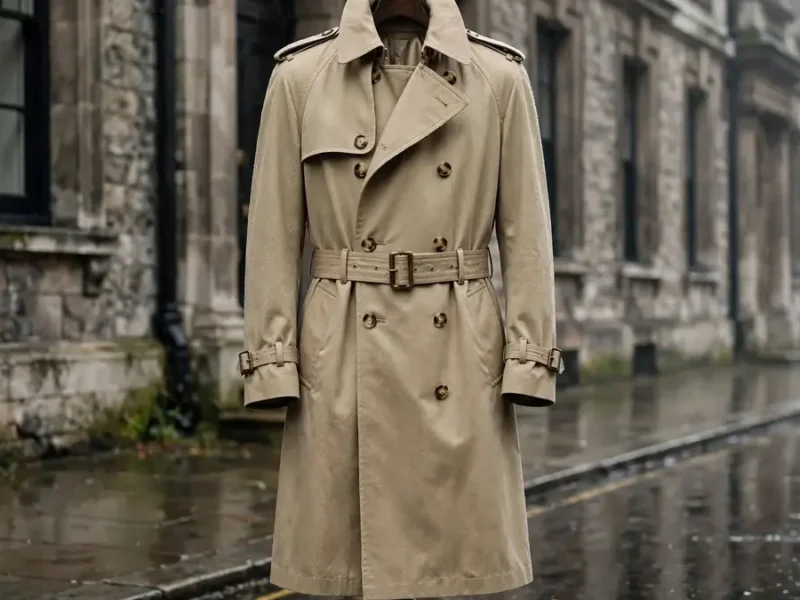
His 1879 invention of gabardine, a breathable yet waterproof woven fabric, changed outerwear forever and dressed explorers on polar expeditions, aviators on record attempts, and officers in the trenches of the First World War, where the trench coat earned its name.
The Nova check lining, introduced in the 1920s, became one of the most recognized patterns on earth, for better and occasionally for worse.
Burberry’s journey has been the bumpiest of the six, with the check pattern overexposed in the early 2000s and several creative reinventions since. Yet the house endures because its core promise, clothing engineered against the elements with genuine elegance, never stopped mattering.
A Burberry trench remains one of the few garments a person can wear for thirty years without it ever looking wrong, which is a fair definition of what separates the true top tier of luxury brands from fashion that merely borrows the word.
Why Survival Is the Ultimate Luxury Credential
Notice what these six houses share. None began as fashion brands. They solved physical problems: harnesses that protected lives, trunks that survived voyages, coats that defeated rain. Fashion came later, almost as a byproduct of trust earned through function. That origin story matters because it explains their durability.
A house built on craft can change creative directors, owners, and silhouettes across centuries. A house built on trend cannot survive a single bad season.
There is a lesson here for anyone investing in luxury today. The pieces most likely to hold value, to be repaired rather than discarded, and to mean something to the next generation come from houses with roots this deep. Heritage is not nostalgia. It is the accumulated proof that a maker has already survived everything the world could throw at it, and intends to be here long after the current moment passes.
FAQs
What is the oldest luxury fashion house in the world?
Hermès, founded in Paris in 1837, is the oldest luxury fashion house still operating today. It began as a harness and saddle workshop serving European nobility before evolving into leather goods, handbags, and ready-to-wear fashion.
When was Louis Vuitton founded?
Louis Vuitton founded his trunk-making house in Paris in 1854. His stackable, flat-topped trunk revolutionized travel luggage, and the house eventually grew into one of the world’s largest luxury brands.
Is Goyard older than Louis Vuitton?
Yes, by one year. Goyard adopted its name in 1853, while Louis Vuitton opened in 1854. However, its predecessor, Maison Martin, dates back to 1792.
Why is Moynat less famous than other heritage brands?
Moynat closed in the 1970s and was revived by LVMH in 2011. The house avoids mass advertising and maintains limited production, cultivating an exclusive reputation rather than mainstream recognition.
What did Burberry invent?
Thomas Burberry invented gabardine in 1879, a breathable, waterproof fabric that revolutionized outerwear. The house also developed the modern trench coat during the First World War and introduced its Nova check lining in the 1920s.
Are products from old fashion houses a good investment?
Pieces from heritage houses, particularly Hermès handbags and early Louis Vuitton trunks, have historically maintained or increased their value at auction. Craftsmanship, limited production, and brand longevity can support resale prices.
Which luxury house has a royal warrant?
Several heritage houses have royal connections. Loewe received a royal warrant from King Alfonso XIII of Spain in 1905, while Burberry has held British royal warrants since 1955. Hermès and Goyard also historically supplied European royalty.
Do these houses still make things by hand?
Yes, to varying degrees. Hermès bags are hand-stitched by individual artisans, Goyard’s chevron canvas features hand-painted details, and Moynat and Loewe maintain traditional ateliers. Handcraftsmanship remains central to their luxury positioning.