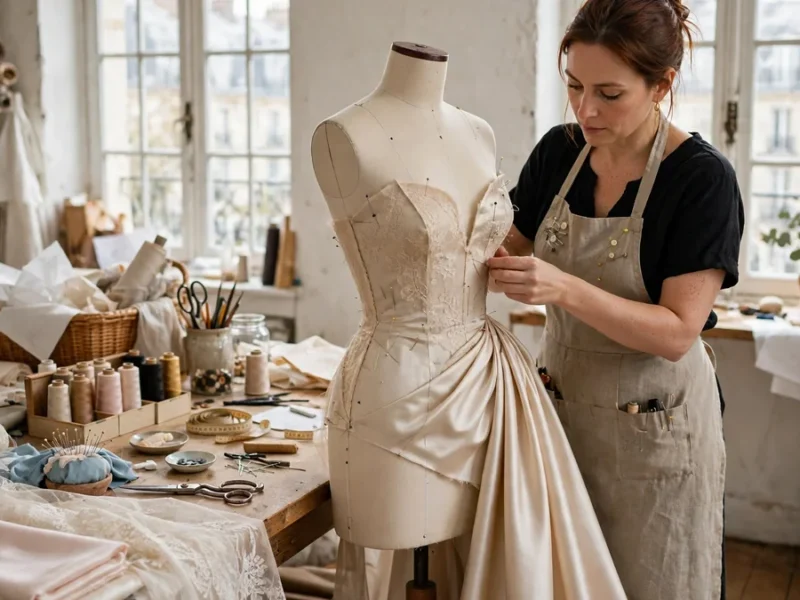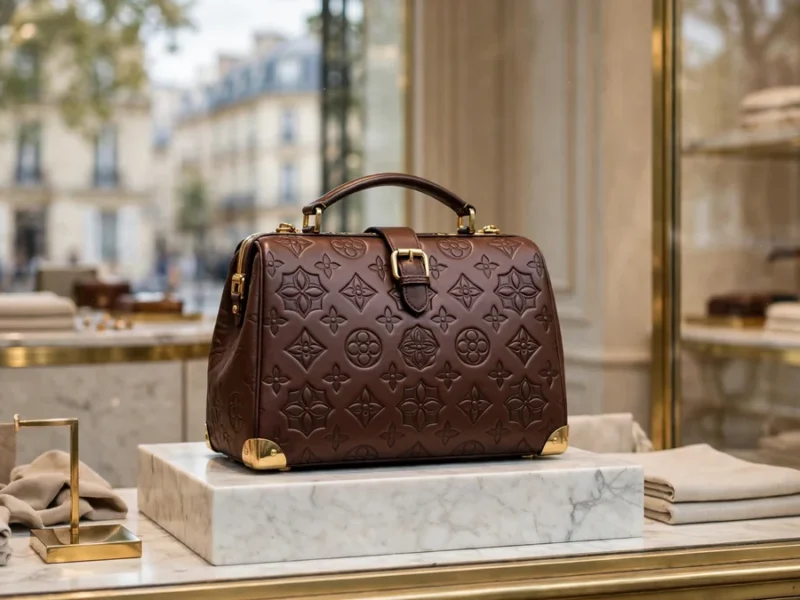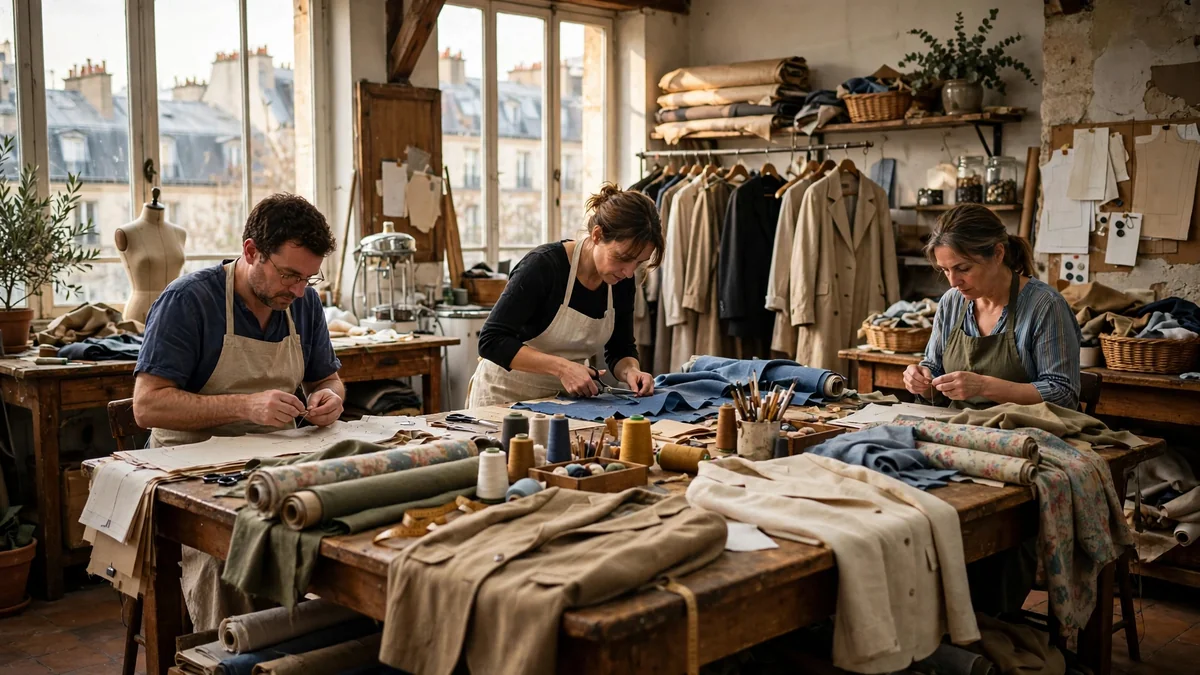
The best atelier-led luxury fashion houses are the ones where the workshop still matters more than the marketing. In these houses, garments are cut, fitted and finished by hand, leather goods are stitched by a single artisan, and the atelier is treated as the heart of the business rather than a museum piece.
This guide introduces ten houses where handcraft remains central, from the great Paris couture houses to the quiet Italian workshops that supply the world’s most discerning wardrobes. If you care about how things are made, these are the names to know.
What Makes a House Atelier-Led?
An atelier-led house is one where the workshop drives the product, not the other way around. Design decisions are shaped by what the atelier can do, the makers are treated as experts rather than labour, and the house invests in training the next generation of artisans.
The signs are easy to spot. The house talks about its makers by name, it owns or controls its workshops, it keeps traditional skills alive, and its most famous products are the ones that take the longest to make. A bag that takes a day to stitch, or a jacket that passes through dozens of hands, is the signature of an atelier-led house.
Contrast that with houses that design centrally and manufacture wherever it is cheapest. Those houses can make beautiful products, but the atelier is not the point. The houses below are different: the workshop is the point. The guide to what fashion houses are explains how these businesses are structured, and why the atelier sits at the centre of the oldest ones.
The Paris Couture Houses
Chanel leads any list of atelier-led houses. Its Paris ateliers cover both flou, the soft dressmaking side, and tailoring, and the house owns a group of specialist workshops, including the embroiderer Lesage, the shoemaker Massaro and the feather maker Lemaire, which together preserve skills that would otherwise disappear. The oldest luxury fashion houses include Chanel among their number, and its ateliers are a large part of the reason it has endured.
Dior’s ateliers on Avenue Montaigne are equally central to the house. The famous Bar jacket, first shown in 1947, is still made with the same attention to the waist, the shoulder and the curve of the hip, and the house’s couture fittings remain among the most thorough in Paris.
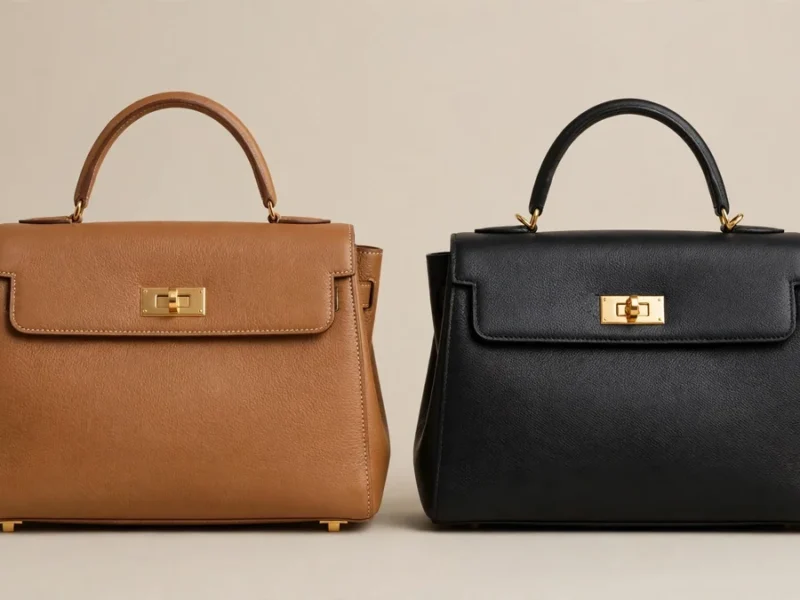
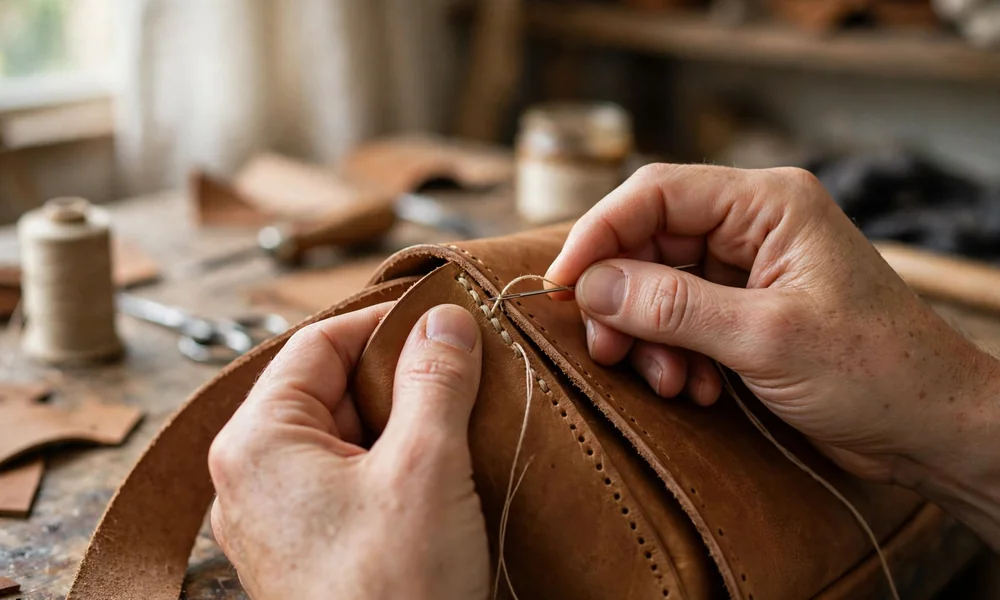
Hermès is the purest example of atelier-led luxury. Each Birkin or Kelly is made by a single artisan in the house’s workshops, from cutting to final stitching, and the artisan’s stamp appears inside the bag. The history of Hermès begins in a Paris harness workshop, and the house has never left that craft behind. Its leather ateliers in Pantin and across France train artisans for years before they are allowed to make a bag alone.
The Italian Workshops
Italy has a different atelier tradition, built on family workshops and regional specialisation rather than Paris couture. Brunello Cucinelli, based in the Umbrian village of Solomeo, is the most visible example: the company restored the village around its workshop, and its cashmere is knitted and finished by artisans working in the hills where the business began.
Loro Piana, now part of the same luxury group as Louis Vuitton, built its reputation on sourcing the finest fibres in the world, from baby cashmere to vicuña, and on mills and workshops that treat clothmaking as a craft. Its garments are quiet, unbranded and made to last, which is the atelier ethos in its purest form.
Kiton, the Neapolitan tailoring house, makes suits that pass through dozens of hands, with much of the work done by hand rather than machine. A Kiton jacket is a demonstration of what Neapolitan tailoring can do, and the house’s workshops in Naples remain the centre of its identity. Valentino, with ateliers in Rome and Paris, bridges the two traditions, combining Italian colour and romance with Paris couture discipline.
The Quiet Masters
Some of the best atelier-led houses are the ones you rarely hear about. Schiaparelli, revived in Paris, makes sculptural couture in its Place Vendôme ateliers, where the work is closer to art than to fashion. Armani Privé, the couture arm of Giorgio Armani, is known for understated elegance and precise tailoring, with ateliers in Milan and Paris.
Givenchy’s Paris ateliers have dressed some of the most famous women in history, from Audrey Hepburn onwards, and the house remains known for clean lines and impeccable evening wear. Saint Laurent, though more fashion-led today, still maintains ateliers whose tailoring heritage shapes every collection.
The most influential fashion houses of all time are dominated by these atelier-led names, and that is no coincidence. Houses that keep their workshops at the centre tend to outlast those that do not, because craft is harder to copy than a logo.
How the Ten Houses Compare
| House | Atelier base | Signature craft | What to buy |
|---|---|---|---|
| Hermès | Paris and France | Single-artisan leatherwork | Birkin, Kelly, silk scarves |
| Chanel | Paris | Couture, embroidery, tweed | Classic Flap, tweed jackets |
| Dior | Paris | Silhouette and tailoring | Bar jacket, Lady Dior |
| Valentino | Rome and Paris | Embroidery, evening gowns | Red gowns, Rockstud accessories |
| Brunello Cucinelli | Solomeo, Italy | Cashmere knitting | Cashmere sweaters, soft tailoring |
| Loro Piana | Italy | Fine fibres and cloth | Cashmere, vicuña, quiet tailoring |
| Kiton | Naples, Italy | Hand tailoring | Neapolitan suits and jackets |
| Givenchy | Paris | Evening wear, clean lines | Evening gowns, Antigona bag |
| Armani Privé | Milan and Paris | Understated couture | Evening couture, soft tailoring |
| Schiaparelli | Paris | Sculptural couture | Couture gowns, statement jewellery |
Why Atelier-Led Houses Are Worth Your Money
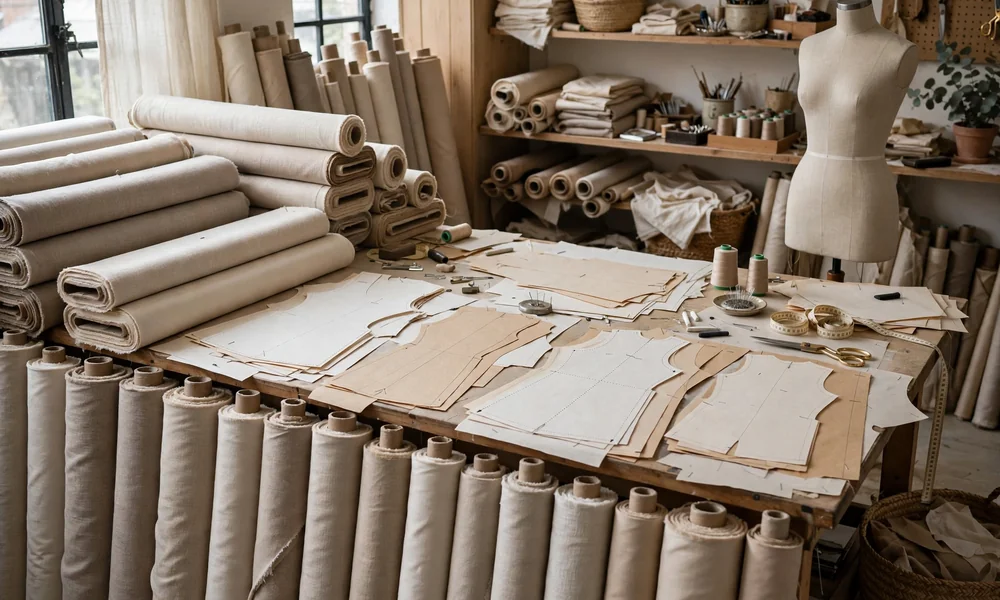
The case for atelier-led houses is practical, not sentimental. Garments made by hand, from good materials, last longer and age better than mass-produced ones. A hand-stitched seam moves with the body, a well-cut jacket keeps its shape for years, and a leather bag made by one artisan can be repaired by the house that made it.
There is also the question of value. Atelier-made pieces from the houses above tend to hold their worth better than trend-led fashion, because the craft is real and recognised. A classic piece from Hermès or Chanel is wanted second-hand for the same reason it was wanted new: it was made properly.
Finally, there is the simple pleasure of wearing something made by a person rather than a production line. You can feel the difference in a hand-finished garment, and once you have felt it, mass-produced luxury is hard to go back to. That feeling is what the atelier sells, and it is why these houses have survived every fashion cycle.
How to Visit an Atelier
Most ateliers are not open to the public, but there are ways to see the craft. Couture houses welcome clients to their Paris salons, where the ateliers are often just upstairs. Some houses offer guided visits during fashion weeks or special exhibitions, and museums regularly show the work of these ateliers in detail.
The simplest way to experience an atelier-led house is to book a fitting. A made-to-measure suit from a Neapolitan tailor, or a fitting at a Paris couture salon, puts you in direct contact with the makers, and the experience will change how you think about clothes.
Before You Buy: A Quick Checklist
Use this checklist when choosing an atelier-led house.
– Look for houses that own or control their own workshops
– Choose classic pieces where the craft is visible, not hidden
– Ask how a garment or bag is made before you buy it
– Prefer timeless designs that the house has made for years
– Keep the receipt and care instructions for future repairs
– Have alterations done by the house that made the piece
Frequently Asked Questions
What are the best atelier-led luxury fashion houses?
Hermès, Chanel, Dior, Valentino, Brunello Cucinelli, Loro Piana, Kiton, Givenchy, Armani Privé and Schiaparelli are the leading examples. Each keeps handcraft at the centre of its business, from Paris couture ateliers to Italian family workshops.
What does atelier-led mean?
It means the workshop drives the product. Design decisions are shaped by what the atelier can do, makers are treated as experts, and the house invests in traditional skills and training rather than outsourcing production to the cheapest source.
Is atelier-made fashion worth the price?
For classic pieces, yes. Hand-made garments last longer, fit better and hold their value more reliably than mass-produced fashion. The price reflects real labour, skill and materials, not only the brand name.
Which house has the best atelier?
Hermès is often named first, because each bag is made by a single artisan from start to finish. Chanel’s group of specialist workshops and Dior’s Avenue Montaigne ateliers are equally respected for couture, while Kiton and Brunello Cucinelli lead in Italian tailoring and cashmere.
Can you visit a fashion atelier?
Most ateliers are not open to the public, but couture clients are welcomed into Paris salons, and museums and exhibitions regularly show atelier work. A fitting at a couture house or a Neapolitan tailor is the most direct way to see the craft.
Do atelier-led houses make ready-to-wear too?
Yes, most of them do, and their ready-to-wear benefits from the same workshops and standards. The difference is in the finishing: even their ready-to-wear often involves handwork that mass-market luxury does not offer.