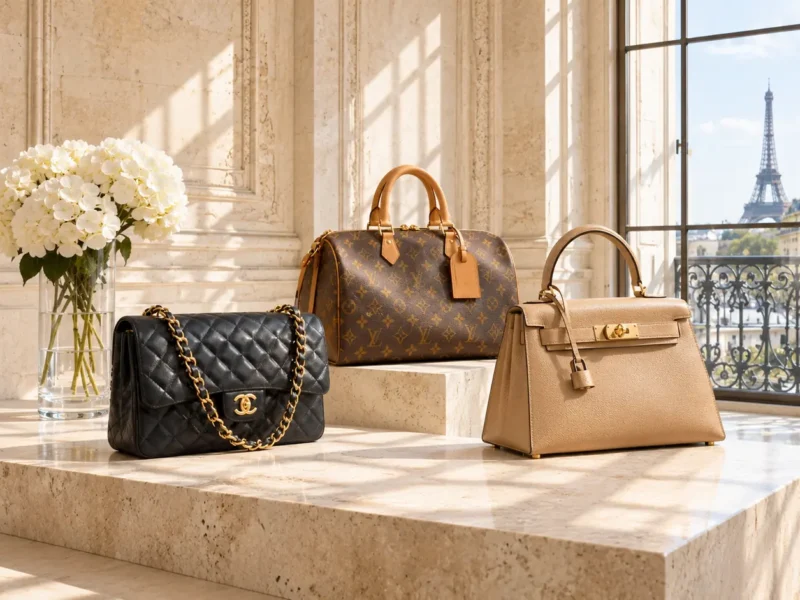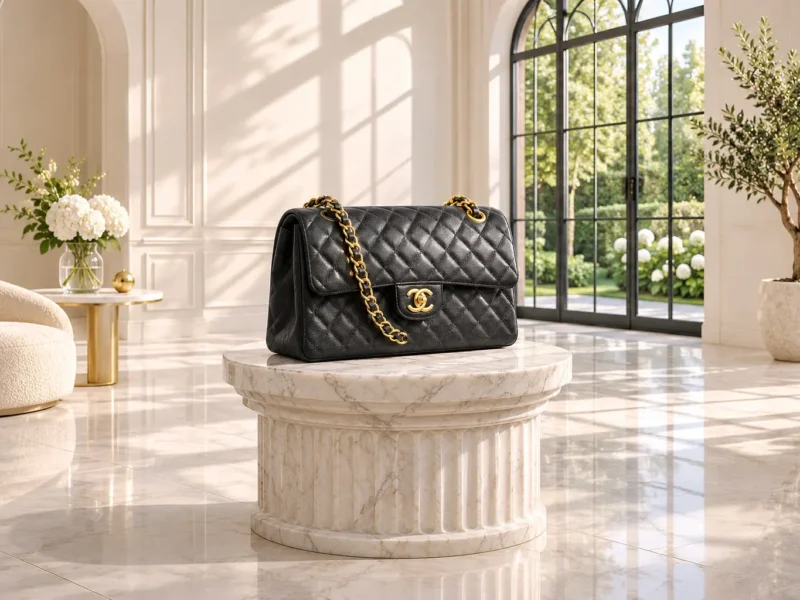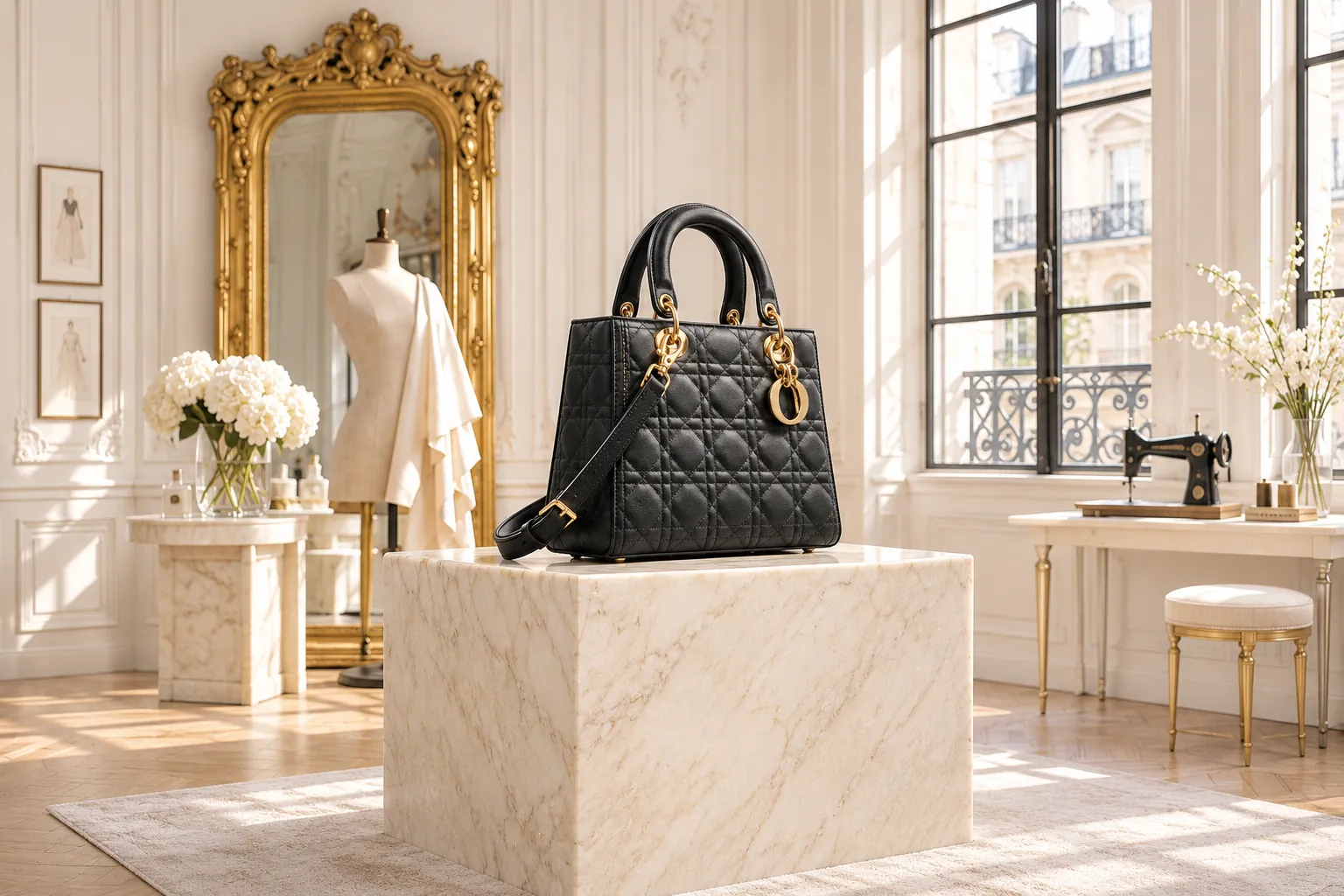
When investing in high-end fashion, discerning buyers quickly learn that true luxury goes far deeper than a visible logo or a high price tag. At the apex of the luxury industry, value is defined by heritage, material selection, precision engineering, and traditional handwork. Among the world’s most prestigious fashion houses, the House of Dior holds a unique position.
Known for architectural silhouettes, romantic haute couture, and iconic leather goods, Dior represents a distinctive blend of historical Parisian savoir-faire and modern design. But how does Dior craftsmanship compare to other luxury houses like Hermès, Chanel, and Louis Vuitton?
Understanding these differences requires examining how Dior builds its garments and accessories, how its Parisian ateliers operate, and where its technical strengths lie relative to its closest peers.
The Core Pillars of Dior Craftsmanship
To understand how Dior compares to rival fashion houses, one must first understand the foundation of Dior’s artisanal philosophy. Since Christian Dior unveiled his revolutionary “New Look” in 1947, the brand has approached fashion as a form of applied architecture.
- Architectural Tailoring and Structure: Christian Dior originally trained with a deep appreciation for architecture, a background that heavily influenced his garment construction. Unlike houses that emphasize loose draping or unstructured lines, Dior relies on rigid internal framing, sculpted waistlines, padded hips, and precise canvas structuring. The signature Bar Jacket remains a masterclass in tailored construction, requiring dozens of hours of precise patterning and pressing to maintain its hourglass silhouette without sacrificing wearer comfort.
- Haute Couture Ateliers: At its historic home on 30 Avenue Montaigne in Paris, Dior maintains two distinct high-fashion workshops: Atelier Tailleur (dedicated to structure, trousers, jackets, and rigid tailoring) and Atelier Flou (dedicated to softness, fluid dresses, delicate draping, and evening gowns). This division allows Dior artisans to specialize deeply in specific construction technique.
- Hand-Finished Leatherworking and Cannage: Dior’s approach to leather goods bridges couture dressmaking with traditional leatherwork. The iconic Lady Dior handbag, for example, is built around a custom wooden form to ensure structural stability. Its signature Cannage quilting inspired by the Napoleon III rattan chairs Christian Dior used for his first salon guests, requires meticulous geometric stitching that must align perfectly across every leather panel, pocket, and seam.
Dior vs. Hermès: Traditional Saddle-Stitching vs. Couture Engineering
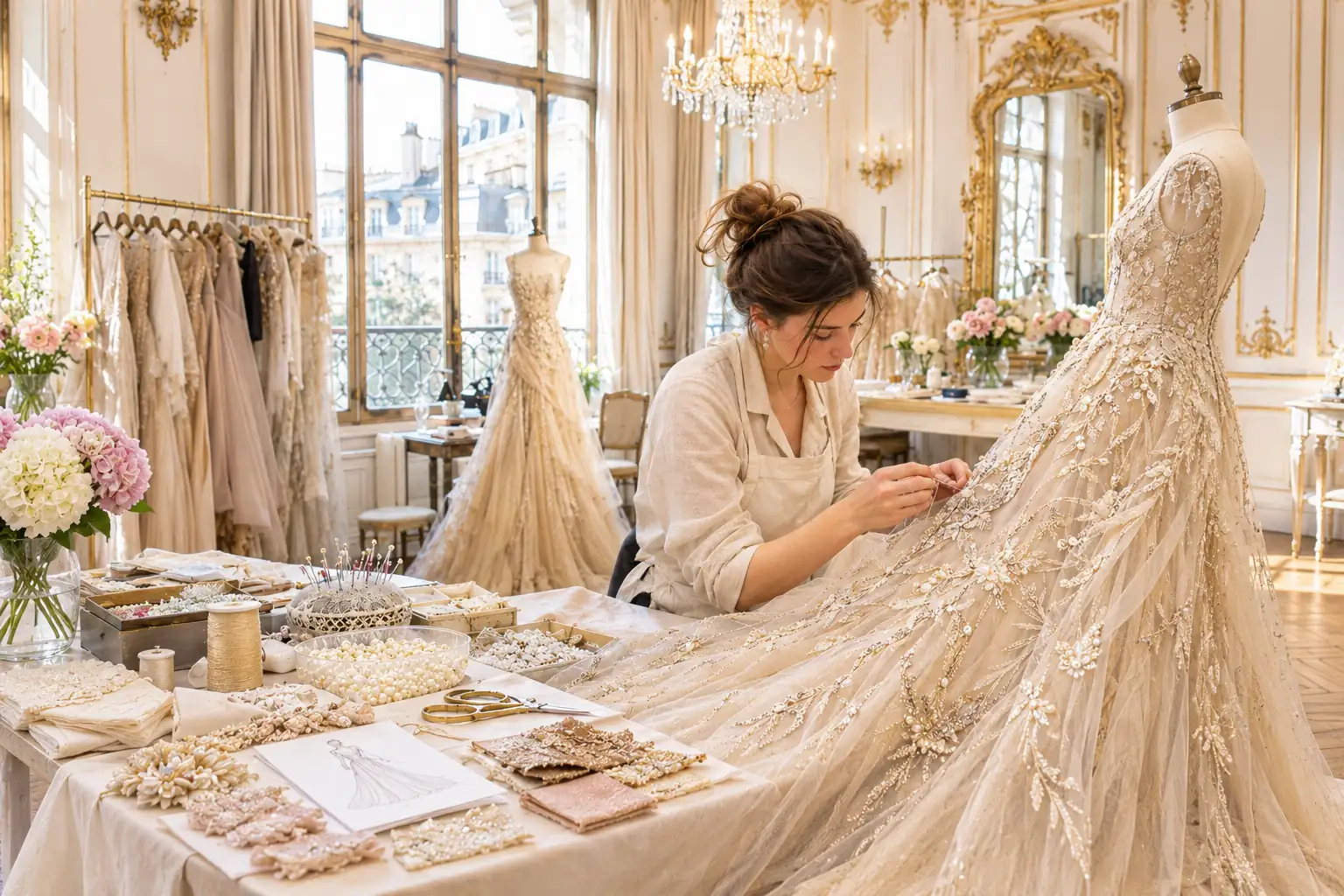
Comparing Dior to Hermès highlights two fundamentally different interpretations of ultimate luxury craftsmanship.
| Craftsmanship Aspect | House of Dior | Hermès |
| Primary Heritage | Haute Couture & Architectural Fashion | Master Harness & Saddle Making |
| Construction Method | Multi-artisan atelier assembly & couture finishing | Single artisan constructs the entire bag from start to finish |
| Signature Stitching | Cannage geometric quilting & fine dressmaking seams | Two-needle hand saddle stitch (stitch seller) |
| Aesthetic Identity | Feminine, romantic, structured, and modern | Utilitarian, understated, and leather-focused |
The Hermès Approach
Hermès remains the benchmark for pure leather artisanship. A single artisan constructs a Birkin or Kelly handbag from start to finish using the traditional saddle stitch. This hand-stitching technique uses two needles passing through the same hole in opposite directions, creating a seam that will not unravel even if an individual stitch breaks.
The Dior Difference
Dior approaches leather goods through a couture lens rather than a saddlery lens. While Hermès emphasizes heavy-duty leather construction and hand-burnished edges, Dior focuses on surface artistry, delicate embroidery, intricate quilting, and sculpted forms. While a Dior handbag involves specialized machine assembly combined with extensive hand-finishing, its complexity often lies in its decorative precision and architectural framing rather than raw saddlery hand-stitching alone.
Dior vs. Chanel: Two Visions of Parisian Elegance
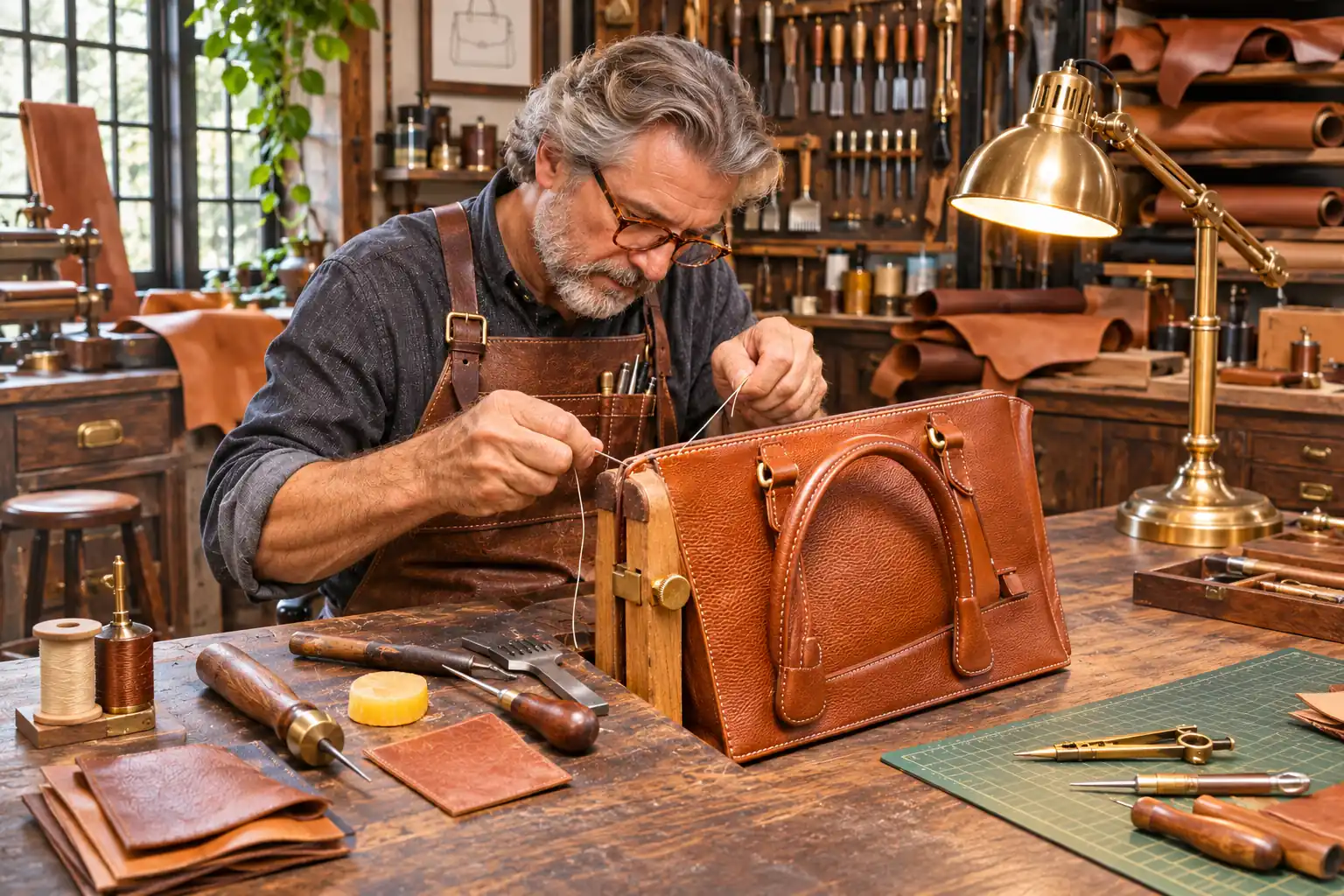
Dior and Chanel are frequently compared as the premier guardians of French fashion heritage. However, their technical philosophies diverge significantly in structural design and textile application.
Tailoring and Silhouettes
- Chanel: Prioritizes freedom of movement, relaxed boxy silhouettes, and functional luxury. Coco Chanel famously eliminated corsetry and restrictive padding, favoring soft tweed jackets weighted with hidden hemline chains to fall gracefully.
- Dior: Prioritizes sculpted shape, defined proportions, and hourglass forms. Dior’s tailoring relies on internal padding, canvas chest pieces, and precise darts to build shape around the body.
Quilting and Finish Details
While both brands are famous for quilted leather, their executions reflect their unique design identities:
- Chanel’s signature diamond quilting emphasizes soft volume, smooth lambskin or durable Caviar leather, and functional exterior pockets.
- Dior’s Cannage quilting is far more complex geometrically, featuring overlapping diagonal and straight stitch lines that form a pattern of cannage tiles.
In terms of material durability, Chanel’s Caviar leather is generally considered more scuff-resistant for daily wear, whereas Dior’s smooth lambskin and satin finishes emphasize refined tactile luxury.
Dior vs. Louis Vuitton: Artistic Savoir-Faire vs. Travel Durability
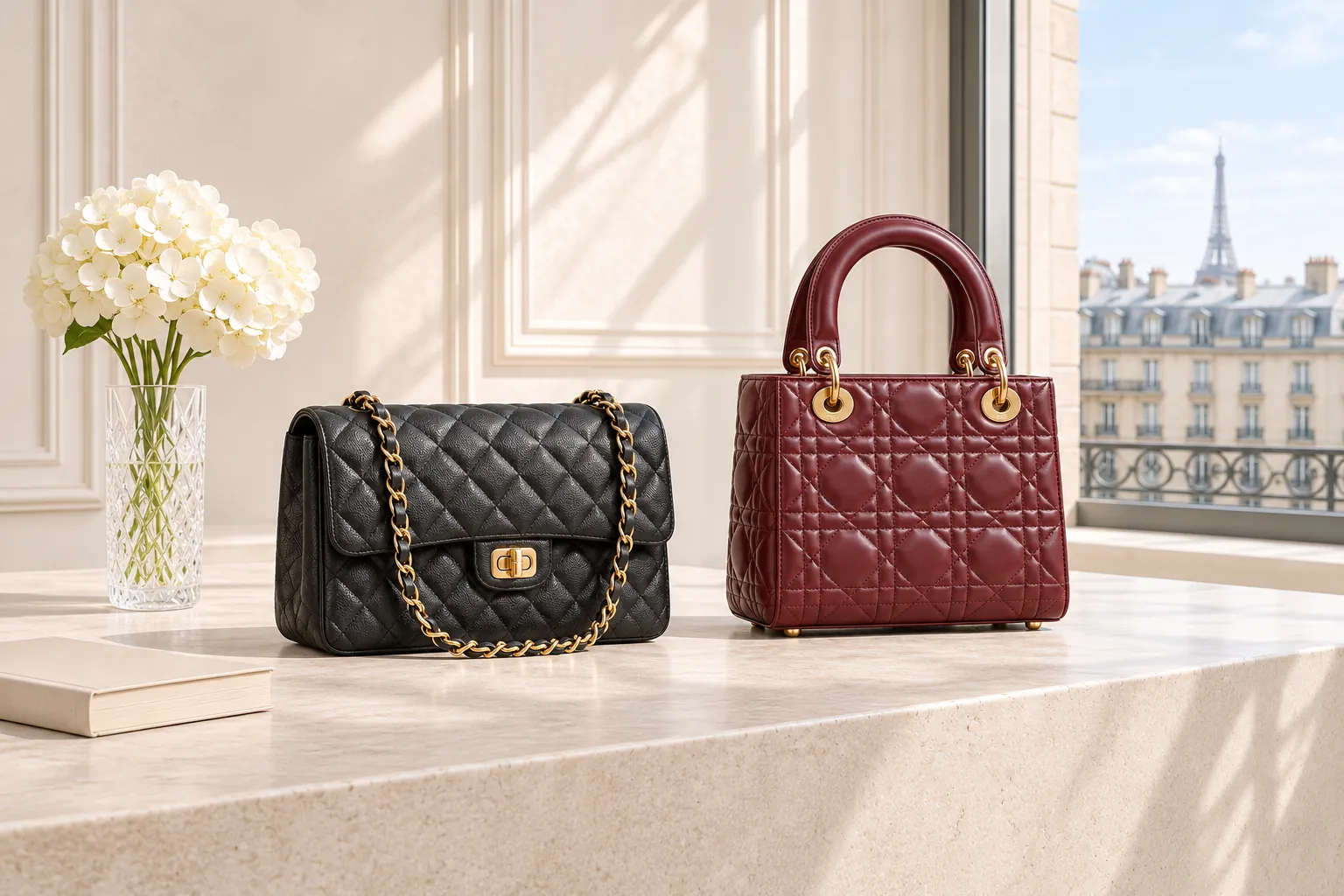
Comparing Dior with Louis Vuitton highlights the divide between high-couture artistry and luggage-grade engineering.
Canvas and Material Engineering
Louis Vuitton built its reputation on hard-sided trunks and coated canvas engineered to withstand travel wear. Its Monogram and Damier canvases are treated for scratch resistance, water repellency, and tensile strength.
Dior also produces canvas goods most notably the Dior Book Tote but handles the material like fine tapestry. A Dior Book Tote is created using full-embroidered canvas containing over 1.5 million individual stitches. Rather than printing a pattern onto a synthetic coating, Dior weaves the motif directly into the fabric using specialized embroidery looms, creating three-dimensional texture and depth.
High-End Leather Lines
When comparing Louis Vuitton’s premier leather lines (such as the Capucines) with Dior’s flagship handbags (such as the Lady Dior or Saddle Bag), both houses utilize exceptional full-grain leathers and hand-painted edges. However, Dior maintains a stronger emphasis on delicate, dress-matching finishes, while Louis Vuitton focuses on structural rigidity and hardware longevity.
Where Dior Craftsmanship Excels
Dior maintains several distinct craft advantages that set it apart across the luxury landscape:
- Haute Couture Integration: Unlike brands that focus exclusively on leather accessories, Dior operates one of the world’s most active and recognized Haute Couture divisions. Techniques developed in the couture ateliers—such as micro-beading, hand-dyed feathers, and delicate embroidery—directly inform its ready-to-wear and handbag production.
- Textile Innovation and Embroidery: Through partnerships with legendary embroidery houses (such as Maison Lesage), Dior produces some of the most intricate embellishments in luxury fashion, seamlessly blending historical techniques with contemporary design.
- Architectural Footwear and Jewelry: Dior’s footwear and fine jewelry ateliers apply the same structural rigor as its garment workshops. From curved heels engineered for weight distribution to high-jewelry settings designed by Victoire de Castellane, Dior crafts accessories with architectural precision.
Considerations and Limitations of Dior Goods
While Dior’s craftsmanship is world-class, prospective buyers should keep a few practical considerations in mind depending on how they plan to use their items:
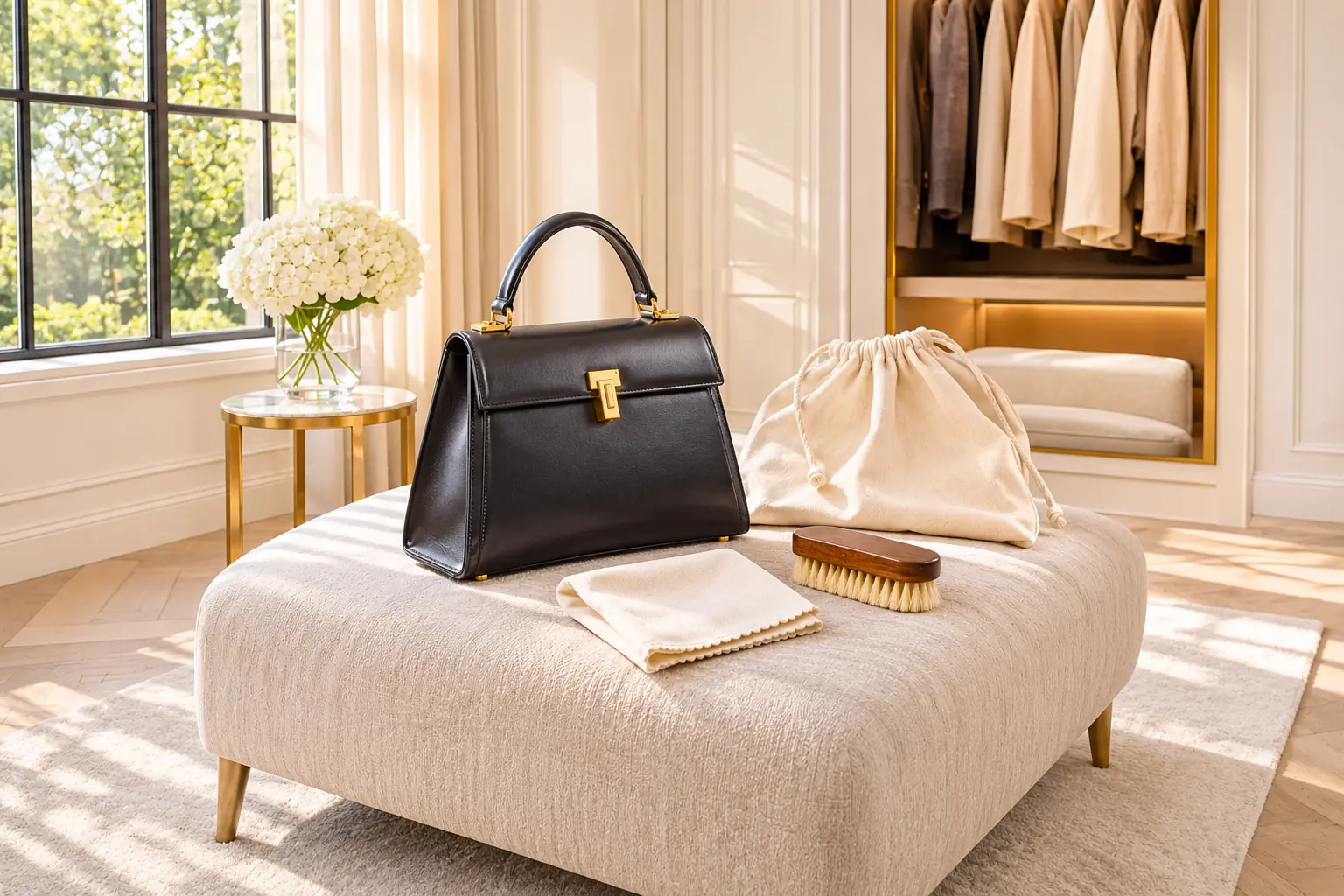
- Delicacy of Fine Leathers: Dior frequently utilizes ultra-soft lambskin and smooth calfskin. These materials offer a luxurious feel, but they require careful handling and are more susceptible to surface scratches than textured leathers like Hermès Epsom or Chanel Caviar.
- Maintenance Requirements: Due to the complex embroidery and delicate hardware found on many Dior pieces, routine care is essential. Items with Cannage stitching require gentle conditioning to prevent thread snagging or dirt buildup in the stitch grooves.
- Secondary Market Retention: While iconic models like the Lady Dior hold solid long-term value, Hermès bags and select Chanel classic flap bags traditionally retain a higher percentage of their retail value on the resale market. Buyers focused purely on financial resale performance should factor this distinction into their purchase decisions.
Frequently Asked Questions
Is Dior considered equal in quality to Hermès?
Both houses maintain exceptional quality, but their focus differs. Hermès is unmatched in hand-stitched leathercraft and saddlery traditions. Dior excels in architectural tailoring, intricate embroidery, and couture dressmaking savoir-faire.
Are Dior handbags made by hand or machine?
Dior handbags combine both methods. Structural cutting, embroidery, and assembly are performed using high-precision equipment alongside skilled artisan hand-work, including hand-stitching details, edge painting, and manual leather stretching over wooden forms.
Why are Dior Book Totes so expensive if they are made of canvas?
The Dior Book Tote is not made of simple printed canvas. It is constructed from fully embroidered fabric involving over one million individual stitches, requiring specialized high-density weaving and meticulous hand-finishing.
Does Dior offer repair and restoration services?
Yes. Dior offers dedicated after-sales services through its boutiques. Skilled craftspeople can restitch seams, replace hardware, refurbish leather edges, and restore worn surfaces to prolong the life of your piece.
What is Dior’s most iconic crafted piece?
The Bar Jacket from the 1947 New Look collection remains Dior’s most famous garment design. In leather goods, the Lady Dior handbag—with its distinctive Cannage quilting and structured form—is the brand’s quintessential leather piece.
How do I maintain and protect Dior lambskin leather?
Store the bag in its original dust bag away from direct sunlight and humidity. Avoid contact with dark denims that may transfer dye, and clean the surface gently with a soft, dry microfiber cloth. Periodically apply a leather conditioner specifically formulated for delicate leathers.
Final Thoughts
Dior’s craftsmanship stands apart in the luxury world through its unwavering dedication to couture principles, architectural structure, and surface artistry. While Hermès remains the gold standard for traditional saddlery hand-stitching and Louis Vuitton leads in travel durability, Dior fills a distinct niche defined by romantic elegance, sophisticated tailoring, and delicate decorative refinement.
Whether evaluating a meticulously structured jacket or a complex embroidered tote, Dior’s savoir-faire offers a unique harmony between historical French artisanal tradition and forward-thinking fashion design.
Disclaimer: This content is for informational purposes only and reflects our personal opinions and experiences. We just love to write and share what we know and research