A designer takes a bow after a runway show. A few seasons later, another person leads the collections—but the name above the boutique remains unchanged. What are fashion houses, and how can their identities survive the people who created them?
Fashion houses are design businesses that develop clothing and related products under a recognizable creative identity. The term is especially associated with established designer and luxury companies, whose collections, archives, craftsmanship and visual signatures can continue across generations of designers.
A fashion house is therefore more than one designer or one shop. It is the organization that carries a creative identity forward.
What Does “Fashion House” Mean?
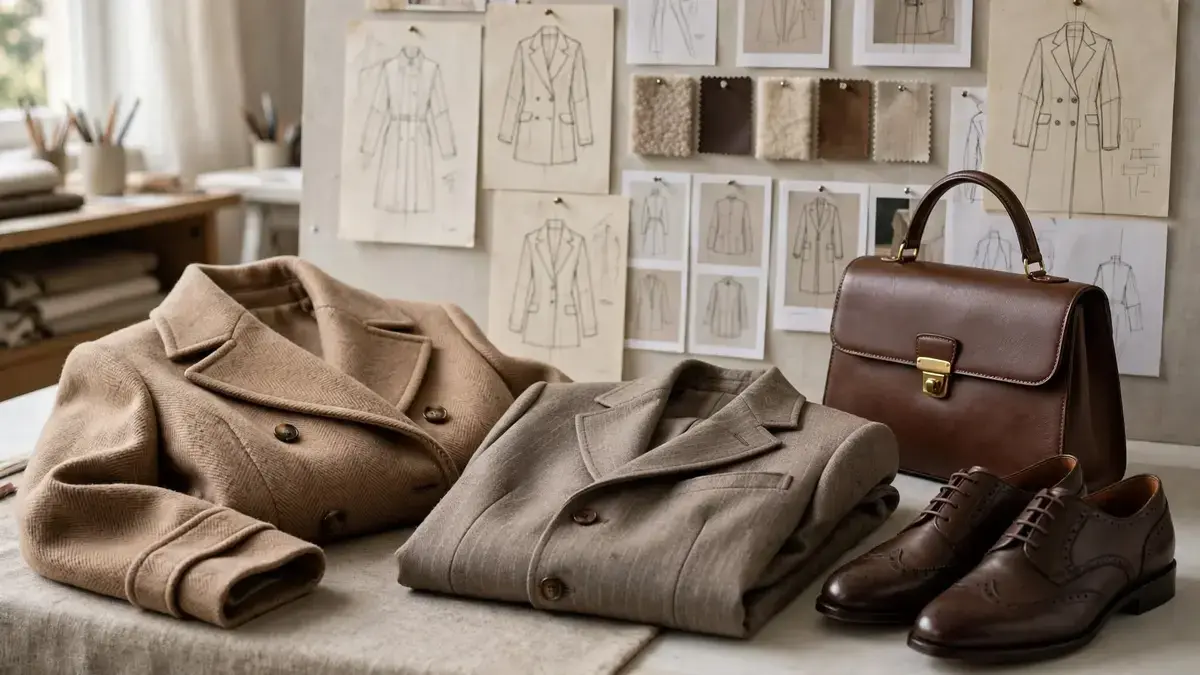
The word “house” suggests continuity.
It brings together a company’s design direction, product development, accumulated knowledge and commercial activity. Its identity may be closely connected to a founder, but the business can continue long after that founder stops designing.
Chanel, Dior, Prada, Gucci and Hermès are familiar examples.
They do not all share the same origins, products or methods. What connects them is a recognizable identity expressed through successive collections and categories.
What Does “Maison” Mean?
Maison is French for “house.”
Luxury companies use it to describe businesses with their own identity and expertise. LVMH, for example, refers to its businesses as Maisons across fashion, leather goods, fragrance, jewelry and other sectors.
That wider usage matters: not every Maison is a fashion house.
The word can communicate heritage and specialization, but it should not be treated as a universal product-quality certificate.
Fashion House vs Brand vs Label: What Is the Difference?
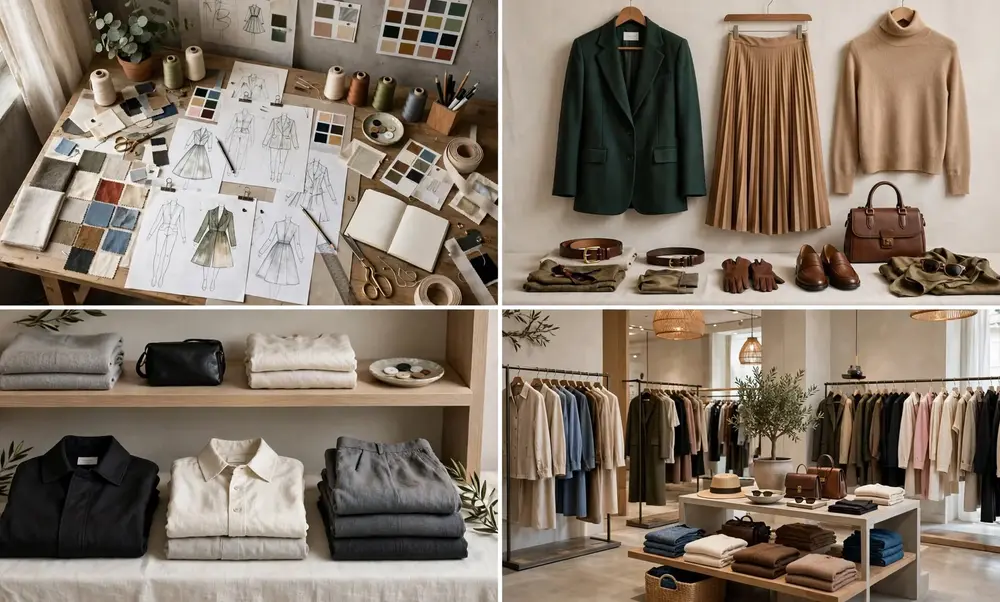
These terms overlap. They describe different aspects of a business rather than three rigid categories.
| Term | What it emphasizes | Useful distinction |
| Fashion house | A continuing design organization and creative identity | Often used for established designer businesses |
| Brand | The identity through which products are recognized and marketed | The broadest term |
| Label | A named line or designer business | Often used informally for both emerging and established names |
| Retailer | The business of selling products | May sell its own designs, other brands or both |
| Luxury group | Ownership and coordination of multiple businesses | Not the same thing as an individual house |
A company can be a brand and a fashion house at the same time.
A department store can sell several fashion houses without becoming those houses. A luxury group can own multiple houses while each retains a different identity.
The distinctions help explain who designs, who owns and who sells what you see.
How Did Fashion Houses Begin?
The modern fashion-house model is closely associated with the development of Paris couture.
Charles Frederick Worth is a central figure in that history. In 1858, he and Otto Bobergh opened their dressmaking establishment in Paris.
Museum accounts explain how Worth helped establish the couturier as a creative authority whose designs clients sought out.
The Designer Became Part of the Proposition
Rather than treating dressmaking only as the execution of a customer’s instructions, the couture-house model elevated the designer’s authorship.
Clients came to the establishment for its particular taste and creations.
That relationship remains recognizable today: shoppers may seek a house because they want its interpretation of clothing, rather than simply any garment in a particular category.
Worth Was Influential, but Not Working in Isolation
It is tempting to present fashion history as one person inventing an entire industry.
The Metropolitan Museum of Art adds useful nuance: Worth was not the first or only designer to organize a business in this way. His influence and self-promotion helped make him the figure widely described as the father of haute couture.
That distinction preserves the importance of his contribution without erasing the wider dressmaking world.
Not Every House Began With Dresses
Some major houses developed from expertise outside clothing.
Hermès Began With Harness-Making
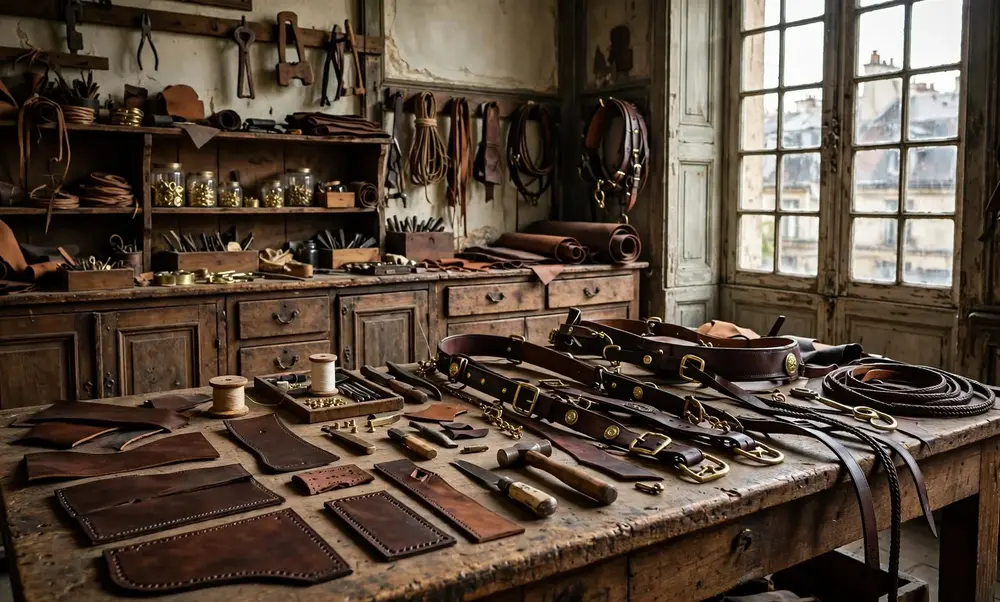
Hermès traces its beginnings to Thierry Hermès’ Paris harness workshop in 1837.
That origin helps explain why its identity cannot be reduced to runway fashion. A house can grow from a particular craft into a much wider product world.
Our account of the Hermès story explores that development.
Prada Began as a Leather-Goods Business
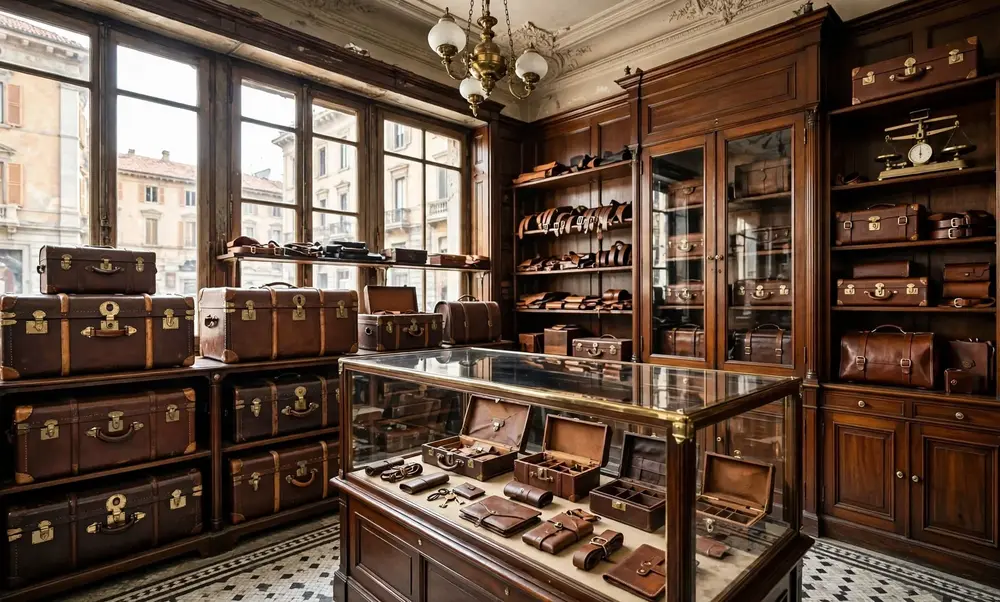
Prada’s history begins with a Milan store opened by Mario Prada in 1913.
Its later fashion identity developed from that starting point rather than from an original couture salon.
Read the Prada story for more about the house’s evolution.
These examples reveal an important point: a fashion house’s origins may shape its identity without limiting what it eventually produces.
What Happens Inside a Fashion House?
The exact structure differs by company, but a house brings together creative and commercial work.
A collection is not produced by one person sketching alone.
| Function | Typical role |
| Creative direction | Establishes the collection’s overall vision |
| Design teams | Develop garments, accessories and details |
| Ateliers and technical teams | Translate designs into patterns, samples and finished constructions |
| Material development | Selects or develops fabrics, leathers and other components |
| Product and merchandising teams | Shape the assortment and commercial offer |
| Production and quality teams | Coordinate manufacturing and product requirements |
| Communications | Present the house through campaigns, shows and imagery |
| Retail and client services | Connect products with customers and support ownership |
The arrangement may involve in-house teams, specialist suppliers, external workshops or a combination.
The term “fashion house” does not establish that every product is made entirely inside one building.
What Is an Atelier?
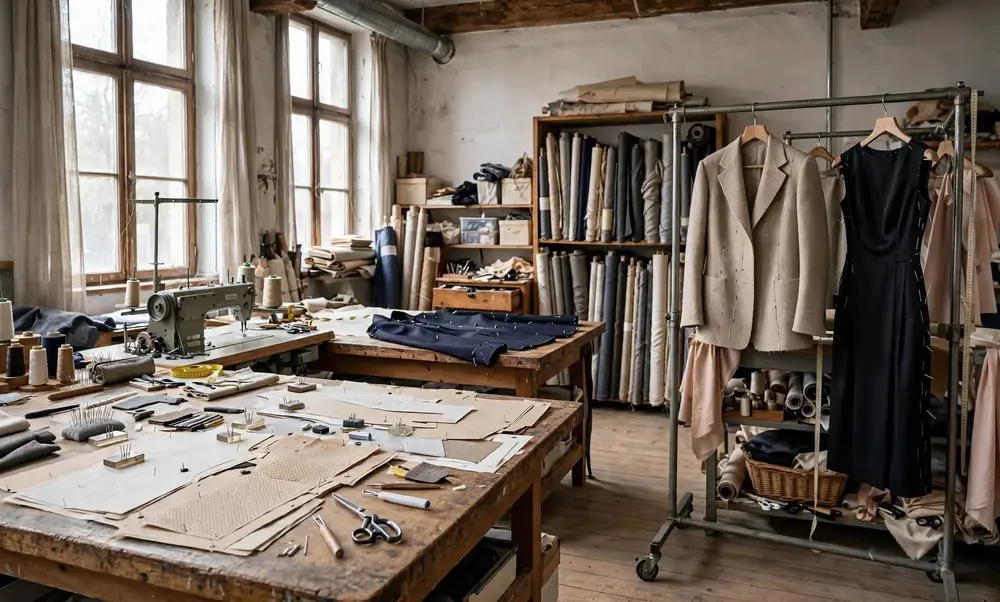
Atelier means workshop or studio.
In fashion, it commonly refers to the workspace and team involved in developing or making garments and other creations.
Its role depends on the business and product category. A couture workshop and a ready-to-wear sampling team do not necessarily operate in the same way.
What Does a Creative Director Do?
A creative director helps determine how the house expresses itself.
That can include the collection’s silhouettes, materials, colors and broader visual direction. Responsibilities vary by company.
The position also involves a balancing act: introducing a point of view while working within an identity that customers already recognize.
The House Is Larger Than the Appointment
A change of creative director does not mean every employee, supplier, workshop or product changes at once.
Existing teams, archives and commercial structures remain important.
This is why judging a house solely by one runway collection can miss much of its activity.
It also explains how a business can remain recognizable while its creative leadership evolves.
What Are “House Codes”?
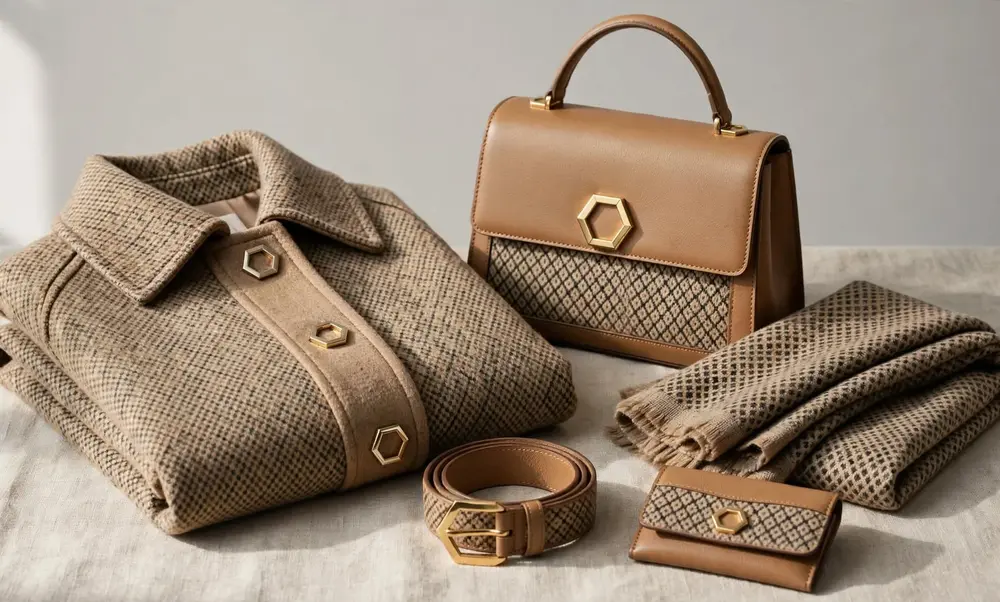
House codes are recurring elements associated with a particular identity.
They might include a silhouette, material, motif, fastening, color combination or way of constructing a product.
Their value lies in recognition. They give successive collections a relationship to what came before.
A Code Does Not Have to Be a Logo
A product may be recognizable through shape or detail.
A house can repeat those elements, alter them or question them. That tension between continuity and change is part of fashion design.
Our Chanel history provides an example of how a house’s identity can be discussed across different periods.
Archives Provide Material for New Ideas
An archive may contain garments, patterns, sketches, photographs, textiles and other records.
Designers can use those resources to understand the house and develop new work.
Revisiting an archive does not have to mean reproducing an old product exactly. It can mean adapting a proportion, construction detail or idea for a different context.
Is Every Fashion House a Haute Couture House?
No.
This is one of the most important distinctions in fashion terminology.
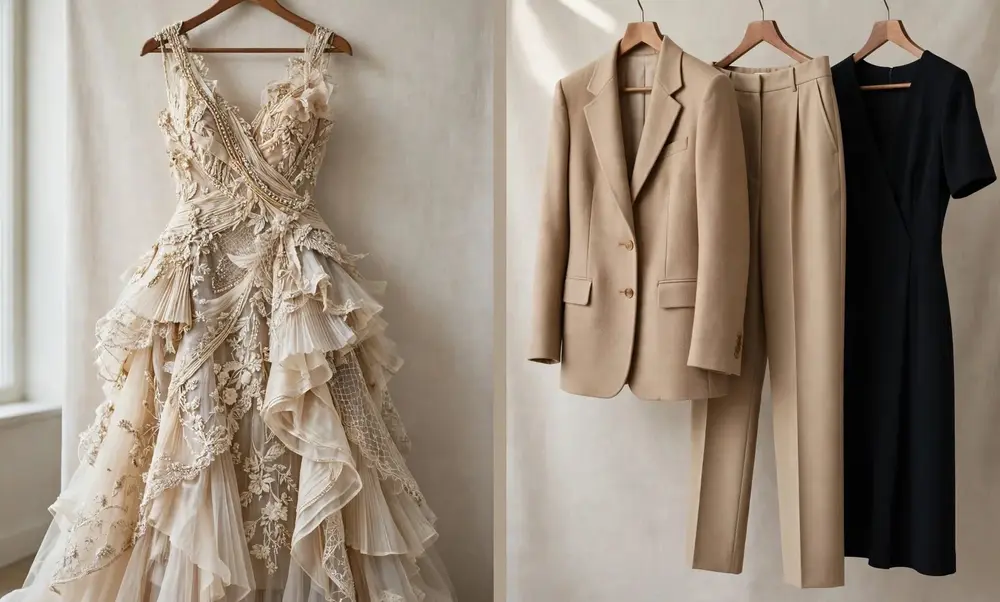
“Fashion house” is a broad description. Haute Couture has a specific recognition framework in France.
The Fédération de la Haute Couture et de la Mode explains that the designation became regulated following a decision in 1945, with eligibility subject to approval.
It also emphasizes original designs customized and made to a client’s measurements.
Couture Is Not a Synonym for Expensive Clothing
A costly ready-to-wear dress does not become Haute Couture because of its price.
Nor does a runway presentation establish couture status by itself.
A house may offer ready-to-wear without producing Haute Couture. Other houses may operate in both areas.
| Category | Broad description |
| Haute Couture | Recognized under the French framework, involving individualized creations and specialist workshop practice |
| Ready-to-wear | Clothing developed in sizes rather than created entirely around one client |
| Made-to-measure | A service adapting an established product or pattern to a customer |
| Bespoke | A term associated with individualized making; the service should be examined specifically |
These categories should not be collapsed into a simple expensive-to-cheap ranking. They describe different production and service approaches.
Fashion House vs Luxury Group: Who Owns the Name?
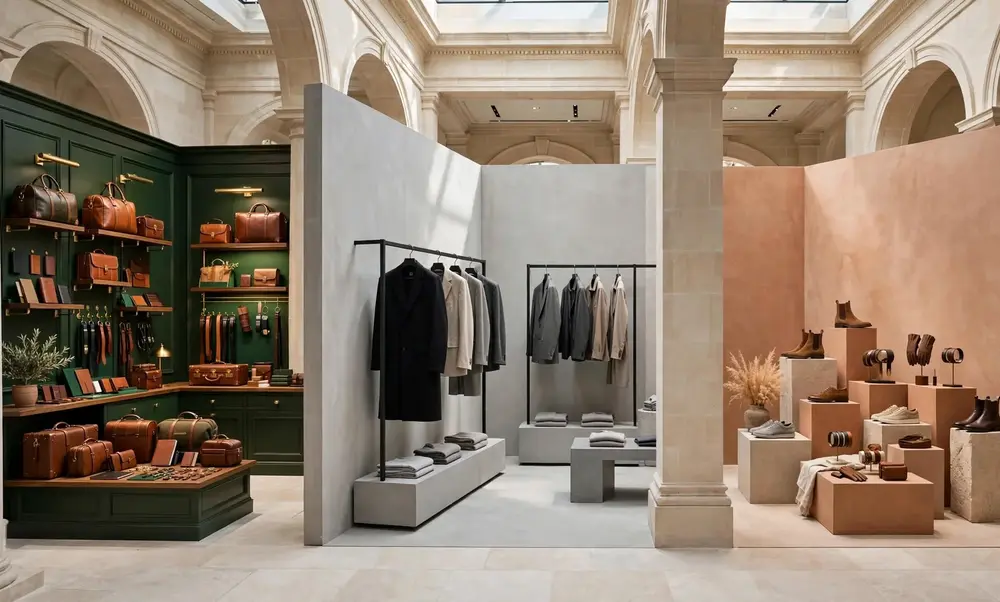
A fashion house and its owner are not necessarily the same entity.
LVMH’s official portfolio, for example, includes distinct fashion and leather-goods businesses such as Louis Vuitton, Dior, Loewe and Fendi.
The group describes supporting their development while respecting their identities.
That provides a useful distinction:
- The house carries the product and creative identity.
- The group provides an ownership and organizational structure.
A parent company can contain multiple houses without making their designs interchangeable.
For a broader introduction to established names, explore our guide to major luxury fashion houses.
What Do Fashion Houses Sell Beyond Clothing?
A house’s product world can include:
- Handbags and small leather goods.
- Footwear.
- Jewelry and watches.
- Fragrance and beauty products.
- Eyewear.
- Scarves and other accessories.
- Home objects.
The categories differ by business. Production and distribution arrangements may also differ across categories. A familiar house name does not establish that every item comes from the same workshop or uses the same manufacturing model.
Why This Matters to Buyers
A successful fragrance does not establish the construction quality of a jacket.
An admired runway collection does not tell you whether a particular bag suits your routine.
Assess the actual product while using the house’s identity as context.
Does Buying From a Fashion House Guarantee Quality?
No automatic guarantee follows from the term alone.
A house may offer specialist expertise, distinctive design and ownership services worth considering. The individual item still needs to meet your expectations.
Check:
- Material information.
- Construction and finishing.
- Fit or carrying comfort.
- Function.
- Care requirements.
- Relevant service support.
Also distinguish provenance from performance. A documented history can make a product more interesting without proving it is the best choice for every use.
Price Includes More Than Physical Construction
A purchase may reflect design, development, distribution, service and the value customers place on the name.
Understanding that does not require dismissing branding. It means deciding which parts of the proposition matter to you.
The most useful question is what the product provides at its actual price.
Can a New Designer Build a Fashion House?
Yes. The term does not require every business to have a century of history.
An emerging company can develop an identifiable creative approach, build a team and establish continuity over time.
However, calling a business a house does not itself demonstrate those achievements.
Look for the work: coherent collections, technical development, an evolving identity and products that deliver what is promised.
Heritage is accumulated rather than created by wording.
Frequently Asked Questions
What Are Fashion Houses in Simple Terms?
They are fashion-design businesses with a recognizable creative identity, often expressed across collections and product categories. The term is especially associated with established designer and luxury companies.
Is a Fashion House the Same as a Brand?
A fashion house is also a brand, but “brand” is broader. “House” emphasizes the design organization, identity and continuity behind the products.
Why Are Fashion Companies Called Houses?
The term is associated with the couture-house tradition, where design, making and client appointments were organized around an establishment. It now describes the wider business rather than requiring one literal building.
What Is the Difference Between a Fashion House and a Couture House?
Fashion house is a broad description. Haute Couture has a specific recognition framework in France; not every fashion house qualifies or operates in that category.
Can a Fashion House Continue Without Its Founder?
Yes. Teams, archives, product expertise and an established identity can continue under new creative leadership. The challenge is balancing continuity with new ideas.
Final Verdict: A Fashion House Is an Identity Built to Continue
Fashion houses bring together design, expertise, products and business operations under a recognizable name. Their defining quality is continuity: the ability to express an identity through changing collections and creative teams.
Some began in couture salons. Others grew from leather goods or specialist workshops. Their present-day activities can extend far beyond the founder’s original work.
Understanding the house gives you context. Understanding the product tells you whether it belongs in your wardrobe.
Disclaimer: This content is for informational purposes only and reflects our personal opinions and experiences. We just love to write and share what we know and research.