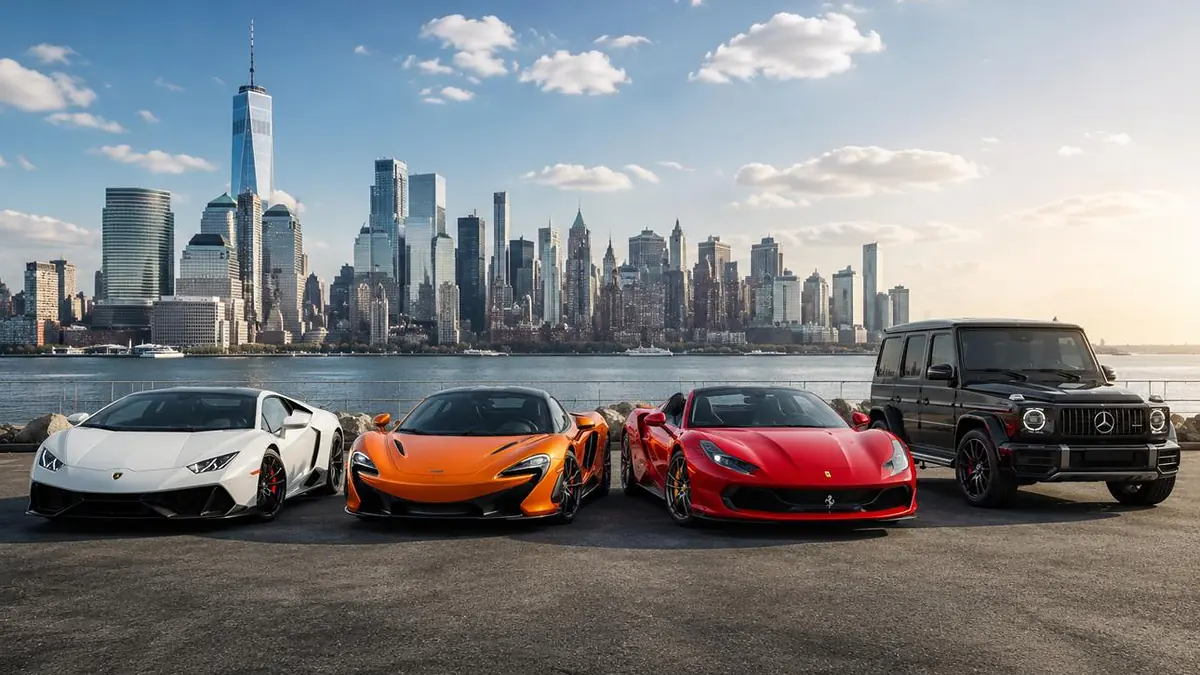
A great luxury car does more than transport people from one place to another. It changes how a journey feels. The cabin remains calm when the road becomes noisy, the seats provide support over long distances, and the engine or electric motor responds smoothly when the driver needs more power. Even small details, from the placement of a control to the quality of a door closing, contribute to the overall experience.
Luxury cars bring together engineering, craftsmanship, design, and technology. Some prioritize quiet comfort, others focus on driving excitement, and many attempt to balance both. Their growing diversity also reflects changes in consumer expectations, with electric powertrains, advanced safety systems, and personalized interiors becoming increasingly important.
Understanding luxury cars means looking beyond their prices and badges. The most meaningful differences often appear in how a vehicle performs in everyday life.
What Makes a Car a Luxury Car?
A luxury car is generally designed to provide a more refined experience than a mainstream vehicle. However, there is no universal definition, and the category can include everything from executive sedans and premium SUVs to high-performance sports cars.
Several qualities commonly distinguish luxury vehicles.
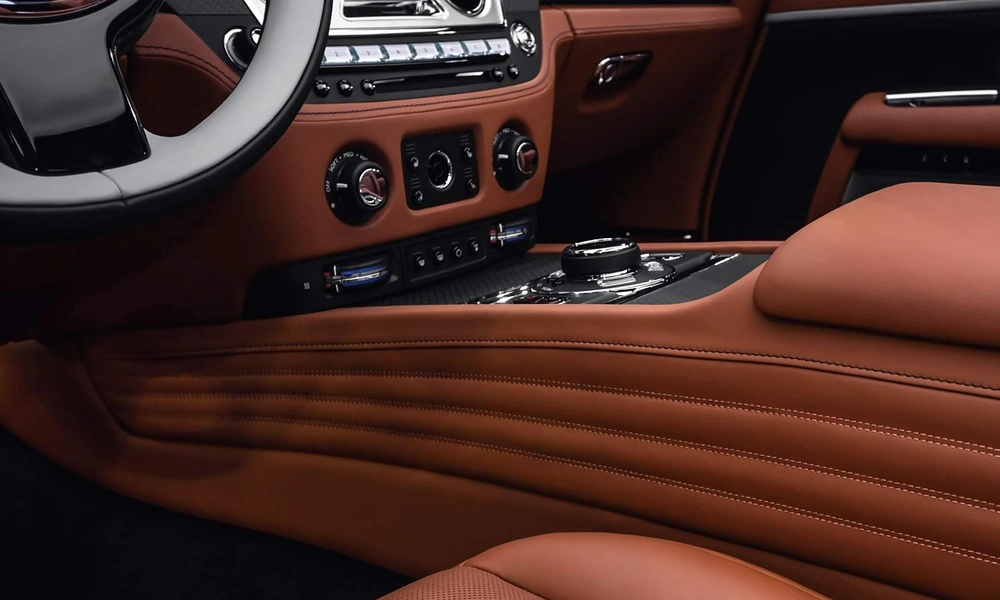
Craftsmanship and materials: Interior finishes, seat upholstery, trim, switches, and assembly quality influence how a vehicle feels. Genuine leather, carefully finished wood, metal accents, and high-quality alternatives can all contribute to a premium cabin.
Ride comfort: Suspension tuning, seat design, cabin insulation, and the management of road vibrations help determine whether a vehicle feels composed on different surfaces.
Performance: Power delivery, braking, steering, and handling contribute to the driving experience. Luxury does not necessarily mean maximum speed; smooth and predictable performance can be just as important.
Technology: Navigation, digital displays, driver assistance, climate systems, and connectivity features can make a vehicle easier to use when they are designed around the driver’s needs.
Personalization: Some manufacturers offer different interior materials, exterior finishes, seating configurations, and equipment packages, allowing buyers to choose a vehicle that reflects their preferences.
A high price does not automatically guarantee excellence in every category. The strongest luxury cars bring these qualities together without making the experience unnecessarily complicated.
The Main Types of Luxury Cars
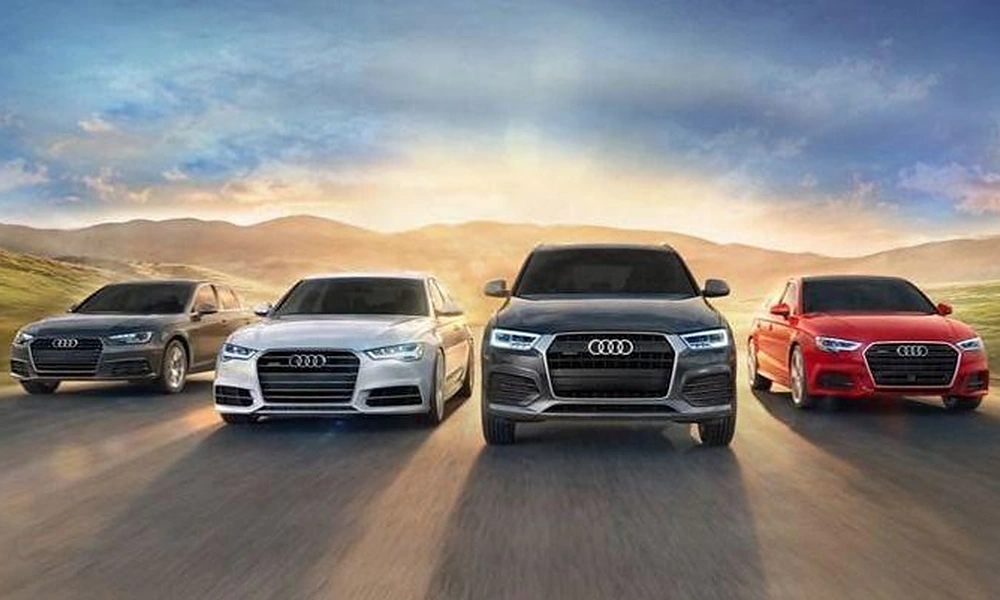
Luxury vehicles serve different purposes. Choosing the right type begins with understanding how the car will be used, rather than focusing exclusively on its appearance or reputation.
Luxury Sedans
Luxury sedans are designed around comfort, elegance, and composed road manners. Their four-door layouts make them practical for daily commuting, professional travel, and longer journeys.
The Mercedes-Benz S-Class, BMW 7 Series, and Audi A8 represent different approaches to the executive sedan. Depending on the model and specification, they offer features such as sophisticated suspension systems, spacious rear seating, advanced driver assistance, and carefully designed cabins.
Sedans can be particularly appealing to drivers who value a smooth ride and a lower seating position. Their traditional proportions also give them a restrained appearance that can remain attractive as automotive styling trends change.
The trade-off is practicality in certain situations. Compared with a large SUV, a sedan may offer less flexibility for carrying bulky items or accommodating passengers who prefer a higher seating position. For a closer look at this segment, read our luxury SUV guide.
Luxury SUVs
Luxury SUVs combine passenger comfort with a higher driving position, flexible cargo space, and, in some cases, off-road capability.
Models such as the Range Rover, Bentley Bentayga, and Porsche Cayenne illustrate how varied this category has become. Some prioritize traditional comfort and all-terrain versatility, while others emphasize sporty handling or high-performance powertrains.
Their size can make them useful for families, road trips, and drivers who regularly carry luggage or equipment. Many also provide a commanding view of the road.
However, larger vehicles can be more difficult to park in crowded urban areas. They may also consume more energy and require more expensive tires than smaller cars, depending on their design and powertrain.
Luxury Sports Cars
Luxury sports cars place greater emphasis on the relationship between the driver and the vehicle. Steering precision, acceleration, braking, balance, and chassis response often take priority over maximum passenger or cargo space.
The Porsche 911 is a well-known example, combining a recognizable design with a long-standing performance identity. Other sports cars pursue different approaches through engine configuration, weight distribution, aerodynamics, and suspension tuning.
These vehicles can make ordinary drives feel more engaging, particularly on suitable roads. Yet their firm suspension settings, lower ground clearance, limited storage, or restricted rear seating can make them less convenient for everyday use.
The best choice depends on whether driving enjoyment is the main priority or one of several competing needs.
Grand Touring Cars
Grand touring cars are designed to combine performance with the comfort required for long journeys. They typically feature powerful drivetrains, supportive seats, refined cabins, and body styles suited to extended travel.
The Bentley Continental GT is a prominent example of this philosophy. Its identity centers on combining high performance with a luxurious interior and the ability to cover long distances in comfort.
A grand tourer differs from a track-focused sports car because it places greater emphasis on usability beyond moments of intense performance. It is intended to feel rewarding on an open road while remaining comfortable enough for hours behind the wheel.
For drivers who travel frequently and appreciate distinctive design, this combination can be more appealing than a vehicle built around speed alone. To go deeper, see our guide to grand touring cars.
Electric Luxury Cars
Electric vehicles have introduced a new dimension to automotive refinement. Electric motors deliver power without conventional gear changes in most passenger-car designs, and their operation can reduce some sources of noise and vibration.
The Lucid Air and Mercedes-Benz EQS demonstrate how electric platforms can support aerodynamic bodywork, spacious cabins, and digitally integrated interiors.
Electric luxury also changes the ownership experience. Home charging, public charging availability, driving distance, climate, and charging time become important considerations. Cold weather and sustained high-speed driving can affect real-world range, so official figures should not be treated as a guarantee of everyday results.
For some drivers, the smoothness and quietness of an electric powertrain are major advantages. For others, charging access or long-distance travel patterns may make a conventional or hybrid powertrain more practical. Read more about electric luxury cars and the wider shift in luxury electric mobility.
Why Interior Design Matters
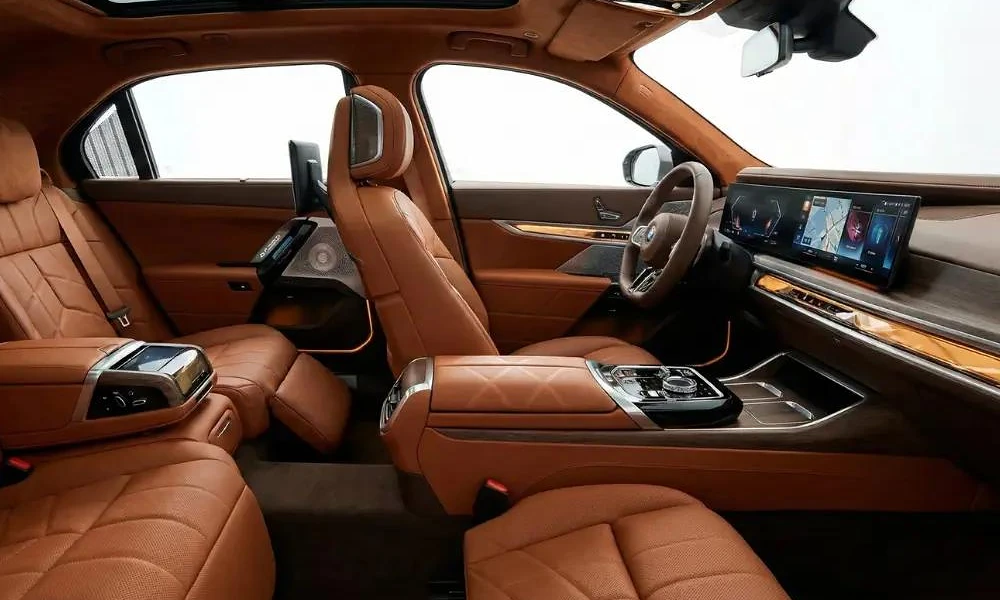
The cabin is where the luxury experience becomes most personal. Exterior styling may attract attention, but interior design determines how a vehicle feels during everyday use.
Good interior design balances appearance with function. Seats should support the body, controls should be easy to understand, storage should be convenient, and important information should be accessible without unnecessary distraction.
Materials also influence the character of a cabin. Wood can introduce warmth, metal can create a precise technical appearance, and fabric or carefully developed synthetic materials can offer comfort with different maintenance requirements.
Lighting contributes to the atmosphere, particularly at night. Adjustable ambient lighting can make an interior feel more welcoming, although it should not interfere with visibility or driver concentration.
The most successful cabins do not need to display every feature at once. Clear organization, tactile quality, and thoughtful proportions can create a more lasting impression than an interior dominated by screens and decorative elements.
Technology in Modern Luxury Cars
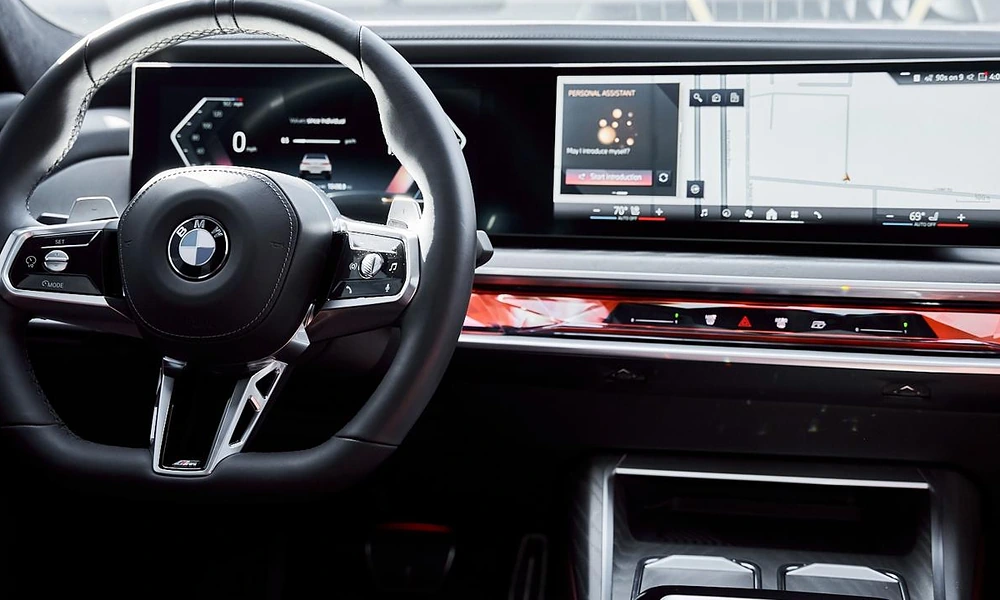
Technology has become one of the most visible areas of competition among luxury manufacturers. Features that were once limited to expensive flagship vehicles increasingly appear in less costly models.
Infotainment and Connectivity
Modern infotainment systems can combine navigation, smartphone integration, music, voice controls, vehicle settings, and connected services. Some vehicles also support over-the-air software updates.
The quality of these systems depends on more than screen size. Fast responses, clear menus, reliable connectivity, and physical controls for frequently used functions can make a system easier to live with.
A large display is not necessarily better if it requires drivers to navigate several menus to adjust basic settings.
Driver Assistance and Safety
Depending on the model and market, luxury cars may offer adaptive cruise control, lane-centering assistance, blind-spot monitoring, parking assistance, and automatic emergency braking.
These systems can support the driver, but their capabilities and limitations vary. Most driver-assistance features require continued driver attention and do not make a vehicle fully autonomous.
Buyers should examine the actual equipment included with a particular car rather than assuming every vehicle carrying a premium badge offers the same technology.
Personalized Driving Experiences
Some luxury vehicles allow drivers to adjust steering weight, suspension behavior, throttle response, cabin temperature, seating positions, and other settings.
These adjustments can make one vehicle feel comfortable during a commute and more responsive on a winding road. Memory profiles may also help multiple drivers retain their preferred settings.
Personalization is most useful when it simplifies the experience rather than creating unnecessary complexity.
What Influences the Price of a Luxury Car?
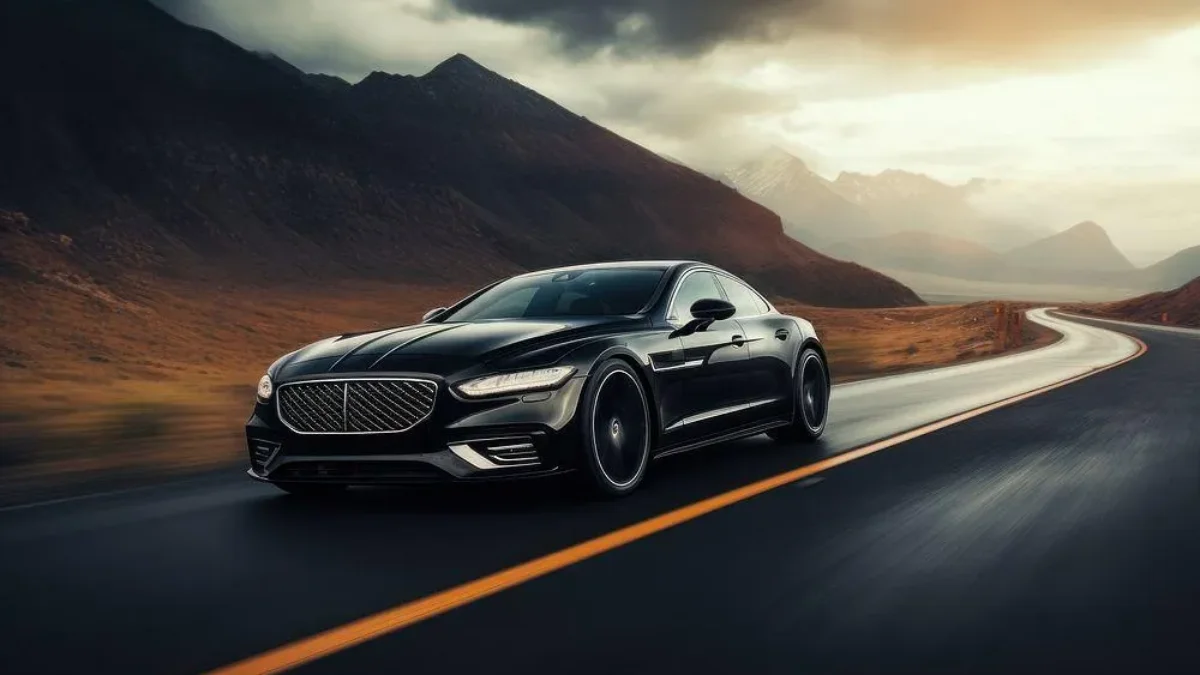
Luxury-car prices vary considerably by country, manufacturer, model, engine or motor configuration, and equipment level. Import duties, taxes, exchange rates, and local availability can create substantial differences between markets.
Several factors typically influence the final price.
- Brand positioning: Manufacturers position their vehicles differently according to heritage, design, engineering, exclusivity, and target customers.
- Powertrain: High-output engines, hybrid systems, and advanced electric drivetrains can affect both purchase price and operating costs.
- Materials and equipment: Specialized upholstery, premium audio, advanced seating, and additional technology may increase the price.
- Customization: Exclusive paint finishes, bespoke interiors, and factory personalization can add substantial cost.
- Supply and demand: Limited-production vehicles and highly sought-after specifications may command higher prices.
The purchase price is only part of the financial picture. Insurance, maintenance, replacement parts, tires, fuel or electricity, depreciation, and financing can have a significant effect on the total cost of ownership.
A sensible comparison considers the entire period of ownership, not just the amount required to buy the vehicle.
The Real Cost of Owning a Luxury Car
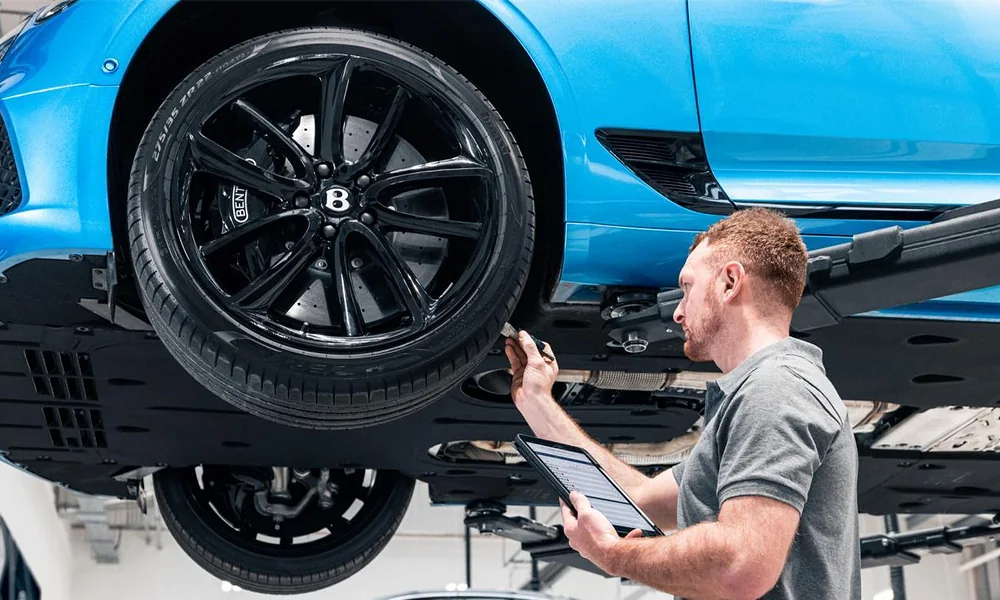
Luxury vehicles can cost more to maintain than mainstream cars, although expenses vary widely between models and manufacturers.
Specialized components, complex electronic systems, performance tires, and advanced suspension designs may increase repair costs. Some vehicles also require specific maintenance procedures or parts that are less readily available.
Depreciation deserves particular attention. A new luxury car may lose value as it ages, while certain limited-production or highly desirable models may retain value better than others. Neither outcome is guaranteed.
Before buying, prospective owners should consider:
- The manufacturer’s recommended maintenance schedule.
- The availability and cost of replacement parts.
- Warranty coverage and exclusions.
- Insurance premiums and local repair options.
- Fuel or charging expenses.
- Expected depreciation and resale demand.
A pre-owned luxury vehicle can provide access to a higher level of comfort and equipment for less than its original price. However, its service history, mechanical condition, accident history, and remaining warranty are especially important. A lower purchase price can become less attractive if the vehicle needs extensive repairs. Warranty coverage can offset some of those costs, so compare the best car warranty companies.
Luxury Cars and Sustainability
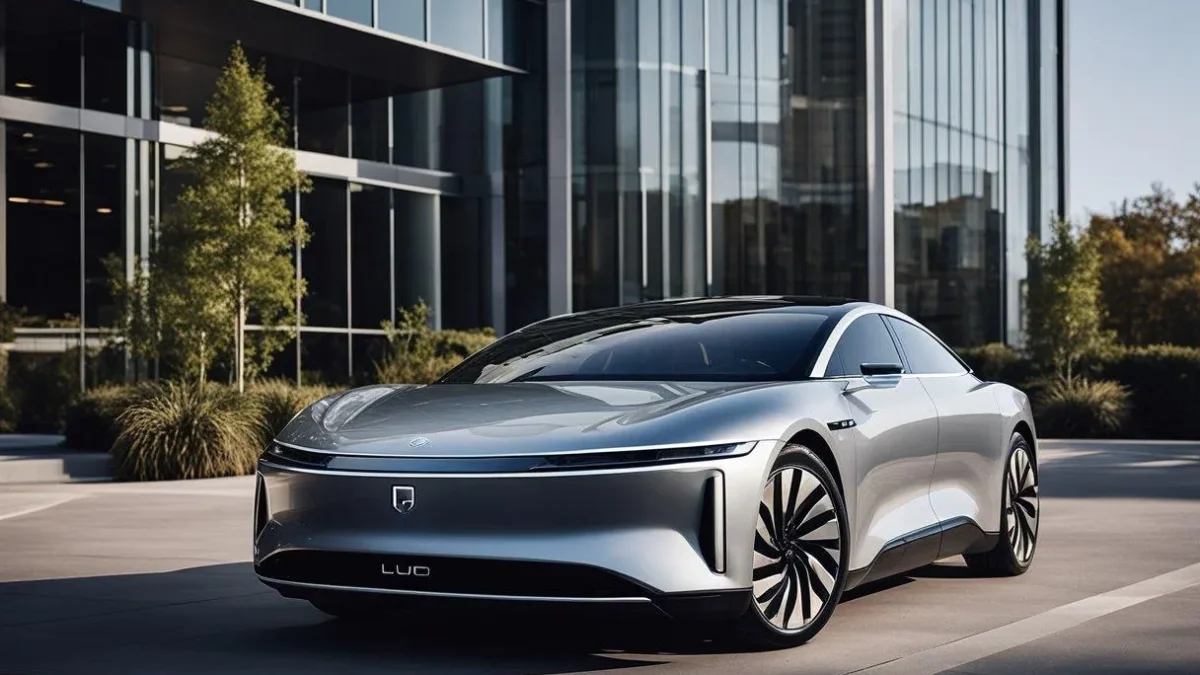
The automotive industry’s approach to luxury is changing as manufacturers respond to emissions regulations, changing consumer expectations, and developments in battery technology.
Electric powertrains are one part of this transition. Hybrid vehicles provide another option, while improvements in combustion-engine efficiency and emissions control continue to influence vehicles that use conventional fuels.
Sustainability also involves materials, manufacturing, vehicle lifespan, and energy use. Recycled textiles, responsibly sourced materials, and longer-lasting components can contribute to more considered design, although the overall environmental impact depends on how a vehicle is produced, powered, maintained, and eventually recycled.
An electric luxury car has no tailpipe emissions while driving, but its total environmental footprint also depends on battery production and the electricity used for charging. This broader perspective provides a more useful comparison than treating any single feature as a complete measure of sustainability.
How to Choose the Right Luxury Car

The right luxury car depends on the driver’s priorities, everyday routine, and budget.
Start by identifying the main purpose of the vehicle. A sedan may suit someone who spends long hours commuting, while an SUV can provide greater flexibility for families and frequent travelers. A sports car may be more appropriate for a driver who values handling and performance above space.
Next, consider the roads and driving conditions the car will encounter. Ground clearance, ride comfort, vehicle width, and parking access can make a noticeable difference in daily use.
It is also important to evaluate the cabin in person. Seat comfort, visibility, control placement, and infotainment usability can be difficult to judge from specifications alone.
Finally, compare the complete ownership costs. A vehicle that fits comfortably within the purchase budget may still require substantial ongoing spending.
A test drive on familiar roads can help reveal whether a car’s suspension, steering, power delivery, and cabin layout suit the driver. Reviewing the exact specification is equally important because equipment can vary between model years and markets.
The Future of Luxury Cars
The future of luxury automobiles will likely be shaped by electrification, software, materials science, and changing expectations of personal mobility.
Electric platforms provide new opportunities for packaging and cabin design. Software updates may improve certain vehicle functions after purchase, while connected systems can make navigation and energy management more adaptable.
Artificial intelligence may also support voice interaction, route planning, personalization, and vehicle diagnostics. The quality of these applications will depend on their reliability, privacy safeguards, and ability to solve real problems.
At the same time, traditional qualities will remain relevant. Comfort, craftsmanship, mechanical durability, safety, and distinctive design are not made obsolete by new technology.
The most compelling future luxury cars will be those that use innovation thoughtfully. Technology should improve the experience of traveling, not become an end in itself.
Frequently Asked Questions About Luxury Cars
What is considered a luxury car?
A luxury car is a vehicle designed to provide a refined combination of comfort, craftsmanship, performance, technology, and driving quality. The category includes sedans, SUVs, sports cars, grand tourers, and electric vehicles.
Which brands are known for luxury cars?
Recognized luxury and premium automotive brands include Mercedes-Benz, BMW, Audi, Lexus, Porsche, Bentley, Rolls-Royce, and Range Rover. Their vehicle ranges differ in price, purpose, performance, and level of exclusivity.
Are luxury cars expensive to maintain?
They can be. Specialized parts, advanced electronics, performance components, and labor requirements may increase maintenance and repair costs. Expenses depend on the model, age, condition, warranty, and availability of qualified service providers.
Are luxury cars worth buying?
That depends on individual priorities and financial circumstances. Buyers who value comfort, refinement, performance, or specialized features may find the additional expense worthwhile. Others may prefer a less expensive vehicle that meets their practical needs.
Are electric cars considered luxury cars?
Yes. Electric vehicles can offer premium interiors, advanced technology, smooth acceleration, and quiet operation. Luxury electric cars are increasingly available in sedan, SUV, and performance-oriented formats.
What is the difference between a luxury sedan and a luxury SUV?
A luxury sedan generally emphasizes road comfort, elegant proportions, and a lower seating position. A luxury SUV usually offers a higher driving position, greater flexibility for cargo, and potentially more ground clearance.
Do luxury cars hold their value?
Some retain value better than others, but depreciation depends on demand, reliability, model reputation, mileage, condition, age, and market conditions. A luxury badge alone does not guarantee strong resale value.
Conclusion
Luxury cars represent different interpretations of what makes driving special. For some, the defining quality is a quiet cabin and a smooth ride. For others, it is responsive handling, distinctive design, spaciousness, or the refinement of an electric powertrain.
The category continues to evolve as manufacturers explore new technologies and more considered approaches to materials and efficiency. Yet the underlying ambition remains consistent: to make transportation more comfortable, capable, and rewarding.
Looking beyond badges and headline specifications helps reveal what truly matters. A well-chosen luxury car is one whose engineering, design, and everyday usability align with the way its owner wants to travel
Disclaimer: This content is for informational and entertainment purposes only and reflects our personal opinions and experiences.